Coffee, machines and an array of parties go into Finland’s parliamentary election

Finland holds elections for its 200-seat, single-chamber parliament every four years, coincidentally always the year before the US presidential election. This means that, as winter turns to spring and Finnish politicians are gearing up for an April election, American presidential hopefuls are announcing their candidacies.

While voters, and probably politicians too, may breathe a sigh of relief that election season lasts only a couple months in Finland, nobody is saying that Finnish politics is dull.

On March 8, 2019, with five weeks to go before the election, Prime Minister Juha Sipilä dissolved his conservative government coalition, citing its failure to get a long-debated social and healthcare reform approved.

Even without such chess moves, the election offers a wide field of parties and candidates, causing voters to pause for thought. Apart from paid advertising, rows of posters go up in public places several weeks before the election, with each one showing the candidates from a different party. In the capital, for instance, voters are taking stock of an array of 17 different posters.

Multiparty juggling act
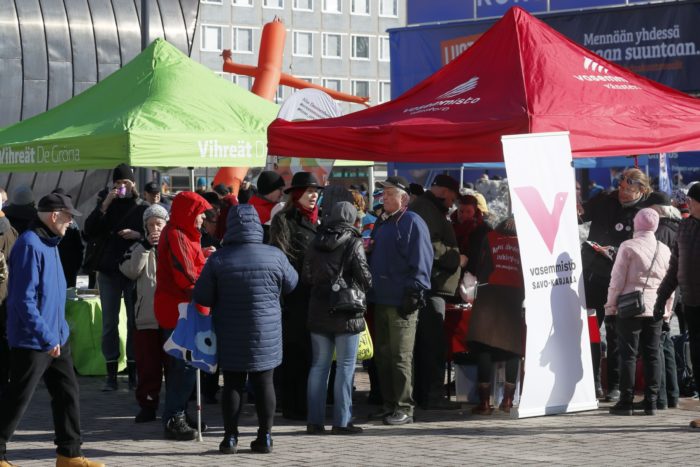
Campaigning heats up as spring arrives, with just a few weeks to go before the election. Parties set up camp on town squares, such as this one in the eastern Finnish city of Joensuu, often right beside each other.Photo: Ismo Pekkarinen/Lehtikuva

Three groups that currently hold seats in Parliament are actually facing their first election. How is that possible? They all formed as breakaways during the previous term.

The so-called Blue Reform came into existence when 19 members of Parliament left the populist “Finns” Party, dissatisfied with the party’s choice of leader. Movement Now, created when well-known businessman and MP Harry Harkimo left the conservative National Coalition Party, is actually not a party, but a movement, as its name implies. Long-time political player Paavo Väyrynen formed something called the Seven Star Movement after being asked to leave the Citizens’ Party, which he himself had created after cutting ties with the Centre Party.

In addition to those mentioned above, parties in the outgoing Parliament include the Left Alliance, the Green League, the Social Democratic Party, the Swedish People’s Party of Finland and the Christian Democratic Party. The Feminist Party is on the ballot this year for the first time.

Sorting through the candidates
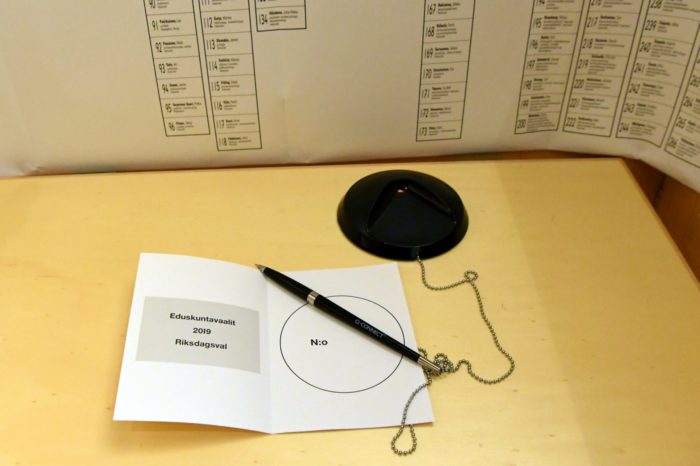
You write the number of your candidate on the inside of a folded card before placing it in the ballot box. Photo: Jussi Nukari/Lehtikuva

In a race where ten or 12 parties have a viable chance at winning seats in Parliament, what do you do if you can’t decide who to support? Some people try an election machine – not the same as a voting machine. For years, Finland’s largest daily, Helsingin Sanomat, and the Finnish national broadcaster Yle have each offered interactive online questionnaires to help voters narrow down their choices and seek information. Other media and organisations also publish their own versions, which may focus on a smaller set of issues or a certain region of the country.

Election machines have proved immensely popular. Yle offers its version, called the Election Compass, in English and Russian, in addition to the two official national languages Finnish and Swedish.

“Machine” might make it sound complicated, but it’s easy. The publishers solicit answers to a few dozen key questions from candidates ahead of time and feed the responses into the system. Then you go online and answer the same questions, clicking through the list.

Here are a few examples from the Yle site: Should Finland be a forerunner in the fight against climate change? Should the Finnish state encourage people to eat less meat using measures such as taxation? Should under-18s be allowed to undergo gender reassignment treatment? Should childcare leave be equally distributed between parents? Would NATO membership enhance Finland’s security? Should Helsinki introduce a traffic congestion surcharge during rush hour?

You can check who holds values and views that match your own, either question by question or in total. The results sometimes surprise users. Then you have the opportunity to click on those candidates and see their answers in greater depth.

Is this applying artificial intelligence to voting? Well, no, but it is a way to organise your thoughts and do some research before heading out to vote.

Show up and have your say
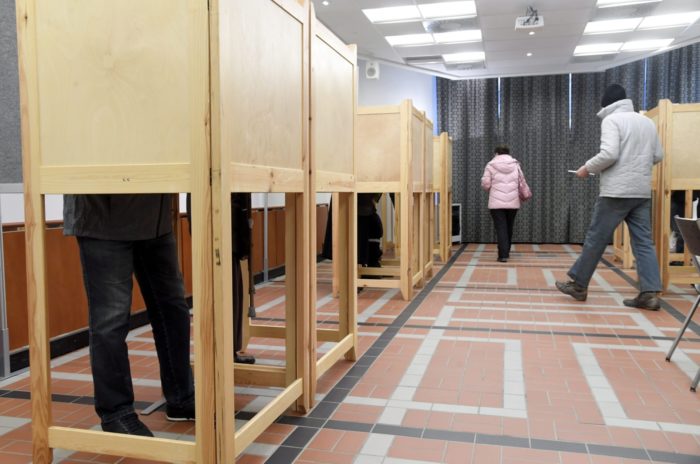
You go behind a screen to write down your vote in privacy.Photo: Markku Ulander/Lehtikuva

People do get out and vote. Voter turnout for the previous parliamentary election was a respectable 70.1 percent. All citizens 18 or over are automatically registered to vote and receive a notice in the mail before each election. Advance voting starts about two weeks before election day and accounts for almost half of the votes (46.1 percent of ballots cast in the 2015 parliamentary election happened during the advance voting period.)

Combine this with the Finnish proclivity for drinking coffee – the Finns drink more than ten kilograms per capita annually, the most in the world – and you have the makings of a tradition: election day coffee. People make voting into an outing by combining it with a stop at the local café. In fact, they used to get dressed up in their best clothes to go and vote. Folks are less formal nowadays, but the tradition of voting remains strong.

Parents may bring their kids with them to the polling place to get them interested, hoping the tradition will carry over to the next generation. The whole voting process takes a few minutes. You show your ID, they check your name off the list, and you receive a folded card. You go behind the screen and write the number of your candidate inside the card. Then they stamp the front of the card and you place it into a slot in a sealed box.

And that’s it. Afterwards you go for coffee with friends or family. The April weather may even be good enough to sit at an outdoor table. If you go the advance voting route, you can still go for coffee, no matter what day it is.

With so many parties, it’s highly unlikely that one of them could win outright. Usually the party with the most seats in Parliament bands together with several other parties to form a government coalition and get things done. For this reason, most voters select a party first and then a candidate. Even if that candidate doesn’t get in, the vote will still help that party gain seats.

More info about Finland’s parliamentary elections here.

By Peter Marten, April 2019
Finnish cybersecurity CEO understands the nuts and bolts of technology

Risto Siilasmaa is the chairman of the board of directors of Nokia Corporation and an entrepreneur at heart. In addition to leading Nokia’s recent transformation, he is founder and chairman of the board of cybersecurity company F-Secure. He’s also known as a business angel who has invested in a number of tech startups. Here’s his story:

“I was fascinated by artificial intelligence during the end of the 1980s and spent numerous hours working on Natural Language Processing challenges using a weird and wonderful programming language called Lisp. The effort didn’t really amount to much, but at least I could claim, forever after, that I had worked in the hallowed field of artificial intelligence (AI).

In 2006, the cybersecurity company I founded back in 1988 started using neural networks to identify malicious applications. Though F-Secure didn’t immediately enjoy much success with it – as often happens when you’re just a little bit too early with a new technology – it was my second brush with AI and my first with machine learning.

Third time lucky? The current renaissance with machine learning took off around 2012, and I continued to feed my fascination with the promise of intelligent machines through books and meetings with researchers on the topic. As chairman of Nokia, I was fortunate to be able to worm my way into the calendars of the movers and shakers of the AI world. I only understood bits and pieces, and initially believed the topic was so difficult that it would take ages to truly comprehend. But I also became frustrated with my discussion partners, some of whom seemed more intent on showing off their own advanced understanding of the topic than explaining what they knew in plain, comprehensible language.

So, I spent some time complaining. Where could I find good material explaining how machine learning works in terms that would speak to anyone who loves to understand how things work?

Then I remembered what being an entrepreneur meant. An entrepreneurial mind does not just complain to others, but always considers fixing the issue oneself. As a longtime CEO and chairman, I’ve gotten used to having things explained to me. Somebody else does the hard work and I can focus on figuring out the right questions.

Sometimes CEOs and chairmen may feel that understanding technology is in some way beneath their role, that it’s enough for them to focus on things like “creating shareholder value.” Alternatively, they may feel that they can’t learn something seemingly complicated and therefore don’t consider trying. Neither one is the entrepreneurial way.

So I thought: Why not study machine learning myself and then explain what I learned to others who are struggling with the same questions? With a quick internet search I found Andrew Ng’s courses on Coursera. I started with Machine Learning and had a lot of fun getting reacquainted with programming. Andrew turned out to be a great teacher who genuinely wants people to learn.

Fun aside, it didn’t take long before I was able to appreciate both the shortcomings and the strengths of the current state of machine learning. It turned out to be both much less than I had expected, but at the same time, in many applications, more powerful and much more fascinating than I had dared hope.

Over time I gained enough understanding to explain what I felt were the most important aspects of machine learning to CEOs, politicians, academics (in other fields) and, frankly, any decision makers. Inspired by Andrew Ng, I wanted to provide them with intuition on, for instance, why machine learning is so topical right now and why it is dangerous to ignore machine learning.”

Five points about machine learning

  • Machine learning is not programmed: it is taught with data. The value you get from it is a function of the quality of the data you feed it.
  • Because the intelligence is really just numbers and the architectures are relatively simple, it is not truly intelligence at all. Machine learning systems do not really understand – so far.
  • Machine learning is a one-way street. You can have a neural network recognise faces, but you cannot ask it to describe any of the faces it knows.
  • If you teach a machine learning system two skills, it cannot combine them to create a third skill. There is no autonomy in the systems.
  • We are barely scratching the surface of applying machine learning. The revolution is under way, but it is only starting to gain speed.

By Risto Siilasmaa, ThisisFINLAND Magazine 2019

Home crowd cheers as Finland hosts World Hockey Championship

The puck has stopped along two distinct analytical lines regarding the hierarchy of women’s ice hockey during its 29 years of major international tournament competition: There is the US and Canada, and then there is the rest of the world.

Since its inception in 1990, the Women’s World Championship tournament has been won ten times by the Canadians and eight times by the Americans, with Team USA taking seven of the last eight gold medals. In fact, no country other than Canada and the US has even won silver.

Meanwhile, the world’s most competitive women’s ice hockey team outside North America is Finland, which has progressed to the bronze-medal match every single time. With more bronzes (12) than any nation, and tied with Sweden for most fourth-place finishes (six), Finland is attempting to become the first non–North American winner when the 19th world championships are held in Espoo, just west of Helsinki, from April 4 to 14, 2019.

A chance to challenge

Finland's goalie blocking a shot from a Canadian player.

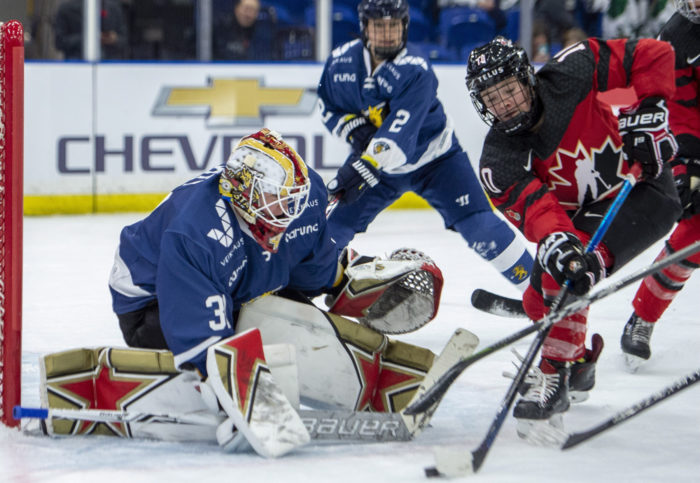
Noora Räty, Finland’s goaltender, is in position to stop a shot from Canada’s Sarah Fillier in the Four Nations Cup in November 2018.Photo: Liam Richards/PA Photos/Lehtikuva

“This year Finland has a good chance to challenge,” says Tuula Puputti, general manager of Team Finland and general secretary of the organising committee for the 2019 World Championship.

There are several reasons why Finland could become the first team to unseat the USA and Canada.

Finland will have home ice for the fourth time in tournament history; it was held in Tampere in 1992, in Espoo and Vantaa in 1999, and in Hämeenlinna in 2009. Finland is missing only one player from its bronze-medal performance in the 2018 Pyeongchang Winter Olympics.

“You think you know me,” begins the narrator, in a tone that makes it both a question and a statement. The video, entitled “This is who I am,” shows training and game clips of some of the World Championship players.
Video: International Ice Hockey Federation

And not to be underestimated is the fact that the Finnish government now financially supports its top-level female hockey players.

After the 2018 Olympics, 22 Team Finland players each received a 10,000-euro grant from the Ministry of Education and Culture, allowing them to cover some of their living expenses while devoting most of their time to training. For the majority of the squad, it was the first time receiving such a grant, and 10,000 euros doubled the amount given the previous year, when eight players received 5,000 euros each.

Puputti, a former Olympic and national team goaltender for Finland, says this is “the best situation we’ve ever had” to prepare for the World Championship.

The earnings game

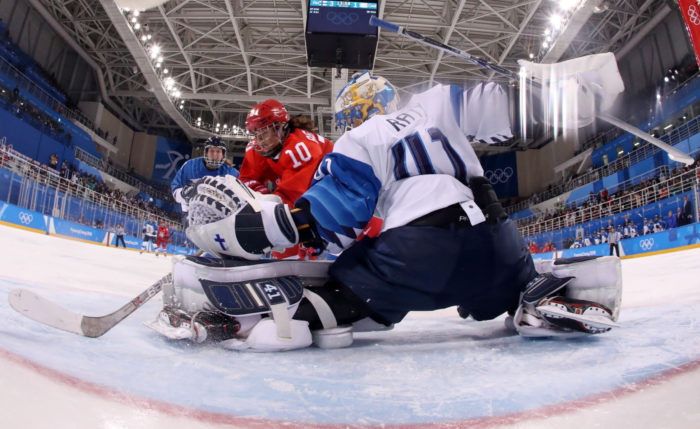
A camera at the back of the net shows Finnish goalie blocking a shot with a glove and a leg out.

Goal’s-eye view: A camera at the back of the net shows Finnish goalie Noora Räty with a glove and a leg out as Russia’s Lyudmila Belyakova (10) approaches during Pyeongchang Olympic action in February 2018.Photo: AFP/Lehtikuva

Equitable financial support has always been a point of contention in women’s hockey. Team USA threatened to boycott the 2017 World Championship in Plymouth, Michigan, until it received treatment equal to that of its male counterparts.

Whereas many male national players earn substantial sums of money as professionals in the National Hockey League and other high-profile leagues, women’s professional hockey leagues are scarce and do not pay well. Traditionally, female national-team hockey players have been left to choose between consistent training and work.

While American and Canadian female hockey players have better access to professional leagues in North American, some members of Team Finland’s lineup have also closed the financial gap by competing in the Swedish Women’s Hockey League, the highest level of competition for women in the Nordics. Puputti says the Swedish league remains just semiprofessional, but it gives Finnish women better financial and competitive footing to prepare for the national team.

Ten teams competing

Finnish player moves to steal the puck from an American player.

Finland’s Ella Viitasuo (right) moves to steal the puck from American player Sydney Brodt during the Four Nations Cup in Saskatchewan, Canada a few months before the 2019 World Championship.Photo: Liam Richards/AP/Lehtikuva

“If everyone stays healthy and all goes well, we’ll maybe have our best team ever,” said Puputti, who played collegiately at the University of Minnesota Duluth.

With better financial support worldwide, women’s hockey is expanding its footprint. The field for the 2019 World Championship now has ten qualifying teams instead of eight, coinciding with the ten-team field that will be invited to the 2022 Beijing Winter Olympics.

Women’s hockey became an Olympic sport in 1998. As in the World Championship, Finland has never won Olympic gold, but it took bronze in 1998 in Nagano, in 2010 in Vancouver and in 2018 in Pyeongchang.

For the World Championship tournament in Finland, Group A consists of the top-five-seeded teams: USA, Canada, Finland, Russia and Switzerland. Group B includes Sweden, Japan, Germany, Czech Republic and France. Following round-robin play, all Group A teams and the top three Group B teams advance to the quarterfinals.

Fans who pack into the 6,982-seat Metro Arena will see only one difference in rules between men’s and women’s hockey: Body checking is not allowed. The debate continues about whether to change this rule in order to promote equality, but women’s hockey remains a contact-filled, fast-paced sport – that’s the nature of ice hockey.

By Michael Hunt, March 2019

Finland’s first feminist: Why Minna Canth’s writing is still important

Minna Canth (1844–97) is one of Finland’s most influential writers. Minna Canth Day is celebrated annually on her birthday, March 19.

During her lifetime, she published stories, articles and plays that explored the oppressive structural conditions that governed the lives of women and of working class people. She wrote in Finnish and Swedish, both of which are official languages in Finland today.

Canth received admiration for representing women realistically and questioning the patriarchal norms that limited their opportunities. Her play Sylvi (originally published in Swedish, in 1893, and in Finnish shortly thereafter) is about a young woman who cannot divorce her older husband to be with the man she loves. Työmiehen vaimo (“The Worker’s Wife,” 1885) tells the story of Johanna, a submissive wife whose alcoholic husband controls her finances. Anna Liisa (1895) tells the story of a teenager who becomes pregnant outside of marriage and is driven to kill her own child.

Doing her own thing

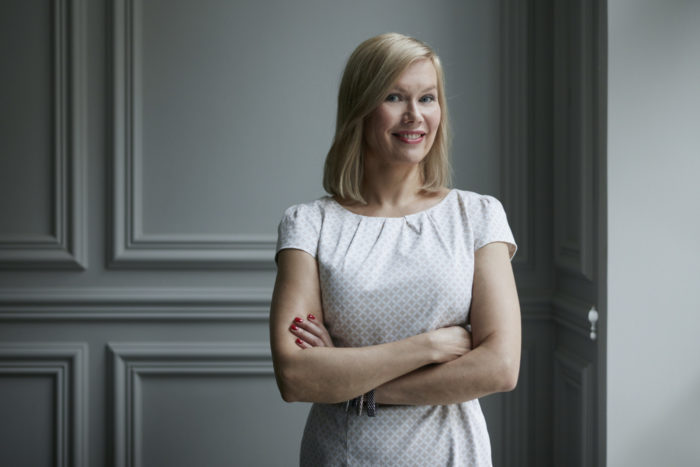
Portrait of a smiling Minna Rytisalo standing in front of a white-paneled wall.

Author and teacher Minna Rytisalo cautions that “establishing a right doesn’t guarantee it forever,” and says that we can all learn from Minna Canth’s attitude.Photo: Marek Sabogal

“In many ways [Canth] was ahead of her time,” says Minna Rytisalo, author of Rouva C (“Mrs C,” published by Gummerus in 2018), a fictionalised account of Canth’s marriage to her former teacher, Johan Ferdinand Canth (1835–79).

“She believed that girls should have the right to an education…to learn about things like science, nature and the economy,” says Rytisalo, who teaches Finnish language and literature at the upper secondary (high school) level.

Although Finland has taken huge steps towards achieving gender equality since Canth’s time, her writing remains relevant. “Rights are never written in stone,” Rytisalo says. “Establishing a right doesn’t guarantee [it] forever.”

Rytisalo tells me that the Me Too movement is prompting “exactly the kinds of conversations that Minna Canth would have wanted us to have.”

She adds, “In a way, she was Finland’s first feminist.”

Canth’s legacy has inspired generations of feminist writing in Finland. “You can see traces of her thinking in the works of Saara Turunen, a writer who…asks audiences to consider…why we gender people,” Rytisalo says.

“The attitude [Canth] had is something we can all learn from. She believed in doing your own thing and knowing in your heart that it is the right thing to do, even when the world says it’s not.”

Rytisalo mentions Tove Jansson as “another Finnish writer who always knew the way she wanted to create art.” A painter, illustrator and writer, Jansson is most famous for inventing the Moomintrolls but also wrote novels and short stories for adults.

A supportive marriage

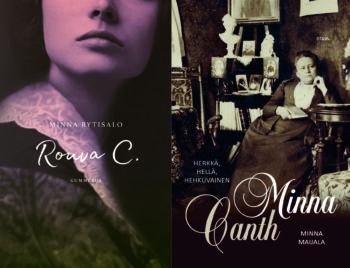
Covers of the books Rouva C. and the biography of Minna Canth.

Minna Rytisalo decided to write Rouva C (“Mrs C”) after she read Minna Maijala’s biography of Minna Canth, Herkkä, hellä, hehkuvainen (“Sensitive, Gentle, Radiant”).Covers: Gummerus, Otava

Social equity was another of Canth’s topics. “She believed that we should organise society such that it would help the poor,” says Rytisalo. Canth’s play Kovan onnen lapset (“Children of Misfortune,” 1888) sympathetically depicts the social hardships of the unemployed. The conservative authorities of the day considered it controversial enough to ban it shortly after its publication.

Rytisalo decided to write Rouva C after she read Minna Maijala’s biography of Canth, Herkkä, hellä, hehkuvainen (“Sensitive, Gentle, Radiant,” Otava, 2014). Maijala’s book casts doubt over previous historical accounts that suggested Canth’s husband was controlling. Instead, it tells the story a supportive marriage that allowed Canth the freedom to thrive as a writer.

Rytisalo is thrilled that young people are interested in Canth’s writing again: “We have always thought about her as a kind of statue, without considering what she actually said.

“But now that’s changing.”

By Tabatha Leggett, March 2019

Fibre innovation from Finland may change textile industry

The modern clothing industry is a marvel. Walk into any fashion store and you have your pick of thousands of different items in a huge variety of styles. Yet the industry is also marked by its unsustainability.

Some of the most popular materials, such as polyester, are derived from petroleum. Plastic microfibres from synthetic fabrics end up in the oceans and enter our food chain. In turn, production of natural fibres such as cotton demands an enormous amount of water.

The very nature of fashion encourages people to toss their old clothes in landfills and buy the next popular thing. It is a monumental problem, but people are now aware of it.

Gown made of birch

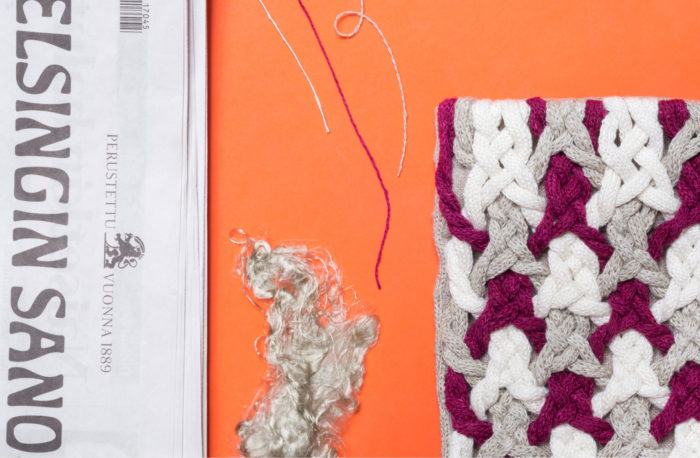
A newspaper, some fibres and fabric made of those fibres on an orange background.

Churn after reading: Helsingin Sanomat, Finland’s most widely read newspaper, can become fabric for a laptop sleeve with Ioncell’s process, which dissolves cellulose and turns it into fibres.Photo: Eeva Suorlahti

“Sustainability is becoming very important to the consumer today,” says Anna-Kaisa Auvinen, managing director of Finnish Textile and Fashion, a textile and clothing industry organisation.

“In Finland we have great fibre innovations that will help the industry be more environmentally friendly. Increasingly we see new startups being formed in Finland with corporate social responsibility as the core of the company.”

Several Finnish organisations have been puzzling over the issue of a sustainable raw material for textiles for years, including VTT Technical Research Centre of Finland and Aalto University. Pirjo Kääriäinen, professor of design-driven fibre innovation at Aalto, estimates that seven or eight different projects are currently under way, and some of them have graduated out of the laboratory.

At Aalto University, professor Pirjo Kääriäinen and scientist Michael Hummel show how they and their students make wood into thread and fabric without producing waste or consuming chemicals.
Video: Ioncell/Aalto University

Kääriäinen is involved in Ioncell, a project that has developed a method of creating high-quality textile fibres from wood or recycled materials.

They found the perfect publicity for their product when Jenni Haukio, the First Lady of Finland, wore a dress made from birch-based Ioncell fibre to the annual Independence Day gala.

Infinite source of raw materials

Piece of old jeans, blue fibres on glass dishess, blue yarn and a blue scarf on a table.

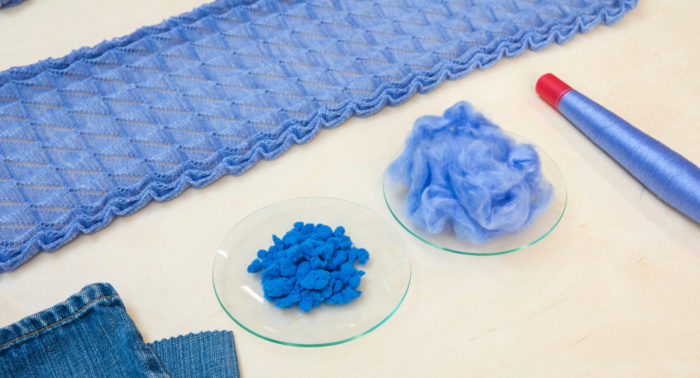
Aalto University students Simone Haslinger and Yingfeng Wang produced a scarf using Ioncell fibres recycled from old cotton; French President Emmanuel Macron received it as a gift when he visited the school.Photo: Mikko Raskinen

“Traditional methods of creating fibre from cellulose, like rayon, require heavy chemicals,” Kääriäinen says. “The whole Ioncell production process is safe and non-harmful. It can even keep the colour: if you recycle red T-shirts you can get red fibres out of the process without needing to re-dye it.”

Another company active in the field is Infinited Fiber. Its roots date back to the 1980s, when various Finnish corporations and VTT studied viscose production.

“The breakthrough came in about 2010, when we discovered how to use waste paper as a raw material,” says CEO Petri Alava. “We can now use a huge variety of raw materials, like paper, carboard or textile waste. Availability is a big issue for the industry, but some of the infrastructure is already in place for these materials, like cardboard.”

Infinited Fiber was spun off from VTT in 2015 and now has a pilot plant in operation. Their process separates fibre, turns it into a liquid, and transforms the liquid into a new cotton-like fibre. Cotton is a major material for the mainstream textile market, and Infinited Fiber plans to license their technology to big global producers. Their denim has already met 100 percent of commercial quality requirements.

“It’s encouraging to see the high interest we are receiving from the market,” Alava says. “The younger generation wants environmentally sustainable clothing, and this is a major challenge for fashion brands.”

Spin to win

A white baby t-shirt.

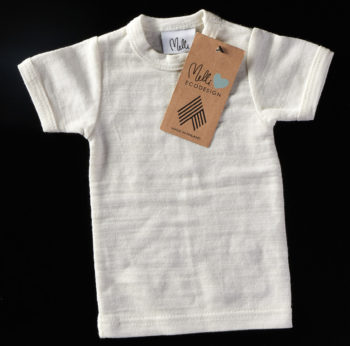
Companies such as the Finnish brand Melli EcoDesign are trying Spinnova fabrics. Melli is particularly interested in textile textures, since it specialises in clothing for infants and premature babies.Photo: Spinnova

Spinnova is located in the central Finnish city of Jyväskylä, at the heart of Finnish forest country. They use wood pulp as their raw material, but their process has a different spin.

“We use no harmful chemicals at all,” says CEO Janne Poranen. “We use a mechanical process to spin the natural fibres through small nozzles to create textile filaments.”

The only by-product of Spinnova’s technology is water that evaporates during drying and is reused in the spinning process. The closed-loop system caught the attention of Finnish fashion icon Marimekko and a partnership began. At the time of writing, the two companies are planning to bring their product to customers in the near future.

“Our pilot plant is in the startup phase and then we will begin to scale up,” Poranen says. “In two or three years we expect to see big volumes.”

Finnish innovators such as Spinnova, Ioncell and Infinited Fiber have a huge goal: to find a sustainable process with sustainable materials for the world’s textile needs. They employ different methods, but there’s more than one way to stride down a catwalk.

By David J. Cord, March 2019

13 contemporary Finnish authors you should be reading

In recent years, more books by Finnish authors have been released worldwide than ever before.

We consulted with librarians and literature societies to compile a list of noteworthy present-day writers from Finland. Some of their careers already span many decades, whereas others have established themselves more recently with bestselling debuts.

For each writer, we mention at least one book. To narrow down the list of authors, we limit ourselves to books published since the mid-2000s and already available in English; many of them appear in multiple other languages, as well. With one exception, the originals are all in Finnish or Swedish, both of which are official languages in Finland.

Inger-Mari Aikio

Portrait of a smiling Inger-Mari Aikio dressed in a colourful dress.

Photo: Jaime Mejía

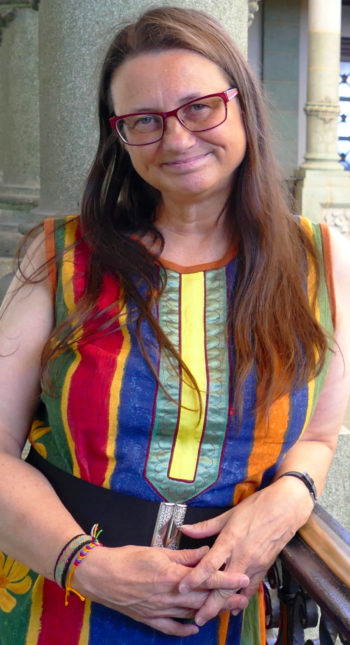
Inger-Mari Aikio is a writer and translator who writes in Northern Sámi, one of the languages of the indigenous Sámi people, whose homeland stretches across northern Finland, Sweden and Norway and a corner of Russia. (Three Sámi languages are spoken in northern Finland, and have the status of official languages there.)

Aikio’s writing explores her views of genuine Sámi identity and tackles themes of cultural otherness and gender. Her bilingual poetry anthology, published in Northern Sámi and Finnish as Beaivváš čuohká gaba / Aurinko Juo Kermaa in 2014, contains the languages side by side in a collection of nature-inspired verses similar to haikus. To allow readers to experience a similar interplay between two languages, it was translated into German and English (Sahne für die Sonne / Cream for the Sun, 2018).

An accompanying album, created together with musician Miro Mantere, is available on Spotify. Aikio reads a selection of poems in Northern Sámi and Mantere sings in Finnish, backed by instrumental music and sounds from nature.

Monika Fagerholm

The cover of Monika Fagerholm's book The American Girl and the author pictured out on a street with a book in hand.

Cover: Schildts & Söderströms; photo: Stefan Bremer/Teos

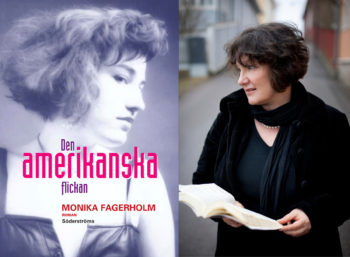
Monika Fagerholm is an award-winning Swedish-speaking Finnish author. Her third novel, The American Girl (2010; Swedish: Den amerikanska flickan, 2004), tells the story of a girl from Coney Island who disappears when she arrives in Helsinki in the 1970s. The crime mystery, which is also a sensitive meditation on female friendship, won Sweden’s August Prize in 2005. It’s the first in a two-part series, followed by The Glitter Scene (2011; Swedish: Glitterscenen, 2009).

Elina Hirvonen

Portrait of author Elina Hirvonen and the cover of her book When I Forgot.

Photo: Jarkko Virtanen/Teos; cover: Teos

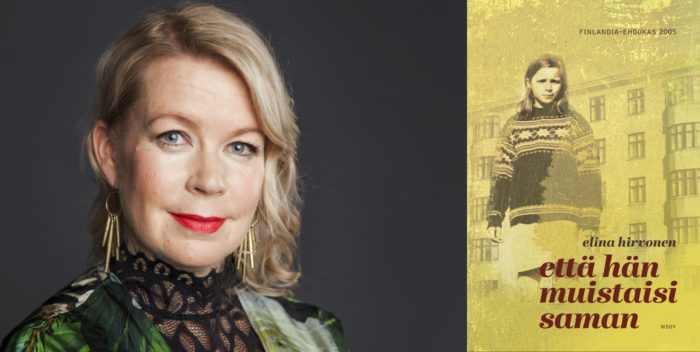
Journalist, author and documentary filmmaker Elina Hirvonen’s debut novel When I Forgot (2009; Finnish: Että hän muistaisi saman, 2005) tells the story of a journalist reflecting on her life and her brother’s life during the time following the September 11 attacks. A tremendously thoughtful book, it unpacks the process one woman experiences when she decides to explore her own memories. Since then Hirvonen has continued to publish novels while also filming documentaries.

Emmi Itäranta

The cover of Emmi Itäranta's book Memory of Water and a portrait of the author pictured between tree branches.

Cover: Teos; photo: Heini Lehväslaiho/Teos

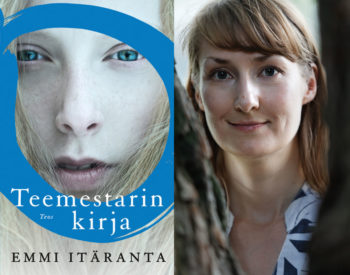
Emmi Itäranta finished her first novel, Memory of Water (2015; Finnish: Teemestarin kirja, 2012), while she was studying for an MA in creative writing at the University of Kent, England. Itäranta started writing the novel in English, translating it into Finnish along the way. She finished writing the book in Finnish and English simultaneously. Memory of Water is a coming-of-age story set in a future world that is running out of fresh water. Reviewers have compared Itäranta to Margaret Atwood, and Memory of Water won her the Kalevi Jäntti Literary Prize for young authors in 2013 and the Young Aleksis Kivi Prize in 2012. A film based on the novel was released in 2022.

Katja Kettu

Portrait of author Katja Kettu standing outside in a rocky landscape and a stormy-looking sky.

Photo: Ofer Amir/WSOY

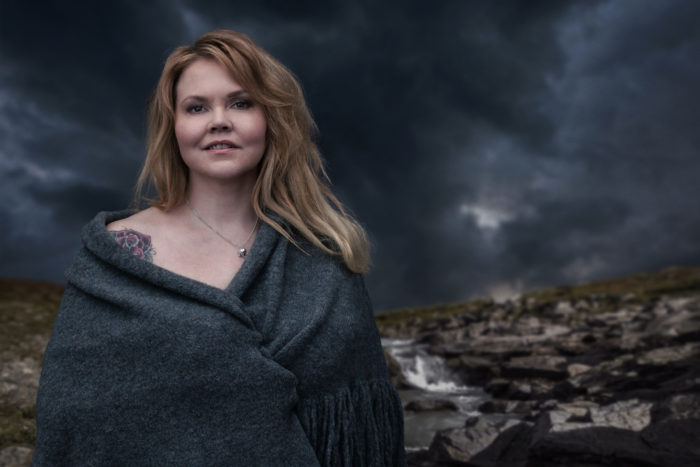
Katja Kettu is a columnist, an animated-film director and the author of The Midwife (2016; Finnish: Kätilö, 2011). Inspired by the real life stories of her grandparents, Kettu’s historical novel tells the wild love story of a midwife working in remote Lapland and a German officer during the Second World War.

Rosa Liksom

Portrait of a serious-looking author Rosa Liksom.

Photo: Pekka Mustonen/WSOY

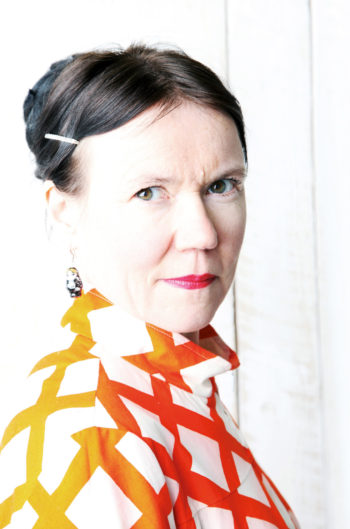
Visual artist, illustrator and author Rosa Liksom won the prestigious Finlandia Prize in 2011 with Compartment No. 6 (2014; Finnish: Hytti nro 6, 2011). Liksom’s writing often focuses on the differences between urban life and reclusiveness. Compartment No. 6 is an ode to the dying Soviet Union. It relates the story of a young girl who boards a train heading eastwards to escape a failed affair in Moscow. A movie version was released in 2021.

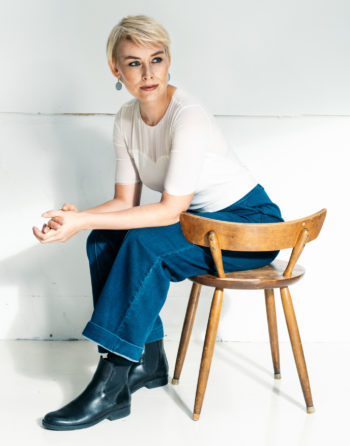
Laura Lindstedt

Portrait of author Laura Lindstedt sitting on a chair wearing blue jeans and a white t-shirt.

Photo: Jarkko Mikkonen/Teos

Laura Lindstedt’s second novel Oneiron (2018; Finnish: Oneiron, 2015) won the 2015 Finlandia Prize. In the book, Lindstedt experiments with combining different genres of writing, including poetry and essays, to explore the concept of life after death. She tells the story of seven women who meet as strangers in a space where time does not exist. Together, they piece together their lives in an attempt to ascertain the events that led to their deaths. The complicated story took Lindstedt eight years to finish and has received praise from reviewers all over the world.

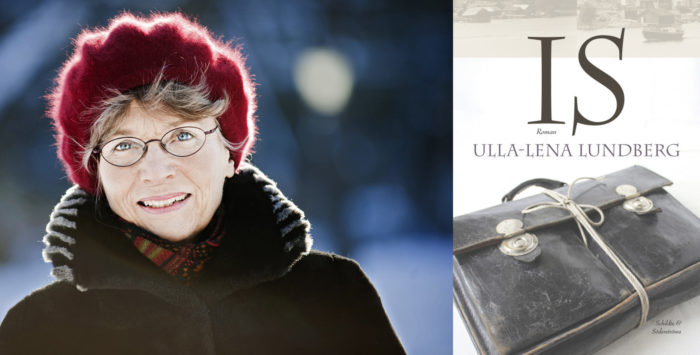
Ulla-Lena Lundberg

Portrait of Ulla-Lena Lundberg pictured outside at winter and the cover of her book Ice.

Photo: Cata Portin/Schildts & Söderströms; cover: Schildts & Söderströms

At the age of 15, Ulla-Lena Lundberg published her first poetry anthology. Since then, the Swedish-speaking Finn has written fiction about places she has lived. She was born in Kökar, in Finland’s Åland Islands, an autonomous archipelago located between Finland and Sweden. Other settings include Botswana, Zambia, Kenya, Tanzania and Siberia. Her novel Ice (2016; Swedish: Is, 2012) won the 2012 Finlandia Prize. Set in the Åland Islands after the Second World War, Ice tells the story of a pastor who falls in love with remote island life. The Finnish National Opera adapted it for the stage; it premiered in January 2019.

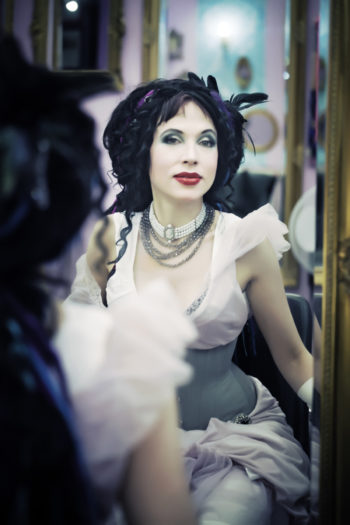
Sofi Oksanen

Portrait of author Sofi Oksanen sitting in front of a mirror.

Photo: Toni Härkönen

Born in Finland to a Finnish father and an Estonian mother, Sofi Oksanen is a cultural commentator who has written extensively about women’s rights, freedom of speech and immigration. With translations into more than 40 languages, Oksanen is Finland’s best-selling living author. Her best-known novel, Purge (2011; Finnish: Puhdistus, 2008), chronicles the lives of women from one Estonian family between the 1930s and the 1990s. Norma (2017; Finnish: Norma, 2015) tells the story of a mother fighting to preserve her daughter’s supernatural secret.

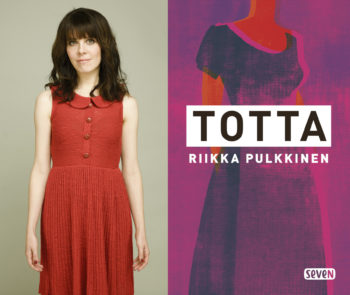
Riikka Pulkkinen

Portrait of author Riikka Pulkkinen wearing a red dress and the cover of her book True.

Photo: Jouni Harala; cover: Otava

Riikka Pulkkinen is a former athlete with novels translated into around 20 languages. Her second novel, True (2012; Finnish: Totta, 2010), tells the story of three generations of women, the oldest of whom has been diagnosed with terminal cancer. An elegantly written story, it’s filled with sharp observations about families, gender and death.

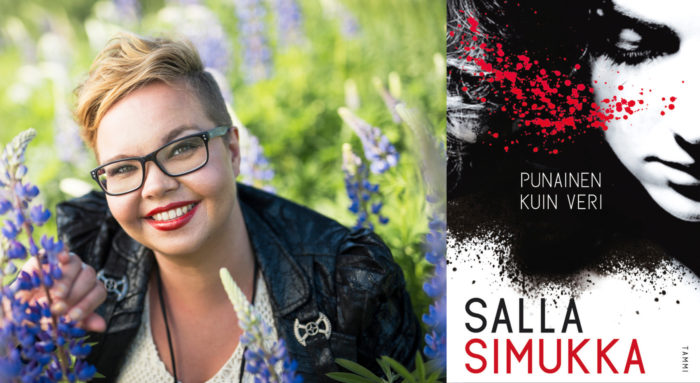
Salla Simukka

Portrait of a smiling author Salla Simukka pictured amidst flowers and the cover of her book As Red as Blood.

Photo: Hanna Poropudas; cover: Tammi

Translator, literary critic and author Salla Simukka is best known for a young-adult thriller trilogy including As Red as Blood (2014; Finnish: Punainen kuin veri, 2013), As White as Snow (2015; Finnish: Valkea kuin lumi, 2013) and As Black as Ebony (2015; Finnish: Musta kuin eebenpuu, 2014). The books follow the life of a teenager who escapes from her home in the central-western Finnish city of Tampere after someone entangled in the international drug trade begins stalking her. Simukka’s writing style has inspired comparisons to Jo Nesbø and Stieg Larsson.

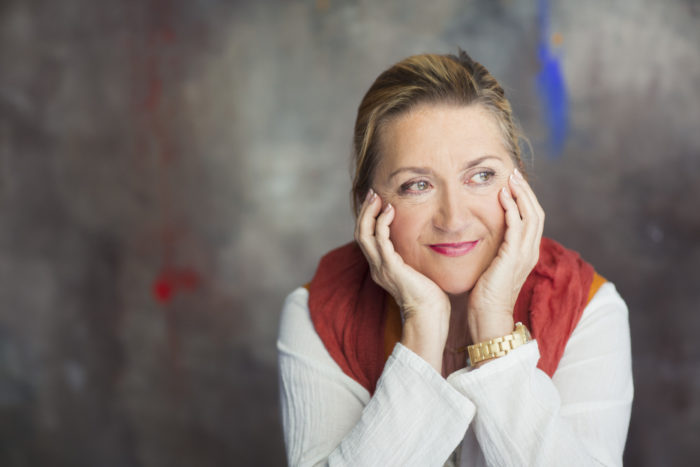
Anja Snellman

Portrait of author Anja Snellman leaning her face in her hands and looking to right.

Photo: Jouni Harala/New Terrain Press

Anja Snellman is a columnist and television host whose career as an author spans three decades and 24 novels. Her work has been translated into 20 languages. Pet Shop Girls (2013; Finnish: Lemmikkikaupan tytöt, 2007) is the first of Snellman’s books to be translated into English. The story of a missing teenager, the suspense novel is especially perceptive on the topic of mother-daughter relationships.

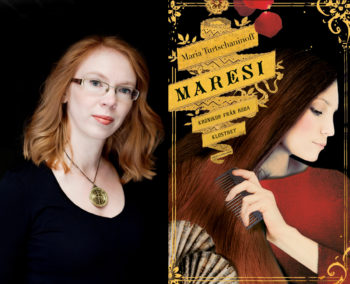
Maria Turtschaninoff

Portrait of author Maria Turtschaninoff against a black background and the cover of her book Maresi.

Photo: Karin Lindroos/Schildts & Söderströms; cover: Schildts & Söderströms

Maria Turtschaninoff writes fantasy novels such as the series called The Red Abbey Chronicles, which includes Maresi (2016; Swedish: Maresi, 2014) and Naondel (2017; Swedish: Naondel, 2016). Set in an isolated abbey populated only by women, the books combine feminism with mythology. Turtschaninoff won the Finlandia Junior Prize for young-adult and children’s literature with Maresi in 2014. At the time of writing, UK-based Film4 is adapting that book into a film.

International Women’s Day is celebrated annually on March 8.

By Tabatha Leggett, February 2019

With thanks to the Saami Council; the Society of Swedish Literature in Finland; the Finnish Literature Exchange; and Libraries.fi’s Ask a Librarian service, for their recommendations.

Modern stories of Finland meet ancient Kalevala via Gallen-Kallela

Finland’s national identity is deeply associated with the Kalevala, a work of epic poetry compiled in the 19th century from an oral tradition of ancient folklore and mythology.

February 28 is officially designated as both Kalevala Day and Finnish Culture Day.

Numerous artists, writers and musicians have sought inspiration from the Kalevala, most notably during the national romanticism of the late 1800s. However, few have captured the Kalevala spirit quite like Finnish painter Akseli Gallen-Kallela (1865–1931). His illustrations of the epic stirred the imaginations and passions of readers who, through his brush, could see the olden texts come to life.

Some of Gallen-Kallela’s most famous Kalevala-inspired masterpieces, such the Aino Myth triptych, are displayed at Ateneum Art Museum, the classical branch of the Finnish National Gallery in Helsinki. They stand as a testament to a vision of Finland that originated in the past.

But what does it mean to be a Finn in modern times, and how does that connect with the Kalevala?

Connecting past and present

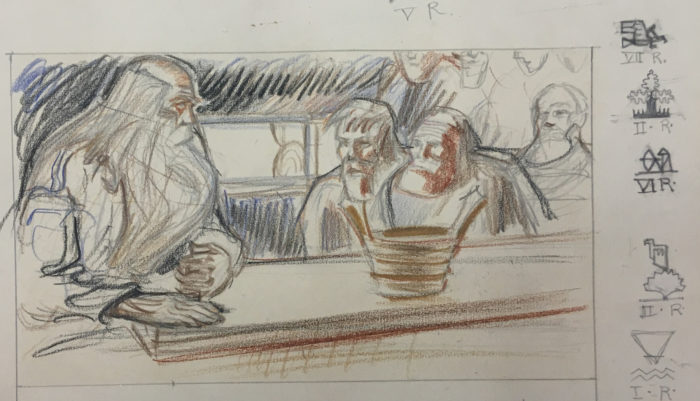
A sketch of an old bearded man and a few other men sitting at a table.

Gallen-Kallela drew this sketch in preparation for the Great Kalevala, a richly illustrated version that remained unfinished at the time of his death.
Photo: Mari Viita-aho/Gallen-Kallela Museum

An exhibition at the Gallen-Kallela Museum, just west of the capital in the neighbouring municipality of Espoo, tries to answer those questions with some of the painter’s lesser known, yet highly relevant, Kalevala-related works (until May 5, 2019). Entitled The Kalevala, In Other Words, the show features preliminary sketches of his classics that give insight into the development of Gallen-Kallela’s Kalevala oeuvre, as well as never-before-seen and unfinished works by an artist who helped form the nation’s character.

“One of our goals in this exhibition is to make more connections with Kalevala to the present day and contemporary times,” says Mari Viita-aho, the museum’s project planner. “We want to ask, ‘What does it mean to be Finnish today?’”

Part of the appeal of any exhibition at the Gallen-Kallela Museum is the building itself. Located in the rustic, seaside Tarvaspää area, it was completed in 1913 as a grand, turreted home for Gallen-Kallela and his family. It has operated as a museum since 1961, and part of In Other Words is housed in the painter’s spacious studio, which still looks much as it did when Gallen-Kallela created his famous works. Exhibits are also placed in what were once the family’s kitchen, dining room and living room.

Climbing to culture and history

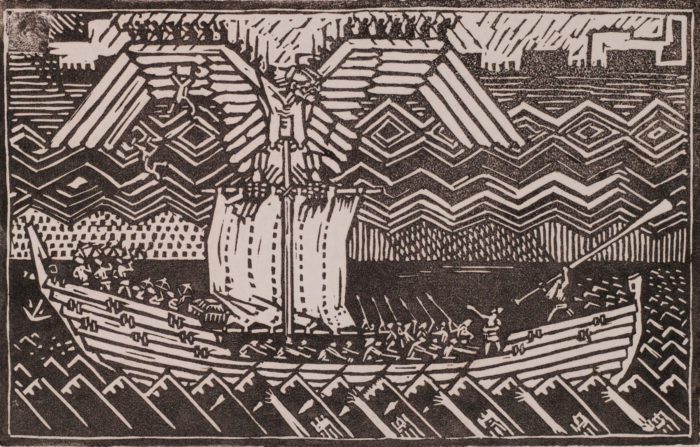
A black-and-white drawing showing a sailing ship with a big bird-looking creature sitting in the mast.

This drawing, The Defence of the Sampo, shows a key scene from the Kalevala; the sampo is a mystical source of power or wealth. Gallen-Kallela also made a very different painting of the same name, which he reproduced as a mural on the ceiling of the National Museum in Helsinki.Photo: Jukka Paavola/Gallen-Kallela Museum

Supporting the contemporary theme of In Other Words, the rooms in the tower feature the culture, history and everyday life of Espoo. Visitors can climb the steps to the top room, with its sweeping views over an inlet of the Baltic Sea. Idyll, an installation by the Espoo Artists’ Guild, centres on a large egg, a significant creation-myth symbol from the Kalevala, suspended in mid-air over a nest-like construction. The work incorporates video and audio collected in Espoo.

In another room, audio recordings of local storytellers play in nine of the many languages spoken in Espoo. The stories in Finnish, Swedish, Russian, Estonian, Arabic, English, Vietnamese, Hindi and Lithuanian lend a modern, relevant subtext to the ancient Kalevala. Sixteen percent of Espoo’s 214,000 residents have a native language that is not Finnish or Swedish, which are Finland’s official languages.

“When we made this exhibition we asked the question, ‘What is Kalevala all about?’” says Viita-aho. “We came to the conclusion it was about people meeting people and telling stories and spreading the information of cultural heritage onwards. That stands as the essence of Kalevala for current times.”

Revealing personal touches

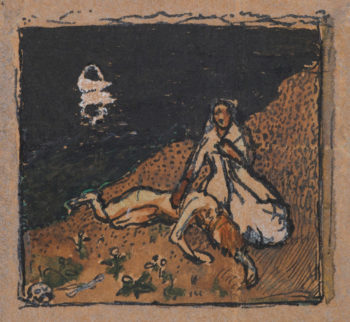
A painting of an elderly woman sitting next to her adult son's corpse by a dark river.

Lemminkäinen’s Mother, on show at the Gallen-Kallela Museum, depicts a Kalevala scene. This version is only about three centimetres wide; a much larger, more detailed painting is located in Ateneum Art Museum.Photo: Jukka Paavola/Gallen-Kallela Museum

The exhibition centrepiece, located in Gallen-Kallela’s studio, tells the story of the women of the Kalevala. There, personal touches are revealed: The model for Gallen-Kallela’s painting of Aino, a heroine from the epic, was his wife, Mary.

For Lemminkäinen’s Mother, a Gallen-Kallela masterpiece that hangs in Ateneum, the model was the artist’s own mother. And he painted the visage of Louhi, the mythological wicked queen, as a composite of faces he encountered during his visits to the Finnish countryside.

“He had a lifelong relationship with the Kalevala from a young age and was impressed from his first readings,” Viita-aho says. “He is not the only one who painted the Kalevala, but his paintings are the first that come to mind when people talk about the Kalevala.”

By Michael Hunt, February 2019

At Finland’s high schools, wild winter party precedes study break

What would you think if, in your hometown, a caravan of dozens upon dozens of open-bed trucks drove slowly past, each full of teenage students, many of them in costume, making noise and throwing handfuls of candy to the gawking spectators on the roadside?

That’s what happens each year in Finnish towns on a Thursday in mid-February, when students in their third and final year of upper secondary school (high school), conclude their last courses and begin a study break before their final exams. The break lasts four to six weeks, depending on what subjects they are taking. But prior to studying, they party. The adjective generally used to describe the event is “carnival-like.”

This is penkkarit in Finnish, short for penkinpainajaiset. If that means nothing to you, try Finland’s other official language, Swedish: bänkskuddagillen. If you still don’t get it – and why would you? – picture a bench (penkki, bänk), like the name says. It might be a school bench, or it might be a seat on a train leaving town for the study break. You’ll get different information from different people, but all you really need to know – and all most people really know – is that it’s a party.

A very big deal

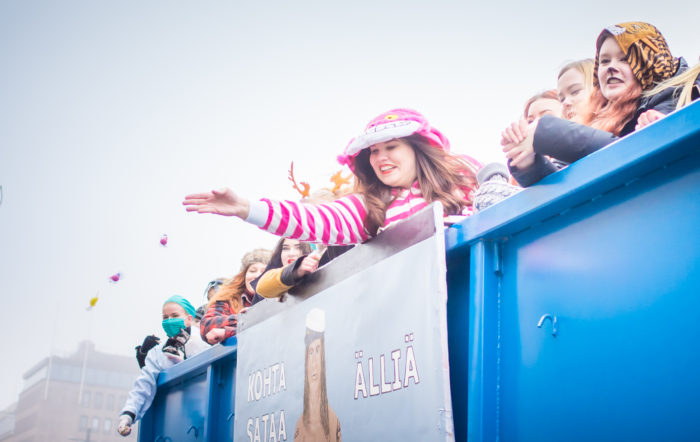
Students dressed in different costumes throwing candies down from an open-bed truck.

Sharing the fun: All over Finland, costumed students in caravans throw candy to the crowds.Photo: Laura Vanzo/Visit Tampere

The tradition apparently started in Helsinki and gradually spread to the rest of Finland. Estimates about the date vary, but it goes back to at least the early 1900s, if not farther. And back in those days, they used to ride around town on a horse-drawn sleigh. After the Second World War, the ritual grew to include the carnival atmosphere and the candy.

Why is it such a big deal? After all, they aren’t out of school yet – they still have to get through their matriculation exams.

It’s an important milestone – some might even say a rite of passage. The tests are still hanging over their heads, but these kids – well, they’re almost adults, aren’t they? – will never again have to attend a high school class. They’re 18 or 19 years old, and they’ve been waiting for this day for a long time.

As the teens ride through town, laughing, screaming and throwing candy, the smaller kids among the onlookers scramble to gather up the goodies. Maybe those little children are thinking, “One day that’ll be me up there!”

Wait, could this be the secret to the famously successful Finnish school system, a way of instilling enthusiasm in pupils from an early age? (A carrot usually does work better than a stick.)

A very old dance

Many schools post video coverage of their second-year gala. The students show off ballroom dances, but they also perform a modern choreography to pop music, usually as the grand finale.
Video: Tapiola High School

Meanwhile, back at school, one-third of the student population is suddenly gone. The second-years waste no time in celebrating the fact that they are now the new royalty of the school. The following day, they hold a fancy ball for themselves and their parents.

This is Vanhojen tanssit, literally the Dance of the Old, and it’s a tradition that’s almost as old as penkkarit. The second-years are simply declaring that they are the eldest students left.

The name also fits well with the old-fashioned dresses and suits that participants used to wear to the ball, although nowadays most of the dresses are more glittery and gaudy than people probably could have imagined back when the tradition began.

In many cases they have trained for months, learning the Viennese waltz, the foxtrot or other venerable dances, not to mention the tango, which holds a special place in Finnish hearts and culture. There may be some traditional folk dances thrown in for good measure, and many classes also concoct a choreography set to modern pop music to top it all off.

Their parents come to watch and applaud, and afterwards it’s time to enjoy a fancy dinner.

All of these parties – and the academic work, of course, don’t forget that – form integral steps in the progression towards receiving a white cap with a narrow black brim, called a “student cap.” That hard-won hat means you’ve graduated – but that’s a story for another time. The party’s not over yet.

By Peter Marten, February 2019