What do people in Finland do in their free time?

Lifelong learning

There are a total of 181 adult education centres in Finland, operating across the length and breadth of the country. The centres are open to everyone, regardless of educational background. Every year, more than one in ten Finnish people attend courses, and the fees remain very reasonable, as they are subsidised by the central government and local authorities. Instruction is offered in a wide variety of subjects, including languages, IT, arts and crafts, music, sports, cooking and wellbeing.


Popular ways to spend leisure time

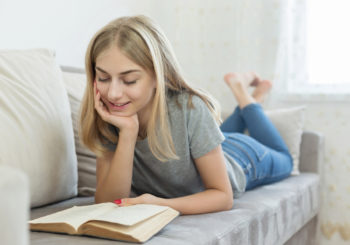
A smiling girl lies on a couch reading a book.

Photo: iStock

  • Reading books 56%
  • Walking 49%
  • Exercising in nature 48%
  • Travelling abroad 36%
  • Solving crosswords/sudoku 32%
  • Travelling within Finland 31%
  • Spending time at summer cottages 28%
  • Self-access learning 27%
  • Cooking as a hobby 25%
  • Gardening 24%

The respondents were given more than one option, which resulted in a total percentage of more than 100.
Source: Kantar TNS Oy, TNS Mind Atlas 2018


What sports do Finnish people watch?

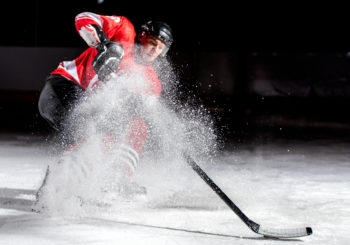
An ice hockey player stops, sending up a cloud of small ice particles.

Photo: iStock

  • Ice hockey 39%
  • Athletics 36%
  • Soccer 26%
  • Motor sports 25%

The respondents were given more than one option, which resulted in a total percentage of more than 100.
Source: Kantar TNS Oy, TNS Mind Atlas 2018


Esports rising in popularity

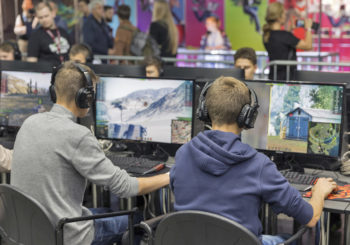
People play games on their computers at a long table.

Photo: iStock

Young Finnish people are interested in electronic sports. In a survey conducted in September 2017 that measured the popularity of 63 different sports, only ice hockey was considered more interesting than esports by people between the ages of 18 and 29. Other age groups are also interested: 14 percent of the population indicated an interest in esports.

Source: ePressi/Sponsor Insight


The promised land of associations

In 2017, 54 percent of the Finnish population over the age of ten participated in the activities of an association. Finns are active citizens in general. Signing citizens’ initiatives or other petitions is common these days, facilitated by the internet. In 2017, 24 percent of those older than 15 had put their signature on an initiative or a petition during the past 12 months. Women between the ages of 20 and 24 were the most active, with 45 percent having signed.

Source: Statistics Finland


Finnish volunteers

In a survey taken in 2017, almost every third Finnish person over the age of 15 had done volunteer work during the past 12 months. The volunteer work may have been collecting money, coaching sports, keeping lonely people company, or participating in any other organised activity. This work was not always through registered associations. Men and women participated in volunteer work in equal amounts and with equal frequency.

Source: Statistics Finland


Art and handicrafts in Finland

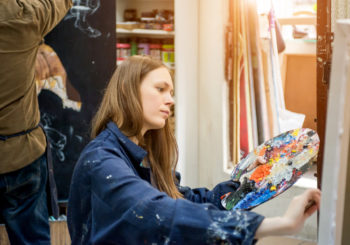
A woman focuses on painting a canvas.

Photo: iStock

Non-degree art subjects are popular among Finnish adult students. Almost 25 percent of 18–64-year-old students who attended non-degree education in 2017 took part in art education. About 100,000 people studied art subjects as a hobby: 51 percent music or the performing arts, 33 percent handicrafts or arts and crafts.

Men/Women

  • Art 20%/30%
  • Foreign languages 20%/21%
  • Sports, exercise 17%/22%
  • Health and social services, wellbeing 7%/8%

Content of adult education in 2017 not related to work or profession, by gender (18–64-year-olds taking part in education, excluding students and people doing military service).

Source: Statistics Finland

By Marina Ahlberg, ThisisFINLAND Magazine 2019

Finnish Valtavalo sells lighting as a service

Lighting is a major consumer of energy, and fluorescent tubes, in particular, have to be continuously replaced. Replacing them with a LED light significantly reduces life cycle costs and creates direct energy savings.

“In addition to poor energy efficiency, the problem with the old fluorescent tubes is the tendency of the frames to deteriorate due to heat, UV radiation, and the frequent need to change the tubes,” says CEO Markku Laatikainen.

Valtavalo manufactures replaceable LED light sources such as LED tubes in Kajaani, about 500 kilometres (310 miles) north of Helsinki. The company moved its production from China to Finland in 2012.

As a substitute for fluorescent tubes, LED tubes are a standardised, long-lasting and energy-efficient light source. The LED tubes of different manufacturers also tend to be compatible irrespective of the lamp, which means that the lamp itself does not need to be changed for decades. In the early 2010s, this also gave Valtavalo the idea of providing light as a service.

“Our products were originally designed to be very long-lived, but we found ourselves designing a product that was even a little too durable,” says Laatikainen. “We were unable to convince our customers that our LED tubes could genuinely last for over 15 years.

Lighting costs cut by up to half

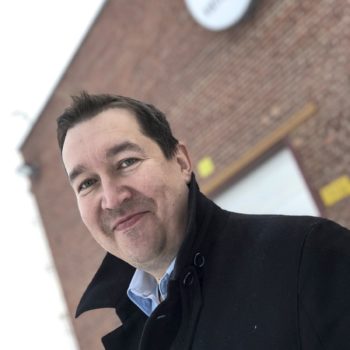
A man smiles in front of a red brick building.

Compared to LED light sources, the old fluorescent tubes have many drawbacks, says Valtavalo CEO Markku Laatikainen.Photo: Valtavalo

“We decided to create a business model based on lighting as a service, in which we bear the risk of the product’s durability,” Laatikainen says . “Kone, the [Finnish] lift manufacturer, was a positive example in this respect.”

The Valtavalo light service model lowers the customer’s threshold for purchasing high-quality, energy-saving lighting. The goal is for the customer to pay for the service from the accumulated savings, since the service can easily cut their lighting costs by up to half.

With installation and maintenance outsourced, no unexpected repair costs are incurred by the customer. An integral part of the solution is a financing partnership, whereby Valtavalo is paid upfront for the products sold as a service. Valtavalo also handles the recycling of the products.

By Samppa Haapio, ThisisFINLAND Magazine 2019

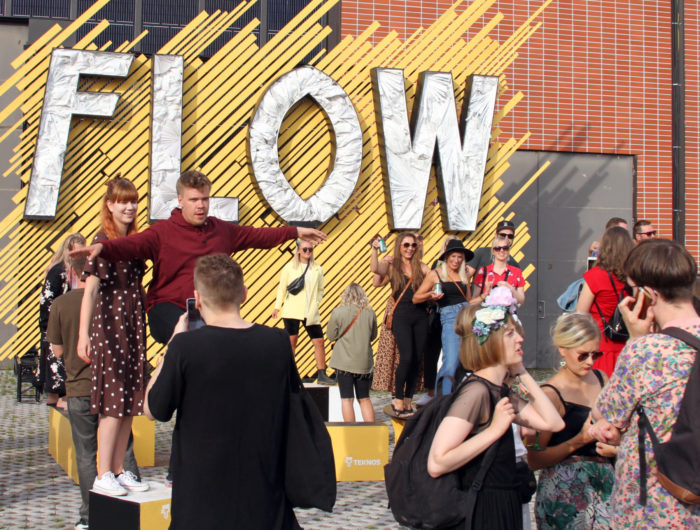
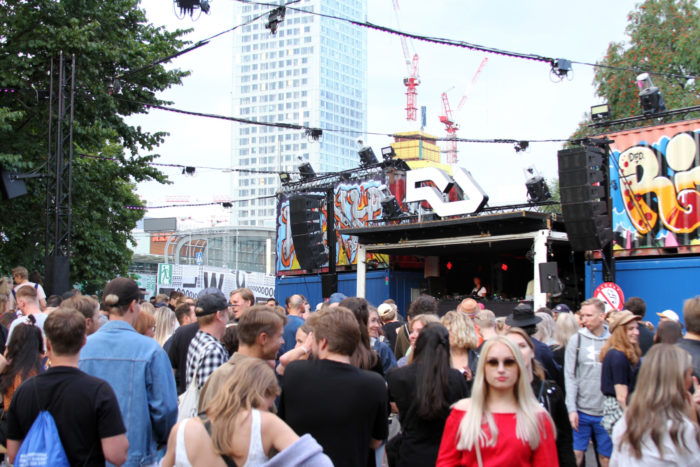
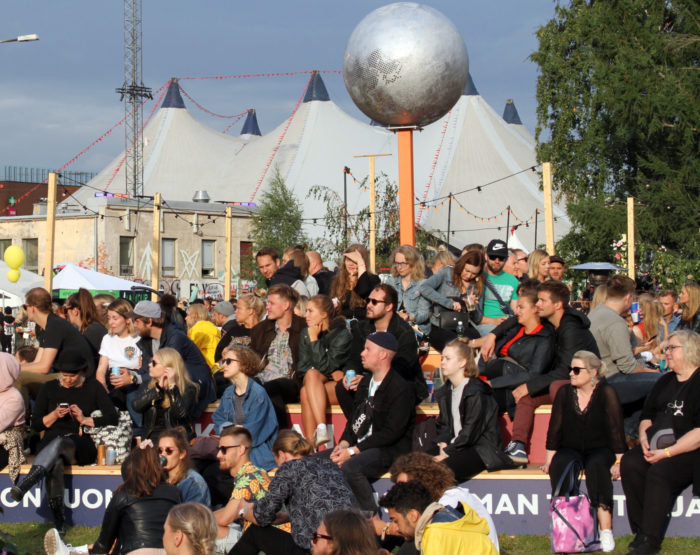
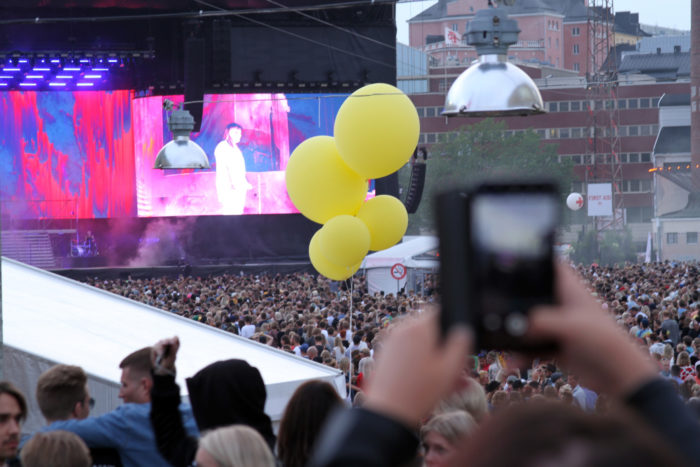
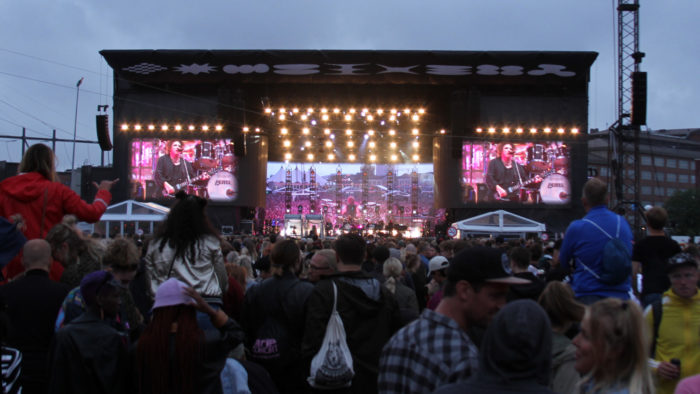
Music brings together people from all over, at Finland’s Flow Fest

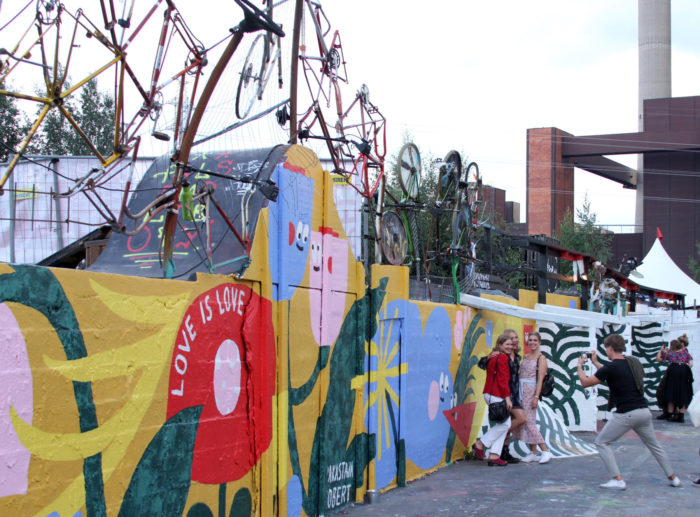
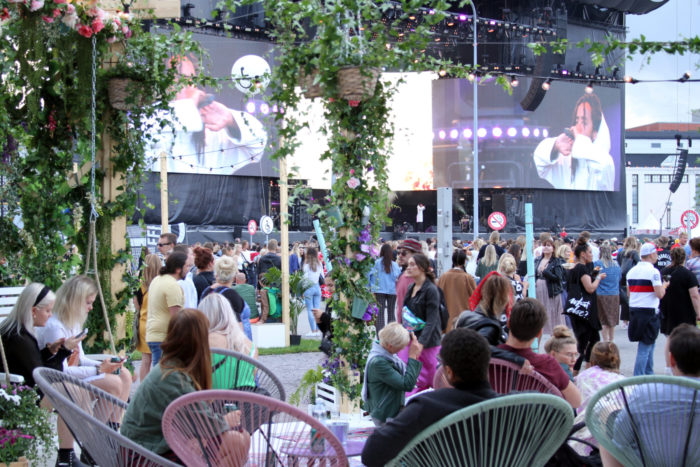
Flow Festival has built an international reputation on its selection of top musicians, bands and DJs from Finland and abroad, and on its sustainability.

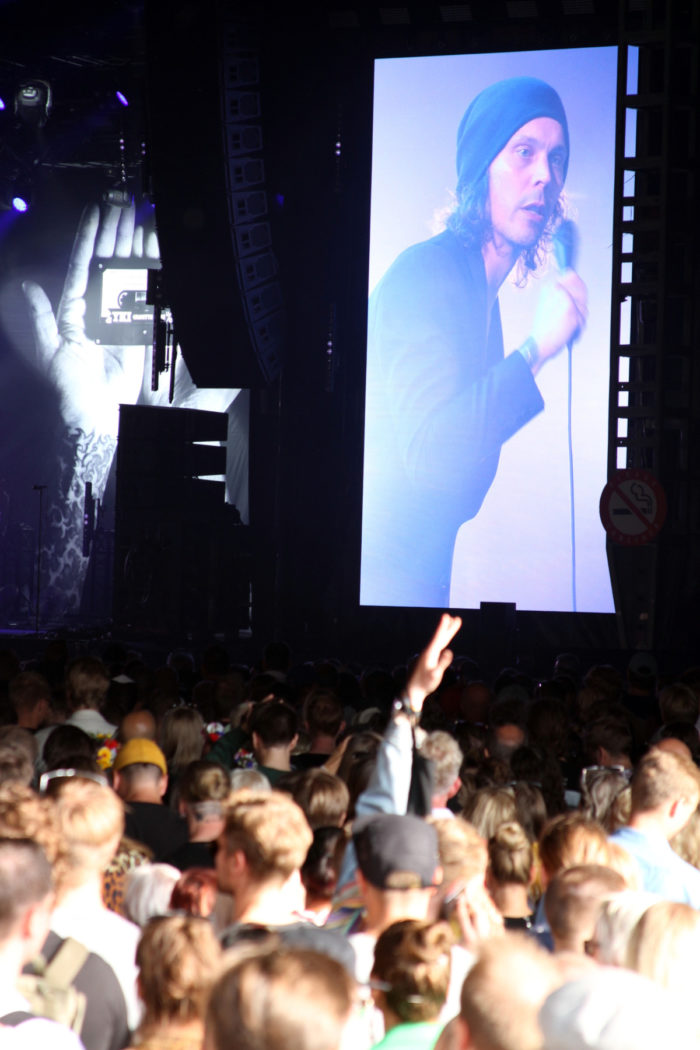
The 2019 edition of the annual August event attracted 83,000 visitors, a far cry from the 4,500 who attended the first Flow in 2004. Audiences in 2019 could see more than 170 performing artists and groups, including Solange, Tame Impala, Erykah Badu, Robyn, Neneh Cherry, Seinabo Sey, Nina Kraviz and Ville Valo.

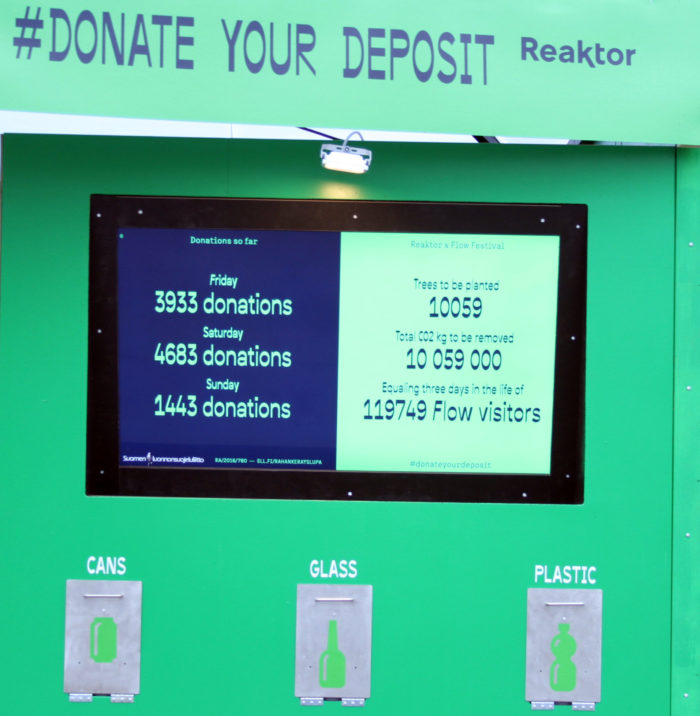
The organisers take steps to ensure that the three-day festival is carbon-neutral, including emissions compensation and waste recycling. One campaign in 2019 allowed visitors to donate their bottle deposits to a reforestation project, adding 11,700 to the number of trees the project will plant in Madagascar.

Flow is also known for its delicious, sustainable food. Every vender offers vegan options, and approximately 50 percent of meals sold are vegan or vegetarian.

Festivalgoers come from far and wide to experience Flow’s music, cuisine and Finnish summer atmosphere. In 2018, the last year for which stats are available at the time of writing, the top five foreign countries represented at Flow were Russia, the UK, Sweden, Estonia and Germany.

Lucy from Canterbury, England
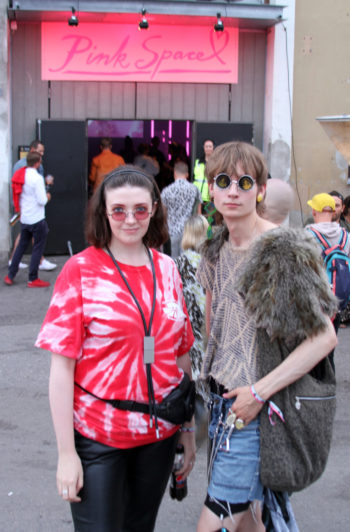
Two festival-goers posing outside of a building with a sign on the wall that says Pink Space.

Lucy (left) lives in Oslo, Norway. It’s her first time at Flow, and she’s staying at a friend’s place. She’s in front of the Pink Space, a chill-out venue on the festival grounds, with her friend Remi.Photo: Peter Marten

“This is actually my first festival ever. I’ve always wanted to go to one, and then I saw on Instagram that [unconventional band and performance artists] Fecal Matter were going to be in Helsinki at Flow Festival. I’ve been following them for quite some time, but had never seen them live before. And it just happened that my holiday from work matched up and I was like, ‘I’m off, I could just go.’ Helsinki is quite close to Oslo, so it was an easy flight to take.

“There’s lots of different types of music and different things, something for everybody. It’s been nice to see what people like and how they style themselves. I’ve been having a lot of fun here. There is a really good feeling and everyone has been super-nice.”

Anna from Saint Petersburg, Russia
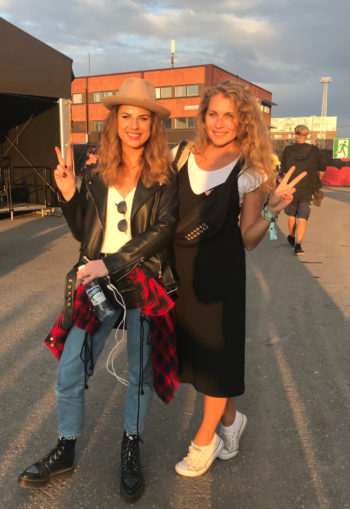
Two women smile in the sunshine and give the V for victory sign with their hands.

Anna (left), shown here with her friend Tatiana, has been to Helsinki before, but it’s her first visit to Flow.Photo: Anna Ruohonen

“In Saint Petersburg everyone knows about Flow Festival. We had already visited Helsinki, and decided to go to Flow for one day, because [American hip-hop performer] Cardi B was supposed to play. But she cancelled her appearance [as she did for several other engagements, too] – that was so irritating.”

(Article continues after slideshow.)

Ambiance and atmosphere
Aleksei from Moscow, Russia and Lyosha from Minsk, Belarus
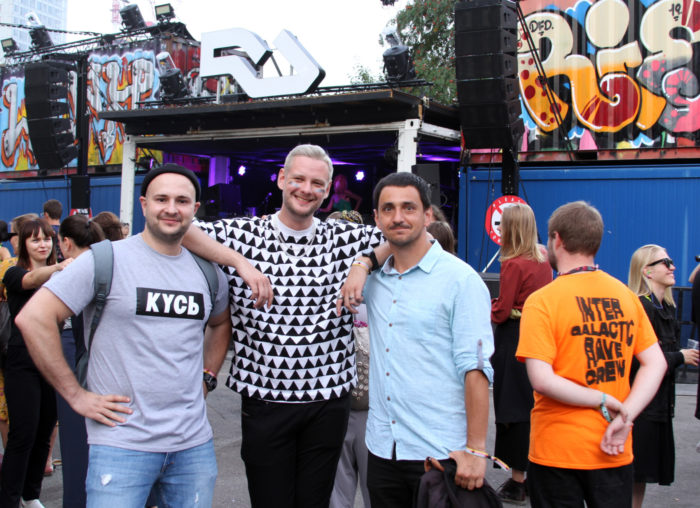
Three smiling men stand in front of a small stage and freight containers covered with graffiti.

Aleksei (left) is at Flow for the first time, and is staying at a hotel, while Lyosha (right) has been to the festival seven times, and is staying at a hostel. They’re here with their friend Filipp from Saint Petersburg.Photo: Peter Marten

Aleksei: “I learned about the festival from a friend who lives in Helsinki. I had already been to Helsinki, and decided to come to Flow when I found out that [Swedish singer] Robyn would be performing here.

“The festival is quite large, with a variety of stages. Almost everyone can find something they like. I listen to all kinds of music, from electronic to pop.

“I like the atmosphere. You feel free here. Maybe this is because you’re free to circulate between the different parts of the festival grounds.”

Lyosha: “The first time I came to Flow, Björk was on the bill. I liked the experience so much that I’ve come back every year since. Even if I don’t know many of the performers in advance, I show up to enjoy the atmosphere, and I always discover something new. There are such beautiful people, there’s such freedom – a feeling that nothing bad can happen. I don’t know what it comes from, but for me that’s rare.

“My friends who have been in Sweden or Denmark say that Finland is like a village. I’ve been around, but Finland is my favourite country. It makes me think of the Moomins, the characters by [Swedish-speaking Finnish artist and author] Tove Jansson. Everything is somehow very straightforward. Helsinki isn’t trying to be something it’s not. It’s a very personable city.”

Emil from Stockholm, Sweden
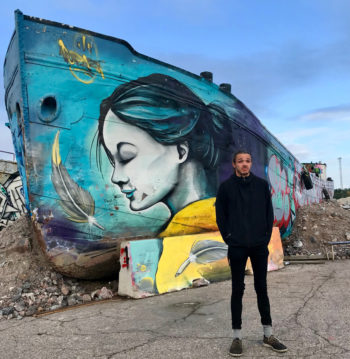
A man standing in front of street art painted on an old ship.

Emil is attending Flow for the first time, and staying at his friend’s ex-boyfriend’s mother’s place. He’s standing in front of street art near the festival grounds.Photo: Anna Ruohonen

“My friend had two tickets to the festival, but she broke up with her boyfriend so she invited me instead. I guess I was the backup plan. I’d never heard about Flow Festival before and didn’t know much about the performers either. I had actually never even been to Finland before.

“I like festivals; I try to do at least one or two every summer. Flow is different from the festivals I’ve been to in Sweden. This is the first time I’m at a festival that takes place in a city, where you don’t stay at a campsite. I like that.

“It’s been really nice to party with the Finnish people. They’re more relaxed than Swedes, although they dance less.

“I’ve heard some great electronic music here, but I have to say my favorite was Robyn. She really owned the audience; everyone was on the same level. There was one moment when she stopped singing and everyone in the audience was singing. It was really magical.”

Lera from Saint Petersburg, Russia
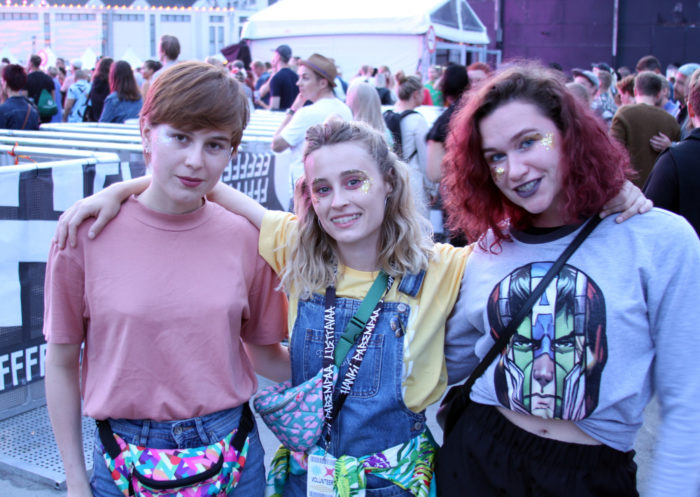
Three women smile; the one in the centre has wrapped her arms around her friends' shoulders.

Couchsurfing and working as a volunteer at the festival, Lera (centre) is at Flow for the first time.Photo: Peter Marten

“Last year I was in Helsinki right at the same time as Flow Festival, and I happened to pass by the area. I wanted to go in, but the ticket was too expensive for a student like me. I decided that I would definitely go the following year as a volunteer. Some friends had already attended Flow, so when recruitment opened, my friends and I filled out applications right away.”

“We’re staying at a couchsurfing location not far from here. It’s the home of a woman our own age, and she’s also hanging out at Flow.

“There are different groups of volunteers. I’m on the cleaning and recycling crew, so we help clean the grounds and make sure the garbage is sorted properly. Out of the three days of the festival, we work two, so two shifts of six hours, total. I think this is a pretty good place to volunteer. You work, but it’s not especially hard work. You get a three-day admission pass, and they give you meals and a T-shirt, so it’s pretty ideal.”

By Anna Ruohonen and Peter Marten, August 2019
Finnish schools emphasise climate change education

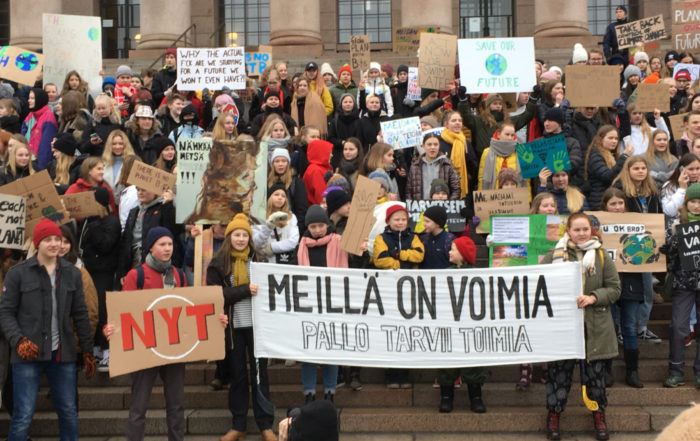
Schoolchildren across Finland went on strike several times in early 2019. Inspired by the Swedish teenage activist Greta Thunberg, they met in dozens of cities and towns to demand action on climate change.

“Our seventh-graders wanted to go, and even made posters,” says Lauri Aho, a geography teacher at Sakarinmäki School, east of Helsinki. “It’s good that they want to be there. They know a lot already, but I’m not sure they understand all the issues yet.”

What can be done

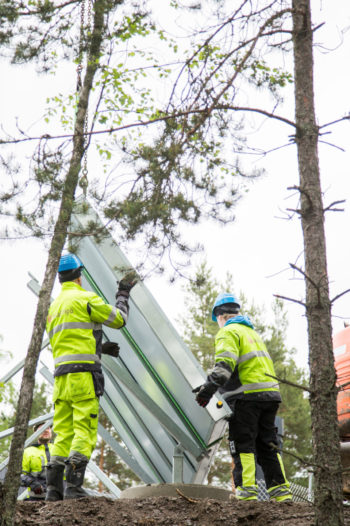
Workers install up a solar panel beside a school.

Workers installed solar panels at Sakarimäki School, east of Helsinki, several years ago.Photo: Helen Ltd

A portion of Aho’s job is to make sure the students understand the effects of climate change, how and why it is happening, and what can be done about it. Part of this education is traditional schoolwork using dedicated textbooks, but Finnish kids also get more hands-on training.

“Everyone recycles here,” Aho says, pointing to bins in his classroom. “Our ninth-graders took a field trip to a power station to understand how energy is created. We also had a conference, with different teams representing different nations. They researched the environmental policies of their countries and then debated to get an international treaty like the Paris Agreement.”

Climate change in every subject

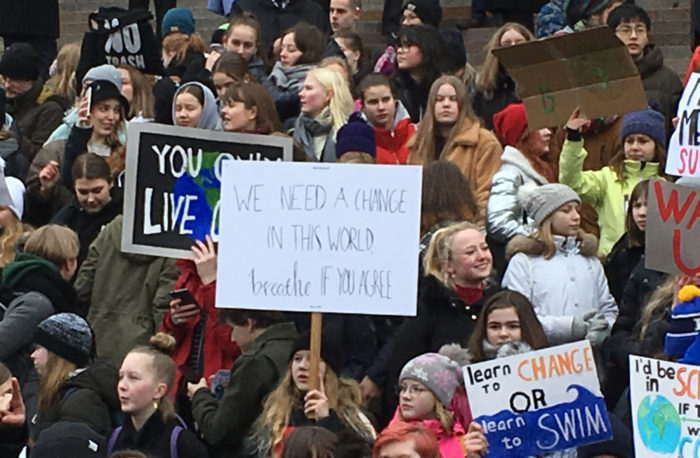
A large crowd of young people hold signs at a climate demonstration.

“We need a change in this world – breathe if you agree,” reads one sign at a climate action demonstration in Helsinki. Another says, “Learn to change or learn to swim.”Photo: Peter Marten

Teaching about climate change is already important in the Finnish education system, and a new climate studies programme is being developed with the idea that climate change should be part of every subject. Some NGOs have developed climate change and circular economy material that can be used as teachers see fit.

This happens in every Finnish school, but the students at Sakarinmäki School have an advantage: their building has its own supply of renewable energy, which they can study.

“About 80 percent of our energy consumption is from renewables,” says vice-principal Antti Kervinen. “We have solar panels and geothermal heating. We also use bio-oil, but this is only necessary in the winters. Yesterday it was sunny, and 100 percent of our power came from solar energy.”

Seeing energy IRL

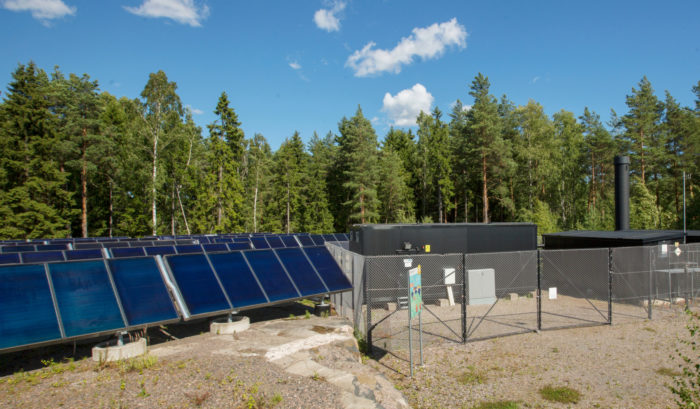
Rows of solar panels stand in front of a forest.

Renewable energy is a reality for students at Sakarimäki School – they can see the equipment right next to the school grounds.Photo: Helen Ltd

The students and staff can see their energy production in real time on screens in the hallways. It is shown in typical kilowatt fashion, but also as the equivalent number of warm showers so it is more understandable. This information is incorporated into the school’s curriculum.

“Students learn how to calculate percentages using our school’s energy statistics, such as what percent of our power came from different sources,” says math teacher Heikki Hölttä. “It is also used in physics and chemistry.”

Personal responsibility

A large crowd of young people hold signs at a climate demonstration.

Don’t tell them to grow up and out of it: “We’ve got the power – the planet needs action,” the banner says.Photo: Peter Marten

The students are interested in climate change and what they can do about it. A recent survey found that Finnish children and teens increasingly name climate change as a major worry.

“I would have gone to the protests if I had known about it, but I was here taking a maths test,” says Olivia, a ninth-grader. “Greta Thunberg is brave, and it is important to share this information.”

Olivia praises the environmental education she has received at Sakarinmäki and says that school is her main source of information on climate change.

“I’ve probably learned more online,” counters Laura, also a ninth-grader. “I watch a lot of documentaries about the environment.”

The teachers encourage such independent learning, and in fact some projects require it. Aho explains that they also take the time to teach about different sources and how to determine their reliability, because fake news abounds online.

“Some students are very active about climate change, but others are more passive,” says ninth-grader Iisa. “I do what I can, like recycle, always turn off lights when I don’t need them, and eat more vegetarian food at school and at home, but I’m only one person. We look at big countries and wonder why they aren’t doing more.”

By David J. Cord, August 2019
Helsinki named best city for work-life balance

The study examined how well cities enable their citizens to enjoy a healthy balance of work and downtime.

The ranking was conducted based on 20 different factors related to work intensity, society and institutions, as well as city liveability. Helsinki, Munich and Oslo made up the trio with the best work-life balance. In gender equality, the Nordic capitals Oslo, Stockholm and Helsinki led the way, in that order.

Festivals fill Helsinki in August

From a robot choir to a lesson about preserving mushrooms, many of the events are completely free. Have a look!

Helsinki Festival, Aug 15–Sept 1

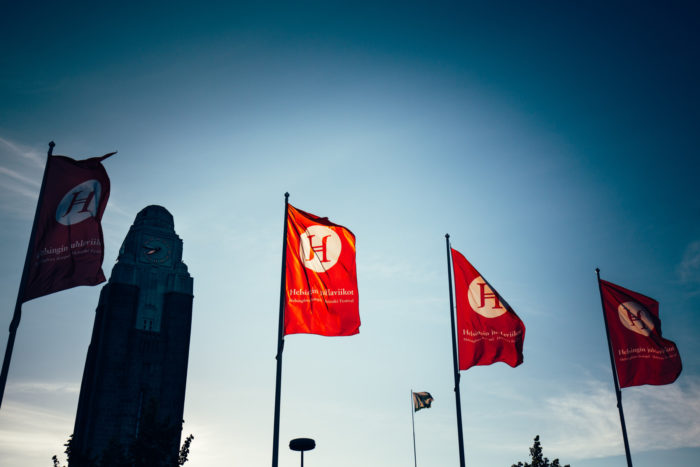
Helsinki Festival flags fly in front of the landmark tower of the Central Railway Station.Photo: Jussi Hellsten/Helsinki Marketing

This multidisciplinary festival is the largest art festival in Finland and aims to make art accessible to everyone. It mixes classical music, theatre, dance, world music, circus, visual arts and urban events. In 2018, more than 235,000 people took part.

The Robot Choir is sure to attract attention. You can participate in the interactive process by sending your own voice sample. This helps teach artificial intelligence how to sing, and your voice will be merged into the performance.

For the duration of the festival, three artistic duos transform points of entrance into art experiences in Enter Helsinki. The pieces invite you to stop for a moment and take a break from everyday life. Central Railway Station gets a makeover from English musician Jon Hopkins and Finnish audiovisualist Ville Hyvönen.

At Helsinki-Vantaa Airport, the artwork Enter Me is constructed by photographer Meeri Koutaniemi and musician Sami Yaffa. Musician Timo Kaukolampi and lighting designer Jenni Pystynen transform West Harbour Terminal 2, a ferry departure hall, into Silent Sea with rhythms and reflections.

Night of the Arts, Aug 15

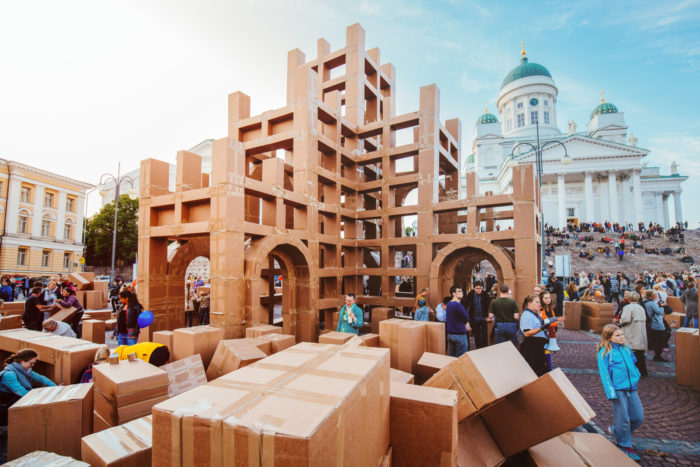
Go out on the Night of the Arts and discover your inner artist.Photo: Jussi Hellsten/Helsinki Marketing

The Night of the Arts is a concept held in many cities across Finland, usually in the second or third week of August. Art events happen all over town, bringing out crowds of spectators and participants. The Helsinki edition, which first took place in 1989, includes hundreds of events.

For instance, Helsinki’s Svenska Teatern (Swedish Theatre) opens its doors to offer laugh yoga and costumes you can try on. In fact, most museums and galleries also stay open all evening, free of charge. For those interested in Finnish rock nostalgia, Andy McCoy is playing a concert at Hard Rock Café.

Art Goes Kapakka, Aug 15–24

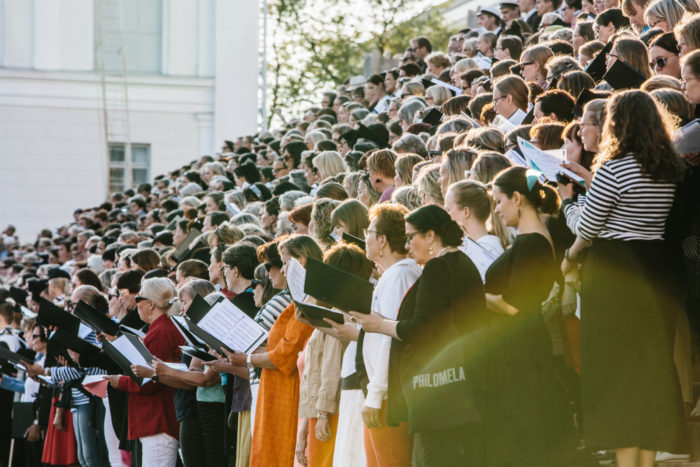
Art Goes Kapakka kicks off with the massive sound of the Tour of Choirs on the steps of Helsinki Cathedral.Photo: Ville Malja/Art Goes Kapakka

Art Goes Kapakka (AGK) is a ten-day cultural event held in the centre of Helsinki at restaurants, bars and cafés (kapakka means “pub”). The schedule includes music, poetry, dance and improv. AGK can be a stepping-stone for new artists and a way for audiences to discover new acts. It’s an easy, spontaneous way to experience and explore art.

The whole festival kicks off with the legendary – yes, legendary – Tour of Choirs, when 133 choirs comprising a total of 2,528 singers gather on Senate Square to perform together. Helsinki Festival is supplying the Robot Choir (see above) to join in. After that, the groups spread out across the city to sing in restaurants and pubs.

In addition, AGK offers food-related talks and sessions. You could learn how to preserve mushrooms or make marshmallows. How does that sound?

Poetry Moon, Aug 15–25

Nihkee Akka (real name: Jonna Nummela), performs spoken-word at the poetry event Runokuu.Photo: Bokor Krisztián/Helsinki Festival

Runokuu can mean either “poetry month” or “poetry moon” in Finnish. The 15-year-old literary festival includes a poetry breakfast and a discussion panel about writing professionally in modern-day Finland and France.

Skidit Children’s Festival, Aug 17

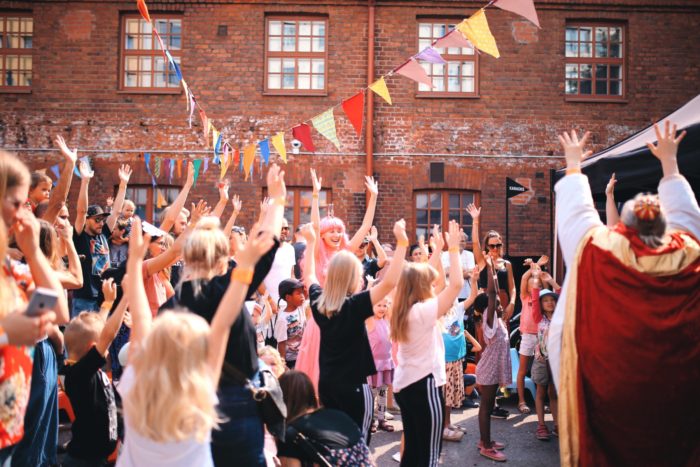
Youthful energy in a historical setting: The Skidit kids’ fest takes place in a former factory district.Photo: Skidit Festival

Celebrating its tenth anniversary in 2019, Skidit offers a fun day full of activities and hanging out, as well as a challenge: Can we bake the city’s biggest cake for the festival?

Viapori Jazz, Aug 20–24

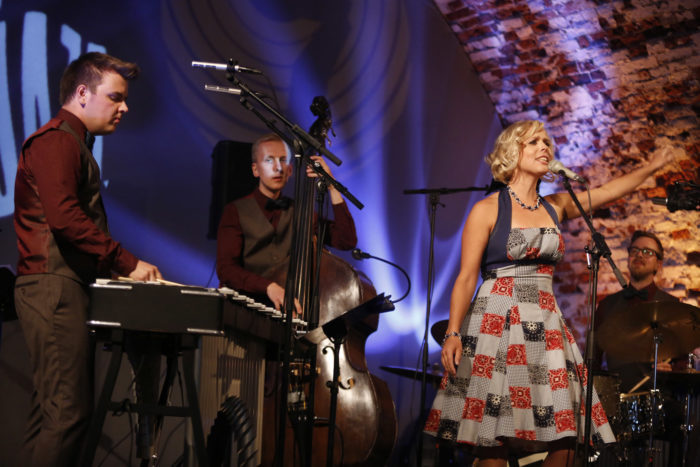
The late-summer music of Viapori Jazz lends a special atmosphere to historic Suomenlinna. In the picture, Aili Ikonen (right) sings at a previous edition of the festival.Photo: Maarit Kytöharju/ Viapori Jazz

The most popular jazz festival in Finland is Pori Jazz, held in the city of Pori on the west coast. Helsinki has a place called Viapori (an old-fashioned denotation for the island fortress of Suomenlinna). So the name Viapori Jazz is a subtle dig at the much larger event in Pori.

Viapori Jazz promises a “surprise concert full of surprising surprises,” among other things you might not expect. Jazzy summer evenings have a magical atmosphere in the venerable surroundings of Suomenlinna.

Sampo International Puppet Theatre Festival 2019, Aug 28–Sept 1

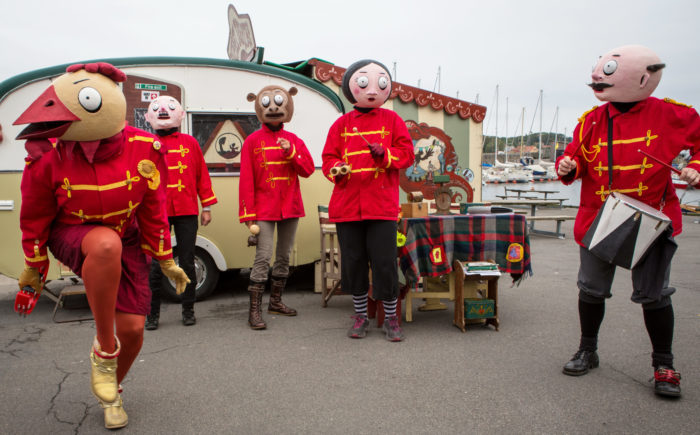
The masked performers of Orkestar Strada bring a minicarnival to Diana Park in Helsinki with music, dance and improv during the Sampo International Puppet Theatre Festival.Photo: Orkestar Strada/Sampo

Sampo delivers entertaining, memorable and poignant puppet-theatre performances for children and adults alike. At Oodi, Helsinki’s shiny new central library, the free show Garbage treasure includes ideas for a sustainable future and recycling.

In addition to the shows, Sampo gathers people for workshops and discussions on the subject of puppetry, welcoming all who are interested.

By Iiris Nelimarkka, August 2019
Finnish summer in the city: garden getaways

Allotment gardens, also known as community gardens, have a long history in Finland, going back to before the country gained its independence, in 1917.

The first Finnish allotment garden still operating today was established in the city of Tampere in 1916. Now there are community gardens all over the country, even as far north as in Rovaniemi, a city just six kilometres (3.7 miles) south of the Arctic Circle.

A break from city life

A smiling woman waters plants at a community garden.

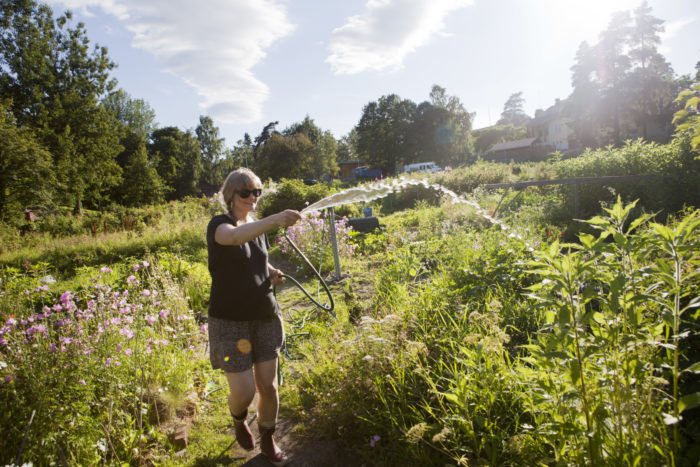
Gardeners tend their plots as a form of relaxation, but it’s not effortless; gardening takes time and commitment.Photo: Heli Sorjonen/Ministry of Agriculture and Forestry of Finland

An allotment garden consists of a group of plots – as few as a dozen or as many as 300. Finland’s 60 allotment garden sites contain a total of approximately 6,000 plots.

Gardeners grow a wide range of plants including potatoes, carrots, strawberries, tomatoes, herbs and even apple trees. Most plots also contain rows of different kinds of flowers and ornamental plants. In many community gardens, every plot includes a small cottage.

For the most part, allotment gardens are considered public parks. You’re free to roam the paths on your own during opening hours. The plots themselves are private areas though, so you need permission to enter them.

The simple life of growing your own vegetables and staying in a small cottage provides a chance to relax and take a break from the hustle and bustle of city life. “This used to be a paradise for grannies – not very trendy at all,” says plot owner Minna Kärkkäinen. “That situation has been turned upside down.”

Sustainable city summer

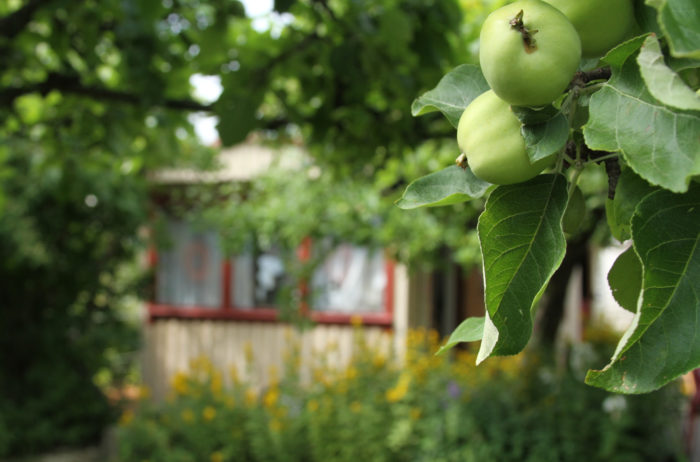
Green apples are ripening on a tree, with a small wooden cabin in the background.

In many community gardens, every plot includes a small cottage.Photo: Eeli Kettunen

Allotment gardens are good for the environment. Especially for city-dwellers, it’s a great way to spend time in nature and get their hands in the soil without having to drive long distances to a summer cottage. Many bike or walk to their gardens.

“The best thing about an allotment garden is that you don’t have to go far to enjoy the atmosphere,” says Kärkkäinen.

The site of a typical Finnish summer cottage could fit approximately ten community garden plots, including common areas and paths. In other words, they carry a smaller carbon footprint than regular summer cottages.

“We want to protect biodiversity,” says Pertti Laitila, president of the Finnish Federation of Allotment Gardens. “That’s why we use natural methods of cultivation.” Recycling also forms part of everyday life at an allotment.

All walks of life

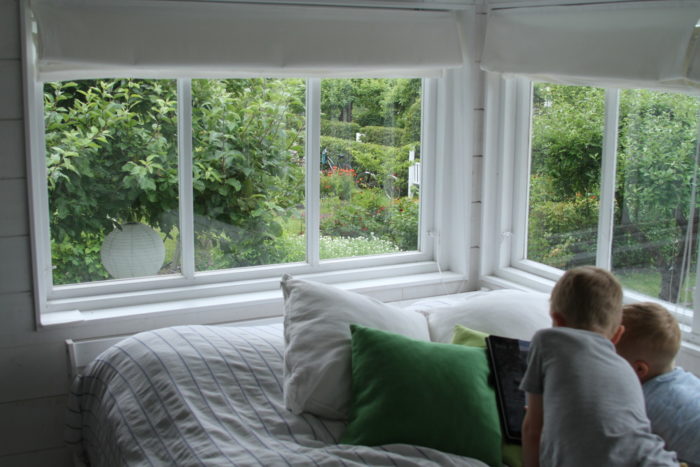
Two children are lying in bed reading, with a green garden visible through the windows.

In addition to gardening, other important aspects of community garden life include simple things such as family time, cooking and a place for the kids to play.Photo: Eeli Kettunen

A spirit of cooperation marks allotment gardens, and everyone chips in for the common good. Some people also contribute money, but more often than not, contributing means doing volunteer work. It might include anything from tidying the paths to baking for the community café.

“We know more people here in this allotment garden than in our block of flats, even though we have been here much less time,” plot owner Jenni Rainio says. “There’s always help available if you want it.”

Allotment garden communities organise different events and activities, from outdoor yoga to karaoke to midsummer parties, or even a boot-throwing competition. You don’t have to own an allotment yourself to participate in the fun, because the events are public. People from all walks of life spend time in these green oases during the summer.

By Iiris Nelimarkka, August 2019
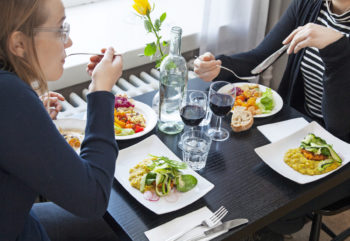
Culinary pleasures across Finland

Here’s our list for anyone who loves food and seeing new places, from local festivals to restaurants that are far from the beaten path.

Oasis of good food and flavourful drinks

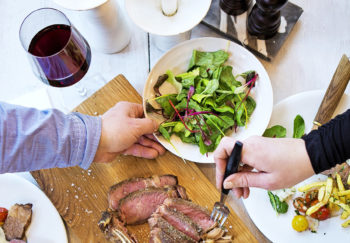
On a table there is a glass of red wine, a bowl of salad and a cutting board with sliced beef; hands from two different people are in the process of picking up food.

Photo: Tiina Tahvanainen

Just a stone’s throw away from Kastelholm, a stately medieval castle on the shores of Finland’s autonomous Åland Islands, you can find Smakbyn (Taste Village), an inspiring restaurant in the archipelago countryside, where you can enjoy a good meal and refreshing drinks made of local ingredients. You can also take part in cooking classes or visit the local distillery.

Organic products direct from the producer

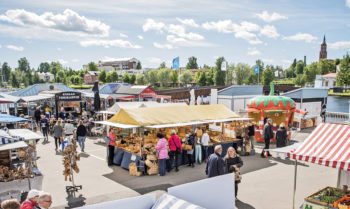
A buzzing market has multiple small stalls and people are roaming among them.

Photo: Vesa Tyni/Otavamedia

Almost every city or town in Finland has a market where small producers sell freshly baked products, berries, root vegetables and fish. Younger sellers, in particular, speak English and will be happy to tell you about their products. You can identify Finnish products by the words “suomalainen” or “kotimainen.” Find inspiration for your food!

See and taste the Lapland wilderness

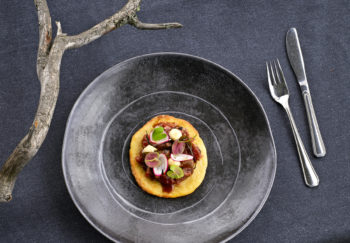
A fancy plate of food sits next to a tree branch on a grey tablecloth.

Photo: Sami Repo

At the top of Ounasvaara, a fell located outside the northern city of Rovaniemi, the Sky Kitchen restaurant offers wonderful views and food inspired by the Lapland wilderness. The menu combines northern purity, frost, sun and soundscapes into a trendy package.

Tampere’s own tribute to good food

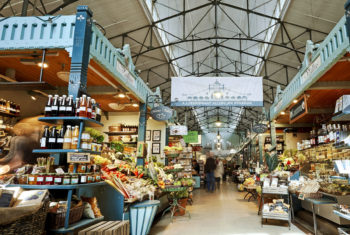
At an indoor food market, the shelves are filled with different produce.

Photo: Sara Pihlaja/Otavamedia

Tamperrada – inspired by the Tamborrada Festival in Spain – is Finland’s biggest food festival. For five days, restaurants in the Tampere region serve delicious local versions of small Spanish snacks called pintxos.

Smaku introduces local tastes of Porvoo

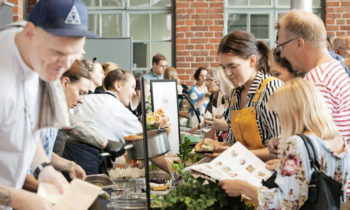
People study menus at a long buffet table.

Photo: Henriikka Seppälä

The city of Porvoo, about 50 kilometres (30 miles) east of Helsinki, hosts Smaku, a food festival that offers signature dishes from various local restaurants in the form of small treats. Each establishment creates a tasting version of at least one appetiser, main course or dessert, and visitors can vote for the best dish. The festival culminates in a food feast at Porvoo Art Factory on the final day.

Warm-hearted service

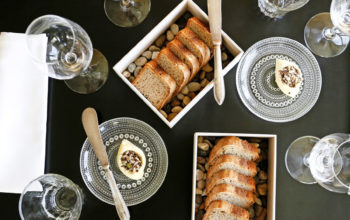
Empty wine glasses and plates of white toast are arranged on a table.

Photo: Pasi Leino

Kaskis, chosen as restaurant of the year in 2018, is located in the southwestern Finnish city of Turku. Kaskis specialises in organic and local food featuring many plants found in the wild. Some are gathered by the chefs themselves.

History and gastronomy

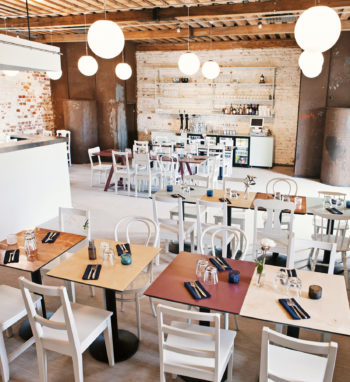
The tables are set in an empty restaurant interior.

Photo: Teemu Lautamies

Once a base for clearing and storing naval mines, Lonna Island is an attraction in itself, but it also happens to have one of the best summer restaurants in Helsinki. You can reach Lonna by ferry (the same boat also goes to the island fortress of Suomenlinna) from May to September.

Enjoy food in historical surroundings

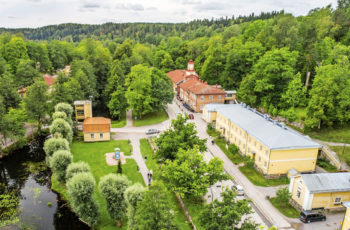
An aerial image of a village shows yellow wooden and red brick buildings amid green parks and forest.

Photo: Fiskars Village

Fiskars Village, founded in the 17th century, is known today as a centre of Finnish art and design. The village has a strong culinary tradition with a varied local and organic cuisine. Fiskars Brewery produces artisanal beers.

Feel at home in the beautiful archipelago

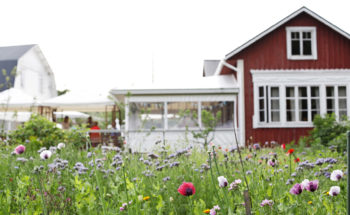
A flower garden stands in front of a red wooden cottage.

Photo: Rasmus Palmgren

Farmors Café (Grandmother’s Café) is a picturesque summer café on the island of Högsåra off the southwestern coast. Surrounded by a lovely garden, the old red cottage is an idyllic summer delight where visitors can enjoy freshly baked cakes and tasty summer dishes.

From waste to food

Two people eat and drink red wine at a small table.

Photo: Restaurant Loop

Loop Restaurant in Helsinki  produces high-quality vegetarian dishes from surplus raw materials collected from merchants and producers. Loop donates 70 percent of the retrieved food to charity. The restaurant also helps unemployed young persons and immigrants enter the workforce. Loop serves lunch every weekday and brunch on weekends.

Local food from a wise old owl

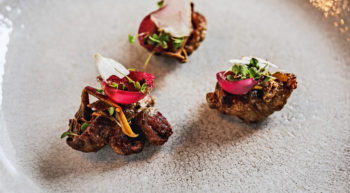
A restaurant plate contains three small, fancy pieces of food.

Photo: Robert Kurki

The Pöllöwaari (Old Owl) restaurant in the central Finnish city of Jyväskylä offers lovingly prepared menus and à la carte dishes made from top-quality, seasonal ingredients. The restaurant is located in the Boutique Hotel Yöpuu.

Experience food, art and design

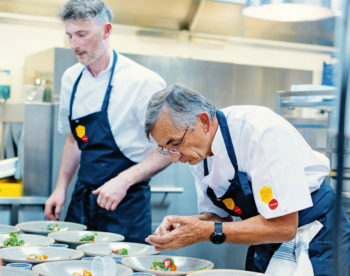
Two focused-looking chefs are plating multiple similar dishes.

Photo: Julius Konttinen

The Food & Art Festival is held in the beautiful surroundings of Ruissalo, an island outside of Turku. The festival is a multi­sensory event where art, design and gourmet dishes meet in a intimate atmosphere. Visiting chefs from around the world conjure up dishes for everyone to enjoy.

By Marina Ahlberg and Selja Tiilikainen, ThisisFINLAND Magazine 2019