Take a tour of Finland, region by region

Whether they feature nature, history, culture or events, all 19 regions of Finland take pride in their own unique characteristics. The map below shows how the regions are divided – the grey lines indicate the borders of the historical provinces of Finland. Click on a coat of arms to see more about each area!
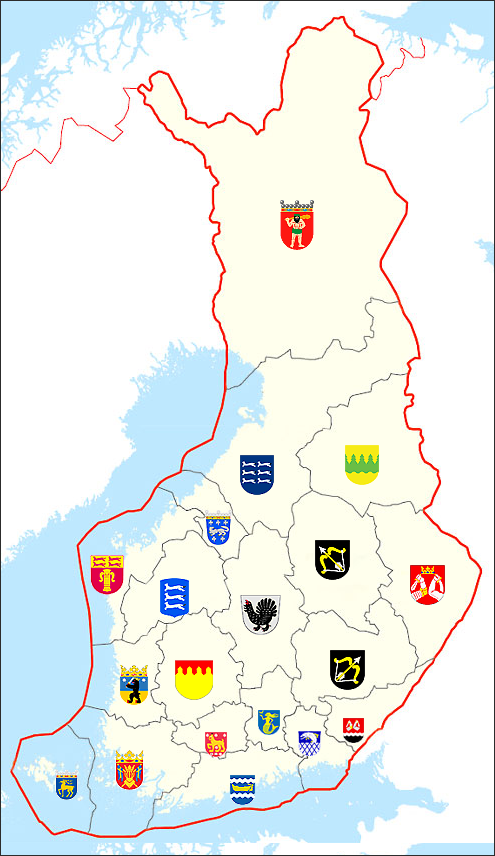
Map © National Land Survey of Finland


1. Åland (Ahvenanmaa)
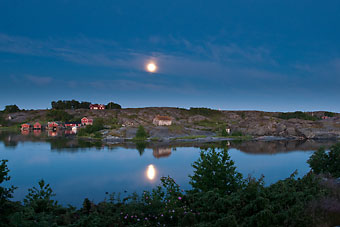
A rocky island with small red cottages.

A highlight for visitors to Kökar Archipelago in Åland is a sailing tour amongst hundreds of islands.Photo: Robert Smith/Visit Finland

Åland differs from other Finnish regions in many respects. It is an archipelago of about 80 inhabited islands (as well as thousands of skerries) and is located at the entrance to the Gulf of Bothnia. It is also an autonomous, demilitarised, Swedish-speaking area (Swedish is one of Finland’s official languages). The capital, Mariehamn, is a lively town due to its international harbour, halfway between Sweden and mainland Finland.

Back to top

2. Finland Proper (Varsinais-Suomi)

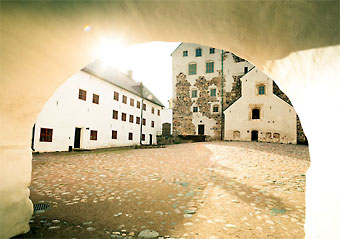
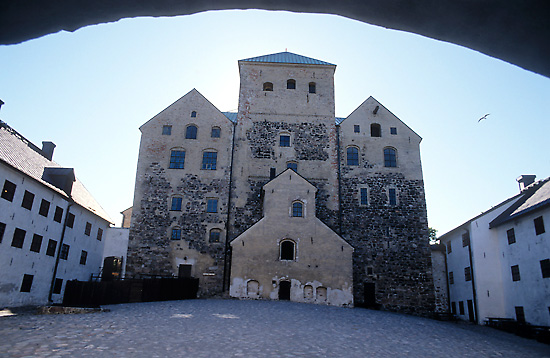
The courtyard of Turku Castle.

Turku Castle is the largest surviving medieval building in Finland.Photo: Elina Sirparanta/Visit Finland

This region was historically called Finland as it was the home of the tribe known as the Finns (while other regions of southern Finland were inhabited by the Tavastians and the Karelians). Its capital, Turku, was the European Capital of Culture in 2011. Wellknown places within the region include the small town of Naantali, home of the popular Moomin World theme park, and Kultaranta, the summer residence of the President of Finland. The region also features the idyllic Archipelago Sea area.

Back to top

3. Uusimaa

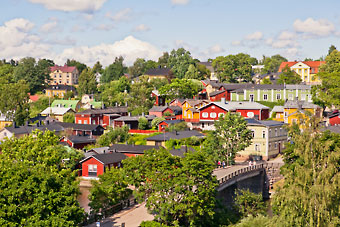
Porvoo old town; colourful wooden houses and medieval streets.

Porvoo’s old town consists of medieval streets with predominantly wooden houses.Photo: Jussi Hellsten/Visit Finland

Finland’s capital of Helsinki is the most wellknown area of the Uusimaa region. The lively summer towns of Hanko (located on the southernmost tip of Finland) and Porvoo (which features a magnificent old medieval town) are a must-see. However, Uusimaa is not all about urban centres. The region also features plenty of agriculture and four large national parks!

Back to top

4. Satakunta

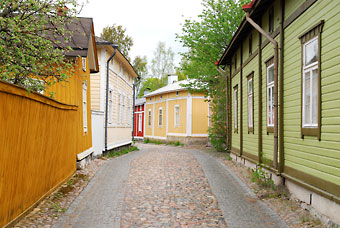
A cobblestone street lined with colourful wooden houses in Old Rauma.

Old Rauma, the wooden city centre of the town of Rauma, Finland, is a Unesco world heritage site.Photo: Visit Finland

While Satakunta, which literally means ‘hundred’, is an important agricultural region, its capital, Pori, and the region’s second-largest town of Rauma are known for their industrial history. In the heart of Rauma is Old Rauma, a Unesco world heritage site featuring old wooden architecture. The dialects spoken in Satakunta are considered difficult to understand as the speech is rapid and many words are shortened.

Back to top

5. Tavastia Proper (Kanta-Häme)

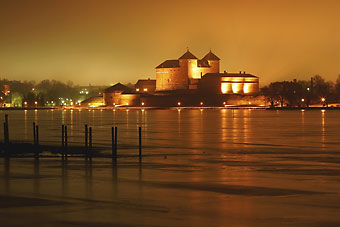
Häme Castle seen in evening light across the lake.

Believed to have been built at the end of the 13th century, Häme Castle in Hämeenlinna is one of Finland’s medieval royal castles.Photo: Visit Finland

The city of Hämeenlinna, with its Häme Castle, dominates this old region. The celebrated Finnish novel Seven Brothers by Aleksis Kivi is set in the Tavastia area.

Back to top

6. Päijänne Tavastia (Päijät-Häme)

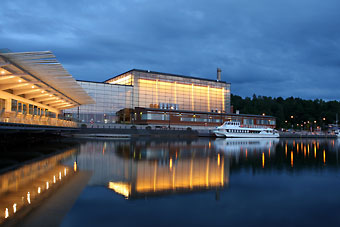
Sibelius Hall seen in its evening lights.

Sibelius Hall in Lahti, whose outstanding acoustics are considered some of the best in the world, is home to the Lahti Symphony Orchestra.Photo: Sami Lettojärvi/Visit Finland

Päijänne Tavastia is located south of Finland’s second largest lake, Päijänne. Its capital, Lahti, is known for hosting world ski championships and the annual Lahti Ski Games. Sibelius Hall in Lahti is a renowned venue for classical music concerts. The geography of the region is strongly influenced by Salpausselkä, a ridge system formed during the ice age.

Back to top

7. Kymenlaakso

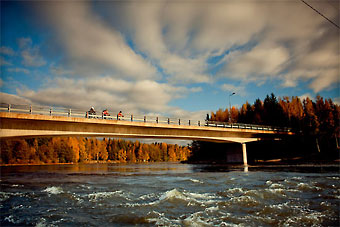
A bridge crossing a river; a few people on the bridge.

As one of the largest rivers in southern Finland, the Kymi River in Kotka is a major source of hydroelectricity.Photo: Aleksi Koskinen/Visit Finland

Kymenlaakso means ‘the valley of the Kymi River’, which is one of the major rivers of Finland. Its capital, Kotka, is located on the delta of the river and is a major Finnish sea port. The region’s other major town, Kouvola, has a strong tradition as a railroad town. Verla Groundwood and Board Mill museum in Jaala is a Unesco world heritage site.

Back to top

8. South Karelia (Etelä-Karjala)

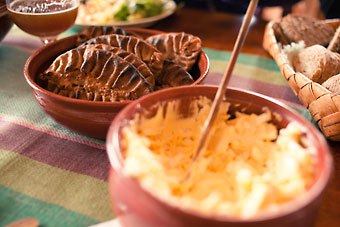
A bowl of Karelian pies and egg butter.

Karelian pasties, or Karelian pies, are traditional pasties from the region of Karelia.Photo: Elina Sirparanta/Visit Finland

Located near the eastern border of Finland, South Karelia’s famous Saimaa Lakeland district and picturesque Imatra Rapids have attracted tourists, artists and even royalty over the centuries. Delicacies worth tasting in this area include Karelian pies, Karelian hot pot and special meat pastries called vety (hydrogen) and atomi (atom) from the town of Lappeenranta. The South Karelian slogan “Make food, not war!” encapsulates the region’s character.

Back to top

9. Pirkanmaa

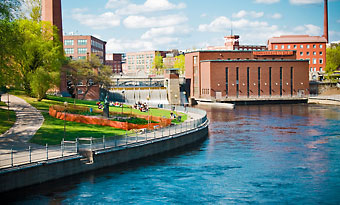
An industrial style brick building and a park by water.

The renovated Finlayson industrial area of Tampere today accommodates cultural, culinary and educational facilities.
Photo: Alexander Savin, Flickr.com, CC BY 2.0

The capital of this region, Tampere, is known as Finland’s Manchester due to its red brick houses and its industrial heritage. Close to Tampere is the small town of Nokia, where the Finnish mobile phone giant started as a pulp mill in 1865. The culinary special of the area is mustamakkara (‘black sausage’), best enjoyed with lingonberry jam and milk from a local market stall.

Back to top

10. Southern Savonia (Etelä-Savo)

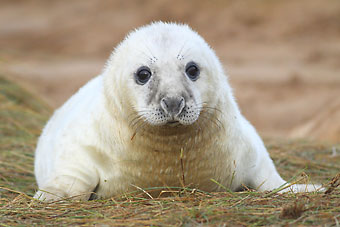
A white Saimaa ringed seal cub.

Saimaa ringed seals are among the most endangered seals in the world, having a total population of only about 310 individuals.Photo: Guido Muratore/Visit Finland

The city of Savonlinna in South Savonia is known for its annual opera festival, which takes place in the medieval castle of Olavinlinna. The castle is surrounded by spectacular lake scenery, where visitors have the opportunity to spot the extremely rare Saimaa ringed seal. The region is also known for its religious buildings, such as Valamo Orthodox monastery, Lintula convent and the world’s largest wooden church in Kerimäki.

Back to top

11. Ostrobothnia (Pohjanmaa)

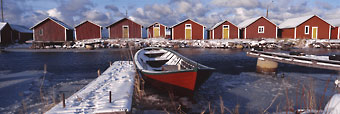
Red wooden boathouses and a rowing boat at the dock.

Boat houses in Raippaluoto, located in the narrowest part of the Gulf of Bothnia in the northern part of the Baltic sea.Photo: Kari Palsila/Visit Finland

Ostrobothnia is one of the two Finnish regions with a Swedish-speaking majority, the other being Åland. The landscape in Ostrobothnia is flat compared to other regions of Finland, and the fertile soil is conducive to farming. Close to the region’s capital, Vaasa, is the archipelago of Kvarken, a Unesco World Heritage Site.

Back to top

12. Southern Ostrobothnia (Etelä-Pohjanmaa)
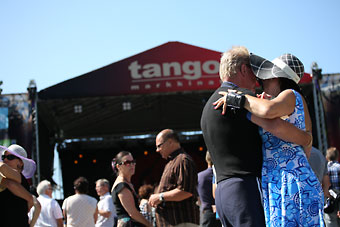
People dancing tango in front of a big stage.

The Tango Festival in Seinäjoki takes place in July each year with concerts and dance contests amidst a unique festival atmosphere.Photo: Miika Havo/Seinäjoen Tangomarkkinat

This region is probably best known as the home of the stunt group Dudesons and the annual Tango Festival, held in Seinäjoki, the region’s capital. This area is split by various rivers and boasts some of Finland’s most arable farmlands.

Back to top

13. Central Finland (Keski-Suomi)

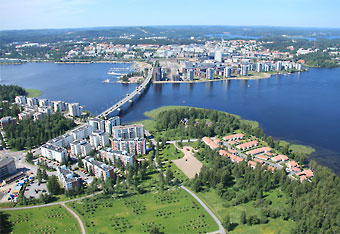
An aerial image of Jyväskylä.

The city of Jyväskylä, the largest city in Central Finland, is surrounded by lots of lakes.Photo: Suomen Ilmakuva Oy/Visit Finland

The name Central Finland is a bit misleading and should not be taken literally. It is located in the center of southern Finland and is surrounded by lakes, which may be why the annual Rally Finland competition is also known as the 1,000 Lakes Rally. The cityscape of the region’s capital, Jyväskylä, is dominated by the buildings of the famous Finnish architect Alvar Aalto.

Back to top

14. Central Ostrobothnia (Keski-Pohjanmaa)
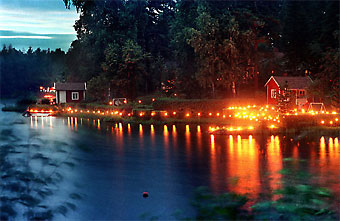
A coastline lit with torches; a couple of red wooden cabins by the shore.

Dating back more than 100 years, the Venetian Night celebration in Kokkola features kilometres of torches, bonfires and fireworks along the coastline.Photo: City of Kokkola

Central Ostrobothnia’s capital is Kokkola. The area is best known for its folk music traditions; Finland’s biggest folk music festival is held annually in the village of Kaustinen. Cows are a regular sight in this region, as Kokkola and its surroundings are the largest milk producers in Finland. One of Kokkola’s specialties is its Venetian Night celebration, held each year at the end of August.

Back to top

15. Northern Savonia (Pohjois-Savo)

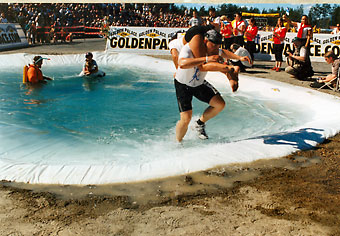
Competitors at the wife-carrying world championships; a man carrying a woman through a water obstacle.

The wife-carrying world championships in Sonkajärvi attracts international media publicity.Photo: Visit Finland

This region has the dubious honour of hosting the annual Wife-Carrying World Championships, held in Sonkajärvi. While exploring the atmosphere and wares of the art nouveau market hall in the region’s largest city, Kuopio, visitors can taste the specialty of North Savonian cuisine, kalakukko, fish baked in rye crust.

Back to top

16. North Karelia (Pohjois-Karjala)

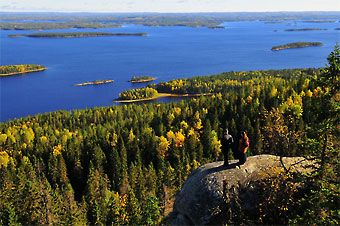
A landscape with forests, a lake and small islands.

Koli National Park is located in the North Karelia region.Photo: Hernan Patino/Visit Finland

The North Karelians are often described as cheerful, hospitable and talkative. These characteristics are on display each year at the music festival Ilosaarirock held in the region’s capital, Joensuu. Billed as Finland’s friendliest festival, this music event attracts audiences and bands from all over the world. On a quieter note, the peaceful landscapes of Koli National Park offer breathtaking views and have inspired many Finnish artists from Sibelius to Gallen-Kallela.

Back to top

17. Northern Ostrobothnia (Pohjois-Pohjanmaa)
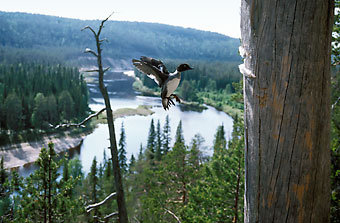
A landscape with Oulanka river and the forests surrounding it.

Oulanka river in Kuusamo covers 135 km and is part of the River Koutajoki waterway that runs into the White Sea.Photo: Hannu Hautala/Visit Finland

Oulu, the capital of this large region, is known as a city of technology and startups. However, this region has much more to offer. For example, the town of Kuusamo is home to the Ruka ski centre and the area is surrounded by vast wilderness and pristine national parks. The contrasts of Finnish nature are apparent in the flat coastline, the open swamps and the wild highlands.

Back to top

18. Kainuu

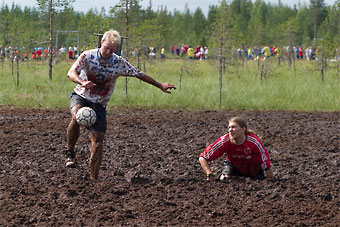
Two men playing swamp soccer; the other one has fallen down in the mud.

Hyrynsalmi is best-known for its ski resort Ukkohalla and the annual swamp soccer world championship.Photo: Visit Finland

One-third of Kainuu’s land is covered by swamps, and the region’s imaginative inhabitants have taken advantage of this unique feature: the swamp soccer world championship is held annually in the village of Hyrynsalmi. Pesäpallo, a Finnish variant of baseball, is also very popular in this region. The compiler of the Finnish national epic Kalevala, Elias Lönnrot, started his poem-collecting journeys in Kainuu.

Back to top

19. Lapland (Lappi)

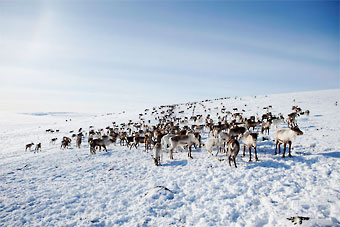
A herd of reindeer in the snow.

In Lapland all reindeer are domesticated, which means that all reindeer hunting is prohibited.Photo: Mikko Ryhänen/Visit Finland

Lapland is the largest and northernmost of the regions of Finland. The Sámi people inhabit some of its municipalities. Needless to say, Santa Claus, reindeer, the Northern Lights and great expanses of untouched wilderness characterise this unique region. The surroundings are suited to outdoor activities like skiing, hiking, white water rafting and snowmobiling. Rovaniemi is the capital of this region.

Back to top

By Emilia Kangasluoma, Katariina Lius and Kasperi Teittinen, December 2013
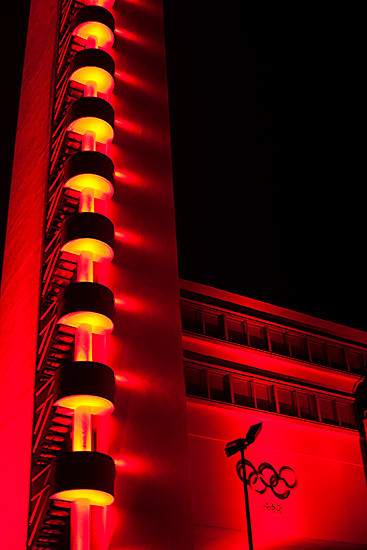
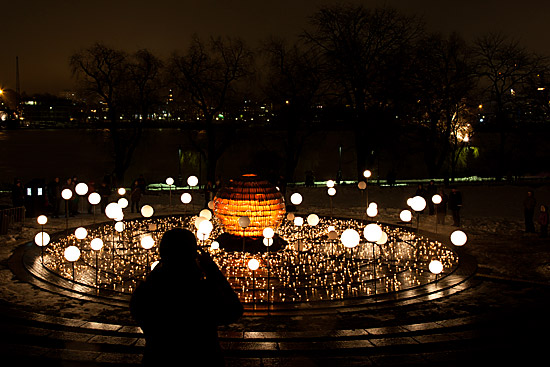
Let there be light in wintery Helsinki

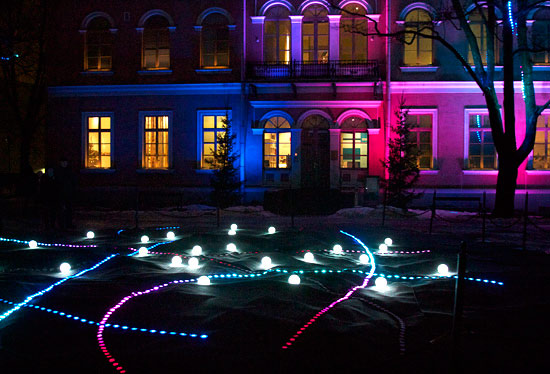
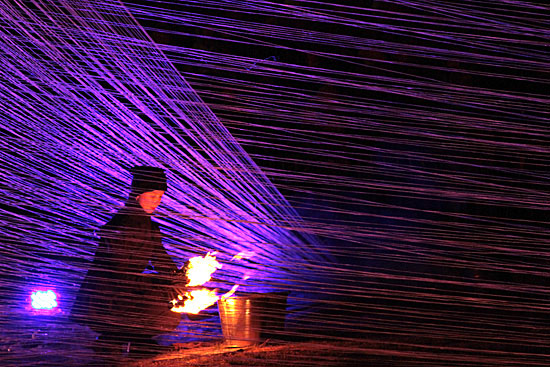
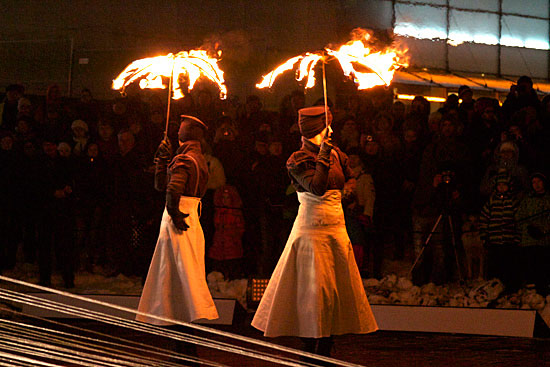
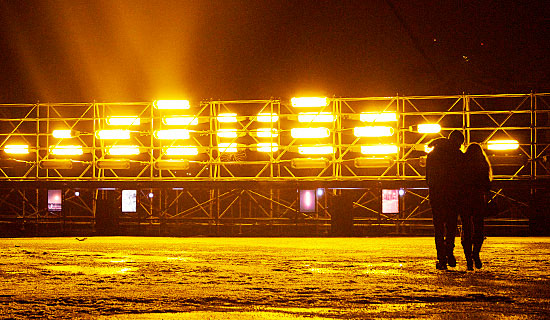
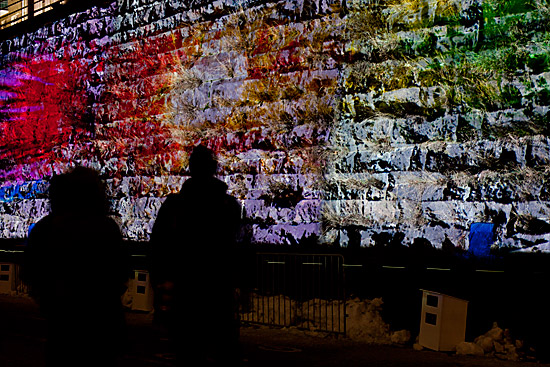
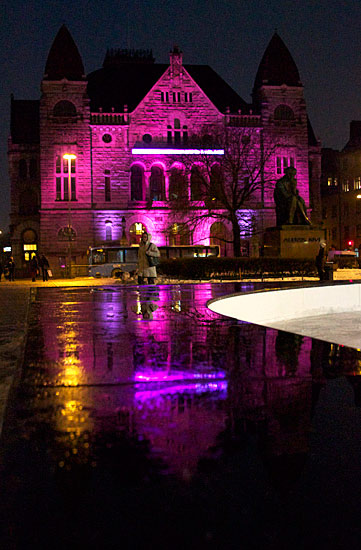
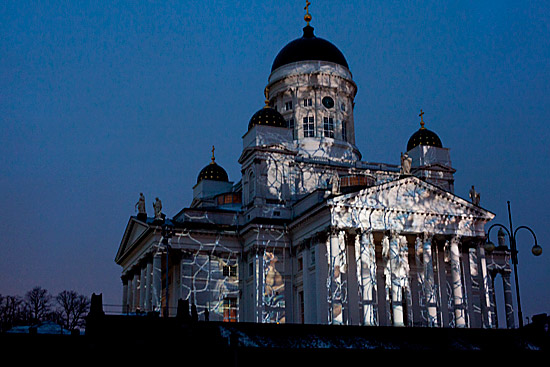
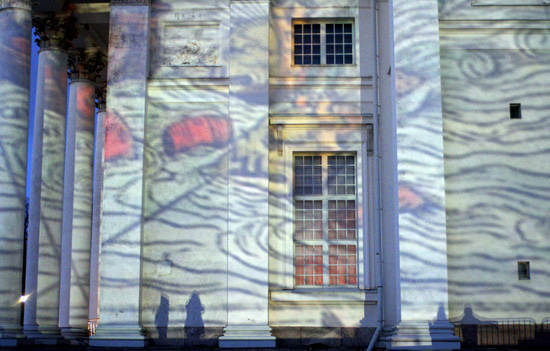
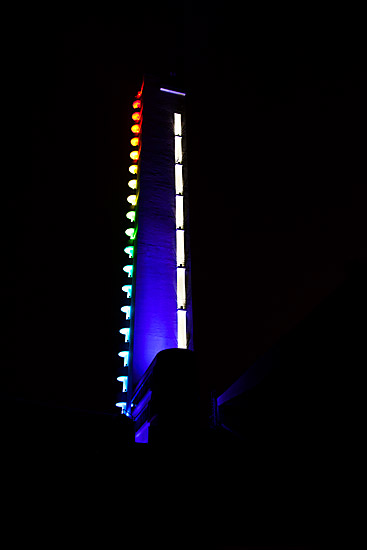
Lux Helsinki’s urban light installations illuminate the dark of winter each January. Our photographers take to the streets and return with a colourful slideshow.

In 2014, Finnish artists were joined by colleagues from France and Germany for a total of 12 different installations that lit up the city in early January, including one indoor light-art exhibition. The annual event attracted more than 150,000 tourists and Helsinkians to explore the city from new points of view despite the cold weather.

Lux Helsinki: Colour in the capital

By Susanna Alatalo and Leena Karppinen, January 2013, updated January 2014

The inside track on skiing in Finland

Here’s a helpful, humorous list of advice and hard-won wisdom about cross-country skiing from a Finland-based, Californian reporter who encourages you to take up the sport.

I was brought up in a warm climate. Upon moving to Finland, I wanted to find a way to keep fit during winter, enjoy nature’s wonders and participate in something typically Finnish.

4268-23167427-550px-jpg

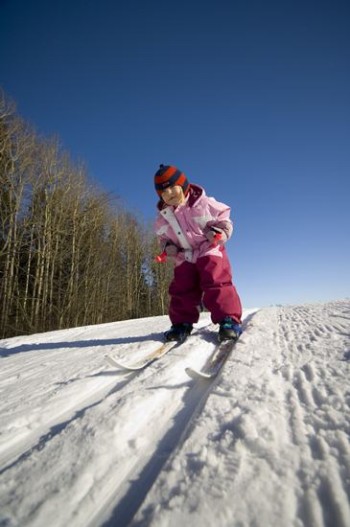
Start them young: The Finns begin skiing when they’re little, and if all those kids can learn, so can you.Photo: Juha Tuomi/Lehtikuva

I could have taken up ice hockey, but I wanted to keep my teeth. I could have tried ice fishing, but I didn’t have enough patience. So I chose cross-country skiing.

I visited a sporting goods shop and bought skis, poles and boots. Without bothering to take lessons, I went to a local ski area, watched what others were doing and simply began skiing. Marvelous, I thought, this is too easy to be true.

Then I came to a steep hill and started going down fast. A disturbing thought crossed my mind: I didn’t know how to stop, or even slow down. That adventure taught me that using your whole body as a brake was not such a great idea.

With practice, I improved at this dynamic sport, although I was usually the slowest person on the tracks. Cross-country skiing became an important part of my winter activities – after all, there wasn’t much else happening on Sundays.

I highly recommend that foreign residents take up this fine hobby. But beware! Every sport has its hazards. So here’s some advice – and some things to look out for:

Know where you’re going

4268-23609130-550px-jpg

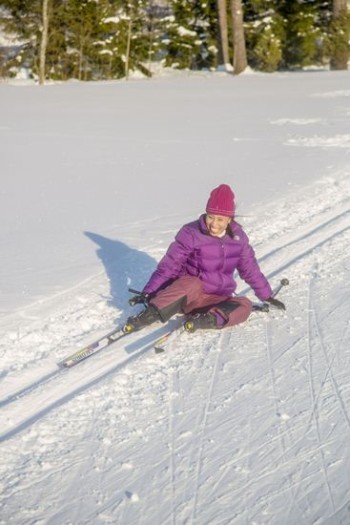
Falling is part of the fun: You’re going to fall, but just go with the flow. It’s only snow.Photo: Tero Sivula/Lehtikuva

I remember skiing on a clear, sunny day. The trail was well marked, and there were a lot of people around. Suddenly, it clouded up and began snowing. When the snow became heavy, I could no longer see any people or trail markings. I was lost in the forest and started to panic. Would I survive? Should I build a snow shelter? Then I saw someone.

“Can you help me out of this wilderness?” I asked.

“Certainly,” he said. “Just continue in this direction for a few hundred metres and you’ll see the main road.”

How embarrassing! I got “lost” in the suburbs of Helsinki. When in doubt, bring a map or a smartphone along.

The frustrated racer

He acts like the ski tracks are a motorway. He goes as fast as he can, sees nothing, stops for nobody and will run over you going downhill, uphill or on level ground. He has the facial expression of someone being chased by a big bear. But later, in the après-ski sauna, this madman changes his personality completely. He talks about how relaxing skiing is, about the beauty of the countryside, and about being at peace with nature. Watch out, though! Back on the tracks, he’ll become crazy again. Fortunately, most Finns are polite skiers.

Deadly curves

When you’re whizzing along downhill, you’re sure to meet up with a sharp curve. And often in the middle of the curve, the outside track turns off at a 90-degree angle, and the inside track continues straight ahead (due to people pushing off to gain more speed). This results in you doing a spectacular gymnastic move and ending up in a headstand in the snow with your skis sticking straight up. Thank goodness for soft snow. Eventually, you’ll get the hang of it.

Waxes are useful

4268-23557687-550px-jpg

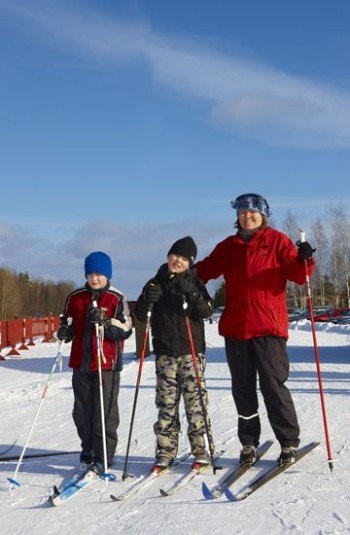
All ages: Cross-country skiing offers a good way to get out and enjoy the fresh air with your family.Photo: Tero Sivula/Lehtikuva

I always wondered why skiers carried around all those different waxes. Wax is wax, I figured. No need to show off, so I only bought one kind. Later, I was happily skiing on a cold, crisp day, when the weather warmed up. Then I noticed that the scenery was the same as it was 20 minutes ago. My skis were moving, but I wasn’t. I ended up carrying my skis all the way back, while those “wax experts” glided merrily by. Always bring along an assortment of waxes. (Nowadays you can also get waxless skis, which are generally adequate for hobby-level skiers.)

Ignore your stomach

Feeling in top form one morning, I skied ten kilometres like I had wings on my ankles. While taking a break, my stomach started telling me to eat something. At a café, I noticed a sign that said, “Today’s Lunch Special.” The next thing I knew, I had just finished a schnitzel, French fries, vegetables, salad, bread, butter, milk and dessert. When I got back on my skis, that delicious food turned to lead in my stomach. And the ten-kilometre return trip felt like 100. Eat light on the trail.

Attitude

Don’t think about work problems, relationship difficulties, politics or the threat of world destruction while out on the tracks. Cross-country skiing is a wonderful sport. Enjoy it in a good mood.

By Russell Snyder, December 2013
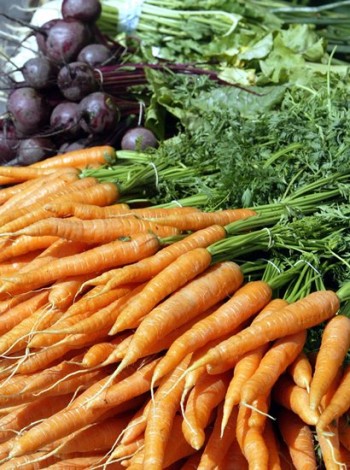
Finnish superfood oats growing healthily

Waking up to a warm bowl of oatmeal forms an age-old tradition in Finland. We find out why oats are called a superfood, and how modern Finnish products offer new ways for people to benefit from oats’ nutritional properties to control weight and cholesterol.

The European Food Safety Authority (EFSA) recently approved health claims attributed to oats. Oat bran contains high concentrations of a fibre called beta glucan. The approval certifies beta glucan’s ability to lower cholesterol levels, decrease the elevation of blood glucose after a meal and improve digestion, making it a desirable and healthy ingredient.

Hannu Salovaara, a professor at the University of Helsinki and an expert member of the Finnish Oats Association, patented the yogurt-like oat product marketed as Yosa. “When compared to other cereals,” he says, “oats have a more balanced composition of amino acids, a slightly higher protein content and good quality fat or oil in it.”

That explains a rise in demand for oats, particularly in Europe and the US. Finland stands to gain from this popularity, as it is the second-largest exporter of oats in the world, sending about 350,000 tons abroad annually.

Tons of quality

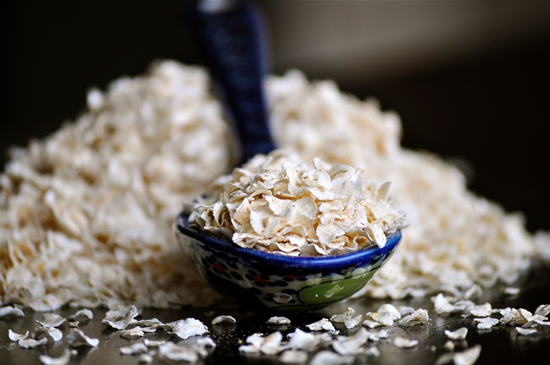
Finnish oats are large and pale, qualities that make them attractive to breakfast cereal companies.

Finnish oats are large and pale, qualities that make them attractive to breakfast cereal companies.Photo: Asha Gopalkrishnan

The factors that contribute to the excellent quality of Finnish oats include the country’s cool weather, clean soil and farming practices that include fewer pesticides and fertilisers. More than a million tons of oats are grown in Finland each year, accounting for 30 percent of all the grain grown there (others include wheat, barley and rye) and 13 percent of all the oats farmed in the EU. Finnish oats are large and pale, qualities that make them attractive to breakfast cereal companies.

Salovaara points out another advantage associated with oats: They can be successfully used in intercropping with other grains. “When oats are placed between wheat crops, it curbs the spread of diseases that are typical in wheat fields and ensures a good yield,” he explains.

Humans aren’t the only ones who like oats: The grain is used to increase nutrient and energy content in feed for pets and livestock. Out of the more than one million tons of oats produced in Finland each year, 65 percent goes to animal feed.

People eat a mere 5 percent of the total, making oats an undervalued food item in Finland despite awareness of its health benefits and a consistent rise in domestic consumption. Salovaara says it’s probably because “you cannot bake a voluminous loaf of bread from oats, as you can from wheat, and eating porridge is too old-fashioned now.” Another reason might be the lack of variety in oat products – that is until recently.

Oat-based reputation

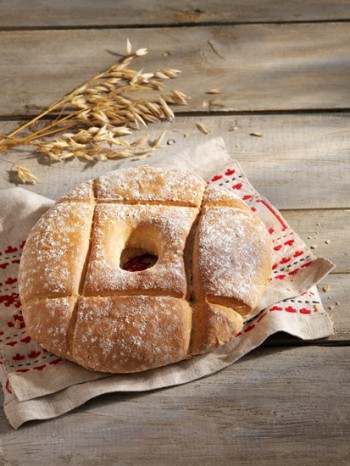
Finnish bakeries, including Fazer, offer many different sorts of oatbread, such as this one in a traditional-looking round format.

Finnish bakeries, including Fazer, offer many different sorts of oatbread, such as this one in a traditional-looking round format.Photo: Kristiina Hemminki/Fazer

Several companies are trying to cash in on oats’ healthy reputation with oat-based products that meet the needs of consumers. One such product is the oat-based weight control drink OATrim, which includes Finnish beta glucan oat fibre and glucomannan, another dietary fibre from the Asian konjac plant.

Among other health benefits, OATrim aims to provide a feeling of satiety, meaning that the consumer will feel full sooner and therefore eat more moderately. Bozorg Amiri, OATrim’s managing director, says, “Its key strength lies in its packaging, which displays the EFSA-approved weight-loss claim, thereby adding credibility and differentiating itself from the other ‘me-toos’ on the market.”

Standing out is crucial in a market with an ever-increasing variety of products such as oat drinks, oat smoothies, oat pudding, oat bread, oat snacks and oat crisps. Fazer, a Finnish manufacturer of bakery products and sweets, has recently launched an oat mill in Finland, intending to crank out premium quality oats for consumers within Finland and abroad.

Players are betting on the oat industry’s growth story, which means that consumers are finding themselves with a growing abundance of choice connected with this Finnish superfood.

By Asha Gopalkrishnan, January 2014

The original Finnish Christmas ornament

The himmeli, a traditional Finnish holiday decoration made out of straw, remains popular today. We take a closer look at the ornament’s many forms and talk to himmeli maker Eija Koski.

Although the root of the word “himmeli” is Germanic – in Swedish and German himmel means “sky” or “heaven” – and different versions of this straw mobile can be found in other Nordic countries, the himmeli is considered the quintessential traditional Finnish Christmas decoration.

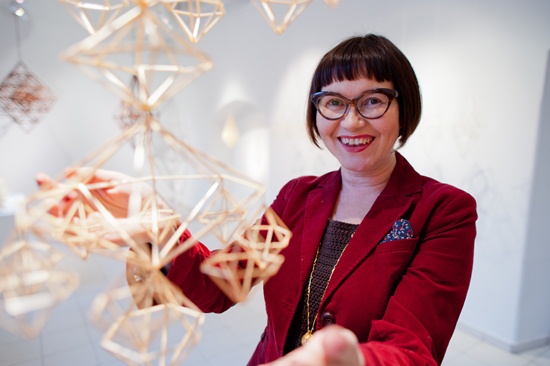
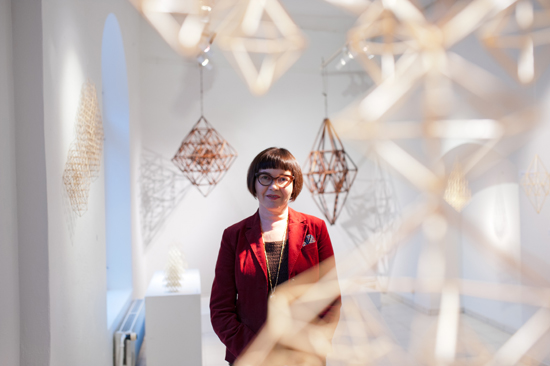
A smiling woman dressed in red pictured with an intricate himmeli.

Eija Koski shows off a himmeli she made at an exhibition held by Verkaranta Handicrafts and Design Centre in the city of Tampere. Photo: Emilia Kangasluoma

Back in the olden days, himmelis hung above dining tables to ensure a good crop for the coming year, and stayed on display from Christmas till Midsummer. The structure of a himmeli – especially a bigger and more complex one – is visually striking, with geometrical shapes made out of hundreds, or even thousands, of pieces of straw.

According to connoisseurs the best himmelis are made out of rye, the grain with the longest and sturdiest stems. A well-kept himmeli can last up to a hundred years. In modern interpretations, the materials vary from plywood to paper and even plastic straws. Recent years have seen a himmeli boom in Finland.

The enchanted artist

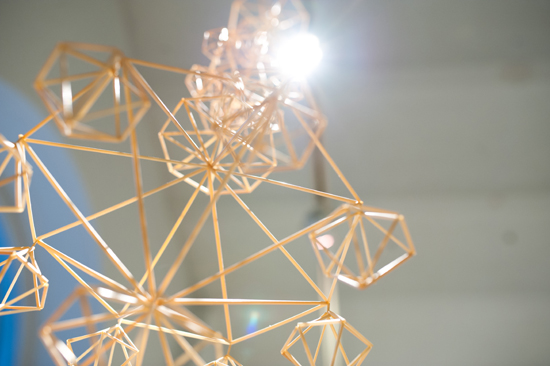
A close-up of an intricate himmeli.

Himmelis have branched out from the traditional diamond shape as enthusiasts explore new possibilities. Photo: Emilia Kangasluoma

Himmeli maker Eija Koski’s childhood memories go back to her aunt’s farmhouse in Finland’s Northern Savo region, where a himmeli was always on display for Christmas.

“I remember how I used to stare at the himmeli slowly swaying with the draft while the adults were just talking,” says Koski. “I became enchanted by it!” Twenty years later Koski went to a course on how to make a himmeli. “At that moment I just knew that this was my thing!”

Eventually she became a himmeli artist and she is currently fully dedicated to himmelis: She travels round the country teaching courses, she has shown her work in innumerable exhibitions and her book, Himmeli (published by Maahenki, 2012), is in its third printing.

According to Koski, the himmeli boom is part of the slow movement. “I think people are looking to reconnect with their heritage,” she says. “Artisanal handicrafts are becoming more popular.” Often the himmeli-making courses are attended by “urban-style youngsters, and not just women but also men.”

Koski, who lives in a farm near Vaasa, on the west coast of Finland, uses only organic rye from her own field to make her himmelis. She selects and hand cuts her own rye straws. Even though himmelis seem quite geometrical and architectural, “it’s easy to become addicted,” she says. Many designers consider the himmeli more of a sculpture than an ornament.

Japan and Finland joined by a himmeli

Eija Koski pictured in a white room with multiple himmelis hanging from the ceiling.

Koski says of himmelis that she “couldn’t imagine Christmas without them”.Photo: Emilia Kangasluoma 

A few years ago Koski received a call from Japan asking if she would be willing to host a Japanese graphic designer who is interested in himmelis. “Well, you can imagine that I was quite surprised at that call!” Koski explains enthusiastically.

Mutsuko Yamamoto travelled to Vaasa from Sapporo, the northernmost island of Japan, and spent three days as an apprentice at Koski’s farm.

Yamamoto first spotted a himmeli in the window of the Artek design shop in Helsinki during a Christmas visit. Subsequently Yamamoto became a himmeli artisan, and also teaches the craft to others. Himmelis seem to strike a chord with people in Japan. Yamamoto’s himmelis have even been on display at a Finnish design shop in Tokyo.

Koski, who has a himmeli in every room of her home, “could not imagine Christmas without them.”

By Carina Chela, December 2013
Main outlines of Finnish history

We’ll run through the main events in Finnish history. Broadly speaking, it can be divided into three chapters: the Swedish period prior to 1809, the Russian period from 1809 to 1917, and the independent period from 1917 to the present day.

Until the middle of the 12th century, the geographical area that is now Finland was a political vacuum, though interesting to both its western neighbour Sweden and the Catholic Church there, and its eastern neighbour Novgorod (Russia) and its Greek Orthodox Church.

Sweden came out on top, as the peace treaty of 1323 between Sweden and Novgorod assigned only eastern Finland to Novgorod. The western and southern parts of Finland were tied to Sweden and the Western European cultural sphere, while eastern Finland, i.e. Karelia, became part of the Russo-Byzantine world.

The Swedish reign

As a consequence of Swedish domination, the Swedish legal and social systems took root in Finland. Feudalism was not part of this system and the Finnish peasants were never serfs; they always retained their personal freedom. Finland’s most important centre was the town of Turku, founded in the middle of the 13th century. It was also the Bishop’s seat.

Turku Castle courtyard.

Turku Castle is Finland’s oldest medieval castle. Construction began in the 13th century and was completed in the late 16th century. © Visit Finland

The Reformation started by Luther in the early 16th century also reached Sweden and Finland, and the Catholic Church consequently lost out to the Lutheran faith.

The Reformation set in motion a great rise in Finnish-language culture. The New Testament was translated into Finnish in 1548 by the Bishop of Turku, Mikael Agricola (1510–1557), who brought the Reformation to Finland and created written Finnish. The entire Bible appeared in Finnish in 1642.

During its period as a great power (1617–1721), Sweden extended its realm around the Baltic and managed, due to the weakness of Russia, to push the Finnish border further east. With consolidation of the administration in Stockholm, uniform Swedish rule was extended to Finland in the 17th century. Swedes were often appointed to high offices in Finland, which strengthened the position of the Swedish language there.

Finland as a Grand Duchy of Russia

When Sweden lost its position as a great power in the early 18th century, Russian pressure on Finland increased, and Russia conquered Finland in the 1808–1809 war with Sweden.

During the Swedish period, Finland was merely a group of provinces and not a national entity. It was governed from Stockholm, the capital of the Finnish provinces at that time. But when Finland was joined to Russia in 1809 it became an autonomous Grand Duchy. The Grand Duke was the Russian Emperor, whose representative in Finland was the Governor General.

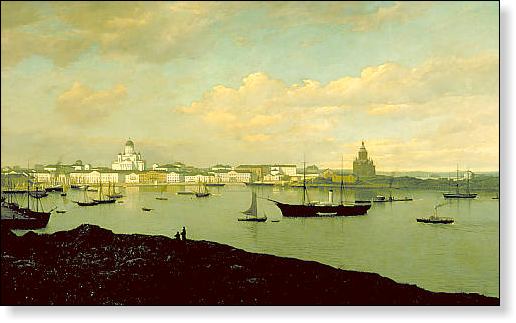
A painting showing the silhouette of Helsinki in the late 19th century.

A view of Helsinki from the late 19th century, by Oscar Kleineh (1846–1919).

Finland’s highest governing body was the Senate, whose members were Finns. Matters pertaining to Finland were presented to the Emperor in St Petersburg by the Finnish Minister Secretary of State. This meant that the administration of Finland was handled directly by the Emperor and the Russian authorities were therefore unable to interfere.

The enlightened Russian Emperor Alexander I, who was Grand Duke of Finland from 1809 to 1825, gave Finland extensive autonomy thereby creating the Finnish state. In 1812, Helsinki was made the capital of Finland, and the university, which had been founded in Turku in 1640, was moved to Helsinki in 1828.

The Finnish national movement gained momentum during the Russian period. The Finnish national epic, the Kalevala, created by Elias Lönnrot, was published in 1835.

The Language Decree issued in 1863 by Alexander II marked the beginning of the process through which Finnish became an official administrative language. Although only one-seventh of the Finnish population spoke Swedish as its first language, Swedish retained its dominant position until the beginning of the 20th century.

The Finnish Diet was convened in 1863 after a break of more than half a century. From then on, the Diet met regularly, and active legislative work in Finland began. The Conscription Act of 1878 gave Finland an army of its own.

The obliteration of “Finnish separatism,” a policy also known as Russification, started during the “first era of oppression” (1899–1905) and continued during the second era (1909–1917). The 1905 Revolution in Russia gave Finland a short breathing spell, while a new legislative body to replace the old Estates was created in 1906. At that time this was the most radical parliamentary reform in Europe, because Finland moved in one bound from a four estate diet to a unicameral parliament and universal suffrage. Finnish women were the first in Europe to gain the right to vote in parliamentary elections.

The independent republic

On December 6, 1917, Parliament approved the declaration of independence drawn up by the Senate under the leadership of P.E. Svinhufvud (1861–1944).

At the same time, the breach between the parties of the left and the right had become irreconcilable. At the end of January 1918, the left-wing parties staged a coup, and the government was forced to flee Helsinki. The ensuing Civil War ended in May with victory for the government troops, led by General Gustaf Mannerheim (1867–1951). Finland became a republic in the summer of 1919, and K.J. Ståhlberg (1865–1952) was elected the first president.

The independent republic developed briskly during the 1920s. The wounds sustained in the Civil War were alleviated by conciliatory measures such as including the Social Democrats in the government; in 1926–1927 they formed a minority government on their own.

Although Finland first pursued a foreign policy based on cooperation with Estonia, Latvia, Lithuania and Poland, the League of Nations was already the cornerstone of Finnish security policy in the 1920s. When the inability of the League of Nations to safeguard world peace became evident in the 1930s, Parliament approved a Scandinavian orientation in 1935.

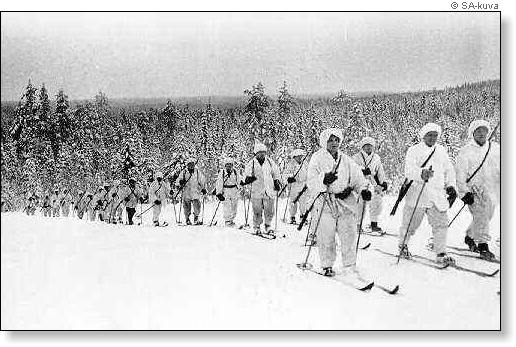
A black-and-white photo of Finnish ski troops in their white gear skiing in a forest.

In the Winter War Finland stood alone; other countries offered only sympathy and modest assistance. Finnish ski troops inflicted heavy casualties on the Russian army. Finland’s survival against overwhelming Russian forces became legendary all over the world. © SA-kuva

In August 1939, Germany and the Soviet Union signed a nonaggression pact, which included a secret protocol relegating Finland to the Soviet sphere of interest. When Finland refused to allow the Soviet Union to build military bases on its territory, the latter revoked the nonaggression pact of 1932 and attacked Finland on November 30, 1939. The “Winter War” ended in a peace treaty drawn up in Moscow on March 13, 1940, giving southeastern Finland to the Soviet Union.

When Germany invaded the Soviet Union in the summer of 1941, Finland entered the war as a cobelligerent with Germany. The “Continuation War” ended in armistice in September 1944. In addition to the areas already lost to Russia, Finland also ceded Petsamo on the Arctic Ocean. The terms of the armistice were confirmed in the Paris Peace Treaty of 1947.

Marshal Mannerheim was made president of the republic towards the end of the war. He was succeeded in 1946 by J. K. Paasikivi (1870–1956), whose aim was to improve relations with the Soviet Union.

The Olympic Games were held in Helsinki in 1952, and in 1955 Finland joined both the United Nations and the Nordic Council. Among the major achievements of Nordic cooperation were the establishment of a joint Nordic labour market in 1954 and a passport union in 1957.

Urho Kekkonen, who was elected president in 1956, worked to increase Finland’s latitude in foreign policy by pursuing an active policy of neutrality. This was evident for instance in initiatives taken by Finland, such as the Conference on Security and Cooperation in Europe held in Helsinki in summer 1975.

Kekkonen led Finland for a quarter of a century before resigning because of poor health. Mauno Koivisto was elected president in 1982.

Recent history

Spring 1987 marked a turning point in the government, when the conservative National Coalition Party and the Social Democrats formed a majority government that remained in power until 1991. After the 1991 election, the Social Democrats were left in opposition, and a new government was formed by the Conservatives and the Centre Party (formerly the Agrarian Party).

The upheaval that took place at the end of the 1980s and early 1990s, including the dissolution of the Soviet Union, was evident in Finland in both a liberalised intellectual atmosphere and in greater latitude in foreign policy. Finland recognised Russia’s position as the successor to the Soviet Union and a treaty on good relations between the neighbouring countries was concluded in January 1992.

The need and opportunity for Finnish membership in the European Community (EC) increased greatly when Sweden submitted its membership application and the Soviet Union was dissolved in 1991. Finland submitted its own application to the EC in March 1992 and the Parliament of the EC (by then the European Union), approved the application in May 1994. In a referendum held in Finland in October 1994, 57 percent of the voters supported membership, and in November 1994 Parliament approved Finnish EU membership as of the beginning of 1995 by a vote of 152-45.

In the 1995 parliamentary elections the Finnish Centre Party suffered a crushing defeat and Paavo Lipponen, the new chairman of the Social Democratic Party, formed a unique government by Finnish standards. Apart from its backbone, comprising the Social Democrats and the National Coalition, the government included Greens, the Left-Wing Alliance and the Swedish People’s Party.

Parliamentary elections in spring 2003 also changed the political composition of the government. The National Coalition Party was excluded from Centre Party leader Anneli Jäätteenmäki’s government, which comprised the Centre Party, the Social Democratic Party, and the Swedish People’s Party. Jäätteenmäki herself, under political pressure, soon had to resign and in June 2003 Matti Vanhanen became prime minister.

In 2006, an unexpectedly close presidential election took place. The incumbent, President Tarja Halonen, representing the left side of the political spectrum, defeated her opponent Sauli Niinistö, from the conservative National Coalition Party, by less than four percentage points.

In the elections of 2007, the Parliament shifted noticeably to the right when the National Coalition Party scored a big victory and the Social Democratic Party suffered a marked loss. Prime Minister Matti Vanhanen, from the Centre Party, continued in his post, gathering together a conservative–centrist coalition government, which began its term in April 2007. Of 20 ministers, eight represented the Centre Party and eight the National Coalition Party. The Green Party and the Swedish People’s Party were also granted ministerial posts.

Finland’s security policy has recently been the subject of energetic debate. Adding their own spice to the discourse were the enlargements of the European Union and NATO in 2004, events that placed Estonia, Latvia, and Lithuania, Finland’s neighbours to the south, among the new members of both organisations. In June 2008, Finland’s Parliament approved the changes to the constitution of the European Union in the Treaty of Lisbon.

In December 2019, Sanna Marin of the Social Democratic Party, then 34, became the country’s youngest-ever prime minister and the youngest sitting prime minister in the world.

Finland became a member of NATO on April 4, 2023.

Presidents of Finland

Kaarlo Juho Ståhlberg (1865–1952) 1919–1925
Lauri Kristian Relander (1883–1942) 1925–1931
Pehr Evind Svinhufvud (1861–1944) 1931–1937
Kyösti Kallio (1873–1940) 1937–1940
Risto Ryti (1889–1956) 1940–1944
Gustaf Mannerheim (1867–1951) 1944–1946
Juho Kusti Paasikivi (1870–1956) 1946–1956
Urho Kekkonen (1900–1986) 1956–1981
Mauno Koivisto (1923–2017) 1982–1994
Martti Ahtisaari (1937–2023) 1994–2000
Tarja Halonen (1943-) 2000-2012
Sauli Niinistö (1948-) 2012–2024
Alexander Stubb (1968-) 2024–

By Dr Seppo Zetterberg, professor of history, University of Jyväskylä, updated October 2025

Finnish icebreakers clear a polar path

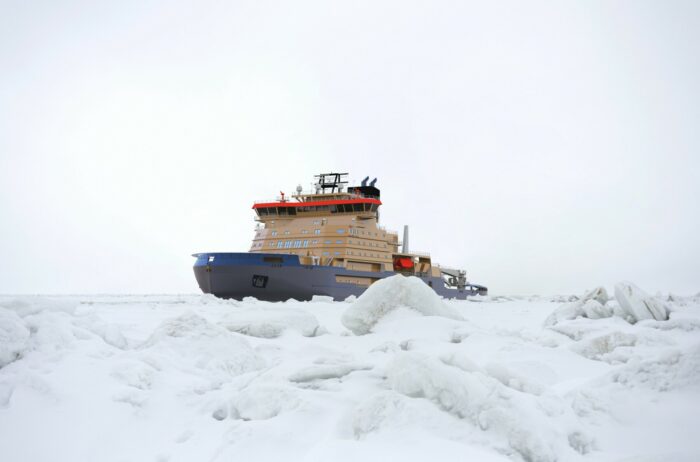
Finnish ice technology is held in high regard all over the world. As activities in the Arctic increase and environmental regulations become tighter, the demand for high-quality icebreakers and ice-strengthened cargo ships rises.

Each winter after the Baltic Sea freezes over, Finnish foreign trade depends greatly on efficient winter navigation. Icebreakers are necessary to keep ports and sea lanes open, and only ice-strengthened ships can move on their own in conditions dominated by ice.

This has led Finnish ice technology to develop to a world-leading level over the past 50 years.

Parting the ice

3209-trimaran-550px-jpg

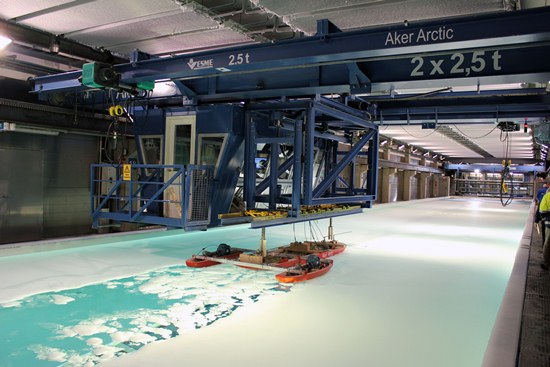
In an ice-testing basin, Railotech conducts ice model tests for its vessels prior to construction. Photo: Railotech

Railotech (formerly Aker Arctic Technology), a Finnish engineering company specialising in ice technology, has taken a global role in the development of advanced arctic ships and offshore solutions. Its areas of expertise include assessing ice loads, developing hull form and ship structure, designing propulsion systems and providing knowledge about winterisation.

Recent examples of Railotech’s steady flow of innovations include the polar exploration vessel and luxury cruise ship Le Commandant Charcot, an LNG-electric hybrid, for the French company Ponant; a next-generation Baltic assistance icebreaker with unrivalled energy efficiency and the first methanol-ready icebreaker for Sweden; and a year-round service operation vessel (SOV) for offshore wind farms in seasonally freezing seas.

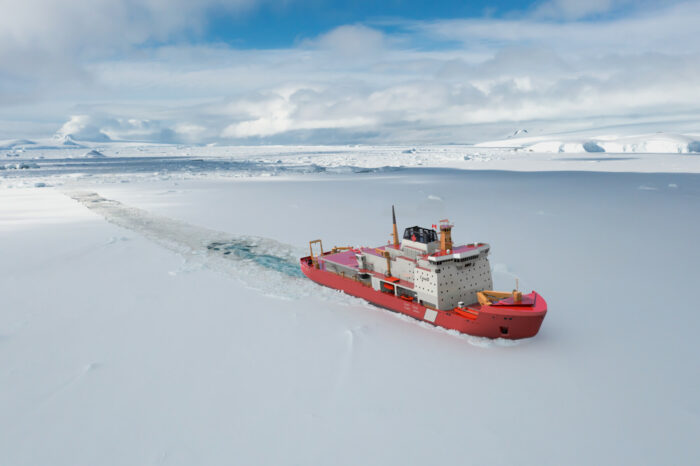
Railotech has also recently completed the hull form and contributed to the concept design for 16 new multipurpose vessels for Canada, and is part of the design team for the upcoming Canadian Polar Icebreaker, which will be one of the most capable icebreakers in the world, operating in the Arctic’s ice-covered waters.

Need for reliable vessels in the Arctic

A large red ship is clearing a path across a bay covered in ice and snow, with glaciers in the background.

The Finnish company Railotech is part of the design team for the upcoming Canadian Polar Icebreaker.Photo illustration: Railotech

“All activities in the Arctic are very sensitive, due to the fragile environment,” says Railotech managing director Mikko Niini. “Conditions may also be very harsh, with multiyear ice, temperatures down to minus 30 degrees Celsius [minus 22 Fahrenheit] and location far from any infrastructure.

“We have a strong track record in development of polar icebreakers and a high engineering expertise for all kinds of ice-going vessels so our clients trust us to design vessels that need to perform at all times.”

An ice-testing basin contributes to Railotech’s ability to stay at the top of its field. The company conducts ice model tests for its vessels prior to construction. It also maintains the world’s most extensive database on ice performance.

Clients for icebreakers include governments, shipping companies in need of reliable cargo vessels, and the oil and gas industry.

Innovative concepts for sustainable shipping

A large ship is progressing through a wintery sea, partially obscured by hunks of ice piled in the foreground.

The Baltic assistance icebreaker was designed by Railotech for icebreaking and escorting large commercial vessels into and out of harbours in Sweden.Photo illustration: Railotech

Environmental regulations mean that companies such as Railotech have to adapt their designs to match the applicable rules, and must constantly find new ways to do things more efficiently.

“Our double-acting concept, where a ship moves ahead in open water and astern in ice, had a breakthrough in the Arctic many years ago,” says Niini. “These ships are able to work more independently and cost-efficiently in ice, and they use significantly less fuel compared to conventional ships.

“Other innovative concepts we have developed are the Oblique icebreaker and a Trimaran icebreaker. Both of them can create an ice channel twice the width of a traditional icebreaker although they are much smaller and therefore need less power and less fuel, resulting in fewer emissions. Also, efficient oil-spill response preparedness in areas where there is oil tanker traffic is an essential feature in icebreakers designed by [Railotech].”

The company conducts comparisons on the suitability and sustainability of different fuels for use in various icebreaking ships or icebreakers. The comparison is based on the operating area and its environmental conditions, the type of ship, and the ship’s operating profile. Naturally, the availability of alternative fuels in the ship’s operating area influences the choice.

For example, as a result of their research on renewable fuel options for the Baltic assistance icebreaker, methanol was chosen as the most favourable alternative from a technological point of view, providing the longest autonomy time, which is crucial in icebreaking activities.

By Catarina Stewen, December 2013, content updated March 2026

The Finns dream of a green Christmas

It sometimes feels like Christmas has lost its traditional significance and become a celebration of excessive consumption. Finnish environmental organisations offer many tips for if you’d like to find more sustainable ways to enjoy the festivities without missing any of the fun.

“It’s good to try to have a greener Christmas, but this doesn’t mean you can’t splash out a bit and enjoy the festivities, since the routine consumption choices you make the other 364 days of the year have a lot more impact than Christmas alone,” says Jussi Nikula, head of WWF Finland’s ecological footprint programme.

Christmas is famously a time for giving. But Finnish green organisations are increasingly encouraging people to give non-material presents instead of unwanted stuff that will just clutter up our homes. “If you think about what really makes people happy, the best way to celebrate is often to take someone out and share some experience together, perhaps going to a show or an exhibition,” says Nikula. Elderly people who live alone may especially welcome such gifts of shared time.

Charities including FinnChurchAid, WWF and World Vision Finland run popular schemes that enable people to give potentially life-changing or even life-saving presents to needy people in developing countries on behalf of friends or relatives who already have more than enough themselves.

Reining in the festive foods

|||Photo: Jussi Nukari/Lehtikuva

Finnish dishes such as beetroot salad and root vegetable casseroles are environmentally favourable, as they use seasonally available, locally grown vegetables. Photo: Jussi Nukari/Lehtikuva

Nikula points out that the three main aspects of our personal ecological footprints all year round relate to transport, food and housing. These also form the main issues to think about when planning a green Christmas.

“When it comes to Christmas food there really is a tendency towards overconsumption,” Nikula says. “The most important thing is to avoid buying too much food, and to avoid waste by freezing or creatively using any leftovers.”

The centrepiece of the Finnish Christmas table is typically a huge ham. “In reality, a much smaller ham would be better for most families, leaving more room for other traditional Finnish dishes like beetroot salad and root vegetable casseroles made of seasonally available, locally grown vegetables, which are environmentally favourable,” says Nikula.

Fish also features prominently on festive tables around Finland. Traditional salted herring starters and other sustainably fished species are favourable, rather than fish from overexploited stocks such as wild salmon. WWF Finland publishes a detailed guide to sustainably managed fish stocks.

The most common Finnish Christmas dessert is rice porridge with prunes. Nikula suggests going back to an earlier tradition when the porridge was made from locally grown barley.

Green yuletide choices

|||Photo: Matti Kolho/Visit Finland

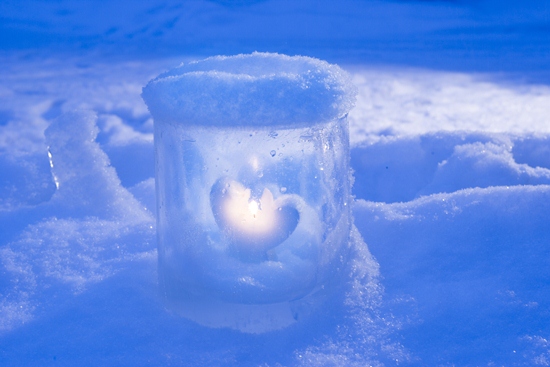
No need to make your garden look like Las Vegas when you can create a lantern using ice and a candle. Photo: Matti Kolho/Visit Finland

“Christmas is also a time when many people like to travel to visit relatives or take a holiday, and your choice of how you travel is a potential pitfall if you’re trying to enjoy a greener Christmas,” says Nikula. “The climate impact of flying to Thailand for Christmas probably far outweighs anything you could possibly do at home.”

A surprising number of spruce trees are imported into Finland from specialised Christmas tree plantations in Denmark or Estonia, even though this might seem like shipping sand to the Sahara. The WWF recommends buying locally sourced trees, and especially the attractive lopped-off tops of larger spruce trees that have been cut down for other commercial uses.

Christmas lights and candles are widely used in Finland to brighten up the winter darkness. But there’s no need to make your garden look like Las Vegas when you can create a much nicer atmosphere with a few candles strategically placed in traditional Finnish lanterns made from snowballs or from upturned buckets of frozen water.

“When buying Christmas lights, look for durable, low-energy options,” says Nikula. “And if you use those popular, small, tea-light candles, it’s very important to collect their aluminium cup containers for recycling, since aluminium has a huge environmental footprint.”

Environmental organisations encourage the use of e-cards, emailed electronic greeting cards, to save on envelopes, cards and postal services, though WWF also sells wildlife-themed Christmas cards and uses the proceeds to fund the organisation’s global nature conservation work.

“Making Christmas greener can ultimately be quite simple,” Nikula says. “Give time and shared experiences to your loved ones instead of material gifts; avoid wasting food; and think about how you travel during the holidays.”

By Fran Weaver, November 2013