Experiencing the Finnish sauna

The old Finnish proverb “First build the sauna, then the house” shows how seriously Finns take this national institution. As our American reporter knows, it’s also a topic that they love to talk about.

Finland, a country whose sauna traditions go back a couple thousand years, boasts a range of studies, seminars, magazines and clubs devoted to the subject of saunas. In the old days, the sauna was a place to get clean, take care of personal hygiene, cook, store things, give birth and, most importantly, escape the cold of winter for a while.

Nowadays there are three million saunas, located in houses, apartment buildings, companies, government offices, swimming pools, summer cottages, yachts and bars. There is one in the Parliament building, one at the bottom of Pyhäsalmi Mine (the world’s deepest sauna) and one that holds the honour of being the world’s largest smoke sauna (Jätkänkämppä in Kuopio). Mobile saunas even exist – various versions have been built into buses, trailers, tents, telephone booths, farm machinery and even bicycles, and a Mobile Sauna Festival is held in the western Finnish town of Teuva.

Sauna reigns supreme
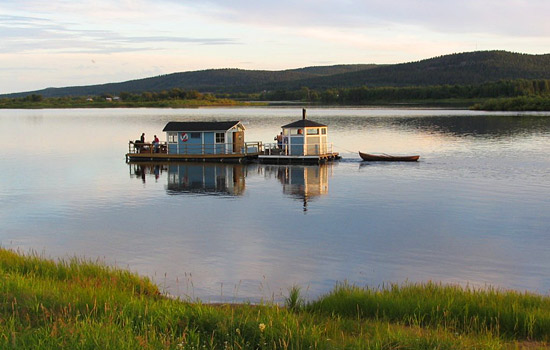
Two small sauna buildings are floating in a calm river. A boat is tied to one of the buildings. There are islands and forested hills in the background.

When even a waterside location isn’t close enough, you need a floating sauna like this one on the Tornio River on the border between northern Finland and Sweden.Photo: TimoOK/flickr, cc by-nc-nd 2.0

Upon arrival in Finland, I immediately started hearing praise about the sauna. It’s the supreme health treatment, Finns told me. My first experience was in Tampere at a public swimming pool. As instructed, I alternated between sitting in the sauna and taking a refreshing swim in the pool, not to mention hitting myself lightly with a bouquet of birch branches in the sauna to improve circulation. Afterwards, I felt marvellous, refreshed and invigorated. The next morning I woke up with a terrible cold.

The cold soon went away, and my appreciation of the sauna grew. I was delighted to find that my apartment building had a sauna. A neighbour explained that it had a rare, natural-gas stove. First you heated the stones for two hours, then turned it off and let the heat spread for 30 minutes. The result: heavenly warmth. Technically, this was probably the best sauna I’ve ever had. Unfortunately, the stove made a mild explosive sound when you lit it, so they replaced it with an electric one. Goodbye, perfect sauna.

Once, while having a winter sauna in the countryside with friends, they suggested that I try snow rolling, which they described as stimulating and pleasant. Soft and powdery, the snow looked almost cosy. Nevertheless, when it came into contact with my body, I felt like I was rolling naked through a cactus garden.

“That was terrific,” I lied. “Good,” my friends said, “now you’re ready to try the avanto.” Finns wax poetic about the wonders of avanto-uinti, swimming in a hole in the ice of a frozen lake or ocean, often in combination with a visit to the sauna.

Saunas of all sorts
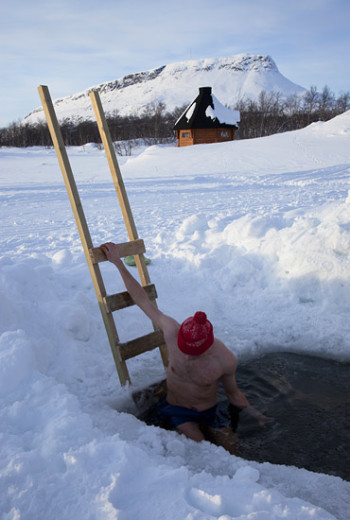
A man wearing a red beanie and black swimming trunks is descending a ladder into a hole in a frozen lake. In the background is a small hut and a snowy mountain.

Ice swimming can be enjoyed in combination with a sauna. This bather is testing the waters of Kilpisjärvi, a lake at the far northwestern tip of Finland, where it touches Norway and Sweden.Photo: Visit Finland

Then there was the time I was staying at a quaint old mansion hotel in eastern Finland in early autumn. In the daytime, I hiked around the captivating forests, and in the evening I feasted on a sumptuous dinner. I was the only guest at the hotel and decided to have a lakeside sauna at midnight. After getting good and sweaty, I dove into the lake.

The water temperature was surprisingly agreeable, and it was easy to leisurely float on the surface. But it was so dark that I could hardly see anything. My mind began to race. What if I hit my head on the pier? Or if my feet got stuck in the muddy bottom? And aren’t bears excellent swimmers?

“You’re back so soon?” the manager remarked. “Yes,” I said, “I thought I’d get some sleep. Big day tomorrow.”

Over the years, the Finns have given me the opportunity to try smoke saunas with heat soft as silk, a roof-top sauna with spectacular views and a sauna that was 110 degrees Celsius (230 Fahrenheit). I was surprised that I survived the latter – a more typical temperature would be closer to 80 degrees Celsius (176 Fahrenheit), which is still pretty hot.

I’ve been to gigantic saunas, one-person saunas and after-sports saunas. I’ve been to wild saunas with boisterous conversations and ones where I could relax in solitude. In gathering all these interesting experiences, I’ve acquired many great memories. Most importantly, I now have an excellent topic for eloquent conversations with Finnish people.

By Russell Snyder
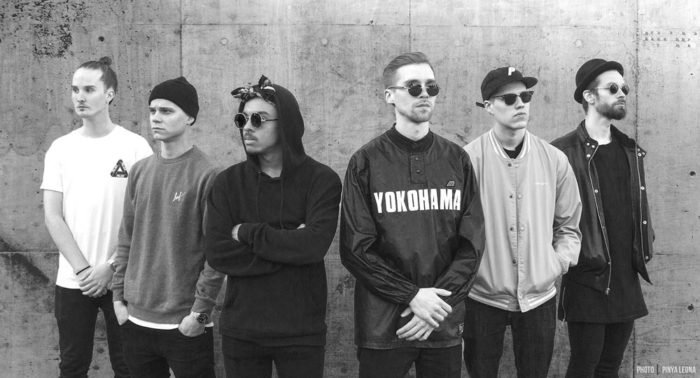
Flow Festival 2015 – Top 9 Finnish acts

With over 120 performers, Flow Festival offers something interesting for all urban music lovers – be it hip-hop, indie, jazz, ambient or punk. Amongst all the big international names on offer, there is also plenty of local talent to enjoy. But, where to start? To make things easier, we made a list of some of the most intriguing Finnish acts to keep an eye out for.

Held annually in the middle of August in Helsinki, in the space of 12 years Flow Festival has grown from an underground hipster festival to one of the biggest summer events in Helsinki. Although some Helsinki hipsters claim that Flow has become too big and mainstream, Flow is still THE festival for urban music and arts lovers. Such is the extent of its growth that this year Flow Festival was also successfully organised for the first time in Ljubljana, Slovenia, in June.

The Helsinki Flow is being staged from 14 to 16 August, offering a wide range of bands, DJs, arts and great food. Part of Flow’s charm is its location: close to the centre of Helsinki at the defunct Suvilahti power plant and its industrial surroundings.
Along with this year’s headliners such as Pet Shop Boys, Major Lazer, Beck and Róisín Murphy, Flow is also a great opportunity to check out some Finnish tunes. Unsure of what’s what and who’s who? We’re happy to give you our suggestions (in order of performance)!

Verneri Pohjola Quartet

We’ll kick off this year’s Finnish Flow programme by chilling with trumpet player and composer Verneri Pohjola and his quartet’s jazzy tunes. The quartet is also inviting the Flow audience to participate in a music video according to a crowd-filming concept, so be sure to charge your phone.
Friday, August 14 @ Bright Balloon 360° Stage 6:00 PM

DOPE HKI featuring special guests

DOPE HKI is a DJ collective from Helsinki specialising in modern club sounds.

DOPE HKI is a DJ collective from Helsinki specialising in modern club sounds.Photo courtesy of DOPE HKI

A DJ collective from Helsinki specialising in modern club sounds, its members also host their own radio shows and club nights. At Flow they will be performing with several Finnish hip-hop and reggae stars.

The collective promises to make you sweat with their dashing visuals and talented guest artists. If you’re curious about what Finnish hip-hop sounds like you should definitely check out this show.
Friday, August 14 @ Lapin Kulta Blue Tent 7:45 PM

Vladislav Delay

Vladislav Delay, aka Sasu Ripatti, is one of the top innovators in the Finnish electronic music scene. He has performed under various aliases such as Luomo, Sistol, Uusitalo, Conoco and Ripatti. With his background in ambient, glitch, house and techno, he keeps exploring new tunes – you won’t be bored during his set.
Friday, August 14 @ The Other Sound (Voimala) 12:30 PM

Regina

Indie electro pop band Regina.

Indie electro pop band Regina.Photo courtesy of Regina

This cute indie electro pop band is the perfect soundtrack for a warm Finnish summer day: strawberries, sun and a soft breath of wind. They’ve been playing together for over 10 years but vocalist Iisa still sounds like she just graduated from high school.
Saturday, August 15 @ Main Stage 5:00 PM

Paperi T

Take Finnish hip-hop and Aki Kaurismäki films and put them together – you get Paperi T, aka Henri Pulkkinen. He certainly doesn’t look like a rap artist, and doesn’t bother to meet any other expectations of such. Paperi T’s deep lyrics touch the Finnish soul. He is better known in Finland as a member of the rap trio Ruger Hauer, and his debut solo album, released this year, has been met with enthusiasm – both by fans and critics.
Saturday, August 15 @ Lapin Kulta Blue Tent 8:00 PM

Take Finnish hip-hop and Aki Kaurismäki films and put them together – you get Paperi T.

Take Finnish hip-hop and Aki Kaurismäki films and put them together – you get Paperi T.Photo courtesy of Paperi T

Black Lizard

 The hypnotic Helsinki rock band Black Lizard opens the programme for the Black Tent on Sunday with their energetic tunes: psychedelic sounds, halcyon garage grooves and dynamic ’70s proto-punk. Their second album, Solarized, was released this spring.

Sunday, August 16 @ Black Tent 3:00 PM

Mirel Wagner

Singer-songwriter Mirel Wagner accompanies her beautiful ballads with an acoustic guitar. Her debut album was released in 2011, and her second album When the Cellar Children See the Light of Day won the Nordic Music Prize in 2014. Her dark, deep sounds have been compared to those of Swans or Nick Cave.
Sunday, August 16 @ Lapin Kulta Blue Tent 4:00 PM

K-X-P

Finnish electro-punk astronauts. Need we say more? A galactic mixture of rock, ambient techno, shamanism and glam-punk. The space is theirs!
Sunday, August 16 @ Black Tent 5:00 PM

Maaseudun Tulevaisuus

One of the oldest Finnish punk bands, Maaseudun tulevaisuus (The Future of the Countryside) shows that you don’t have to give up your punk attitude once you are all grown up. This band was founded in 1983 in the small village of Kyyjärvi in Western Finland. What will the future bring for the Finnish countryside?
Sunday, Aug 16 @ Tiivistämö 6:15 PM

By Anna Ruohonen, August 2015

Loudspeaker design booms in Finland

Genelec and Amphion of eastern Finland have long scored international acclaim for their audiophile loudspeakers. Helsinki startups Unmonday and Uploud Audio are tapping new markets with more emphasis on visual design, flexibility and sustainability.

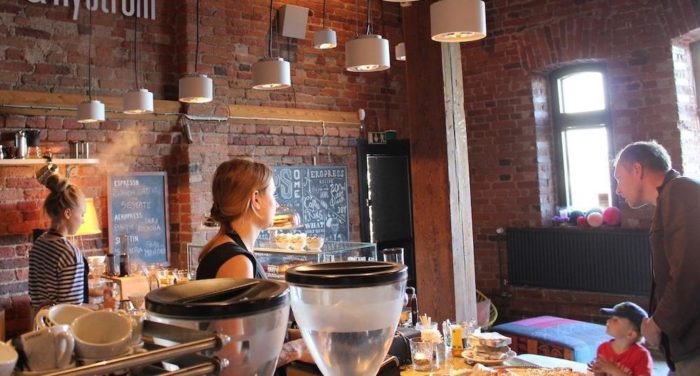
At Café Kuuma in Helsinki’s Design District, customers nibble raw-food cakes and sip espresso to the tune of indie band First Aid Kit. The music sounds clear and cosy, emanating from two small speakers wrapped in yellow “speakerwear” made of recycled material. A few blocks away, old rocksteady reggae thrums off the walls of Street Gastro, again coming from discreet, sweater-clad speakers.

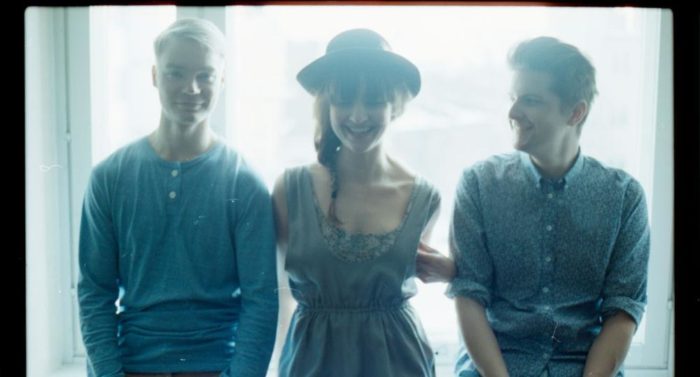
Both establishments are using speakers designed and produced here in the Punavuori neighbourhood since 2013 by Uploud Audio, one of Helsinki’s new boutique speaker manufacturers.

Uploud Audio and another company, Unmonday, have grown up in the shadow of eastern Finnish firms such as Genelec and Amphion, which have earned international prizes and rave reviews since before the turn of the century, primarily among audiophiles and pros. The newcomers’ playful designs attract fashion- and sustainability-conscious consumers.

Long winters and lots of inventors

Can you spot the Uploud Audio speaker in this photo from Helsinki’s Johan & Nyström Café? It’s the unobtrusive white square on the wall (top middle).

Can you spot the Uploud Audio speaker in this photo from Helsinki’s Johan & Nyström Café? It’s the unobtrusive white square on the wall (top middle).Photo: Anni Pitkäjärvi/Uploud Audio

But why are there so many speaker companies blossoming in Finland now?

“The short answer: long winters and lots of inventors who love tinkering,” says Lassi Laitinen, a social psychologist who cofounded Uploud Audio. “Genelec has made world-class loudspeakers for studio monitoring for decades, Gradient has won numerous awards at hi-fi fairs all over the world, and Amphion and Aurelia have also done a great job of making more accessible speakers for the larger public. Then there are companies like us, who are making speakers for the rest of us.”

Today’s younger buyers have grown up listening to music on the go, through earbuds, laptops or phone speakers. That music has often been in the thin, highly-compressed MP3 format, or increasingly streamed over the internet at modest fidelity levels that cause old-school audiophiles to scoff. Yet younger consumers are now demanding higher-quality sound, along with more offbeat looks and greater convenience.

“One of the biggest trends at the recent Consumer Electronics Show was the youngsters’ growing interest in something better,” says Amphion CEO Anssi Hyvönen. “Naturally this must be presented in a fashion that is familiar to them, such as high-quality desktop systems, headphones and so on.”

Timeless and increasingly wireless

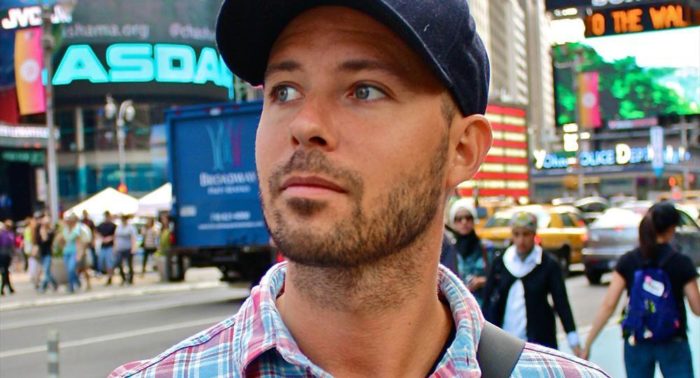
Unmonday’s Jukka Illi takes in the soundscape on New York’s Times Square.

Unmonday’s Jukka Illi takes in the soundscape on New York’s Times Square.Photo: Unmonday

It may also take an unfamiliar form, such as Unmonday’s cone-shaped, leather-cased ceramic speakers. Founded by three designers, the company sold its first speakers in January 2014. Like Uploud Audio’s speakers, they look somewhat retro – or timeless – with a strong emphasis on handicraft and ecology. Unlike their neighbourhood rivals, though, Unmonday also focuses on portability and wireless simplicity.

“You can enjoy quality audio wherever you go and then place it as part of a bigger system when you return home,” notes Jukka Illi, Unmonday’s business director. “Wireless solutions have gained enough credibility to become a serious option for even the most demanding hi-fi enthusiasts. And once you listen to a really nice sound system, there’s no going back.”

Wireless audio is hot, projected to grow into a 25-billion-dollar industry by 2020.

“Multiroom wireless systems such as Sonos and streaming services such as Spotify and Tidal are liberating people to enjoy music anywhere,” says Laitinen. “Making the sound work in real environments, in real people’s homes, with the kind of placements and aesthetics they find appealing, is the thing.”

Sonically uncompromising

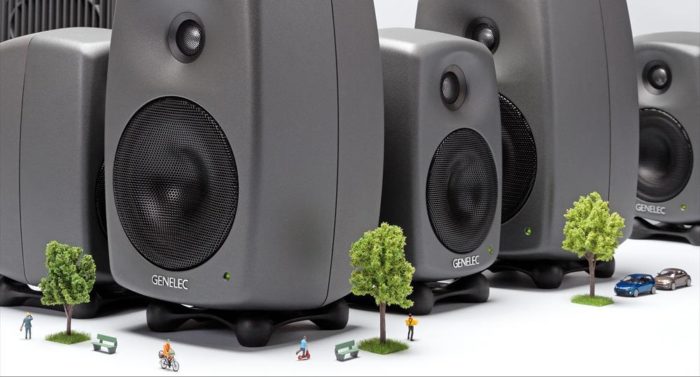
The rounded corners of Genelec’s speakers have formed their visual hallmark since Harri Koskinen designed them in the late 1990s.

The rounded corners of Genelec’s speakers have formed their visual hallmark since Harri Koskinen designed them in the late 1990s.Photo: Genelec

The granddaddy of Finnish speaker manufacturers is Genelec, established in 1978. In the late ’90s, they teamed up with the now-famous Harri Koskinen, an up-and-coming designer at the time, who rounded the corners of their old box speakers for a look that has remained basically unchanged ever since.

“We do emphasise industrial design or visual design, but never at the cost of audio quality,” says Lars-Olof Janflod, Genelec’s director of marketing and PR. “In our designs, function comes first and the form is there to support the function.”

Amphion’s Hyvönen echoes his words: “We will never make any sonic compromises to make the product look more attractive. But especially on the home side, where speakers are placed very visibly in the living room, aesthetics also matter a great deal.” The company offers a range of speakers priced from 275 to 16,000 euros – the high end includes favourites of top US producers such as Rick Rubin and Bruce Swedien, not to mention mixing engineer Manny Marroquin.

“The highest level of speaker-building is a funny crossbreed of engineering, humanity and black magic,” says Hyvönen. “The interesting thing is that these Finnish companies, despite having very different approaches, are getting recognition in both home and pro fields.”

By Wif Stenger, August 2015

Finland reaches for the solar switch

A project aimed at changing attitudes about solar power – as well as its financing and legislation – involves Aalto University, the city of Helsinki and more than 40 Finnish companies and other partners.

A few panels installed on summer cottages to catch the midnight sun – that used to be the extent of Finnish solar power. Otherwise it has not traditionally been taken very seriously in Finland. Too expensive, with too short a season, said the sceptics.

Now the picture is changing dramatically. The price of solar panels has plunged by 80 percent since 2008, while their efficiency has risen. New panels work even on dim, rainy days. Germany and Denmark have proved that solar – in tandem with wind – can be a major player, even in northern Europe. In 2014 Germany generated more than 6 percent of its electricity from solar.

Finland has several aces up its sleeve: solar panels produce more efficiently at cool temperatures and in clean, dustless surroundings. Meanwhile, cutting-edge solar innovation is under way at dozens of export companies and places such as Aalto University, Lappeenranta University and VTT Technical Centre.

The FinSolar Project involves some 50 partners, including six cities, top retailer S-Group and Ruukki Construction. The venture, which runs through the end of 2015, is drawing up plans for measures to be taken nationally by the end of the decade. The main aims: expanding jobs, exports and self-sufficiency.

“Our goal is to give a real push in developing business in this sector,” says the project’s director, professor Raimo Lovio. “We need a coordinated national effort involving all areas of society: companies, authorities, political decision-makers and citizens.”

The country is committed to the EU goal of 20 percent renewable energy by 2020. Researchers here are busy developing biofuels from forest industry by-products. Wind power is being expanded, though the country is still catching up to its Nordic neighbours in this area.

Concentrated summer sun

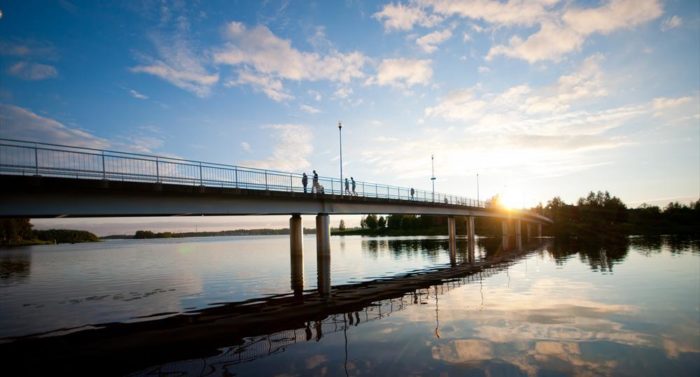
As this night photo of a bridge in Oulu shows, the sun doesn’t set in northern Finland for several months during the summer, making it a good spot for solar power

As this night photo of a bridge in Oulu shows, the sun doesn’t set in northern Finland for several months during the summer, making it a good spot for solar powerPhoto: Pekka Kallasaari/Visit Oulu

“In the future Finland will need all kinds of renewable energy, a palette,” says FinSolar’s project leader, Karoliina Auvinen of Aalto University School of Business. “Since 2014, there’s clear proof that solar has hit the price level where it’s profitable in Finland, under certain conditions. It’s feasible here from March to October. It goes hand-in-hand with wind, which produces better in the winter.”

On a tour of Aalto University’s Energy Garage, Auvinen notes that it’s possible to generate the same amount of solar energy here as in Germany.

“We get the same amount of sun annually – it’s just concentrated in the summer. And photovoltaic panels are most efficient when they’re cold. So when you get sunny, cold days, you get the best production ever.”

You might think solar would be less viable up north. Yet the northern coastal city of Oulu has more bright days – and hence better solar yield – than even south-central Finland. Players continue to one-up each other as the field expands, creating a sort of race to put up panels.

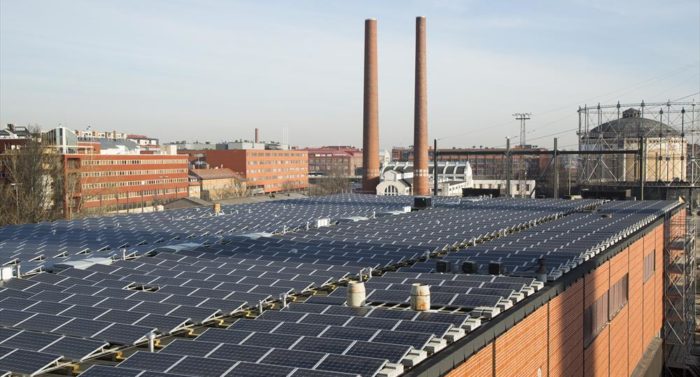
The country’s biggest solar plant, with a capacity of 420 kilowatts, reaching completion in Oulu in June 2015, surpasses the previous number-one installation, switched on in March 2015 by Helsinki’s electric company, Helen. It covers a large roof in the Suvilahti neighbourhood and has a capacity of 340 kilowatts, sufficient to power 137 apartments. It brought the national total to ten megawatts – still modest compared to neighbouring Sweden, which installed more than 36 megawatts last year alone.

Helen is inviting customers to “sponsor” individual panels – a system that saw great success in Suvilahti – in order to construct another site in the Kivikko district, eclipsing its predecessor with more than twice the capacity.

Here comes the solar

FinSolar Project, Finnish solar power, panels, Helen, Helsinki, Oulu, renewable energy, Aalto University, Finland

FinSolar Project, Finnish solar power, panels, Helen, Helsinki, Oulu, renewable energy, Aalto University, FinlandPhoto: Helen

FinSolar leaders are lobbying for legislative reform to help Finland catch up. For instance, it is one of the few EU states that do not offer subsidies for private households to invest in solar. And VAT on panels is well above average.

In winter 2015, then Prime Minister Alexander Stubb received a solar petition with 22,000 signatures; it enumerated demands that included tax breaks for homeowners. Nineteen organisations backed the petition, including the Finnish Environment Institute (known by its Finnish abbreviation, SYKE).

According to SYKE researcher Hanna-Liisa Kangas, “the price of solar panels has dropped dramatically, so the solar energy market in Finland could be kick-started with very modest costs and policy changes.”

Signs of change exist. In March 2015, Parliament expanded a tax exemption to encourage businesses and municipalities to install solar plants of up to 900 kilowatts.

Around 50 Finnish companies have exports in the solar sector, including Valoe, Green Energy Finland, Naps, Nocart and Savosolar. With solar set to become the world’s biggest source of electricity by 2050, Lovio sees a vast potential for exports.

“Internationally,” he says, “such decentralised energy systems are a quickly growing field where there’s much potential for Finnish know-how.”

By Wif Stenger, June 2015

Heavy metal pilgrim hits Finnish festival

When I was 15 years old, my ears were treated to Finnish metal greats Children of Bodom, as the band roared its way through rapid riffs and earth-shattering solos. Finland figures similarly in the experiences of innumerable metal fans all over the world, just as it did for this boy from Manchester, England.

As I got older and my love for heavy metal exploded into what it is today, I knew my future would include a career in music journalism. While I travelled around the UK attending metal festivals, interviewing the heroes I’d worshipped as a naïve teen, my desire to visit Finland only got stronger. An idea that was ignited years ago had grown in my mind.

I had to see this country where heavy metal is adored and cherished.

Days of ecstatic agony

Alice Cooper, one of the grand old names of metal, stirs up the audience at the Tuska Festival.

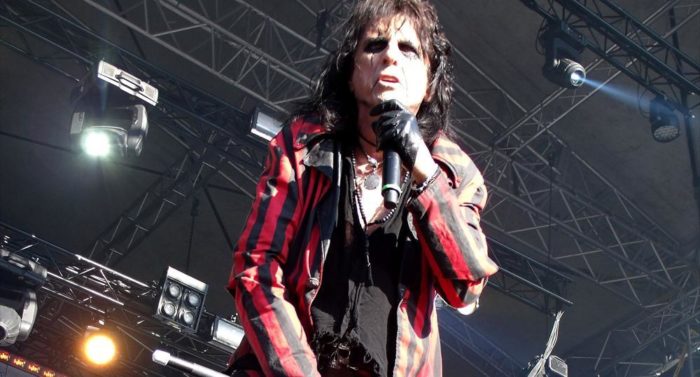
Alice Cooper, one of the grand old names of metal, stirs up the audience at a recent Tuska Festival.Photo: Katie Needham

The Helsinki-based Tuska Festival had always topped my bucket list. Its three summer days of metal mayhem always boast a lineup that caters exactly to my musical taste buds. Now I had finally made it to the festival, whose name can be translated as “agony.”

As I walk through the big, somewhat menacing gates of Tuska Festival, the 15-year-old metal-crazed fan inside of me is already screaming that I have arrived home. On the agenda: joining 25,000 metal-crazed maniacs to witness around 50 Finnish and foreign bands. In any given year, the range of groups could include everything from Swedish death-metal (Bloodbath, for example) to American grooves (Lamb of God), and from beautiful Australian instrumentation (Ne Obliviscaris) to cheese-soaked anthems (Alice Cooper).

Unlike the British metal festivals I’ve been attending religiously for half a decade, Tuska offers a fresh air of calmness among the monstrous riffs. This is a festival for the metal family.

Families clad in jackets with emblems of their favourite bands beam smiles to their heroes; couples headbang hand-in-hand; and friends share a laugh over a cold Finnish beer. Festival spirit is in full swing and, if anything, it showcases the amiable personality of the Finns.

Open-armed and generous

Shiraz Lane, a young band from Finland, believe that “metal” and “cool” always go together.

Shiraz Lane, a young band from Finland, believe that “metal” and “cool” always go together.Photo: Katie Needham

Prior to my journey from Manchester, I had held some assumptions about Finland. I expected a Nordic wonderland where heavy metal was common. For the most part, my expectations were correct, as heavy metal is widely accepted in Finland.

The streets of Helsinki are home to numerous heavy metal theme bars where a long-haired community of metal-loving people congregates. The guys from Helsinki band Shiraz Lane, which I saw on Tuska’s club stage when I went, tell me that metal is just part of the Finnish culture. According to them, the general Finnish attitude is, “If it’s not metal, it’s not cool.” They also think the cold, dark winter weather might be one reason why people like to listen to metal.

Yet as the Helsinki summer sunshine beats down on my face, perhaps the biggest surprise of my adventure in Finland is the open-armed, generous personality of the Finnish people. Though my language skills are minimal to say the least, it was rather surprising that I managed to connect and bond with so many Finnish metal fans, showing that a common love for music is bigger than you’d ever imagine.

You can see it clearly at Tuska. The thousands of people who attend may appear intimidating to outsiders, and understandably so. T-shirts display graphic artwork, bands portray themes of horror and mosh pits appear to champion violence. Yet the reality is quite the opposite. It seems like every single festival participant smiles and engages you in conversation. Perhaps it’s the attitude of the Finnish people, or maybe metal forms a bond that goes beyond nationality and unites people in a common love of music.

Helsinki never sleeps

On a Helsinki summer night, a young metal fan waits to see who or what will emerge out of the smoke onstage.

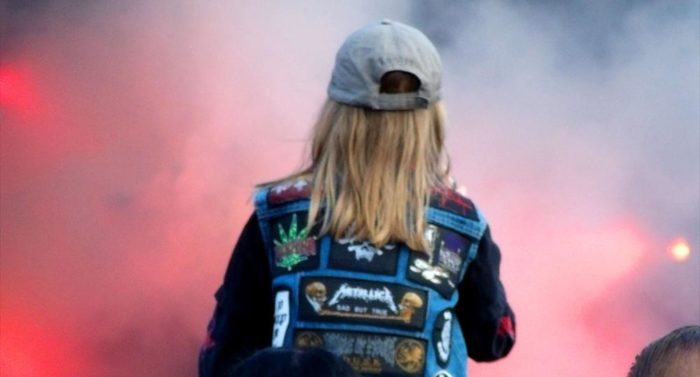
On a Helsinki summer night, a young metal fan waits to see who or what will emerge out of the smoke onstage.Photo: Katie Needham

The Finns’ welcoming attitude also translates to a love of food. My previous experience of food stalls at British music festivals had left a sour taste in my mouth, yet Finnish cuisine goes beyond my wildest dreams. Moose, reindeer, bear and numerous other bizarre yet brilliant meats were available during my pilgrimage, adding an extra level to my experience of the Tuska Festival and Finland as a whole.

They say that New York is the city that never sleeps, but judging by my experience this applies equally to Helsinki, in its own way. The white nights phenomenon means that, even in southern Finland, the summer sky hardly gets dark at all. This erases fatigue and allows party-loving people to keep going all day and night. It adds to the warm, welcoming feeling I’ve had ever since stepping off the plane. Bars cater to all walks of life and musical preference, and idyllic pubs offer a variety of ales you’ve probably never heard of.

With gorgeous scenery everywhere I look, Finland strikes me as the hidden gem of Europe. Lakes and forests rich in wildlife are found only a stone’s throw away from a capital city bursting with culture.

At the same time, Finland also feels like the place where heavy metal and its subculture belong. It’s common for metal to remain underground in most societies, but Helsinki prides itself on the alternative. People walk the streets without bias, and the Tuska Festival only reinforces this attitude. So as I watch Finnish metal heroes Amorphis intertwine beauty and brutality, I have never felt more comfortable. I may be miles away from Manchester, but in the warm embrace of the Helsinki metal community I feel at home.

By James Weaver, July 2015, updated April 2018

Now trending globally: Finnish metal music

Why are Finnish heavy metal bands so popular around the world? It originates in the music’s complexity and rich emotional content.

If you cast your mind back to 2006, Finland’s first Eurovision success occurred when the monster-masked heavy metal five-piece Lordi took the Eurovision Song Contest by storm, despite the competition’s well-deserved reputation as the epitome of cheesy, bubblegum pop music.

Finland is renowned for its heavy metal exports well beyond Eurovision: Nightwish, HIM, Insomnium, Children of Bodom, Amorphis and many other Finnish artists are cherished by metal communities around the globe. Nightwish have sold more than eight million records worldwide – a huge achievement for a band in a genre that struggles to get mainstream media coverage.

This phenomenon has existed for years but the question remains: How can Finnish metal bands inspire such popularity abroad?

Musical complexity

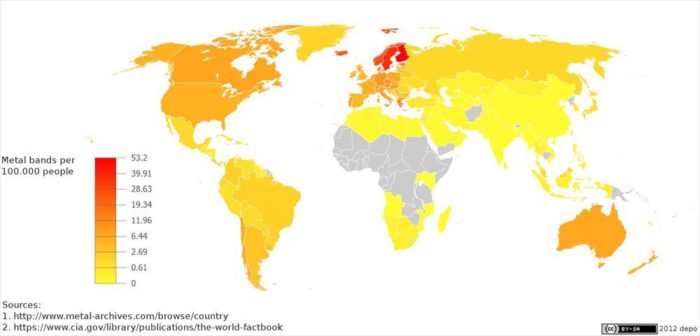
A world map displaying the ratio of metal bands per 100.000 people; Finland, Sweden and Norway showing as red hot spots.

Heavy metal hot spot: Finland is the reddest country on the map when it comes to metal music, with a whopping 53.2 bands per 100,000 people.Illustration: depo/cc-by-sa

By definition, heavy metal fans crave music from outside the mainstream. They champion material that boldly stands out against the normality of pop. Perhaps this is the main reason why Finnish metal is adored abroad.

Finnish metal features incredibly complicated song structures. From Children of Bodom’s intricate yet mesmerising guitar solos to Apocalyptica’s dedication to the use of cellos instead of guitars, and even Nightwish’s drive for telling tales of fantasy, Finland’s musical exports have qualities that set them apart in the heavy metal world.

David Creamer, a 19-year-old metal fanatic from Manchester, England, puts his love for Finnish metal down to the songs’ structural complexity. “When I talk about musical complexity in relation to Finland’s metal musicians, I don’t so much mean the technical aspects of their writing, although there are many Finnish metal acts like Wintersun that do push their musical talents hard,” he says. “But more than that, there is a striking diversity in the styles of metal that hail from Finland. Thinking about this complexity, Finnish bands have a seemingly endless capacity to cater for fans who like to listen to a variety of metal.”

The existence of so much variety in both the song-writing and the complexity of the musical approach makes the music enjoyable to fans all over the globe.

Driving emotion through music

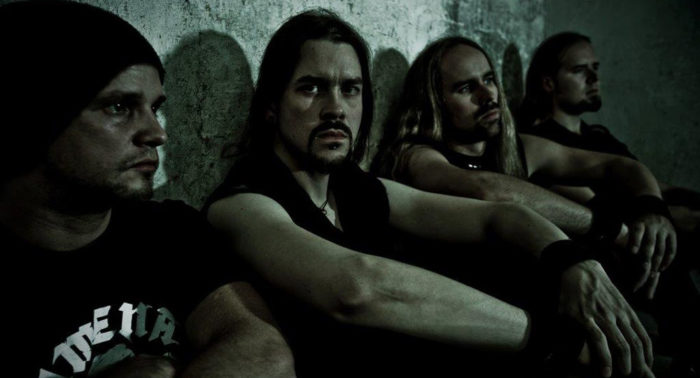
Members of Insomnium sitting solemnly-looking by a concrete wall.

Now that you mention it, the members of Insomnium do look like they may be suffering from a slight lack of sleep.Photo: Axel Jusseit

While audiences appreciate complicated song structures and expert musicianship, another notable characteristic of Finnish metal bands is a burning desire to express a multitude of emotions. Insomnium’s beautiful twin guitar play and moving lyrics can move listeners to tears. Children of Bodom can channel your inner aggression, and Korpiklaani can set you roaring with laughter with their cheery fusion of metal and folk.

Nightwish have long been known to tell stories of fantasy and add emotion to their works through a theatrical musical approach, using a combination of keyboards, double bass drumming, heavy guitars and operatic vocals.

On the back of the band’s eighth studio record, acclaimed by music critics around the globe, lead vocalist Floor Jansen explains how Nightwish exemplify why Finnish metal is so popular. She emphasises the importance of the emotions it triggers and the themes it covers – including a surprising link to nature.

“This music triggers your imagination, and this album tries to trigger not just your imagination but the magic of reality,” she says. “Things like how birds migrate or how the world starts to grow again after winter. There are so many small miracles in nature. That makes this album unique.”

In a league of its own

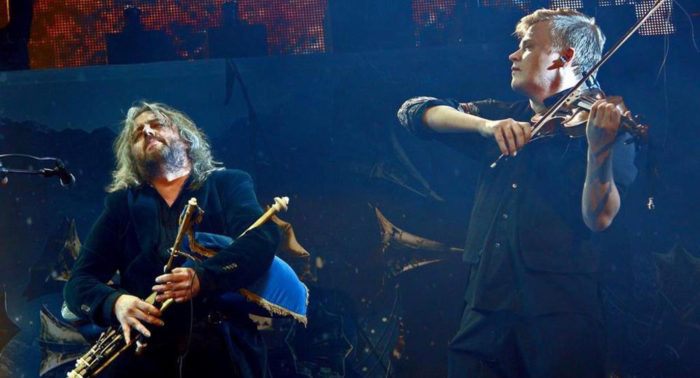
Violinist Pekka Kuusisto and Uilleann piper Troy Donockley jamming on stage with Nightwish.

Finnish metal bands aren’t afraid to mix far-flung influences. Here violinist Pekka Kuusisto and Uilleann piper Troy Donockley are jamming with Nightwish.Photo: Timo Isoaho

A 2012 heat map shows that Finland is the world leader in terms of metal bands per capita, with 53.2 metal bands per 100,000 people.

Considering this level of enthusiasm, it’s no surprise that Finnish metal is extremely popular not just within the country’s borders, but to a global music audience as well. The age of the internet and social media has helped bolster Finland’s grip on the hearts and minds of metal fans, with channels like Spotify and YouTube giving worldwide access to a host of Finnish talent.

With many of Finland’s biggest metal exports performing at music festivals around the world every summer, Finland’s relentless dominance of the global heavy metal scene shows no signs of slowing down.

By James Weaver, June 2015

Gymnaestrada makes Helsinki move and shake

The world’s largest gymnastics event happens in Helsinki from July 12 to 18, 2015. It invites gymnasts to perform rather than compete.

Under the theme “Make the Earth Move,” Gymnaestrada is held every four years, attracting people from more than 50 countries, this time to Finland, for a week of performances and fun. It revolves around group performances and is open to participants of any age.

Teresa Anderson from Kamloops in British Columbia, Canada, will be accompanying her daughter Katie, 13, to Helsinki. At the time of writing, they were eagerly counting down the days.

Possibly the biggest party ever

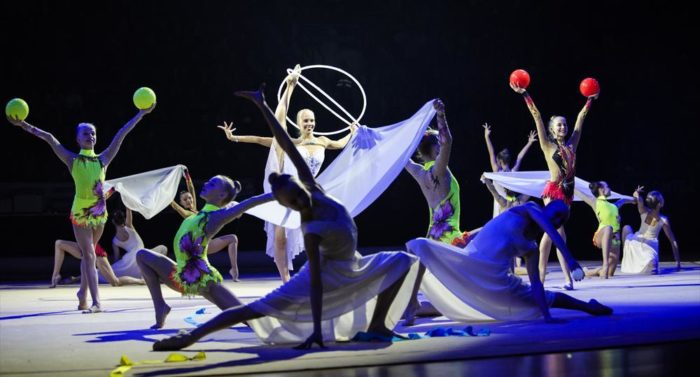
With elements of dance and gymnastics, this Finnish Gymnastics Gala performance shows what visitors can expect at Helsinki Ice Hall, one of the Gymnaestrada locations.

With elements of dance and gymnastics, this Finnish Gymnastics Gala performance shows what visitors can expect at Helsinki Ice Hall, one of the Gymnaestrada locations.Photo: Jouko Keski-Säntti/Gymnaestrada

“Gymnaestrada is about the sheer joy of gymnastics for all, of any ability and any age,” says Teresa. “It brings together people from every corner of the world to participate in something they love. How can it be anything but the biggest party ever?”

Katie agrees: “Anyone can do it, and you aren’t competing against your teammates, you’re performing with them. You don’t have to have a certain skill level. You just have to love gymnastics.”

In addition to the performances, Helsinki itself also forms a draw for the Andersons.

“I’m hoping to see Suomenlinna and try salmiakki [a traditional salty liqourice candy] and sauna,” says Teresa. “The team is looking forward to trying out the Finnish words they’ve been learning. Some of our girls have never been outside Canada, so this really is the trip of a lifetime.”

“And I want to visit the Linnanmäki Amusement Park,” Katie adds.

A teenager from a different hemisphere, Gaëlle is on the Zimbabwean team. The 22 team members, who range from 13 to 25 years old, perform acrobatic dance.

“Gymnaestrada is a special event because of the many cultures present,” she says. “It’s a chance to meet new people, make friends and discover new cultures that you may never have heard of before.”

“We all look forward to discovering Finland, meeting locals and perhaps seeing some monuments while we’re there.”

Impossible to explain

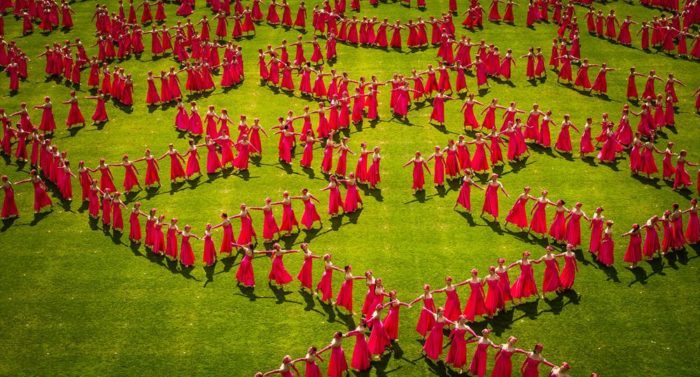
Gymnaestrada performers impress fans with geometric patterns that make good use of stadium venues.

Gymnaestrada performers impress fans with geometric patterns that make good use of stadium venues.Photo: Akifoto/Gymnaestrada

Gymnaestrada in its current form began in Rotterdam in 1953, with the purpose of showcasing the diversity of gymnastics while also building bridges between nations. This is the first time Finland is hosting the event, which is big internationally but not so widely known here.

That is sure to change, however – the sheer scope of Gymnaestrada is hard to grasp. It includes 21,000 participants from more than 50 countries, and some 200 hours of performances take place over just seven days in different venues all over the Finnish capital.

Kirsti Partanen of the Finnish Gymnastics Federation is president of the local organising committee. She has many fond memories of previous Gymnaestradas.

“There was a time when my mother, then in her 80s, myself and my daughter were all performing in the Gymnaestrada the same year,” she says. “Competitions are usually about arriving, competing and then going home. Gymnaestrada is centered on community and sharing experiences. Friendships are forged here between people from different sides of the world. The whole energy of the event is impossible to explain, it really has to be experienced.”

By Joanna Nylund, June 2015