Finnish weatherman for the world

The former head of the Finnish Meteorological Institute (FMI), Petteri Taalas, was appointed secretary-general of the World Meteorological Organisation (WMO) in January 2016. His appointment is seen as a sign of the global reputation of Finnish meteorological excellence. FMI forms one of the world’s oldest and most professionally respected national meteorological offices.

“About half of FMI’s staff of 720 work in R&D, but we also produce a wide range of practical forecasting and warning services for our clients, especially in the transport sector,” says Taalas. He served as FMI’s director general for 11 years and will spend a total of four to eight years leading the Geneva-based WMO.

Snow business

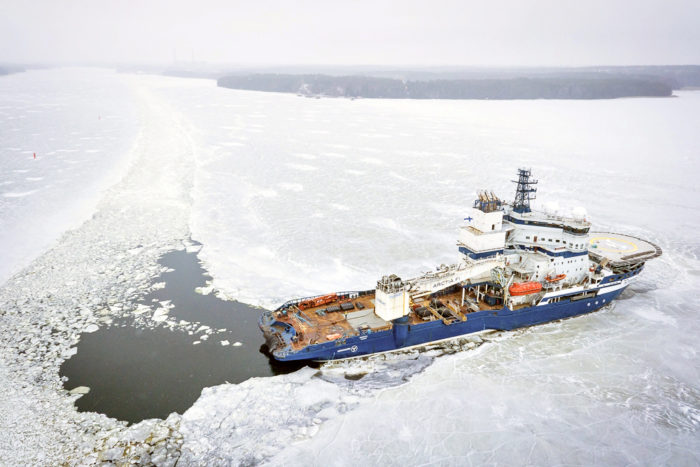
Taalas lists FMI’s specialities, including snow and ice monitoring, assisting icebreakers and other ships on the frozen Baltic Sea each winter, and providing services to support Finland’s effective winter road maintenance.

“We’re proud to have built up strong expertise in many areas. Among meteorological institutes we are number two in the world in terms of published scientific articles.”

Taalas hopes to help the WMO reproduce Finland’s achievements around the world by transferring advanced expertise to help other meteorological agencies provide high-tech, customer-oriented services, especially in developing countries. The FMI itself currently works in more than 50 countries around the world. In Nepal, Finnish experts are leading a major World Bank funded project aiming to improve national weather observations and create forecasting and warning services that will benefit everyone from airport managers to Himalayan farmers.

The shadow of climate change

“Such work is now more urgently needed than ever, due to climate change and the associated increasing risk of extreme weather events,” explains Taalas. “Though climate change won’t mean the end of the world, the indisputable scientific facts show it will give mankind major problems over the coming decades – and for much longer if we don’t act decisively.”

Taalas is worried that more frequent floods or droughts in regions still dependent on subsistence farming could eventually result in large numbers of climate refugees, while global sea level rises may mean that low-lying regions or even entire island countries will have to be abandoned.

As a meteorologist with a global remit, Taalas emphasises the need to effectively communicate scientists’ concerns to decision-makers. This means complementing the climate assessments and scenarios produced by the WMO-appointed Intergovernmental Panel on Climate Change with evaluations of the massive economic costs of unmitigated global warming.
“Though climate change won’t mean the end of the world, the indisputable scientific facts show it will give mankind major problems over the coming decades – and for much longer if we don’t act decisively,” says Petteri Taalas, the recently-appointed Secretary-General of the World Meteorological Organisation.

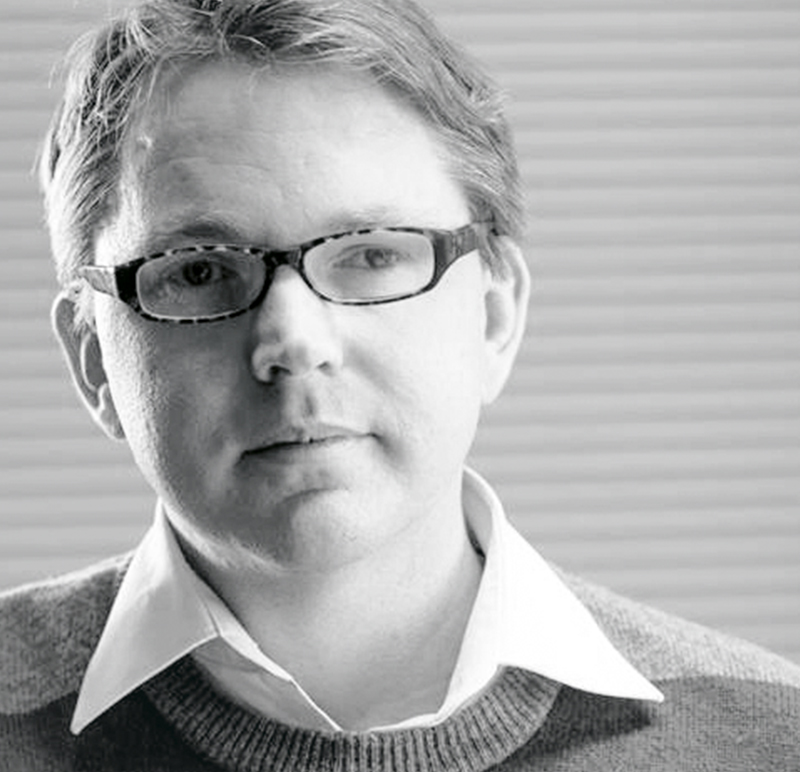
“Though climate change won’t mean the end of the world, the indisputable scientific facts show it will give mankind major problems over the coming decades – and for much longer if we don’t act decisively,” says Petteri Taalas, secretary-general of the World Meteorological Organisation.Photo: Tommi Tuomi / Otavamedia

 Cost-effective meteorological services

“At FMI we have our own economists focusing on the economic impacts of climate change mitigation and adaptation measures, as well as on the economic benefits of our own work to society,” says Taalas. “We’ve found that national investments in meteorological services can produce five-to-ten-fold economic benefits, due to savings resulting from better weather information and early warning systems.”

Global efforts to mitigate climate change must include a major switch from fossil fuels to renewable energy sources as well as energy-saving measures. Another hot topic for FMI is to provide new services to help optimise the use of wind power, solar energy and hydropower.

Some of the most dramatic impacts of climate change are already being felt in the Arctic region, where warming is gradually opening previously frozen sea routes. Shipping is expected to intensify in Arctic waters, and Finnish experts have plenty to offer when it comes to producing services to boost navigational safety in icy seas.

Silver linings

The intensification of global efforts to combat climate change brings opportunities for businesses producing technologies and services that can help their clients mitigate climate change or adapt to its consequences.

Finland’s Climate Leadership Council brings together many leading Finnish businesses and research organisations keen to respond to the threat of climate change. According to a study recently conducted by the Confederation of Finnish Industries, as many as 3,000 businesses in Finland see climate change mitigation as  a business opportunity.

“Finland’s strengths in relation to mitigating climate change include many technologies that improve energy efficiency, as well as expertise on the sustainable use of forests and the generation of energy from renewable forest-biomass,” says Taalas.

In spite of the clear risk of catastrophic climate change Taalas sees room for optimism, as long as the international community finds the political will to act concertedly. In the 1990s his own PhD studies focused on the depletion of the ozone layer – a global threat that is now thankfully under control. “In combatting acid rain and ozone depletion we already have two success stories where the world has responded to urgent problems in our atmosphere pointed out by scientists.”

Watching for worldwide warnings

The Finnish Meteorological Institute’s work on climate change involves the detailed monitoring of the increasing atmospheric concentrations of the greenhouse gases that are causing global climate change, including carbon dioxide and methane.

 “In addition to our measurement stations around Finland we also collect data from FMI stations located in Antarctica, Siberia, South Africa and the Indian Himalayas,” says Petteri Taalas.

The FMI’s state-of-the-art stations at Pallas and Sodankylä in Finnish Lapland also form a crucial link in a worldwide network of atmospheric measurement stations contributing data to the World Meteorological Organisation’s Global Atmosphere Watch (GAW) programme. Taalas emphasises the importance of the programme as a global watchdog constantly surveying the atmospheric concentrations of greenhouse gases.
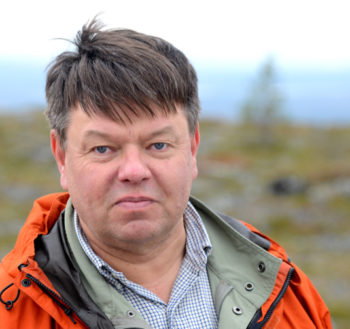
Petteri Taalas

“We also collect data from Antarctica, Siberia, South Africa and the Indian Himalayas,” says Petteri Taalas.Photo: Tero Pajukallio/Diaidea

“But to find ways to mitigate climate change effectively it’s not enough just to measure the amounts of greenhouse gases in the air, since we also need to understand the whole carbon cycle – and exactly what happens to additional carbon emissions,” explains Taalas. This means measuring fluxes of carbon between the atmosphere and carbon sinks such as the sea and forests.

The FMI’s marine and atmospheric research station on Utö, a remote island in the Gulf of Finland, uses ultramodern devices to collect real-time physical, chemical and biological data above and beneath the waves. Utö is one of four Finnish atmospheric stations that form a key part of the Integrated Carbon Observation System (ICOS), a Europe-wide research network focusing on greenhouse gas balances and carbon cycles. The ICOS network, consisting of 50 stations in 15 countries, is run from FMI’s Helsinki headquarters, reflecting Finland’s keen interest in contributing to international action on climate issues.

This is how we do it

Top meteorological instruments

Vaisala

Photo: Vaisala

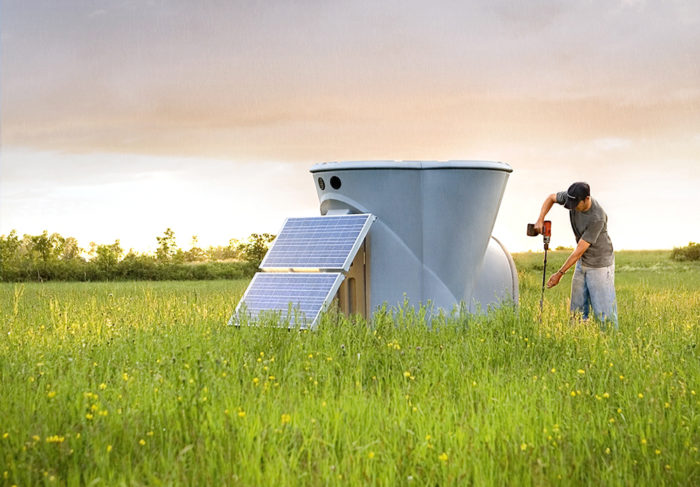
Accurate real-time meteorological data is today more urgently needed than ever, especially in cities and regions vulnerable to extreme weather events. The Finnish-based global environmental and industrial measurement specialists Vaisala offer a wide range of meteorological instruments from wind, rain or lightning sensors to weather radars and entire automatic weather stations. Vaisala’s key customers include airports, road and rail transport agencies, maritime operators and renewable energy producers, as well as national meteorological agencies around the world.

Safety for arctic shipping

HuismanNordica_www

Photo: Arctia Ltd.

Climatic warming is rapidly opening up the Arctic region to shipping and trade – including the controversial exploration of its resources. Finland and the other member countries of the Arctic Council want to make sure that the region is developed safely and sustainably. The Helsinki-based Arctia Shipping has more than 100 years of experience running Finland’s icebreaker fleet in the Baltic Sea, ensuring that shipping traffic can continue through the winter. Conditions along newly opening arctic routes are similar to those in the Baltic. Arctia shipping is already active in the Arctic region providing environmentally-friendly, safe and efficient ice-breaking services. This work is all based on a detailed understanding of the behaviour of sea ice.

By Fran Weaver, ThisisFINLAND Magazine 2016
A penny for your thoughts

 We asked five foreigners for their views on Finland, their new homeland. 

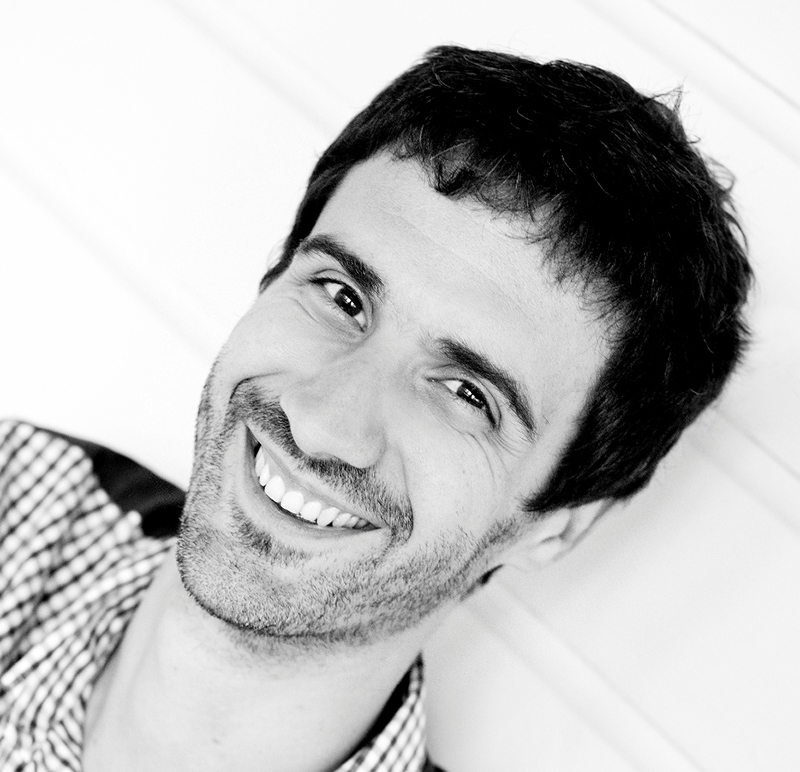
Ruggero Valsecchi Originally from Italy Sales manager

Ruggero Valsecchi
Originally from Italy
Sales manager

“Finns get things finished”

Moving from Italy to Finland made Ruggero Valsecchi notice that national identity can be very strong in a smaller country.

Ruggero Valsecchi first met his Finnish girlfriend in Italy. When she was returning to Finland, the couple had to decide where and whether they wanted to build a life together.

“Moving to Finland was a good choice, career-wise and family-wise. I like the work mentality here and the affordable day care for our daughter is a good benefit. In Italy the day care would cost us much more.”

Still, finding a job in his new home country was no picnic; a Masters of Science degree in technology did not immediately guarantee a career. Ruggero worked for the grocery store Lidl for a while, and did some temporary work. In 2007 he started work as a sales engineer at a company called Progman.

After ten years in Finland, Ruggero Valsecchi speaks fluent Finnish. And still enjoys the peacefulness of the new home country.

“When I left Italy, I lived in Milan. At 4 a.m. there is as much traffic on the highways as there is here in the morning rush hour!”

Ten years has also given him an interesting perspective on the culture.

“This might sound strange but in Italy the national identity is not as strong as it is here. Here people have certain important traditions and a strong sense of what Finland is. It has been interesting to see that as a foreigner.”

Shuo Yang Originally from China Software engineer

Shuo Yang
Originally from China
Software engineer

“To Finland? Why not.”

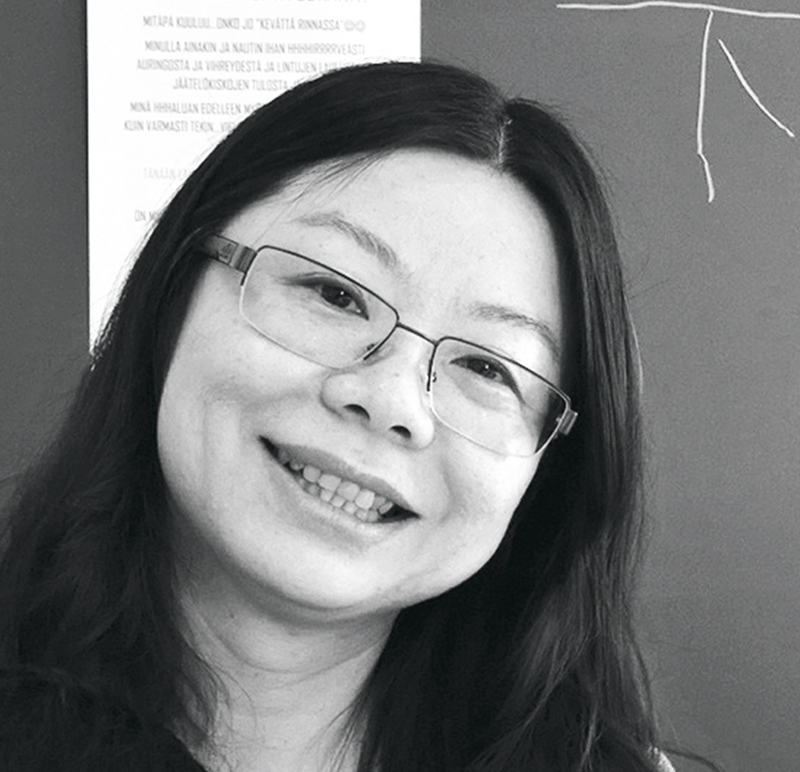
This was Shuo Yang’s comment when she was asked to change her work environment from hectic Beijing to Salo in Southern Finland, which was…  Hmmm! Let’s say, it was a little less hectic.

After working for Nokia in Beijing, Shuo Yang arrived in Salo at the end of June in 2005.

“The town was empty. The office was empty. There were exactly two people in the office and they had no idea what I was supposed to do. And they told me that this was the beginning of the holiday season, so nothing would be happening during the next month!”

So, this was the perfect time to adapt. Shuo Yang used the unexpected vacation to walk around the Salo area. When her work started properly in August, the Finnish work culture became familiar. “I feel that employers are respected a lot more in Finland than in China. Nokia, now Microsoft, has been a great company and colleagues are like my family.”

Shuo Yang has a 6-year old son from her previous marriage. This young man now goes to Finnish preschool. “He is a Finnish boy who likes sausages and meat balls. We talk in Chinese, but he has an accent.”

At the end of 2015, Microsoft closed many of its functions in Salo, leaving many people unemployed. Shuo Yang is one of them. “It will be a new experience to be unemployed in Finland. At least this will give me a chance to improve my Finnish. The unemployment office informed me that there should be Finnish courses available. Our life is now here, so I hope I will be able to find another job.”

Joseph Knowles Originally from the USA PR manager and senior writer

Joseph Knowles
Originally from the USA
PR manager and senior writer

All action, no words

Aki Kaurismäki. That was how it all started for American Joseph Knowles. Love for Finnish film gradually led to moving from sunny L.A. to Helsinki, which he considers the more cosmopolitan of the two.

“Kaurismäki films were my first introduction to Finland. I liked the fact that the characters didn’t have to say very much. They were all action and no words. It appealed to me.”

When studying at the London Film School, Joe mingled with a few Finns and met a lovely Finnish woman who spoke a little more than the characters in Kaurismäki films. After living in London and then back in California for three years, the couple moved to Finland.

Eventually, Joe landed a job in communications for Finnair. After a few years and countless air miles, he changed employers and went to work with other flying objects: birds and pigs.

“I work for Rovio now. This is truly an international company, with more than 40 different nationalities represented on the staff. And the games are played everywhere; we have customers all over the world.”

Interestingly enough, now he works in the film industry again, since The Angry Birds Movie is on its way. “There aren’t that many environments where a company like Rovio could have blossomed. It takes lot of unlikely people to come together. Finland is unique in this sense: I think this kind of climate combined with a highly educated workforce leads to a really interesting business environment – where your career can take surprising turns.”

But how about the weather? That is pretty bad though? “Well, if Finland would be sunny all the time, it wouldn’t be Finland. I have lived in eternal sunshine in L.A. and it is not what it is cut out to be. You need some darkness to appreciate the sunshine!”

Allen Brown Originally from the UK On disability pension

Allen Brown
Originally from the UK
On disability pension

“It just suits me”

Sometimes emigrating to Finland can happen on impulse, with no great passion one way or another. Allen Brown wanted a change, so he thought Finland was a good choice. And it was. And still is.

Allen Brown moved to Finland in 1998.

“I was sick and tired of England. There are just too many people there. Finland seemed like a nice place to move to. And it’s not always been easy, but it isn’t supposed to be easy!”

During the years, Allen Brown has had a variety of jobs, including work as silver service flambé chef and stone mason. He also saw another side of Finland when doctors discovered a tumor in his lungs.

“I went through chemotherapy and radiotherapy. Doctors gave me three months but that was a while ago, they are happily surprised that I am still here. I was treated very well in the public health care system. I’d say that if you are going to get cancer, get it in Finland! ”

After living in several places in and around the capital area, Allen Brown now lives in the Vallila area of Helsinki. He enjoys the neighborhood – which is the reason why he wishes others could enjoy it as well.

“This is where I should have been all the time. And this is my one criticism: I think life would be a lot better for everybody, if they could halve the price of accommodation in Helsinki.”

Evon Söderlund Originally from Malaysia Entrepreneur and CEO

Evon Söderlund
Originally from Malaysia
Entrepreneur and CEO

“Free education – that can’t be?”

Malaysian cuisine, Asian hospitality and Finnish society – combining them has created a winning formula. Thus, Malaysian Evon Söderlund became a Finnish entrepreneur. Along the way she had to learn not to call her teacher “Teacher”.

Growing up in a little rural village in Malaysia, Evon first came to Europe to pursue her career as a dancer. She was living in London when she got an email reply from Jussi, a young Finn who she had met in Kuala Lumpur while Jussi was there as an exchange student.

“Jussi said that I should come and visit Finland. Then he casually mentioned that you know, studying in Finland is free, there are no tuition fees. I said, What!? He added that they actually get a student allowance every month from the government to be able to study. I said WHAT!?”

So, Evon arrived in Finland and life took some quick turns. She and Jussi fell in love, got married and settled in Helsinki. Evon found a job working in the Malaysian embassy and later on started her studies in the UAS degree programme in Hospitality, Tourism and Experience Management at Haaga-Helia.

She was one of the hardest working students. And would also stand up every day at the beginning of a lecture to greet the teacher, stubbornly calling every teacher “Teacher” to show her respect.

“Finally I gave up: if I was trying to get the teacher’s attention, they just would not respond if I called them “Teacher”. Then I said “Pekka”, and Pekka’s head turned around immediately! But being an Asian, it was hard to learn that you could be so casual with your teachers.”

Nowadays Evon runs a successful business with her husband Jussi. Huone Events hotel is the first of its kind, not only in Finland but in the world. It offers 12 different kinds of event rooms for meetings and gatherings. Malaysian culture and Finnish culture live side by side here: on the premises there are three saunas and guests are served delicious Malaysian food.

Evon and Jussi have taken major risks to make this happen but their hard work is paying off. In 2014, Evon was awarded the PwC’s Most Valuable Entrepreneur in Finland. Now she is giving back to society: not only does part of the business’s profit go to charity, but Evon and Jussi have created jobs for 12 people.

“The one thing I would say to every foreigner: Learn Finnish! It is not only about getting by with the language, but also to show respect to the people here. Even if you are not fluent, when people can see that you are making an effort, they will treat you a lot nicer.”

By Maija Kajanto, January 2016

Photos: interviewees

Meet with a Finn

Pick one of these events and meet&greet with Team Finland in 2016.

AUSTIN, TEXAS, USA
11-20 MARCH
SXSW®
The South by Southwest® Conferences & Festivals offers a unique convergence of distinctive music, independent film, emerging technology and vibrant Finnish start-ups.
www.sxsw.com

NEW YORK, USA
SPRING
Samuji Store
Samuji, a Helsinki based creative studio and design house, will open in New York. Uncover inimitable items, elegantly designed and crafted from quality materials sourced from European and Japanese suppliers.
www.samuji.com

BUDAPEST, HUNGARY
10–11 MAY
Bocuse d’Or Europe
The Crème de la crème of European chefs will compete in the most prestigious gastronomic competition, Bocuse d’Or. The Finnish representative, chef Eero Vottonen, will put his heart and talent into winning a place in the final, which takes place in Lyon, France, in 2017.
www.bocusedor.com/selection-europe-2016-1

RIO DE JANEIRO, BRAZIL
5-21 AUGUST, 7-18 SEPTEMBER
Olympic and Paralympic Games
Did you know that the Finn dinghy was originally designed for the Helsinki Olympic Games in 1952? Watch Finnish athletes compete in sailing and other sports. And win or lose, they will also be stylish in their blue and white kit!
www.rio2016.com

NÜRNBERG, GERMANY
10-13 FEBRUARY
Biofach Trade Fair for Organic Food
Over 2500 exhibitors, but be sure to check out the Food From Finland stand and discover the taste, style and nutrition available from the Finnish organic food producers. An appetizing visit is guaranteed! See other food hot spots
www.foodfromfinland.com

HELSINKI, FINLAND
2-4 MAY
World Press Freedom Day Conference
The Finnish government is honoured to co-host the international World Press Freedon Day’s main event with UNESCO. This is the first time the event will be held in Scandinavia.
www.unesco.org/new/en/wpfd

CAPE TOWN, SOUTH AFRICA
8-11 FEBRUARY
Mining Indaba
Finnish knowhow in the mining sector is strong and will be present at the Finnish pavilion during the world’s largest mining investment event.
www.miningindaba.com

SHANGHAI, CHINA
5-7 MAY
SIAL China
The Finnish food industry will be present at Asia’s largest professional food and beverage exhibition.
www.sialchina.com

ACROSS CHINA
SPRING 2016
Air Quality Roadshow
The Beautiful Beijing Growth Program brings Finnish Cleantech knowhow to Chinese markets. Finland’s world class expertise in Indoor Air Quality (IAQ) will be introduced through an Indoor Air Quality roadshow that will visit Chinese cities.
www.cleantechfinland.com/content/beautiful-beijing-1

TOKYO, JAPAN
APRIL
SLUSH
This leading start-up conference, based originally in Helsinki, promises to arrange the biggest entrepreneurial event in the history of Asia. Check the latest locations and details.
www.slush.org

By Maarit Niemelä, January 2016

Master of Scandinavian flavours

Keep it simple. That is the recipe for any good dish, argues Pekka Terävä, a Michelin-star chef and restaurateur.

Simple is also his answer for describing his most memorable food experience of late: self-caught fish, freshly cooked over an open fire, with the silence of the Finnish wilderness as a side dish.

“The overall experience comes first. That is also what I wish to provide for the people I cook for. It’s quite okay to work around the clock, if you have a customer who is so happy with the food and the experience, he or she almost cries,” Terävä muses.

I interviewed Terävä at his restaurant Olo, right next to Helsinki Market Square and the Presidential Palace. The large windows are opened out to reveal a picturesque alley as the city awakes to a new morning. Every now and then he flashes a welcoming smile and waves to someone walking by, even inviting an old acquaintance in for a brief chit-chat. It seems he is well connected, well-travelled and a much liked person.

Ingredients are everything

And Pekka Terävä is clearly a magician in the culinary arts, too. He and his team at Olo serve a menu encompassing 22 dishes, and he still claims that the guest will feel good after eating it all. Again, the key is simplicity.

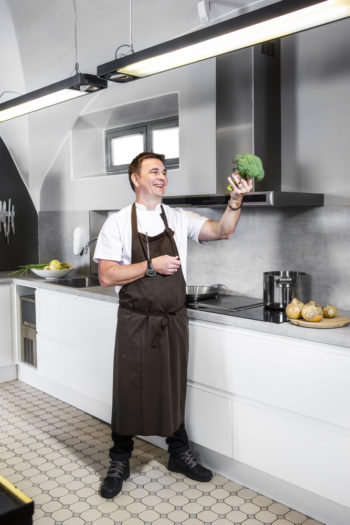
“Let the ingredient talk. Everything superfluous has to be taken away,” says Michelin-star chef Pekka Terävä.Photo: Mirva Kakko/ Otavamedia

“Let the ingredient talk. Everything superfluous has to be taken away, so that, what we have left in every dish are the essential ingredients. There is variety in the consistency – something crispy and something soft. And it needs to taste good.”

Scandinavian flavours have brought the restaurant one Michelin star. The star is the well-earned result of years of work: Terävä’s experience has been gained by establishing numerous restaurants and participating in the advancement of Finnish food culture: a culture which has taken giant leaps towards becoming a culinary hot spot because it draws from Finland’s untainted nature and four seasons.

“Helsinki, for instance, is now a culinary city that is worth visiting just for its food.”

Inspiring seasons

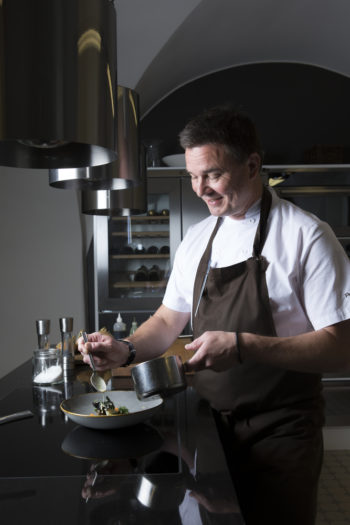
“If I was to peel asparagus every day, I would get bored very soon,” Pekka Terävä says and continues: “The strong seasonal changes inspire my work, I can always use what’s best at the moment.” Photo: Mirva Kakko/ Otavamedia

The four Nordic seasons; summer, autumn, winter and spring have always determined what the region eats. The long, cold winter is when a chef’s creativity is truly put to the test. Anything green and fresh is a distant memory, and ingredients produced in greenhouses just taste bland. But that is why Terävä finds this an utterly interesting season.

“There is no easy solution, and we really need to concentrate on the ingredients we use, be it, for example, root vegetables such as carrots or parsnips. Traditions are important, and we get to utilize the traditional fermentation methods of yesteryear,” he says.

But as the summer gets closer, Finns become spoiled. One of the first indicators of summer is the arrival of new potatoes. They are found on every plate from homes to restaurants.  Rather boring at a first glance, but an ingredient that is constantly mentioned in Terävä’s conversation.

“Finnish potatoes are the best in the world. The short season keeps the land rich in nutrients and makes the potato fight for its existence, which generates the superior taste. The same is true of everything that grows here, up north, like delicious summer vegetables.”

Finnish nature comes with an overwhelming array of excellent ingredients. Thousands of lakes provide first class fish such as lake perch, pikeperch and northern pike. The cold waters give the fish a unique consistency and a positively neutral taste, Terävä explains.

In the forests, there are elk, chanterelles, berries and wild herbs, just to name a few. Many of them are only freshly available for a short period.

“If I was to peel asparagus every day, I would get bored very soon”, Terävä says and continues: “The strong seasonal changes inspire my work, I can always use what’s best at the moment.” When the first layer of ice appears on Lake Inari in Lapland, we see reindeer on Olo’s menu. When the first snow blankets the Kustavi archipelago in Souhtwest Finland, we get venison.

A family man

Michelin stars don’t come easy, admits Terävä, who works long days. This father of two sons has his priorities and scarce spare time is spent with the family and coaching football teams – as one could expect from an avid football enthusiast and a formerly active player.

Whenever Terävä is given the chance, he acts like every other Finn and escapes to the summer cottage. The quietness of the natural world provides a balance to life in the fast lane.

However, Terävä sees airports more than his summer cottage. Travelling comes with the job, though Terävä often takes his family along.

“When abroad, me and my wife get to choose the restaurant one day and the kids the next”, he laughs. “But it is not just about the food, it is about gathering people together to enjoy the food and the company.”

Team of top chefs

One of Pekka Terävä’s passions is the Bocuse d’Or, a biennial world chef championship that is considered one of the world’s most prestigious cooking competitions. Terävä is the President of the Finnish Bocuse d’Or team and has previously competed himself.

Now Terävä is coaching an ambitious young chef Eero Vottonen, who will represent Finland in the 2016 European semi-finals in Budapest, Hungary. From there, the best twelve countries continue to the final, held in 2017 in Lyon, France.

“It is a huge effort. The whole team spends thousands of hours practicing the winning dishes.”

But a top chef would not be a top chef without a competitive spirit and a passion for food. Attributes that have brought Pekka Terävä quite far in his culinary career.

By Maarit Niemelä, January 2016

Pikeperch by Pekka Terävä

Serves 4

2 pikeperch fillet

4 pcs Jerusalem artichokes

50g vendace roe

Borecole

Baby leek

Whey butter

Dill

Salt

Oil

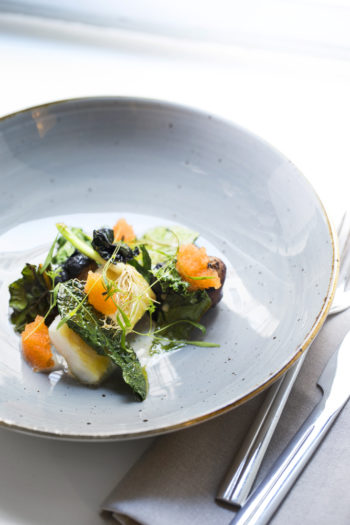
Pikeperch’s delicate flavour doesn’t need anything else to spice it up but a hint of salt.Photo: Mirva Kakko/ Otavamedia

  1. Cut the pikeperch into a few slices. Add only a hint of salt to the pikeperch. It has a delicate flavour and doesn’t need much else.
  2. Soak the baby leek in cold water for 10 minutes.
  3. Wash the Jerusalem artichokes thoroughly and grill them in the oven for 15 min.
  4. Prepare the sauce: Mix dill into the whey butter and add salt. Taste.
  5. Fry fish on little oil until nicely brown. Check that the fish is cooked, but don’t overdo it. 
Fry also the leek and add salt.
  6. Quickly fry borecole in salted butter, with few spoonful of water.
  7. Check the flavours and create the portions.
  8. Finish with vendace roe.

Lux Helsinki spreads light and warmth

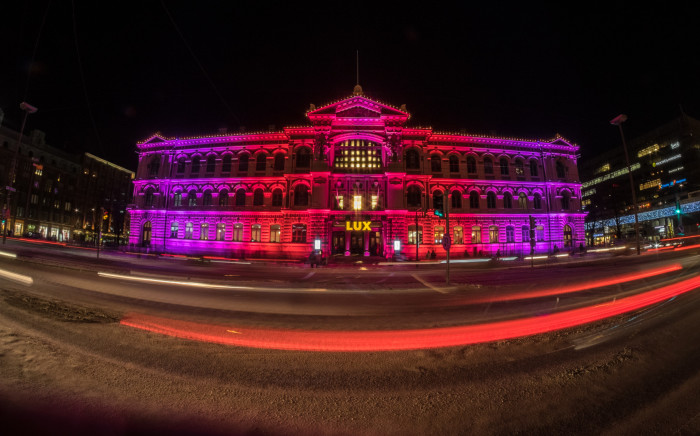
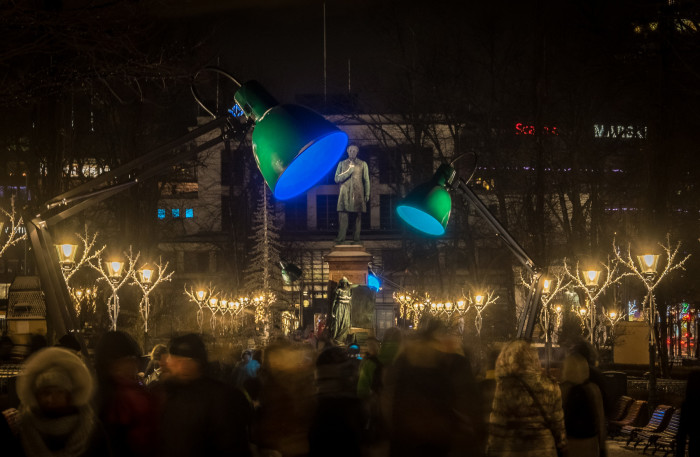
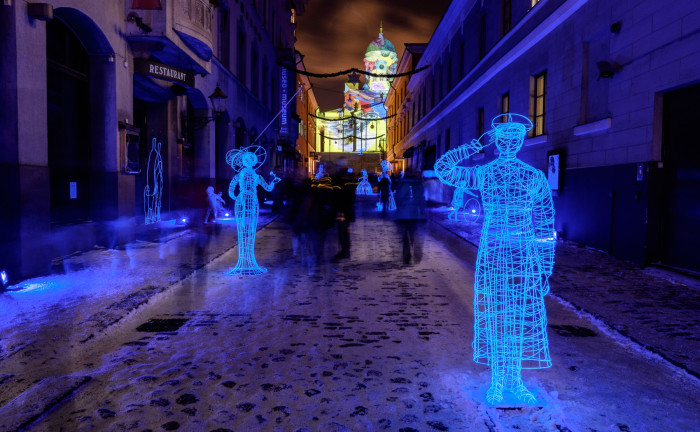
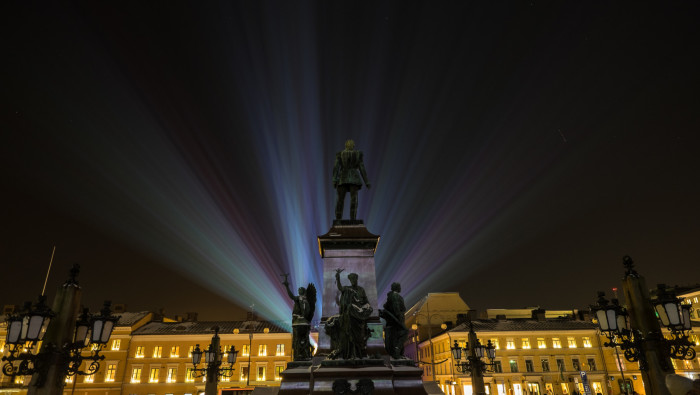
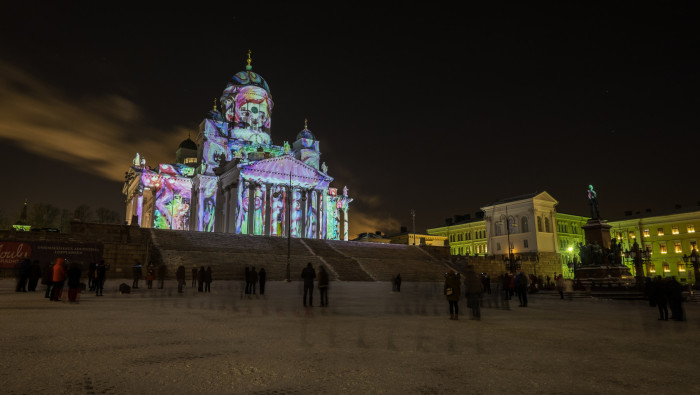
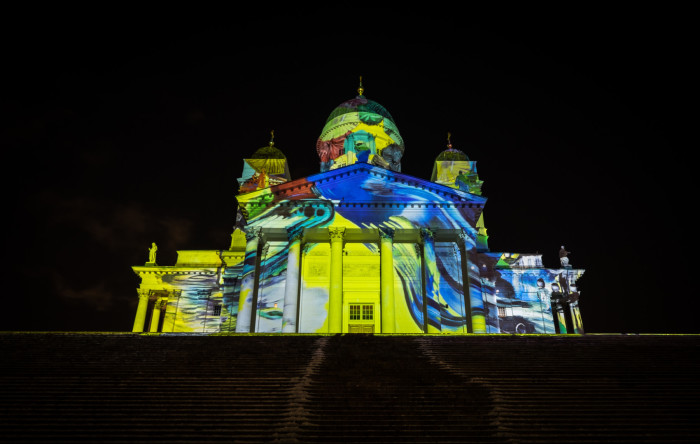
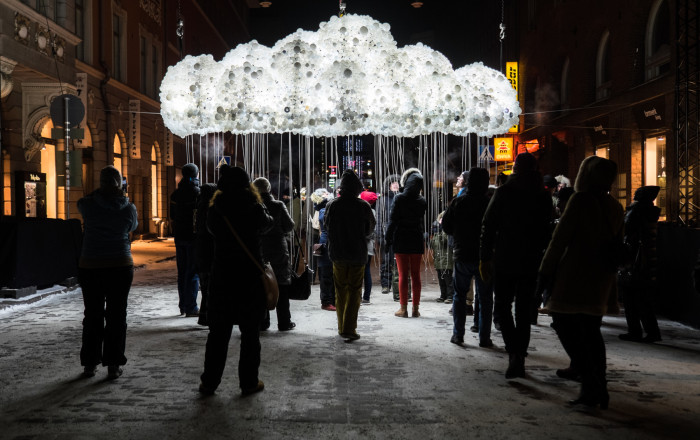
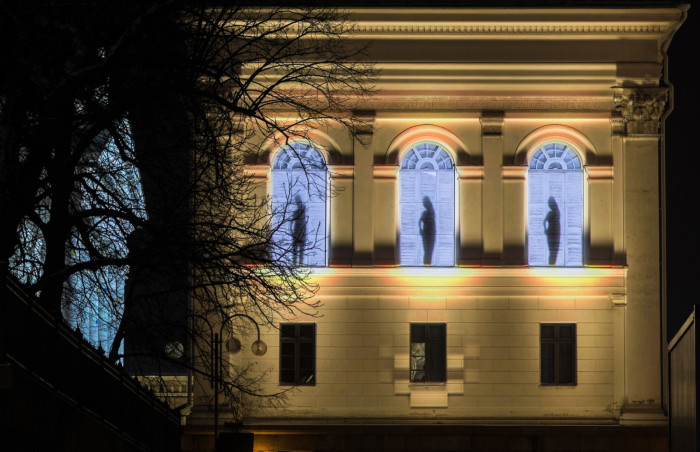
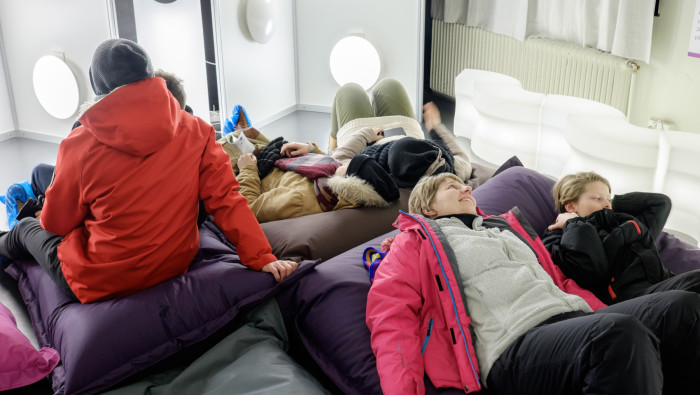
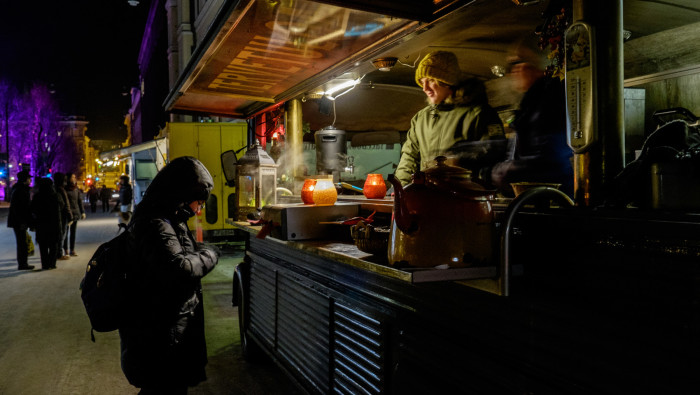
Our intrepid, chilly-fingered photographer explores the illuminations of the annual light festival Lux Helsinki.

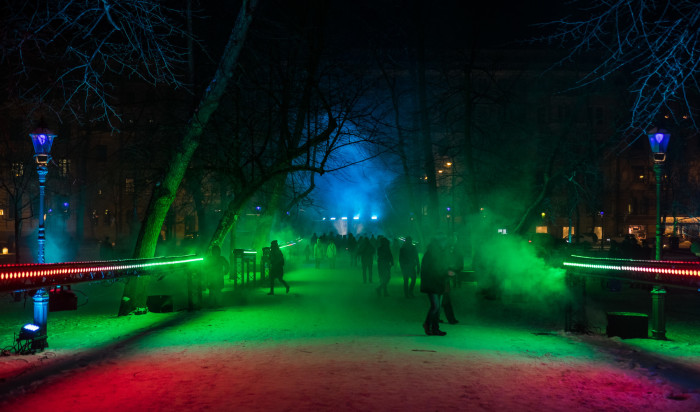
It is not uncommon for temperatures in January to dip below minus 20 degrees Celsius, yet this doesn’t stop the crowds from turning out for the annual Light Festival Lux Helsinki. The idea is to brighten up the city streets at the darkest time of the year, with light installations transforming the parks and façades of familiar landmarks.

Visitors this year can follow a “trail of light” that includes buildings, monuments and courtyards around Kruununhaka, the neighbourhood where Senate Square and Helsinki Cathedral are located, and in the downtown core. The concept has evolved over its more than two decades of existence to embrace side events, including panel discussions on light and art, street food, and sound and light performances. Lux Helsinki installations can be viewed in 2022 from January 5 to 9.

Lux Helsinki shows a wide spectrum of light art*

 *(Photos taken during Lux Helsinki in January 2016)

By Tim Bird

Go ahead and jump!

Finns are passionate about ski jumping: some get their thrills soaring off a slope at more than 100 kilometres an hour, while others cheer on their national champions from the comfort of their sofa.

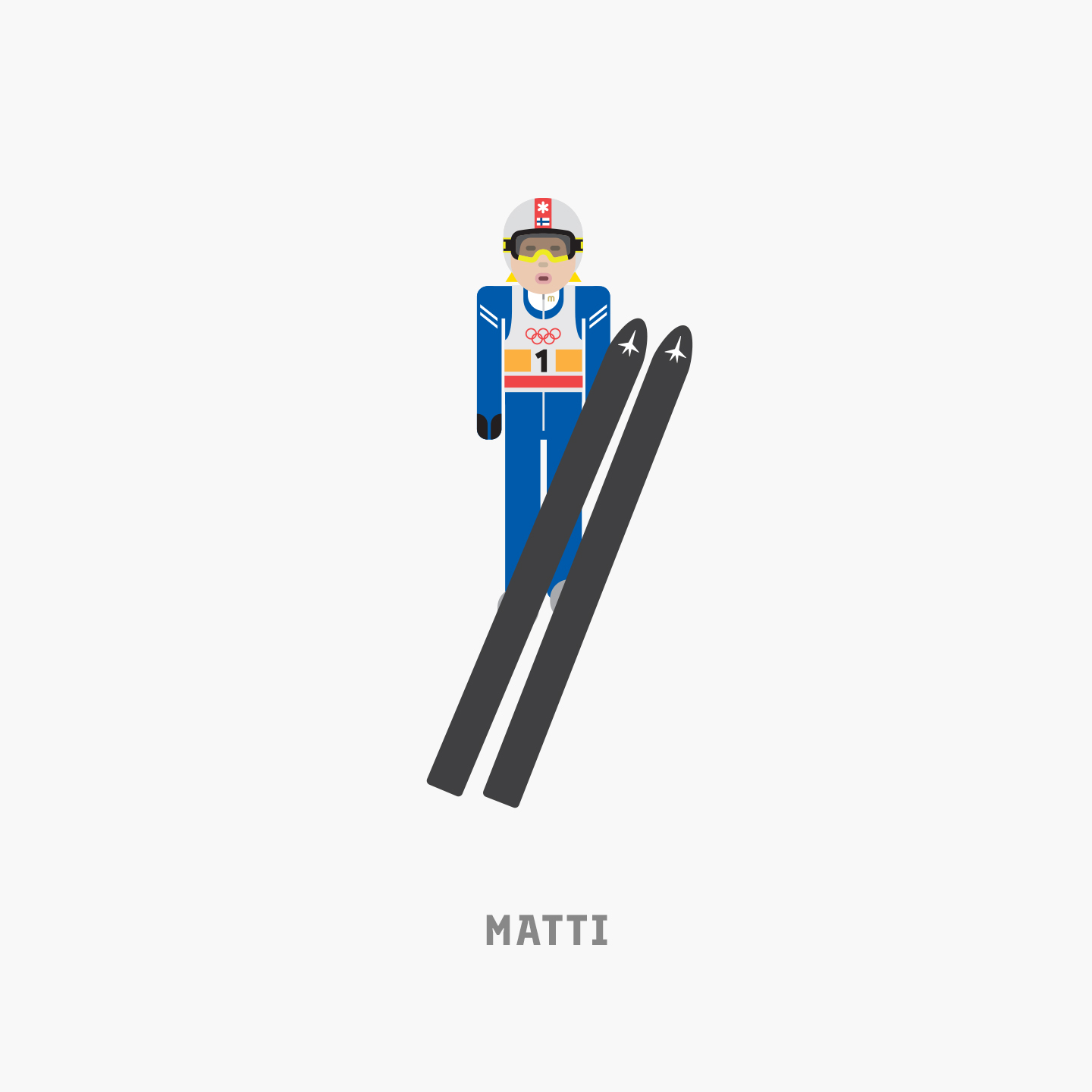
Happy New Year to all winter sports fans! Our love for ski jumping has inspired a little New Year’s gift for you. Here you go: an emoji immortalising all-time ski jumping legend Matti Nykänen. The most successful ski jumper in history wears his suit from the 1988 Calgary Winter Olympics in his very own emoji.

Matti Nykänen has said that "life is a person's best time". We couldn't agree more!

Matti Nykänen has said that “life is a person’s best time”. We couldn’t agree more!ThisisFINLAND

Released during the European Four Hills Tournament, the emoji honours not only Nykänen’s astounding athletic career but also other Finnish men and women who excel in the sport – in the hope that this symbol will help encourage them to new heights.

Nykänen’s emoji brings him into a prestigious group as only three of the 30 Finland emojis depict world-renowned Finns. The two previous individual emoji figures represent the peace mediator and Nobel laureate Martti Ahtisaari and Formula One racer Kimi Räikkönen.

Matti Nykänen is not just a world-known ski jumper but a one of a kind verbal virtuoso. He has introduced some of the well-used catchphrases for the Finnish language. It is not rarely we say “every chance is an opportunity” or we estimate the percentages with a “fifty-sixty” share. One thing we know for sure: “life is life”. (We know, they don’t make much sense in Finnish either. But we still love his sayings!)

This month Finland became the first country to issue its own set of national emojis. These tongue-in-cheek images illustrate Finnish emotions and strengths, as well as vices, and are part of our Christmas calendar 2015 at xmas.finland.fi.

The Finland emojis can be downloaded for Android devices from Google Play and for iOS devices from the App Store. The Nykänen emoji will be updated for iOS slightly later. Emoji stickers are also available for all devices from the Christmas calendar page. The emojis are also featured in the following apps: iMoji, Jongla, Futurefly and gotIT.

More Finland emojis will appear next spring, as the summer collection is unveiled. Finland emojis are digital stickers that are visible on all devices, even if the recipient has not downloaded the emoji set.

By Jenita Cresswell, December 2015

A Finnish Heavy Christmas to one and all!

The Finnish heavy metal Christmas band Raskasta Joulua has evolved into a supergroup collective with many very famous regular and occasional members, such as legendary Nordic rockers such as Marco Hietala of Nightwish, Sonata Arctica’s Tony Kakko, and Elize Ryd from Amaranthe.

In a country where heavy rock is a mainstream musical genre it comes as no surprise to learn that a select group of Finnish rock artists have got together to metalise popular seasonal hymns and songs.

The idea was born when professional guitarist Erkka Korhonen, who records and gigs with many top Finnish metal and progressive bands, realised that two important elements of Finnish culture – celebrating Christmas and thrashing out loud music – could be creatively combined. It was easy to find fellow musicians keen to join the seasonal fun. “It meant going outside the box, but we felt it seemed just crazy enough to work!” he remembers.

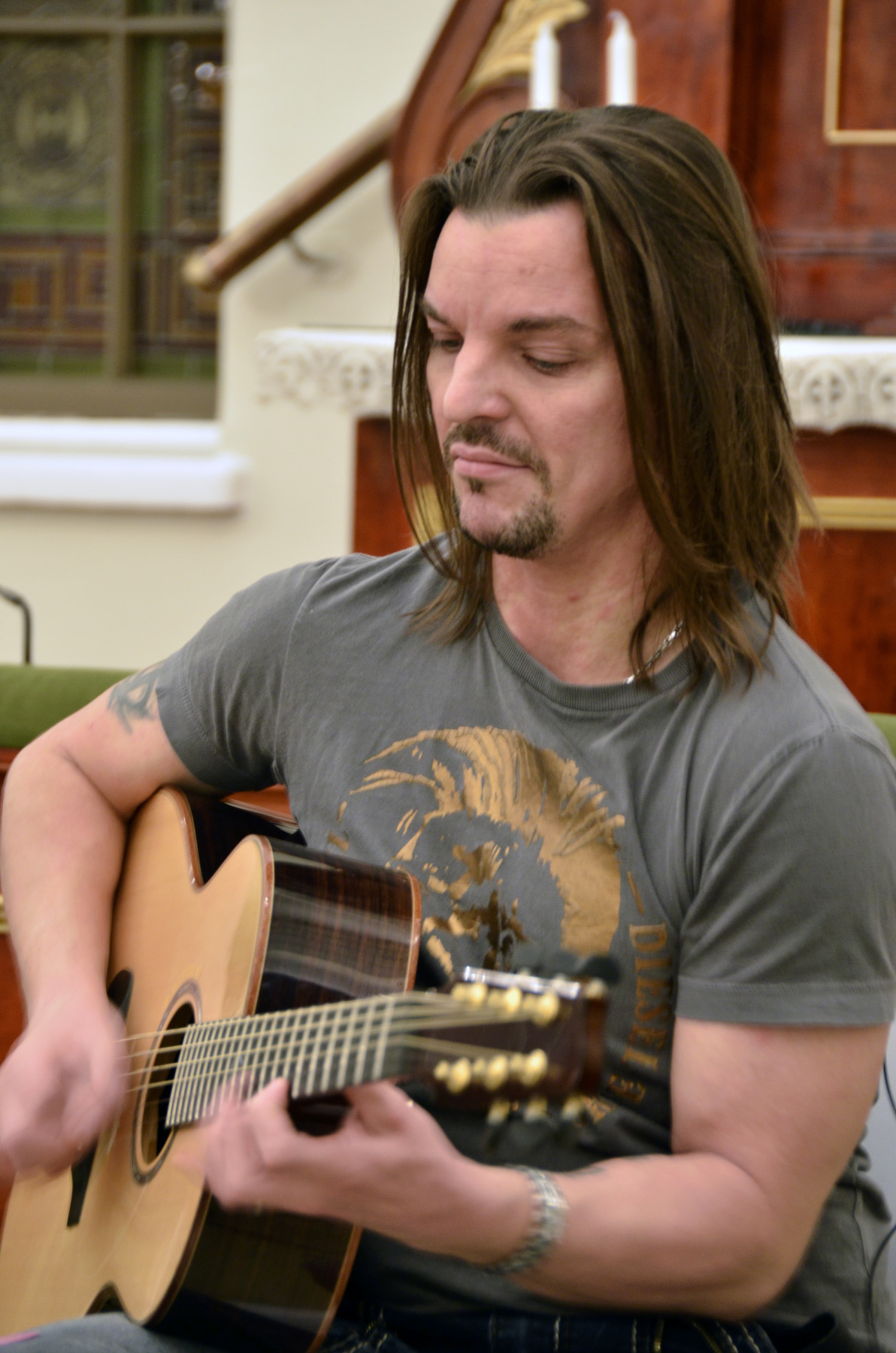
The idea of the Raskasta joulua band was to combine two key elements of Finnish culture: celebrating Christmas and thrashing out metal music. “Many Finnish Christmas songs are quite dark and melancholy compared to carols in the Anglo-Saxon tradition, so they’re surprisingly well-suited to heavier interpretations,” says the father of the idea, guitarist Erkka Korhonen.

The idea of the band Raskasta Joulua was to combine two key elements of Finnish culture: celebrating Christmas and thrashing out metal music. “Many Finnish Christmas songs are quite dark and melancholy compared to carols in the Anglo-Saxon tradition, so they’re surprisingly well suited to heavier interpretations,” says guitarist Erkka Korhonen, who came up with the idea for the band.Photo: Kirsi Elo/Finnish Evangelical Lutheran Mission

“Christmas songs have been performed traditionally in Finland for ever, but we have now two generations who’ve grown up with rock music, so the time’s surely right for heavy versions,” adds Korhonen. “Many Finnish Christmas songs are quite dark and melancholy compared to carols in the Anglo-Saxon tradition, so they’re surprisingly well-suited to heavier interpretations.”

The rockers soon set up regular pre-Christmas gigs, and released the first of their six albums in 2004. The band Raskasta Joulua (Heavy Christmas) has since evolved into a supergroup collective with many regular and occasional members, including legendary Nordic rockers like Marco Hietala of Nightwish, Sonata Arctica’s Tony Kakko, and Elize Ryd from Amaranthe.

Joy and peace for metal-heads

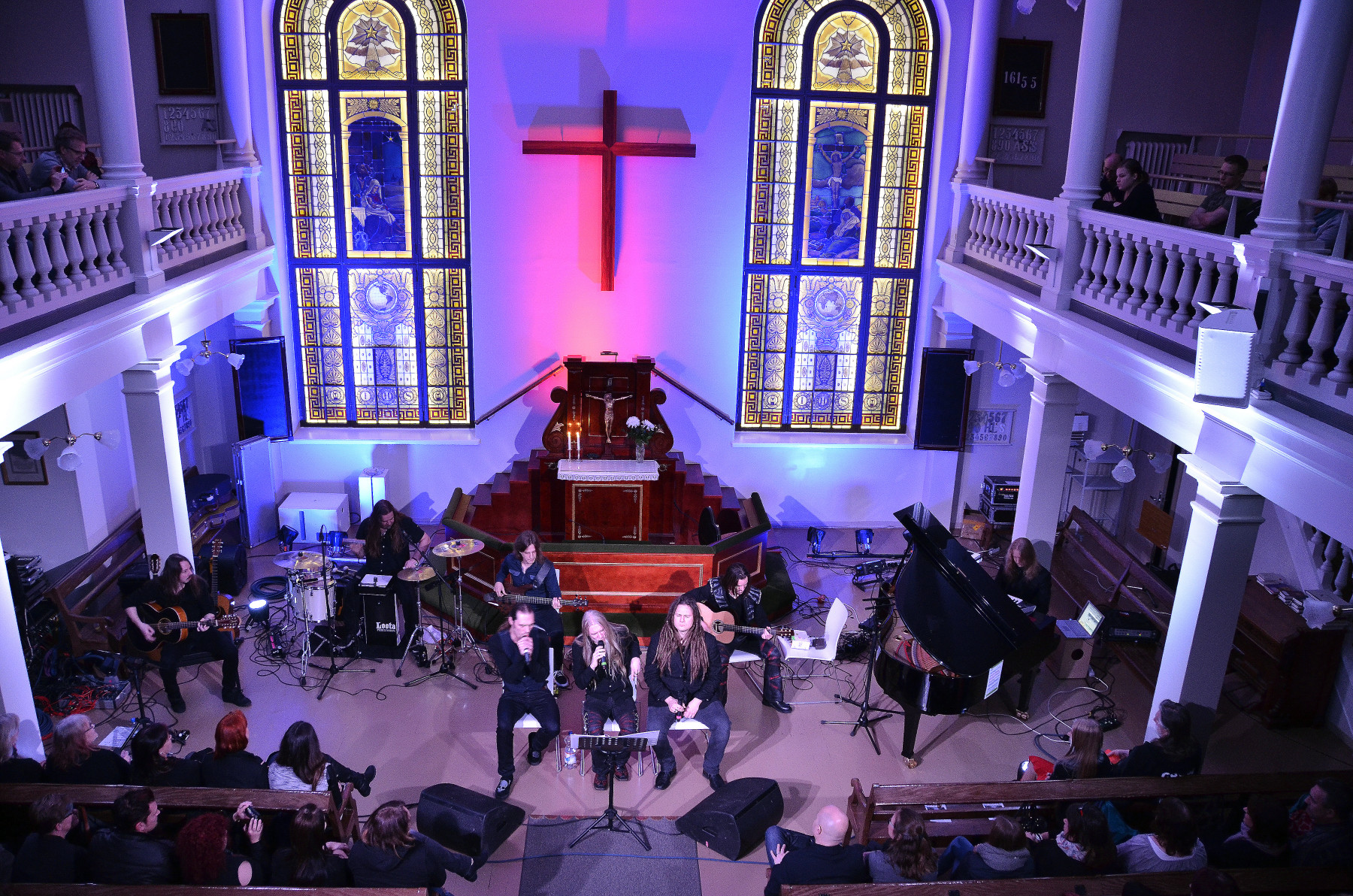
The Raskasta Joulua bandmembers are more used to playing arenas, concert halls and clubs, so they relished the chance to play in an atmospheric old chapel. Altogether the band had 27 gigs in 24 towns. They also have TV appearances, one of which is on Christmas Eve in Finland.

The Raskasta Joulua bandmembers are more used to playing arenas, concert halls and clubs, so they relish the chance to play in an atmospheric old chapel. Altogether the band plays a couple dozen gigs in almost as many towns during the holiday season. They have also appeared on TV on Christmas Eve.Photo: Kirsi Elo/Finnish Evangelical Lutheran Mission

Korhonen emphasises that everyone enjoys getting together at Christmas to enjoy familiar seasonal songs – and heavy rockers are no different. “In fact we’ve been pleased to have young people from difficult family backgrounds tell us that coming to our concerts gives them a nice Christmas feeling they’d somehow missed before,” he says.

Christmas is of course also a time for giving. Since 2013 Raskasta Joulua have enlisted volunteer tin-rattlers to collect donations at their gigs for the annual campaign Kauneimmat joululaulut (The Greatest Christmas Carols), run by the Finnish Evangelical Lutheran Mission (FELM) to raise funds for development projects around the world.

Campaign coordinator Johanna Lillqvist greatly appreciates the rock stars’ efforts. “This year the theme of our Christmas campaign is, appropriately, ‘Peace’,” she says. “Donations will be channelled to grassroots peace-building projects run by FELM and our partners in conflict-torn countries.”

FELM’s mainstream musical campaign involves collecting donations at thousands of popular but more conservative carol-singing services, held in hundreds of churches around Finland at Christmastime. “Last year we raised over a million euros for projects benefiting women, and this Christmas we hope to raise even more for peace projects,” says Lillqvist.

Heavy elves and drummer boys

Erkka Korhonen, Marco Hietala, Tony Kakko and Elize Ryd are not just giving by playing well-loved heavy carols but they also collect donations at their gigs for development projects around the world. This Christmas they are hoping to raise more than a million euros for peace projects.

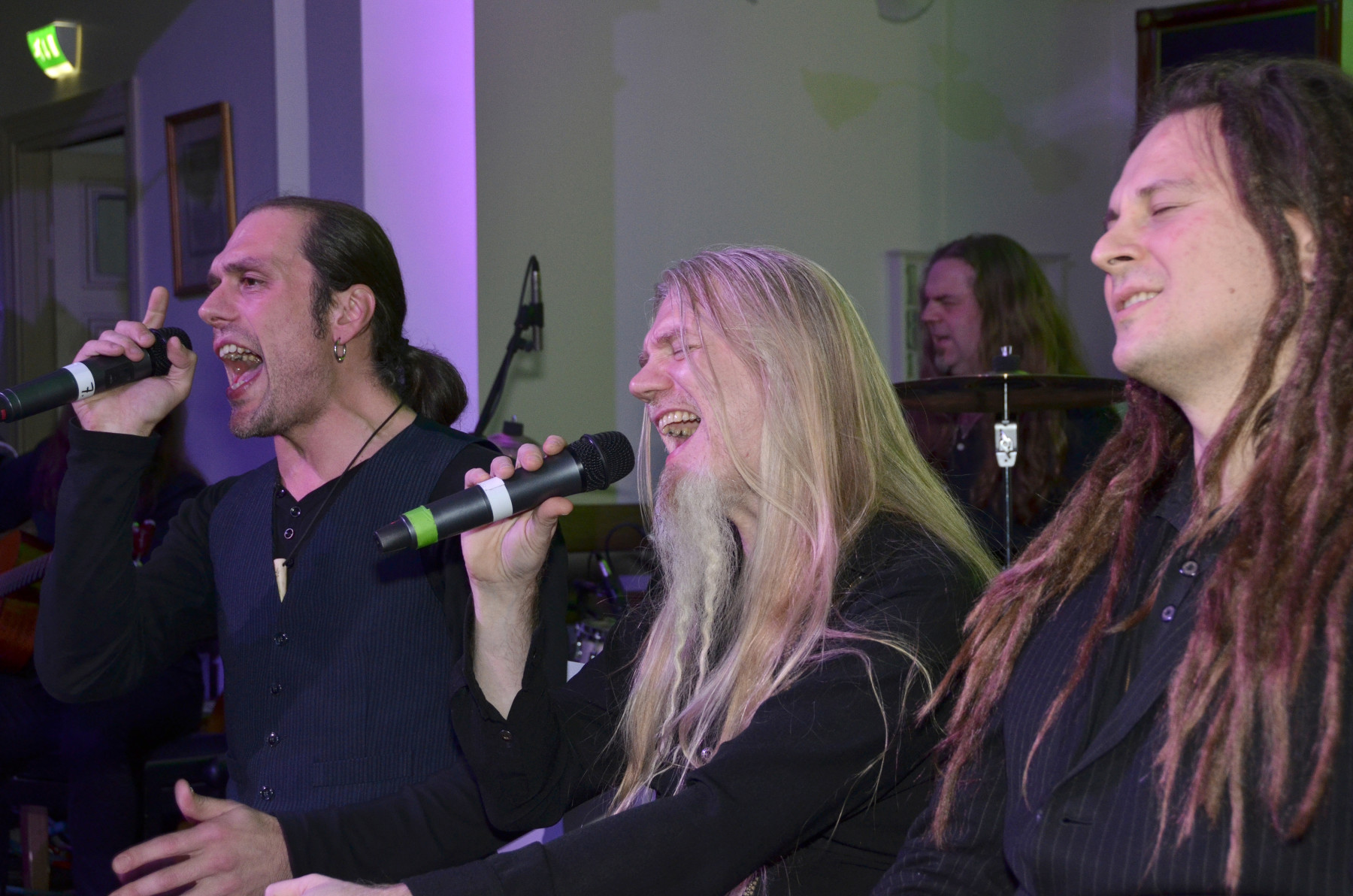
Though this Raskasta Joulua album release party at a Helsinki church was largely acoustic, the heavy musicians let their long hair down in a convivial pre-Christmas spirit, and the church really rocked. From left: J.P. Leppäluoto, Marco Hietala and Ilja Jalkanen. Photo: Kirsi Elo/Finnish Evangelical Lutheran Mission

Released in November 2015, Raskasta Joulua’s album Tulkoon joulu (Let Christmas Come) features arrangements that include acoustic instruments but still have a heavy or prog-rock feel. Finnish translations of ‘The Little Drummer Boy’, ‘The First Noel’ and snatches of the medieval English ‘Coventry Carol’ ring out alongside groundbreaking – and ear-splitting – adaptations of well-loved Finnish songs like ‘Tonttu ei vaan saa unta’ (‘The Sleepless Elf’).

Raskasta Joulua’s back catalogue also includes Raskasta joulua IV (2017) and Ragnarok Juletide (2014), an collection of heavy carols with vocals sung in English, as well as several other, earlier albums.

By Fran Weaver, December 2015, updated December 2018

Christmas Eve in a candlelit Finnish cemetery

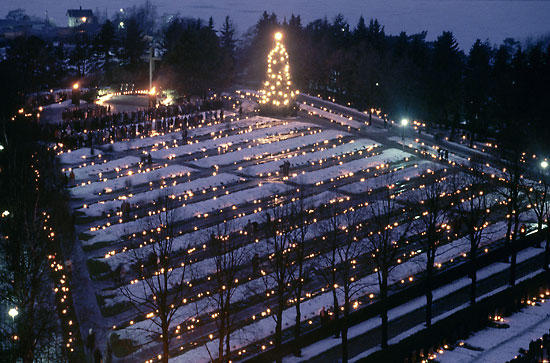
Although going to a graveyard might seem an unlikely activity for the festive season, the sight of hundreds of graveside candles glowing in the snow in a serene wooded cemetery can be surprisingly uplifting.

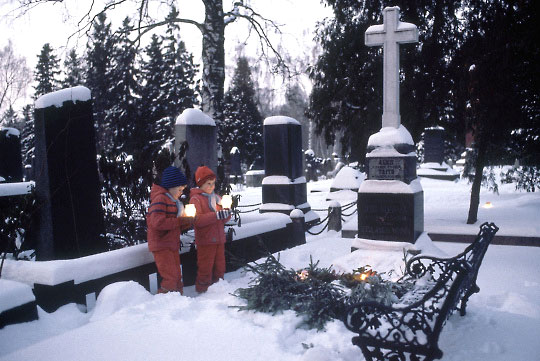
Placing candles on the graves of deceased relatives at Christmastime is a deep-rooted tradition followed by non-churchgoers and members of the Orthodox faith, as well as believers from the majority Evangelical Lutheran Church of Finland. “As many as three-quarters of Finnish families visit a cemetery at Christmas, mostly on Christmas Eve, and we even have to make special traffic arrangements to accommodate the crowds,” says Risto Lehto, who manages six cemeteries run by the Parish Union of Helsinki.

Lehto explains that many people stroll in their local graveyards at Christmas even if none of their relatives are buried there, just to enjoy the tranquil candlelit scene. “Our cemeteries also have memorial features where people can light candles for those buried elsewhere.”

Light in the darkness

2551-cemetery2_b-jpg

People come to the cemetery to pay their respects or just to reflect quietly on the candlelit scene.Photo: Heikki Saukkomaa/Lehtikuva

Though the cemetery may be crowded, the atmosphere is silent and solemn as people quietly reflect on the candlelit scene, and their lost loved ones. “In truth cemeteries are for the living and not for the dead,” says Lehto. “In Finland we really take care of our cemeteries as scenic parks with grand old trees. They’re places where people can enjoy a peaceful stroll, as well as remembering the deceased. Grieving can be a long process, and we like to provide settings where people can gain comfort. Our cemeteries are nothing like the scary derelict graveyards you see in horror films!”

The myriad graveside candles certainly bring light and joy to the scene on a midwinter afternoon, making a secluded cemetery look like a mystic fairy dell. Some people make picturesque natural lanterns around their candles using piles of snowballs or icy covers made of water that has been frozen in a bucket.

Lehto explains that the tradition of putting candles by graves only became widespread in Finland in the 1920s, when candles became affordable. However, the custom of paying seasonal respect to the dead probably dates back much further, and may even have its roots in pre-Christian times – like the pagan tradition of lighting midsummer bonfires, which is nowadays associated with the Christian feast of St John’s Day (Juhannus in Finnish).

A hectic time of peace

2551-cemetery3_b-jpg

The sight of hundreds of graveside candles glowing in the snow in a serene wooded cemetery can be surprisingly uplifting.Photo: Heikki Saukkomaa/Lehtikuva

“In the post-war 1950s, when people wanted to remember those who died fighting to preserve Finland’s independence, putting candles on graves became more common on Independence Day (December 6) as well,” says Lehto. All Saints’ Day (November 1) is another day when Finnish cemeteries radiate with soft candlelight.

“The tradition of visiting the cemetery certainly fits in well with our idea that Christmas is a family festivity, and a time of peace,” says Lehto. “Though actually for most Finnish families Christmas Eve ends up being a very hectic day, with a trip to the cemetery on top of other compulsory rituals like the huge Christmas meal, the Christmas sauna and the eagerly awaited arrival of Santa Claus!”

By Fran Weaver