Shorter season, superior quality

The short Finnish summer and low sun give our produce certain unique features, such as intense flavour and various health properties.

“Many of the foods produced in Finland are not found anywhere else on the planet. Although the yield obtained from vegetable and fruit produce and animal products can be quite low, the growing conditions can create exceptional quality. As a result, our food plants offer not only intense aromas but also numerous immunity-boosting compounds,” says Professor of Food Chemistry Heikki Kallio from the University of Turku.

The reason can be found in Finland’s unusual geographical position. The country lies on latitudes which, in places like Canada and Russia, are usually covered by tundra. Finland is “shifted” south by approximately 2,000 km by the Gulf Stream, which warms the whole of Scandinavia. However, the Gulf Stream has no effect on daylight conditions: The Finnish growing seasons are short and punctuated by severe winters. In the summer, the sun is low and days are long. In Lapland above the Arctic Circle, the sun doesn’t set at all during a certain period.

The warmth of the Gulf Stream combined with the low-intensity daylight and long daylight hours create unique conditions for food growth.

Sea buckthorn is a superfood

Each year, Finnish woodlands produce millions of kilos of wild berries. The Finnish bilberry is particularly popular in Japan and South Korea. One of the reasons is its intense colour and flavour.

Bilberry and certain other berries, such as sea buckthorn, have been found to be beneficial for cardiovascular health. Sea buckthorn oil reduces the coagulation of platelets and dry eye symptoms.
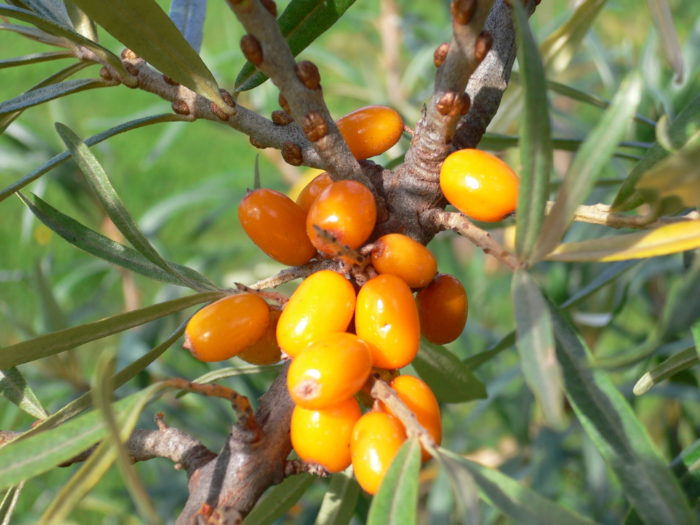
Sea buckthorn grows from north to south, from Kittilä in Lapland to Turku over 800 km away.

Sea buckthorn grows from north to south, from Kittilä in Lapland to Turku over 800 km away.Photo: Maarit Perkonoja

“Sea buckthorn grown in the north contains twice as much vitamin C, one and a half times the amount of sugar, and more phenolic compounds which protect human health. We have also studied sea buckthorn growing at different altitudes in the Himalayas and found that the high-low axis has the same effect on growth as the north-south axis,” Kallio explains.

In the world of spices, caraway is one of the most profitable crops in Finland.

“Finnish caraway is in demand around the world due to its high concentration of carvone, which gives caraway its distinct flavour. In the past, we have compared the roots of Angelica archangelica plants grown in different locations. The plant is used to flavour various products, including the Chartreuse liqueur. We found that A. Angelica grown in Inari in Northern Finland was unrivalled in terms of quality, even though the yield was lower. It looks like stunted growth could actually mean superior quality.”

Top chefs’ picks

What are  your favourite Finngredients?
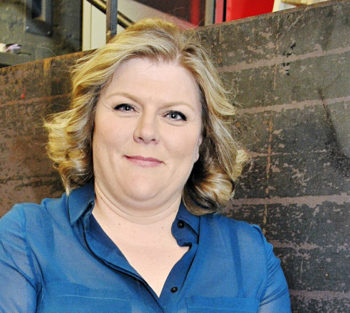
Helena Puolakka is an international culinary super star, who has worked for various Michelin star restaurants and judged for the Top Chef Finland TV series. Currently she works as the Culinary Director at the Company of Cooks.Photo: Tiia Ahjotuli

Venison: “One of world’s finest meats. It has a strong and sophisticated game taste. The meat is tender and can be creatively used for many different purposes and dishes.”

Chanterelle: “An amazing mushroom that embodies the taste of the Finnish forest. It works in salads, sauces or as a side dish on its own. Chanterelle with smoky bacon over a brioche makes a superb main course for a crayfish party. Tastes best when self-picked!”

Jaakko Sorsa works as the Executive Chef at restaurant FINDS in Hong Kong, introducing true Nordic flavors to Asia. He has over 20 years of experience in working in the most demanding restaurants around the world, winning culinary awards and even cooking for royalty.Photo: Aleksandr Slyadnev

Spruce shoots: “Whilst in Finland, I love picking them in the forest, and then serving them here in Hong Kong. Our customers are amazed to be served tiny Christmas trees. It creates a perfect opportunity for sharing stories from back home.”

Perch: “Perch is a sophisticated ingredient, and fishing for perch brings back many memories. It has always been favourite pleasure on our family island, located in one of Finland’s 187,888 lakes. If we caught a 100 fish, Grandma Ida baked two big kalakukkos, a traditional Finnish food where fish is baked inside a loaf of bread.”

By Samppa Haapio, Kaisa Alapartanen, Maarit Niemelä, July 2016
 

Faster, higher, stronger – and free from prejudice

More than 1,500 athletes from around the world are participating in Eurogames Helsinki 2016. While enjoy competing in the Finnish capital they also aim to have lots of fun – and change attitudes.

 Juha Meronen has been mad about sports ever since he was a small boy. “I first started by playing Finnish baseball and even ice hockey – the same games that all young guys played in those days before Playstations existed,” he says.

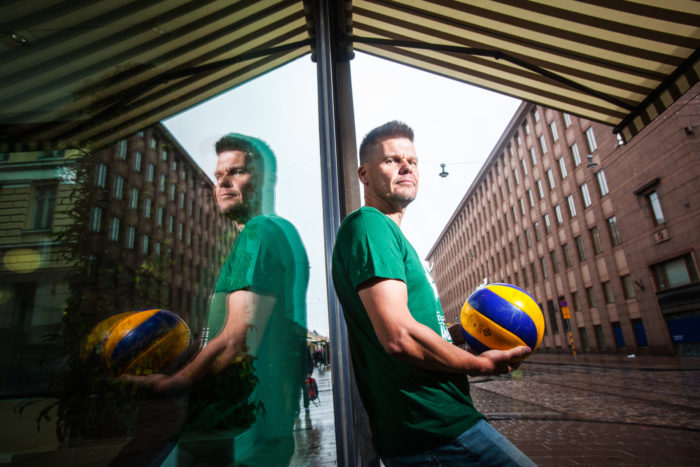
Stereotypes about homosexual athletes run deep. As the Co-President of Eurogames Helsinki 2016 Juha Meronen hopes that such events will help to change outdated attitudes. He welcomes the way that active sportspeople from “conventional” clubs have been keen to help organise the games. Photo: Juho Paavola

Though Meronen never became a top sportsman, his love for sport persisted. At an age when most sports-lovers start to hang up their football boots for good, he just keeps on going. As a longstanding member of the sports club HOT he’s had the chance to try many different sports. Established in 1997, HOT is a Helsinki-based club for gay athletes. Meronen still smashes the occasional winning volley for HOT’s volleyball team, though his main sporting activity these days is a leisurely round of golf.

In addition to being a keen sportsman Meronen is openly gay. “But your homosexuality isn’t really evident out on the golf course. When I play, I just play – and I don’t try and pick up any of the other golfers,” he laughs.

In an ideal world no one would have to make such explanations.

Sport for all

Juha Meronen has taken part in the international Eurogames event for sexual and gender minorities 11 times. This year’s event will be held in his hometown Helsinki at the turn of June and July, with Meronen as the proud Co-President of the games.

“The sport is the main thing, but nothing will be taken too seriously. Participants range from keen beginners to dedicated athletes who practise every day. It’s really more of a social event – though medals will certainly be awarded,” he says.

The 16th Eurogames are the first to be held in Finland.Photo: Mika Ruusunen/ EuroGames Helsinki

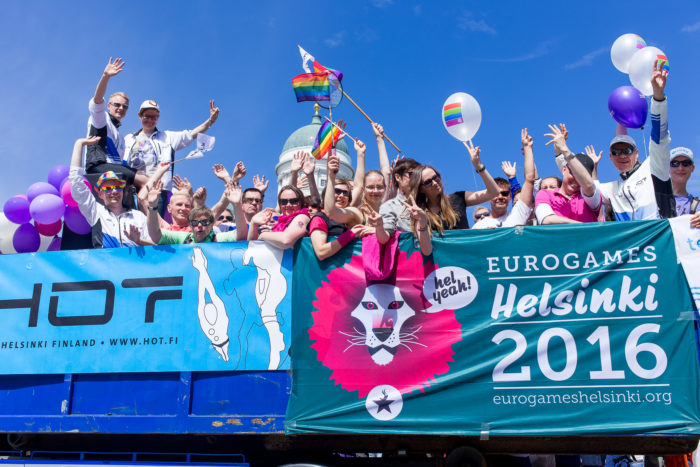
The games are being held to coincide with Helsinki’s Pride week. Though many Eurogames athletes will be competing mainly for fun, with a twinkle in their eye, many of the participants coming to Helsinki really mean business.

“For many participants Eurogames is the only event where they can compete with people like themselves. You don’t have to wonder what the others might be thinking, and for this reason many people take the sport very seriously,” says Meronen.

Though homosexuality is no longer so frowned upon today in many countries, in the sporting world gay athletes often have to think carefully about whether they dare to come out of the closet. “Prejudices still persist, especially in team sports,” says Meronen. “Some people think that gay players might not play hard enough, or that they would pinch their teammates’ bottoms or stare at them in the shower.”

The Eurogames event is also giving work to many sports activists from “conventional sports clubs”, as Meronen describes them. Their attitudes have generally been enthusiastic and positive, with a few sorry exceptions. “The chairman of one club asked how they could defend the participation of their junior members in a gay event… This kind of attitude is why we need an event like Eurogames,” explains Meronen.

Room for improvement

About 1,500 people will take part in Eurogames Helsinki 2016, including several transgender athletes, as well as gays and lesbians. “Though we don’t check in any way who is what…” Juha Meronen adds.

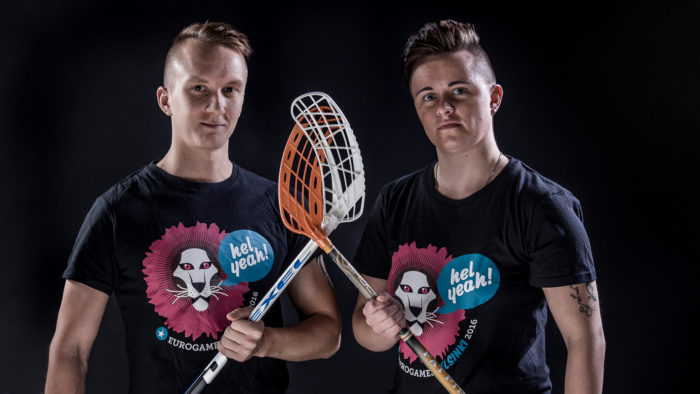
The Eurogames athletes will compete in 14 different sports in Helsinki: athletics, badminton, basketball, bowling, bridge, cross-country running, dancing, floorball, football, golf, squash, swimming, tennis and volleyball.Photo: Mika Ruusunen/ EuroGames Helsinki

Meronen feels that Finland and Helsinki make a good venue for such an event. Though laws permitting gay marriage were only finally approved in 2015, the situation here is much more favourable than in many other countries. You can even show your feelings toward the person you love on the street without fear of any violent response to your sexual orientation.

“There’s really been a lot of progress. I think getting equal marriage rights recognised in parliament represented the final defeat for the opponents of gay rights, who were ultimately forced to give in,” he says.

Though Meronen gives Finns a good overall rating in terms of their tolerance of sexual minorities, he feels there is still some room for improvement. “The whole debate in Finland is still very heteronormative. It’s assumed that everyone should have or want a wife and kids. But this isn’t how everyone is, or what everyone wants,” he says.

The pink money comes to town

Juha Meronen welcomes the support the organisers have received from the City of Helsinki. The President of Finland Sauli Niinistö is the event’s patron, the Mayor of Helsinki Jussi Pajunen will speak at the opening ceremony, and the city’s sports department has helped to provide facilities and venues, while the Ministry of Education and Culture has provided financial backing.

Photo: Mika Ruusunen/ EuroGames Helsinki

“In 2014 the 7,000 participants in the Gay Games held in Cleveland in the USA spent some 35 million dollars in the host city during the games. Helsinki has well understood that with just a little investment up front you can bring in a lot of big spenders,” says Meronen.

In Helsinki the Eurogames athletes will work up a good sweat, enjoy the thrills of competition, and remind everyone that during most sports events there’s no time or need for players to worry about the sexual orientation of their opponents or teammates.

Meronen hopes that events like Eurogames will continue to be so successful that one day they will no longer be needed: “Our dream is that gay athletes will feel they can compete freely together with all other athletes. But I think that in 20 years we’ll still be holding Eurogames, because there’s so much fun and socialising involved – and this is important when it comes to sport.”

During Eurogames Helsinki 2016 (29.6—2.7.2016) everyone is welcome to come and join in the fun at the Eurogames Village at Kansalaistori Square, between Helsinki Central railway station and Helsinki Music Centre.

By Juho Paavola, June 2016

A unique filming location

Reliable services with diverse filming spots makes Finland a perfect setting for movie makers.

It is not just likeable festivals, such as the Midnight Sun Film Festival in Sodankylä, that Finland offers the international movie industry. As a film location, Finland provides diverse landscapes, four distinct seasons and unique natural conditions; everything is within easy reach of cities and accessible.

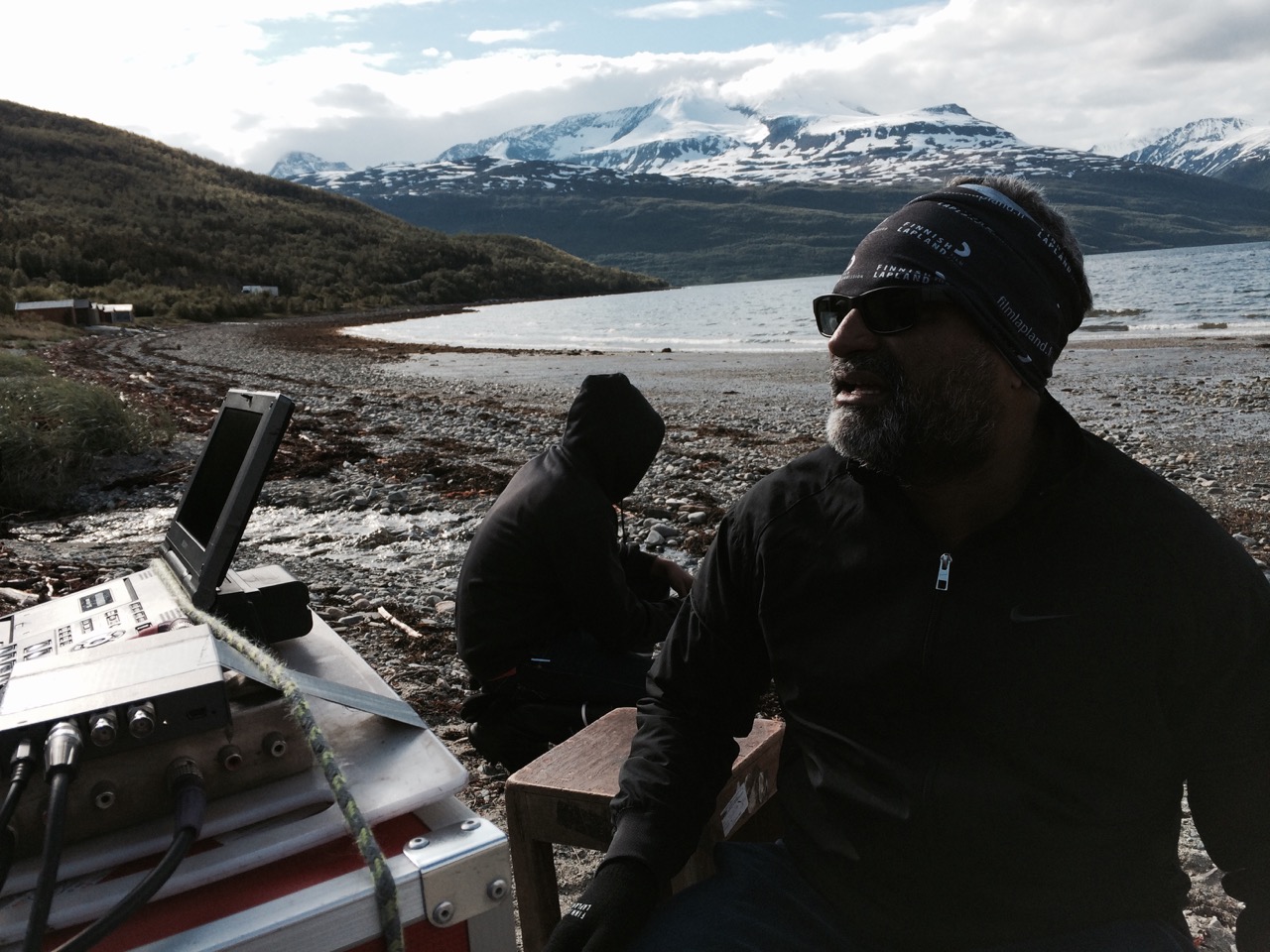
Summertime in Lapland offers impossibly fresh air, wonderful colours, endless daylight and the occasional herd of reindeer clopping leisurely down the middle of the road. In 2014 saw a very different burst of activity in the area, however, when a Bollywood film crew set up shop here to shoot scenes for its latest blockbuster, Shamitabh. Not only did the region host the largest producer of films in the world, but also its biggest star: Amitabh Bachchan.

“We are very proud at Snapper Films that we got the opportunity to work on the film,” states Juha Wuolijoki, producer and CEO of Snapper Films, the Finnish production company that collaborated with the Bollywood team. “Finland is a perfect location and is a total contrast to the Indian locations of the film. The director, R. Balki, and the producers were excited: we were shooting in June and were able to find snow for the filmmakers in northern Lapland.”

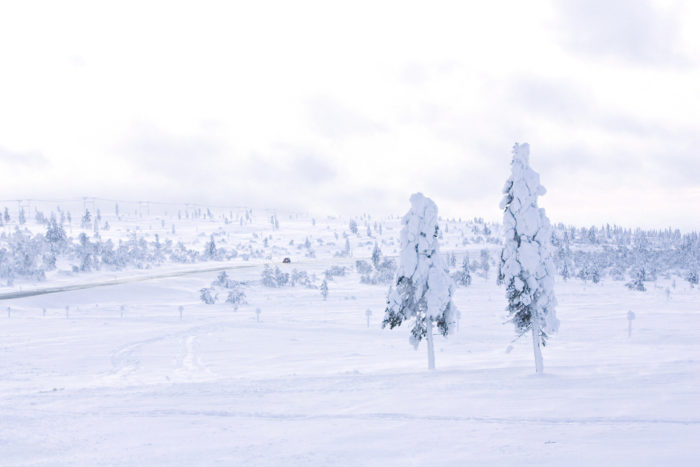
The seasons boast midnight sun and a cold winter with guaranteed snow. In the north, the low angle of the sun creates a unique lighting ambience and magical hours.Photo: Seppo Saarentola/Otavamedia

Local support

The production employed 30 Finnish crewmembers and an additional 70 Finns working side-by-side with the Indian crew in all departments of pre-production and production. The Director of Photography for the Finnish shoot was Peter Flinckenberg, who has been awarded the prestigious Spotlight Award from the American Society of Cinematographers. This high calibre of expertise extended to the rest of the local team.

“Finnish crews are very knowledgeable,” states Johanna Karppinen, CEO of Audiovisual Finland, the organisation responsible for promoting the Finnish film and audiovisual industry. “They have this entrepreneurial spirit and multitask much more than in other countries. All the visiting productions praise their attitude.”

The director of the Shamitabh , R. Balki, and the producers were amazed that they were able find snow for the shoots in Finland in June.Photo: Snapper Films

Similarly, the Bollywood director was extremely satisfied with the filming experience.

“R. Balki was really, really happy,” Karppinen states. “He said he wants to come back to Finland. Apart from coming to shoot, he would like to bring his family.”

Easy to locate

Shamitabh is just one of many international productions that have been drawn to the Arctic beauty of Lapland over the years, including Julio Medem’s Lovers of the Arctic Circle (1998) and Joe Wright’s Hanna (2011). Meanwhile, Karola Hattop’s Snow Queen (Die Schneekönigin, 2014) was nominated for two German TV Awards.

The Bollywood film also shot scenes some 900 kilometres south, where the diversity of the Finnish capital continues to attract a variety of foreign filmmakers.

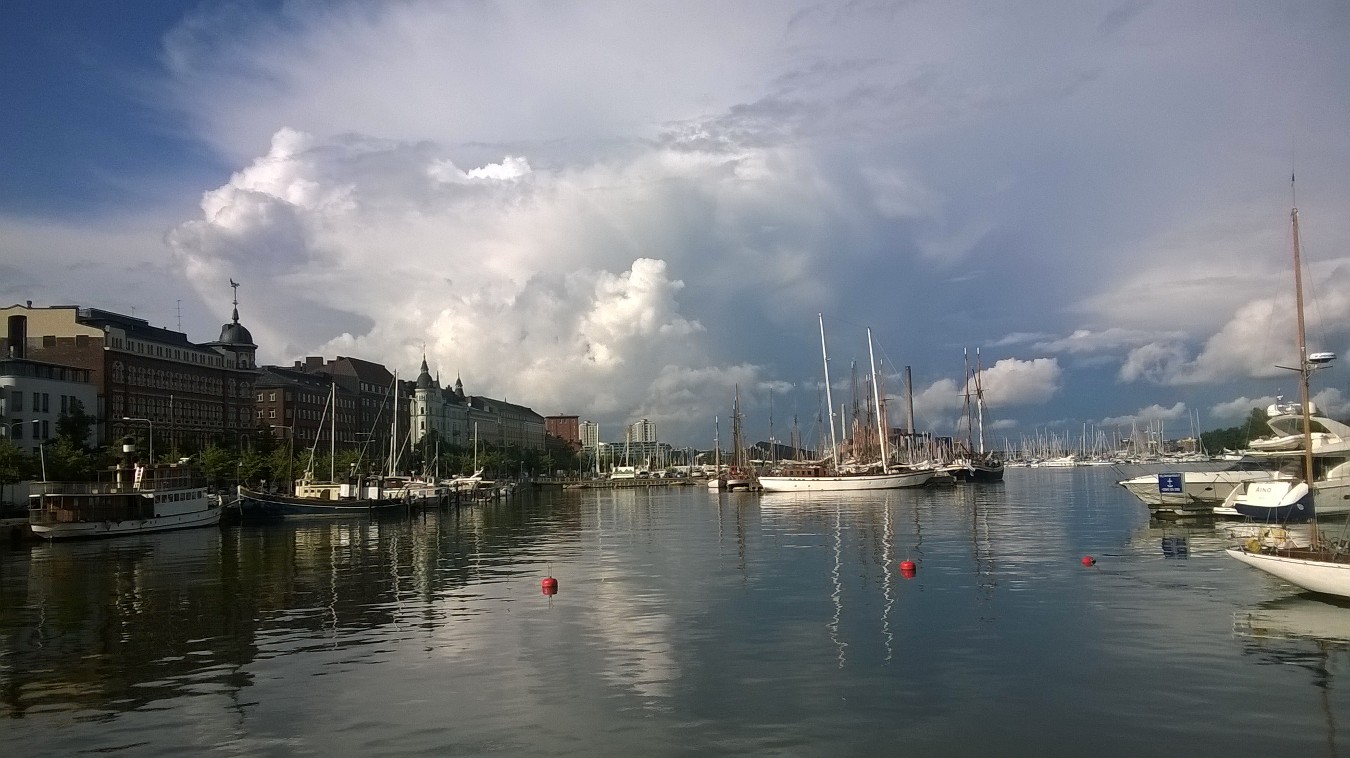
“There’s really great architecture in Helsinki,” Karppinen says. “There’s different styles: really modern, but also classical and functional. It has a lot to offer town-wise.”

Nature is not all Finland offers for filmmakers. The efficient working culture, problem solving attitude and excellent infrastructure promote smooth creative work, even in the most demanding conditions.Photo: Erja Raiskila/ThisisFINLAND

Many renowned directors over the years have agreed. David Lean lensed part of his Hollywood classic Dr Zhivago in Helsinki in the 1960s, and Jim Jarmusch’s Night on Earth (1991) and Peter Greenaway’s Eisenstein in Guanajuato (2015) shot scenes here. The nation’s capital has also doubled for the Soviet Union on occasion in the likes of Warren Beatty’s Reds (1981), Michael Apted’s Gorky Park (1983) and Christian Carion’s Farewell (2009).

Creating incentive

While Finland doesn’t currently offer the same rate of financial incentives for filmmakers as a number of other regions, talk is increasing of introducing them in future. Currently, VAT of 24 per cent is deductable, and international co-productions are eligible for considerable production support from the Finnish Film Foundation when a Finnish co-producer is involved.

“Every year there are several international co-productions with Finland being the main producer,” Karppinen states. “There is also a network of film commissions here who are the experts of each region and who provide free-of-charge assistance in making a visiting film crew’s life easier. They help in finding suitable locations, local crew and services. There’s a lot to discover in Finland.”

Perhaps the most important of which is the ease in which filmmakers can perfect their craft here.

“Finland is known for being a country that just works,” Wuolijoki observes. “The airplanes, trains and buses run on time. There are no hidden charges in restaurants. Filming permits are usually easy to get and are inexpensive. The locations are diverse, from Lapland snow, to forests and lakes and cities by the coast.”

By James O’Sullivan, June 2016

Notable international productions that have filmed in Finland

Shamitabh (India, 2015)

Eisenstein in Guanajuato (Netherlands, Mexico, Finland, Belgium, France; 2015)

Snow Queen (Germany, 2014)

Hanna (USA, UK, Germany; 2011)

Farewell (France, 2009)

Lovers of the Arctic Circle (Spain, France; 1998)

Night on Earth (France, UK, Germany, Japan, USA; 1991)

Gorky Park (USA, 1983)

Reds (USA, 1981)

Dr Zhivago (USA, Italy, UK; 1965)

Nokia’s tradition of adaptability

Once the world’s largest mobile phone company, Nokia has always been able to reinvent itself. The history of the Finnish technology giant dates back to Mid 19th century.

Nokia is the name of a weasel, river, town and Finland’s most famous company. Today the name is indelibly connected with mobile phones, but Nokia has a long and diverse history filled with innovation.

Early history: wood, rubber and cables

Many of Finland’s largest companies began in the forestry business, and Nokia is no exception. The roots of the company date back to 1865 when Fredrik Idestam established a wood pulp mill close to the town of Tampere.

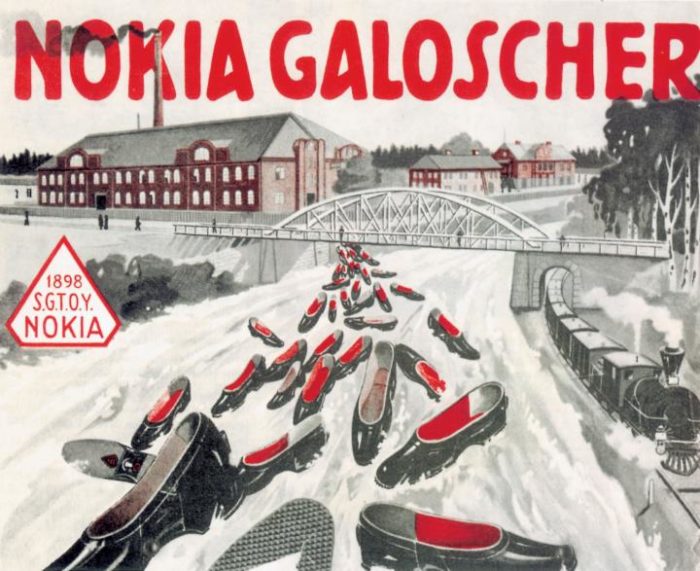
The Early days of Nokia are mostly known for their rubber boots, which were added to the company's selection in 1898 when Nokia was bought by Eduard Polon, who also owned Finnish Rubber Works. After a while he added a third company, the Finnish Cable Works, to Nokia.

The Early days of Nokia are mostly known for their rubber boots, which were added to the company’s selection in 1898 when Nokia was bought by Eduard Polon, who also owned Finnish Rubber Works. After a while he added a third company, the Finnish Cable Works, to Nokia.Photo: Nokia

In 1898 the forestry company Nokia was purchased by Eduard Polon, who also owned the Finnish Rubber Works. To these two companies Polon soon added a third: the Finnish Cable Works. Polon made good use of the Nokia brand name, which told Finns that they were buying Finnish products and not imported Russian ones.

The three companies may have had a common ownership, but they were not formally merged until 1967. By this time Nokia produced much more than industrial cables, rubber and wood pulp. In particular, CEO Björn Westerlund invested in electronics and telecommunications. He even encouraged researchers to work on their own projects, something very similar to Google’s famous policy of today.

The future is telecommunications

Nokia was involved in communications beginning in the 1960s. This evolved into radio and military communications, telephone networks and finally mobile phones by the 1980s.

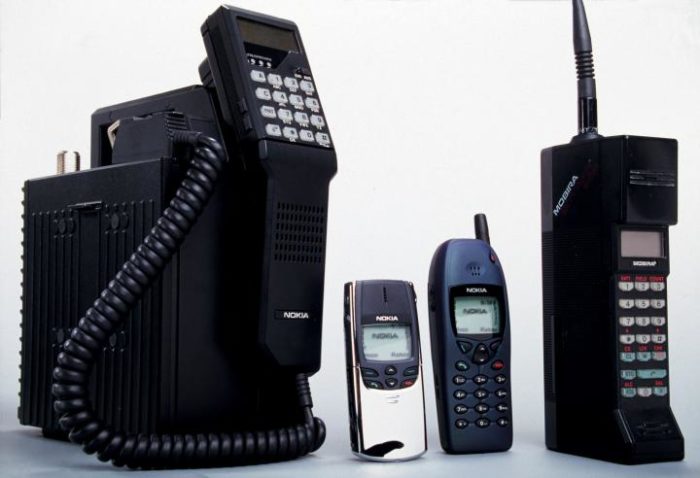
Nokia was already involved in communications from the 1960's, and mobile phones were first added to the product line up in the 1980's. In 1987 Nokia launched the world's first hand held NMT-device, Mobira Cityman. A few years before Nokia had launched the world's first portable car phone, Mobira Talkman.

Nokia was already involved in communications from the 1960’s, and mobile phones were first added to the product line up in the 1980’s. In 1987 Nokia launched the world’s first hand held NMT-device, Mobira Cityman. A few years before Nokia had launched the world’s first portable car phone, Mobira Talkman.Photo: Nokia

During the 1980s Nokia expanded greatly throughout Europe, primarily through acquisitions. Yet the conglomerate model ran into problems and they sold other divisions such as forestry, televisions and computers. The rubber business was spun off into Nokian Tyres, which is still a thriving Finnish company today.

Jorma Ollila became CEO in 1992 and decided to focus solely on telecommunications. Nokia was a key developer of the GSM mobile standard, which was adopted widely throughout the world. This specialism in a new digital standard helped Nokia overtake the dying analogue market, and Nokia passed Motorola to become the largest mobile phone maker in the world in 1998.

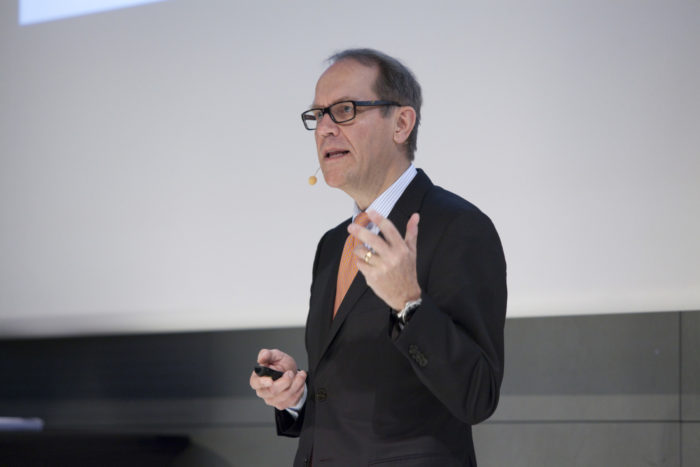
Jorma Ollila, who became Nokia's CEO in 1992, was the key person in taking Nokia to next level, telecommunications. During Ollila's era Nokia became the largest mobile phone maker in the world.

Jorma Ollila was the key person in taking Nokia to next level, telecommunications. During Ollila’s era Nokia became the largest mobile phone maker in the world.Photo: MFA


Top of the world

Nokia couldn’t have done it without Finland. The country doubled public R&D spending, which benefited many companies. Nokia also worked closely with Finnish universities, not only in research but also with educators to develop needed skills in students. In fact, during some years Nokia hired practically every Finnish engineering graduate. Finally, Finland liberalised regulations and encouraged international competition.

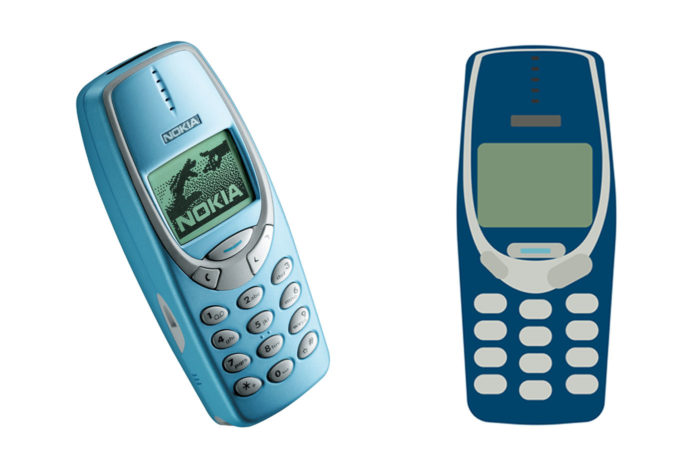
The legendary Nokia 3310 is noted for its great games, including Snake and Space Impact. It sold almost 130 million units. ‘The unbreakable’ was honoured with FINemoji when thisisFINLAND released set of Finland emojis.Photo: Nokia and ThisisFINLAND

At its height, Nokia contributed 23% of all corporate taxes in Finland and 20% of all exports. They were directly responsible for over 2% of all jobs and were indirectly responsible for quite a bit more. In 2000 Nokia even became – albeit briefly – the most valuable company in Europe.

The word “Nokia” became a synonym for “mobile phone” in many places around the world. Finland, through Nokia, developed a reputation for high technology and high quality. Even today the popular Nokia 3310 model is jokingly called indestructible.

Back to the future

Nokia controlled about 40% of the mobile phone market in 2007 when Apple entered the fray. Nokia couldn’t compete against the iPhone experience and worse problems came from Google and Android. An attempt to switch to the Windows operating system made matters worse, not better, and in 2014 Nokia sold off their mobile device business to Microsoft.

New CEO Rajeev Suri now focused on network telecommunications, and the purchase of Alcatel-Lucent made Nokia the second largest company in the industry. They also continued their high-tech exploration in sectors like health care, mobile applications, tablet computers and professional cameras for virtual reality applications.

New Nokia focuses on network telecommunications, and the purchase of Alcatel-Lucent made Nokia the second largest company in the industry. Nokia also operates in other sectors of high-tech such as health care, mobile applications, tablet computers and cameras for virtual reality applications.

New Nokia focuses on network telecommunications, and the purchase of Alcatel-Lucent made Nokia the second largest company in the industry. Nokia also operates in other sectors of high-tech such as health care, mobile applications, tablet computers and cameras for virtual reality applications.Photo: Nokia

Many people still missed the old Nokia phones, and their dreams were answered in the spring of 2016. A new company, HMD, will create Nokia-branded mobile phones and tablets using the Android operating system. People have been wishing for a marriage of Nokia products and the Android operating system for years, and now they will finally get their chance.

By David J. Cord, author of The Decline and Fall of Nokia, June 2016

Feeling at home in Finland

“Husu” first came to Finland in the 1990s as a Somali teenager. After overcoming obstacles in integrating, he has become a spokesman for the immigrant population.

Journalist, interpreter, politician, social pedagogue – Abdirahim “Husu” Hussein is a man of many roles but there is one main reason that he gets out of bed each morning:

“To make the world a better place,” he declares. “I’m changing one person at a time. But before I change anyone, I change myself; it’s about being a better human being every day. If I find a piece of glass lying on the street I make sure I remove it, so it won’t bother people that are coming after me.”

This is an apt metaphor for the more than two decades he has lived in Finland.

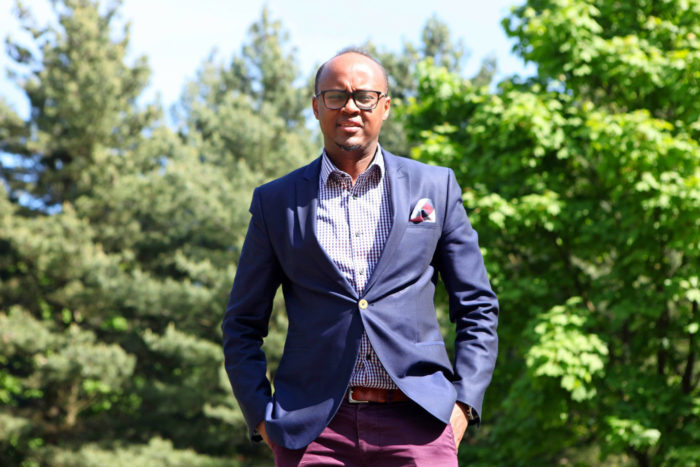
Journalist, interpreter, politician and social pedagogue Abdirahim Hussein has gradually emerged as a spokesman for the immigrant population in Finland since arriving here from Mogadishu 22 years ago. Photo: James O’Sullivan

Hussein has gradually emerged as a spokesman for the immigrant population here since arriving from Mogadishu as a teenager. Not content with being a passive newcomer, he remains adamant that regardless of age, country of birth, religion, mother tongue or profession, everyone in Finland must be treated as individuals.

Overcoming obstacles

Back in 1994, settling into life in the Turku region posed a considerable challenge for Hussein. Then, Finland was emerging from an economic depression, with its homogeneous population ill-prepared for integrating the refugees that had begun arriving on its doorstep.

It didn’t help that society’s minority fringe began loudly channelling their misguided frustrations in the direction of these newcomers.

Yet, in the face of such adversity, Hussein saw his new country of residence as a land of opportunity.

Almost everything you needed was here, as long as you were a part of the system,” he recalls. “Coming from a place that never had this, it was a shock – studying for free, getting medical for free, having a house and rights, and being able to speak your mind without being prosecuted.”

According to Abdirahim Hussein the key to getting his own voice heard and to land his first job was to speak Finnish. It was not an easy path but worth it.

According to Abdirahim Hussein, the key to getting his own voice heard and landing his first job was to speak Finnish. It was not an easy path, but it was worth it.Photo: Emilia Kangasluoma

Hussein quickly realised he would first have to speak the local language before his own voice would be heard.

“I learned Finnish more by talking and having friends and reading books than going to class,” he recalls. “But it was a very hard process; it is still very difficult to master the language.”

Hussein’s linguistic skills helped him to land his first job, a summer post for students caring for the elderly. It was eye-opening for him to see society’s oldest members left in the care of others, in contrast to the family-orientated community that he grew up in.

Whilst some might find such cultural differences difficult to reconcile, Hussein nonetheless was determined to be an active member of society, eventually adding kitchen hand, waiter, cleaner, salesman and taxi driver to his resume, and going on to study social sciences at university.

Time to talk

Much of Hussein’s success is attributable to his headstrong approach. However, when looking at his fellow immigrants, it was clear that not all were integrating as well as he. Hussein recognised that he had to do something about this.

“If you want to make the world a better place, the first thing you have to have is some kind of political power,” he says.

Hussein entered the political arena in 2005 as a member of the Centre Party. Setting out to show that there was a place for everyone in Finland, Hussein emphasised that he, like his fellow “new Finns,” could also not be easily categorised. Alongside being an African, he was also a Muslim, a father, a heterosexual and a meat eater – not merely an “immigrant.”

Hussein subsequently found another prominent avenue for engaging the public in lively discussion, teaming up with comic Ali Jahangiri for the weekly radio programme Ali ja Husu (Ali and Husu). Approaching Finnish society and phenomena from the immigrant perspective, the duo filled the nationwide airwaves with humour and insight for 3 and a half years, before eventually stepping away from the mic in 2016.

Pure happiness

Meanwhile, Hussein has remained active in numerous community projects. Perhaps the most notable of these is Moniheli, the immigrant-run NGO he cofounded, which brings multicultural organisations together to further their interests.

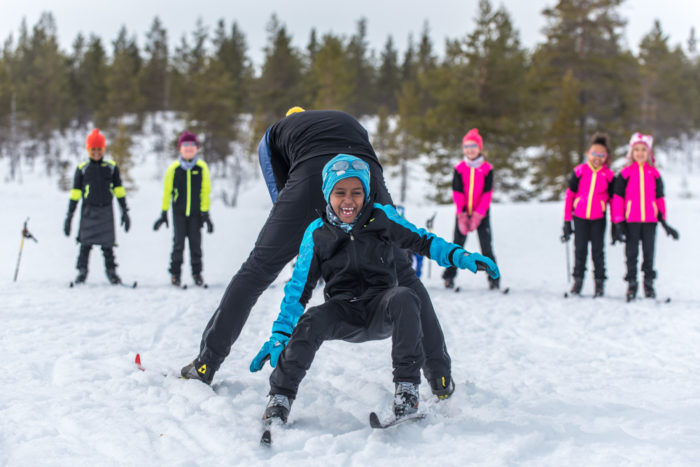
The ways of integrating immigrants to Finnish society have changed a lot since Husu Hussein came to Finland in the 1990s. Here immigrant children are getting familiar with winter and snow by taking part in cross-country skiing lessons. Photo: Otto Ponto

He has also begun expanding his sphere of influence by helping to export Finnish knowhow, bringing local goods and services to East Africa as a junior consultant for Finnish Consulting Group.

And so, amidst this tireless trailblazing, one wonders what Hussein does to unwind, exactly.

“My family relaxes me the most,” he says without hesitation. “I don’t have the luxury of taking them around the world, but we are happy with what we have.”

By James O’Sullivan, June 2016

Seeking asylum is a long process

The amount of people seeking asylum in Finland increased enormously in 2015, from 3,651 in 2014 to 32,476 in 2015. In 2016 there were 2,628 asylum seekers between January 1 and May 1. In 2015, most asylum seekers came from Iraq, Afghanistan and Somalia.

Applying for asylum in Finland is a long process. In 2015, asylum applications were processed, on average, in 284 days. There are over 21,000 applications under way at the time of writing, so it is impossible to predict how long the processing will take in the future.

In 2015, according to the Finnish Immigration Service, a total of 7,466 decisions were made concerning asylum seekers. 1,628 seekers were granted asylum, 251 other residence permit, 1,094 were refused. Thousands of asylum seekers have returned voluntarily, mostly to Iraq and Afghanistan.

You may seek asylum if you have a well-founded fear of being persecuted in your home country. The Finnish asylum application procedure is explained here.

If you are allowed to stay in Finland, you will receive a residence permit card and be placed in a municipality. If you are not allowed to stay in Finland, you must leave Finland and the Schengen Area.

The Arctic movie

Imagine a relaxed movie festival in an exotic setting with a sunlight round the clock. Welcome to The Midnight Sun Film Festival, where top directors, up-and-coming talent, an international audience and everyday folk come together under the midnight sun. No frills, just pure love for cinema.

This festival takes place in Sodankylä, a village located in the heart of Finnish Lapland, some 120 kilometers into the Arctic Circle. Films are shown in four venues for 24 hours a day – timeless masterpieces are presented alongside the most engrossing contemporary films, and music films are taken to a new level in the karaoke screenings.

As dark as it gets.Photo: Jonne Sippola

In 2015, a year before turning 30, the festival was acknowledged with the first EFFE Award as “one of the twelve trend-setting festivals in Europe”. It was said to boast one of the most unusual atmospheres of any festival in the world, which is understandable when you consider that the famous Kaurismäki brothers are amongst the festival’s founders.

Finnish films to watch

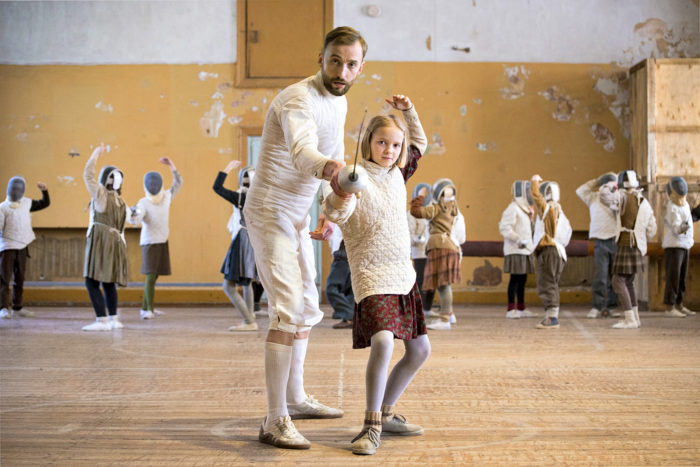
The Fencer

Photo: Making Movies

In the early 1950s, an ambitious young fencer, fleeing from Stalin’s secret police, finds himself teaching rural children in an Estonian coastal village. Director Klaus Härö’s touching drama premiered in Finland in March 2015, and has been nominated for the Golden Globe Award in the Best Motion Picture – Foreign Language category. The only other Finnish film nominated for a Golden Globe Award was The White Reindeer, which was triumphant in 1957.

Iron Sky: The Coming Race

Photo: Making Movies

Iron Sky 2 is a dark science fiction comedy inspired by conspiracy theories. It is a sequel to the 2012 cult hit Iron Sky and includes both new and familiar characters. The movie is directed by Timo Vuorensola, who is a firm advocate of crowdsourcing. The film is written and produced together with its future audience, making the production process and outcome one of a kind. The clever crowdfunding campaigns had raised near to one million dollars by the end of 2015. The release of Iron Sky: The Coming Race is scheduled for 2017.

By Maarit Niemelä, June 2016

Game on! The 9 most important Finnish video games in history

Many people are surprised to learn that Finland’s gaming culture it a lot older than they think.

In fact, the history of Finnish gaming, and the roots of today’s success can be traced all the way back to the early 80s.

Remedy’s megahit Max Payne has been acclaimed for its gameplay and revolutionary bullet time, but most fans remember it fondly thanks to its storytelling.Photo: Remedy

With the introduction of home computers, many tech-savvy Finns found a new hobby in creating games for the Commodore VIC-20 and Commodore 64. Programming for these computers was easy, and unlike the games of today which require huge teams, a single person was able to create gaming magic. Counterfeits of popular games were common, but there was plenty of originality and experimentation to be found in games of this era.

The spirit of individual experimentation evolved into a thriving demoscene, which laid the groundwork for commercial success. Many of Finland’s rising stars, such as Terramarque and Bloodhouse, got their start in the tight-knit demoscene. Once Nokia’s mobile devices hit the scene in the late 90s, Finland’s position within the game industry rose exponentially, and the rest is history.

Which were the games that helped put Finland on the map? Let’s take a trip down gaming memory lane and have a look.

The revamped Helsinki City Museum opens doors to Helsinki’s past

In Helsinki City Museum visitors are transported back through time to see how people lived in the Finnish capital during different ages. The museum is open every day, with free admission.

Helsinki City Museum’s expanded main complex is more than just a museum, since it has been designed to be a living room where anyone can come to work in pleasant surroundings, have a coffee, or just hang out. This oasis is located right in the historic heart of Helsinki by Senaatintori (Senate Square), a stone’s throw from the Mayor’s official residence. The museum complex encompasses five buildings in the same block, built between the 1750s and the 1920s.

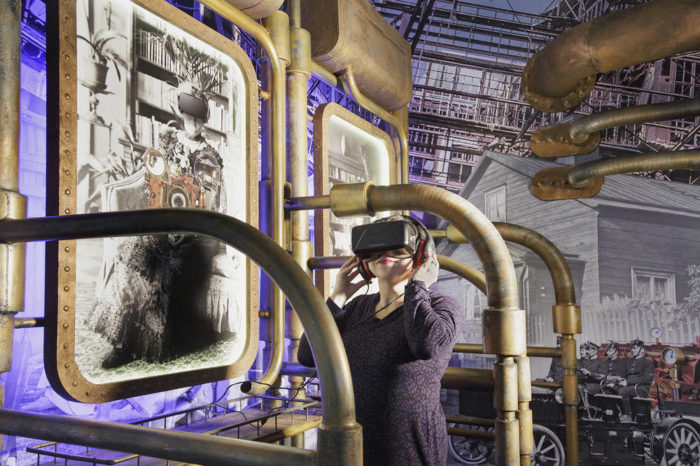
A time machine takes visitors back to through history using modern virtual reality technology. Photo: Maija Astikainen

A trip through time to bygone Helsinki

The journey through Helsinki’s history starts on the first floor, where images captured by photographer Signe Brander a century ago come to life in the museum’s time machine. Using 3D glasses visitors can discover how much the city has changed over the years.

The City Museum’s collections contain more than a million photos of Helsinki, including many taken more than a century ago. Snapshots obtained from family albums and many professional photographers have been compiled in the museum’s picture archives. An online version of the archives has more than 40,000 images for viewing.

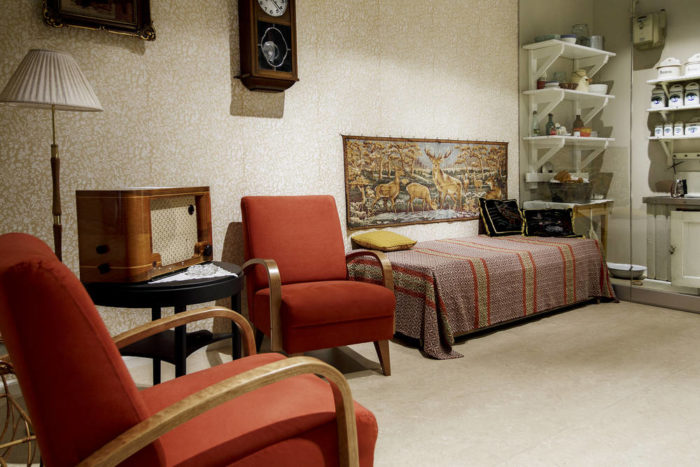
A nostalgic 1950s-style Helsinki home forms part of the Helsinki Bites exhibition.Photo: Maija Astikainen

The Helsinki Bites exhibition on the second floor takes museum-goers back to a typical Helsinki home in the 1950s and a local bar from the 1970s, to a soundtrack of old songs related to the city and radio broadcasts from the fifties. One room is completely taken up by a 90-year-old miniature model of Helsinki as it looked in 1878.

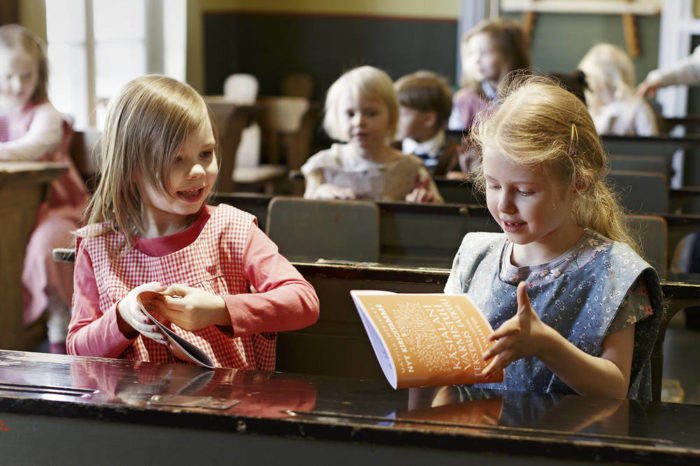
Visitors of all ages can freely touch and feel all the objects displayed in the Children’s Town section on the 2nd and 3rd floors. Here kids can play, draw, try on costumes, go to school in an old-fashioned classroom, and visit a granny’s house from the 1970s. The Children’s Town has been created in Sederholm House, the oldest building in the museum complex, built in 1757.

Go back to school as it was in the old days in the classroom in the Children’s Town exhibition. Photo: Maija Astikainen

Relics from ill-fated affairs

The museum’s fourth floor will house temporary exhibitions, starting with the travelling Museum of Broken Relationships. This exhibition features donated personal possessions that people from Finland and other countries had earlier kept as mementos of terminated affairs. These keepsakes are presented together with the stories behind them, written by the broken-hearted lovers themselves.

Romantic relics on show include rings, cuddly toys, an unfinished woolly hat made by a former boyfriend, various clothes, maps, and even an exercise bike. So many objects were donated by Finnish ex-lovers that they couldn’t all fit in the exhibition, and some are instead illustrated and explained on the website brokenships.fi.

The Museum of Broken Relationships was first dreamed up by two Croatian artists after they ended their mutual affair ten years ago. The exhibition has already toured 40 cities in 30 countries, but Helsinki is its first port of call in the Nordic countries.

Helsinki City Museum, Aleksanterinkatu 16

  • Free entry
  • Open every day
  • Temporary exhibitions on the fourth floor
  • All facilities accessible to disabled visitors
  • Space to work or sit down and relax
  • Free Wi-Fi
  • Shop
  • Café

By Anna Ruohonen, May 2016