Innovative space technology from Finland

Iceye is an ambitious Finnish startup that wants to disrupt traditional earth imaging with its radar-carrying microsatellites. The radar images transmitted from space can be received in minutes or hours, not days.

Sometimes your life can be changed by a single event. That’s what happened in 2010 to Pekka Laurila, an Aalto University engineering student in his early 20s. Browsing online, he spotted a notification saying Aalto University Department of Radio Science and Engineering was running a new type of satellite course, aimed at building the first Finnish satellite. [Editor’s note: On April 18, 2017, Aalto University’s two-kilogramme Aalto-2 became the first Finnish-built satellite to be launched into space, part of an Atlas V launch from Cape Canaveral, Florida.]

Little did Laurila know that he would later become the CFO and co-founder of Iceye, a startup with 20-plus employees. It’s meant for developing real-time radar imaging services delivered straight from space via microsatellites launched into orbit in a carrier rocket.

Innovative space technology
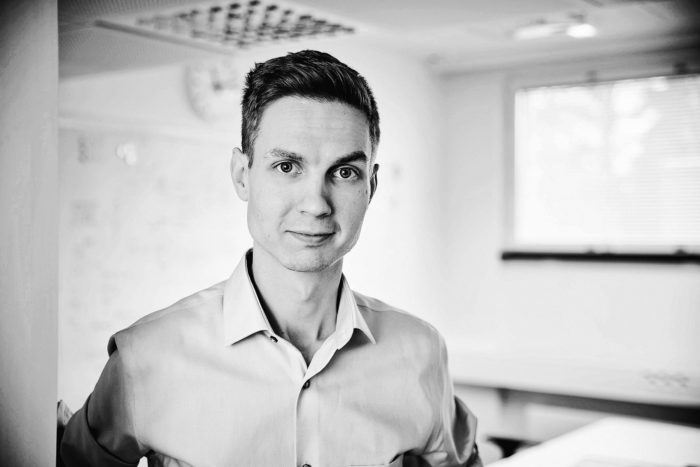
Iceye’s founder Pekka Laurila is ardently in love with satellites.Photo: Iceye

Yes, it’s partly rocket science. And from a wider perspective, it’s innovative commercial space technology that could change the way shipping lines monitor the sea ice and iceberg situation in Arctic seas, the way rescue crews get timely information on flood and storm damages and oil spills. Ultimately, this satellite-based radar imaging technology could even help us map other planets for resources.

But let’s not get ahead of things. Let’s go back to the days when Laurila was attending the university satellite course. How did he end up establishing a business of his own with two other students in 2012?

“In the student satellite project we realised you don’t need a lot of people and money to build a satellite. Later we started looking for ways to utilise this new satellite technology commercially, and came up with various ideas. There was big demand for services where our earth imaging expertise could be put to use,” Laurila says.

“One particular application area – Arctic seas and monitoring of the ice situation – stood out from the rest. There was strong demand for this from potential customers.”

Having completed the business course, Laurila and his mates embarked on a two-year validation project. It was aimed at building a prototype to demonstrate the technology required for providing the envisioned radar imaging service.

“Iceye is a spin-off of this prototype project. Since we made the original prototype at Aalto University, they are one of the owners of our company. Aalto University has good and transparent technology transfer rules, and everything worked out really well,” he says.

Iceye offices are still located on Aalto University campus, allowing Iceye staff to work in close collaboration with the University’s Space Technology group.

It’s all about updating speed
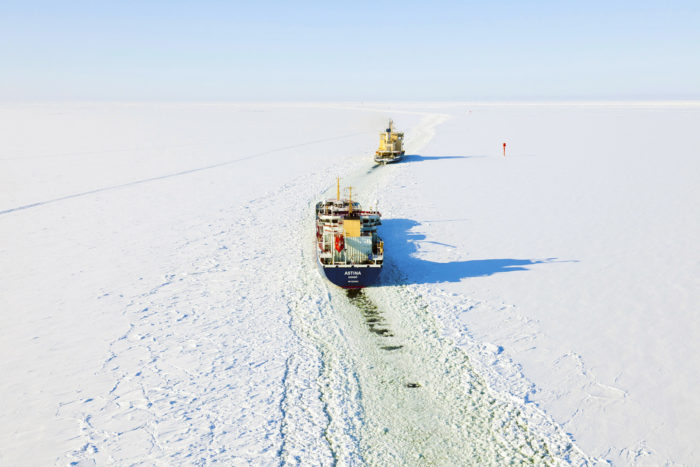
Photo: Jari Kokkonen/Vastavalo

Arctic seas are vast areas where infrastructure is sparse and little real-time information is available on the environment.

If an oil rig is drilling for oil, the owners need to know in real time how sea ice moves. If shipping lines and oil companies want to see the location of ice and cracks in real time, they have to send out a helicopter or an airplane, which is costly. But the risk involved in a vessel and its cargo getting stuck in ice is so big that the owners are willing to invest in getting ice information quickly.

Few governmental radar satellites exist, but their updating speed for ice information is low. In an operation, one image per day is not enough.

Small satellites are the answer because they are made of ordinary off-the-shelf components that can make them up to hundred times cheaper than governmental weather satellites. With lower unit cost, they can be operated in a swarm that delivers good quality images more often.

Growth is the only option

When the technology and business plan started taking shape, it turned out the system could do a lot more than serve only the Arctic seas. It was time to shift the focus into doing more global business.

“It’s still early days. So far we have made a Proof of Concept satellite, and later in 2017 we hope to be able to demonstrate it in orbit,” Laurila says.

“The best benefit we offer is speed. When you need images from a flooded area,  you must get information fast. Our timescale is hours, not days,” he says.

To get the update speed, several satellites are needed. A swarm of approximately six satellites is required to cover arctic sea areas.

Iceye manufactures the satellites and delivers them to a commercial launching firm that loads them into a carrier rocket which takes them into orbit.

“Our business is growing continuously. For us, big-scale global business is the only option. In five years’ time, we must have at least 20 satellites in the sky. That’s a realistic goal.”

By Leena Koskenlaakso, ThisisFINLAND Magazine 2017
Startup Refugees innovate and integrate in Finland

Typical news stories about refugees are often negative in one way or another. They rightly detail the horrors refugees face, or describe how the host country is struggling to cope. The organisation Startup Refugees certainly thinks so.

“Startup Refugees was conceived by Riku Rantala and Tuomas Milonoff,” explains Camilla Nurmi, coordinator for the program. “During the filming of their Madventures travel series they came across new talents and skills that Finland did not have. They realised that refugees to Finland were a brain gain instead of just a social and financial challenge. These refugees could bring new business ideas into Finland.”

Meeting skills and needs

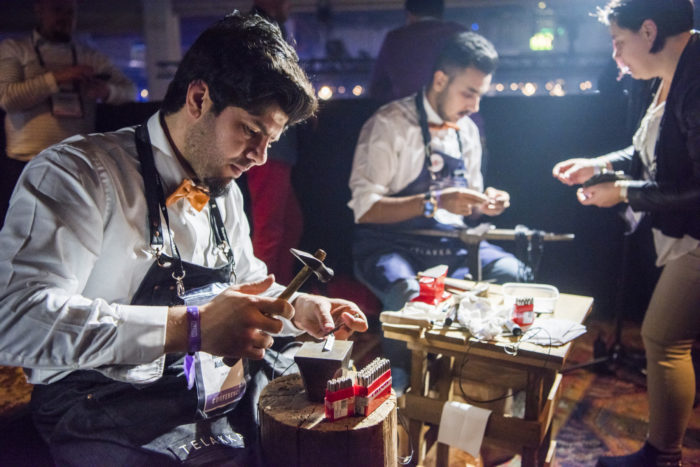
At Slush, some Startup Refugees members make and sell bracelets with customised messages.Photo: Kai Kuusisto/Slush

The response to Startup Refugees was enthusiastic: within two weeks the project had signed up government ministries and departments, NGOs, private individuals and more than 250 companies to offer their services. The refugees loved the idea as well.

“During our first visit to a reception centre, everyone was interested,” Nurmi says. “We gathered their skills and background and asked what they wanted to do. Now we have collected over 1,000 profiles in six cities and have over 20 reception centres wanting to participate next.”

Once a refugee has filled out a profile, his or her needs are matched with what the program’s partners have offered. The Startup Refugees website lists more than 70 partners – organisations such as mobile gaming company Supercell, think tank Demos, Hanken School of Economics, mentor-on-demand app Heippa and Aalto University’s Startup Centre, as well as several government ministries.

Refugees can seek legal help, advice on bureaucracy, mentors, networking and funding for their business ideas. While all these things are necessary for living in Finland or opening a business, refugees can get something even more important from the program.

Changing lives

Slush gives the members of Startup Refugees the opportunity to meet and network with thousands of other entrepreneurs, investors and students. Photo: Esa-Pekka Mattila/Slush

“Startup Refugees is amazing,” says Mustafa Abdulameer. “It changed my life. Without their support I couldn’t develop myself, educate myself or discover more skills about myself.”

Abdulameer comes from Iraq. He is an energetic person, but found himself in a Finnish refugee centre with nothing to do. This forced inactivity was frustrating, mentally debilitating and depressing. When he heard about a new program looking for volunteer translators he immediately signed up.

All of Abdulameer’s boundless energy suddenly found a positive outlet. He quickly became involved in Startup Refugees, working as a translator, organising data collections and helping other refugees with all sorts of things.

“I don’t like to say I help anyone,” Abdulameer says. “I simply share what help others have given me. If I receive some useful knowledge, I have to share it with others.”

Refugee-managed businesses

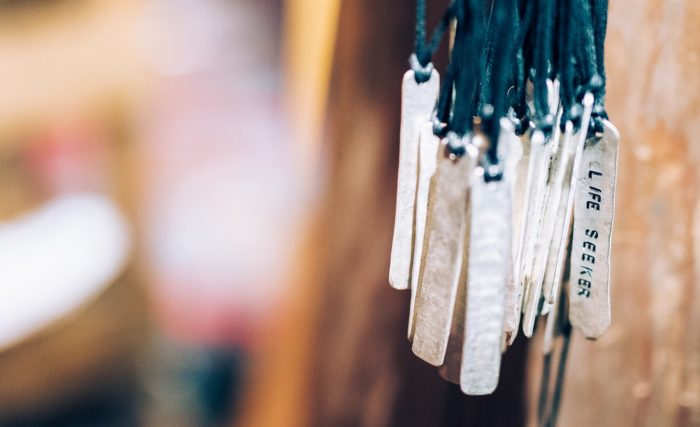
Customers can pick their messages for these customisable bracelets made by the people of Startup Refugees. A sample bracelet reads “life seeker.”Photo: Jussi Hellsten/Slush

Startup Refugees has fully immersed itself in Finland’s well-developed startup ecosystem. The refugees have a variety of business ideas, such as repairing mobile phones or making traditional handicrafts from their home countries.

“One great idea is Baghdad Barbers,” Nurmi says. “The Middle East has a fantastic beard tradition, but here people don’t know how to take care of beards. Hipsters with big beards can go to Baghdad Barbers and get grooming techniques that Finland does not have. There are also services for Muslim women who can get their hair done in private.”

Abdulameer has found several jobs through Startup Refugees; he has worked with Baghdad Barbers and he has done modelling. The program has also helped him to overcome his fear of public speaking. He has pitched his business idea in front of audiences and even found himself sharing a stage with government ministers.

“I have a five-year plan,” he says. “I want to start my own import-export business. I don’t mean only products or technologies, but even ideas and systems. Finland has so many amazing things that would solve problems in my native community. I also want to continue my education and get a master’s degree. Finally, I want to continue working with Startup Refugees. I want to help improve the lives of refugees and change the whole system of integration of asylum seekers for the better.”

By David J. Cord, April 2017

American teacher gets lost and found in Finland

“My relationship with Finland is probably similar to the relationship you have with your family members,” writes American teacher, author and education blogger Tim Walker in his book Lost in Finland (S&S, 2016). “You know all of their annoying habits and their hidden faults, but at the end of the day, you have deep affection for them.”

Walker, now living in the northeastern Finnish town of Kuopio, is in his fourth year in Finland, which does not seem like a particularly long time to those of us non-Finns who have spent several decades in the country. Yet he’s already on his second book: Teach Like Finland: 33 Simple Strategies for Joyful Classrooms is published by W.W. Norton (April 2017 in the US and May 2017 in Europe).

Writer by coincidence

Taking a coffee break: Finnish teachers turned out to be more laidback than Tim Walker had expected.Photo: Riku Isohella/ Velhot/Finland Promotion Board

His impressions of his host country – and especially those related to its education system – have already garnered an impressive amount of Finnish and international attention. Entries on his blog, Taught by Finland, rarely register less than several hundred likes on Facebook, often significantly more, while his online contributions to The Atlantic also reach a wide audience.

So it comes as a surprise to find out that his writing reputation evolved almost accidentally.

“I didn’t have a job when my Finnish wife and I bought one-way tickets to come and live in Finland,” he says. “It wasn’t until I was offered a job as a fifth-grade teacher in a Helsinki public school that I started to think it might be cool to write about Finnish education from within the system – while I still didn’t actually know much about the system. I deliberately restricted what I was reading on the subject so that I could try to be fresh. I had only really read one text on the topic, and that was a book by Pasi Sahlberg, Finnish Lessons: What Can the World Learn from Educational Change in Finland?

Learning moments

Inside a Finnish classroom: All around the world, Finnish teachers have a great reputation, says Tim Walker.Photo: Riitta Supperi/ Keksi/Finland Promotion Board

Walker might not have anticipated the blog’s popularity, but he knew that a widespread interest in Finnish education existed, especially among Americans. Taught by Finland responded to that interest.

“I could start a blog out of professional interest about the different experiences and lessons I was learning myself,” he says. “Over time, more and more people discovered the blog, and then I began to write more widely on the subject, for example as a contributor to The Atlantic. But I had never seen myself as a writer before coming to Finland. I was experimenting to start with, keeping it as a public journal. But it was nice to see that people seemed to find it interesting.”

Whereas Lost in Finland, which Walker describes as a “fun side project,” deals deftly and amusingly with the perceived quirks and idiosyncrasies of Finnish life, his newest publication, Teach Like Finland, “is a professional book where I can share my expertise as a teacher.”

Sidestepping the stereotypes

Of his first book, “Lost in Finland,” Walker says, “I wanted to describe my own personal experience of how I found Finns to be.”Photo: David Popa

Perceptions of the Finnish character are often clouded, rather than clarified, by generalised stereotypes. Only someone who had never been to a Finnish rock festival or other public gathering could insist that all Finns are quiet and reserved, for example. While learning about the stereotypes fairly quickly, Walker set out to avoid making deliberate reference to them.

“When I started writing, I wanted to take my anecdotes and personalise them,” he says, “and to tell the reader, this is how I have gotten to know Finnish culture – not to state that these are the stereotypes and generalizations. I’ve read other texts by foreigners who are quite direct in repeating those stereotypes. I wanted to write something that was more open to interpretation that perhaps the reader might connect with. I thought it would be more strategic to write a set of stories. I wanted to describe my own personal experience of how I found Finns to be.”

All around the world, says Walker, Finnish teachers have a glowing reputation for being the best. “One of the things that shocked me was how relaxed Finnish teachers could be. I’d understood they were always on task, never taking a break, and they would be busy all the time.”

His wife had spent time as a substitute teacher and told him that Finnish teachers often go to the lounge, drink coffee, and flick through magazines. “Since I’ve been in Finland, in just about every school I have visited, I have seen teachers doing just that, taking it easy in the lounge,” says Walker. “I also found that I could be more healthy and relaxed if I did the same thing.”

By Tim Bird, April 2017

Meet Finland’s new gene genie

One of Finland’s brightest young talents unlocking the mysteries of the human genome is Henna Tyynismaa, whose frontier research is making important new breakthroughs for personalised medicine.

Something potentially revolutionary is brewing in the Petri dishes on the fifth floor of Helsinki’s Biomedicum research centre. Here Henna Tyynismaa and her team are studying the genetic causes of a group of diseases characterised by progressive stiffness and spasticity of the lower limbs.
The Petri dishes contain patients’ motor neurons that have been differentiated from skin cells that were first reprogrammed into stem cells.

“Motor neurons are much easier to study in a dish than in a patient’s body!” quips Tyynismaa, a rising star in the research of genetics and molecular neurology.

Rapid advances are being made in this emerging field, including innovations in testing methods that enable scientists to pinpoint the genetic causes of medical disorders and – eventually – develop precision treatments for individual patients.

“When we started this research four years ago, it was uncharted territory in Finland. Since then, we have found several mutations that are causing these axonal disorders. Some are triggered by as many as 70 different genes. We have even found new, previously unknown genes,” Tyynismaa says.

Getting personal

“Our experience with rare diseases will help us solve the mysteries of the common ones,” says Henna Tyynismaa.Photo: Aleksi Poutanen

Tyynismaa’s work is part of a paradigm shift that is going on in the clinical world today.

“Thanks to next-generation gene technology and the shrinking cost of reading DNA, the next five years will bring major developments to our understanding of the mechanisms that cause diseases,” the researcher states.

In the not-so-distant future, a routine visit to the physician could be radically different from the one-size-fits-all approach of today.

“Tomorrow, when a patient comes to a clinic with certain symptoms, instead of performing the traditional run of expensive tests, we will simply use genome sequencing to identify the mutant genotypes responsible for the disorder,” predicts Tyynismaa.

This is what is called personalised medicine: an approach that emphasises the uniqueness of each patient’s particular disease risks.

While genomic diagnostic methods are advancing rapidly, a vast amount of work still needs to be done before DNA sequencing can be applied routinely to deliver targeted cures for individual patients.

“But every time we identify a disease gene, we understand a little bit more about the underlying mechanisms. This doesn’t translate directly into treatments yet, but there have been cases where we have been able to offer suggestions – for instance we can target a known pathway with an existing drug. These cases are rare, but it’s a promising start,” she says.

DNA treasure trove

Tyynismaa believes Finland has the potential to become a global leader in genomic diagnostics.

“But we have to convince policymakers that it’s a cost-effective option,” she says.

A clear advantage for Finland – in addition to being an established forerunner in genetic research – is its well-organised healthcare system.

“Luckily people in Finland are very willing to participate in genetic studies,” says Tyynismaa.

Another goldmine for medical researchers is Finland’s unique gene pool.

“It’s very limited, and we have specific diseases that aren’t present anywhere else, which is excellent for research. There has been lots of overseas interest in Finnish biobanks,” she says.

Genetic destiny

Photo: Aleksi Poutanen

With quiet determination, Tyynismaa has steadily risen to the forefront of her field. After publishing an award-winning PhD, she secured a position at Helsinki University as post-doctoral research fellow, followed by tenure as academy research fellow, being the first ever to hold the two positions simultaneously – and all before turning 40.

“I fell in love with genetics back when I was studying for a high school biology exam. From the day I realised that there are people who research for a living, I knew it was the life for me,” she says.
Tyynismaa modestly credits her success to “patience, hard work and Finland’s education system.”

She also praises pioneers such as the late Leena Peltonen-Palotie, one of the world’s most influential geneticists.

“Leena was a tremendous inspiration to many of us. Finland has had great people spearheading our genetic research right from the start,” she says.

Science as teamwork

Tyynismaa is a member of many parallel research projects, including the MitoLink group, a network of young independent mitochondrial scientists from Northern Europe.

The members of this group work at different universities studying various aspects of mitochondrial biology, from basic biochemistry to specific human diseases. An extensive range of research methods and model systems are in use, from fruit flies to patients’ motor neurons.

“Science today is all about collaboration. Pooling our different types of expertise is the fastest way to get results and EU funding,” according to Tyynismaa.

While science has made impressive headway identifying the genes that cause rare health disorders, we are still far from unlocking the genetic mysteries behind the world’s most common – and costly – diseases.

“There’s a great deal of work to be done in this area, but I’m confident that our experience with rare diseases will help us solve the mysteries of the common ones, too – and perhaps one day cure them.”

This is how we do it

Excellent 
technology

Photo: Merivaara

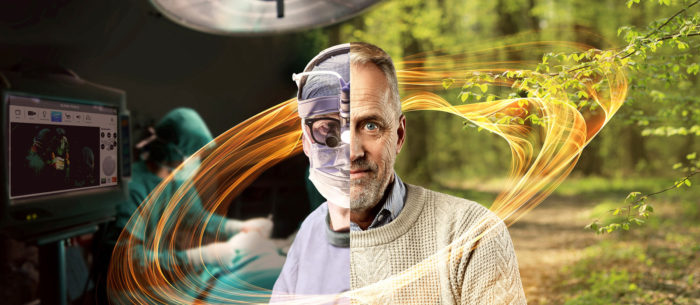
Hospitals in over 120 countries rely on Merivaara, a Finnish health tech veteran with over 100 years’ experience designing hospital furniture and systems. Their user-friendly surgical tables, medical lights and integrated Operating Room (OR) systems are designed to enhance comfort, helping the surgical team focus on what they do best. Their latest innovation, Merivaara Fluent™, brings sweet simplicity to the OR by integrating a variety of devices and panels in a logical, easy-to-use smart interface.

Support for 
cancer patients

Photo: Netmedi

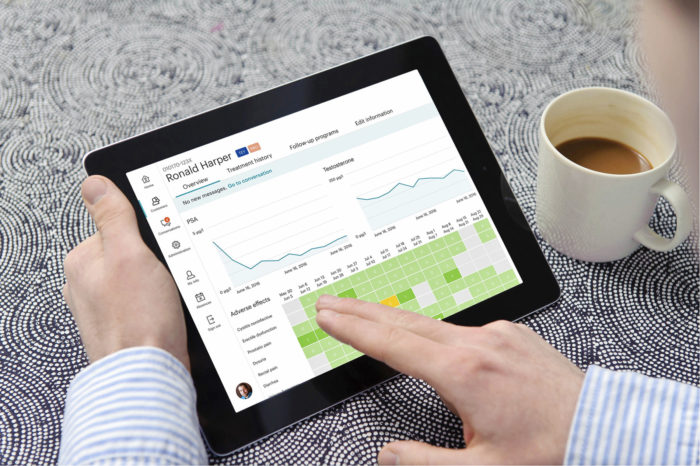
After cancer treatment, many patients are left feeling alone and abandoned – at the very moment in their lives when they need more support than ever. Netmedi is a Finnish startup that has developed an intelligent digital application to support cancer patients. The solution “speaks” with the patient, asking relevant questions and providing personalised guidance in each therapy phase. It provides medical staff with valuable data on treatment outcomes and gives the patient something vital to the healing process: a voice that is heard.

50 times more data

Photo: Brainshake

Brainshake is a Finnish startup that aims to revolutionise the prevention of chronic diseases by bringing extensive biological data to routine blood testing. Based on the analysis of 220 biomarkers, their new blood test provides data predicting individual risk, enabling diseases to be prevented before onset. The test offers 50 times more data than current lipid tests, at a similar cost – a mere micro-fraction of the 1.3 trillion dollars spent annually on the treatment of cardiovascular disease and diabetes.

By Silja Kudel, ThisisFINLAND Magazine 2017
Calling all fans of the Finnish language

You might be a foreigner whose friends compliment you on your quick progress in learning Finnish, or they might jokingly tell you, somewhat less helpfully, “Thousands of little kids speak the language, so it can’t be that difficult.” You might be a literary heavyweight in Helsinki’s Finnish-language publishing world, or you might be trying to decipher the lyrics of one of Finland’s thousands of heavy metal bands.

April 9 is a day for all fans of the Finnish language. That’s when Finland annually celebrates Finnish Language Day and memorialises Mikael Agricola, who was instrumental in creating standards for Finnish as a written language in the 1500s.

Agricola was born in approximately 1510 and died in 1557. He came from a parish called Pernå in Swedish and Pernaja in Finnish, about 80 kilometres east of where Helsinki is now located – it is not known which language was actually his mother tongue. He grew up to be a learned man – a linguist and theologian, and much later a bishop.

He lived in Wittenberg, Germany from 1536 to 1539, studying under Martin Luther and others. Agricola’s time there eventually contributed far-reaching effects to religious and literary life in Finland.

Just as Luther had translated the bible into German, setting the stage for the future of formal German, Agricola translated the Old Testament into Finnish, together with Martin Teit and other fellow Finns who were studying in Wittenberg. Agricola made a Finnish version of the New Testament later, after moving back to the southwestern Finnish city of Turku, and also translated and wrote other texts related to religion. One of his publications, a primer called Abckiria (ABC Book), is considered the first piece of literature in Finnish.

So the next time you are trying to decide which one of the Finnish language’s at least 15 grammatical case endings is your favourite one to spell, or the next time you are admiring the architecture of a Lutheran church in a Finnish town, you can think back five centuries to Mikael Agricola, whose life’s work helped set the scene.

By ThisisFINLAND staff

Pulled oats conquered Finland: The world is next

How do you develop vegan protein that will be easy to cook and feel as chewy as meat to eat? This is the question Reetta Kivelä, Gold&Green Foods’ cofounder set her mind to when she started her work with pulled oats.

We want to provide a genuine alternative to meat and in our own way help to reduce the unsustainable mass production of meat. We firmly believe that we as a company – like each individual – can have an impact on global phenomena such as climate change,” says Dr. Reetta Kivelä, cofounder and chief technology officer of Gold&Green Foods, and one of the developers of the startup’s hit product, pulled oats.

Climate change is a driving force behind Gold&Green Foods’ values. Reetta Kivelä admits that she has a weakness for trying to save the world. She became a vegetarian in high school, but as a young adult and active athlete, had to consider whether her diet was providing her with enough protein.
“Since then, I’ve eaten based on who I’m with and what’s served. I don’t want to be difficult when people have gone to the effort of preparing food,” Kivelä says.

Making oat meat

Photo: Kreetta Järvenpää

Kivelä’s doctoral dissertation on processing oats was accepted with honours by the University of Helsinki’s Faculty of Agriculture and Forestry in 2011. When she took job-alternation leave from Finland’s largest sweets and bakery company, Fazer, she was ready for new ideas. She met up with Maija Itkonen, a high school friend who was already an acclaimed startup entrepreneur and cofounder of Aalto University’s Design Factory. Itkonen suggested they should team up to create “oat meat.”

“At first the idea sounded rather unappealing,” Kivelä recalls with a laugh. “But soon we started to move forward with the idea of ‘perfect protein’.”

Their research work led to a vegan product made of oats, fava beans, and peas. The natural taste of the product is smooth and fits naturally in many dishes being perfect for busy families. The manufacturing process of pulled oats is a secret Kivelä and her business associates adapted from China. It includes only mechanical processing such as mixing, pressing and heating.

Kivelä says that at first the name “pulled oats” was a joke, but early customer focus groups liked it.

“So our ‘working title’ became the official name,” she says.

The entrepreneurs obtained startup funds from Tekes, the Finnish Funding Agency for Innovation, and facilities for product development at Aalto University. Kivelä says it’s great that there have been people who believed in the fledgling firm from the beginning.

“We set up the company in 2015 under the name Oat Kitchen, but changed it to Gold&Green Foods that autumn. I’m amazed that we’ve been able to achieve so much in such a short time – though it has required some sleepless nights,” she says.

The gentle grain

Earlier Kivelä didn’t have a particular passion for oats, but she does now.

“Oats are a gentle grain compared to rye, for instance. And oat fibre is unique. It has a lot of protein, healthy fats, and antioxidants, so its health benefits are incomparable,” says Kivelä.

Finland is a significant producer of oats in global terms. Most of its crop is exported, with only one-tenth used in domestic food production. Kivelä notes that Nordic growth conditions are particularly favourable for oats.

“Oats simply love the Finnish growing season conditions, which include plenty of sun and water. Oats are also one of the world’s ecological crops,” says Kivelä.

Kivelä is confident that Finland has other Arctic raw materials to offer the world besides oats.

“But the competition is stiff, so no more about that for now,” she says, with a smile.

Eyes on bigger markets

Photo: Kreetta Järvenpää

In June 2016 the University of Helsinki’s Faculty of Agriculture and Forestry honoured Kivelä as the Influencer of the Year, and in 2015 she was named Young Researcher Entrepreneur of the Year. There’s plenty of interest and demand focused on her. Kivelä does not see her past as a career path leading up to her present situation, but says that things have progressed quickly since the company was formed.

In the spring of 2016, when the product was launched, the company had just five employees, whereas now only Kivelä has a staff of 25 working under her at the factory in Järvenpää, just north of Helsinki.

“In the near future, we plan to set up a production facility in Sweden to serve the local market,” Kivelä says.

“Some people say that there’s a grim economic atmosphere in Finland at the moment, but we don’t see it that way. Maybe it comes from the joy of success,” she adds.

Gold&Green’s entrepreneurs have their sights set on ambitious internationalisation. The company’s first product has already been noted for example by news agency Reuters and in autumn 2016 earned the “Best New Protein Product of the Year” title in France.

The startup is gaining some muscle for the worldwide launch of pulled oats from its partnership with the large Finnish coffee and food group Paulig, which bought a majority stake in Gold&Green in autumn 2016.

“Pulled oats has basically been sold out in Finland since its market breakthrough,” says Kivelä. “Paulig provides us with extra resources for production, sales and marketing, but also to expand our product family.”

This is how we do it

Gluten-free guaranteed

Photo: Gluto

Gluto is a brand of fresh pasta that suits virtually everyone, regardless of dietary restrictions. Its fresh pastas are made from naturally gluten-free rice and corn flour, without dairy products, eggs, or additives. Gluto fresh pasta is made in Finland with pure raw materials and Italian culinary know-how. The products bring together the best of two countries: Finland’s exacting food standards and Italian gastronomical delights.

Rye-based whisky

Photo: Kyrö Distillery

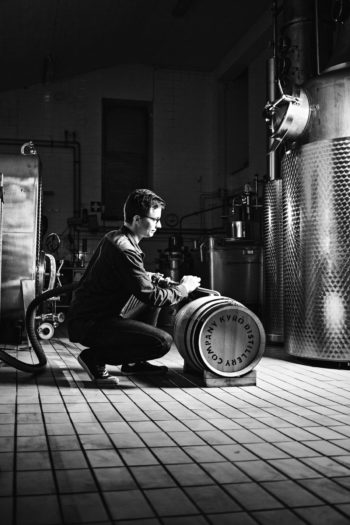
Kyrö Distillery started up in 2014 in Isokyrö, Ostrobothnia, western Finland, with a focus on producing rye whisky. It also produces Napue gin, which in 2015 won the Gin & Tonic series of the International Wine and Spirits Competition in the UK out of 150 competitors. Within 20 years, Kyrö Distillery aims to be the world’s best-known distiller of rye-based single malt whisky, with an annual output target of 20,000 litres of whisky and 30,000 litres of gin.

Arctic powers for everyone

Photo: Arctic Warriors

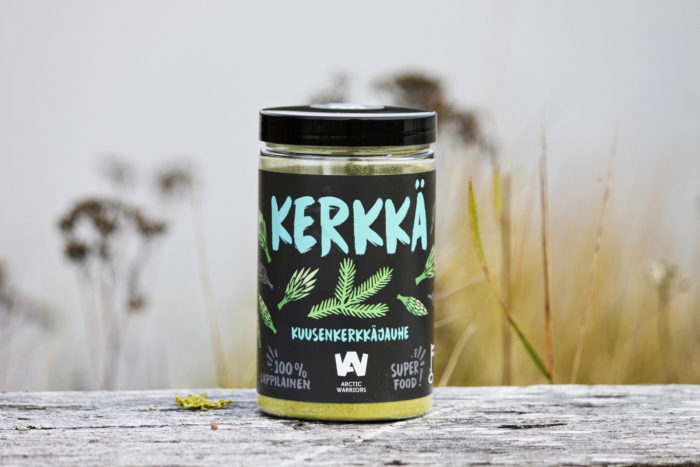
The natural products company Arctic Warriors was born out of a desire to bring the power of Lapland’s herbs within everyone’s reach. These Warriors’ mission is to fight for a good life, natural well-being, and a vibrant Lapland. The company sources its raw materials from local small farmers and wild herb harvesters. Arctic Warriors earned an award as the Most Innovative Rural Startup of 2015.

By Hanna Ojanpää, ThisisFINLAND Magazine 2017
Finnish hockey–baseball hybrid may get Olympic status

Tahko Pakkanen, the inventor of the relatively new sport, comes from a family that is crazy about Finnish baseball, or pesäpallo, often called pesis for short. His parents named him after Lauri “Tahko” Pihkala, a sportsman who visited the US in the early 1900s and was inspired to create pesäpallo. (Tahko means “grindstone.”)

Pakkanen, whose surname happens to mean “frost,” invented ice pesis in 2007, and it quickly took the country by storm. The National Ice Pesis League was established in 2010. You can play it on any ice rink, even outdoors – you don’t need to book time at an arena.

The bases are arranged in the same pattern as regular pesäpallo, and the rules are very similar. The biggest difference is that you play on skates. The ball you use is a snowball, which means that the pitcher frequently has to pack together a new ball.

Ice pesis has grown steadily in popularity and spread far beyond Finland’s borders, with teams all over North America, China and Japan. Now Pakkanen and the Finnish Ice Baseball Association are taking it to the next level: Just in time to meet the April 1, 2017 deadline, they’re applying to the International Olympic Committee for approval of ice pesis as a new event to be included in the Beijing Winter Olympics in 2022. Many countries with a strong baseball tradition – the US and Japan especially – also believe strongly in this young sport and are putting their support behind the bid.

Video: ThisisFINLAND

By ThisisFINLAND staff, April 1, 2017

Sharpshooting Finnish rookie excels in NHL

At a recent Winnipeg Jets practice in Newark, New Jersey, Patrik Laine joyfully darted about the ice, smiling, grinning and generally seeming to be having the time of his life: He’s a teenager living the dream of playing in the National Hockey League. His ultra-quick hands produced wrister after wrister goal, occasionally catching his veteran teammates off guard.

Laine’s only concern that day looked to be the mid-March East Coast snowstorm that had postponed the Jets’ late-season game against the New Jersey Devils the night before, leaving him with bewilderment and time on his hands. Sure, the Jets are close to being eliminated from the playoffs, but Laine wanted to play. After all, that’s what he’s here for.

“I haven’t seen that one before, where the game gets cancelled because of a little bit of snow,” he says, sitting in front of his locker. News reports show that the storm covered locations in and around New York with 15 to 60 centimetres (6 to 24 inches) of snow. “I really didn’t understand why we couldn’t play. But I’m not deciding that. I’m going to play when they tell me to play.”

A shot that nobody understands

https://youtu.be/CuY7HqLb6sc

Patrik Laine answers fans’ questions about life in the NHL on the Winnipeg Jets’ Youtube channel.

As most teenagers might, Laine spent his idle moments that evening watching TV and playing videogames in his hotel room. Despite his imposing size of 193 centimetres (6-foot-4) and 95 kilogrammes (210 pounds), Laine isn’t legally old enough to join his veteran teammates, who might have been tempted to enjoy the over-21 delights of New York City, two train stops away.

Two nights later in Brooklyn, his youthful indiscretion was on display at Barclays Center. Frustrated when an opponent took the puck from him, Laine reacted with a silly high-sticking penalty in a 4–2 victory over the New York Islanders, confirming that even one of the best players in the NHL is still, at least by the calendar, occasionally a kid.

Youth aside, the hard-shooting forward has already made an indelible impression on the NHL and could be on his way to becoming one of the greatest Finnish players in league history, up there with Jari Kurri, Teemu Selänne and Esa Tikkanen.

So what makes this precocious rookie special among the finest hockey players in the world?

“He’s got a shot that nobody understands,” Jets coach Paul Maurice says. “We slow it down on video, watch the flex, and there’s all different kinds. There’s the one-timer with incredible velocity on it. The wrister that gets off his stick before you think [it would be possible]. And at that age, or at any age, you just don’t see that shot very often.”

Taking huge strides

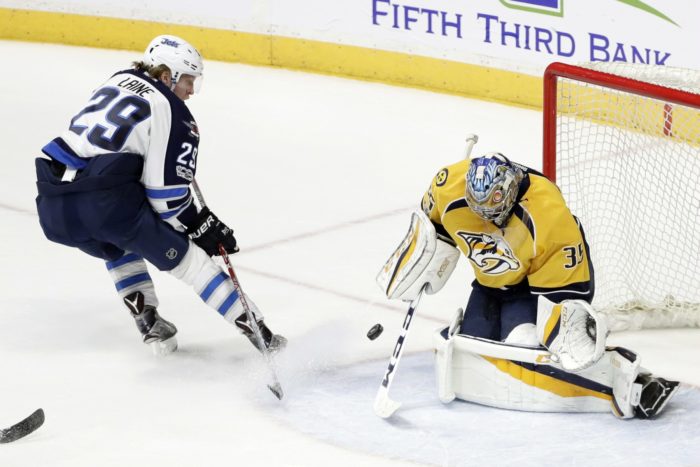
Patrik Laine veers after placing a shot on Nashville Predators goalie Pekka Rinne, another star Finnish player.Photo: Mark Humphrey/AP/Lehtikuva

Laine, turning 19 years old on April 19, 2017, has become such a sensation in his first season that knowledgeable NHL insiders say he will win the Calder Trophy, awarded to the league’s best rookie. Before voting commences, it has become a two-man race between Toronto’s Auston Matthews, who was the first pick in the 2016 NHL draft, and Laine, who was number two. (Two other Finnish players were also selected in the top five that year: Jesse Puljujärvi and Olli Juolevi.)

At the time of writing in late March, Laine was tied for fourth in the NHL in goals with 34, including three hat tricks (three goals in a single game), while Matthews had 33 goals. Each had 27 assists, leaving Laine ahead of Matthews in total points, as well.

“If you watched practice today, you watch his hands and the number of times he scores, you think this guy has got to be the best kid in the league,” Maurice says. “I’m sure Toronto thinks that way about Auston Matthews.

“But Patty Laine is a markedly different player than he was at the start of the year. The reason that story won’t get told is his scoring has been pretty darned consistent. He came in as a shooter and he’s done that all year. But his play away from the puck has made huge strides. And he’s still 18.”

If Laine wins as expected, he will become the first Finn to be named rookie of the year since Selänne, who also got his NHL start with the Jets, in 1993 at the age of 23 after six seasons with Jokerit in Helsinki.

“I think it would be awesome,” Laine says. “We have a lot of great rookies this year and everyone is doing well. That would be a nice achievement for me. I try to be a good player every day and hopefully I can get that.”

From Tampere to Winnipeg

Surprise! Patrik Laine shows up at a local boy’s birthday party in Winnipeg.

As for Laine’s quick assimilation into the NHL, Jets general manager Kevin Cheveldayoff credits what he calls the “Selänne effect,” explaining that a Finnish player getting his start in the NHL’s smallest market could make for an easier transition.

“There’s probably not a lot of difference between Winnipeg and Finland in that even the big cities there are not that large,” Cheveldayoff says. “When Selänne came over here he embraced Winnipeg, and certainly Winnipeg embraced him. Patrik has done the same, but Patrik is his own guy.”

Laine’s family has contributed to making his life in Canada more comfortable. His mother came from Tampere, their hometown in southern central Finland, to live with him during the first half of the season, and his father is in Winnipeg for the second half. “It’s been a big help for me,” the teenager says. “I don’t have to worry about anything else but playing hockey. It’s nice because there is always food on the table when I’m at home and everything else is in order. It has been a little bit easier.”

Laine says he misses Tampere and plans to return in the off-season for the summer. With the Jets pretty much out of the race to qualify for the playoffs, he is determined to finish what is left of the season strongly, but he has had plenty of time to gain the admiration of his teammates.

“He’s a very respectful young man,” Cheveldayoff says. “You look at how he integrates with the veteran players. He doesn’t automatically walk into a room and think, ‘I’m here.’ He walks in and he’s respectful with them, he’s respectful with the coaches, the trainers. He signs autographs until the bus has to leave. When you sit back in my position and watch and observe, it’s how a person acts when no one is watching. For him, he doesn’t change at all.”

Quick to adapt

Laine lets a shot loose in a game against the Colorado Avalanche.Photo: Scott D. Stivason/ AP/Lehtikuva

Laine used to play for the Tampere club Tappara (tappara means “battleaxe”). His former teammates there have expressed astonishment at his progressive toughness and maturity in the NHL, especially how quickly he bounced back from a concussion, caused by a vicious hit from Buffalo’s Jake McCabe. Laine missed eight games over 17 days while recovering, which makes it all the more significant that he’s nonetheless ahead of Matthews in the stats.

Cheveldayoff says Laine has earned respect from the start with his physical play and quick adaptation to the NHL rinks, which are narrower than those in Europe.

Most important, Laine knows he is good, and he’s not shy about saying it.

“I think I’ve always had the confidence, but the game was so much different, but now I can see I can play well in this league and score and produce things,” he says. “I’ve always believed in myself. But now it’s easier to see I’m going to be a good player in this league.”

By Michael Hunt, March 2017