Forests form the trunk of Finnish trade

Would there be wealth in Finland without forests? Over the past decade, globalisation and societal changes have greatly affected the Finnish forest industry. In a three-part series, we check out where the industry came from and where it’s heading.

The wealth of Finland derives from its forests – or more precisely, from its wood-processing industry. The forestry branch has definitely played the most important role Finland’s industrialisation, trade and foreign export. Forestry has provided a livelihood for more Finns than any other industry in the country since its independence in 1917.

Globalisation and structural changes in society have influenced the Finnish forest industry radically, especially over the past decade. In Finland globalisation has had two major effects: Smaller enterprises have merged with the largest companies, and the industry has moved a huge portion of its production abroad.
2382-1001_sunila_from_air_7473_9204-550px-jpg

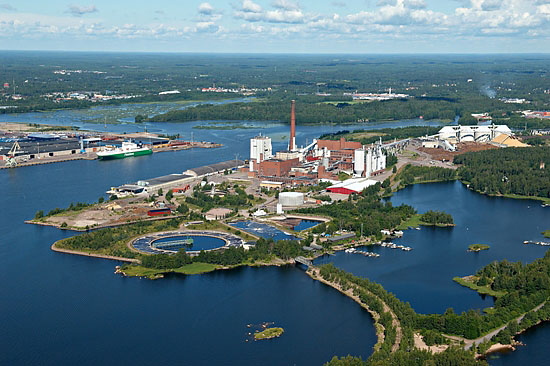
Major operation: Sunila Mill in Kotka, southeastern Finland, was designed by world-famous Finnish architect Alvar Aalto and began operations in 1938.Photo: Stora Enso

The modern-day forest industry is better at taking environmental aspects and biodiversity into account during timber harvesting and reforestation.

Bioenergy, bio-oil and other innovations form significant new segments of the industry alongside older, traditional segments such as paper, pulp, timber and wood products.

To the Finns, forests also stand for recreation, retreat and leisure – they hold emotional and psychological value. Modern forestry combines economic, environmental and recreational considerations.

How it all began
2382-metsatukinuitto-t-kaivola-550px-jpg

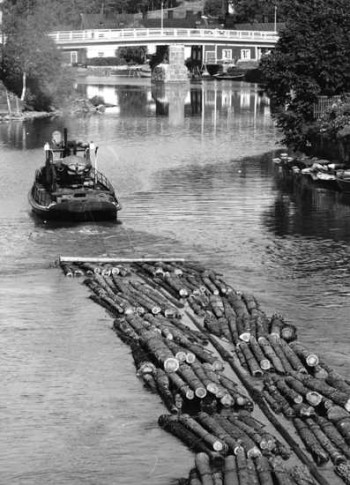
Finns have tended their forests for centuries, but the wood processing industry began to boom in the 1800s (photo from the 1960s).Photo: T. Kaivola

The Finns were shipping firewood to Stockholm, Sweden and Tallinn, Estonia as early as the Middle Ages. Roundwood was also sold to neighbouring countries at very early dates. In the 1600s tar, which is produced from wood, became Finland’s primary export. Explorers from all over Europe needed it for their journeys. The tar business created a whole new bourgeois class of tar merchants in Finland.

The first water-powered sawmills were built in Finland in the 16th century and the first manually powered paper mill was established about a century later, in 1667.

The real boom of the wood processing industry gained speed when steam power was broadly introduced in the mid-1800s. Steam power made sawmills and papermaking into such a flourishing industry that, by the arrival of the First World War, Finland contained about 600 sawmills, 25 paper mills,17 pulp mills and three plywood mills.

By the time Finland gained its independence in 1917, approximately 75 percent of Finland’s exports came from forest industry.

War debts and global markets change forestry

In the early 1900s the forest industry brought wealth into the country and catalysed the development of other industrial branches. The Second World War brought a crucial change. Finland was obliged to pay the Soviet Union enormous war debts between 1944 and 1952.
2382-hakkuutyot_upm_550-jpg

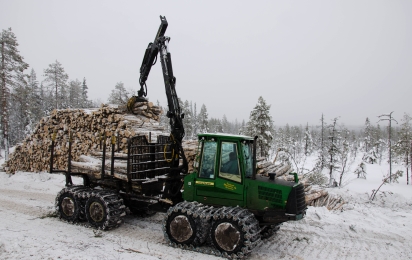
Nordic pine and spruce offer the most durable material for making paper and grow only in northern latitudes, ensuring that Finland will always have a forest industry.Photo: UPM

The Soviets wanted the payments mostly in the form of metal industry products such as boats, locomotives, engines, machinery, tools and 30 fully equipped factories. This forced the metal industry to progress, so that in 1949 Finland had the most modern dockyards and foundries in all of Scandinavia. As a result, the metal and chemical industries pulled ahead of forestry in the 1980s in terms of both turnover and export value. The electronics industry took the lead in the late 1990s.

Since 2000, global trade and structural changes in society have exerted a large effect on the forest business in Finland. In recent years the three biggest forest companies in the country – Stora Enso, UPM and Metsä Group – have moved more than half of their production abroad, first in the 1990s to central Europe, then to the US in the early 2000s and to Latin America and China in the late 2000s.

Even though approximately 60 percent of the pulp and paper industry has been moved abroad, about 95 percent of the sawmill industry remains in Finland. Research and development operations and new biofuel factories are also located there. Finland has the biggest paper-machine manufacturer in the world, Metso, and one of the biggest forestry machinery manufacturers, Ponsse.

At present, the forest industry covers around 20 percent of all exports – the third-biggest branch of industry, after electronics and metal. Likewise, the forest industry accounts for about 20 percent of total Finnish industrial turnover and 16 percent of industrial employment domestically.

Mills follow materials and markets
2382-nursery-2-in-guangx550-jpg

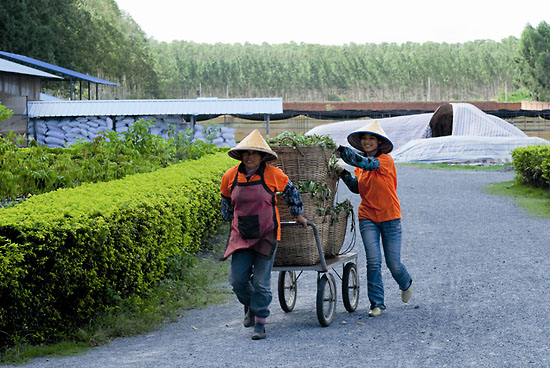
Moving seedlings at a tree nursery in Guangxi: Finnish forestry companies have established a presence in China.Photo: Stora Enso

Two logical reasons explain why Finnish forest companies have moved most of their paper and pulp production to faraway destinations such as China and Latin America.

The reasons are eucalyptus and the market. Eucalyptus grows in both places and provides quick, low-priced wood fibre. At the same time both places are among the largest future markets for paper products, so savings are also made in transportation costs.

However, the paper and pulp industry will never disappear completely from Finland. The tough fibre of Nordic pine and spruce is the most durable material for making paper, and grows only in northern latitudes.

By Vesa Kytöoja, November 2012
How to survive winter in Finland and enjoy it

The arrival of the cold, dark, snowy winter doesn’t mean life stops. On the contrary, discover how Finns not only survive it, but enjoy it!

Finland is one of the northernmost areas in the world with a permanent population. Winter in Finland varies in duration from about three to seven months, depending on the part of the country, but regardless of location, it’s cold, dark and snowy. But those features don’t disrupt life. Finns will get to work or school in the morning no matter how cold it is or how much snow has fallen.

They know how to make the most of the winter months. The following Winter Top 8 will give you a glimpse of what keeps Finns going during the coldest months of the year.

Coffee

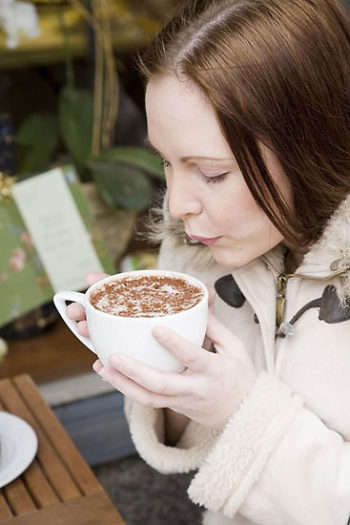
A woman holding a large cup of cappuccino with two hands.

A cinnamon-sprinkled cappuccino chases the winter chill away.Photo: Rodeo.fi/Juha Tuomi

Coffee gets you moving on cold, dark winter mornings. It provides strength to last the day, and some people even say it helps them get to sleep, believe it or not. Statistics show that coffee consumption per capita in Finland was 11.92 kilograms (in 2009), approximately 3.8 cups of coffee a day (compare to 4.09 kilograms per person in the USA, or 7.35 kilograms in Sweden). The brew that most Finns drink is light-roasted and slightly bitterer than that coffee on the Continent.

Serving coffee is an important Finnish custom. Most family celebrations, special occasions at the workplace, receptions for sports personalities and visits by friends include a table set with beautiful coffee cups and pastries. But Finns drink coffee anywhere and everywhere – any excuse will do to get their hands on that coffee cup. A fairly recent addition to the urban scene are American-style coffee chains that have quickly attracted a broad clientele.

Other hot drinks, tea, cocoa, hot blackcurrant juice and ‘glögi’, a Nordic version of mulled wine, are also popular with Finns in the winter.

Sauna

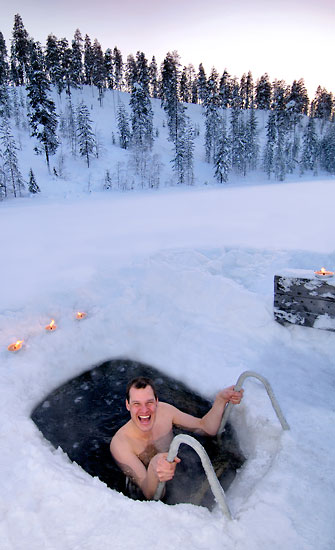
A widely smiling man dipping in a hole in the ice.

Nothing makes you feel more alive or refreshed than a dip in icy waters after roasting in the sauna!© Finnish Tourist Board

Sauna (or the sauna) is an icon of Finnishness, and no wonder. There are at least two million saunas in this country of approximately 5.4 million people and 2.6 million residential properties. The number is rising as most new apartments have an electric sauna adjacent to the bathroom.

Finns have a sauna to round off an evening, after sports, after sweaty work, in the name of friendship and togetherness, to mark the end of negotiations or just because it’s sauna day, if nothing else. The sauna is a natural part of big days such as Christmas and Midsummer. Contrary to foreign belief, people don’t compete about who can stand the heat of the sauna best, or who can stay in the hot room the longest. They consider a temperature of approximately 80 degrees Celsius to be sensible.

In winter, the sauna is a great place for warming up frozen fingers and toes. It is a place for relaxation, tranquillity and deep thought. The sauna experience includes escape from the tensions of everyday life to another reality, towards calm and contentment. Some say that having a dip in a hole in the ice of a lake or the sea is one of the joys of a waterside sauna in winter. It will certainly improve your circulation, and at the very least, make you feel refreshingly alive!

Warm housing

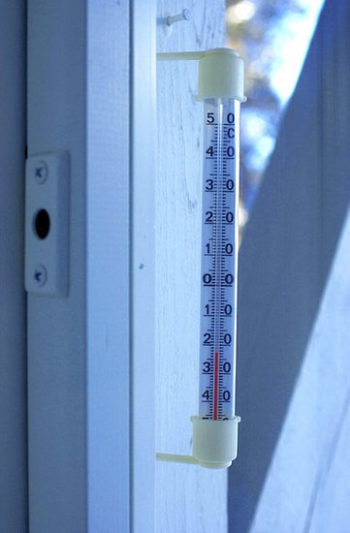
A thermometer outside a window showing a temperature below -20 degrees Celsius.

Triple-glazed windows ensure that temperatures inside remain warm even when temperatures outside plummet.Photo: Rodeo.fi/Tuomas Marttila

A warm house makes all the difference when it is -20 degrees outside. The development of building technology that saves energy and makes use of renewable natural resources has been emphasised in Finland. Building regulations state that windows in new buildings must be triple-glazed, and the latest technology enables window panes to function as solar panels. Draught-proofing and a layer of insulation material at least ten centimetres thick are incorporated into the external walls of houses.

Various heating options are available, but district heating is an effective, economical and environmentally friendly way to heat a large number of properties. It saves about 30 percent of energy compared with separate production of heat and electricity. This form of heating is produced in power stations which cogenerate heat and electricity. This heat is transferred to water, which then circulates through a network of pipes to radiators in homes before returning to the power station for reheating and recycling.

Driving in winter

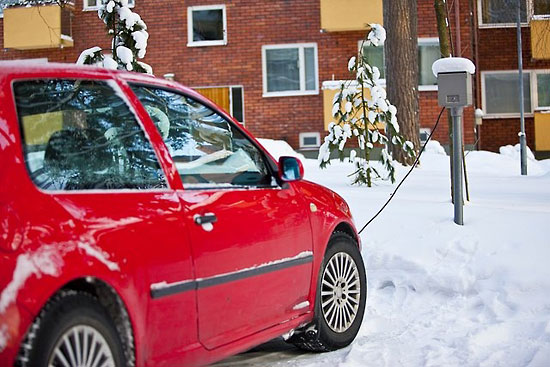
A red car attached to an engine-block heater.

Engine-block heaters help cars start smoothly and quickly even in the worst winter chill.Photo: Rodeo.fi/Tero Sivula

Finns drive in winter almost as much as they do in summer, but special accessories are required when driving in low temperatures and on icy roads.

All Finnish car owners are required by law to equip their cars with winter tyres, which can either be all-weather tyres, or studded tyres. Drivers have to be on the alert as soon as the weather turns wintry. Visibility deteriorates, roads are slippery, braking distances are longer and driving in deep snow gives drivers less control over their vehicle.

An engine-block electric heater makes cars easier to start and reduces fuel consumption, and is a great boon for winter drivers who do not have a garage and leave their cars outside overnight. It is a common sight to see drivers plugging their cars into electric sockets in the parking areas outside their homes when they come home from work. Built-in seat heaters are standard in cars manufactured for the Nordic countries and are a feature that drivers in these latitudes really appreciate.

Snow: How to get rid of it

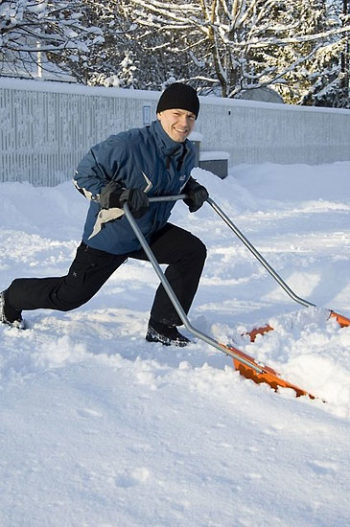
A smiling man pushing a snow scoop filled with snow.

It’s heavier than it looks, but he’s still smiling!Photo: Rodeo.fi/Juha Tuomi

The northern parts of Finland are, on average, covered with snow as early as the end of October, while the southern parts are covered starting sometime between December and January. The snow usually doesn’t melt until well into March in the south, and in the northernmost parts of Lapland it can still be lying around in June. Finland knows how to cope with snowstorms and low temperatures.

Road maintenance is regulated by law in Finland. Individual landowners and local authorities share responsibility for the upkeep of roads. Local authorities make sure that snowploughs are at the ready when roads need to be cleared and when salt and grit spreaders have to be called out to tackle slippery roads.

Rural Finland is sparsely populated and there are long stretches of road maintained by private individuals who own the adjoining land, or by cooperatives that are responsible for sections of the road. Reflector poles serve as markers that indicate to snowplough drivers and other road users where the edge of the road is even in the heaviest of snowstorms.

Snow: How to enjoy it

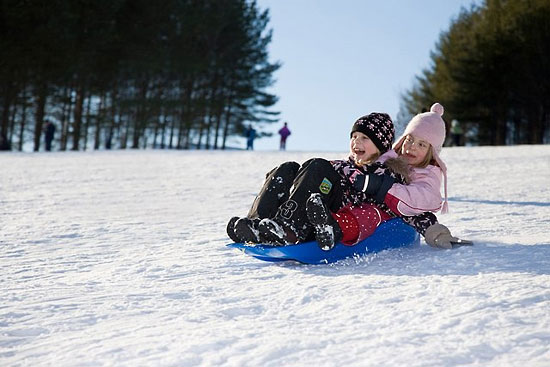
Two enthusiastic-looking children riding a sled.

Sledding is a matter of attitude, just like winter! You’d best sit back and enjoy the ride!Photo: Rodeo.fi/Juha Tuomi

What a fantastic feeling to wake up one morning in the late autumn and look out of the window to see that the first snow has fallen! Children waste no time rushing outside to make their first snowmen and find the nearest sledging hill, while adults dig out their winter sports equipment.

Cross-country skiing is a national pastime and nearly all municipalities maintain ski tracks that are lit at night. The yearly Finlandia skiing marathon attracts more than 5,000 participants for its 60-kilometre course. Also, schools close for a one-week ski holiday in February or March and many parents take time off then so that families can enjoy outdoor winter pursuits together.

Other key sports are the various branches of alpine skiing, snowboarding and freestyle skiing. The latter are relatively new sports but they have rapidly become big favourites among the young and daring. Ice skating is another national pastime, like cross-country skiing. Local authorities maintain outdoor skating rinks on school sports fields and other suitably large, flat areas. Indoor ice rinks all over the country serve individual skaters and clubs, but also hockey teams – ice hockey is the biggest spectator sport.

Proper attire

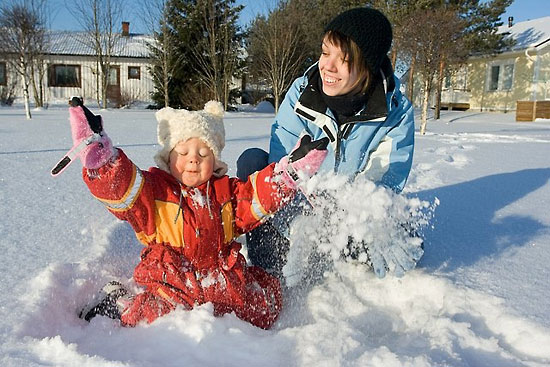
A small child dressed in coveralls sitting in the snow, throwing the snow upwards; an older person next to the child.

Messing around in the snow is no problem in coveralls!Photo: Rodeo.fi/Mika Heittola

The secret to spending time outdoors in the winter is to make sure you are dressed properly. First of all, you must have a comfortable under-layer that draws perspiration away from the skin. Materials that transfer moisture to the outer layers of clothing but keep the warmth in and the skin dry are available in sports shops and department stores. Put another layer of warm clothing on top of this: fleece, cotton or wool is good material for this. The third or outer layer should be a garment that is windproof and waterproof but breathable, and, depending on the degree of cold, padded or quilted.

Special attention must be paid to protecting the feet, hands and head from the cold. First put on socks which draw moisture away from the skin and do not chafe, then some wool socks and finally comfortable, properly insulated winter footwear with non-slip soles. Nothing will ruin the fun of outdoor activities faster than frozen feet. Gloves should be roomy with a warm lining. Headgear should protect the ears properly, and in very cold weather a silk balaclava is excellent for protecting the face.

Remember the Finnish saying: “There’s no such thing as bad weather, only bad clothing.”

Joys of winter evenings

Contrary to what foreigners may imagine about dark winter evenings, there is an array of activity options when the work day is over. For avid learners, the extensive library network supports the national reading habit. There are also 250 publicly owned community colleges and adult education centres across the country that offer all kinds of courses at a reasonable price: languages, handicraft, social studies, art, sports – anything that is popular or relevant and interests people. These voluntary educational centres have long traditions and attract approximately 800,000 participants every year.

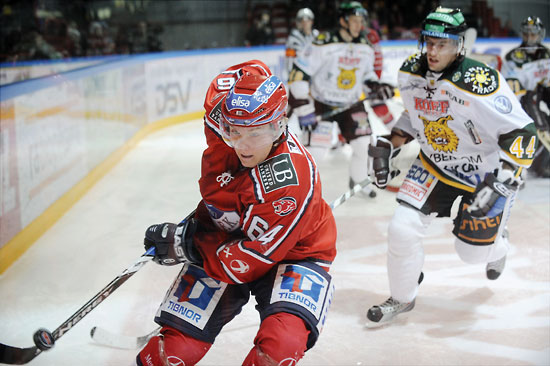
An ice hockey player reaching for the puck.

Winter’s most popular spectator sport is full of action and close calls.Photo: Antti Aimo-Koivisto/Lehtikuva

Finns join associations that improve the quality of life in their home district and in the world in numerous ways: through sporting activities, learning about other cultures, dealing with local issues, carrying out international development projects, bringing the interests of children, the elderly and the disabled to the fore and, most importantly, mixing with like-minded people. There are about 123,000 registered associations and statistically every Finn is a member of more than one of them.

Cultural pursuits and sports have a big following. Every self-respecting town has a theatre and a significant number also have their own orchestra, and waiting lists for the most popular performances are often months long. The menu of indoor sports is long and varied, but ice hockey attracts the biggest crowds on winter evenings. So whether it is staying home with a good book, learning Portuguese or supporting their favourite hockey team, Finns have plenty of ways to enjoy the winter season.

By Salla Korpela

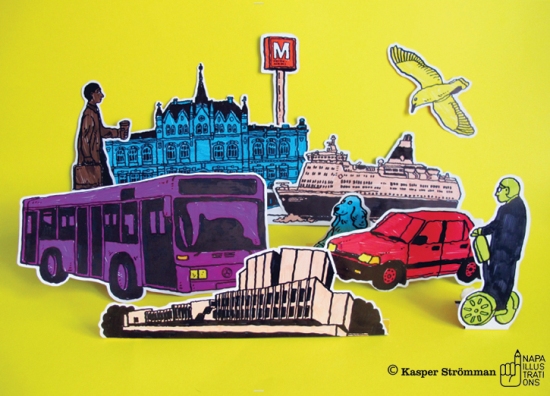
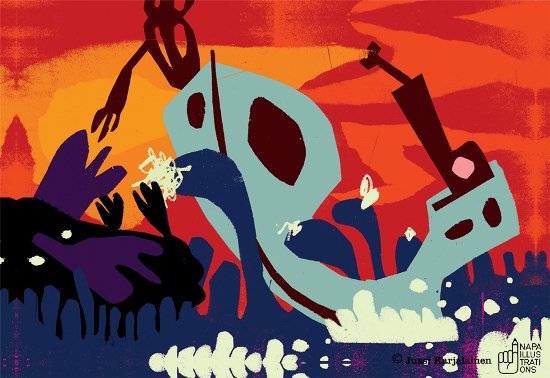
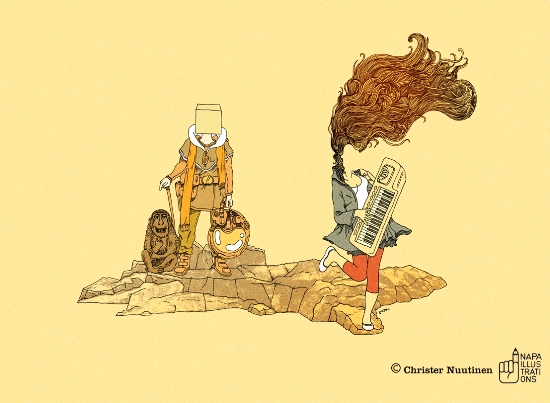
Illustrating a multitextured Helsinki

Open the slideshow below to see how Yellow City, a book project that forms part of Helsinki’s year as 2012 World Design Capital, portrays the Finnish capital with urban harshness, quirky denizens, magical realism and fantasy.

Napa Illustrations asked each of 17 illustrators to request a story or poem from his or her favourite author, then create picture material to accompany the texts in Yellow City: Illustrated Stories from Helsinki. The resulting combination of top writers and talented illustrators portrays the city in a way that none of the guidebooks do.

Open the book from one side and you’ve got Yellow City, but turn the book over and you’ve got another front cover – this time in Finnish, Keltainen kaupunki. Even if you can’t speak Finnish, the illustrations are different on each side, so it’s worth a look.

If you know Helsinki you’ll enjoy the local colour and the dropping of street and neighbourbood names: Aleksanterinkatu, Kaivopuisto, Kamppi, Mannerheimintie, Senate Square, Stockmann. The lead story, “The Yellow City” by Anna Tommola, traces the journey and impressions of an Estonian plumber who comes to Helsinki to do repair work. In “The Other Helsinki” by Maria Candia, the narrator wakes up one day in an alternate world where humans share the city with another, furry species.

Green Party member of Parliament and former pop-song-lyric author Anne Sinnemäki contributes a poem, “Why there’s nothing better than female friends,” and Antti Tuomainen supplies an excerpt from his newest detective novel. Tomi Kontio’s “A Dog Called Cat” tells of a canine whose mother named him Cat.

The contributor bio section also provides fun reading. You’ll find out who “enjoys…building Lego cities with her daughter,” who “fights against darkness,” whose pseudonym is Megatron Braineater and who is “currently completing a thesis on articles related to narrative ambivalence.”

Yellow City: Illustrated Stories from Helsinki

By Peter Marten, August 2012

Finnish vocal miracle still strong at 80

Soprano Ritva Auvinen forms a legend of the Finnish opera scene with her illustrious and uncommonly long career. Now past her 80th birthday, she continues to delight listeners. What’s the key to the Auvinen vocal miracle?

In October 2012, a crowd came to hear Auvinen sing in her 80th-birthday concert at the Helsinki Music Centre. Excellent vocal material, dazzling singing technique and strong physical condition – do these explain the longevity and span of her career? “Well, I’d agree, but I’d add one important thing,” replies Auvinen. “I inherited strong vocal cords from my father. Two different doctors have told me that my vocal cords do not seem to have aged at all.”

Auvinen’s reputation is strongly linked to the first wave of international interest in Finnish operas in the late 1970s and early 1980s. An astonishing number of new Finnish operas were produced during that era, including two folksy works known in Finland as “fur hat operas”: Joonas Kokkonen’s The Last Temptations (1975) and Aulis Sallinen’s The Red Line (1978). Both gained international success.

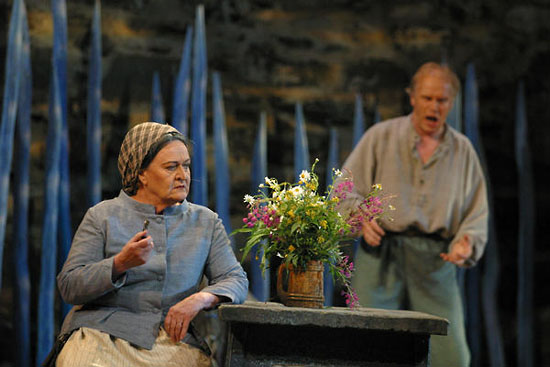
The Last Temptations, a fictionalised, tragic biography of revivalist preacher Paavo Ruotsalainen, premiered at the Finnish National Opera in October 1975. Legendary bass Martti Talvela sang the lead role, with Auvinen co-starring as his wife, Riitta. She also frequently performed one of the main roles in The Red Line, that of Riikka, mother of a poor crofter family.

The road to the opera

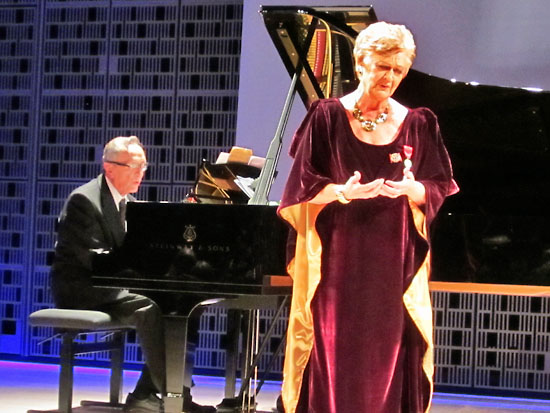
At her 80th-birthday concert at Helsinki Music Centre, Ritva Auvinen (born in 1932) sang an encore together with her older brother Raimo. The melody inspired nostalgia and a standing ovation.

At her 80th-birthday concert at Helsinki Music Centre, Ritva Auvinen (born in 1932) sang an encore together with her older brother Raimo. The melody inspired nostalgia and a standing ovation.Photo: Marja Peura

Before The Last Temptations, Auvinen earned her spurs at Finnish provincial opera houses in the cities of Lahti, Tampere and Jyväskylä. These gigs hardly paid at all, so she bankrolled her passion for opera by working as a gym teacher and swimming instructor. As a girl, Auvinen could never have imagined a career as an opera singer. She recalls being a shy Karelian country girl who was “mad” about the pop songs of the day. Young Ritva particularly loved the Italian and German schlagers of the 1950s, which she sang at home, accompanying herself by “banging on the piano” in a completely homemade style.

Her older brother Raimo, an amateur singer, introduced her to opera, which quickly became a new obsession. However, it took quite some time before she began to systematically train her voice. Entering the Sibelius Academy in Helsinki, she studied under the renowned Mirjam Helin – now the namesake of Finland’s most prestigious singing competition – whom Auvinen describes as a wonderful teacher who was ideal for her. But first Auvinen studied to become a gym teacher at the Helsinki University, which she believes laid the basis for her own enduring fitness as a singer.

Sing strongly and carry an axe

3605-auvinen_riitta_viim-kius-_550-jpg

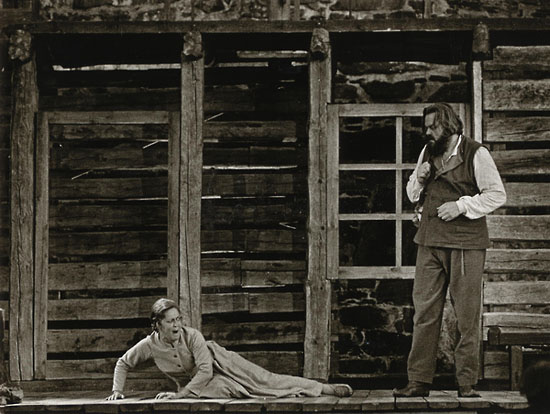
Auvinen sings Riitta and Martti Talvela sings Paavo in Joonas Kokkonen’s opera “The Last Temptatations” at Savonlinna Opera Festival in 1987. Auvinen performed Riitta at New York’s Metropolitan Opera in 1983, and says the performance formed the pinnacle of her career. Photo: Kari Hakli, Savonlinna Opera Festival

When Auvinen performed her two great roles as strong Finnish country women, Riitta and Riikka, she not only sang radiantly and expressively, she also carried herself with elegant posture and a spring in her step.

“There was an unusual atmosphere during the rehearsals for the premiere of The Last Temptations, with people in the choir often weeping,” she says. “Some of them might have even gotten religion. I didn’t feel like crying, though. The director, Sakari Puurunen, told me that Riitta had to be a down-to-earth character, not too melodramatic.”

I recall a performance of The Last Temptations at the Savonlinna Opera Festival, where Auvinen, as Riitta, threw an axe threateningly close to Martti Talvela, who was playing Riitta’s husband Paavo, leaving for a preaching mission. Paavo was taking with him the family’s only loaf of rye bread, which infuriated the temperamental Riitta. “Luckily nobody got killed,” Auvinen says with a chuckle as she remembers how audiences were startled by her angry axe toss. This gym teacher has wrists of iron.

A lifetime of performing

3605-auvinen_anoppi_juha_h550-jpg

Auvinen and Jorma Hynninen perform in Aarre Merikanto’s “Juha” at Savonlinna Opera Festival in 2002. Photo: Matti Kolho, Savonlinna Opera Festival

Starting in 1975, Auvinen became a regular guest soloist at the Finnish National Opera. Yet she was never signed to a staff contract. Still, she has performed some 70 opera roles, all in Finnish productions.

“I’ve always been a freelance artist,” she says. “I didn’t want to have an agent, because I was afraid of becoming an agent’s slave. I went to Germany a couple of times for auditions, and I was worried that I might have to sign a contract.”

Auvinen has held numerous solo recitals abroad, and has also performed at major foreign opera houses, singing in seven cities as part of the National Opera’s successful international tours in the late 1970s and early 1980s. The pinnacle of her career, she says, was performing The Last Temptations at New York’s Metropolitan Opera in 1983.

Auvinen still sees herself as a shy Karelian girl. With her modest personality, she has no patience for diva behaviour.

Modesty and intuition

Onstage, Auvinen has always managed to shed her natural modesty and become a dazzling performer. She creates powerful, personal interpretations, but says she is unable to explain where they come from. They have always just seemed clear to her. “It must be intuition,” she says simply.

Auvinen served as a vocal teacher for 15 years at the Sibelius Academy and at conservatories in Helsinki. She continues to share the secrets of her vocal miracle with private students, and keeps performing concerts for the rest of us.

By Hannu-Ilari Lampila, November 2012
Peace grows from mutual respect

In early November, Finnish schools and the rest of the country observe Ahtisaari Day, focusing on peace education and conflict prevention. These principles are emphasised on a daily basis in Finnish classrooms and playgrounds.

Schools celebrate Ahtisaari Day on or near November 10. The event is timed to coincide with the nameday for Martti, a nod to former Finnish President Martti Ahtisaari, who was awarded the Nobel Peace Prize in 2008.

Conciliation and peace education are themes that permeate education and activities at Finnish schools. According to Sirpa Jalkanen, headmistress of Itäkeskus Upper Secondary School in eastern Helsinki, peace education and conflict prevention are core ideas that define the school’s entire operational culture.

“The good atmosphere here is based on the principle that every pupil in our school has equal worth,” Jalkanen says.

There are some 580 students between the ages of 15 and 19 at the school. This city-run school teaches a general academic curriculum as well as one with a focus on languages. Youngsters apply to attend based on their comprehensive school diploma. As at all Finnish secondary schools, tuition is free.

Spirit of fair play

2834-15765219-550px-jpg

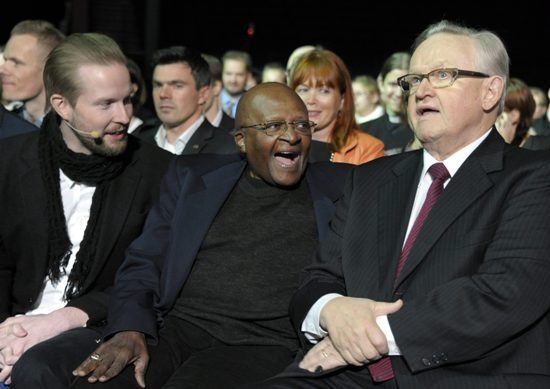
Nobel Peace Prize winner and former Finnish President Martti Ahtisaari (right) shares a laugh with fellow Nobel laureate Archbishop Desmond Tutu and philosopher Pekka Himanen at a recent conference in Finland.Photo: Sari Gustafsson/Lehtikuva

The school aims to prevent conflicts by ensuring equal, safe conditions for all members of the school community. Students and teachers relate to each other in a warm, open manner, evaluation of schoolwork and success is transparent, and established procedures exist for cooperation between pupils, teachers and parents. Education is discussion-based, with pupils encouraged to express themselves. The staff helps youngsters discover and develop their own talents, but also supports those who have trouble learning.

“This kind of basic attitude curtails tensions and competition between pupils, which in turn helps to prevent conflict-prone situations,” says Jalkanen.

The school looks after the pupils’ overall wellbeing and balanced growth, with support from the school psychologist, a social worker and a committee of support personnel, teachers and administrators that meets regularly. The school has also drawn up an equality plan.

“On a regular basis, we carry out an anonymous survey directed at every member of the school community to find out how well we’ve succeeded in executing our plan,” she explains.

The school community has also agreed on a bullying-prevention model and a crisis management plan, which is discussed annually by pupils in groups. There is immediate intervention when bullying is reported. Conscious attention is also paid to equal treatment regardless of gender or sexual orientation.

International education in the corridors

2834-14697922-550px-jpg

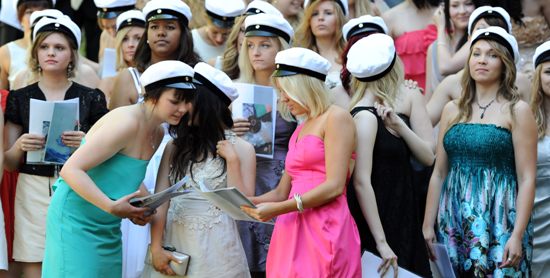
The teenagers we talked to at Itäkeskus Upper Secondary School, like many of their peers across Finland, aim to ace the matriculation exams and gain the honour of wearing the traditional white-and-black Finnish graduation cap.Photo: Jussi Nukari/Lehtikuva

About 20 percent of the school’s students are not native-born Finns. Along with Finnish, they speak 26 other native languages. Regardless of their backgrounds and native tongues, these youngsters have the same goal: to ace the matriculation examination and graduate as university-bound students.

The pupils’ multiculturalism and variety of backgrounds are considered a source of enrichment here. Around the time of Ahtisaari Day in November, the school observes Language Week, when the students introduce others to their native languages and cultures.

“As the pupils experience different cultures in their own day-to-day surroundings, this leads to amusing and useful discussions in our language classes, for instance, about national stereotypes,” says Heidi Kohi, who teaches Italian and English. History and social studies classes are also enriched by pupils’ experiences.

“Internationalism has become such a part of everyday life in Helsinki that young people nowadays don’t even worry about [issues of race],” Jalkanen notes.

Ahtisaari as a role model

Nobel Peace Prize laureate and former Finnish President Martti Ahtisaari has gained a global reputation as a mediator in conflicts between peoples. As he sees it, peace is a process that requires the broadest possible participation among all parties involved.

“Mediation does not take place at a state-leader level alone,” says Ahtisaari. “The execution of peace solutions requires contribution of entire societies and cooperation and partnership between various actors.”

This is the basic idea behind Ahtisaari Day observations at schools. Crisis Management Initiative, the nongovernmental organisation established by the former president, offers schools Ahtisaari Day materials, including mediation exercises, videos and guest speakers, depending on the schools’ wishes. Schools and classes can choose mediators from among their own ranks. Ahtisaari himself always visits several Finnish schools.

Ahtisaari Day is also celebrated at internet-based schools around the world during the first week of November. Environment Online (ENO) is a global, web-based school system that advances the teaching of sustainable development. ENO, which is based in Joensuu, has had a project lasting more than five years that aims to plant 100 million trees by the year 2017, when Finland celebrates 100 years of independence. More than 10,000 schools in 150 countries take part in ENO activities.

By Salla Korpela, November 2012, updated November 2016

Finnish band hammers out visual music

Fresh from the release of its sixth album, Alamaailman Vasarat (Hammers of the Underworld) plays the summer festival circuit. The band’s eclectic, self-proclaimed “fictional world music” enjoys a fanatical following worldwide.

Jarno “Stakula” Sarkula appears to be an ambassador from another time – or planet. Looking like a Victorian circus director, he’s perspiring slightly, having just arrived in downtown Helsinki by ferry from the fortress island of Suomenlinna, where he’s been moving into a new home near his studio.

There, his band Alamaailman Vasarat recorded parts of its sixth album, Valta. The disc is out just in time for the group’s 15th anniversary.

Most of the album was recorded at Magnusborg studio in Porvoo, east of Helsinki – a place full of visual-musical stimuli. “It’s an old wooden mansion on top of a hill,” explains Stakula. “There’s this big hall with old instruments lying around, including a broken-down piano from the late 1800s that suits our sound just right.”

At times, that sound suggests a house band at a haunted gothic castle, or knights riding out to battle with fanfares and flags, or a wild eastern European village carnival. “When we’re composing and rehearsing songs, it’s easier if we have some kind of visual image in mind,” says Stakula, his eyes twinkling.

“Like maybe we’re a New Orleans street band who’ve been handed classical sheet music and we’re playing it strong and full-on with heavy drums because we have no clue about classical music! Or maybe there’s a circus of the undead on this side and some good-looking grannies on this side and they’re trying to play together, but they can’t because there’s a hippo in between them – and so on.”

Broad palette, distinctive weave

3609-alavasarat3_550px-jpg

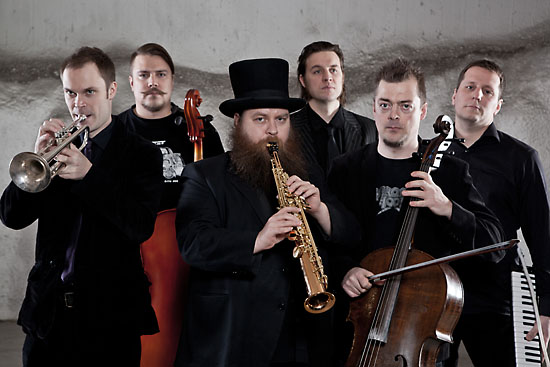
A six-man rock band without guitar, bass or vocals, Alamaailman Vasarat boasts wind instruments, two cellos, keyboards and an array of other odds and ends. Photo: Marianne Kyykkänen

Essentially a six-man rock band without guitar, bass or vocals, the group uses a broad palette of musical paints, from klezmer, ska and punk to jazz, tango and polka, not forgetting Arabic, Balkan and Roma styles.

Yet while some other groups throw many types of music into a kitchen-sink mess, Alamaailman Vasarat weaves them into a distinctive sound that’s remained consistent through many albums and personnel changes.

Central to the sound are exotic instruments such as Stakula’s sopranino sax, Indian oboe and custom-made Tubax – a hybrid tuba and saxophone with a dungeon-deep sound. Other band members play a pump organ, a melodica and a homemade theremin with a copper antenna shaped like a fish. (A theremin is an electronic instrument whose tone you control by moving your hands in front of antennas.)

Some might categorise the resulting sound as underground cabaret or steampunk, or lump them in with groups like Gogol Bordello or Hazmat Modine. Yet the Finnish band’s all-instrumental format makes their humour more profound and less tiring.

From Tolkien to iPhone

3609-alavasarat2_550px-jpg

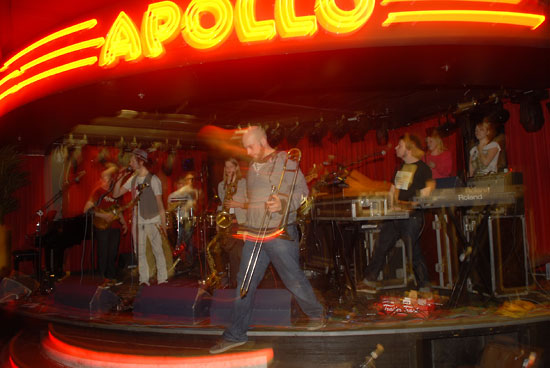
Don’t roll your eyes: Alamaailman Vasarat features sounds of cinematic proportions.Photo: Sinimaaria Kangas

The new album features more touches of both classical and metal. Those converge in the band’s double-barrelled electric cello attack – which is reminiscent of another odd Finnish band, Apocalyptica, that began exploring this sound around the same time.

Alamaailman Vasarat formed in the early 1990s as a duo of buskers in the Helsinki Metro – hence the subterranean name. Stakula says it may have been inspired by the Hammer of the Underworld, a weapon wielded by the giant Morgoth in The Lord of the Rings – “though we didn’t realise it at the time.”

At the turn of the millennium, they began touring Europe, North America and Japan and released their debut, which became an immediate hit on the World Music Chart Europe. So was their fifth release, 2009’s Huuro Kolkko, a playful concept album about a mythical explorer from the early 1900s. In 2010 they released an iPhone game.

Sarkula often creates compositions and sound design for games, films and videos, all of which feed into the band’s cinematic sound. The final track on Valta features wine drops falling from a great height in the big hall at the Magnusborg studio.

“It made a logarithmic pattern that was quite harsh yet natural; the kind that you can’t create with samples,” he says. “It was kind of bad wine, but it didn’t go to waste!”

By Wif Stenger, May 2012
Finnish soul-jazz supergroup rules

Who are the Northern Governors? Where are their musical roots? How is their debut album? And what does a Finnish band have to do with Nigeria?

Search online for “Northern Governors” and most of the references will be to Nigerian politics – but that’s set to change with the arrival of a Finnish soul-jazz supergroup by that name. Their debut album, This is the Northern Governors, appeared in late March 2012 on the legendary Blue Note label.
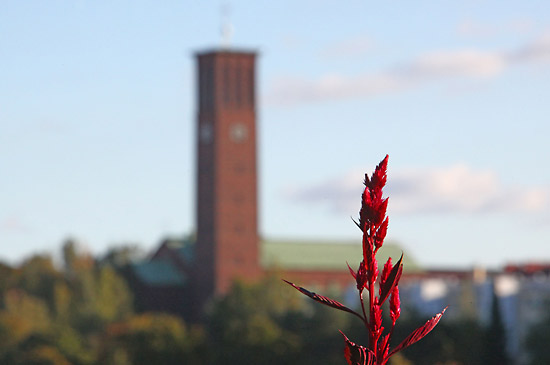
So does the band’s name have anything to do with Nigeria? Well, yes and no.

One of the album’s centrepieces – and a show-stopper during the band’s recent concert at the Turku Jazz Festival – is the infectious, horn-driven “Hela Huti”.

“That’s my tribute to the father of Afrobeat, Fela Kuti, who happened to be Nigerian,” says bandleader J.K. Louhivuori before the gig.

“But that’s just a coincidence!” protests keyboardist and vocalist Tuomo Prättälä with a grin.

“There are no coincidences; it’s all part of a master plan,” says Louhivuori with a wink, enjoying the playful, spiritual tendencies of this group, which he calls “easily the most fun band I’ve ever been in.”

And he’s been in a lot of them – as have most of the Governors.

All relative

3608-northernmusic2_b-jpg

J.K. Louhivuori strikes a pose.Photo: Sinimaaria Kangas

Besides playing actively in his two other ensembles (the jazzy Sun Trio and Big Blue), multi-instrumentalist Louhivuori is in hot demand as a producer, arranger, session musician, playing with the likes of Hugh Masekela and Randy Brecker.

Prättälä and Louhivuori are best known, though, for their work with two of Finland’s highest-profile female vocalists: Emma Salokoski and Yona. Louhivuori wrote, arranged and played much of Yona’s first two albums while Prättälä co-led Salokoski’s long-running band Quintessence before his successful solo career.

Louhivuori also happens to be Yona’s ex-husband and Salokoski’s brother-in-law – in fact the night the Governors ruled Turku, his brother and collaborator Olavi was backing Salokoski in Helsinki.

The tangled musical family tree doesn’t stop there: nearly all the Northern Governors are related to each other.

Louhivuori and Prättälä are cousins of bassist Osmo Ikonen (who also plays with pop-rock band Sunrise Avenue), while guitarist and singer Petteri Sariola and drummer Jyri Sariola are his second cousins. The back-up vocalists are sisters of Louhivuori and Ikonen.

They’re all descendents of Marjatta Pokela, composer of many beloved Finnish children’s songs, and Martti Pokela, master of the national instrument, the kantele, and founder of the Sibelius Academy Folk Department.

Coming from this kind of true-blue musical tradition, it’s startling how passionate the new generation is about African and American music. Along with Fela, their debut album honours Louhivuori heroes such as Prince, Miles Davis and Frank Zappa.

From folk to funk

3608-northernmusic3_b-jpg

Rough and rowdy, heavy on groove and improvisation: The Northern Governors leave audiences begging for more.Photo: Sinimaaria Kangas

On Easter, many of the band members and their relatives (including four Louhivuoris and five Ikonens) honour another tradition with a gospel and soul concert at the Lutheran Church in their hometown of Jyväskylä.

Various groupings of the family band, which first played at Martti Pokela’s memorial concert, have toured in China, Italy and Kenya. The latter trip inspired Louhivuori’s tune “Safari Spots,” which features a loping guitar lead by Sariola.

“J.K. wrote most of the songs on the album with the rest of us adding a few bits,” explains Prättälä. “But a couple of the songs grew out of jam sessions.” These include the opening slice of Prince-ly funk, “Zero Point,” which starts with a robotic quote from electronic pioneer Nikola Tesla.

That kicks off an immaculately produced album with sleek horn charts, electronics and choral harmonies. After this, the live show (with an expanded line-up of 10 people) is a pleasant shock: rough and rowdy, heavy on the groove, improvisation and goofy gyrating from the backup singers.

The final encore is “Happy Souls,” the band’s gospel-tinged first single, featuring solos from everyone, including spacey Moog synthesizer squiggles from Prättälä. It ends with big grins all around, the dance-floor crowd begging for more.

This is an intelligent party band with infectious enthusiasm – catch them live if you can.

By Wif Stenger, March 2012
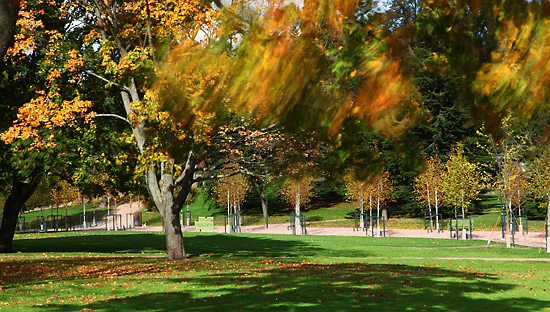
Helsinki’s autumn colours come alive

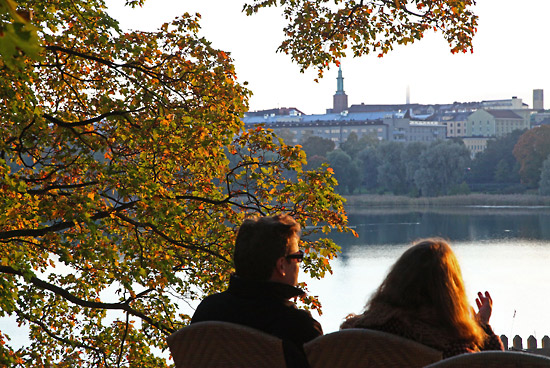
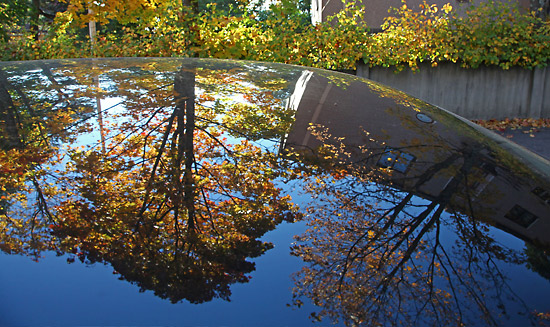
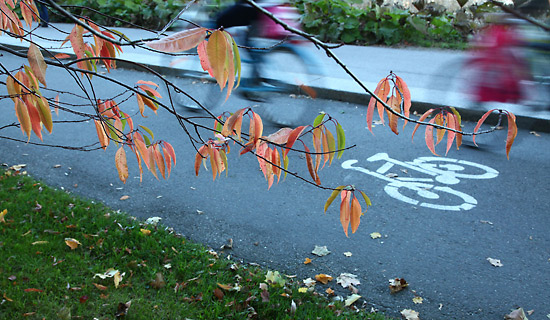
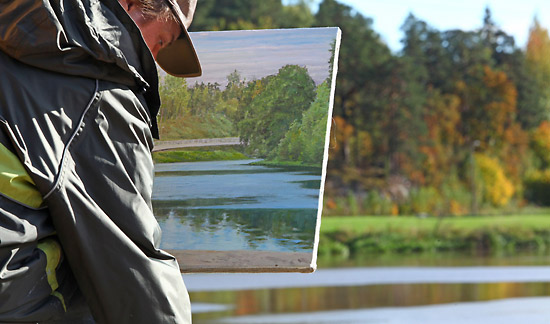
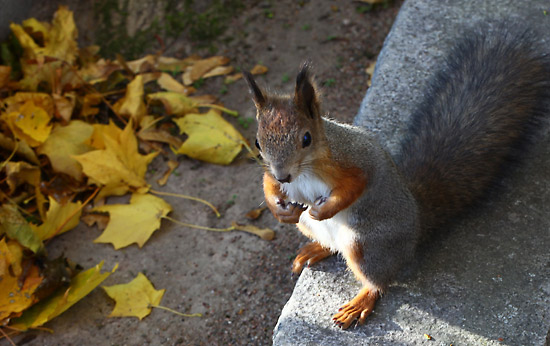
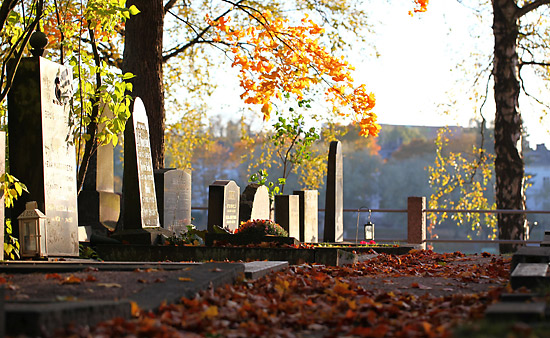
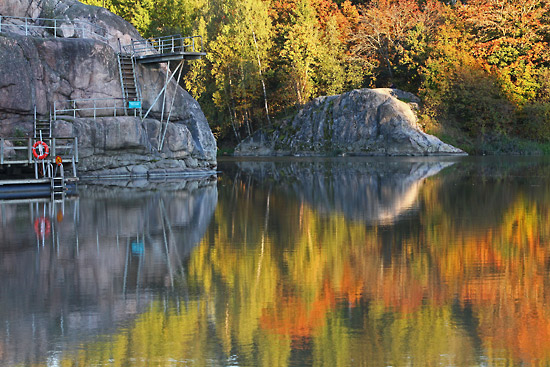
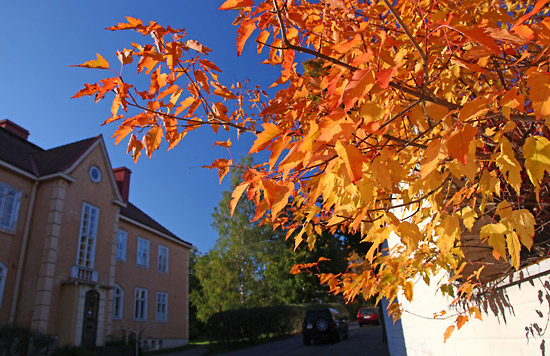
As autumn arrives in the Finnish capital, chilly weather hints at an even colder season soon to come. We relish the crisp fall air, bringing you eye-catching views of colourful seasonal scenery.

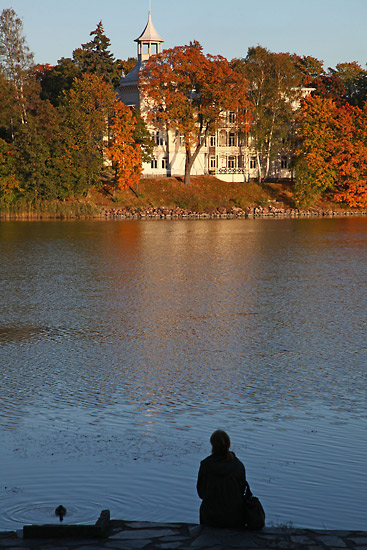
Deep reds, bright oranges and pale yellows replace the greens of summer in Helsinki parks and neighbourhoods as autumn progresses and the leaves change. Although the warm weather of July and August is fast fading to a distant memory, we’re still outside enjoying life and landscapes in the capital.

Vibrant transition

Photos by Tim Bird
Text by Peter Marten