Smart Finnish nature app acts as a guide

If you’re out in the fields and forests of northern Europe and see an unfamiliar flower or bird, it’s now easier than ever to find out what it is, using NatureGate’s innovative species identification apps (see photo show and video below).

Birdwatching and botany have never been easier. The NatureGate website, which features countless photos of Finland’s famously beautiful flora and fauna, has been rapidly expanding into mobile formats with apps that facilitate identification out in the field.

To identify a mystery plant, bird, butterfly or fish, just whip out your tablet or smartphone, open the NatureGate app, and click on icons for colour, shape, size and habitat to generate a photo gallery of candidate species. Feeding in more observations gradually whittles down your list of suspects. The process is more intuitive and immediate than flipping through a guidebook.

A wealth of fascinating information about each species is then just a click away, together with a selection of exquisitely detailed photos. For birds, you can also listen to their typical calls.

A labour of love
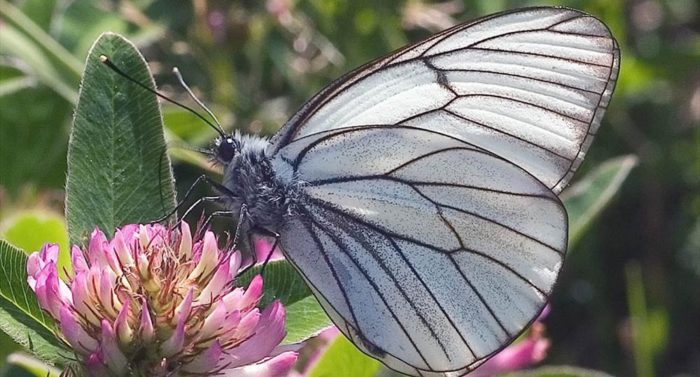
A black-veined white butterfly (Aporia crataegi) perches on a flower as if posing for the camera.

A black-veined white butterfly (Aporia crataegi) perches on a flower as if posing for the camera.Photo: Per-Olof Wickman/NatureGate

NatureGate’s extensive, widely praised website – accessible in English, Finnish, Swedish, French, German, Spanish, Danish and Norwegian – represents the life’s work of producer Eija Lehmuskallio and her photographer husband, Jouko. Over the last 25 years, this nature-loving Finnish couple, with help from coders, biologists and photographers, have built up a stunning collection of categorised, annotated nature photos.

Users of NatureGate’s website and mobile apps can browse species groups including northern Europe’s flowers, trees, butterflies, birds and fish. Guides to mammals, fungi and Baltic marine life are on the way, and already available in Finnish.

“We’re also working on a guide to rocks and minerals, and new local versions in Estonian, Latvian and Lithuanian,” says Eija Lehmuskallio. “And we hope we’ll soon expand our technology, ideas and images further by finding new partners in Russia and elsewhere.”

Inspiration and education
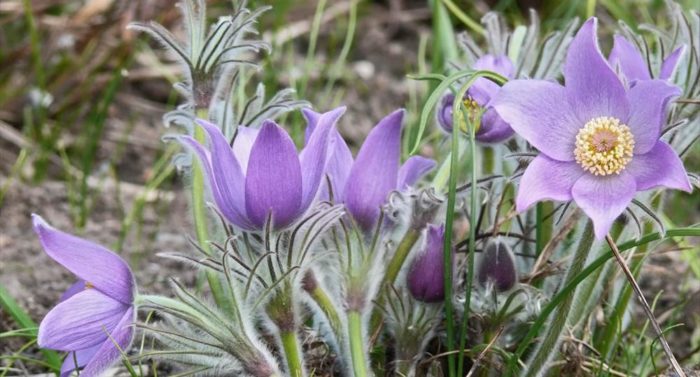
The Eastern pasque flower (Pulsatilla patens) is critically endangered and has protected status.

The Eastern pasque flower (Pulsatilla patens) is critically endangered and has protected status.Photo: Jouko Lehmuskallio/NatureGate

NatureGate’s patented species categorisation and identification software has already won several awards and attracted widespread international interest among organisations ranging from UNESCO to the International Union for the Conservation of Nature.

“Right now we’re working with partners, including Finland’s Ministry for Foreign Affairs, to license our technology for use in India identifying edible plants, crop varieties and plant diseases as part of an agricultural and nutritional development scheme,” says Lehmuskallio.

“We feel such technology can also be widely used in environmental education and science,” she adds. “We’re currently cooperating with Heureka Science Centre [in Vantaa, just north of Helsinki] to create educational materials that will help schoolchildren learn about garden plants, wild food plants and problematic alien plant species, and encourage them to go out and make observations in their surroundings. It would be nice if youngsters could find enjoyable ways to use their mobile devices outdoors in natural environments!”

Interactive citizen science

Watch this video for a demo of the NatureGate app in action.

NatureGate users young and old are already actively logging their observations into their own diaries and sharing them interactively by adding their sightings to an open, map-based database. This information sharing opens up exciting opportunities for “citizen science” projects, where ordinary nature-lovers can contribute to research projects that require numerous observations.

“One research field we’re especially interested in is the impacts of climate change on the distributions of birds, butterflies and even plants,” says Lehmuskallio. “We’re currently working with experts from Helsinki University to find scientific ways to apply NatureGate users’ observations to examine such ongoing changes in the natural world.”

NatureGate is already well on its way towards achieving its ambition of encouraging everyone to understand and cherish our shared natural heritage, by putting images and information covering all of the beauty and diversity of the natural world into everyone’s hands – or at least our hand-held devices.

Life is wild: Selected NatureGate visuals
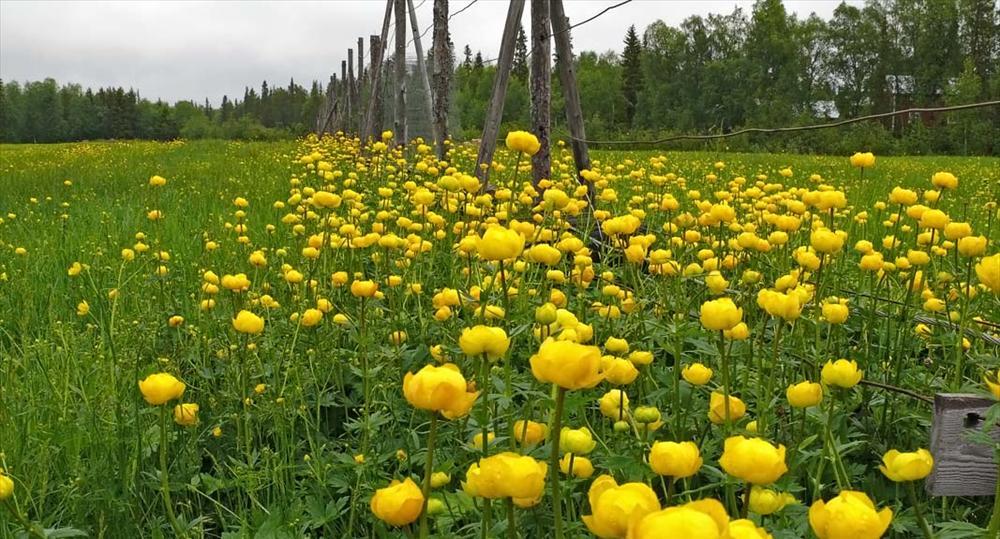
Globeflower (Trollius europaeus), photo: Jouko Lehmuskallio
Globeflower (Trollius europaeus), photo: Jouko Lehmuskallio

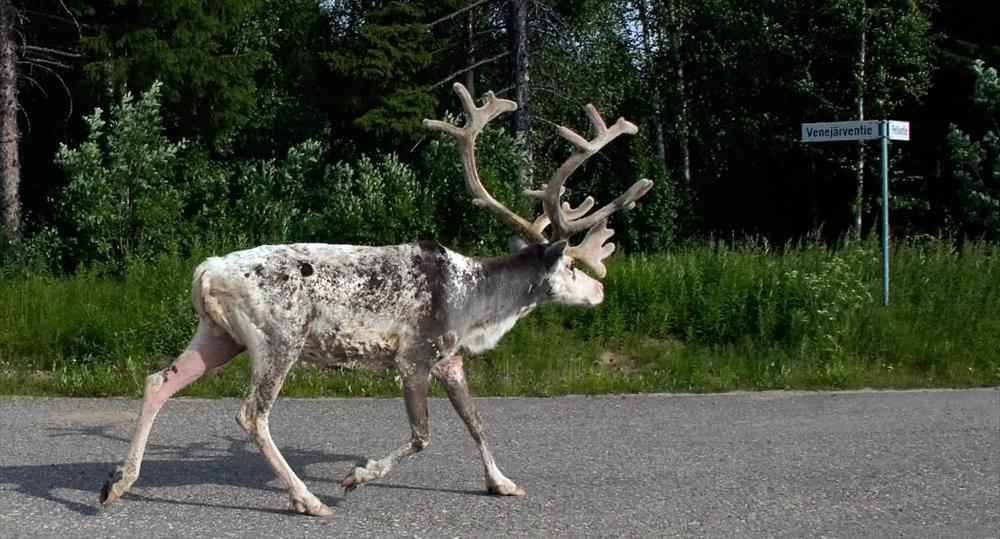
Reindeer (Rangifer tarandus), photo: Jouko Lehmuskallio
Reindeer (Rangifer tarandus), photo: Jouko Lehmuskallio

Mountain fritillary (Boloria napaea), photo: Per-Olof Wickman
Mountain fritillary (Boloria napaea), photo: Per-Olof Wickman

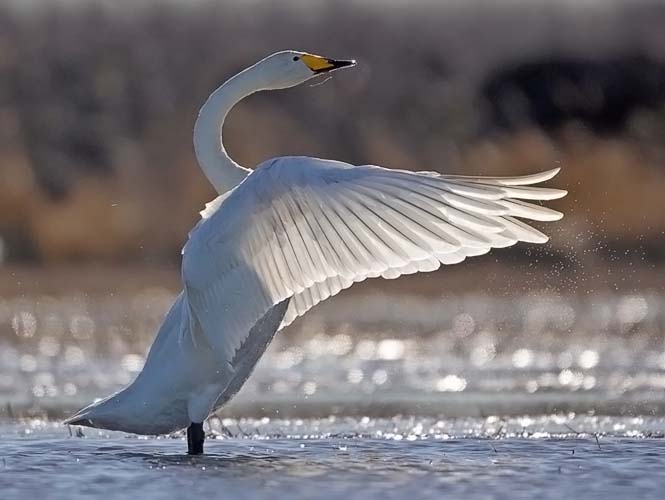
Whooper swan (Cygnus cygnus), photo: Jari Peltomäki
Whooper swan (Cygnus cygnus), photo: Jari Peltomäki

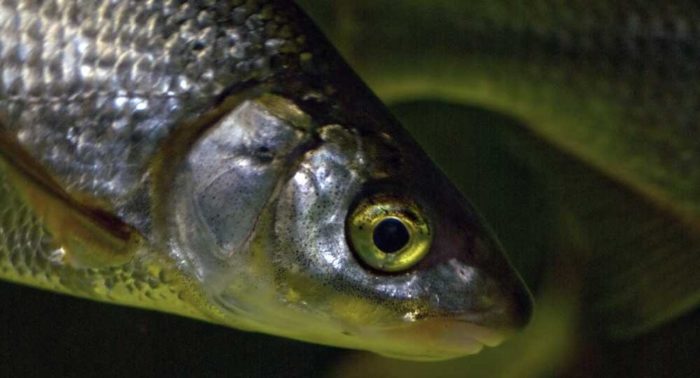
Whitefish (Coregonus lavaretus), photo: Lauri Urho
Whitefish (Coregonus lavaretus), photo: Lauri Urho

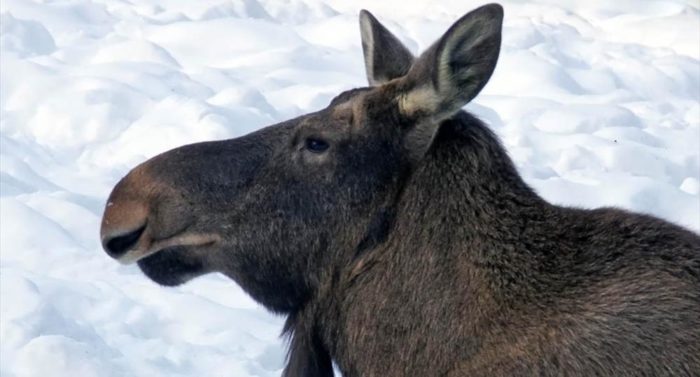
Moose (Alces alces), photo: Jouko Lehmuskallio
Moose (Alces alces), photo: Jouko Lehmuskallio

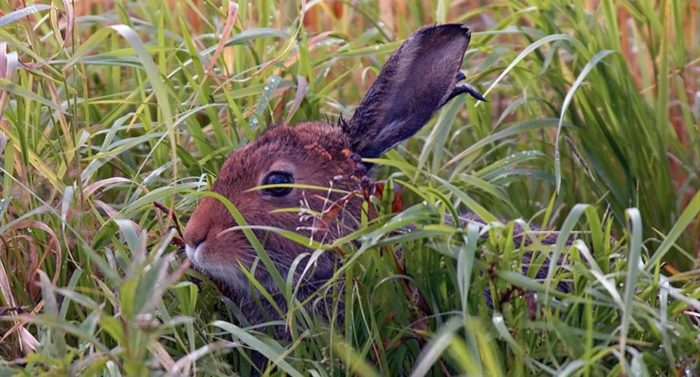
Arctic hare (Lepus timidus), photo: Jari Peltomäki
Arctic hare (Lepus timidus), photo: Jari Peltomäki

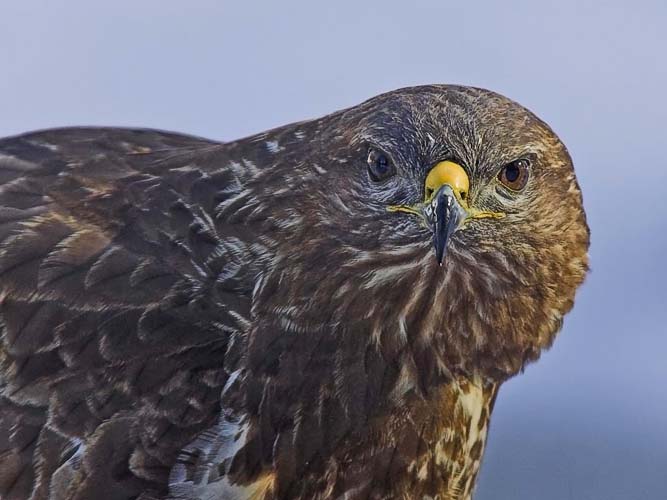
Buzzard (Buteo buteo), photo: Jari Peltomäki
Buzzard (Buteo buteo), photo: Jari Peltomäki

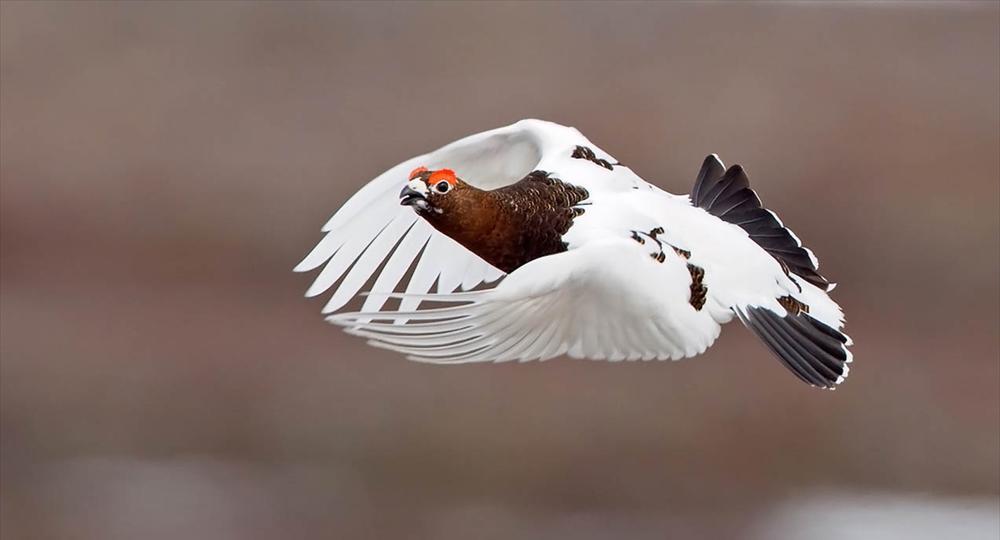
Willow grouse (Lagopus lagopus), photo: Jari Peltomäki
Willow grouse (Lagopus lagopus), photo: Jari Peltomäki

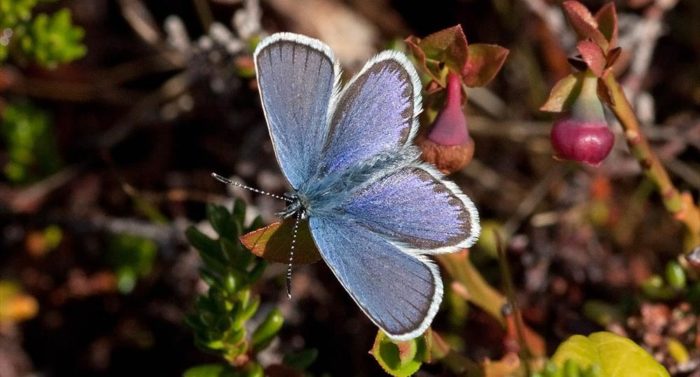
Northern blue butterfly (Plebeius idas), photo: Per-Olof Wickman
Northern blue butterfly (Plebeius idas), photo: Per-Olof Wickman

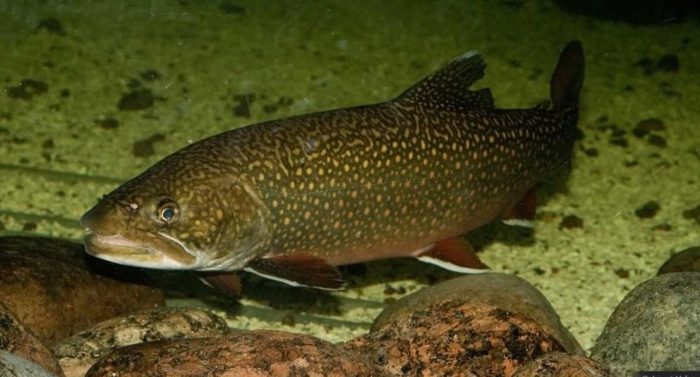
Lake trout (Salvelinus namaycush), photo: Lauri Urho
Lake trout (Salvelinus namaycush), photo: Lauri Urho

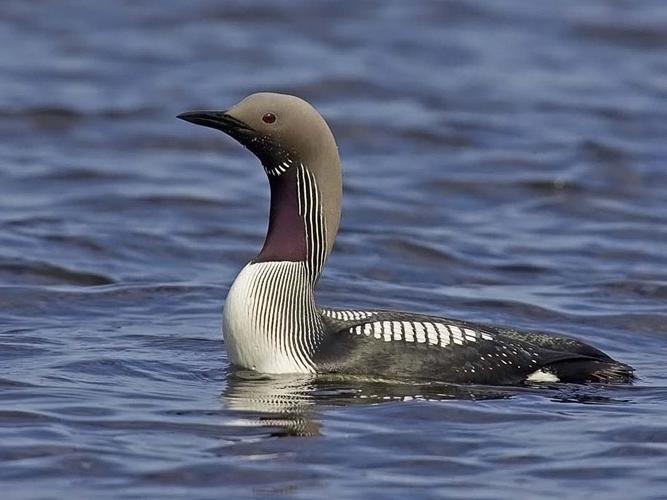
Black-throated diver (Gavia arctica), photo: Jari Peltomäki
Black-throated diver (Gavia arctica), photo: Jari Peltomäki

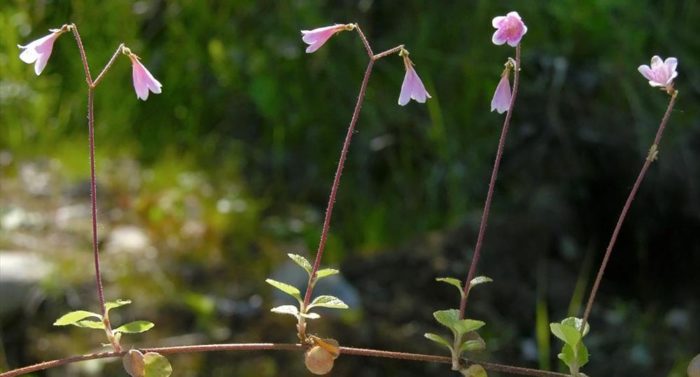
Twin flower (Linnaea borealis), photo: Jouko Lehmuskallio
Twin flower (Linnaea borealis), photo: Jouko Lehmuskallio

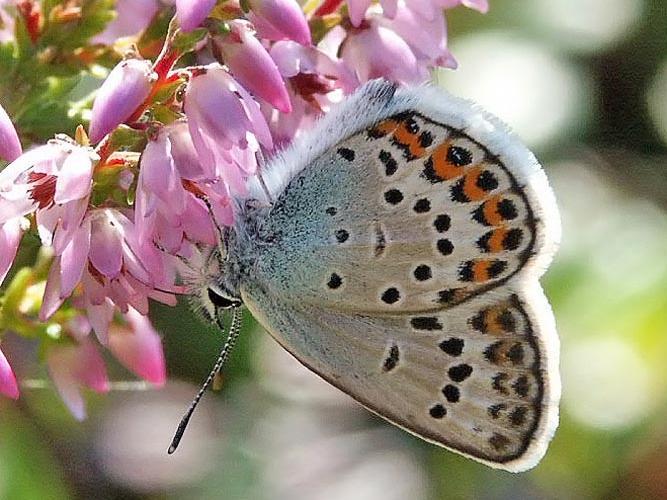
Silver-studded blue butterfly (Plebeius argus), photo: Per-Olof Wickman
Silver-studded blue butterfly (Plebeius argus), photo: Per-Olof Wickman

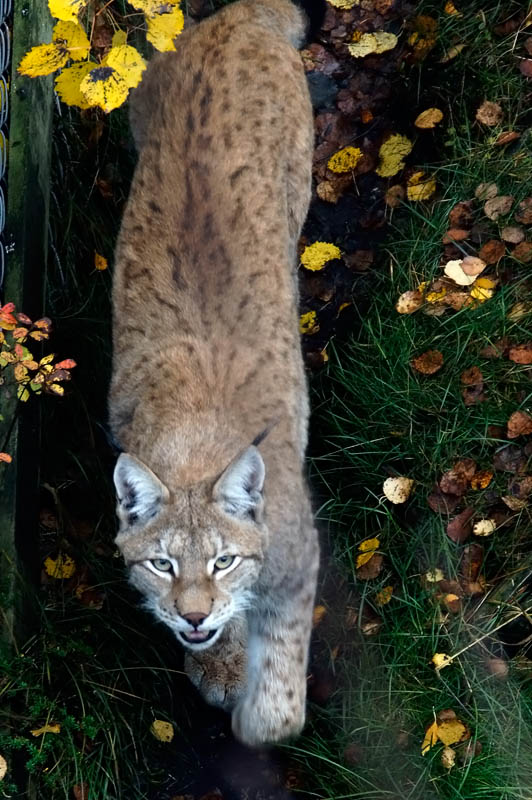
Eurasian lynx (Lynx lynx), photo: Jouko Lehmuskallio

Eurasian lynx (Lynx lynx), photo: Jouko Lehmuskallio

By Fran Weaver, July 2014
Finland sings crayfish-party praises

An American discovers the pleasures of celebrating the beloved crayfish, and learns that he must always ponder an important question before attending: To eat or not to eat.

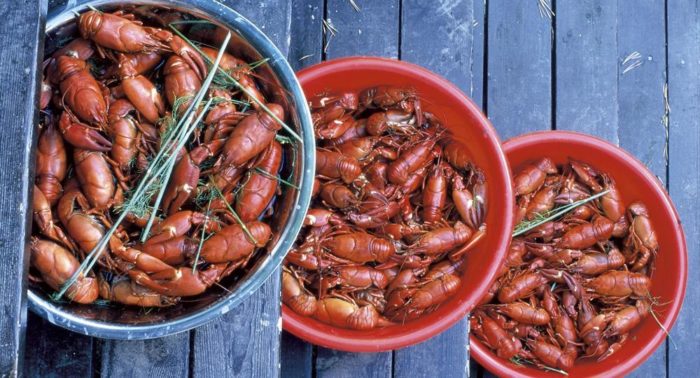
During my student years in Helsinki, I tried to go to as many cultural events as possible. One fine, late-summer evening, I found myself surrounded by people with funny hats, bibs and napkins tucked into their collars. On my plate were several red crayfish, looking like miniature lobsters, flanked by sprigs of fresh dill. Next to the plate was a chunk of bread, a glass of ice-cold schnapps and a beer.

The most prized crayfish come from Finnish lakes. However, they are also imported from Turkey, Spain, China and the US.

The most prized crayfish come from Finnish lakes. However, they are also imported from Turkey, Spain, China and the US.Photo: VisitFinland

That evening, we spent a lot of time singing and making toasts and, in between, we used a special fork and knife to get a small amount of meat out of each crayfish. The atmosphere was jovial and cheerful. However, due to the ratio of food to drink, I became lightheaded very soon. What I didn’t realise was that everyone except me had already eaten before coming to the event.

Crayfish parties came to Finland via Sweden. At first they were mainly observed by Swedish-speaking Finns (Swedish is one of Finland’s official languages), but the fête gradually spread to the Finnish-speaking population as well. What’s more, it was once the domain of the upper class, but became popular with Finns from every walk of life.

Messy manners

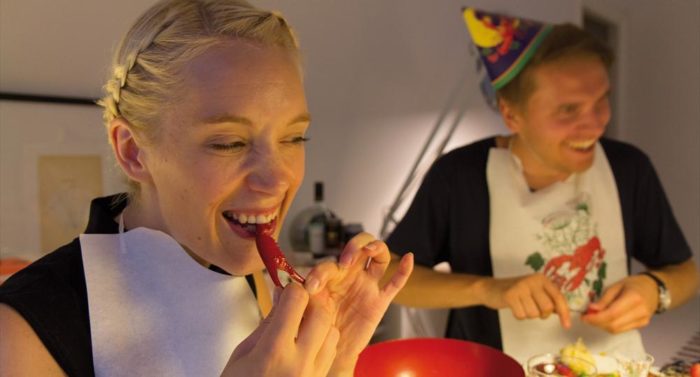
“Do your best but don’t worry about it.” Normal table manners don’t count at a crayfish party.

“Do your best but don’t worry about it.” Normal table manners don’t count at a crayfish party.Photo: Nina Ijäs/VisitFinland

The harvesting season for these beloved crustaceans begins in late July and continues until the end of October. During that time of year, especially in August, restaurants are busy with bookings for crayfish feasts. Weather permitting, they are often celebrated on an outdoor terrace or even a rooftop. These are messy occasions as people eat with their fingers – fingerbowls and dozens of napkins are required. Normal manners are overlooked on this wonderful occasion.

Besides restaurants, many Finns like to organise their own private crayfish parties, which take place in gardens, on patios, on balconies or at summer cottages. Often during these gatherings, soup, savoury pies or fish may accompany the main dish. Lanterns are sometimes hung near the table to enhance the ambience.

The most prized crayfish come from Finnish lakes. However, the amount of these highly appreciated crustaceans has diminished due to disease. Therefore, crayfish are also imported from Turkey, Spain, China and the US, although these are often considered inferior to the domestic variety. Nevertheless, most Finns are delighted to consume whatever is available.

An invitation is an honour

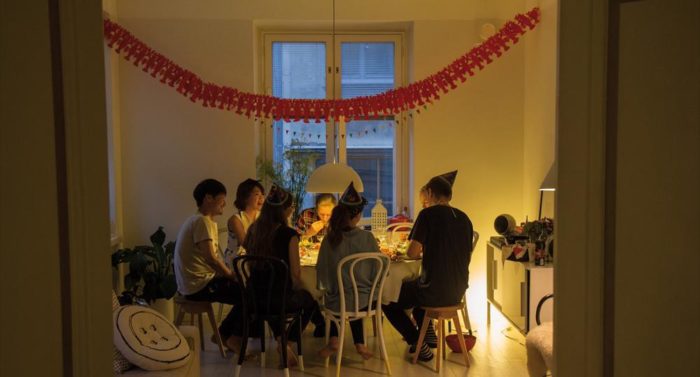
A good crayfish party is so much fun that you don’t notice time passing until suddenly the hour is late.

A good crayfish party is so much fun that you don’t notice time passing until suddenly the hour is late.Photo: Nina Ijäs/VisitFinland

Personally, I consider it a real privilege to be invited to a crayfish party. The last one I attended took place in the month of October at a picturesque, venerable, wooden house by a bay in Espoo, just west of Helsinki. Before sitting at the table, we enjoyed a relaxing, wood-burning sauna, and had a swim in the cold but refreshing water. Once in the main house, we could choose from a variety of alcoholic and non-alcoholic beverages including beer, mineral water, soft drinks, wine, Scandinavian schnapps and Finnish vodka.

Pea soup and potato soup were served first – so we wouldn’t get hungry later during the main course. The hosts passed out song books with Swedish, Finnish, German and English drinking songs. And everyone participated by singing along. Since many of us were foreign, the Finns shared ideas with us about the best way to get the most meat out of each crayfish. I thought the best advice was, “Do your best but don’t worry about it.”

As with most parties of this kind, the conversation flowed, and there was a comfortable mood among the guests and hosts. Time almost seemed to stand still, until suddenly it was early morning and, regretfully, the party came to an end.

Isn’t it terrific how a simple-looking crayfish can bring about so much joy for so many people? Of course, the crayfish might see things a bit differently.

By Russell Snyder, July 2014

New Finnish health tech for old problems

From diabetes logbooks to medical alert bracelets, Finnish companies are developing novel high-tech solutions to long-running healthcare issues.

Ismo Tampio is carefully writing in a notebook. This is not idle doodling: It is important that he does this regularly, because he recently discovered he has diabetes.

“This spring I learned that my blood glucose was really high,” he says. “This was the beginning of a complete change in my diet and medication.”

Tampio has to repeatedly measure and record his blood sugar levels, his diet and his daily activities. He says it has been difficult to keep track of everything, but some tools make this easier. There are sports and diet smartphone apps, and medical devices like insulin pumps also keep records. These separate tools used to exist in isolation and couldn’t work together to give a comprehensive overview. Now Tampere-based Sensotrend has developed a solution.

Enhancing treatment

Sensotrend and Innovamo both help make healthcare info conveniently available.

Sensotrend and Innovamo both help make healthcare info conveniently available.Photo courtesy of Innovamo

“The problem has been getting all this data to a single user interface optimised for diabetes treatment, so that we could really see how different factors affect glucose levels of an individual,” says Mikael Rinnetmäki, one of Sensotrend’s founders. “We collect the data from various wellness trackers and medical devices and present it in a single user interface.”

Rinnetmäki is a type one diabetes sufferer himself. He says he uses seven different apps and devices to collect the data he needs to enhance his treatment.

“I’ve finally been able to learn exactly how running lowers my blood glucose,” he says. “Currently I’m learning the effects of stress. I’m able to see how the cortisol hormone from constant stress keeps my glucose levels elevated. All of this is really personal, and our bodies change constantly as our lives change, so each person with diabetes needs to track all that data themselves.”

Many people with diabetes or other conditions wear medical alert jewellery in order to inform medics of their condition. Historically these have been simple bracelets or necklaces, but they have serious limitations.

“The old bracelets have very limited information,” says John Caesar of the Finnish company Innovamo. “Any information on the bracelet is easily visible and not everyone wants to share their medical condition such as epilepsy in a social setting. They’re also not easily updateable.”

Immediate info access

Medical staff can immediately access health data with just the tap of a smartphone if the patient is wearing a SOS-ICE wristband.

Medical staff can immediately access health data with just the tap of a smartphone if the patient is wearing a SOS-ICE wristband.Photo courtesy of Innovamo

Innovamo has developed an ingenious solution to this old problem. Now a medic or doctor can immediately access pre-existing medical conditions, drug allergies, medical history, treatment wishes or the contact information of family members with just the tap of a smartphone.

“SOS-ICE enables emergency first responders to gain instant access to relevant critical information of our customers in the event of an emergency,” Caesar continues. “It consists of a low-tech smart wearable, like a wristband or pendant, with an online service for the customer and a mobile app for the emergency responder.”

SOS-ICE uses near field communication (NFC) technology chips that are embedded in silicone bracelets or stickers which can be placed on items like a bike helmet. The information is securely accessed by tapping on the wearable with an NFC mobile device with the application installed. By redeploying existing technology, they offer a solution to a long-standing problem: giving first responders the information they need in case of an emergency.

“We spoke to emergency medical professionals and customer groups, both at individual and organisational levels,” Caesar says. “We found that there is a clear need for this kind of solution, which brought significant advantages to the current traditional approach.”

By David J. Cord, July 2014

Mysterious names on the map of Finland

The initially unfathomable place-names that dot the map of Finland have meanings and origins that may be straightforward or less obvious.

Many Finnish place-names relate to natural features, including those of towns like Joensuu (River Mouth), Valkeakoski (White Rapids), Kalajoki (Fish River); and urban districts like Hakaniemi (Meadow Point), Kuusisaari (Spruce Island), Kivenlahti (Stone Bay) and Leppävaara (Alder Hill).

“In a sparsely populated country where people earlier mainly moved around by water, it was natural to name places according to their locations on rivers and lakes,” explains Sirkka Paikkala of the Institute for Languages of Finland.

Finland’s eighth-largest city, with 103,000 inhabitants, is Lahti (Bay). True to its name, Lahti lies on a bay, part of the unimaginatively named Vesijärvi (Water Lake).

The Helsinki suburb Ruskeasuo is surprisingly green and agreeable, though its name means Brown Bog. Other place-names fit better: Mustikkamaa (Blueberry Land), an island near Helsinki Zoo, is appropriately pleasant; while Helsinki’s bohemian inner-city district Kallio, known for its bar scene, translates aptly as Rock.

Animals also feature in the names of towns such as Kontiomäki (Bear Hill), Kotka (Eagle) and Nokia. The name of the hometown of the Finnish mobile phone producer derives from an old word for dark-furred martens, whose pelts were valuable.

“The names of many of our cities were originally the name of a single-family homestead, around which settlements gradually grew into villages and towns,” says Paikkala. Many such names end in the suffix -la, meaning “place,” including Pusula (Kissing Place) and Karhula (Place of the Bear).

Bilingual puzzles

The Finnish place-name of Porvoo, a charming town less than an hour from Helsinki, comes from a corruption of the Swedish-language name Borgå.

The Finnish place-name of Porvoo, a charming town less than an hour from Helsinki, comes from a corruption of the Swedish-language name Borgå.Photo: VisitFinland

Several centuries ago, traders from the Swedish region of Hälsingland set up shop by a river mouth on Finland’s south coast. Their settlement became known to local Swedish-speakers as Helsingfors (Helsing Rapids) and later to Finnish-speakers as Helsinki. The capital’s riverside birthplace lies outside the city, in the northern district called Vanhakaupunki (Old Town).

Paikkala explains that, especially in coastal Finland, many place-names were originally Swedish. Some cities have very different names in the two national languages. Finland’s former capital is known as Turku to Finnish-speakers (from an old Russian word Turgu meaning market place), while to Swedish-speakers it is Åbo (River Settlement).

Some odd Finnish names arose when tongue-tied Finns mangled older Swedish names. The picturesque old town of Porvoo is one example. Its Swedish name, Borgå, means Fort River, but Finnish-speakers twisted the tricky sounds b, g and å to make their own version. Likewise, the historic island fortress outside Helsinki, Suomenlinna (Finland’s Fortress), was called Viapori before Finland gained independence in 1917 – a Finnish pronunciation of the Swedish-language name, Sveaborg (Sweden’s Fortress).

The city of Tampere may owe its name to a Swedish word meaning “dam,” or an old Sámi word meaning “calm water between rapids.” Today the indigenous Sámi people mainly make their home in northernmost Lapland, but Sámi place-names survive across the country in areas where they lived earlier. Lapland’s largest town, Rovaniemi, has mixed etymology: rova is Sámi for a wooded hill, while niemi is Finnish for peninsula. Beautiful Nuuksio National Park west of Helsinki owes its name to a Sámi word meaning swan.

Oddities on the map

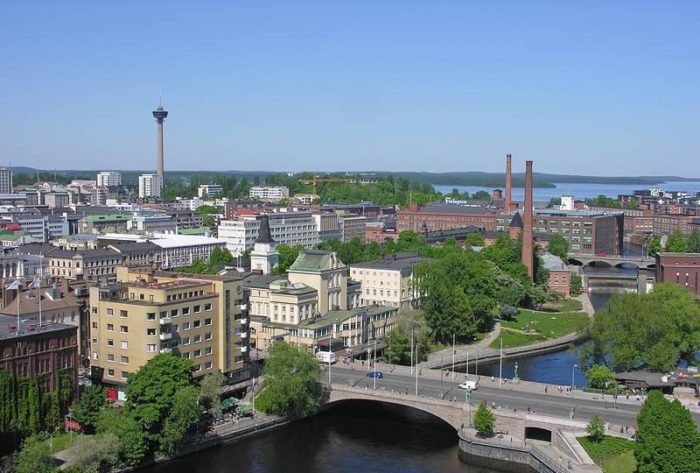
The city of Tampere may owe its name to a Swedish word meaning “dam,” or an old Sámi word meaning “calm water between rapids.”

The city of Tampere may owe its name to a Swedish word meaning “dam,” or an old Sámi word meaning “calm water between rapids.”Photo: Jari Mäkinen/VisitFinland

Several towns and districts have somehow ended up with curious place-names. Visitors should perhaps take good care of their belongings in the eastern town of Varkaus (Theft). Pohja translates to “Bottom.” The railway line running into northwest Lapland ominously ends at a village called Kolari (Crash), though it was more likely named after a tar-burner (koolari) than any disaster.

Tourists may be impressed by the extent of Helsinki’s tramway network when they notice trams bound for a district called Arabia.

Finland’s shortest place-name belongs to the village of Ii (that’s the letter i twice, pronounced “ee”), on the Bay of Bothnia. Its name derives from a Sámi word meaning “a place to overnight.” The lovely village of Snappertuna is worth a visit for its name alone, though there is nothing fishy about its obscure Swedish origins.

By Fran Weaver, July 2014
A Finnish dose of good health via apps

Rise and shine! It’s time to play your way to wellbeing. We meet two Finnish women who are creating health apps and wellbeing games that pave the way for an active lifestyle.

As mobile health apps grow in popularity, entrepreneurs are adding game-like features to them. “Gaming is a form of motivation to get people to do something that is voluntary,” says Nelli Lähteenmäki, the CEO and cofounder of Health Puzzle and maker of soon-to-be-launched health app YOU, which utilises its users’ health and preference data to inspire them to take what its creators call “healthy, sustainable actions.” In a data-driven app market, YOU aims to be action-focused because, Lähteenmäki believes, “data is just the first step.”

According to a 2013 report by Research2Guidance, a German firm, there are 97,000 mobile health apps available globally, 70 percent of which target consumer wellness and fitness segments (mostly health trackers). The wealth of health information they create needs to be analysed to create efficient health advancement mechanisms for a wide audience.

Sustaining progress

Nelli Lähteenmäki of Health Puzzle spreads the word about her company at Helsinki’s Slush event for startups and investors.

Nelli Lähteenmäki of Health Puzzle spreads the word about her company at Helsinki’s Slush event for startups and investors.Photo: Samuli Pentti/Slush

Lähteenmäki highlights her app’s scope as follows: “YOU app users are people who have the willingness to improve their health and not necessarily the super-crazy crossfitters.” The app sets small, achievable goals for its users and gradually raises the bar to ensure sustained progress. With a good game design, an entrepreneur also needs to build new linkages to reach the desired target audience and Lähteenmäki seems to have a plan in place.

“We’ve been partnering with Diacor, one of the biggest healthcare providers in Finland, asking if future doctors could prescribe YOU app as a healthy game promoting micro-actions instead of only drugs and medication,” she Lähteenmäki. Her keen eye for business growth stems from her background in tech and sales.

Another health app entrepreneur with a sharp business acumen is Tiina Zilliacus, the founder of Gajatri Studio and creator of Yoga Retreat, a casual wellbeing game. She defines gaming as “an amalgamation of creativity, technology and sales.”

“I’m not a coder,” Zilliacus clarifies. “I like monetisation, calculations and sales.”

Healthy posturing

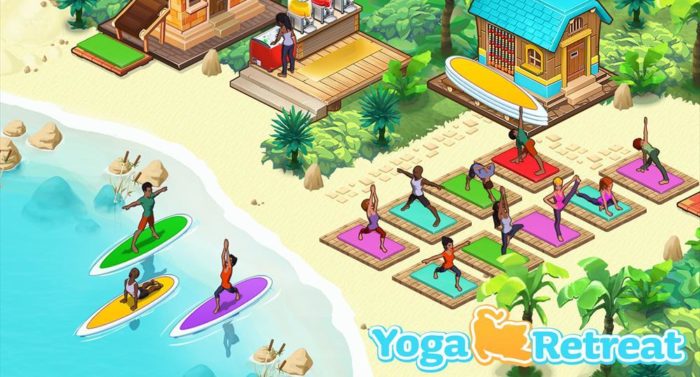
Yoga Retreat includes aspects of business management and yoga.

Yoga Retreat includes aspects of business management and yoga.Screenshot: Gajatri Studios

A yoga practitioner for over a decade, Zilliacus combined her personal interest with her professional experience in mobile content aggregation to create a yoga-themed business simulation game largely targeting women gamers.

Yoga Retreat, Zilliacus notes, is designed with a two-pronged appeal: “The game works well for those who are interested in pure business simulation management and those who are into yoga.” As a wellbeing game, Yoga Retreat inspires players to maintain a healthy lifestyle by learning and then teaching varied yoga postures in their own retreats.

The 40 to 50 animations of yoga poses available in the game are all designed meticulously to make a series of seamless videos. “I was filmed demonstrating every yoga asana [posture],” says Zilliacus, “and based on my video, 3D animation models were designed by graphic designers.”

The road ahead is equally interesting, as she intends to use games as engagement platforms for brands. “For instance, if we make an Amazon platform version and they have an interface allowing us to offer yoga accessories in the game, our business model can extend to sales of real goods.”

“My next game is going to be based on food,” Zilliacus says. Whether fitness or food, the idea is to make a healthy start.

By Asha Gopalkrishnan, July 2014

Taste the summer in Finland

The Finnish summer means spending long days outside, relaxing at the summer cottage and enjoying fresh, seasonal cuisine (recipes below).

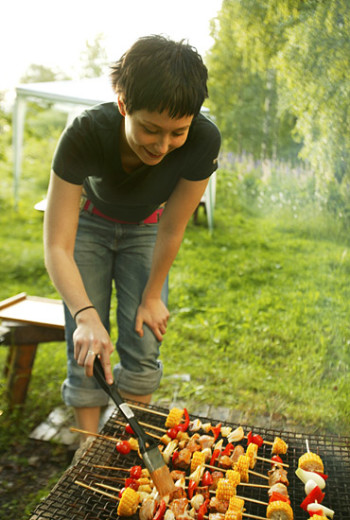
If you ever have the pleasure of being invited to a Finn’s home or cottage in the summertime, you’ll find a great many delights to satisfy your taste buds. A significant part of enjoying summer involves being outdoors, as well as the activity of grilling or barbecuing.

“In the summertime Finns love their sausages and their new potatoes,” states Virve Räisänen, owner and head chef of Helsinki’s Restaurant Sunn. “Actually, summer officially starts for Finnish cuisine with the arrival of new potatoes.”

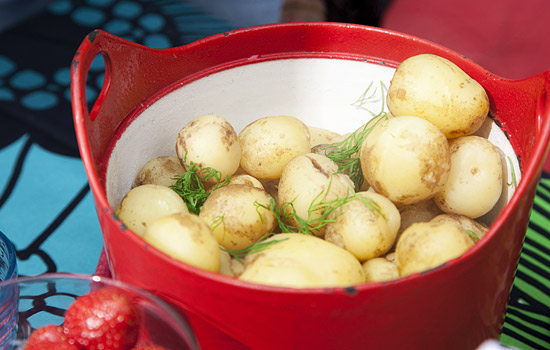
“New potatoes” refers to potatoes harvested early, while still small, considered a special delicacy. Given the Finn’s reputation for being forthright, it comes as no surprise to learn how they enjoy their potatoes. “First you boil them with lots of salt and dill – nothing else,” Räisänen explains. “Then serve them with butter – some people use onion, but butter is the main ingredient.”

Eating local, from pikeperch to stinging nettles

2584-grilling_sre_550px-jpg

Grilling or barbecuing forms a staple of Finnish summer, when people try to spend as much time outdoors as possible.Photo: SRE

Finnish summer cuisine includes a range of sausages – and yes, they have been known to cook them on the sauna stove; it’s not unheard of. Fishing is also a popular way to while away the long summer days. Many summer cottage residents prepare the catch of the day in their own smoker, with pikeperch frequently finding its way onto the dining table.

Meanwhile, the abundance of fresh produce available around the country during the warmer months facilitates all manner of culinary indulgence.

“Finnish people eat more vegetables in the three months of summer than during the rest of the year,” Räisänen says, laughing. “Fresh peas are very good. We have a summer soup in Finland, which is all about utilising peas and potatoes as the main ingredients.”

This enthusiasm for fresh local produce also extends to the numerous wild herbs that grow here, which are free for everyone to forage, alongside numerous varieties of berries and mushrooms for which Finland is renowned. Finns pride themselves on being able to make use of much of what nature has to offer. Interestingly, perhaps one of the least likely seasonings is found in the shape of the stinging nettle plant. Harmless and tasty when cooked, it acts as a common summer starter dish, appearing in soups and even pancakes.

Celebrating the midnight sun

2584-eating_out_mek_550px-jpg

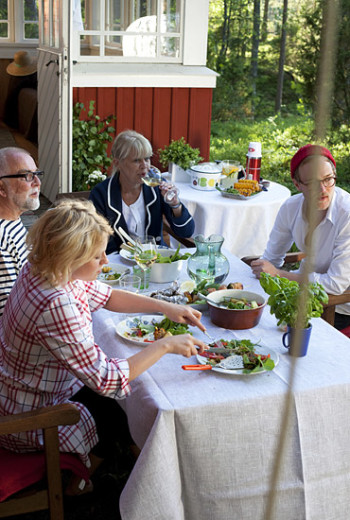
A common summer scenario: It’s a treat to eat outside during the warm months.Photo: Visit Finland

The centrepiece of the Finnish warm season comes in the shape of Midsummer, the longest day of the year, which sets off all manner of celebrations around the country. Giant bonfires are lit alongside lake and ocean shores nationwide as friends and family gather to mark this annual tradition.

Naturally, food also plays a big role. While Räisänen now spends her Midsummers bringing cottage-style celebrations to the capital region at her restaurant, her childhood memories of the event include one notable treat.

“Every family has its own traditional recipe of muurinpohjalettu, which is passed down from one generation to the next,” says Räisänen. “These are buckwheat flour pancakes, a Finnish crêpe, prepared in a really rustic way in a big pan over an open fire. The thinner you can get them, with a really crispy edge, the better they are. Fold them in four, and put fresh cream and strawberries on top.”

Good company, warm weather and good food – all of this and more is on offer during the Finnish summer.

Still hungry for more? You’ll find other great articles about the Finnish cuisine scene below, after the recipes.

Virve’s Finnish summer recipes

2584-potatoes_mek_550px-jpg

Photo: Visit Finland

Perfect summer potatoes

(serves 4)

1 kg (2.2 pounds) washed, unpeeled new potatoes (potatoes harvested early)
3 litres (4 1/4 cups) cold tap water
100 g (3.5 ounces) salt
Fresh dill

Wash potatoes well (Virve recommends the potato variety called siikli if you’re in Finland), but leave the peel on. Bring water to boil, making sure it’s salty enough, almost like seawater. Add potatoes and simmer for ten to 15 minutes depending on the size. Always try to use potatoes of about the same size.

Turn stove off, add fresh dill, put lid on and let potatoes steep for at least ten more minutes. Make sure they’re soft. Drain and serve immediately with salty butter, spring onion and more fresh dill if desired (the perfect accompaniment for every summer dish). Finns especially love these potatoes served with herring, smoked fish and mushroom sauce. You can serve them straight from the pot.

Finnish summer vegetable soup

(serves 4)

6 tiny summer carrots, washed not peeled
50 g (1.75 ounces) sweet snap peas
50 g (1.75 ounces) sweet peas
1 head of cauliflower
1 onion, including some of the stem
200 g (1/2 pound) tiniest summer potatoes you can find
1.5 litres (6 1/4 cups) whole milk
50 g (1.75 ounces) butter
Salt, white pepper
Lots of fresh parsley, chopped

This soup can be made properly only around Midsummer, when all of the vegetables are sweet and fresh, but it is very dear to the Finns and can also be seen on menus throughout spring and summertime. Every house has a recipe of its own, but the key is to use ingredients that are fresh from the garden.

Wash and chop all the vegetables to spoon size. Add salt, potatoes, carrots and onion to milk and bring to boil. Simmer for about ten minutes. Add butter, cauliflower and peas. Boil for another five minutes. Season with fresh parsley.

Midsummer Day pancakes (muurinpohjalettu)

0.5 litre (2 cups) whole milk
2 eggs, beaten
Pinch of salt
Pinch of sugar
0.5 litre (2 cups) of barley or whole wheat flour
50 g (1.7 ounces) melted butter

Ideally – and originally – prepared over an open fire in a special cast iron pan, this pancake has crispy edges and is fried so thin that it’s almost transparent. These days any pan will do, but if possible cook them outdoors – it’s an important part of the magic.

Beat milk and eggs together with sugar and salt. Add flour and butter and let sit for at least one hour – even overnight will do. Heat pan and fry pancakes with butter, trying to make them as thin as possible and beautifully brown on both sides. Fold in four and enjoy with your topping of choice.

By James O’Sullivan, June 2013

Helsinki hip: Harbours become houses

As Helsinki’s population continues to grow, so does the demand for new housing. We take a look at three waterside developments – one recently completed and two still under construction – that have already created room for thousands of new residents in the capital area.

The newest feats of urban architecture fit well with Helsinki’s continuing legacy following its tenure as World Design Capital in 2012. All three new development areas – Arabianranta, Kalasatama and Jätkäsaari – include fast data services as well as a variety of ownership structures. All of them are situated close the city centre.

From ceramic to dynamic

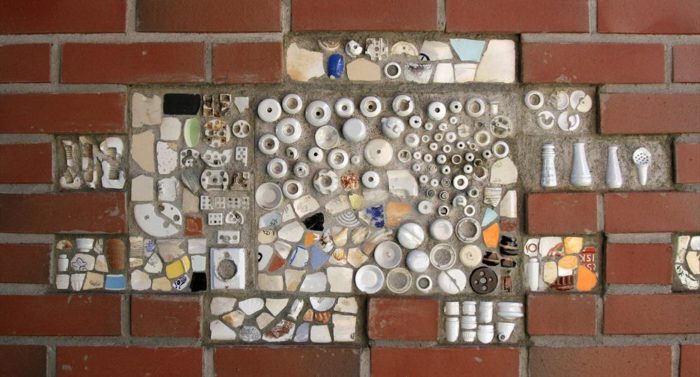
For this artwork in Arabianranta, Anne Siirtola collected bits of ceramics from nearby fields that used to serve as dumping grounds for the Arabia factory.

For this artwork in Arabianranta, Anne Siirtola collected bits of ceramics from nearby fields that used to serve as dumping grounds for the Arabia factory.Photo: Sabrina Salzano

The oldest of these new seashore areas, Arabianranta (Arabia Shore) is located on former wasteland behind the Arabia pottery factory, five kilometres from the city centre, close to a nature reserve. The 8,000 residents live on streets named after renowned designers who once worked at the factory – ceramics production started in 1873.

The area has now been developed, combining artistic heritage and high-quality design. Locally salvaged pieces of pottery form part of the artworks that decorate the area. A designated path guides pedestrians through the neighbourhood and past the art.

In the Loppukiri (Final Spurt) cohousing project, 71 somewhat-senior citizens (actually 48 years and above) run a collectively managed block. People have their own apartments but share common food and maintenance services. This modern city innovation is just the type of thing that Helsinki plans to use as a base for its urban future.

From harbours to houses

The apartment buildings sprouting up in Jätkäsaari range from modern to futuristic.

The apartment buildings sprouting up in Jätkäsaari range from modern to futuristic.Photo: Sabrina Salzano

Design consultancies figure prominently in the city’s plans for the other two seaside developments, as does citizen involvement. The city has made a commitment to incorporating innovation not just in the designed outcome, but also in the whole construction process. Until 2030, Helsinki is remodelling itself within the confines of its own city limits. Both Kalasatama (Fish Harbour) and Jätkäsaari (Dockworker Island) lie within a kilometre of the city centre as the crow flies.

West Harbour in Jätkäsaari forms a point of entry for ferries and cruise ships. At present, the peninsula of reclaimed land that stretches west from the harbour is a mixture of open brownfield and futuristic construction. By 2030, the former cargo handling site will accommodate an extensive park, more than 17,000 residents and workplaces for 6,000. The area will include private waterside houses, high-density apartments, light traffic connections and a school.

Kalasatama, too, currently represents a work in progress: cement mixers and florescent-clad labourers. Yet life continues apace for new inhabitants in the first batch of completed buildings.

A university student named Eeva shows off her two-year-old building’s communal sauna and roof terrace. At the moment, the area is admittedly rather spartan, with only one local shop and constantly evolving paths and roadways.

While most of Kalasatama is still under construction, the 177-hectare development on reclaimed land just northeast of downtown Helsinki is intended in many ways as a pioneering project. Already the area holds great appeal for young urbanites. New refuse services, communications connections and citizen-sponsored planning highlight the best of modern design.

Increasingly smart future

Keeping cultural avenues open: Local artists are encouraged to display their painting skills on a wall surrounding the Kalasatama construction area.

Keeping cultural avenues open: Local artists are encouraged to display their painting skills on a wall surrounding the Kalasatama construction area.Photo: Adam Groffman/flickr, cc by-nc-sa 2.0

With an ultimate total of 20,000 residents, Kalasatama will join the adjacent, increasingly hip neighbourhoods of Kallio and Sörnäinen. Helsinki Planning Department project leader Tuomas Hakila points out that “multiple lines of sight are being created, for example from the dominating Lutheran church in the centre of Kallio down to the water’s edge on the far side of the development.” Parks, recreational facilities and an extensive shopping centre are taking shape around Kalasatama metro station.

Currently some 2,000 residents enjoy the first fruits of Kalasatama’s planned “smart city.” These include an automated refuse system designed to make collection by truck obsolete. Inevitably, teething pains have been experienced, the access doors being too restrictive for more bulky items.

However, as Forum Virium project consultant Veera Mustonen says, “There will be a variety of cutting-edge projects in Kalasatama, from cohousing to community interfaces. The area is a test bed for new ideas in urban design, and even in educational methods in the new school.”

During construction, contractors have left certain areas open for recreational purposes. Two shipping containers on the undeveloped southern shoreline, looking like leftovers from the set of a film by famously understated Finnish film director Aki Kaurismäki, serve during the summer as a popular café, Ihana Kahvila (Wonderful Café). Along with Sompasauna, a simple, self-service sauna next door, the café points the way towards practical but stylish changes yet to come in the Finnish capital.


By Anthony Shaw, July 2014

Startups show Finnish innovation in Oulu

Over 150 of Finland’s most innovative entrepreneurs received an opportunity to pitch for fame and fortune in the northern city of Oulu this summer.

An annual business incubator event called Midnight Pitch Fest (because the sun sets after midnight in northern Finland during the summer) runs a two-day pitching competition to match startups needing funding with investors looking for future profits.

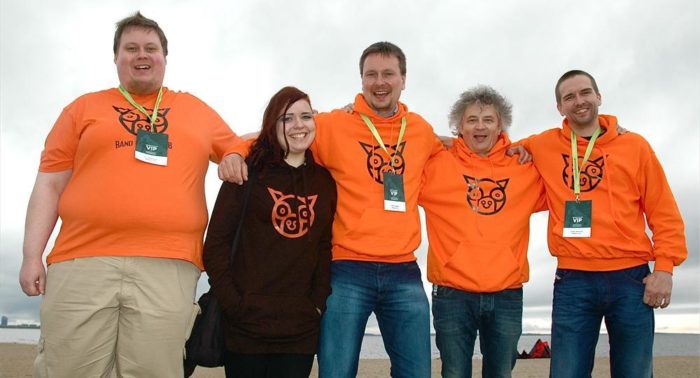
Netsono, one of the winning startups in Oulu: (from left) Joni Komulainen, Hanna Sirviö, Petri Hyyppä, Juha Torvinen and Jarkko Immonen.

Netsono, one of the winning startups in Oulu: (from left) Joni Komulainen, Hanna Sirviö, Petri Hyyppä, Juha Torvinen and Jarkko Immonen.Photo: Ari Kettunen

One of the winners was Netsono, which offers up-and-coming musicians an online music production service. Netsono’s Petri Hyyppä says band members can be on three different continents and still record, mix and launch a best-selling album together. “They can also run online auditions,” he says, “which can save everyone time and lots of nerves!”

Perhaps Netsono’s greatest trump card is Juha Torvinen, an original member of one of the most popular rock bands in Finland, Eppu Normaali. As a member of the Netsono team, this old rocker offers feedback to unsigned artists based on his 38-year experience in the music industry. “This program just makes it so simple to make and launch an album,” he says.

World’s first “breaking ice cube”

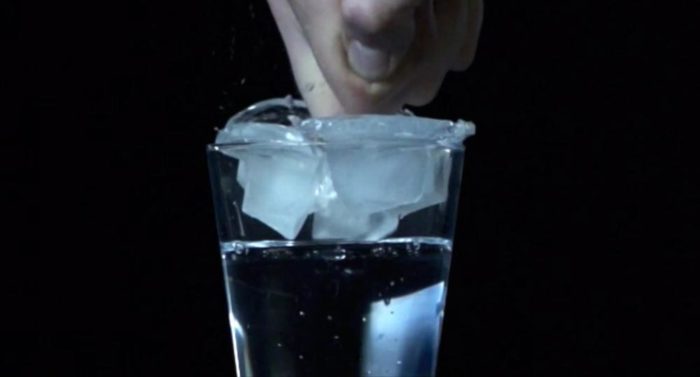
This new kind of ice cube sits over the mouth of the glass, then breaks into small ice cubes when struck.

This new kind of ice cube sits over the mouth of the glass, then breaks into small ice cubes when struck.Photo: Sipi Hintsanen

Claiming to be a world first, Sipi Hintsanen’s patent-pending Breaking Ice Cube is a circular ice cap that sits atop a drinking glass. Designed to crack into five perfect cubes and tumble into a drinking glass with a gentle knock from a knuckle, this unique Finnish innovation needs 200,000 euros to crack into the big time. Hintsanen’s hand-picked advisory team includes an award-winning Finnish bartender; the American Bar at Solo Sokos Hotel Torni in Helsinki; and Snowhow Ltd (snow and ice construction specialists based in Oulu).

Juho Risku, one of the Midnight Pitch Fest judges and a cofounder and partner at Finnish venture capitalist firm Butterfly, says the main criteria he looks for in startups pitching at this event are the size of the potential market; capital efficiency; and the quality of the business team and their product. “I’ve seen a big improvement in the quality of pitching in Finland over the last few years,” he says.

Keep a mobile microscope

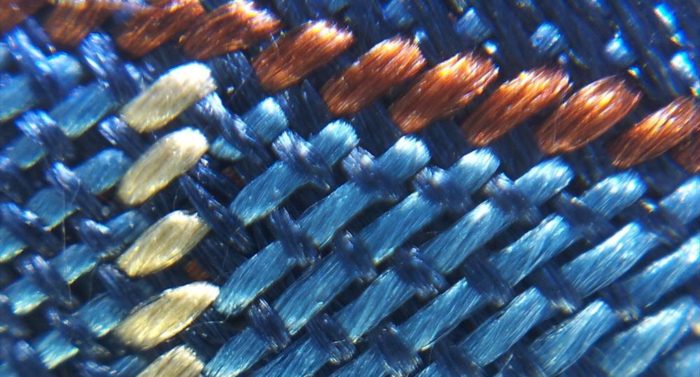
This microscope-magnified picture of a piece of fabric is taken with a regular mobile device using KeepLoop’s mobile microscope.

This microscope-magnified picture of a piece of fabric is taken with a regular mobile device using KeepLoop’s mobile microscope.Photo: KeepLoop

Would you like to turn your smartphone into a microscope? Finland’s KeepLoop Mobile Microscope was on show at Midnight Pitch Fest. By attaching a thin, magnetic microscope module over a smartphone or tablet camera lens, anyone can snap high-quality microscopic photographs of anything, from fingerprints and blood samples to insects and fabrics. Even videos of microscopic organisms can be captured and shared on social media.

“The idea is to open up the microscopic world and make it available to everyone,” says KeepLoop CEO Jaakko Raukola. “School students can use them on biology excursions, storing thousands of images on their phones or tablets and then going back to the classroom to analyse them on computer screens.”

While a few other similar products exist on the market, this one, designed and manufactured in Finland, possesses two unique features: a flat lens structure, making it extremely light and easy to carry in your pocket, and compatibility with all smartphones and tablets no matter what brand and model. As a startup company, KeepLoop is seeking capital to boost distribution and sales channels across the globe. As with many recent Finnish innovations, the VTT Technical Research Centre of Finland was involved in the early designs.

By Mark Badham, July 2014