Viewing Finland from afar

How do you see Finland when you can combine the knowledge of an insider with the perspective gained from living elsewhere?

Five Finnish reporters tell us what they’d like to take back to Finland from the countries where they’ve lived and worked – and what they might bring to those places from Finland. And we don’t mean Finnish rye bread – we want them to take the conversation to the next level. Their stories are entertaining and revealing.

Effortless friendliness

Paula Vilén works as US correspondent for Yle, the Finnish Broadcasting Company, in Washington, DC.
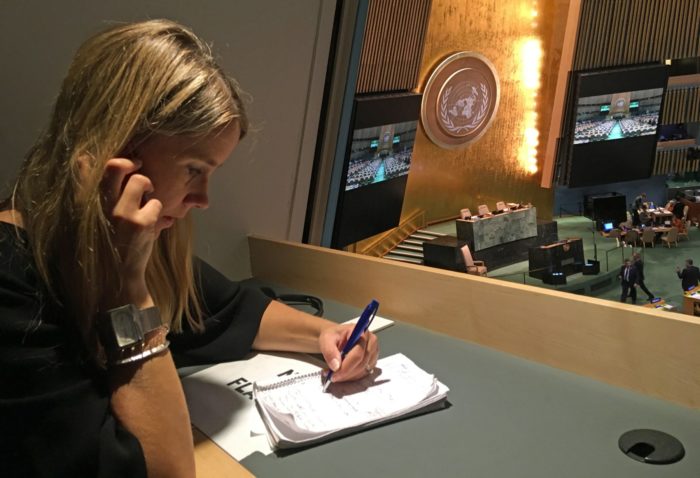
Paula Vilén prepares for a live radio report in a press booth at the UN General Assembly in New York.Photo courtesy of Paula Vilén

From the US, I’d definitely bring back to Finland the effortless friendliness of Americans. It makes your life so much more pleasant when you are greeted with a smile and can get into discussions with random people at the bus stop or in the cafeteria. Of course, this makes the USA a paradise for a journalist who is willing to speak with as many Americans as possible about all kinds of topics.

American DNA includes an ability to make everyday encounters with one another easy and happy. They use the words “hi,” “thank you” and “excuse me” frequently, and they truly have a special skill or gene for remembering your name and using it when talking to you. This makes you feel special and welcome. Some might claim all this is artificial, but even if it was, I’d absolutely prefer that over unsmiling indifference.

The best gift Finland would have to give to the US would easily be the way of getting things done in an efficient, organised manner. A Finn has a hard time understanding why some plain and simple things, such as registering your car, can require so much time and bureaucracy. In Finland you’d probably find a way to do it online, and that would be that.

And for all American women and families, I’d hope the US would follow a path more like that of Finland when it comes to maternity and parental leave policies. American women’s jaws drop when I tell them about Finland’s generous maternity leave policies. American society, which values families and loves kids, contains a strange discrepancy in not addressing families’ needs better. Having to use up your sick days and vacation time in order to be home with your newborn baby? Really?

Different skill sets

Heidi Lipsanen served as temporary Brazil correspondent for Yle, the Finnish Broadcasting Company, on two different occasions, and has been travelling back and forth to Brazil since the 1990s.
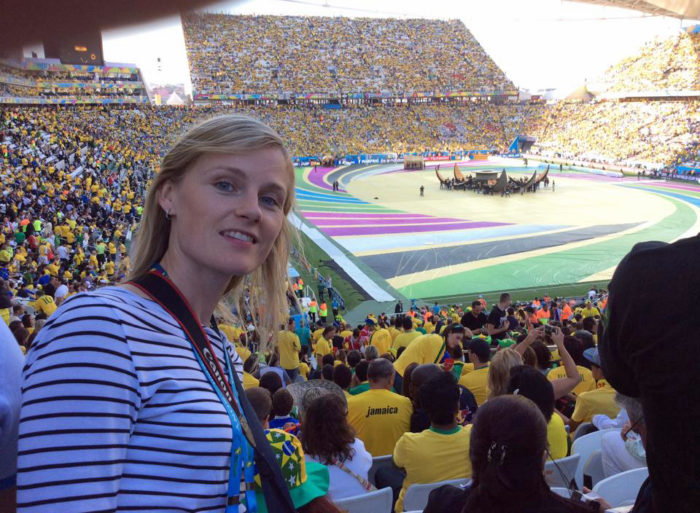
Opening ceremony: While in Brazil, Heidi Lipsanen covered the 2014 World Cup and the stories surrounding it for Yle, the Finnish Broadcasting Company.Photo courtesy of Heidi Lipsanen

Brazilians are consummate diplomats with innate social skills – masters at breaking the ice and avoiding conflict. They creatively meander through challenging situations by always “finding a way,” as the Brazilian expression goes.

The Portuguese word they use for this is jeito, or “way,” also used in the diminutive jeitinho. The trait is both attractive and dangerous.

Attractive, because belief in finding a solution renders Brazilians eternal optimists. Despite their heavy but humorous self-irony, they are easy to socialise with.

Dangerous, because the attitude easily becomes a breeding ground for graft.

Lately, Brazil has been associated more often with a culture of corruption than with the delightful optimism of its people. The latter trait could, however, help us somewhat serious Finns to see the world as a jollier place. Optimism boosts creativity and guarantees success in social situations, something that could help melt a certain Finnish tendency toward inflexibility.

Thankfully, the Brazilian positive attitude is contagious. When I arrive home from Brazil, the attitude stays with me for some time, until the winter brings a touch of melancholy. However, that pensiveness can also feel cosy during the cold Finnish winter.

Back in Brazil, there are moments when one feels especially nostalgic about the Finnish way of life. One such instant is crossing the street. The kind of courtesy one receives from Finnish drivers is absent.

A Finnish lady who lived in Brazil at the same time as I did once analysed Brazilian culture according to the way people drive, and drew some interesting conclusions. Brazilians are polite as long as there is face-to-face contact. Behind the windscreen or on the phone, they shed their social skills, she argued.

A bit of Finnish patience and sense of responsibility could make life more enjoyable for pedestrians while helping curb rampant traffic accidents in a country where the car is king.

Lifelines

Katriina Pajari is the Beijing-based China and Asia correspondent for Helsingin Sanomat, Finland’s largest daily.
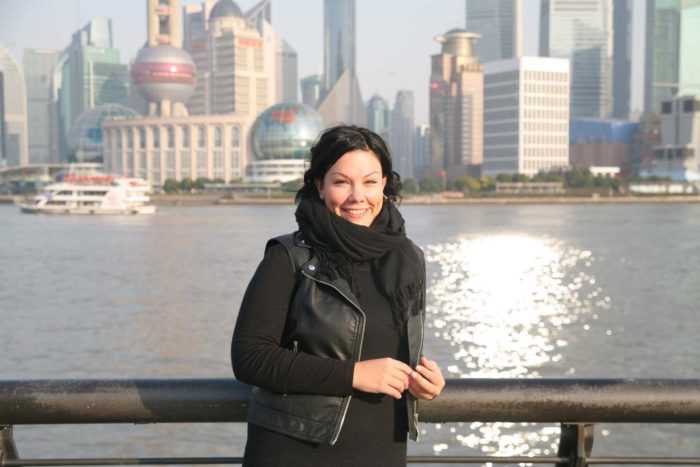
Katriina Pajari pauses to pose in Shanghai.Photo: Toni Rosvall

Here’s a thought that I have almost every day: If only Chinese people knew how to line up like Finnish people do.

I’m exaggerating to make a point, of course. China has people who know how to form a queue, and there are Finns who don’t. But still, I bet I could get rich by importing and commercialising the skill of lining up to China.

It’s not just about standing in line. We Finns seem to come preprogrammed with some sort of orderliness, and Chinese people seem to be the exact opposite.

In China, it’s survival of the fittest, whether you’re queueing at the bank, the fruit counter, the restroom or the security check at the airport. If there’s any kind of gap in front of you, even if it wouldn’t be considered a gap at all in Finland, several people will try to slip in.

In a Finnish swimming pool, people swim up the right-hand side of the lane. Here in China, there will be someone swimming on the right, someone else on the left, somebody swimming crosswise over the lanes, and one person just floating in the middle.

When I went to the bank, I got up early so I wouldn’t have to stand in line. I was the first one at the door but by the time I took a queue number I was 17th, having been outmanoeuvred by the locals. I really don’t know what happened.

I don’t think people mean any harm when they cut in front of others – I don’t even think they realise they’re doing it. They’re used to dealing with enormous numbers of people, where you have to be determined and look out for yourself.

But the Finns could learn something from Chinese people about how to keep their cool in a crowd without becoming claustrophobic. And how to dance in a park, sleep on a parked moped, or strike up a conversation with someone’s kids. Those are the things I love about China.

Spontaneity isn’t so easy

Iida Tikka reports international news for Yle, the Finnish Broadcasting Company.
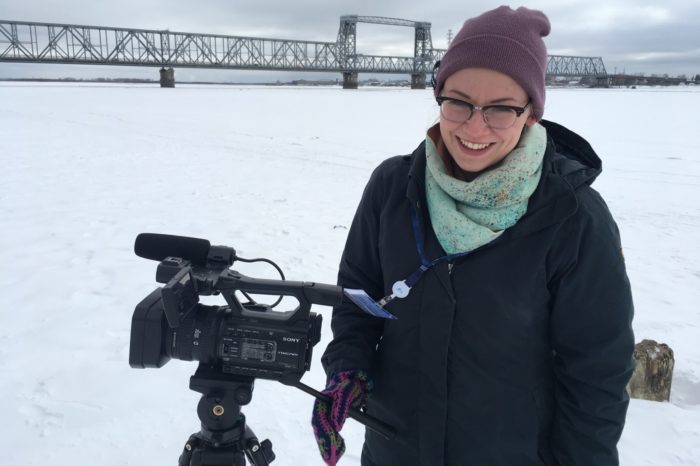
Drawn back to Russia again and again: Iida Tikka covered the visit of Finnish President Sauli Niinistö to the Arctic Forum in Arkhangelsk, Russia in early 2017.Photo courtesy of Iida Tikka

Over the past four years, I have lived on and off in Russia, first studying, then working as a journalist. Every time I move away, I somehow end up returning, even if life in Russia is not always tak prosto (so easy), especially for a journalist. It means battling it out with bureaucrats, learning how to quickly redo all your plans when an obstacle appears, and learning how to keep going with little or no sleep for days at a time.

Still, Russia draws me in.

The reason is very simple: Russia breathes a spontaneity that Finland cannot offer. When in Russia, you truly cannot know what might happen during a day. You could end up in the kitchen of a stranger with a random group of people discussing the cultural policies of the Soviet Union, or in a cabin outside the city in the sauna of your friend’s grandparents – basically whatever.

The possibility of unforeseeable spontaneity on a day-to-day basis is something that I’d like to bring from Russia to Finland, the country where some of my friends suggest using Doodle (an app for finding the best time for a meeting) just to book a time for a cup of coffee.

Ironically enough, what Russia lacks and Finland has is the ability to plan. It affects everything, for example how cities are built. I have visited cities in Russia where suburbs have been built in the middle of nowhere and there has been no plan for how they should be connected to the city. And don’t get me started on the stairways in many buildings, where something as simple as building a staircase with even steps has proven to be a seemingly impossible task. With just a little bit of planning, many of these infrastructural problems could and should have been resolved.

So the Finnish mind-set, where everything is well planned from start to finish, is definitely something I would bring from Finland to Russia.

DIY creativity

Heidi Liekola is a reporter and editor (TV, web, social) with the Swedish public service broadcasting group in Stockholm.
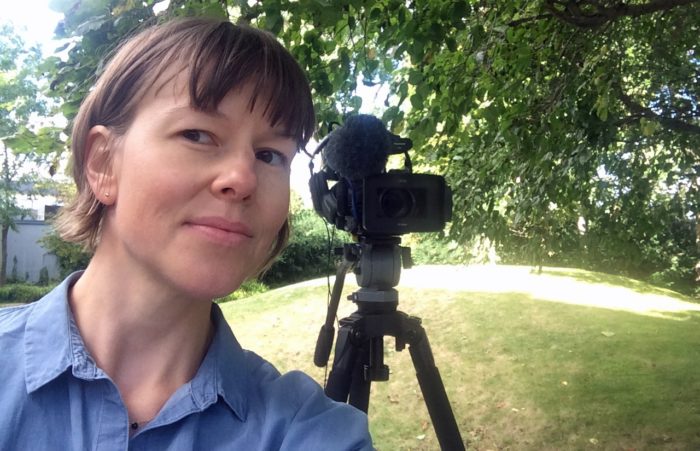
Camera in place: Heidi Liekola gets ready to record.Photo courtesy of Heidi Liekola

It’s been 20 years since I left Finland for Sweden, the beloved and, at the same time, insufferable neighbour. At first sight, Sweden and Finland are quite similar. But after a while you start missing many things that the one-hour flight or overnight boat trip between the countries can’t bring from Finland to Sweden.

One of them is the Finnish do-it-yourself mentality. To me, that means creativity combined with tradition and social context. It’s as simple as it gets – it’s about taking care of your stuff instead of buying new stuff or acquiring the latest things just because everybody else has them.

Finnish DIY is also about being what you want to be. It’s individuality. It’s the courage to follow your own path. It’s also about quirkiness. I mean, who else but a Finn could come up with the DIY idea of making your own salmiakki liquorice vodka? It’s about doing great things without making a fuss about it.

Actually, though, Finnish people should make a fuss about it, and about themselves. Nowadays it’s starting to happen. But still, this is the part where Finland should consider importing the Swedish mentality of collaboration in order to succeed.

When the sourdough trend was at its hottest in Stockholm and there were bakeries rising up all over the place, one of them started offering a sourdough hotel for all the home bakers. The media picked it up: People could leave their sourdough starter there for safekeeping while on vacation, and the bakery got publicity. Success brings more success, and the Swedes have the ability to collaborate to achieve it.

Here’s something to try: The recipe for taking Finnish DIY ideas to the next level – remember where you read it first – might just be to hire a Swede to “dress them for success.”

December 2017, updated July 2018
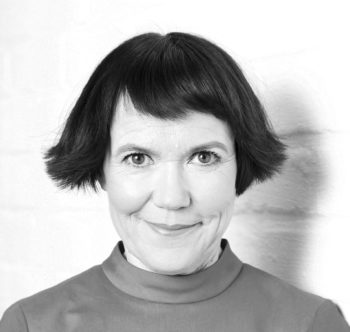
Finnish summer festivals bring music to your ears

We asked five well-known culture personalities to recommend their favourite Finnish festivals (links below).

You can listen to music at a festival called Silence, hear jazz on a fortress island, enjoy chamber music far from the big city, and more.

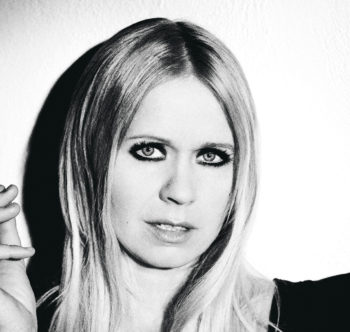
Rosa Liksom

Author, artistPhoto: Pekka Mustonen

“My favourite is Silence Festival, organised in Lapland in the small village of Kaukonen in June. It’s a multidisciplinary programme – contemporary classical music and contemporary circus – that brings together people interested in art and local culture. They have workshops and high-quality performances in a beautiful, peaceful setting.”

Paola Suhonen

Designer, artist, film makerPhoto: Kim Öhrling

“Superwood is a unique boutique festival that brings the best of Finnish electro and pop music, academic talks, film, and art and design under the same roof. It’s held to the east of Helsinki by the sea, in the middle of a dark forest. The first Superwood was in 2017 and this was the first time a Scandinavian fashion brand organised its own festival. This is the best reason to come to dark Helsinki in October.”

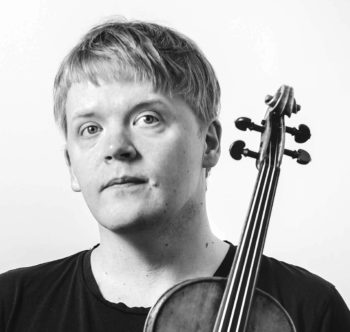
Pekka Kuusisto

Violinist, composerPhoto: Maija Tammi

“If you’re into chamber music, it’s more or less impossible not to know about the avalanche of sound that is the Kuhmo Chamber Music Festival. Two weeks of nearly constant daylight and joyous music-making in a tiny little town far away from the larger blobs on the map. If you need to be closer to Helsinki, come to Our Festival. I’d recommend it even if I wasn’t the artistic director. It lasts a week and has roughly 20 events of very varied programming, featuring concerts in the living room of the Sibelius family.”

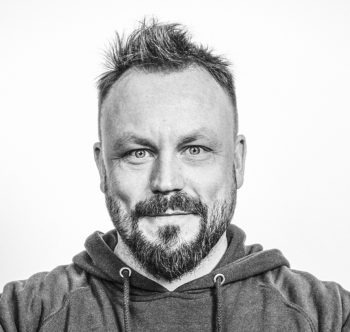
Riku Rantala

Writer, TV personalityPhoto: Marko Rantanen

“I’d recommend Viapori Jazz, a small but top-class jazz festival held every August on the Suomenlinna fortress island, overlooking Helsinki. It combines Finland’s best sounds and musicians, picturesque venues, and dark and warm late summer nights.”

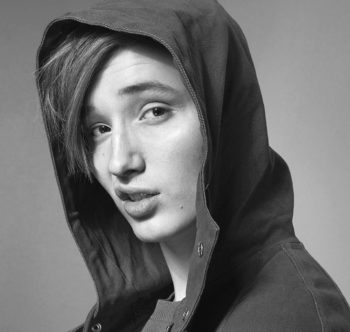
Isac Elliot

Pop artistPhoto: Sony Music

“My favourite festival is Ruisrock, a huge three-day festival in the archipelago outside of Turku. It has always been a dream of mine to perform there. Any stage would have been nice but I got to play on the main stage. I’m always going to remember the warm and sunny day when my dream came true at the age of 16. The surroundings are amazing, with boats and ships cruising past the festival area – it is just very special.”

By Taru Virtanen, ThisisFINLAND Magazine 2018

Inviting accommodation in Finland

Expanding skyline

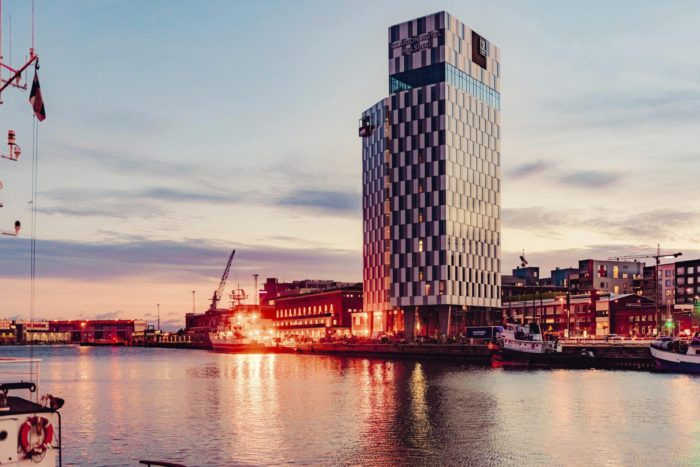
Photo: Hotel Clarion Helsinki

Since opening its doors in October 2016, Hotel Clarion Helsinki has become a true landmark. Contributing two prominent towers to the capital’s skyline, the hotel also encompasses a conference centre. Check out the sky bar and the open-air swimming pool on the rooftop terrace.

Summer breeze

Photo: Jan Lönnberg

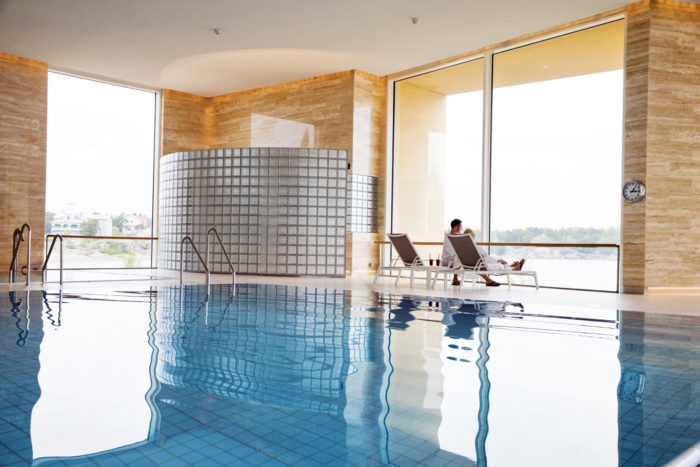
Hanko, a town at the southernmost tip of Finland, is known as the Finnish Riviera – and Regatta Spa is certainly a good fit for its sunny seaside neighbourhood. The new spa resort features saunas, swimming pools, beauty and wellness treatments, yoga sessions – and, of course, a beautiful poolside view of the beach.

Living it up with the Moomins

Photo: ©MoominCharactersTM

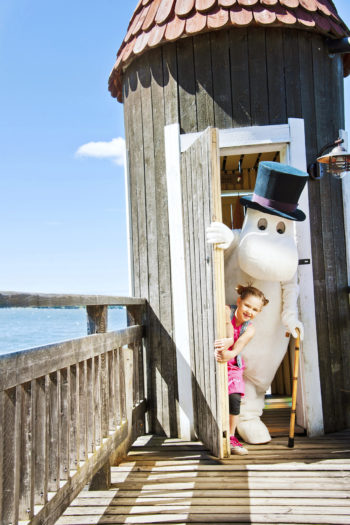
Naantali is big on summer fun – thanks to the sun, the sea and the Moomins, characters from Swedish-speaking Finnish author Tove Jansson’s famous books and comic strips. They come to life at the southwestern tip of the Finnish mainland in a theme park known as Moomin World. Hotel Palo provides a delightful base in the middle of the action.

Downtown deco

Photo: Hotel Lilla Roberts

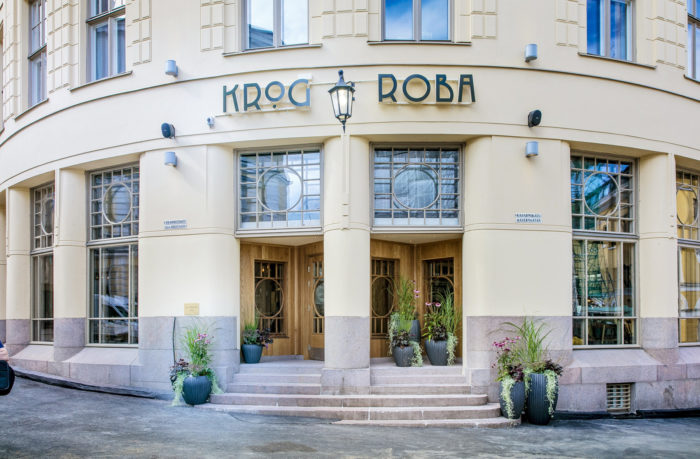
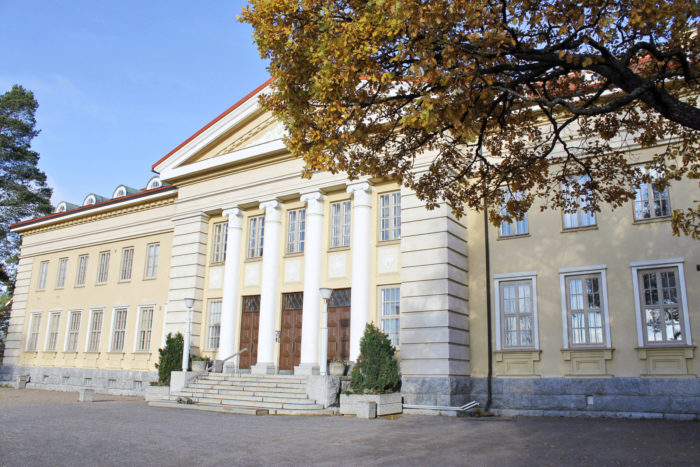
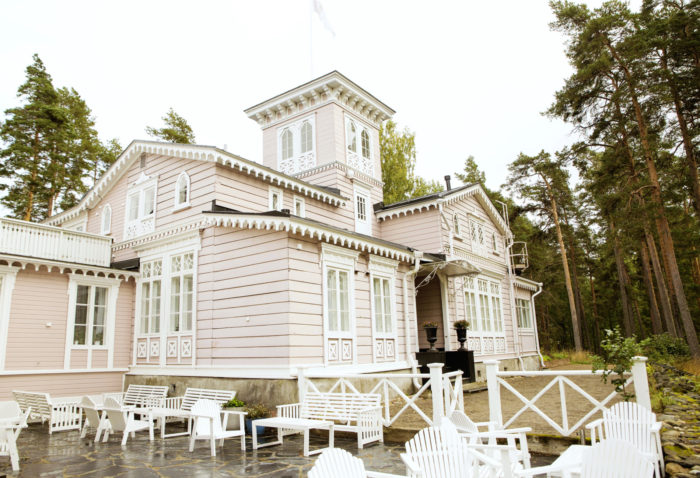
Opened in 2015 in a former police station (which used to be a power plant before that), Hotel Lilla Roberts is located in the heart of Helsinki in a building designed by Selim A. Lindqvist, one of Finland’s most renowned Art Deco architects.

Embrace the islands

Photo: Hotel Havsvidden

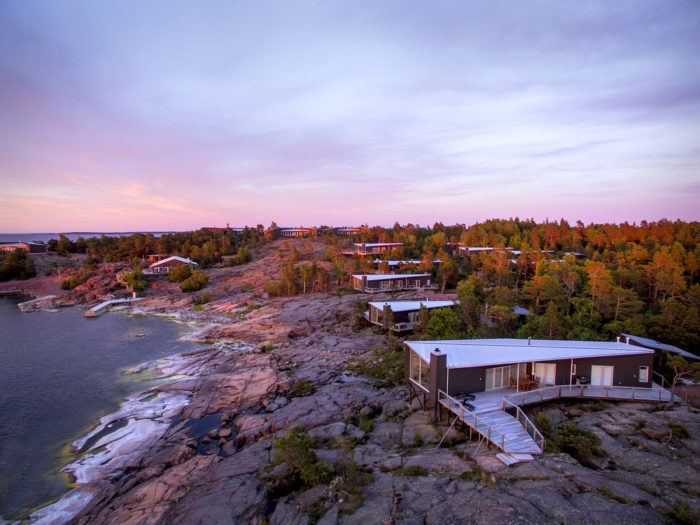
Finland’s autonomous Åland Islands, an archipelago located between Finland and Sweden, are likely to leave a lasting impression on visitors. Havsvidden offers a choice between the main hotel and individual villas located on seaside cliffs. Every villa has its own sauna!

Going up?

Photo: Sokos Hotel Torni Tampere

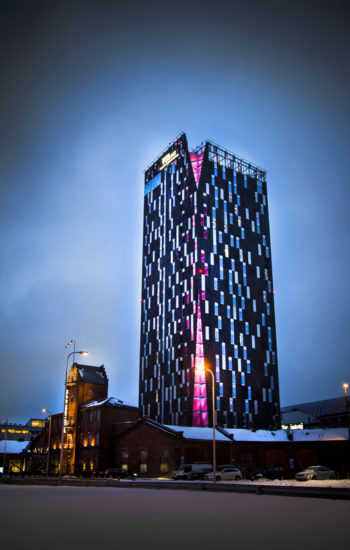
This landmark in the central western city of Tampere reaches 88.5 metres (290 feet) into the sky. The 25-floor Hotel Torni Tampere (torni actually means “tower”) provides a great view of the surrounding city and landscape. Innovative lighting makes the building an inviting beacon even in the dark of winter.

Porvoo time machine

Photo: Boutique Hotel Onni

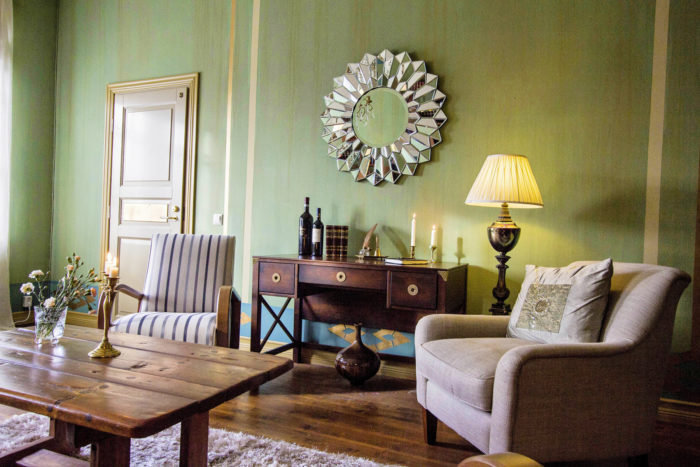
The town of Porvoo, less than an hour’s drive east of Helsinki, is drenched in history – and Boutique Hotel Onni has plenty of its own, too. Located in the heart of Old Porvoo, the hotel is actually an 18th-century manor house, with all its rooms paying tribute to the old days. Onni means “happiness” or “luck” in Finnish.

Let’s get this party started

Photo: Mänttä Club

Mänttä, about 230 kilometres (140 miles) north of Helsinki, is a former forest industry town that has made a full transformation into a happening arts community. Built in 1920, Mänttä Club provides lodgings that more than hint at the town’s historical prosperity. In fact, forest industry bigwigs used to host lavish parties right here.

Make a splash

Photo: Anttolanhovi

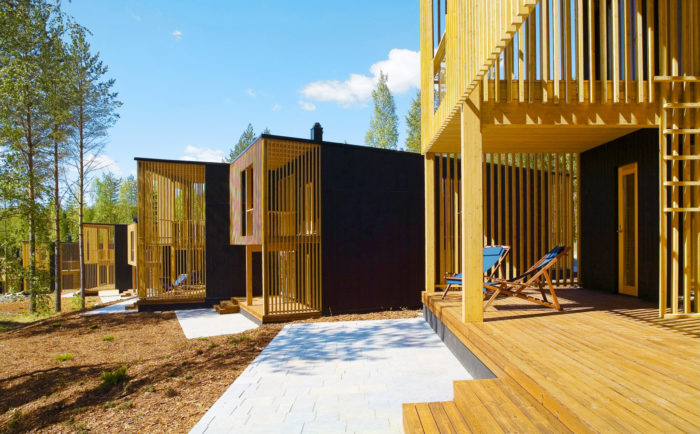
Lake Saimaa in eastern Finland is the largest body of water in the country, and the Art & Design Villas at Anttolanhovi are just 70 metres (230 feet) from the shoreline. Designed by Timo Leiviskä, the villas are semidetached houses that can be combined into a five-bedroom villa.

Do as the Romanovs did

Photo: Hotel Rantalinna

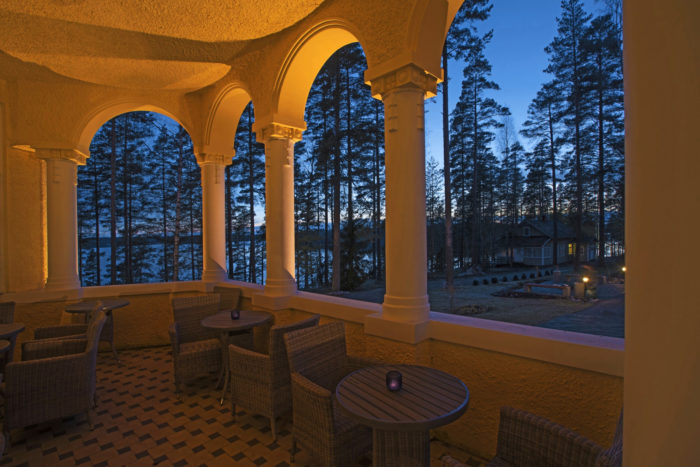
Built in 1912, Hotel Rantalinna is a castle that boasts true Art Deco flair. Situated 25 kilometres (15 miles) north of Imatra, a town near the Russian border, the building used to belong to Prince Alexander Oldenburg, a member of the Romanov family. Now that’s what we call a royal vacation.

That warm, fuzzy feeling

Photo: Juuli Aschan

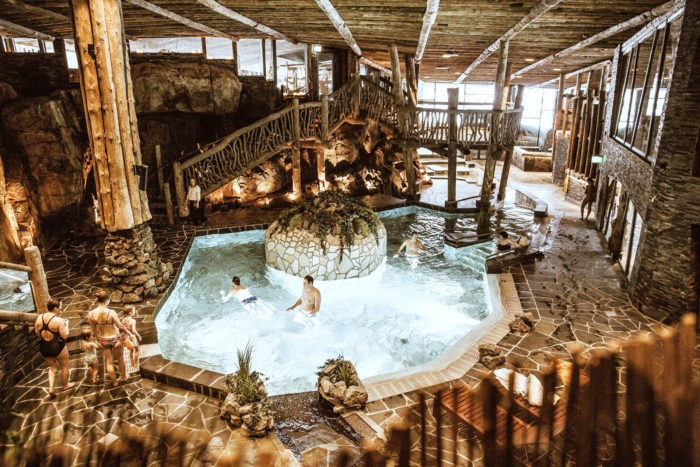
Use of old wood and stone as core materials creates an atmosphere that is both authentic and warm. This formula for success sure works for Hotel & Spa Resort Järvisydän, located near Lake Saimaa and Linnansaari National Park in eastern Finland.

The presidential treatment

Photo: Hotel Punkaharju/Eveliina Särkänne

Starting out in 1845 as a forester’s house where travellers could stay, Hotel Punkaharju eventually blossomed into a hotel where presidents and government ministers have held meetings. The stunning scenery – considered by some to be the most beautiful in Finland – probably has something to do with the appeal of the place. Punkaharju is located close to the Russian border, and is also near Savonlinna, home of the world-famous Savonlinna Opera Festival.

You can’t beat a tree house

Photo: Arctic Treehouse Hotel

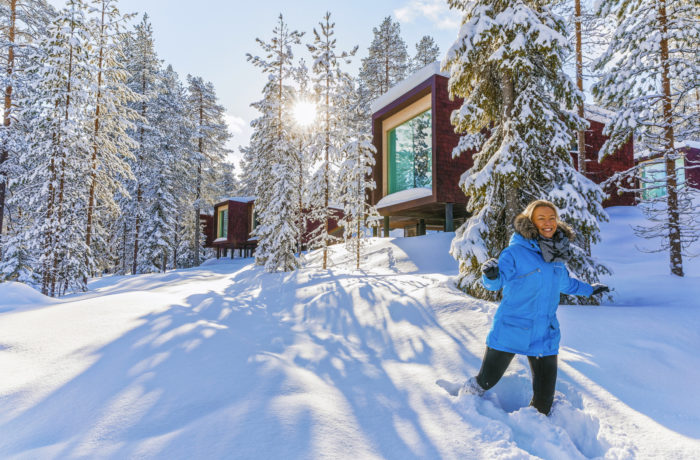
Santa Claus lives in northern Finland. For those itching for a glimpse of Father Christmas, Arctic Treehouse Hotel, just outside the city of Rovaniemi, is a solid choice with its spectacular views over the treetops. It is located on the Arctic Circle, and Santa maintains a workshop just up the road.

By Sami J. Anteroinen, ThisisFINLAND Magazine 2018

Finnish photographer excels at depicting metal music

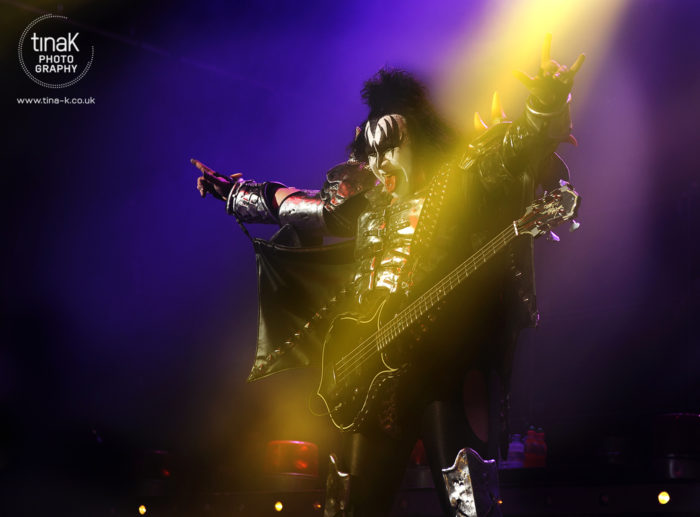
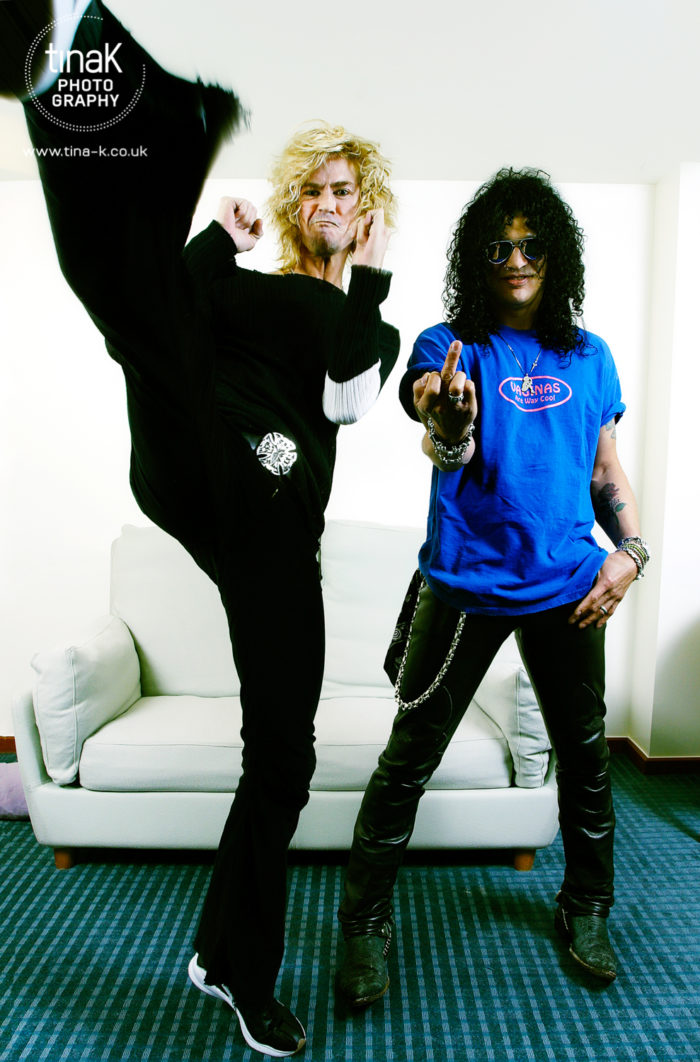
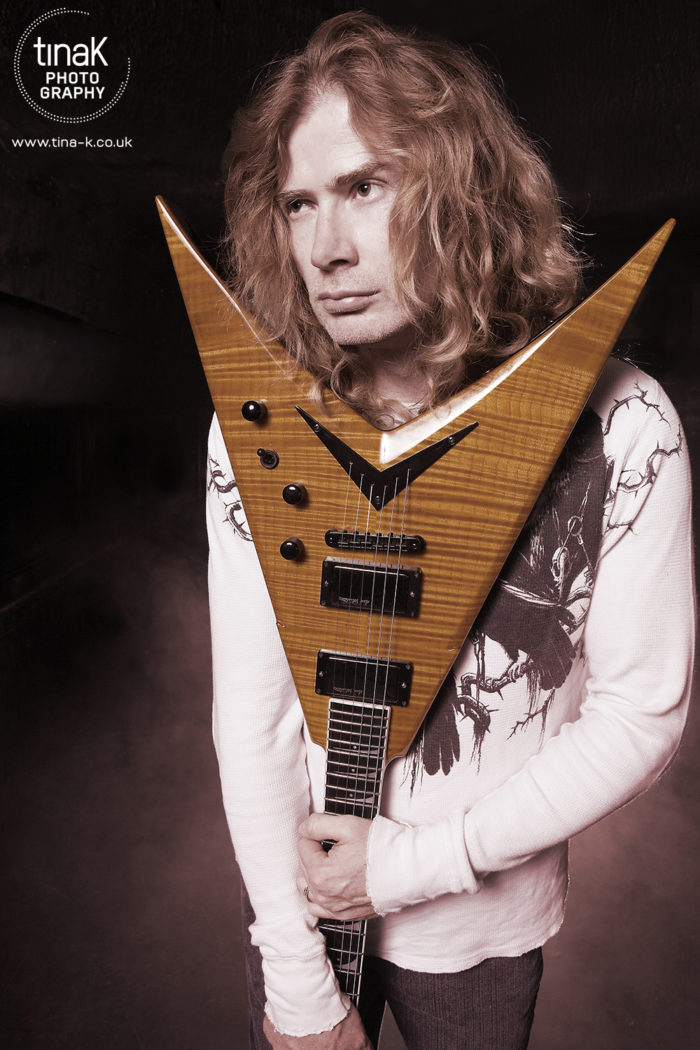
Tina Korhonen photographs bands and musicians for a living. “I just shot a Rolling Stones concert last week,” she mentions casually.

The story of how she reached this point in her career stretches back to the Finnish village of Sotkamo, her hometown, about 600 kilometres (375 miles) northeast of Helsinki.  She currently lives in London.

Her first musical love was punk; later she got into heavy metal. She never intended to become a photographer with a strong focus on metal musicians; it happened by coincidence.

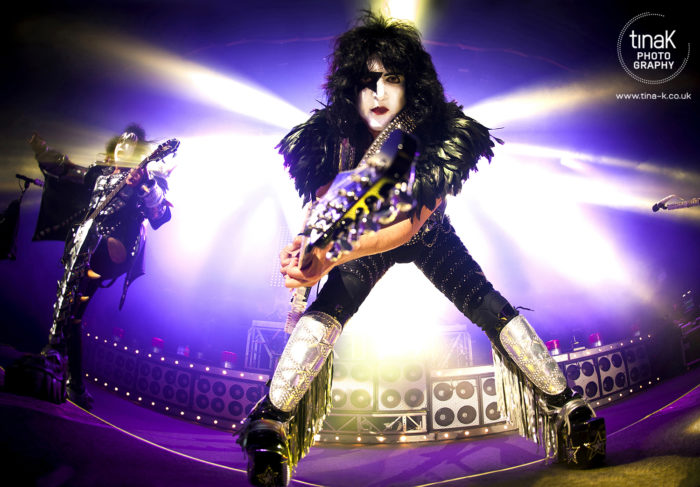
Appearances form a big part of metal music culture, with makeup and costumes meant to go a tad over the top. Perhaps because of this, “the heavy metal scene is visually very interesting to capture,” says Korhonen.

Career expansion

When it comes to photography, Korhonen is a chip off the old block. Her father was into landscape photography before she nicked his Canon AE-1 for her own use. The first magazine to publish Korhonen’s photos was a Finnish subculture magazine called Toinen vaihtoehto (Another Alternative).

“I didn’t even get paid for them, but I was so excited,” she says. “Wow, they published my photos!”

Later, she got a job at Finnish music magazine Rumba, where music photography officially became her thing. Eventually, she moved to London to expand her career. Some of the biggest UK papers, such as NME and the Observer, have published her work.

“If I was to name a favourite among the photoshoots I’ve done,” says Korhonen, “it would probably be the one with Motörhead’s Lemmy Kilmister. He was charismatic, and he was also always friendly when I saw him, even if he didn’t talk much.  He would remember you, too.”

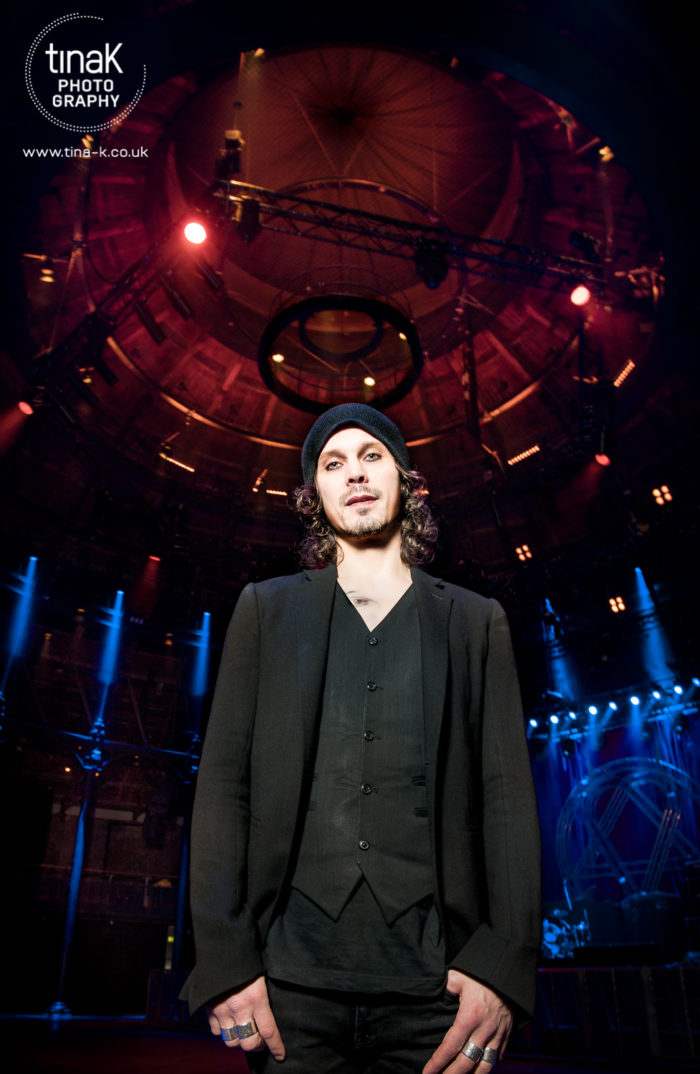
She also doesn’t hesitate to name her favourite Finn to photograph: Ville Valo. The handsome vocalist from HIM is always a pleasure to portray, according to Korhonen.

Anything can happen

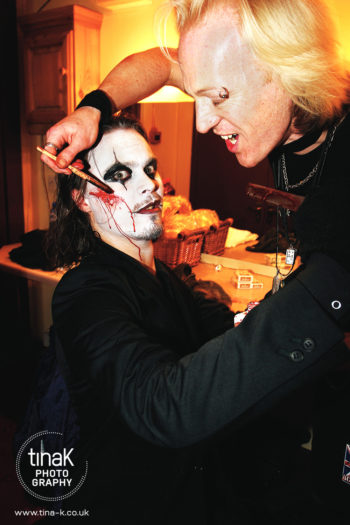
Bring the paint! Vocalist Ville Valo (left) of HIM gets ready for a Halloween gig at the Hammersmith Apollo in London in 2004.Photo: Tina Korhonen

Over the years, Korhonen’s portfolio has become pretty impressive: it includes Nightwish, a Finnish group with an enormous international following, and Metallica’s drummer Lars Ulrich, originally from Denmark, who became a friend as they bonded over their Nordic backgrounds. The legendary Finnish band Hanoi Rocks is also among the groups she has depicted.

“I’ve never had any problems with the big stars,” says Korhonen. “I find that the bigger the name, the more professional they are.”

There is one musician she would specifically like to get in front of her lens. “If I could pick anyone to do a photoshoot with, it would be Iggy Pop,” she says. “As yet, I’ve only taken photos of him when he’s live on stage. . He performs like there’s no tomorrow, he gives his audience everything and I love his music, from the Stooges to his solo albums.”

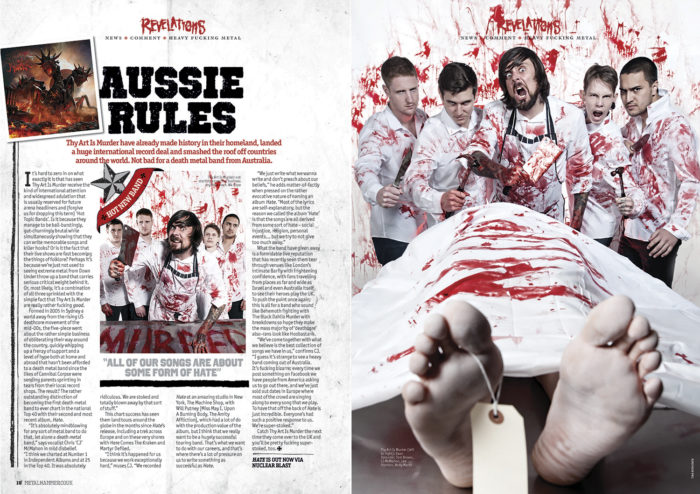
Anything can happen on the job. Once, at a photoshoot with Australian death metal band Thy Art Is Murder, the person booked to play a corpse didn’t turn up. Finally, Korhonen’s assistant had to step into the role.

“Only her feet were visible in the shoot,” says Korhonen, “but she was very reluctant to do it, as she happens to hate her feet.”

Metal appeal

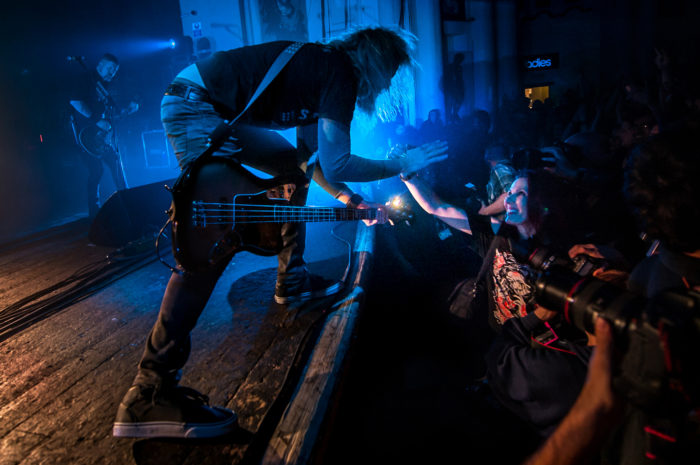
At a Brixton Academy gig in 2014, bassist Troy Sanders of American metal band Mastodon reaches out to shake hands with Finnish photographer Tina Korhonen.Photo: Giora Hirsch

If Korhonen gets to choose the music, she’s likely to play Mastodon, Monster Magnet, or some classic Black Sabbath. When it comes to Finnish metal, Moonsorrow and HIM get her vote.

“I think the appeal of metal music is in its energy and intensity,” she says. “That either makes it or breaks it for people.”

Metal music scenes exist and thrive in nations as diverse and far-flung as Nepal, Iran, Indonesia and Brazil. Finland, though, has more metal bands per capita than any other country.

“Metal is everywhere,” says Korhonen. “But I suppose Finland might be the only country where it’s considered mainstream.”

By Mari Storpellinen, June 2018, updated October 2018

World Cup next door: Finnish fans enjoy summer feast of football

Not since 1958 has football’s World Cup circus set up camp so close to Finland’s borders. That was when a Brazilian teenager called Pelé made his debut in Sweden, scoring two goals to help win the final against the hosts and launching a glittering career.

Sixty years later, the tournament is taking place on Finland’s doorstep again, this time in Russia. Sweden, having made the cut for the 12th time, will be flying the flag for the Nordic region, along with Denmark, who are in the final tournament for the fifth time, and Iceland, who are there for the first time ever.

Within convenient reach

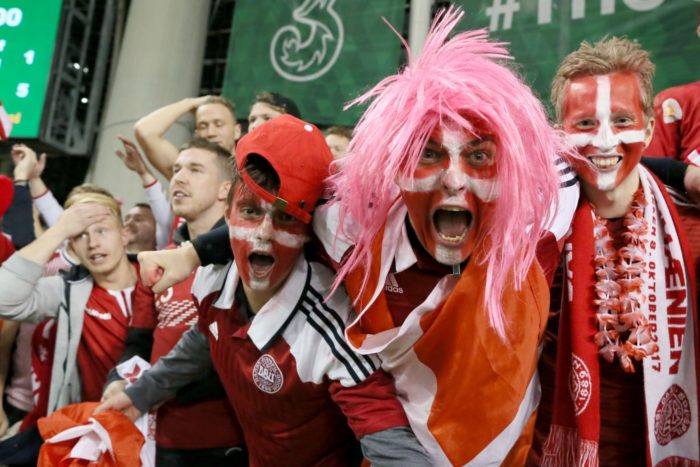
Danish fans are not hooligans – they call themselves “roligans,” based on the word “rolig” (calm). They do get excited when Denmark scores, though.Photo: Paul Faith/AFP/Lehtikuva

There’s no way to sugarcoat it: the Finnish men’s national team itself has never qualified for a European Championship or World Cup tournament. In its qualifying group, it clocked up a mere two wins and nine points from ten games, and a goal difference of minus four, finishing fifth out of six in its group, ahead of only Kosovo.

But interest is greater than ever in the competition, hosted in cities across the Russian Federation from June 14 to July 15. The fact that the tournament is being held within easy reach has encouraged Finns and other resident fans to cross the border and watch some games in the flesh.

Fans from many other countries are also stopping in Finland on their way to Russia. St Petersburg is the nearest venue city, a three-and-a-half-hour train ride from Helsinki, and Moscow is also within a convenient distance. Kaliningrad is a relatively easy Baltic hop away.

Future generations

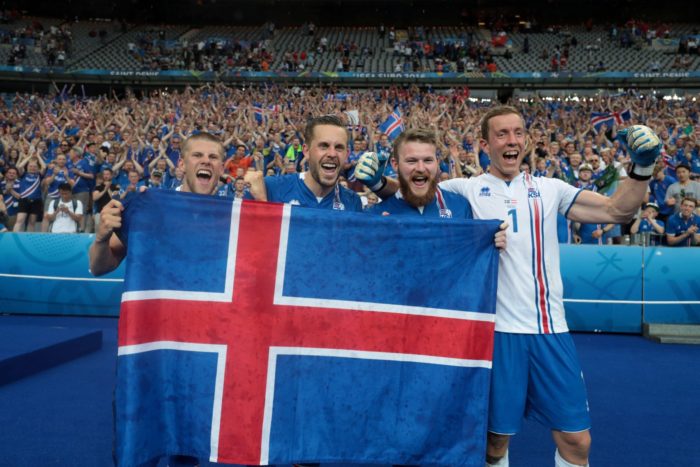
From left: Icelandic forward Jóhann Guðmundsson, midfielders Gylfi Sigurðsson and Aron Gunnarsson, and goalkeeper Hannes Halldórsson display their country’s flag after defeating Austria in Euro 2016, where Iceland announced its presence by advancing all the way to the quarterfinals. In the World Cup their group includes Argentina, Croatia and Nigeria.Photo: Kenzo Tribouillard/AFP/Lehtikuva

Juho Summanen and his brother are among the Finns who managed to procure tickets. They’re attending the group stage game between Argentina, one of the favourites, and Nigeria in St Petersburg.

“We’ve been rooting for Argentina for years even though neither of us has any connection to the country,” says Summanen, who works for a translation office. “I guess we just liked their style of play. I can’t really remember where it started. My brother gifted me the ticket as a Christmas present. In fact, getting the tickets was not difficult, but there’s a mandatory fan ID procedure which seems to be a bit of a hassle.”

It’s the first time that Summanen has attended a big international football tournament. Like many Finns, he is more of an ice hockey fan than a football devotee, especially since the football team he did support, Rakuunat of the eastern town of Lappeenranta, has been defunct since 2008.

“But I follow the national team when they’re trying to qualify for the Euros or the World Cup, and then the actual tournaments,” he says.

He harbours little optimism about Finland qualifying for one of the big tournaments: “It was close when Jari Litmanen and Sami Hyypiä were still playing. I hope future generations will prove me wrong!”

Glued to the game

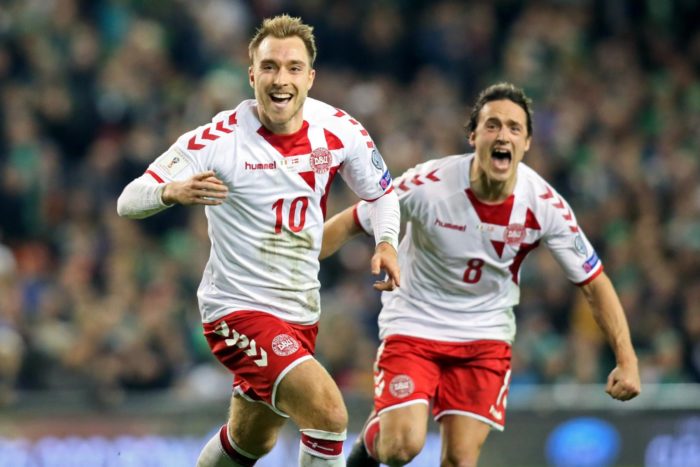
Danish star midfielder Christian Eriksen (10) celebrates with teammate Thomas Delaney after scoring a goal against the Republic of Ireland in a World Cup qualifier played in Dublin in autumn 2017. Eriksen scored a hat trick and the Danes won 5–1, clinching a spot in Russia, where they face Australia, Peru and France.Photo: Paul Faith/AFP/Lehtikuva

In Finnish football, sports journalist Olli-Matti Matihalti supports SJK, from the central western town of Seinäjoki, which won the national championship in 2015. He identifies a batch of young, rising Finnish talent, but is similarly guarded about predicting Finnish success at an international level.

He’s also cautious about heading to Russia, preferring to watch the World Cup games on TV. “I’ve been to one World Cup and a European Championship, and although it would be easy to travel to Russia, it’s difficult to prepare unless you know you’ve got a ticket,” says Matihalti. “Hotel-and-match packages seem to be too high-priced, too.” It might be easier to watch at home.

The geographical proximity of the event across the border may affect viewer numbers. A larger proportion of the Finnish population than during any previous World Cup is expected to be glued to its collective TV set. The Finns are excited about watching great football, but they’re excused of the partisan stress that their Nordic family members – the Danes, the Icelanders and the Swedes – are feeling.

Summer of soccer continues

People in Finland may be less than ecstatic about the prospects of their national men’s team, but there’s still plenty happening on the football front in Finland.

The Under-19 European Championship takes place from July 16 to 29, hot on the heels of the World Cup, in Seinäjoki and Vaasa, with eight teams in contention: Finland, Norway, England, Italy, Ukraine, Portugal, France and Turkey.

Also, the annual Helsinki Cup, held in and around the capital (this year from July 9 to 14), is the third-biggest youth football tournament in Europe and attracts boys’ and girls’ teams from as far away as South America. It’s a great event for spotting the stars of the future.

When summer arrives in the southern hemisphere, Finland is participating in the Under-17 Women’s World Cup, taking place in Uruguay from November 13 to December 1. They qualified by placing third in the European Championship.

By Tim Bird, June 2018

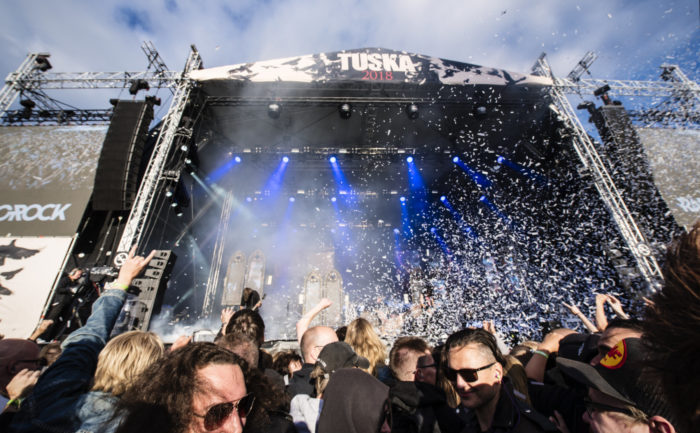
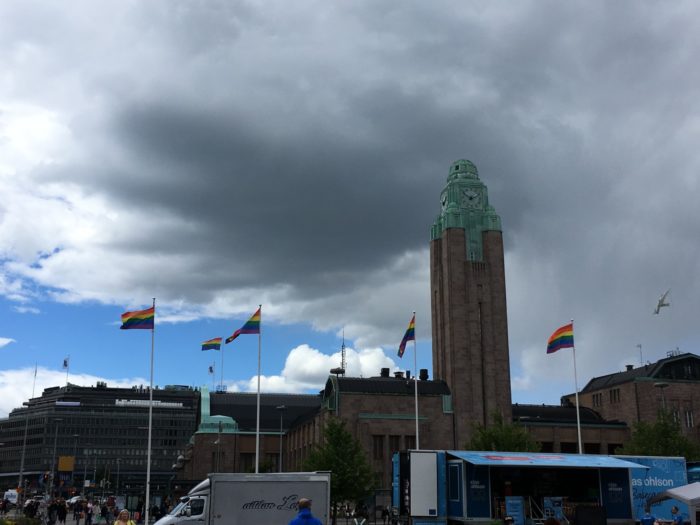
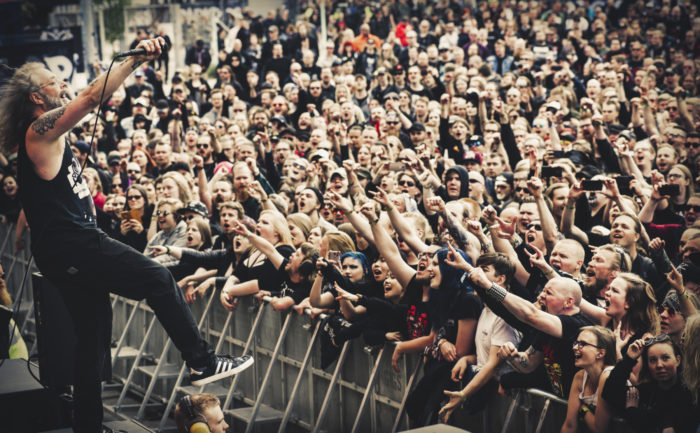
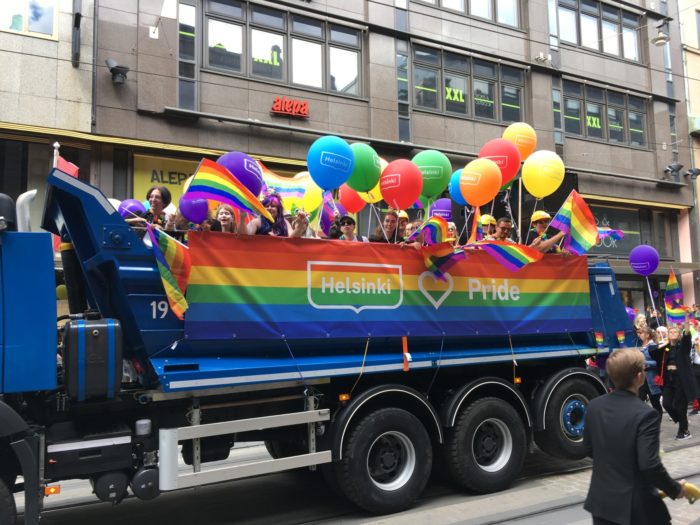
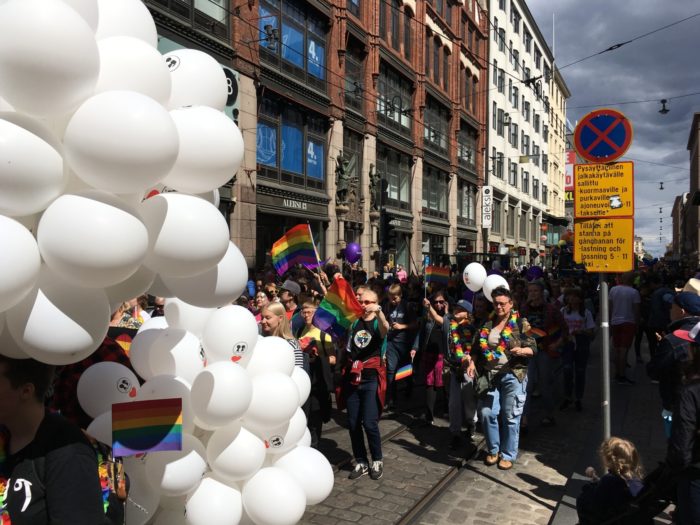
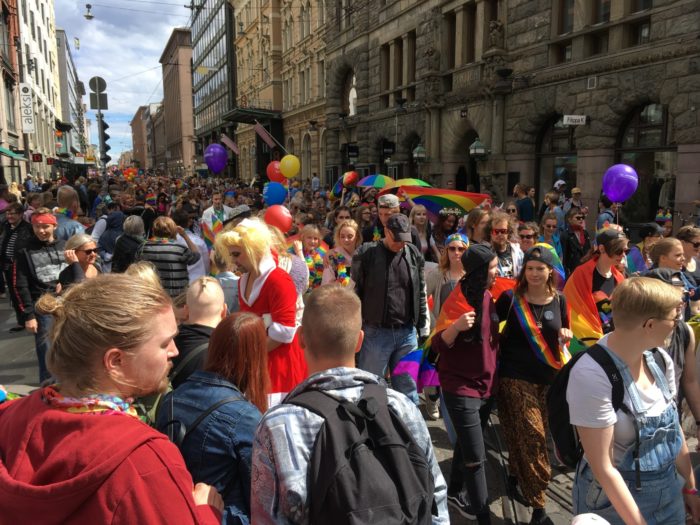
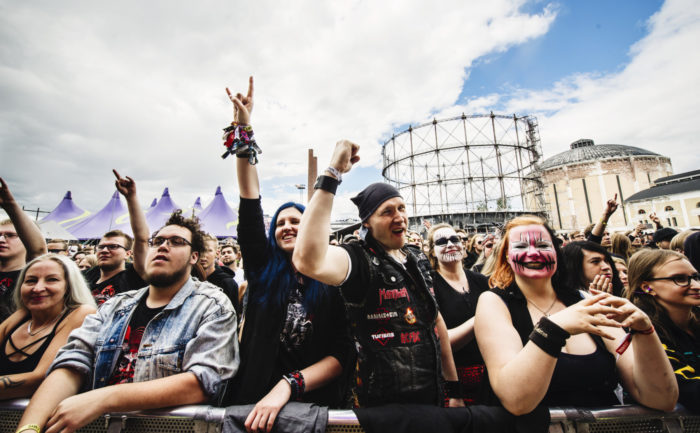
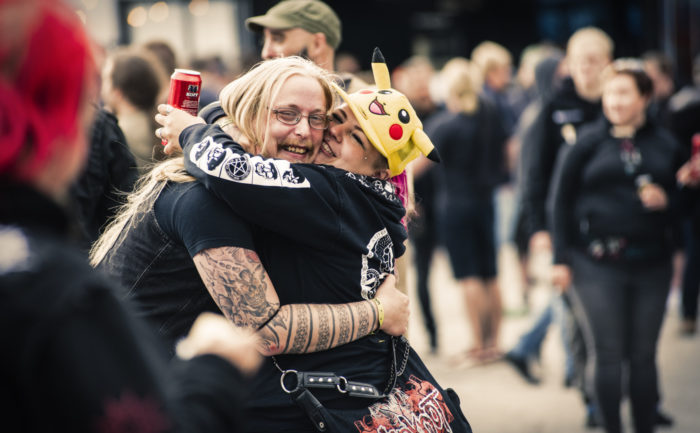
Helsinki rocks both Pride and heavy metal fest on same weekend

Both Pride and Tuska include crowds of partying participants, loud music, dancing, makeup and fancy fashion statements.

Helsinki has room for everyone to hang out and enjoy their music. On Saturday evening after the Pride Parade is over, you can see some rainbow gear mixed in with the black T-shirts at Tuska.

And we aren’t making this next part up: One recent year, as a bank of clouds lurked offshore behind the Tuska venue, with dark, misty edges that threatened rain, a lone cyclist crested a nearby hill, looked back, and saw a rainbow descending from those clouds.

By Peter Marten, July 2018, updated June 2023

Finnish physicist Tuomo Suntola wins Millennium Technology Prize

“It feels great to win the Millennium Technology Prize,” says Tuomo Suntola. “Now we can convincingly share the value of this technology. It is what we meant it to be.”

Suntola, born in Tampere in 1943, is awarded the 2018 edition of the biennial, one-million-euro prize for his work in atomic layer deposition (ALD), a nanoscale technology used to create ultrathin layers in a controlled fashion. Technology Academy Finland awards the Millennium Technology Prize to honour a pioneering technological innovation that improves people’s quality of life and promotes sustainable development.

Nanotechnological Swiss Army knife

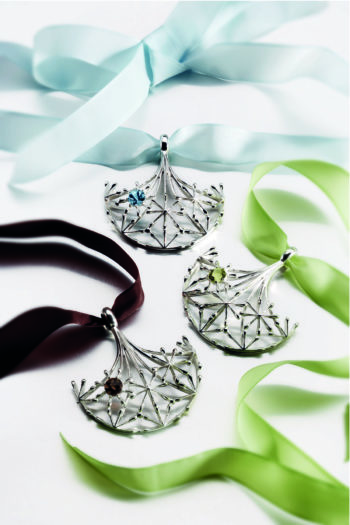
On much of its silverwork, Kalevala Jewellery uses an ALD process devised by Finnish company Beneq to give items a transparent, anti-tarnish protective coating. These pendants are part of the “Naisen ääni” (Voice of a Woman) series.Photo: Kalevala Jewellery

“ALD is the Swiss Army knife of nanotechnology,” says Riikka Puurunen, associate professor at Aalto University and ALD researcher. “It is already used in many technologies and the potential applications are enormous.”

Manufacturers utilise ALD in photovoltaics, LED lights and flat electroluminescent displays. It’s even used to coat silver jewellery to prevent tarnishing. Yet one of its biggest roles is in memory and logic chips.

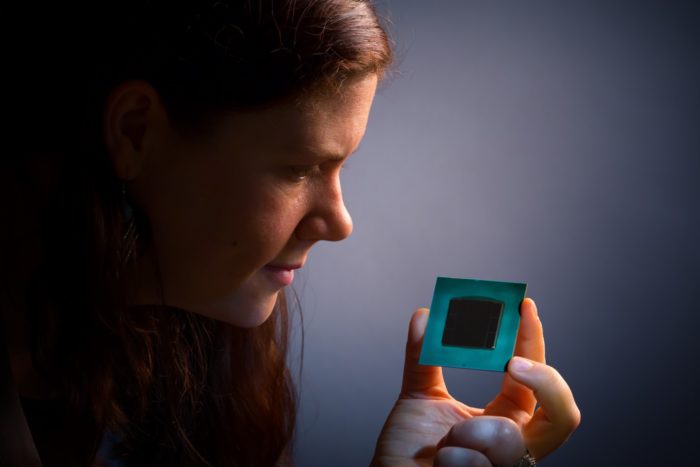
“ALD is an enabler of Moore’s Law, the observation that the number of transistors on integrated circuit chips doubles about every two years,” Puurunen explains. “A key milestone was in 2007, when Intel began commercial use of ALD in its chips.”

Confused CEOs are no obstacle

This easy-to-follow Millennium Technology Prize video explains ALD and its applications with help from inventor Tuomo Suntola himself.
Video: Technology Academy Finland

One of Suntola’s first jobs after university was working on a humidity sensor which required a thin film. This led him to wonder about other ways to create ultrathin films. When the medical instrument company Instrumentarium asked him for new product ideas, he knew just what to recommend.

“I proposed my idea and the management asked many questions,” Suntola says. “The CEO finally said, ‘I’m still confused but let’s do it.’”

The idea was to build up layers of different materials one atomic layer at a time, which guarantees uniformity even on complex three-dimensional shapes. He filed for a patent for his ALD invention in 1974.

“At the time we only had one goal, and that was to use ALD for flat panel electroluminescent displays,” says Suntola. “However, even at that early stage, I was thinking about its potential in semiconductors.”

Fundamental research in the technology has also been conducted independently in the Soviet Union, initiated by Valentin B. Aleskovsky and Stanislav I. Koltsov, who both passed away in the 2000s.

Technology takes flight

Intel employee Rebecca Nevin holds a Stratix 10 chip, which contains 30 billion transistors and can process the equivalent of 420 Blu-ray discs of data in one second. Intel began commercial use of ALD in its chips in 2007.Photo: Tim Herman/Intel

The first display panel showed arriving and departing flights at Helsinki Airport, and commercial production began in the 1980s. As the technology improved, it was considered for more diverse applications.

“When I worked for Microchemistry, a subsidiary of Finland’s national energy company, Neste, we began developing ALD to be used for photovoltaic devices and silicon wafers,” Suntola says.

It wasn’t until the early 2000s, when the chip manufacturers became interested, that the technology exploded in popularity. If you enjoy what your modern smartphone, notebook and PC can do, you can thank Suntola and his invention.

Changing the way we see the universe

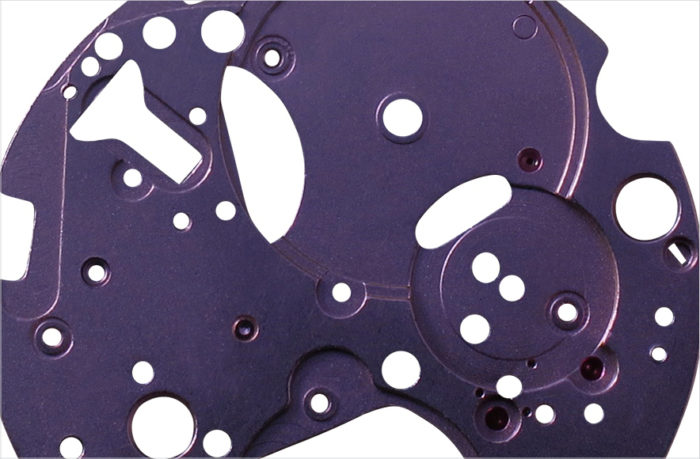
Swiss educational and R&D institution HE-Arc uses Picosun ALD processes and machinery to put coatings on timepiece components such as this one.Photo: HE-Arc

Today it is being considered for even more uses, such as in healthcare, where it can be used to coat implantable medical devices or in controlled drug release.

“One of the ideas which I am excited about is using ALD on telescopic mirrors,” Suntola says. “This next generation of telescopes could change the entire way we see the universe.”

Suntola remains on the board of directors of Picosun, a Finnish company specialising in ALD, but the majority of his time is spent working on his idea of a dynamic universe.

“I like to study the basis of our theories about the universe,” he says. “I look behind the equations.”

By David J. Cord, May 2018
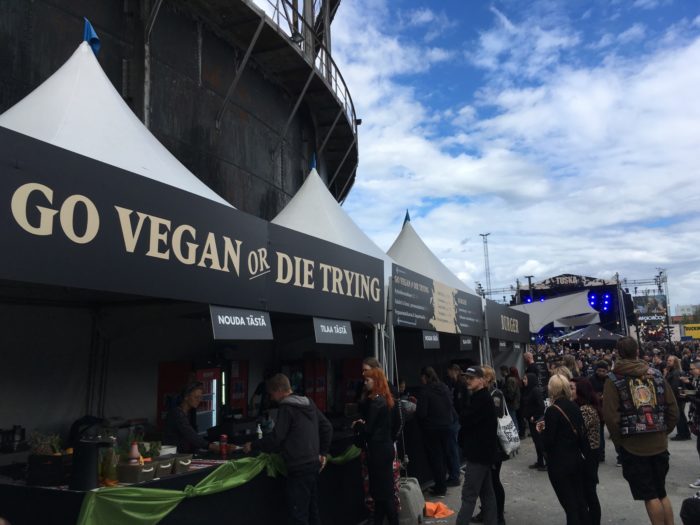
Finland is making the most of artificial intelligence

Artificial intelligence, a branch of computer science, can already perform demanding tasks, if taught and trained by humans.

In the future, intelligent machines will be able to learn like humans, act like humans, and think like humans. They can free us from tedious routine work, and will enable us to concentrate on more creative tasks that bring more value to our lives.

Three waves of AI

“The first wave of AI in the 1960s required coding and programming of rules, so that software and algorithms could solve specific problems,” says Harri Valpola, an accomplished computer scientist and CEO of The Curious AI Company.

“This enabled the creation of automated processes like route planning, which have become an integral part of today’s technology,” he continues.

“Today, when we talk about AI we refer to its second wave, which is based on supervised machine learning. Speech and image recognition, machine translation, data mining and other existing AI applications are all based on the second wave.”

Valpola says the third wave of AI, autonomous artificial intelligence, is emerging today. There are no third-wave technologies in current AI products yet, but research labs have had working prototypes for some time now.

It may take several decades before the intelligence of machines surpasses that of human beings.

“But things like digital coworkers that utilise a simpler form of AI will be around much sooner,” Valpola says.

Complex problem solving

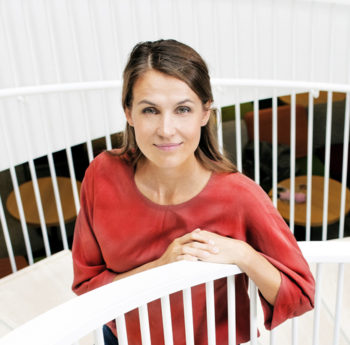
Maria Ritola standing in a white spiral staircase.

“We are able to tap into knowledge that was never available to us before,” says Maria Ritola.Photo: Samuli Skantsi

“AI systems that identify patterns in vast amounts of data enable complex problem solving,” says Maria Ritola, the Finnish co-founder and CMO of Iris AI, which recently closed a two-million-euro funding round. “We are able to tap into knowledge that was never available to us before.” The startup has launched an AI-powered science R&D assistant that helps researchers track down relevant research papers without having to know the right keywords.

“But one of the risks of AI systems is that they learn human prejudices due to biases in the training data given to them, which is then used for decision making,” she says.

Social impacts of AI

“Another risk is that governments do not participate enough in developing AI systems,” says Ritola.

“As a result, we may fail to understand the social impacts of the machines that are getting ever more intelligent. One of the areas to understand and manage is the big shift in job markets relating to automation.”

Finland sees the big picture.

“The Finnish government is acutely aware that AI will change our jobs and careers, and wants to understand how it will affect individual people and our society,” says Pekka Ala-Pietilä, who heads a steering group that carved out a plan for Finland’s AI programme.

“Finland has huge potential to become one of the leading countries in exploiting the benefits of AI. The idea is to make it easy for businesses to utilise AI, and to support the public sector in building predictive, AI-powered digital services based on people’s major life events. We want to keep our country wealthy, our businesses competitive, our public sector effective, and our society well-functioning.”

AI MILESTONES

  • 1941
    German engineer and inventor Konrad Zuse builds the world’s first programmable and commercially available computer.
  • 1950
    British mathematician and logician Alan Turing introduces the Turing test, which lets people test whether a machine can think: The machine is intelligent if you can talk to it without noticing it is a machine.
  • 1956
    Researchers found a new academic discipline, AI research, at a workshop at Dartmouth College in the US.
  • 1961
    The first industrial robot, Unimate, starts work at the General Motors factory in New Jersey, USA.
  • 1982
    Finnish neural network pioneer Teuvo Kohonen introduces the concept of self-organising maps.
  • 1986
    American researchers Rumelhart, Hinton and Williams publish an article on MLP network and back-propagation, a new learning procedure that constitutes the basis for today’s deep learning AI.
  • 1997
    Chess computer Deep Blue beats the world’s best chess player, Garry Kasparov.
  • 2000
    Cynthia Breazeal of Massachusetts Institute of Technology in the US develops a robot called Kismet that can recognise and simulate emotions.
  • 2009
    Google starts to secretly develop autonomous, self-driving cars.
  • 2011
    Watson, a question-answering AI developed by IBM, can understand natural language. It competes against, and beats, two former winners of the quiz show Jeopardy.
  • 2012
    Deep learning technology beats all other computer vision methods in the ImageNet competition, where the goal is to recognise images in a vast set of approximately 1.2 million images.
  • 2012
    A robot that had learned to sort objects on its own, developed by Finnish robotics firm ZenRobotics, starts to sort useful waste material from industrial waste.
  • 2016
    AlphaGo, AI developed by Google, beats professional player and 18-time world champion Lee Sedol at Go, a complex game that requires creativity and is more difficult for a machine than chess.

By Leena Koskenlaakso, ThisisFINLAND Magazine 2018