Finnish atmospheric scientists investigate complex climate connections of particles in Arctic

“What we are most interested in is change, as the Northern Hemisphere is changing at such a frighteningly radical pace,” says research coordinator Tuija Jokinen.

She is one of 600 researchers working on the ship over the 2019–20 season, each of whom will spend about two months on board. On top of that, getting to and from the ship takes an additional month. At any given time, the vessel will be carrying approximately 100 scientists. During the year-long project Jokinen’s team is observing phenomena such as the formation of fine particles and their effects.

Finnish theatre tells the story of humankind

The 500-page Sapiens: A Brief History of Humankind, by Yuval Noah Harari, now appears as a play, Sapiens, on the Finnish National Theatre’s Main Stage.

Homo narrans, the storytelling human and ultimate survivor, represents a threat to the existence of itself and others because of the species’ hyperbolic desire for control. As it turns out, the immense verbal dexterity that once allowed Sapiens to survive now threatens the very future of our planet.

Theatre Info Finland speaks to director Anni Klein to find out what the play is all about.

Finnish daycares emphasise nature, music, art and other exciting themes

A group of excited toddlers enter a forest near their daycare centre in Helsinki. They have come to this part of the woods to play many times before, and the children climb nimbly over big rocks and tree stumps.

Susanna Suutarla, CEO of Taiga Child Daycare Centres, explains how they design their routine around a nature theme:

“For us, nature is another one of our spaces, and we enjoy spending time outdoors year-round, come rain or shine. We spend many hours outside every day, and we often even eat outside.”

Taiga Child was founded 20 years ago. “We worked together with the Finnish Outdoor Association to create a concept called ‘At home in nature,’ which emphasises playing and safety in nature, as well as spending time together doing things in an unhurried manner.”

Sustainable lifestyle

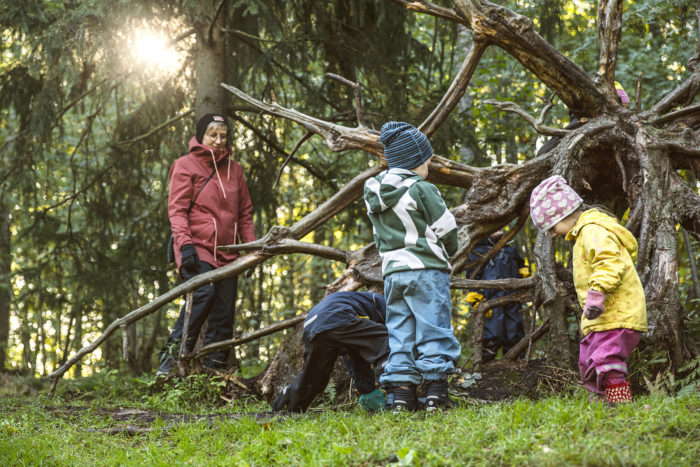
Small children play beside the roots of a fallen tree, with an adult watching nearby.

These Finnish kids are learning to respect nature and value a sustainable lifestyle.Photo: Roope Permanto

Children learn to feel at home outdoors, in the varied terrain. The natural environment feeds their imagination, and curious children observe and learn from their surroundings while playing.

“In the forest, children learn hands-on how to tell the difference between a spruce and a birch, and to take care of their environment,” says Suutarla. “You wouldn’t leave the playroom untidy after playing indoors and the same applies to the outdoor play area. We cherish the values of a sustainable lifestyle.”

By Marina Ahlberg, ThisisFINLAND Magazine 2019

Finland’s new natural resource

Henrietta Kekäläinen became a scout at the age of six. She learned about respecting nature and leaving no trace, and about every person’s right, the Finnish concept that formally states that everyone may roam the forests and countryside freely.

Even in the city of Espoo, just west of Helsinki, she found ways to experience the natural world, climbing rocks and building snow forts.

“Nature brings peace of mind and it feels like home,” says Kekäläinen. “It is deeply rooted in the national culture. Just look what happens when we get the first rays of sun in May. Finnish people run outside to romp and play, like cows who were kept in a barn all winter.”

The quest to sequester carbon

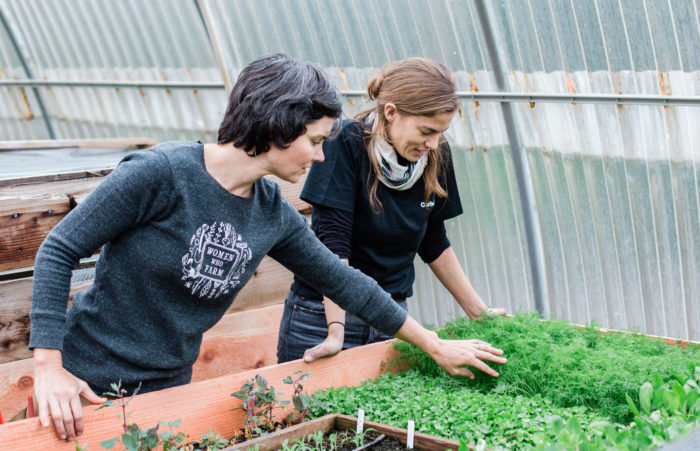
Two women in a greenhouse checking boxes of plants.

Carbo Culture, cofounded by Finnish entrepreneur Henrietta Kekäläinen (right), processes agricultural waste into biochar, which sequesters carbon and can be used to improve soil. Kekäläinen is checking trial plantings with Lanette Anderson, an assistant farm manager at the Californian responsible-farming nonprofit Hidden Valley.Photo: Carbo Culture

Because the environment is important to Kekäläinen, she became worried about its continued destruction.

“There is not a lot of political will to combat climate change, but this is something we absolutely have to solve,” she says. “Our fundamental challenge is to exponentially sequester carbon.”

This belief led Kekäläinen to cofound Carbo Culture, a company that produces biochar. This carbon-rich material, which looks like flakes of charcoal, can survive in soil for thousands of years while simultaneously increasing agricultural productivity. Carbo Culture set up a plant in California where they turn agricultural waste into biochar for use in agricultural and urban environments.

Where weather is an advantage

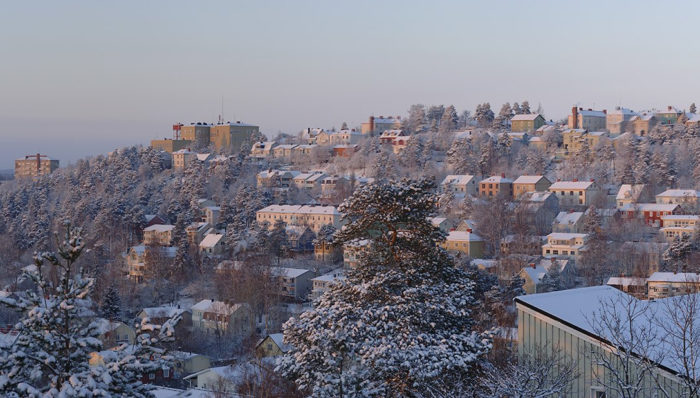
Snow-covered trees and apartment buildings stand on a hillside.

Cold winters motivate many startups to focus on energy efficiency and energy management. In this picture, a coating of snow covers the neighbourhood of Pispala in the city of Tampere.Photo: Jarkko Haarla/Visit Tampere

Anu Pousi of Avanto Ventures sees many similar good ideas in her professional life. She works with young startup companies specialising in clean technology. Her interest in the environment has deep roots and precedes her current job.

“Growing up, I spent summers in a summer cottage, and I later studied geography and environmental sciences at university,” Pousi says. “The interest was always there, but I needed to find a profession to match.”

She now helps young clean-technology companies to grow. She thinks Finland is a great place to do this because the Nordics punch above their weight when it comes to green tech.

“One advantage we have is our climate,” says Pousi. “Our winters are long and cold, and this leads many startups to focus on energy efficiency and energy management. The challenge is then to take these solutions to the rest of the world.”

Maximising positive impact

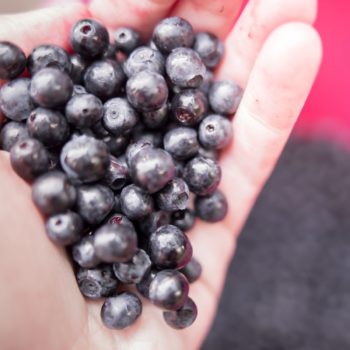
A hand holds a bunch of bilberries.

Every person’s right, the Finnish concept that everyone may access the countryside to hike or pick berries, has catalysed many people’s interest in nature and inspired ideas about how to mitigate climate change.Photo: Laura Vanzo/Visit Tampere

Not every Finnish child is playing in the woods and dreaming of stopping climate change. Antero Vartia took longer to realise the importance of the environment.

“Sure, I spent time at a summer cabin, but I just thought it was fun,” he says. “I didn’t care about the environment.”

When Vartia finally understood the importance of the natural world, he decided to act. A feeling of responsibility led him into politics and he was elected a Member of Parliament with the Green Party. He left Parliament after one term because he thought he could have a bigger impact outside of politics.

“Politics reflects the average thinking of the people,” he says. “People must change first, and politicians will follow.”

Finland can lead the way

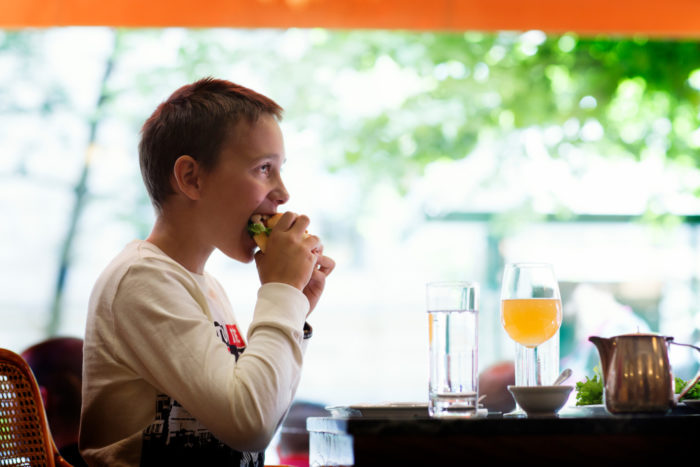
A young boy bites into a burger at a restaurant.

The nonprofit foundation Compensate is working to enable people to offset carbon emissions conveniently with a small surcharge when paying for a restaurant meal or making other purchases.Photo: Pia Inberg/Keksi

Vartia’s idea for empowering people to change is Compensate, a nonprofit foundation that allows people to offset their greenhouse gas emissions at the point of purchase. For example, if you are buying a vegetarian meal for 9.60 euros, at the register you might pay 9.70 euros, including ten cents that will be used to grow trees to offset the carbon emissions of your food.

“We are talking to many Finnish companies, but to have an impact Compensate needs to be global,” Vartia says. “The beautiful thing about this is that it isn’t rocket science. We want to show people how much their emissions cost and what they can do about it. I think Finland can be a great example for the world.”

By David J. Cord, October 2019

Michael Jackson reappears, in Finland

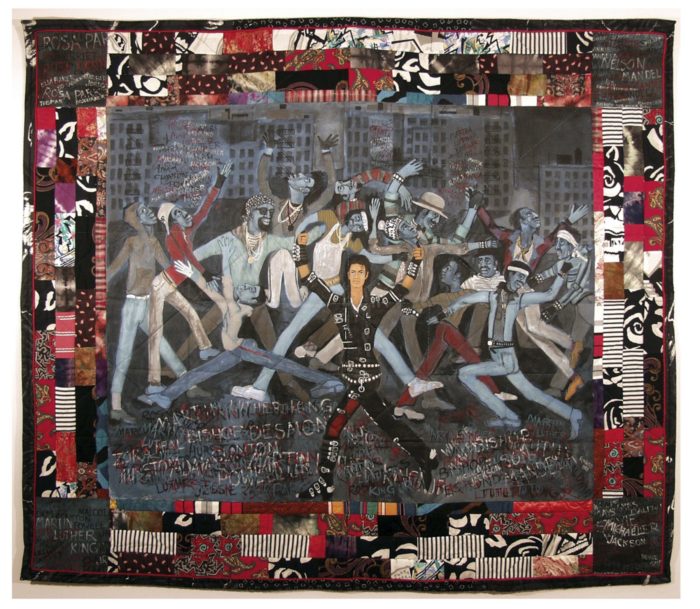
Before the Michael Jackson: On the Wall exhibition tour came to the Espoo Museum of Modern Art (EMMA) in late August, 2019 for its final stop (until January 26, 2020), the show appeared at the National Portrait Gallery in London, the Grand Palais in Paris and the Bundeskunsthalle in Bonn.

However, England, France and Germany did not have what Finland has been able to add to the roughly 100 works by 48 leading contemporary artists reflecting the late King of Pop’s place in global culture.

Resurrecting Jackson
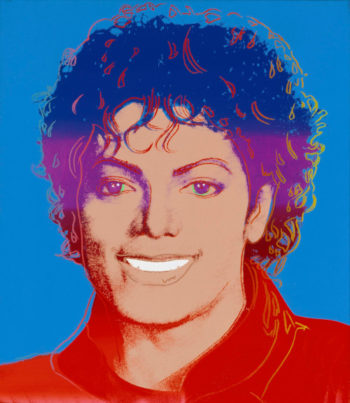
Andy Warhol gained yet another 15 minutes of fame by portraying Michael Jackson.Photo courtesy of EMMA

Michael (2015) is an 18-minute film by Adel Abidin, an Iraqi-born multimedia artist who has spent most of his professional life in Helsinki. While Abidin’s short is separate from the larger exhibition, EMMA has chosen to feature the video in its adjacent Areena space, a showroom for experimental and cross-disciplinary art. It brings an additional layer of imaginative context to the mythology of one of the world’s most recognisable figures.

Andy Warhol’s Jackson pieces may be the star attraction of the exhibition, but Abidin’s film ties it together by finding common ground in an exploration of fan culture, celebrity and idolatry.

The film begins with multiple TV networks breathlessly relaying reports that Jackson has returned from the dead. When the news is confirmed, the Christ-like Jackson agrees to an interview with an Anderson Cooper lookalike, specifying that the conversation take place in an empty New York City TV studio. The session is transmitted to the massive screens of Times Square, where tens of thousands of delirious fans await the opportunity to ask the resurrected star questions via a field reporter.

An emotionally challenged Jackson hesitantly and cryptically answers queries on the afterlife and the meaning of life with lyrics from his songs before leaving the set down a stairway, shielding his face from workers and later disappearing into thin air in the greenroom.

Celebrities aren’t always celebrated
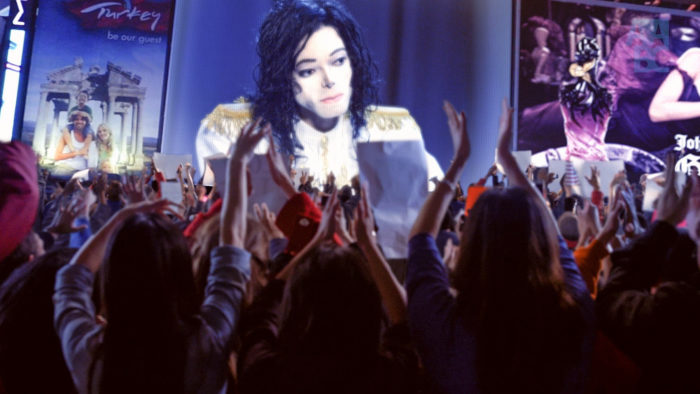
In an interview transmitted to the screens of Times Square, an emotionally challenged Jackson hesitantly and cryptically answers queries on the afterlife and the meaning of life.Still photo from Adel Abidin’s video “Michael (2015)”

Abidin received the Finland Award in 2015 in honour of his artistic career; his works form part of public and private collections in Finland and around the world. Arja Miller, EMMA’s chief curator, says Abidin’s film was a natural extension to the exhibition, whose depictions of Jackson are not necessarily celebratory.

The iconic showman’s life and death were famously controversial, involving not only musical megastardom, but also offstage infamy including accusations of child molestation. “For us, it was important that the exhibition not put Jackson on a pedestal, but explore his impact as a cultural symbol,” Miller says.

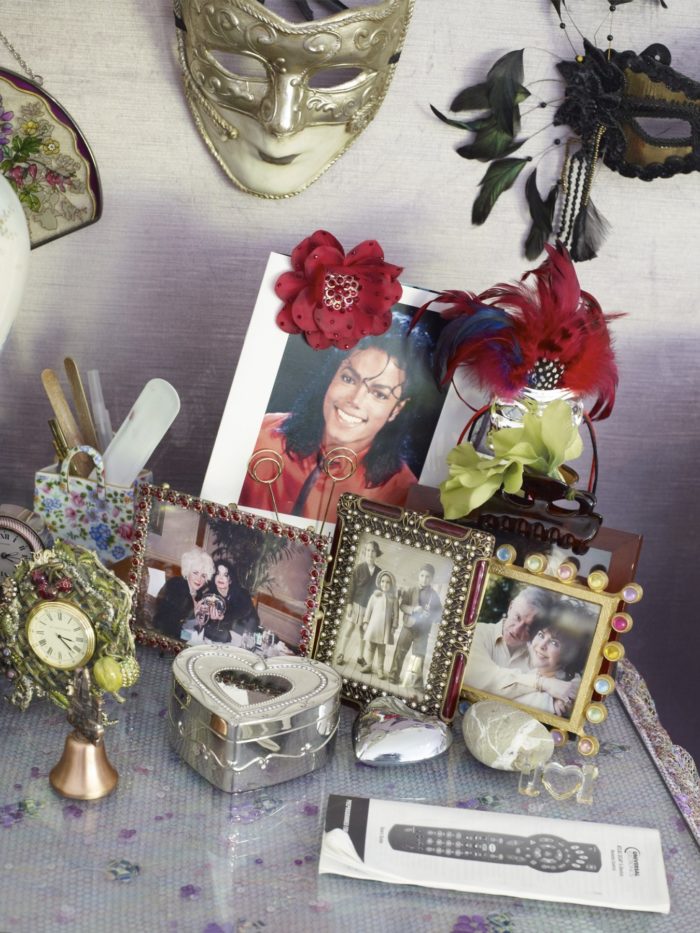
The 2,000-square-metre (21,500-square-foot) exhibition, which received positive reviews on its first three stops, is well suited to EMMA, the largest museum in Finland in terms of gallery space. EMMA condensed the show’s original 12 themes into seven: Cultural Meaning, Time Capsule, African-American Identity, Many Sides of Fandom, Behind the Mask, King of Pop, and Body on the Move. In addition to the Abidin film, EMMA added three new pieces, including an ironic gold fibreglass sculpture by noted American contemporary artist Paul McCarthy of a clownish Jackson holding a monkey.

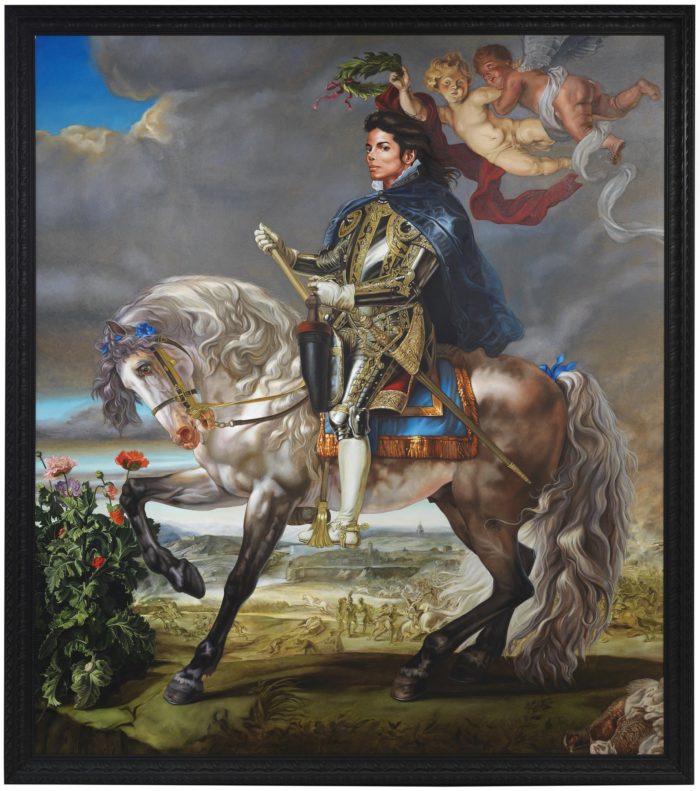
The exhibition isn’t biographical or chronological, but rather presents Jackson through a larger cultural lens as an extreme example of talent, fame and obsession. Warhol captures him early, at a somewhat innocent phase shortly after the runaway success of Thriller, while Kehinde Wiley, best known for the Barack Obama portrait hanging in the Smithsonian’s National Portrait Gallery in Washington, DC, examines megalomania by displaying Jackson as a horseback monarch being crowned by angels.

Joyful fandom and twisted darkness
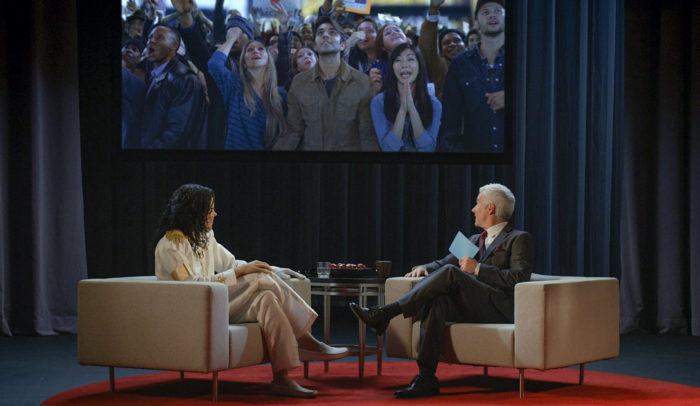
Jackson sits down for an interview with an Anderson Cooper lookalike in an empty New York City TV studio.Still photo from Adel Abidin’s video “Michael (2015)”

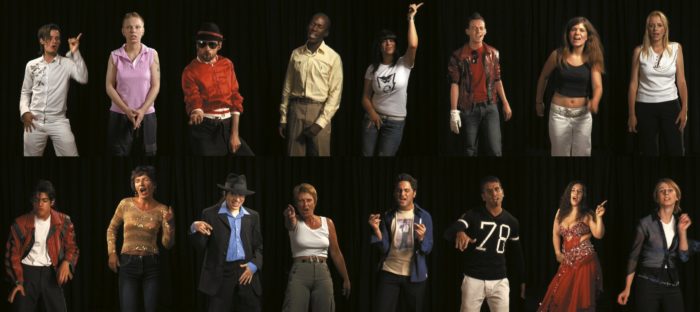
The joyful fandom of everyday people badly singing Jackson tunes exists alongside the twisted darkness of unabated, fragmented celebrity.  In Jordan Wolfson’s work, we see only Jackson’s eyes during a haunting video statement taken during the child-molestation allegations. It provides, similarly to Abidin’s film, a grim reminder of the compulsive need to build up and tear down idols.

Through it all, the focus of the exhibition is designed to extend beyond Jackson’s most loyal followers and create a bigger discussion about topics ranging from the absolute limits of celebrity to the things that matter in life.

“The themes examined in the exhibition are larger than Michael Jackson,” Miller said. “Jackson is, in most works, used as a symbol through which the artists examine a variety of themes, such as identity, gender, race, equality and fan culture. I think that is the point of resonance for larger audiences.”

Michael Jackson at EMMA
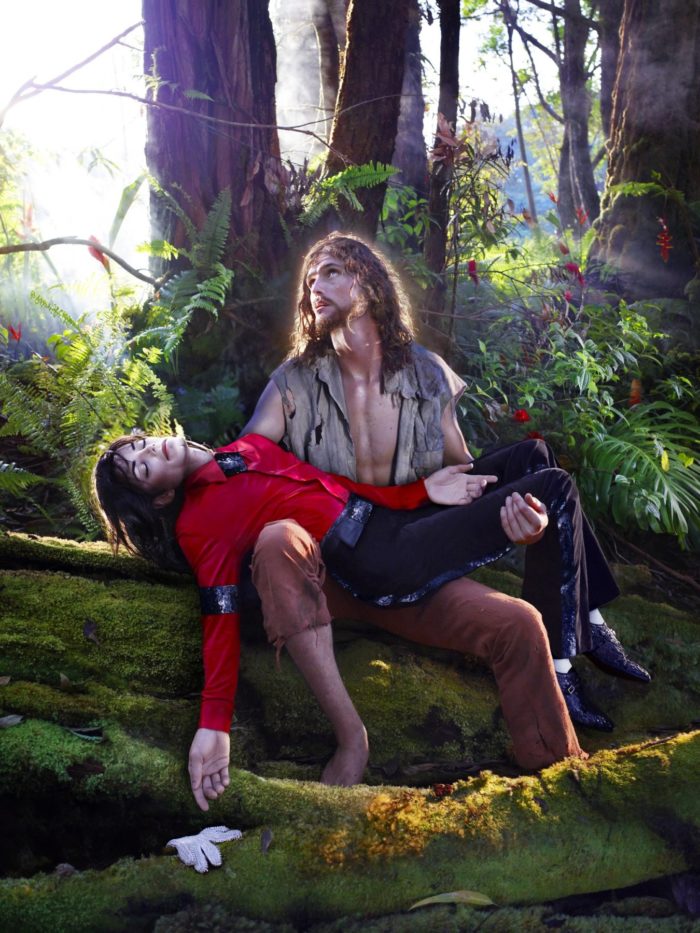
By Michael Hunt, September 2019
Finnish data entry: Your digital data can become “MyData”

Every move you make leaves digital footprints behind. Your browsing history and social media posts create data about you, but much of this is completely out of your knowledge or control.

The MyData Conference is one piece of a new movement to give you control over your data. The 2023 edition of the event takes place in Helsinki from May 31 to June 1.

“MyData is a technical, business and legal movement for people to own and control their own data,” explains Molly Schwartz, New York-based technology journalist and MyData conference host. “There are clear problems and abuse on a massive scale when it comes to personal data.”

The EU has rules such as the General Data Protection Regulation (GDPR) for individual private data, but most data generated worldwide has neither a technical nor an ethical standard for how it is used. MyData hopes to solve this challenge.

MyData is not an organisation, but a term for many projects and initiatives for human-centric data management. It is closely related to the Open Knowledge movement and believes in open standards. There are local hubs on every continent except Antarctica, but the movement has a particularly strong tie to Finland.

Robust roots in Finland

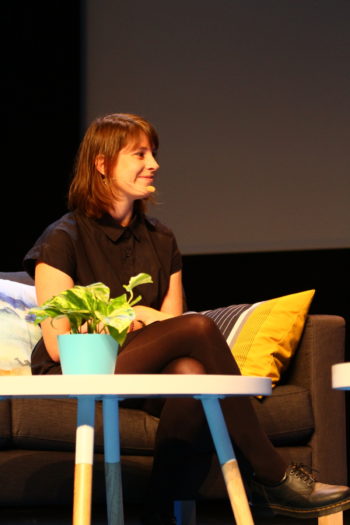
A woman, technology journalist Molly Schwartz, sits on a couch at a panel discussion.

“MyData is a technical, business and legal movement for people to own and control their own data,” says Molly Schwartz, New York-based technology journalist and MyData conference host.Photo: Juha Auvinen

“I came to Finland as a Fulbright grantee at the Aalto University Media Lab,” Schwartz says. “In 2015, I attended a talk about digital activism and someone mentioned the MyData concept. This was in the early stages of GDPR and there was less criticism of Big Tech, so I was interested to hear about potential solutions.”

The movement in Finland received a boost with a 2014 study commissioned by the Ministry of Transport and Communications. Activity is always ongoing, but the major event is the annual conference, which has taken place in Helsinki, with some activities across the water in nearby Tallinn, Estonia. Topics have ranged from technical aspects of data portability to personal data marketplaces.

“Finland is a good place for this movement to develop,” Schwartz says. “Finland has the European perspective of consumer protection. Finland is solutions-oriented and has excellent computer science engineers. Finland is also a small country, so you can run a pilot which covers many different sectors of society.”

What do we want from technology?

Minna Saariketo is a doctoral researcher in media studies at Tampere University. Her study on how people use and perceive digital technology helped spur her interest in MyData.

“Giants like Google and Facebook have such a strong hold on our daily life,” she says. “People generally accept the idea that they use these services and lose their data. MyData is an alternative, a re-imagining of the system.”

Most participants at the MyData conferences have been business, legal or technical experts in the field. Saariketo was able to show them how the general public uses technology and thinks about data.

“MyData engages with governments and developers, but it must also reach out to regular people,” she says. “Networked media technology is a self-evident part of our lives and routines, from the instant we wake up to when we go to sleep. A major goal of my work is to provide insights into how our system can be otherwise. We want people to step back and think of what they want from technology.”

Take initiative with your data

A logo showing the words My Data and a stylised illustration of a person surrounded by icons such as a shopping cart, a building, an electric plug and a stack of coins.

MyData is not an organisation, but a term for many projects and initiatives for human-centric data management. It is closely related to the Open Knowledge movement and believes in open standards. Logo: My Data

Technology provides valuable services to us, but it comes at a cost – not just monetary, but also with our data. The MyData movement still has a long way to go, but there are steps a person can take today to stay educated and help secure their data.

“I hope that people stay aware and educated about what is going on with their data and technology,” Schwartz says. “Read news about privacy violations and pick services who have better track records. Follow websites like Data Ethics and Personal Data. There are also tools to help you stay secure, such as virtual private networks.”

By David J. Cord, September 2019 (updated April 2023)

Autumn brings a festival of colour to Finnish Lapland’s fells

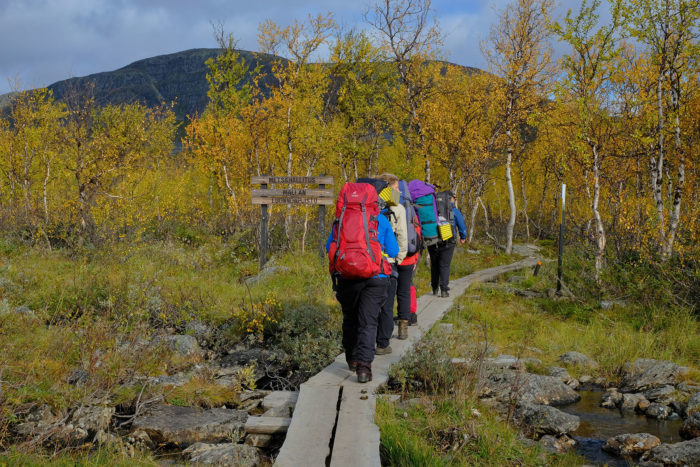
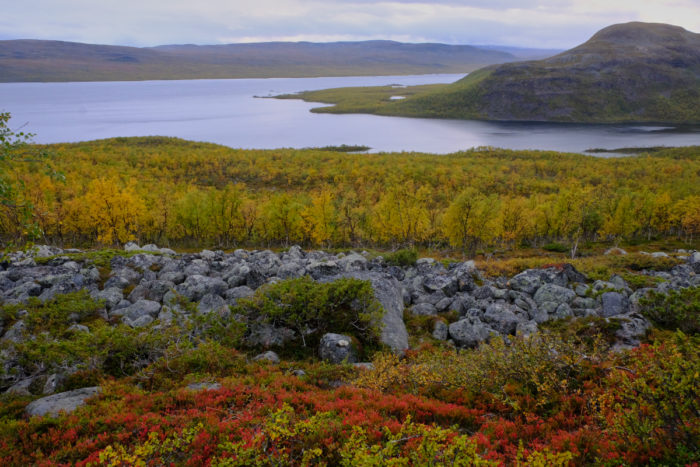
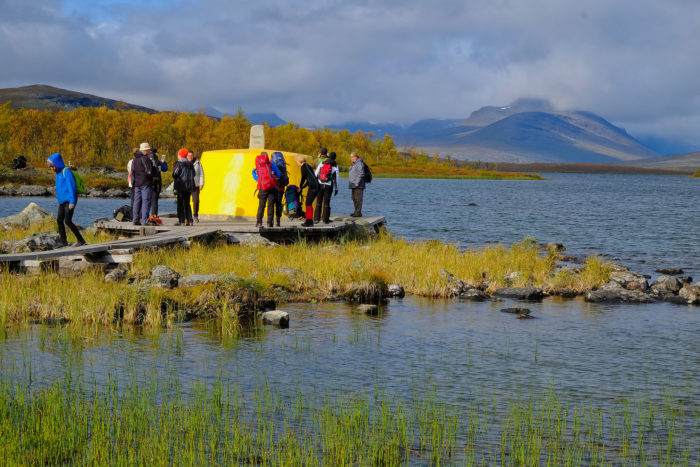
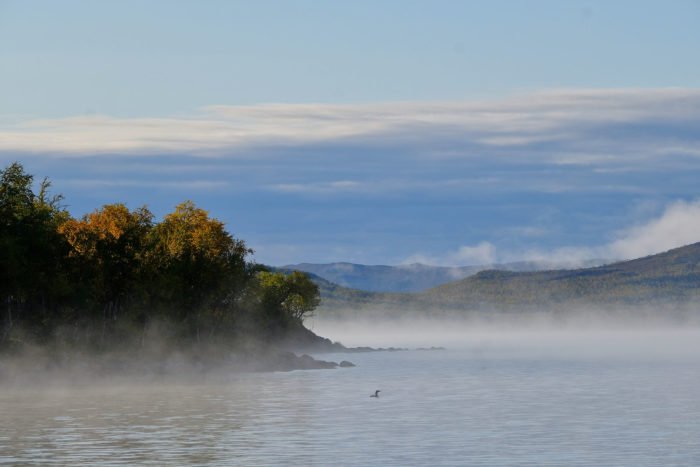
The first frosts on the fells surrounding Saana, Finland’s second-highest mountain at 1,029 metres, might arrive as soon as the end of August or early September.

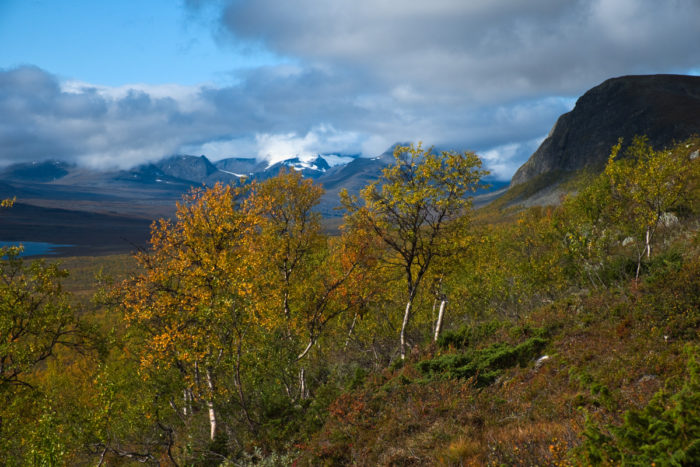
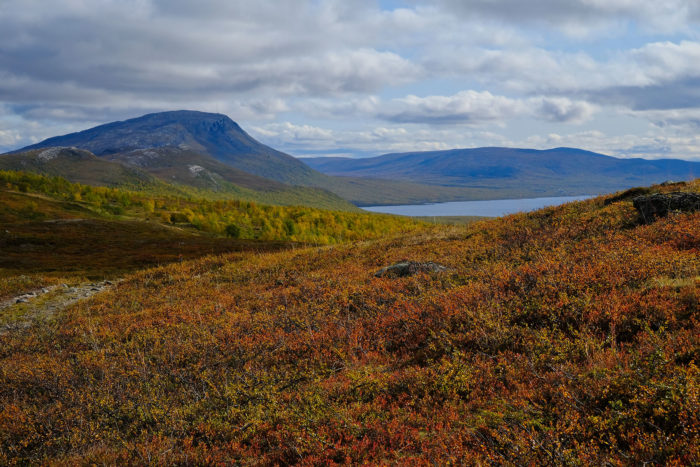
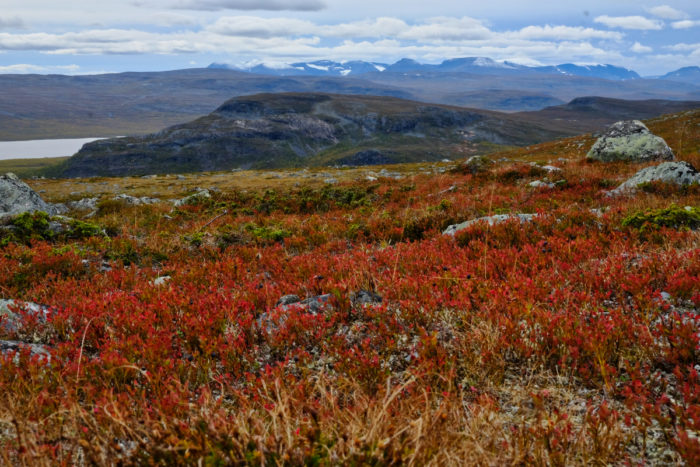
Changes in the colours of the shrub and tree foliage accelerate as the nights grow colder, especially in the more elevated fells around Kilpisjärvi in the northwest, where Saana is located.

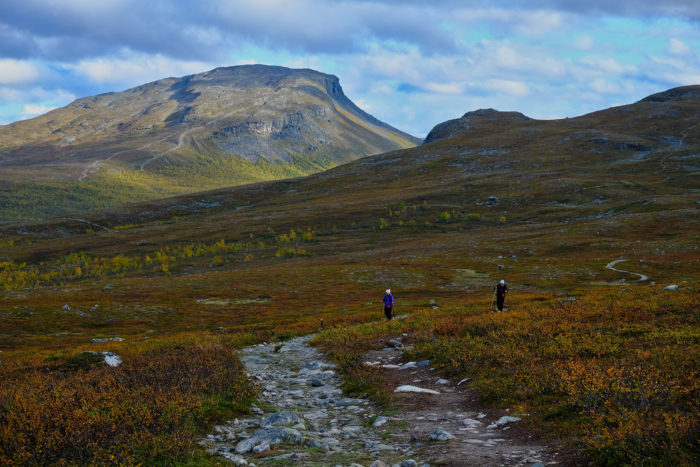
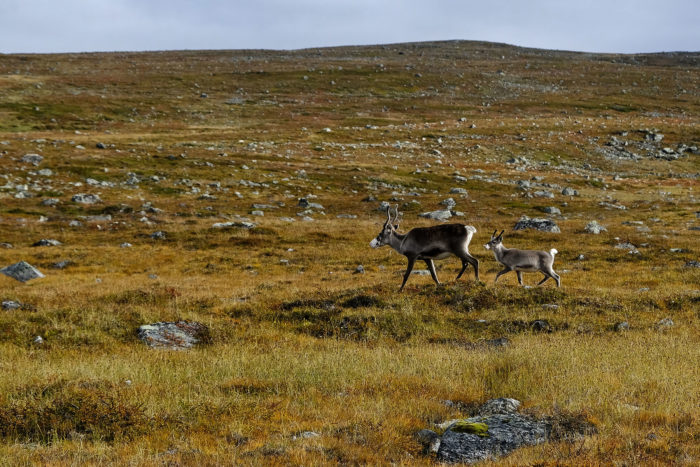
In Finnish there’s a name for the phenomenon – ruska – when the fells and forests put on a vivid display of reds, oranges and yellows, as if in protest at the imminent winter. This brief and lovely, if not always predictable, season lasts little more than a fortnight across the region, and hikers flock to Lapland’s lodges and chalets, setting off on rigorous day walks or longer rugged treks.

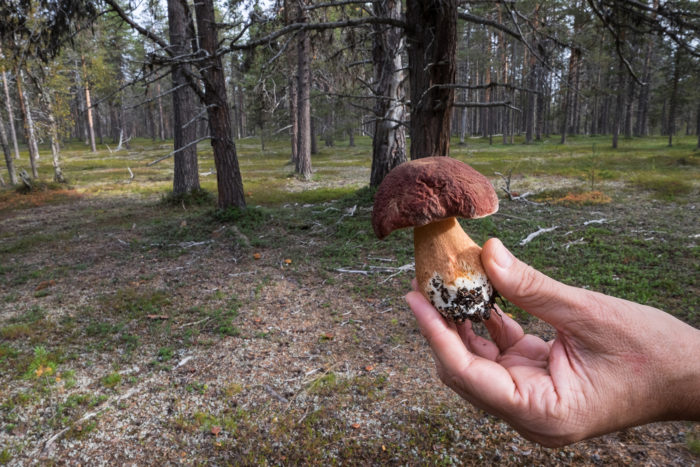
The days are cool and often clear and calm – perfect trekking weather – and there’s the bonus of finding succulent cep mushrooms and the last blueberries and lingonberries. The Finnish tradition of every person’s right means you can pick and keep any edible treasures you find in the great outdoors.

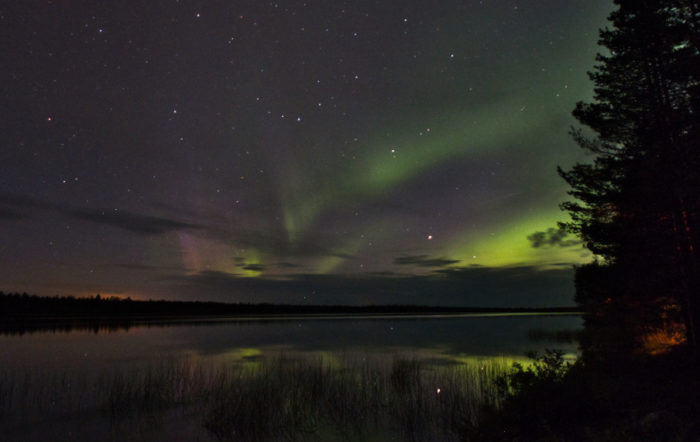
And as if the technicolour show of the fading flora weren’t enough as a backdrop, there’s every chance of finishing off the day with a jaw-dropping sunset followed by an appearance of the Northern Lights.

See the fells of northern Finland in full colour

By Tim Bird, September 2019

Finland pioneers circular economy to ensure prosperity in the future

The circular economy’s key idea is to detach growing prosperity from the over-exploitation of virgin natural resources.

We are used to living in a linear economy, where goods are manufactured from raw materials, sold in the largest possible quantities, and eventually discarded. This model no longer works; it has become clearer that natural resources on earth, the only planet available to us, are finite. The climate crisis and loss of biodiversity indicate more clearly than ever that we will have to leave some natural resources unexploited.

Incentivising businesses

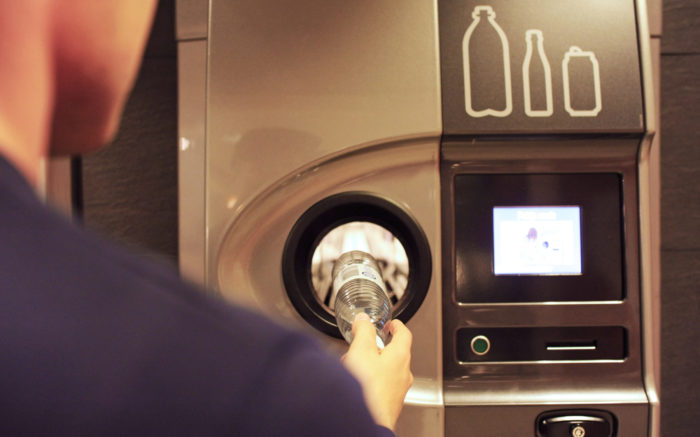
A person puts an empty bottle into a return machine.

Returning bottles at the supermarket: Recycling is really just the beginning.Photo: Emilia Kangasluoma

In the circular economy, products are shared. Services are purchased, rather than goods. Materials are reused several times over, and products are designed to be long-lasting. Material in single products is reused when they reach the end of their lives or an intermediate production phase. Production and product use create minimal waste.

“In many public discussions, the circular economy is only about recycling,” says Mari Pantsar, director of sustainability solutions at Sitra, a Finnish fund focused on future-oriented study and research. It is building a thriving Finland for tomorrow and accelerating sustainable business.

“We have already partly made the transition to the circular economy,” she says, “but our patchy, though well-functioning, recycling and reuse of products is just the first step.”

Pantsar believes that the key challenges lie in creating economic incentives to drive the use of recycled materials. “Products made out of recycled materials are often more expensive, or market entry is difficult. Choosing products made out of recycled materials should make more financial sense for everyone.

“There is not much unique about circular economy activities. They were practiced in premodern times because they made financial sense. Products were shared, long-lasting and many were reused as a matter of course. It just wasn’t known as the circular economy. Today these practices are combined with digital platforms that enable sharing practices.”

Finland pioneering in many ways

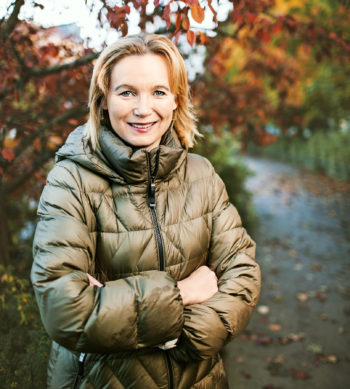
A woman in a jacket smiles in front of autumn-coloured trees.

Mari Pantsar, director of sustainability solutions at Sitra, says, “There is not much unique about circular economy activities. They were practiced in premodern times because they made financial sense.”Photo: Roope Permanto

Finland aims to create the world’s most ambitious circular economy market, encouraging investment and the creation of new solutions.

Finland unveiled the world’s first circular economy roadmap in September 2016. Following Finland’s example, at least nine other EU countries have drawn up similar action plans since then. The first event to highlight the world’s best circular economy solutions, World Circular Economy Forum 2017, took place in Finland. More than 1,600 private-sector delegates, decision-makers and experts attended from over 90 countries. The event fosters international cooperation in transforming the world’s economy. The 2018 forum was held in Japan, and in 2019 it came back to Finland. In 2020 the event moved online because of coronavirus-related restrictions. In April 2021, the WCEF+Climate conference was held in hybrid format in the Netherlands, and in September 2021 North America hosted the World Circular Economy Forum for the first time, in Toronto, Canada.

Sitra’s list of key examples of circular economy businesses has acted as a popular awareness-raising tool.

“We hope that as many companies as possible go through the list and ponder whether it contains new ideas for doing business,” says Pantsar. “Companies are queueing up to join the list, which has attracted interest elsewhere in the world.”

The circular economy is being widely taught in schools: a generation of Finnish youngsters have already learned about the phenomenon.

“We want to challenge teachers to teach the circular economy to children in every grade,” Pantsar says. “Our aim is that all people, irrespective of their sector, understand how to make the circular economy a reality.”

By Samppa Haapio, ThisisFINLAND Magazine 2019, event info updated September 2021