Building an even better Finnish school

Saunalahti School in Espoo, just west of Helsinki, acts as a modern-day metaphor for Finnish education – better architecture contributes to a better scholastic experience.

Award-winning Helsinki firm Verstas Architects recently built Saunalahti School, which opened its doors in autumn 2012 to 750 students, from preschool to teenagers. The 10,000-square-metre building elicited an unlikely response: It has become the living room of the whole neighbourhood.
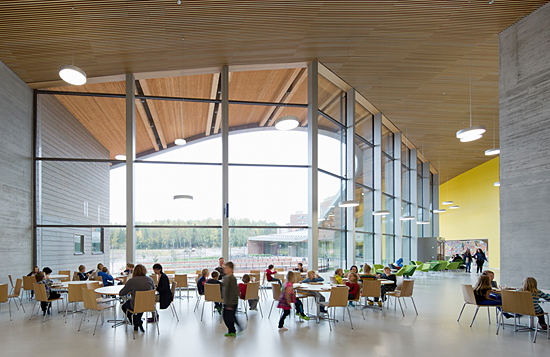
Schoolchildren sitting at tables in a light open space with floor to ceiling windows.

More than just a place to study art, math and literature: Saunalahti School is designed to serve schoolchildren and the surrounding community. Photo: Andreas Meichsner/Verstas

“The building is in maximum use almost around the clock,” says school principal Hanna Sarakorpi. “There is a lot of synergy all of us can benefit from.”

The school was built as more than just a place to study art, math and literature. It was meant to become a focal point for its corner of Espoo, according to Ilkka Salminen, who co-created the building with his partners at Verstas, Väinö Nikkilä, Jussi Palva and Riina Palva.

The school’s library is open to the public in the evening, while cooperation between the school, the daycare and the youth centre is constantly growing.

Deciphering the secret of success
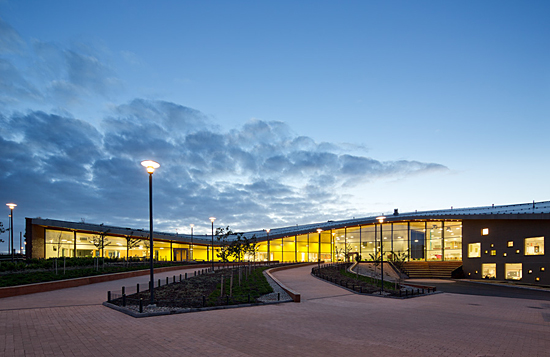
Saunalahti Library in evening light.

Parts of the school, such as Saunalahti Library, stay open to serve the public during the evening. Photo: Andreas Meichsner/Verstas

Consistently ranked as a top education leader by the Programme for International Student Assessment (PISA), the Finnish school system offers more than just academic support: health, dental and counselling services are available through the schools and help ensure students’ wellbeing.

An OECD report notes that, since the first PISA in 2000, “Finnish schools have become a kind of tourist destination,” where educators and policymakers from around the world try to decipher “the secret of success.”

In the 2000, 2003 and 2006 PISA surveys, Finland took top honours in literacy, mathematics and science, and it remained in the top 10 in 2009 despite moving to sixth in mathematics, second in sciences and third in reading. (At the time of writing, the 2012 results have not yet been released – the release date is December 3, 2013.)

Qualifying as a teacher in Finland – even a primary school teacher – requires a university degree. Education degree programmes at Finnish universities enjoy a great deal of popularity, and admission is notoriously competitive.

Nontraditional classrooms
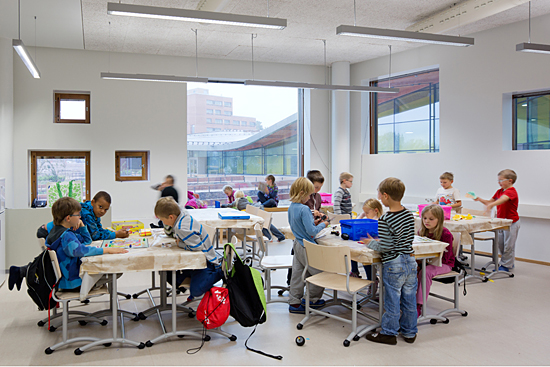
Schoolchildren studying in small groups around their desks.

The school is designed to encourage nontraditional classroom settings and various kinds of group learning. Photo: Andreas Meichsner/Verstas

Saunalahti School was designed to integrate a nontraditional classroom into the education experience for new ways of learning – with an emphasis on collaboration. For example, glass walls between classrooms allow students to work in groups and “were built primarily to support the pedagogical idea of the school,” says Salminen.

There’s room to get away, as well. Sarakorpi notes that the children love to explore the sprawling schoolyard or just sit and read on the windowsills.

“Some students don’t feel comfortable in a [traditional] classroom,” says Salminen. “Every interior and exterior space is a potential place for learning.”

The workshop-friendly classrooms have glass doors which open to neighbouring student groups, while there is enough open spaces in the broad hallways to sit, work and study. In other words, the design supports learning outside of the classrooms.

Inspiring architecture encourages learning
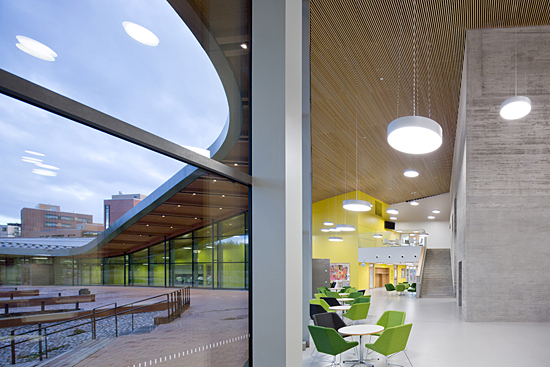
Interior of Saunalahti School, showing big floor to ceiling windows.

Saunalahti School’s huge windows let in as much light as possible. Photo: Andreas Meichsner/Verstas

It began in 2008, when 13 architects at Verstas started designing the school. Construction commenced in 2010 and was completed in 2012. Since then, the building has made an impact at the educational and community levels.

One side of the three-floor building incorporates a swooping glass wall with a curved wooden roof that looks a bit like a ski slope. The architects had to be careful that the building would not cast a shadow onto the schoolyard. The curvaceous glass structure contains a daycare, preschool, public library and youth club. Square windows of various sizes are scattered over one wavy wall, looking out onto the open school yard.

For the school, the biggest challenge was staying within the budget and the physical parameters, says Sarakorpi. As for the architects, they wanted to allow as much light as possible into the school so children could maximise their daylight hours during the dark Finnish winters, when the short days amount to the exact opposite of the Nordic summer’s white nights.

Apparently, it’s the inner light that matters. The central fireplace in the foyer acts as the heart of the school.

“We think that inspiring architecture may give a child a positive drive for growing up and learning things,” says Salminen, “and turn the learning moments into thrilling experiences.”

By Nadja Sayej, September 2013
Finnish skaters combine power and grace

Speed, movement, music and choreography contribute to the growing popularity of synchronised skating, a discipline in which Finland holds multiple world championship medals. The international Finlandia Trophy and Marie Lundmark Trophy competitions are held yearly in the Helsinki area.

The 2025 World Synchronised Skating Championship took place in Finland in April 2025. Twenty teams from all over the world performed at the sold-out Helsinki Ice Hall. The Helsinki Rockettes earned the gold medal, while Team Unique, also from Finland, took silver. Finnish teams have won a total of 32 medals since the inaugural world championship was held in 2000.

“Figure skating is a multifaceted sport, because it combines athletics and aesthetics,” says synchronised skating coach Katariina Luotonen. “You can express yourself through movement and music and practise skating along with dance, ballet and gymnastics to improve your body power and grace. The feeling when you are speeding across the ice is amazing.”

Popular and still growing

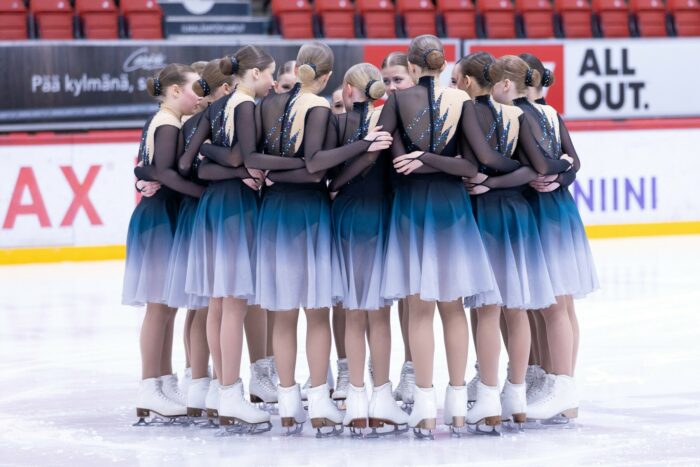
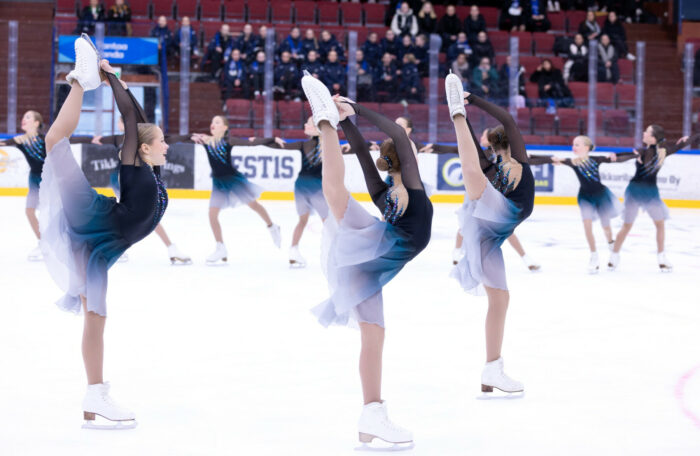
A dozen girls in matching outfits skate across an ice rink, some of them on one leg while holding the other leg above their heads.

To build their skills, routines and endurance, the Sunlights team trains five times a week on ice, in addition to dance classes and fitness training.Photo: Catarina Stewen

Luotonen began figure skating at five and participated in both single figure skating and synchronised skating with one of Finland’s top teams, Marigold Ice Unity. She later moved into coaching, and works with Helsingin Luistelijat (Helsinki Skaters). It’s the same club she skated with in her youth; she was on the team when they won the world championship in 2002.

Always popular in Finland, figure skating continues to grow, attracting people of all ages. Clubs throughout Finland offer training in single (individual) skating, synchronised (group) skating and ice dance in pairs.

Synchronised skating, especially, has seen a rise in popularity since the 1990s. It’s a team sport in which eight to 20 skaters perform a programme together. It utilises the same judging system as other figure skating events, and is characterised by teamwork, speed, intricate formations and challenging step sequences.

“Being a single skater is very competitive, and most of the time you train by yourself,” Luotonen explains. “Synchronised skating is a team sport, which makes it more fun. As with all team sports, the team spirit comes from doing things together and working towards a common goal. The support from your team members while sharing success, failure, joy and sorrow are assets that will stay with you throughout your life.”

Every child learns to skate

Watch Team Marigold Ice Unity of Finland skate in 2022, the same year they won silver in the World Synchronised Skating Championship in Hamilton, Canada.

Ice skating is regarded as a basic skill in Finland, comparable to swimming or riding a bike. Every child learns to skate at a young age. Because of the long winters, they also have ample opportunity to practice outdoors, as many soccer fields are transformed into ice rinks.

Children of all ages gather after school to play ice hockey or figure skate with their friends. Ice skating is also included in physical education lessons at school. In addition, nearly every city has indoor skating rinks, many of which are in year-round use.

Luotonen believes several reasons exist for the growing popularity of synchronised skating: “The team spirit, the show element and the success of Finnish skating teams in competitions all over the world are drawing more and more children to this sport.”

The Finnish senior synchronised skating teams Marigold Ice Unity, the Helsinki Rockettes and Team Unique, all based in Helsinki, have taken turns representing Finland at the World Championship, winning first place a total of ten times. Another challenger is Lumineers from Espoo, just west of Helsinki.

Meanwhile, the success of individual figure skaters such as Emmi Peltonen, Kiira Korpi, Laura Lepistö and Viveca Lindfors has made them into idols for young skating enthusiasts.

No age limit for a new hobby

A group of girls in matching outfits stand on an ice rink in a circle with their arms around each other.

In team sports such as synchronised skating, participants gain a lot of support from their peers.Photo: Catarina Stewen

“If you wish to be successful [at the top level], you need to start early,” Luotonen says, but adds that there is no age limit to when you can start a new hobby. You can start lessons as early as three years old, but skating lessons and teams for adult beginners are also available.

“Sunlights, one of the teams I am coaching at Helsingin Luistelijat, consists of 29 energetic girls age 9 to 13,” says Luotonen. “They’re such a fun, spontaneous group – they always make me laugh. They train on ice five times a week, in addition to dance classes and fitness training.

“My goal is to teach skaters to grow into young athletes, making healthy choices in all parts of life in order to achieve certain targets. At this age, targets are not measured in results or medals, but in growth on a personal and team level.”

By Catarina Stewen, updated April 2025

Learning Finnish in the community

In Finland, a range of community colleges called Työväenopisto assist students with coming to terms with the 15 different noun cases of the local lingo, among many other educational things.

Available for all residents nationwide, there is truly something for everyone at their local Työväenopisto, with course subjects encompassing everything from art history to fitness and numerous languages.

“Our courses are aimed at people outside of the labour market, pensioners, people with small children and also those who are working and want to take evening classes,” states Eero Julkunen, Vice-Principal of Helsinki’s Työväenopisto.

Newcomers to Finland are increasingly proving themselves perfectly capable of communicating in the local language, and integrating themselves completely into Finnish society, thanks in no small part to the range of language courses available in institutions such as Työväenopisto.

“We have around 50 different Finnish language courses, but there are also cooking and IT classes on offer specifically for foreigners,” Julkinen explains.

Altogether, students have backgrounds in around 80 different languages.

“It’s always interesting with many different cultures in the classroom,” explains course-planning coordinator Sylvi Lankinen. “It’s a pleasant experience.”

Internationally speaking

2811-dsc_0287-550-jpg

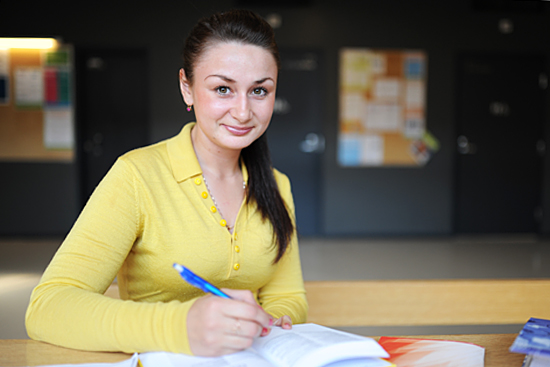
Ukrainian Valentina Paliichuk enjoys the multicultural environment of her classroom. Photo: Emilia Kangasluoma

“My classmates are from many countries,” explains Finnish-language student Valentina Paliichuk, originally from Ukraine. “There are people from Spain, Italy, Ecuador, Russia, Estonia and many others. Everyone has a story from their country and traditions that we speak about in class.”

Also in the same class, Indonesian Abdurrahman Tauhid appreciates the importance of communicating in the local language, having arrived in Finland eight months ago to live with his girlfriend.

“Most people here speak English, but you really need to speak Finnish to get a job,” he observes. “Finnish is a hard language, but I want to learn it and live here. Everything is possible, as long as you believe in yourself.”

Aside from acquiring a job here in their chosen profession, students at Työväenopisto have different motives for learning the language.

“I started to learn Finnish as I have a baby here,” explains Spaniard Julio Ortiz. “I want to help when he eventually goes to school and starts to do his homework.”

2811-dsc_0334-550-jpg

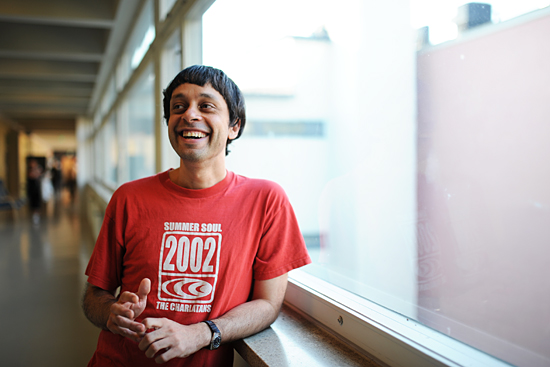
Italian Paolo Bucciarelli recently decided to learn Finnish, hoping to feel more a part of the community here. Photo: Emilia Kangasluoma

However, for some, their motivation is not a matter of the necessity of work or family commitments. After living here on and off for nearly seven years, Italian music producer Paolo Bucciarelli recently decided that the time is right to try his hand at the local language.

“There comes a point that if you want to be a part of the community you need to speak it,” he explains. “Especially as the old generation doesn’t really speak English.”

Given the wide array of choices for studying Finnish on offer at a variety of institutions, why would he then choose Työväenopisto?

“A friend of mine studied Italian here and recommended it, as he received good tuition and it is quite cheap. I thought, ‘okay, let’s give it a try’. The best way is to just jump in and stay afloat. I am taking it in a philosophical way: at least at the end of this course I will know more than when I started.”

Linguistic safety net

2811-dsc_0391-550-jpg

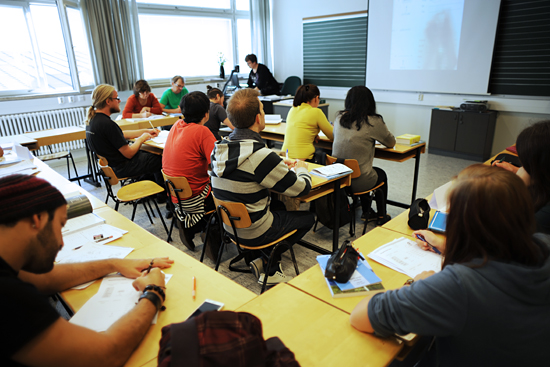
Aside from Finnish language, courses at Työväenopisto community colleges encompass a diverse range of subjects. Photo: Emilia Kangasluoma

Nowadays, one doesn’t actually need to participate in a classroom discussion in order to learn Finnish. While a quick Google search reveals a number of different avenues online, one of the most popular has been that of Kesäyliopisto (summer university).

“I started giving courses online three years ago,” explains Anne Palokangas, lecturer at the Summer University of Northern Ostrobothnia. “Many people who are living in smaller villages can’t find courses because if there are not enough foreigners living nearby, then courses won’t be organised in that area. Also some people have difficulty leaving home as they have babies, so they can also participate. Sometimes we have cats and dogs and babies crying in the classroom.”

With students scattered around the country, as well as such far flung regions as the USA, Russia and Asia, the convenience of the Internet is certainly put to good use.

“It’s so easy to come to class when it’s online,” Palokangas exclaims. “I never know where people are. They could be next door, on their way home from work, or in Brazil, Italy or Spain.”

By James O’Sullivan, September 2013
Oulu startups pitch till midnight

Thanks to events like Midnight Pitch Fest, Finland’s northern city of Oulu is becoming known as the city of startups.

Nervous representatives from 70 business startups gathered on a small island in the middle of Finland’s northern city of Oulu one crisp, sunny day in August. Their mission? To pitch their concept to a group of Finnish and international investors in the hope of receiving a financial handshake that will launch their business to markets across the nation and overseas.

These handpicked investors from Finland, Sweden, Norway, Russia, the UK and the USA flew to the city the locals like to call the capital of Scandinavia to take part in an event billed as the Midnight Pitch Fest. Like the award-winning TV shows ‘Shark Tank’ and ‘Dragons’ Den’, the 70 entrepreneurs were given a microphone, a spotlight on a stage, and five minutes that could change their life. By midnight, the winning pitches were rewarded with prizes or funding proposals.

According to a Fortune Magazine report in 2012, Oulu is among the seven best new global cities for startups. The article noted that Oulu, with a population of 250,000, is “especially hospitable to companies seeking the mix of talent, curiosity and risk taking that leads to game-changing new products and services”.

BusinessOulu supports entrepreneurship

3224-oulu-reichert-550-jpg

Bill Reichert, managing director of Garage Technology Ventures based in the USA, believes many of the entrepreneurs at Midnight Pitch Fest displayed more business experience and technical training than a lot of Silicon Valley entrepreneurs, especially those who have just graduated from university.Photo: Joni Tuomaala

Many concur that the Finnish mobile phone giant Nokia is ironically responsible for this glowing reputation. When in recent years Nokia massively downsized its Oulu operations, it released close to 2000 skilled engineers into the city’s workforce of approximately 75,000. Since then, Oulu City Council has set up BusinessOulu, whose aim is to support entrepreneurship and boost the creation, operation, growth and competitiveness of local businesses. Midnight Pitch Fest is one initiative that BusinessOulu is involved in.

Oulu is fast becoming known as the city of startups, according to Lassi Anttonen, ex-Nokia engineer and CEO of MyPose, another Oulu startup pitching at Midnight Pitch Fest. MyPose places interactive touchscreen mirrors in stores and at events, enabling customers to snap photos of themselves with store products and share with friends via social media platforms. The logo of the sponsoring store or event is inserted into each photo.

“The startup community in Oulu is very open in sharing ideas and experiences,” says Anttonen. “We’re all learning from each other, encouraging each other and bonding during the startup journey.”

One of the event’s keynote speakers was Bill Reichert, managing director of Garage Technology Ventures, a seed and early-stage venture capital fund based in the USA. “BusinessOulu has been aggressive in putting initiatives in place to try to rope in anyone who is a stakeholder in the financial success of Oulu,” he announces. “There is a breadth of technology and entrepreneurial business talent here.”

Finnish startups display business maturity

Reichert believes many Finnish startups display more business maturity and technology richness than those in Silicon Valley. “Most Silicon Valley entrepreneurs have less business experience than the Finnish entrepreneurs I met at PitchFest,” he explains.

3224-oulu-laturi-ceo-vesa-tornberg-cropped-550-jpg

Startup CEO does a sit-up: Laturi CEO, Vesa Tornberg, demonstrates what clients of fitness trainers go through in a fitness test using Laturi equipment. Photo: Mark Badham

Another Oulu-based startup pitching for investment is Laturi. Laturi’s CEO, Vesa Tornberg, agrees that Oulu is the ideal place to start a business. “Startups receive a lot of support here,” he declares. “We are surrounded with local, national and international public and private organisations who are happy to offer help.”

Laturi, which is Finnish for charger, develops tools for businesses offering fitness services to corporations. “We give fitness trainers a small package of mobile equipment to take into workplaces so that they can better monitor employees’ fitness levels via a web service,” he says. He explains that staff are put through a brief series of fitness tests and allocated a unique energy index they can then share with friends and colleagues through social media platforms.

Finnish games industry consultant, Jay Ranki, claims there are about 30 gaming startups in this city, making up a large proportion of Oulu’s startup community. “Companies such as Nokia helped develop solid engineering talent here,” he says, explaining the growth in gaming startups. Timo Ahopelto from Lifeline Ventures, an Oulu-based startup investor, agrees. “We have the best people here in Oulu,” he boasts. “Not long ago they were running Nokia!”

By Mark Badham, September 2013
The essence of summer in Finland

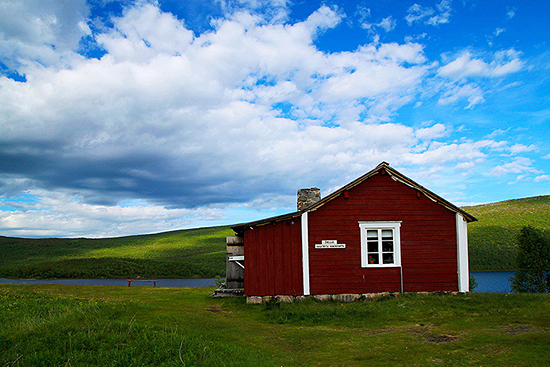
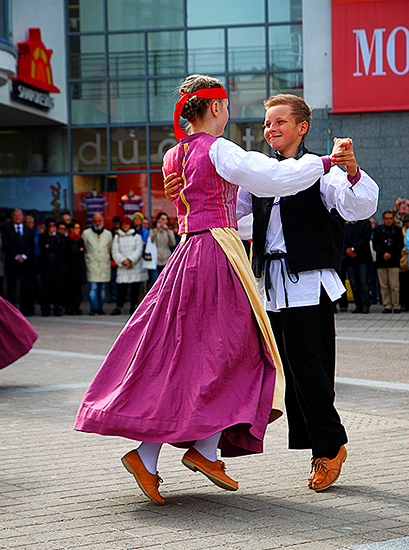
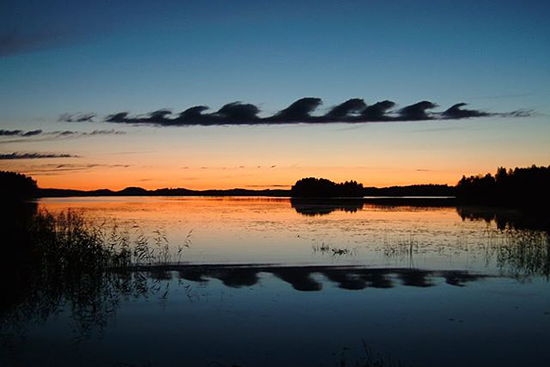
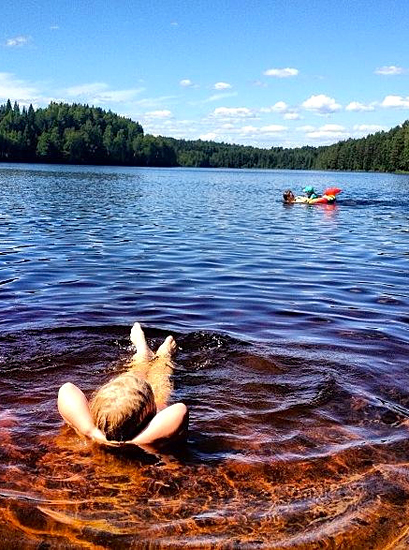
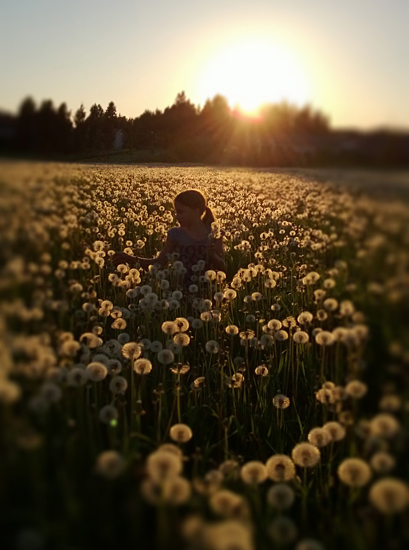
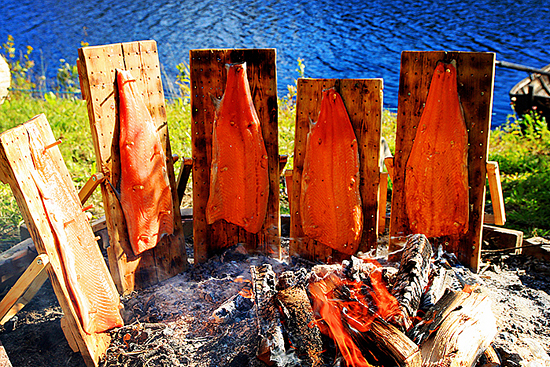
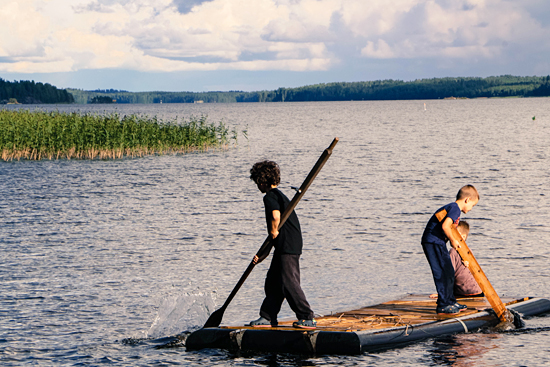
The best shots of our summer photo contest show the beauty of Finnish nature in the summertime – not forgetting the joy of summer activities.

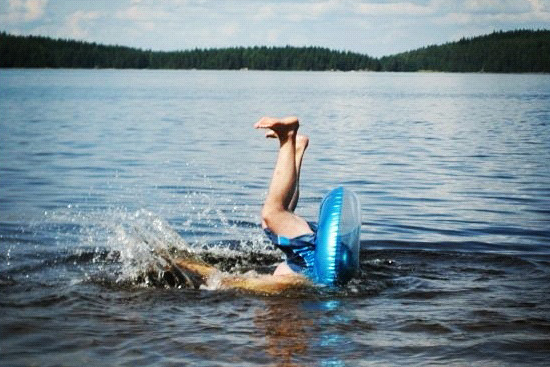
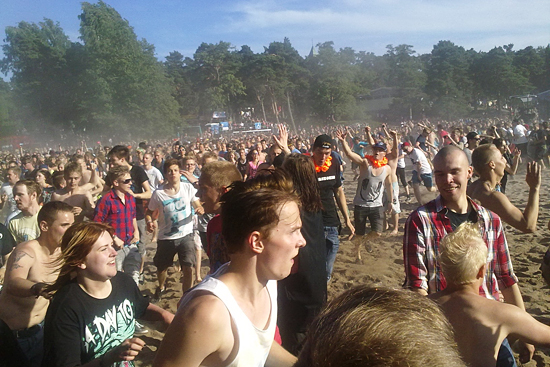
Summer is turning to autumn in Finland, so it is time to look back and reminisce the warm sunny days. We asked our readers to send us great summer photos of Finland on our Facebook page, and we were simply amazed by the number and quality of the photos we received. From magnificent nature scenery to relaxing cottage life, from city sights to festival ambience, the photos definitely showed the best sides of the Finnish summer. Check out the slideshow below!
 

The best of thisisFINLAND’s summer photo contest

Finnish heavy metal knows no age limit

In Finland, famous for its heavy metal music, the kiddie music mix also includes metal, thanks to the reptiles in a group called Hevisaurus. The concept, both fun and educational, is even an export business.

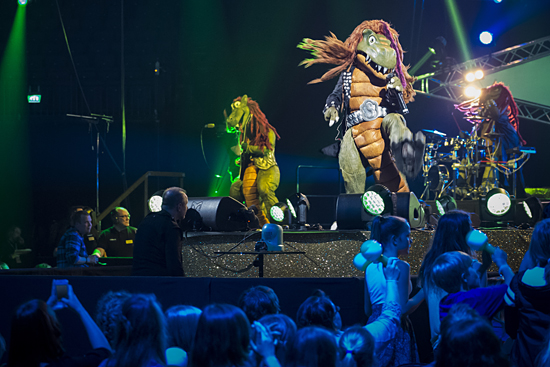
Children around the world generally like sweet, fun, bubblegum-flavoured music. Hevisaurus, however, takes a different stance: The quintet’s show unites heavy metal and dinosaurs. Decked out in full-length dinosaur costumes, the band plugs into amps that reach a child-friendly 85 decibels onstage.

Aimed at youngsters between two and nine years old, the band played their first gig in September 2009. The same year also saw their debut album Jurahevin kuninkaat (Kings of Jurassic Metal) comfortably reach number five on the Finnish Album Chart. With songs about chewing bubblegum, drinking milk and being a part of the ’Saurus army, their popularity has gone from strength to strength. In 2012, Kadonneen lohikäärmeen arvoitus (The Riddle of the Lost Dragon) hit the top spot on the local charts. Hevisaurus: The Movie came out in 2015 and their tenth album, Maailmankiertueella (World Tour), was released in 2025.

65 million years of musical evolution

Despite their raucous stage show, dinosaurs are – surprisingly – much shier than you might think. The reptilian band directs this curious journalist to their human spokesperson, Jan Streng.

“Hevisaurus is about fun characters, nice stories, music, colours and lights,” Streng explains. “The band is suitably hard, but not scary.”

Finnish children’s culture doesn’t shy away from monster-like characters with a good message. In her Moomin books, Finnish illustrator and writer Tove Jansson introduced the Groke (Mörkö in Finnish; Mårran in Swedish), a frightening, monstrous creature whom the other characters nonetheless learn to sympathise with and understand.

Similarly, Hevisaurus incorporates both entertainment and education, as do many performers of children’s music.

“The lyrics express themes that range from bullying to traffic behaviour, and send a message about how to behave correctly,” says Streng. “However, while education is important, it is not the most important thing”

Given the presence of double kick drumming and howling guitar solos in their songs, it’s safe to say that serving as a lullaby is probably not one of the functions of Hevisaurus’s music. One thing’s for sure: They seek to get everyone in the household tapping their toes, if not banging their heads.

“Adults are undeniably very involved in our concerts,” Streng says. “This is something for the whole family.”

At home with metal

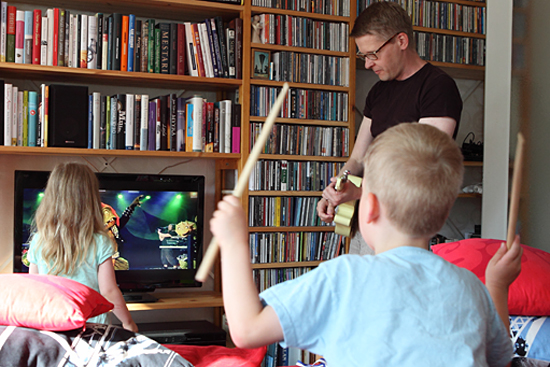
In a living room, a man is playing guitar and a child is banging on pillows with drumsticks, while they and another kid watch a video of musicians dressed as dinosaurs.

Proud that they’re into heavy music: Petri and the kids rock out in the living room to the tune of reptilian metal.Photo: Anna O’Sullivan

The TV is on at the home of Petri Niemi, with a video showing a concert performance of the dino-metal musicians as they stomp their way through the popular single Räyh.

“My favourite band member is Komppi Momppi,” says Niemi’s six-year-old son Joel, before launching into an enthusiastic beat on a makeshift drum kit of pillows scattered about on the couch. Dad strums along on a ukulele, keenly displaying his lifelong love of heavy metal.

“Hevisaurus is well-played heavy music,” Niemi says a moment later as he catches his breath. “It’s all about letting kids go wild in a safe way.”

Joel’s passion for music has also expanded beyond the living room jamming space – he and his friends have formed their own band at daycare, where they play Hevisaurus tunes, among others.

“He listens to other music also, not just the heavy stuff,” Niemi says. “But yeah, as a dad, I’m proud that he’s into heavy music.”

Prehistoric export expansion

Several musicians in dinosaur costumes are performing on a stage in front of a crowd of kids.

Green is the new black: Hevisaurus is becoming an export concept, reaching all the way to Argentina. Photo courtesy of Hevisaurus

The extent of the band’s success has also led to the concept being exported overseas. The concept and brand originated in Finland, but dinosaurs have no nationality. When a version of the band appears elsewhere, it performs in the local language.

A Spanish-speaking iteration, Heavysaurios, has performed in Argentina and Spain. Another group of Jurassic rockers has toured Sweden. In Germany, where the heavy metal dinosaurs are called HeavySaurus, they have performed hundreds of concerts and racked up over 25 million views on YouTube. An English version even appeared on Britain’s Got Talent to sing covers of Queen, KISS and Bon Jovi songs.

It appears that the heavy metal dinosaurs are not likely to become extinct anytime soon.

By James O’Sullivan, September 2013, updated May 2025

Finnish comics draw a diverse fan base

Driven in part by a major annual comics festival held in Helsinki, Finnish comics are catapulting to international recognition. The world’s widely held respect for Finnish education expertise spills over into the field of comics, as well.

As they have grown in popularity, comics have also become better acknowledged as an art form in Finland in recent years. Numerous talented, original artists have emerged. Works by Kaisa Leka, Tommi Musturi and Ville Ranta are among those that have been translated into other languages – English, French and German, but also Polish, Portuguese and others.

Executive manager Kalle Hakkola of the Finnish Comics Society and Helsinki’s Comics Centre points out that translating Finnish comics is not a brand-new phenomenon: “Tove Jansson’s Moomin comics were published in some British newspapers as early as the 1950s, but translations of artistic Finnish comics took off properly in the late 1990s.”

Visual courage

4521-dsc_9195-550-jpg

Miia Vistilä, an artist and an intern at the Comics Centre, appreciates the facilities it offers for anyone interested in drawing comics. Photo: Emilia Kangasluoma

Finnish comics have broken through in France, known as the stronghold of European comics, and are gaining audiences in Germany and North America. Cultural differences may pose an obstacle in some cases. “In Germany long graphic novels are a big thing,” says Hakkola, “whereas in Finland many artists focus on comic strips, which are much more popular here than in many other countries.”

Hakkola considers originality and visual courage the main assets of Finnish comics. “Here, people dare to do their own thing,” he says.

The comics that end up being translated do not have a certain thematic or stylistic tendency, according to Hakkola – there has been a lot of variation, and even some types of comics that could be regarded as difficult to translate have not been shunned. For instance, the website Finnish Comics reveals Pertti Jarla’s heavily wordplay-reliant strips and Jarno Latva-Nikkola’s bizarre, even lewd humor. “Actually, indecent humour is a theme that is appreciated by comic fans all over the world, as long as it is not overly culture-bound”, Hakkola says.

Bold content, enthusiastic welcome

4521-dsc_9223-550-jpg

Hakkola presents the work of British artist Matt Boyce, who recently held a workshop at the Comics Centre in his two native languages, English and British Sign Language. Photo: Emilia Kangasluoma

Anthologies of Finnish comics were released in 2011 and 2012 in English (Finnish Comics Annual) and in French for 2013 (La bande dessinée finlandaise). Hakkola says they received an enthusiastic welcome, despite the rather bold content choices made in the anthologies. The language for the 2014 version is German. “We want to concentrate on making the anthology in one language at a time,” says Hakkola, “in order to get the most focused result.”

Despite the success of the anthologies, he considers the Helsinki Comics Festival the most important promotion channel: “Without the festival, Finnish comics would hardly be as well-known across the world as they are today. It has become the main event for artistic comics in northern Europe.” Organised by the Finnish Comics Society, the festival is held in 2013 from September 6 to 8 on Lasipalatsi Square, and the main themes for the year are comics for children and North American comics.

Hakkola says that the festival’s success is based on the prioritisation of artistic quality over commercial recognition in the presented comics. Although it has an important function as a showcase event for Finnish comics, there is actually no particular strategy for their promotion on the festival organisers’ part: “We are confident that simply having artists, publishers and other related people in the same place leads to progress.” A good example of this is the festival’s Small Press Heaven, a sales event for publishers of self-released and small press comics, which helps new talents in making useful contacts.

Courses and events spread the word

4521-dsc_9174-409-jpg

The Comics Centre in Helsinki hosts a cosy café and a well-stocked comics shop with Finnish, foreign, independent and second-hand titles. Photo: Emilia Kangasluoma

Comics are enjoying increased acknowledgement, both as an art form and in the form of more financial aid from the government in recent years. The Comics Centre, located in the Helsinki neighbourhood of Arabianranta, is one of the projects that the funding makes possible.

It features a gallery, a café and a small shop, as well as two classrooms. The wide selection of courses held there includes classes for children and adults, beginners and advanced, long-term courses and one-day open workshops. Hakkola feels the courses are both fun and educational: “Drawing comics is a good way to improve children’s ability to ‘read images.’”

An important function of the Comics Centre is the export of knowledge and methods: pop-up comics centres have been organised in Germany, Russia and Estonia, and hands-on workshops have been held as far away as South Africa and Brazil. “The expenses limit our ability to work on the other side of the world to some extent, but there certainly is a lot of demand for Finnish know-how in the field of organising comics events and education,” Hakkola says.

By Kasperi Teittinen, September 2013
Sport, speed and sweat in Finnish cities

Finland is famous for success in ice hockey, javelin and skiing, but all kinds of urban sports are also popular. See our slideshow below.

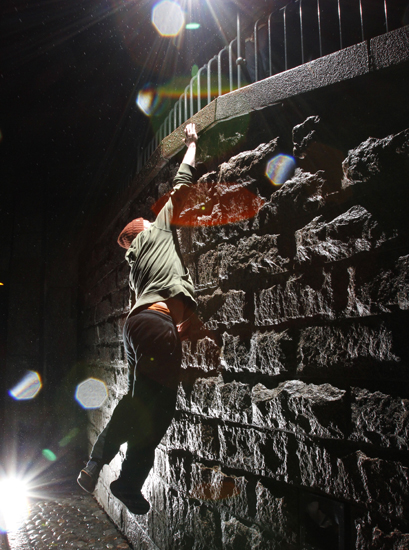
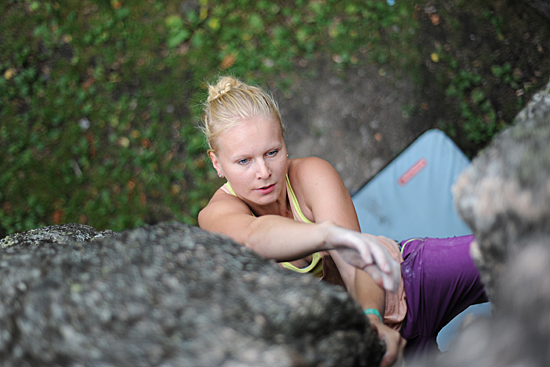
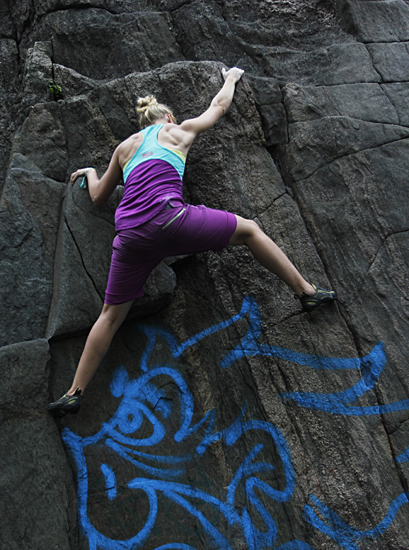
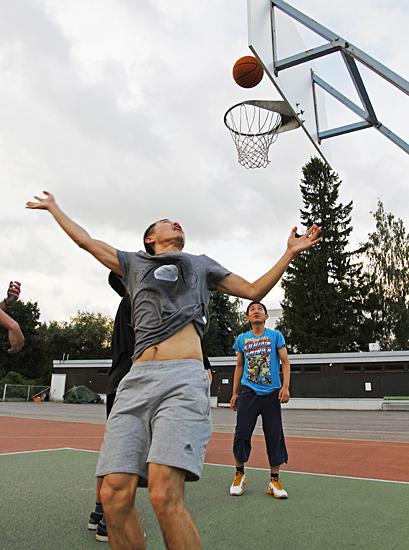
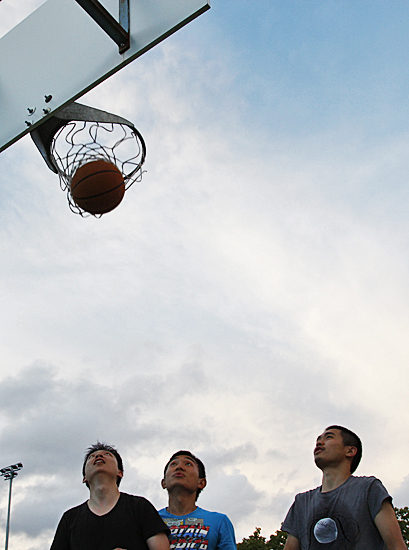
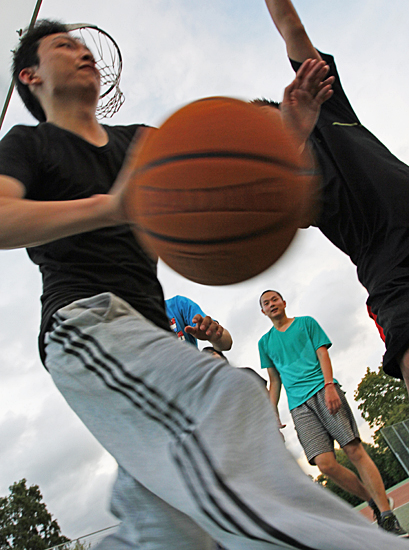
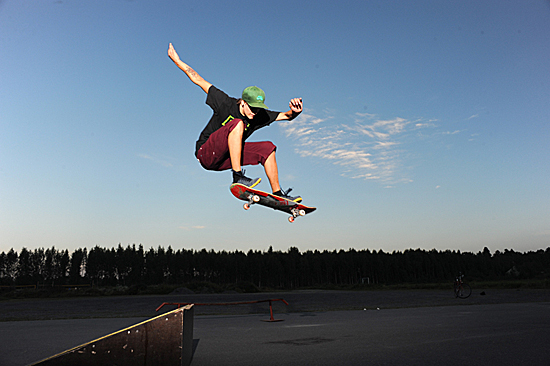
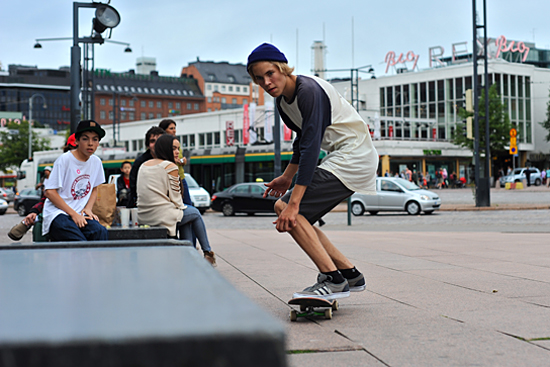
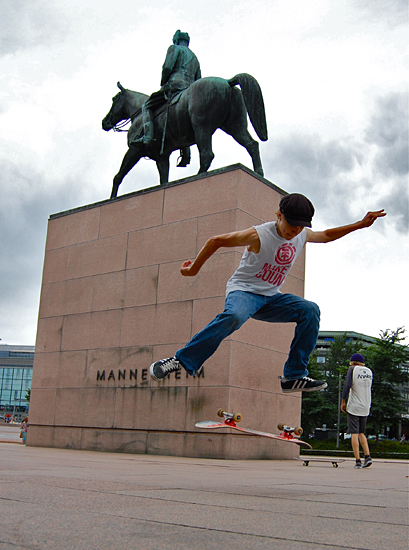
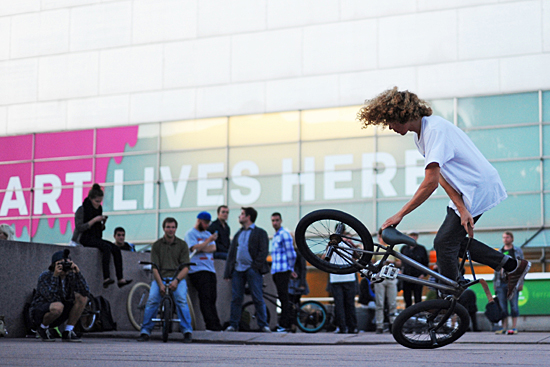
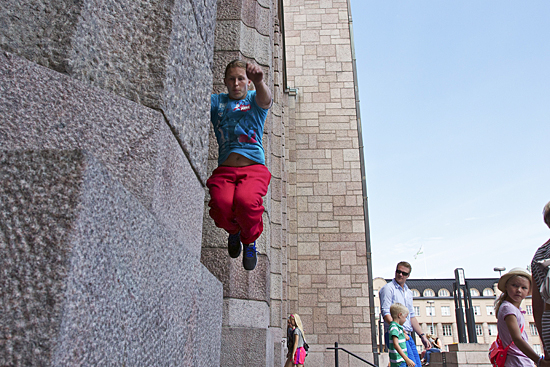
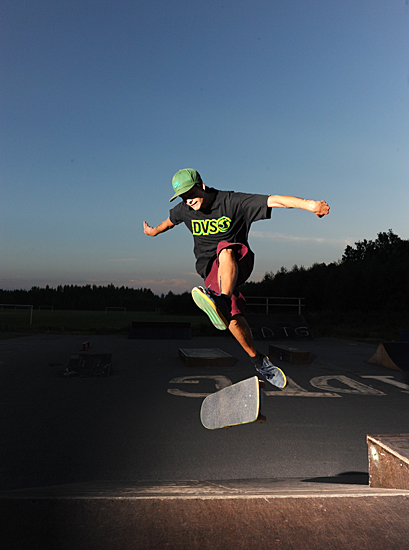
The Finns have achieved international recognition in cross-country skiing, ice hockey, ski jumping, athletics, swimming and orienteering – many sports that could be described as traditional. However, Finland has not missed out on the rise of newer, urban sports – on the contrary. Many cities and towns have responded to young people’s requests by providing a place for them to practice new sports, and many skateparks, climbing walls and other recreation sites have sprung up.

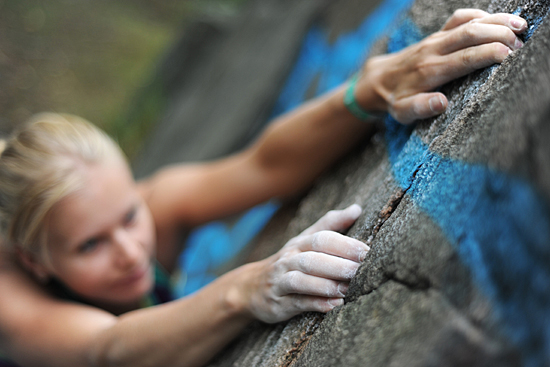
Nonetheless, it is evidently more thrilling to hit the open city rather than an official practice spot. Rails and benches offer challenges to skateboarders, while glacial boulders beckon rock climbers. And urban sports aren’t limited to the capital, Helsinki. Further north, for instance, Jyväskylä and Lahti have gained a foothold as the most popular parkour cities in Finland. Don’t know what parkour is? Proceed straight to the slideshow below to find out.

Urban sports in motion in Finland


Photos by Emilia Kangasluoma, August 2013
Text by Kasperi Teittinen