An international research team has successfully created a genetic map of oats – the pangenome and pantranscriptome, which show when and where oat genes are active in different parts of the plant. This breakthrough helps scientists understand which genes are important for yield, adaptation and health, providing valuable tools for oat breeding.
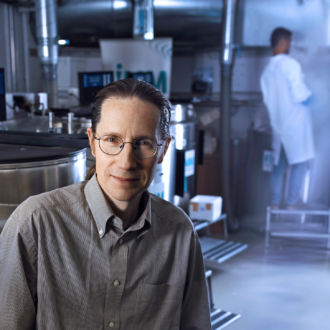
A significant part of the sequencing work, led by senior scientist Lidija Bitz, was carried out at the Natural Resources Institute Finland (known by its Finnish abbreviation, Luke). “Oats hold an exceptionally strong position in Finland,” explains Sirja Viitala, research manager at Luke. “They are both an export grain, a health food and a raw material for the food industry. Research, breeding and the development of oat value chains are strategically important for building a sustainable food system and renewing agriculture.”
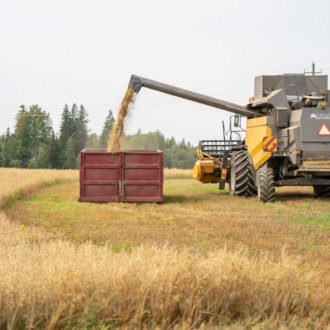
Finland is a global oat powerhouse – ranking among the top five producers worldwide. The importance of oats as a raw material for Finland’s food industry has grown, particularly alongside the development of plant-based alternatives to meat and dairy products. Oats are rich in dietary fiber, cholesterol-lowering beta-glucan and numerous other valuable compounds such as antioxidants and healthy fats.
In a changing climate, breeding resilient oat varieties is essential, and that journey begins with decoding oat genes and genomes. Breeding more diverse oat varieties opens new opportunities and strengthens Finland’s food sector.