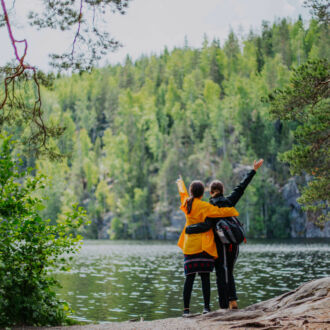
Moving to Finland is one thing. Preparedness, you’ll be told, is everything. You’ll be told to brace yourself for the serenity of silence, the deep freeze of winter, the sheer-nakedness of sauna. Nobody warns you that snowball fighting is nowhere near as easy as it looks, though.
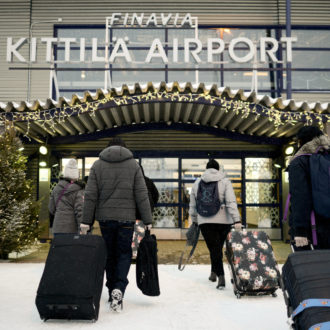
Cleber Gonçalves found this out the hard way on his first day here from Brazil more than 20 years ago.
“I went out and played in the snow and tried to make snowballs. But it was a bit too cold, so they didn’t work so well,” he says. “I realised this is something I should have done probably 30 years earlier, when I was a kid.”
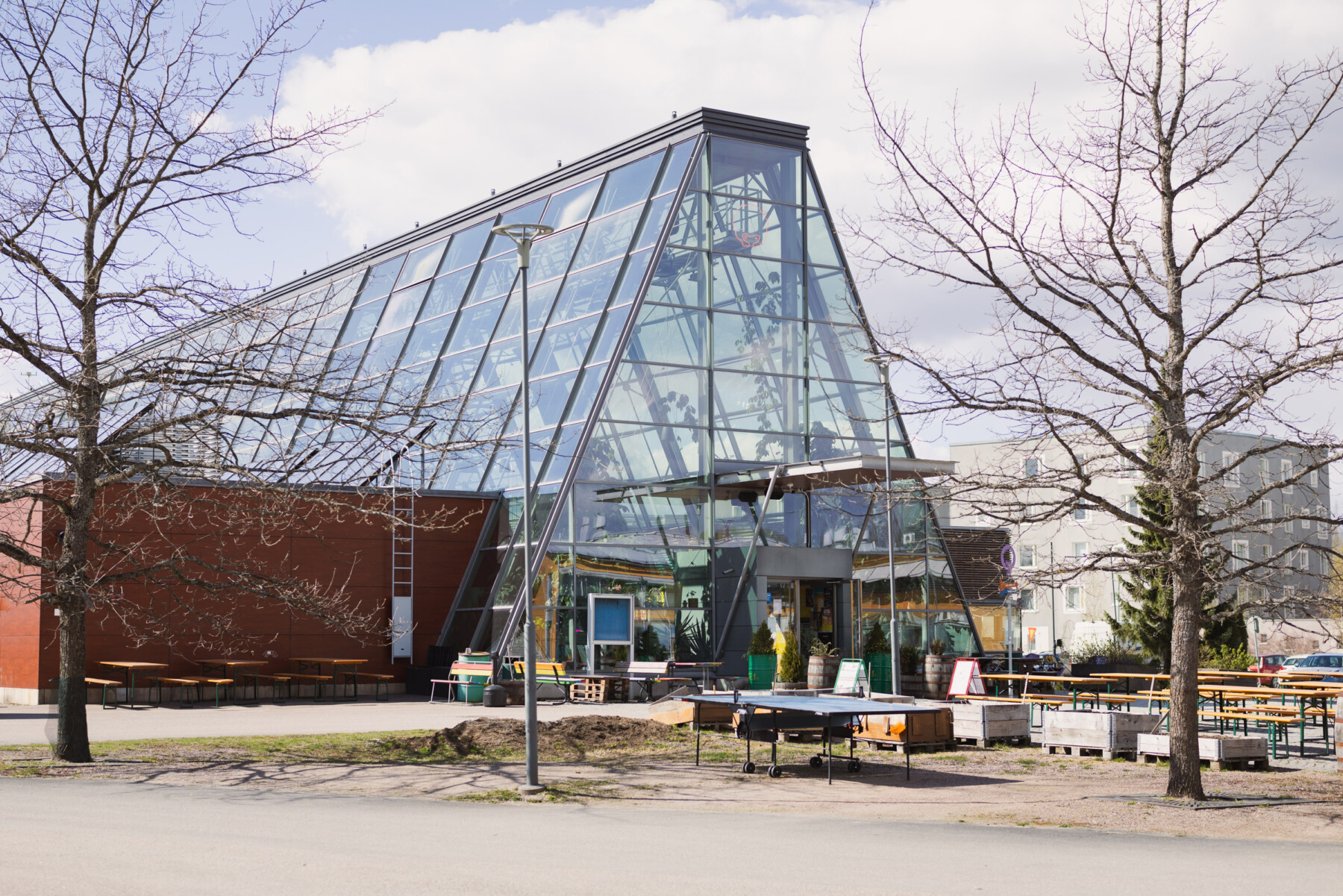
During the pandemic, CoolHead moved to a former Helsinki University greenhouse in the Viikki neighbourhood.Photo: Emilia Kangasluoma
Like many, after an initial visit, Gonçalves was eventually lured back here for the long haul by love. His imaginings of polar bears and penguins on the streets (neither animal is found in Finland) quickly gave way to something more grounded: a career in IT, and a new hobby.
“I learned to make beer in Finland,” he recalls. “Back in Brazil, I knew nothing about beer, basically. I was just another bulk lager drinker. My first experiences with craft beer were here.”
In 2013 Gonçalves was at a career crossroads. Now or never. Fight. Flight. Time to upgrade his hobby. CoolHead Brew emerged the following year.
Sour power
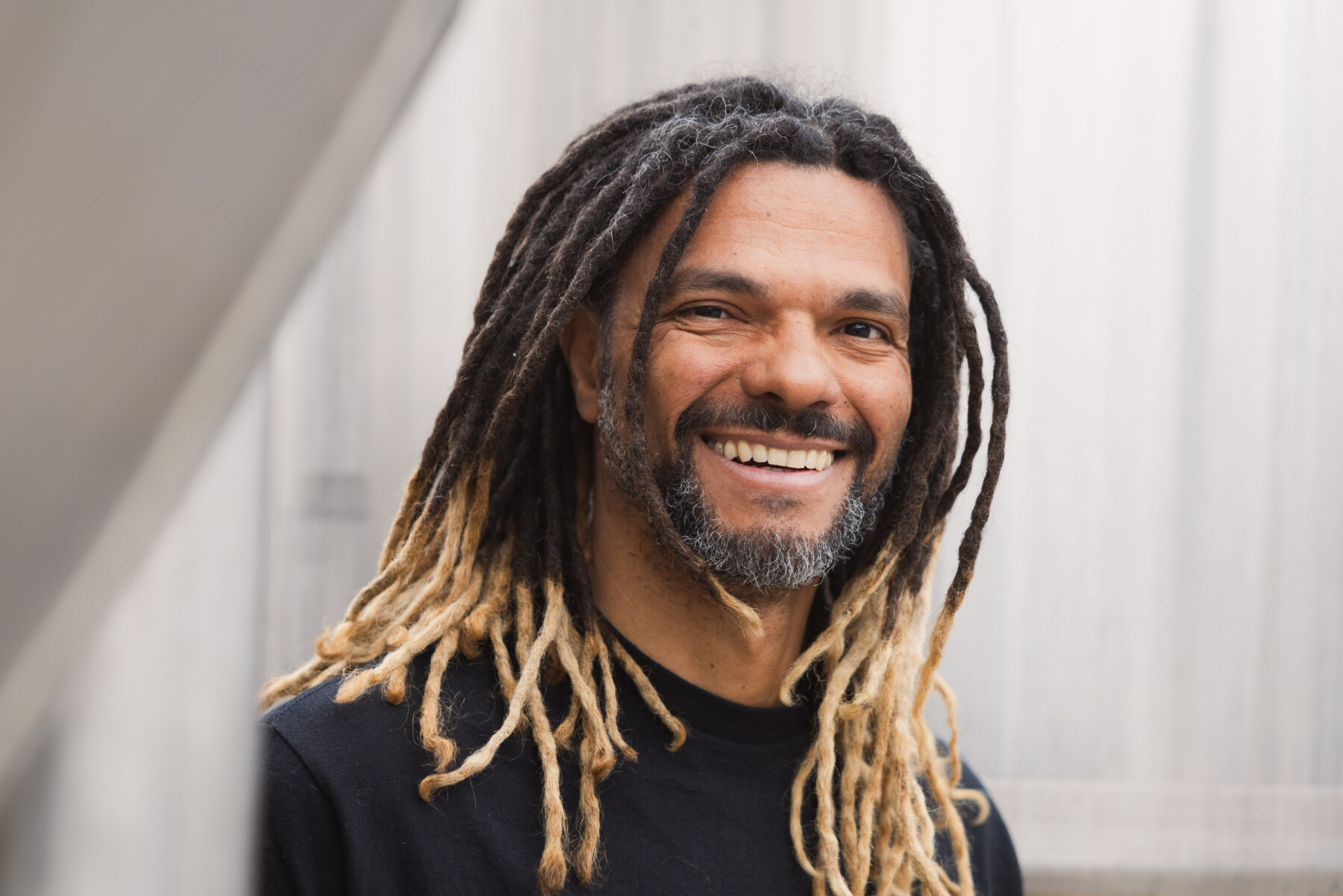
On his first team lunch in Finland, Gonçalves took so long choosing his food that his colleagues had finished eating by the time he sat down. “After a week of eating alone, I learned to eat faster,” he says.Photo: Emilia Kangasluoma
CoolHead’s big break came early, surfing the craft beer boom as the first brewery in Finland to consistently produce sour beers. A restless wave of creativity has since fuelled more than 380 different beers.
“Even nowadays, we release maybe three or four new beers per month,” Gonçalves says. “We explored every single fruit you can imagine, and pretty much all the spices and combinations of hops.”
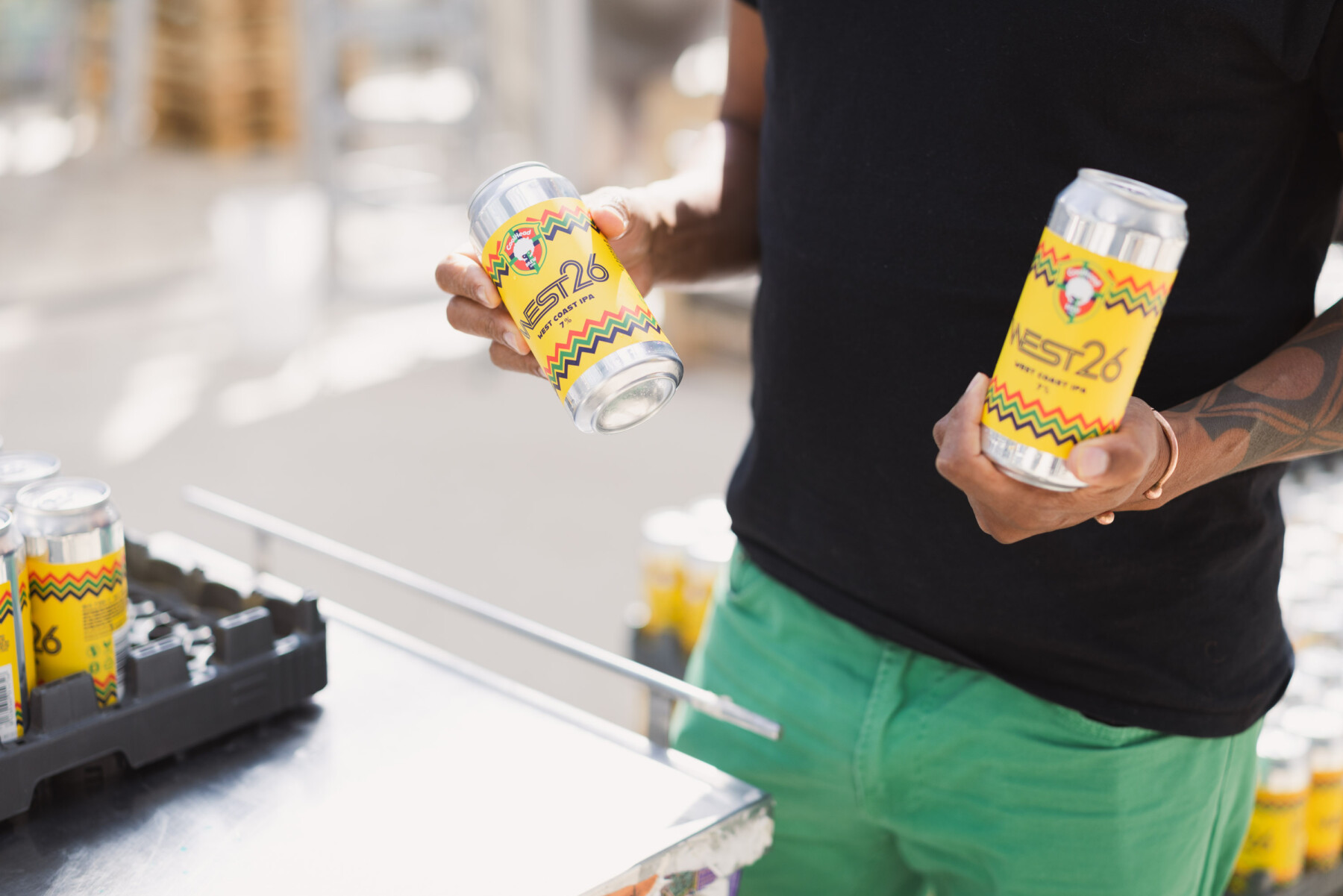
CoolHead’s identity as a sour brewery came when a part-time student employee spotted the style at a craft beer bar. CoolHead Brew has released more than 380 different beers since it was established in 2014.Photo: Emilia Kangasluoma
They were determined to master one elusive flavour: salmiakki, that distinctly Finnish salty liquorice that cleaves opinion like nothing else in the Nordic pantry.
And tickles judges’ taste buds, evidently.
The brewery’s Salmiac Licorice Blackcurrant Sour was named the best beer in Finland at the 2025 Best Beer in Finland competition. It was the first time a sour beer had ever taken the top prize.
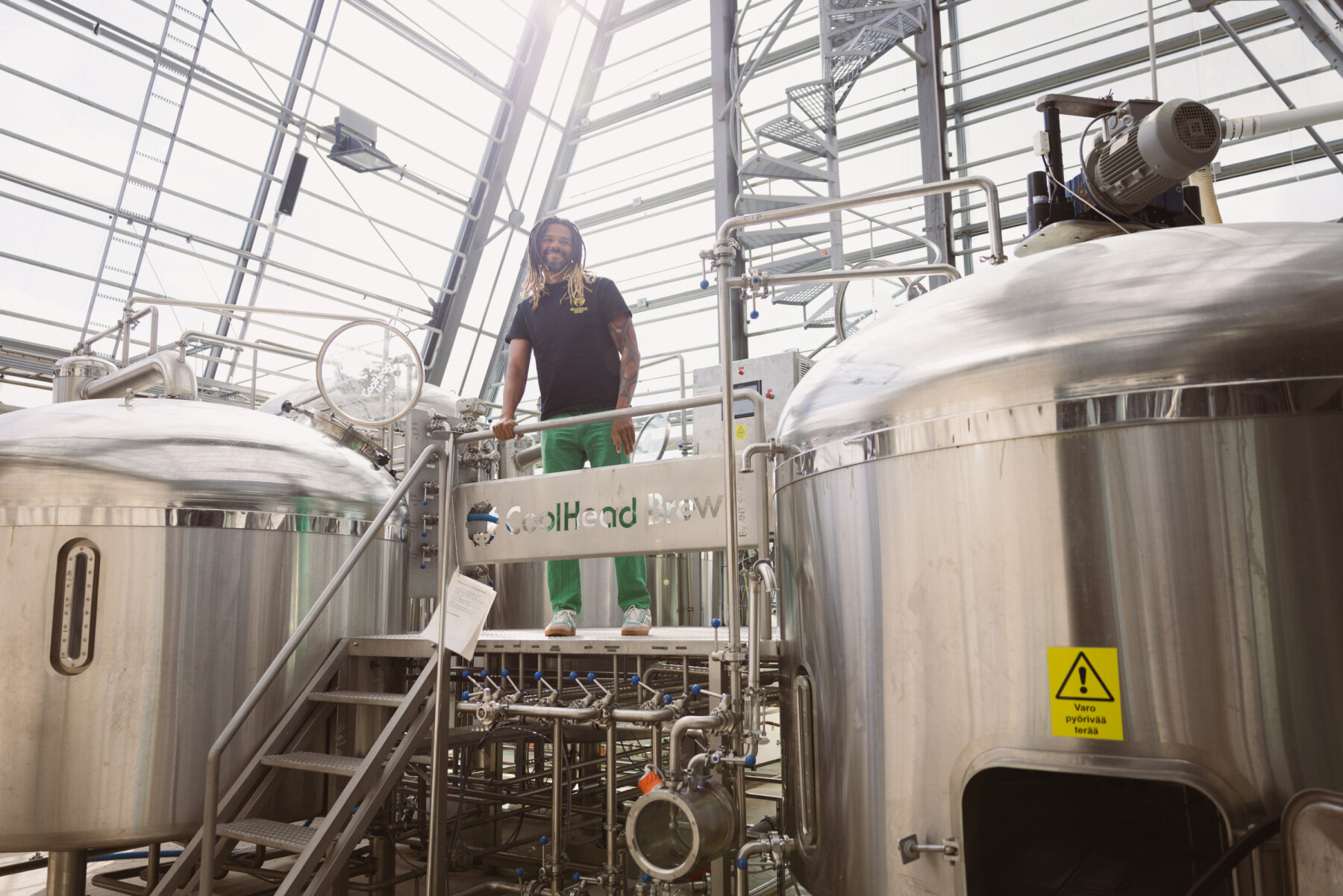
Not content with winning Finland’s best beer, CoolHead followed up with Super Salmiac Double Licorice Triple Blackcurrant. You’ll need extra sisu (the Finnish word that means a mix of courage and perseverance).Photo: Emilia Kangasluoma
“That flavour is really dear to Finnish hearts. It’s a love that has been going on for ages, since childhood,” Gonçalves says. “That was really the reason we wanted so badly to make that beer in the beginning.”
A Brazilian brewer nailing the ultimate Finnish flavour makes for a certain kind of story. “The very fact that we are a sour brewery is due to one of our early employees,” he says. “I couldn’t have done any of this by myself. The people that work here at CoolHead are the ones who make it great.”
CoolHead’s love of salmiakki runs strong – they also serve salmiakki ice cream at their taproom in the Viikki neighbourhood, northeast of the city.
Finnish berries in a bottle
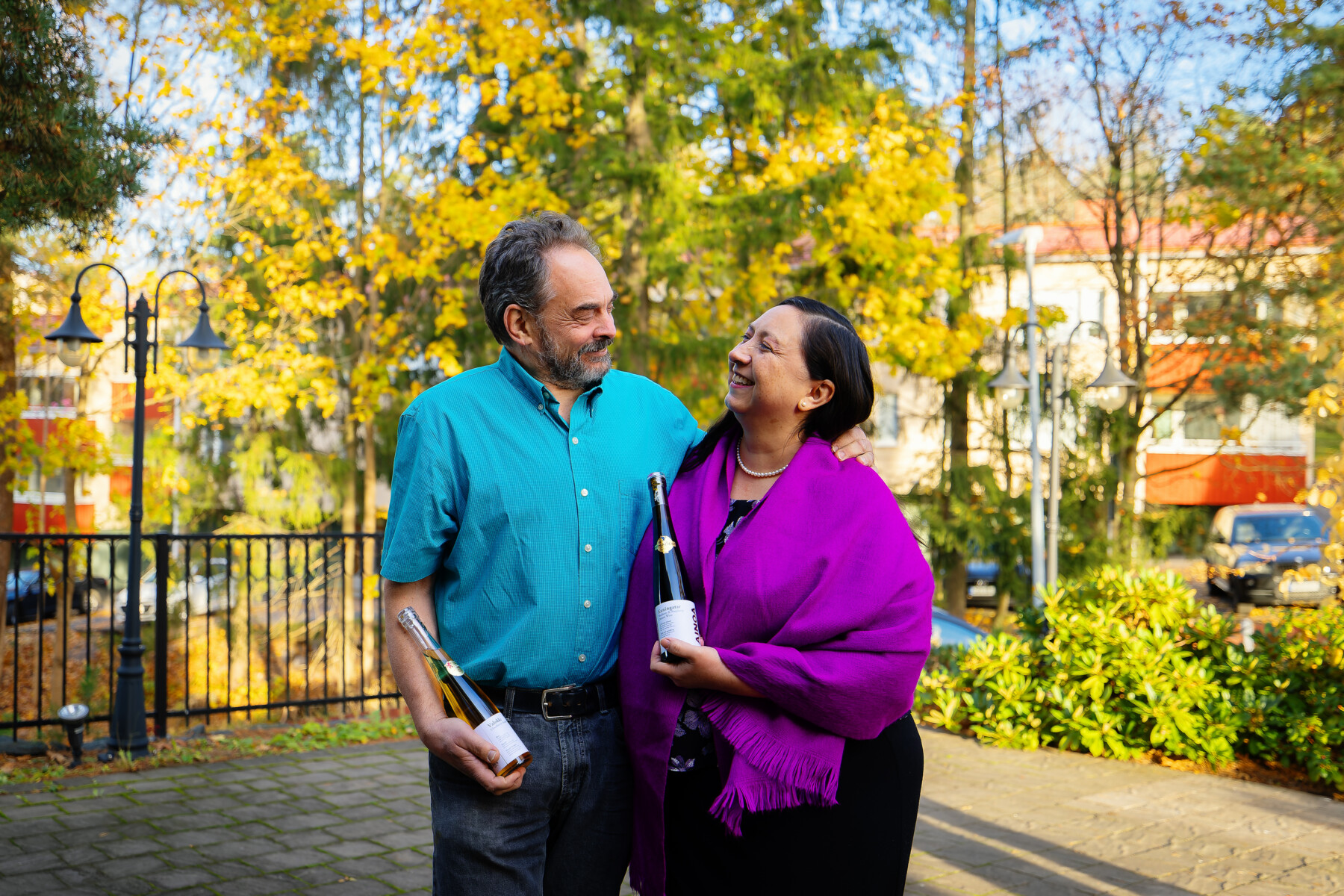
“We’re not copying the flavours of traditional wine countries, but we are following the philosophy,” says David.Photo: Akindof/Ainoa Winery
Ninety kilometres (55 miles) up the road in Hollola, Ainoa Winery takes a different approach to new flavours. Whereas CoolHead restlessly tweaks the formula with a constant stream of new beers, Ecuadorian Paola Guerrero de Cohen and her American husband David Cohen take years to develop each wine. Studiously and patiently – the Finnish way, you might say. Or just another Finnish way of doing things.
David was a hobbyist winemaker when he moved here for work in 2008. Paola followed. The challenge? Grapes don’t grow naturally in Finland. But something else does – in abundance.
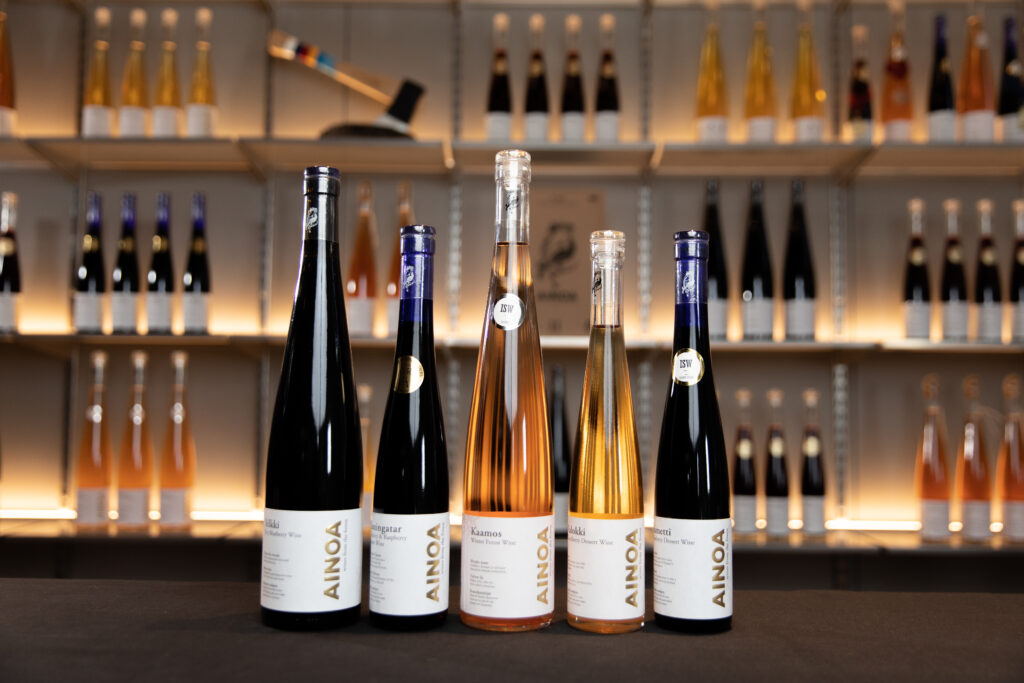
Cloudberry dessert wine, dry blueberry wine, a merlot and raspberry blend – the Ainoa range is not your typical wine list.Photo: Visit Lahti
Ainoa Winery specialises in berry wines. Think: internationally awarded berry wines. Like, so-good-they-are-awarded-in-France berry wines. Multiple times.
“Finland has a natural resource that the rest of the world simply can’t match,” says David. “People ask, what makes the berries good? Is it the sweetness? No, it’s because you get these intense flavours.”
Berry good
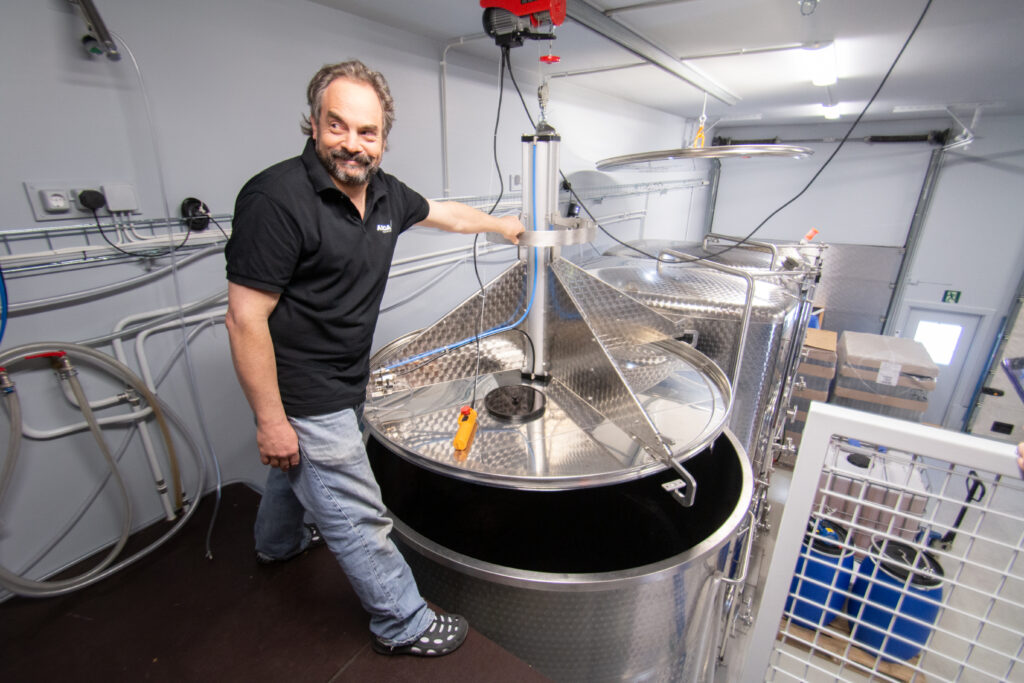
“We noticed that Finland was missing something – everywhere you go where they make wine, people are proud of their local wines. And we didn’t see that in Finland,” says David.Photo: Visit Lahti
Over the years their mantelpiece has grown crowded with international awards from places as far-flung as Australia, the US and Germany. And firsts. Their Sametti was the first wine made in Finland to win a gold medal in an international competition – at the Eastern International Wine Competition in Sonoma California in 2016. Vaapukka was the first fruit wine in the world to win a trophy in France – at the Vinalies Internationales competition in 2017. Since then, Ainoa wines have continued to rack up awards.
Not every great wine was planned, though. An accident during the sediment removal process unexpectedly mixed two wines. Both batches, ruined. David was ready to dump the lot. Paola said no.
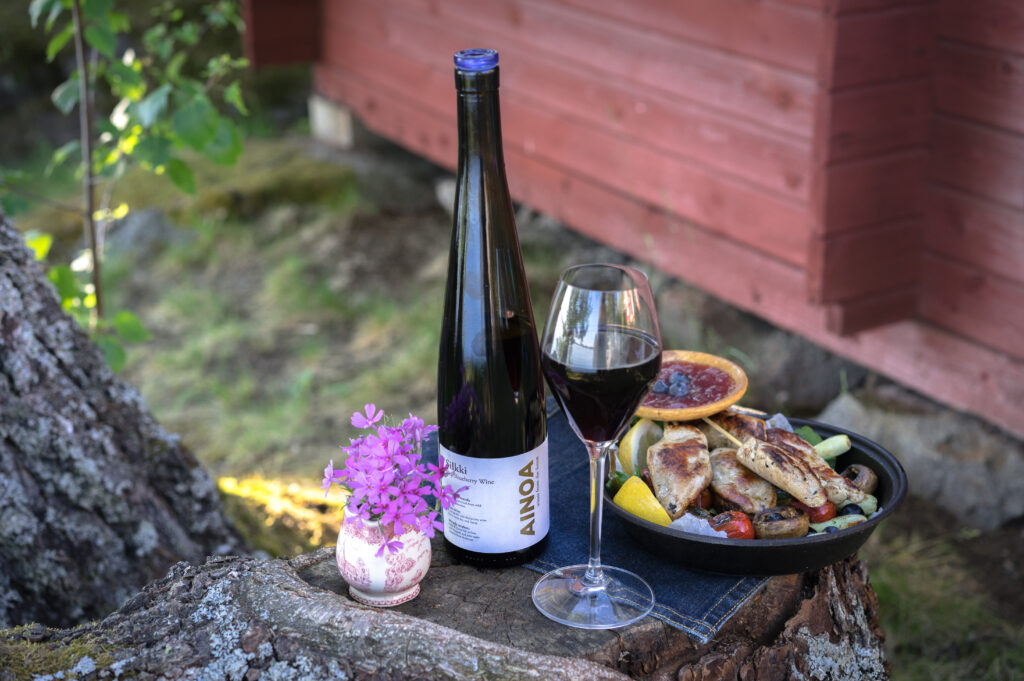
Wild berries sourced from Finnish Lapland are at the heart of Ainoa’s wines. “The further north the berries grow, the better the results,” says David.Photo: Visit Lahti
“Later, we came back and tasted it and we were like, Wait a minute, this tastes really good,” says Paola.
Finnish friends immediately put a name to it: Kuningatar (queen), a classic blueberry and raspberry combination the couple had only ever encountered in ice cream. Judges agreed.
“As soon as we launched it – the month after – we got our first gold medal in France for that wine,” says Paola.
In spring 2025 it also became the first Nordic wine and the first fruit wine in the world to receive a Grand Gold medal at the Vinalies Internationales in Paris. Different approaches, same results.
“It’s hard for an immigrant to do something that gives back to the country you’re in, to really contribute to its development,” David says. “And we feel we’re doing that. Finland has lots of good things going for it, and we’re adding just a little something more.”
By James O’Sullivan, September 2026