When your client is Cristiano Ronaldo, one of the world’s greatest footballers, there’s no room for error. But Finnish chef and restaurateur Arto Rastas is not easily shaken. He has cooked for royalty, presidents and other high-profile figures, and pressure rarely fazes him.
He has been honing his craft for decades, ever since he started out at 14 as an assistant at a roadside service station in the northern city of Rovaniemi, right on the Arctic Circle. Back then, he was preparing sandwich fillings rather than haute cuisine.
Northern Finland is where Rastas first cooked for Ronaldo and his family. The brief was clear: plenty of vegetables and fruit, alongside meat, fish and seafood – healthy, uncomplicated food made from pure ingredients. Strip away butter and cream, and a chef’s skill is truly tested.
“No dairy. Zero sugar,” Rastas says.
The holidaying star and his family were impressed. In fact, they were so taken with his cooking that Ronaldo invited Rastas to Saudi Arabia to work as his private chef.
“I suppose the chemistry just clicked.”
More than a year after that first invitation, Rastas’s life looks different.
From Lapland to the capital
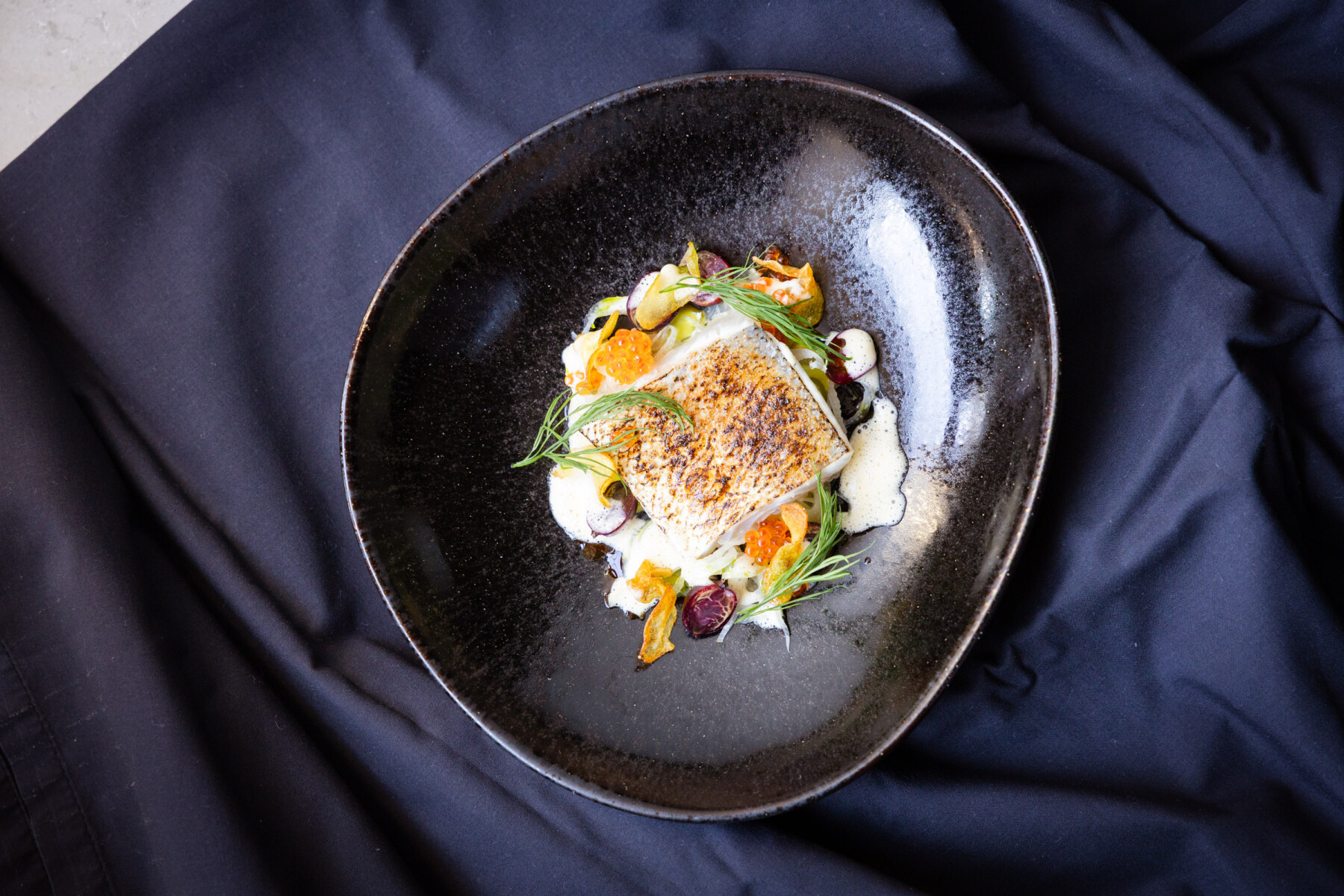
Rastas prefers to cook with pure Finnish ingredients. His whitefish sashimi is complemented by root vegetables and roe.
In Finland, Rastas, 46, is a well-established name. His career spans television, restaurants, a Michelin star and large-scale hospitality ventures.
Yet it all began in that service station kitchen in Rovaniemi in the 1990s. From there, he moved on to culinary school and headed south to Helsinki.
“I arrived with a backpack and plenty of drive,” he says.
In the capital, he worked wherever he could – from the iconic Finlandia Hall, a landmark venue in Helsinki, to golf club restaurants, small kitchens and larger establishments, including the Palace and Marski hotels.
A defining moment came at Restaurant George, led by chef Markus Aremo. “We earned a Michelin star there,” says Rastas. “At the time, I felt I had achieved everything.”
Soon after, Rastas relocated to Lempäälä, a small town near Tampere in southern central Finland. But the momentum continued. He went on to win the world championship for young chefs in 2005.
“That gave me confidence and visibility.”
In 2007, he opened his first restaurant, Hella ja Huone, in Tampere. Since then, his portfolio has expanded to include the Periscope event venue in Tampere and restaurants such as Penélope, Bardot, Bistro Gina and Brasserie Lionne in Helsinki.
Rastas is now one of Finland’s most prosperous restaurateurs. He is driven, he admits, by a strong appetite for success.
At the same time, he returned north. In the northern Finnish ski resort town of Levi, he began working as a private chef in luxury villas. Later he founded the Helsinki Culinary Institute, which offers professional training for chefs.
A clean, northern flavour
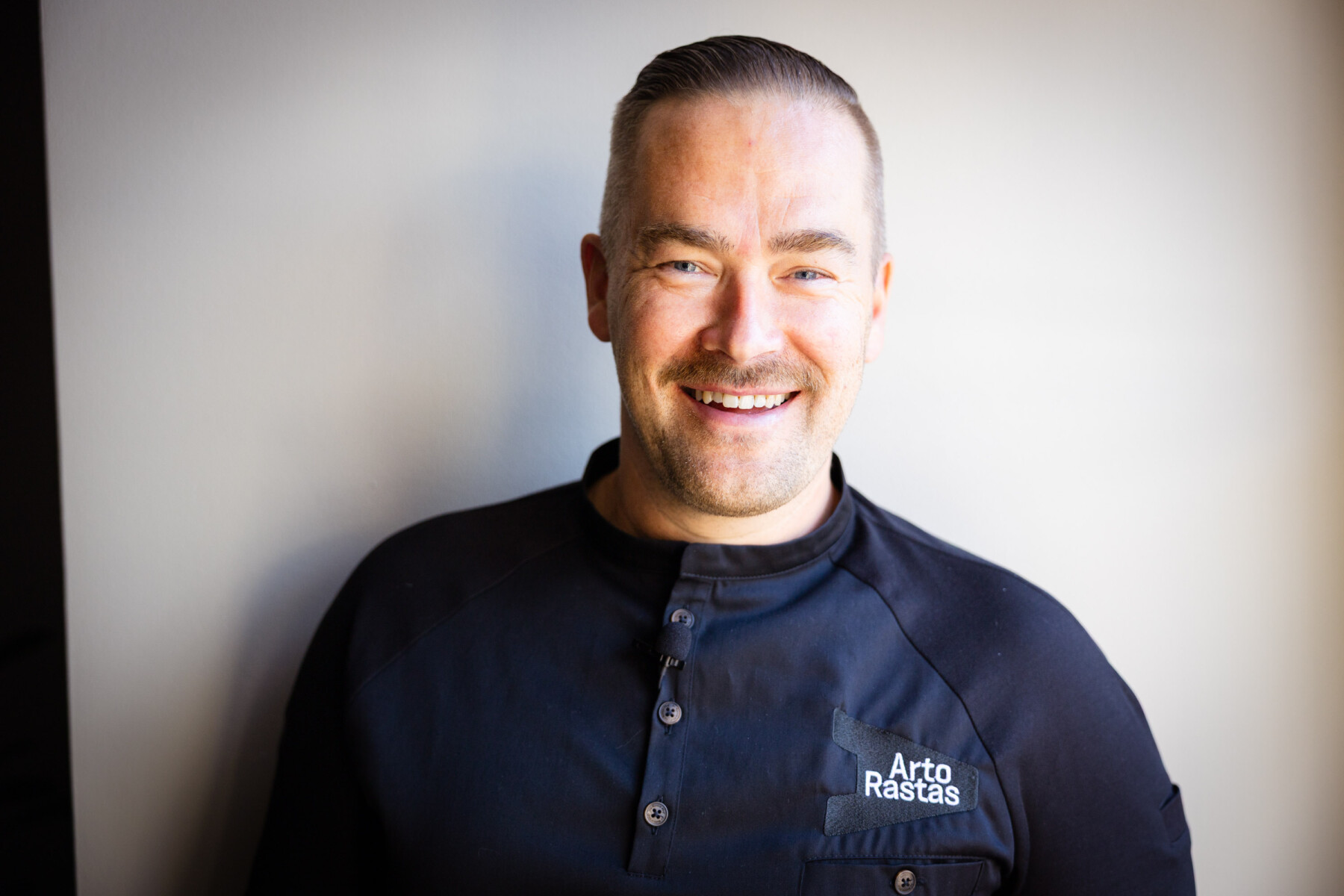
Arto Rastas hails from Rovaniemi in the north of Finland, right on the Arctic Circle.
Let’s slow down. It is hard to keep up with Rastas’s pace.
When we visit his kitchen, Rastas prepares a starter: whitefish sashimi. He slices the fresh lake fish, lightly torches the surface and builds the dish with seasonal vegetables. He adds roe, followed by a sauce made from white currants and their leaves. Finally, Rastas scatters dill on the plate.
The result is elegant and distinctly Nordic.
“This turned out so well, I might have to put it on a menu,” he says with a smile.
Finnish food has become a personal mission for Rastas. In his view, it is among the best in the world – and increasingly, others are beginning to agree as Nordic cuisine gains global attention.
In recent years, he has also been thinking about how Finnish food could travel further.
How does he define it?
“Clean.”
Simple, focused and visually distinctive. He sees untapped potential in forest flavours such as spruce tips and juniper – ingredients that could be used far more widely.
Finnish vegetables, berries and mushrooms, he adds, taste different from anywhere else. The reason lies in the country’s short growing season. “It’s brief but intense.”
That intensity concentrates flavour.
“Give Finnish new potatoes to an American, and they might wonder what they’ve been missing.”
Cooking in Riyadh
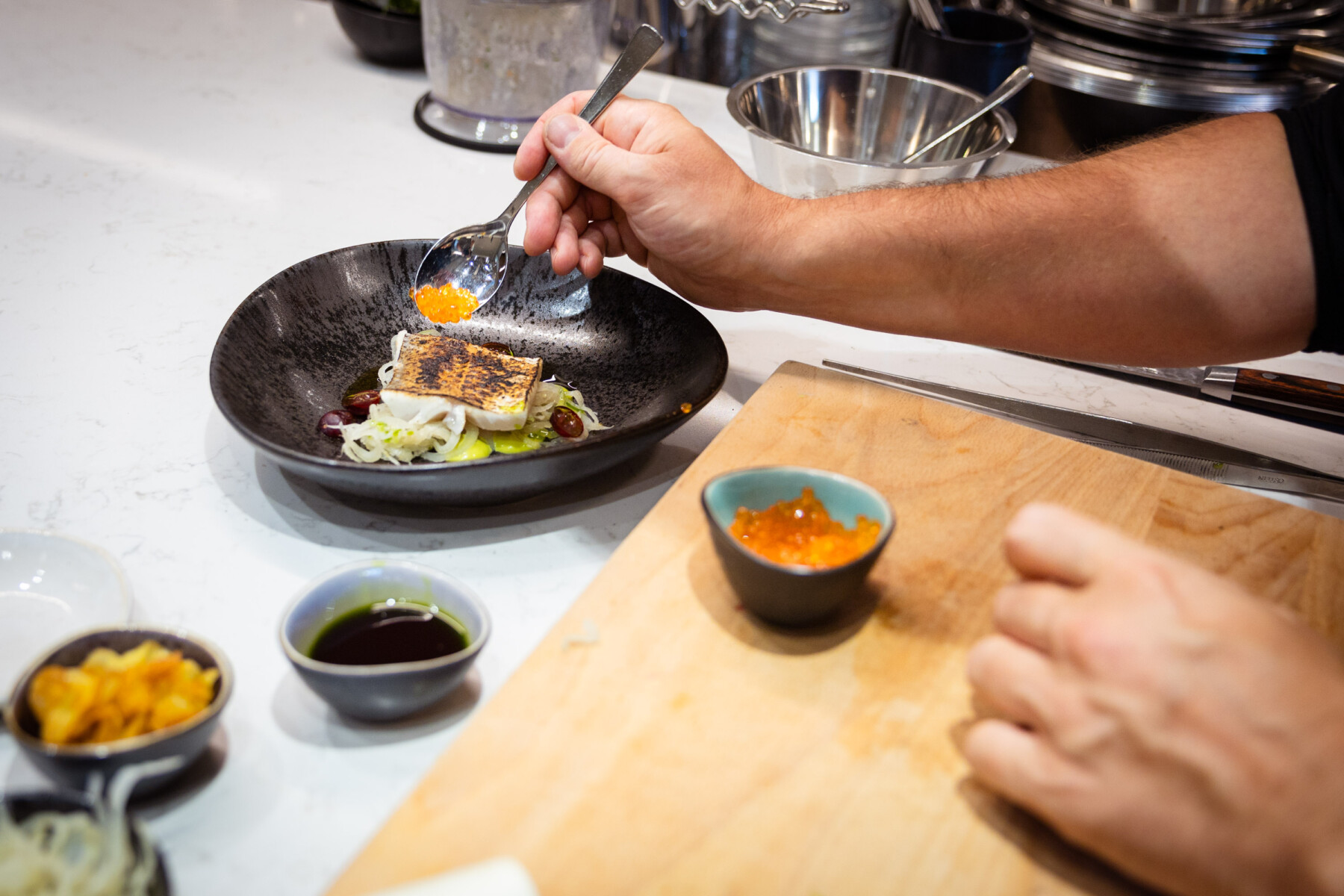
Arto Rastas operates several restaurants in Finland.
What about Ronaldo’s invitation to the Middle East?
“It was a once-in-a-lifetime opportunity,” says Rastas.
He accepted without hesitation. Last year, he and his team from North Pole Catering – cofounded with Teemu Korkalainen – travelled to Saudi Arabia for week-long residencies, spending roughly six months of the year there.
Today, Rastas and his team continue to collaborate with Ronaldo as needed, though no longer on a weekly basis.
In Riyadh, the conditions are exceptional. The kitchens are built for serious work, and accommodation is arranged on Ronaldo’s private estate.
For the footballer, Rastas creates dishes with a Finnish sensibility: clean flavours, simplicity and respect for ingredients.
When Finnish produce is not available, he turns to technique instead – pickling, charring, smoking and preserving.
“That is where the essence of Finnish cuisine lies.”
Chef Arto Rastas in brief
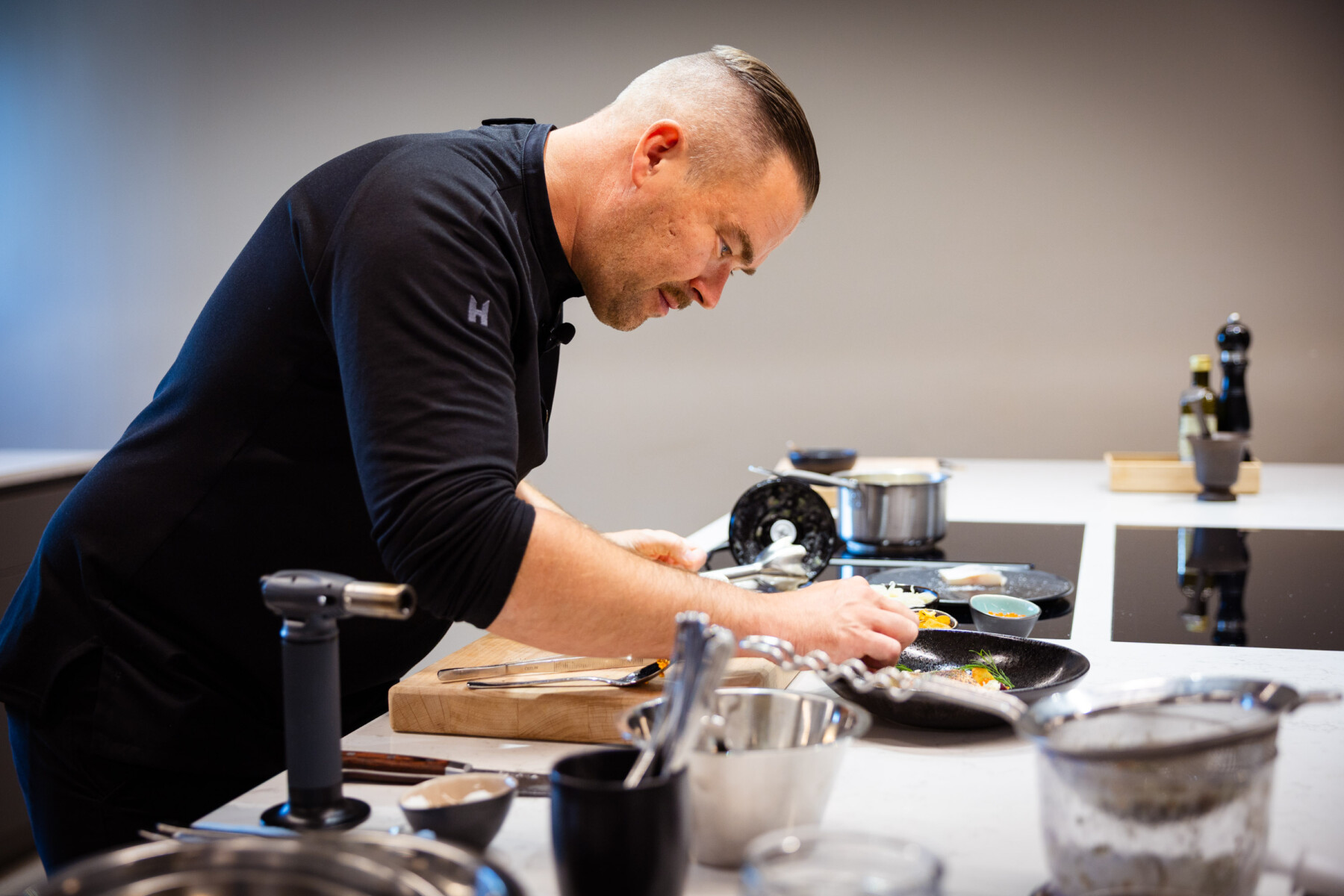
According to Arto Rastas, Finnish ingredients are unique.
- Born in 1979 in Rovaniemi, northern Finland
- Based in Lempäälä
- Founder of Periscope event venue in Tampere
- Operates Helsinki restaurants including Penélope, Bardot and Bistro Gina with chef Hans Välimäki
- Founder of the Helsinki Culinary Institute
- Private chef to Cristiano Ronaldo
What defines modern Finnish cuisine?
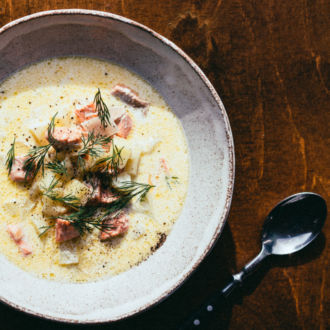
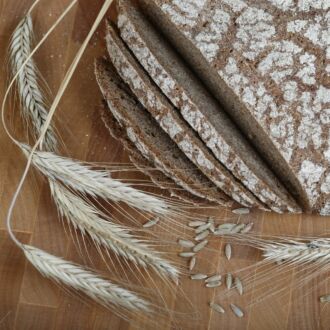
For international audiences, Finnish food is often reduced to salmon and rye bread. The reality is more nuanced:
Seasonality
The growing season is brief. Ingredients are used at their peak or preserved for later.
Clean flavour
Dishes are built around just a few elements.
Forest influence
Wild herbs, mushrooms and berries are widely used, while ingredients like spruce and juniper are more common in modern restaurant cooking.
Preservation techniques
Pickling, curing and smoking are foundational.
Respect for raw materials
The ingredient dictates the plate – an approach that works well in modern restaurant kitchens.
Text and photos by Emilia Kangasluoma, June 2026