The headbanger throws his phone away and goes to sauna

Finland is the first country in the world to publish its own set of country themed emojis, which reveal the weirdnesses and the strengths of the country and its people.

Feel like banging your head a little? Naturally after a crazy headbangers’ ball you just want to throw your (unbreakable) phone away, take your clothes off and go to sauna and relax?  You must be a Finn (or a very Finn-like person) then!

We believe we know Finns so well, that the 2015 ThisisFINLAND Christmas calendar is all about Finnish feelings represented in a set of emojis. Finland is the first country in the world to launch its own country themed emoji sticker set. The emoji sticker set includes more than 30 stickers and we have now revealed the first three: the Headbanger, the Sauna and the Unbreakable (Nokia 3310).

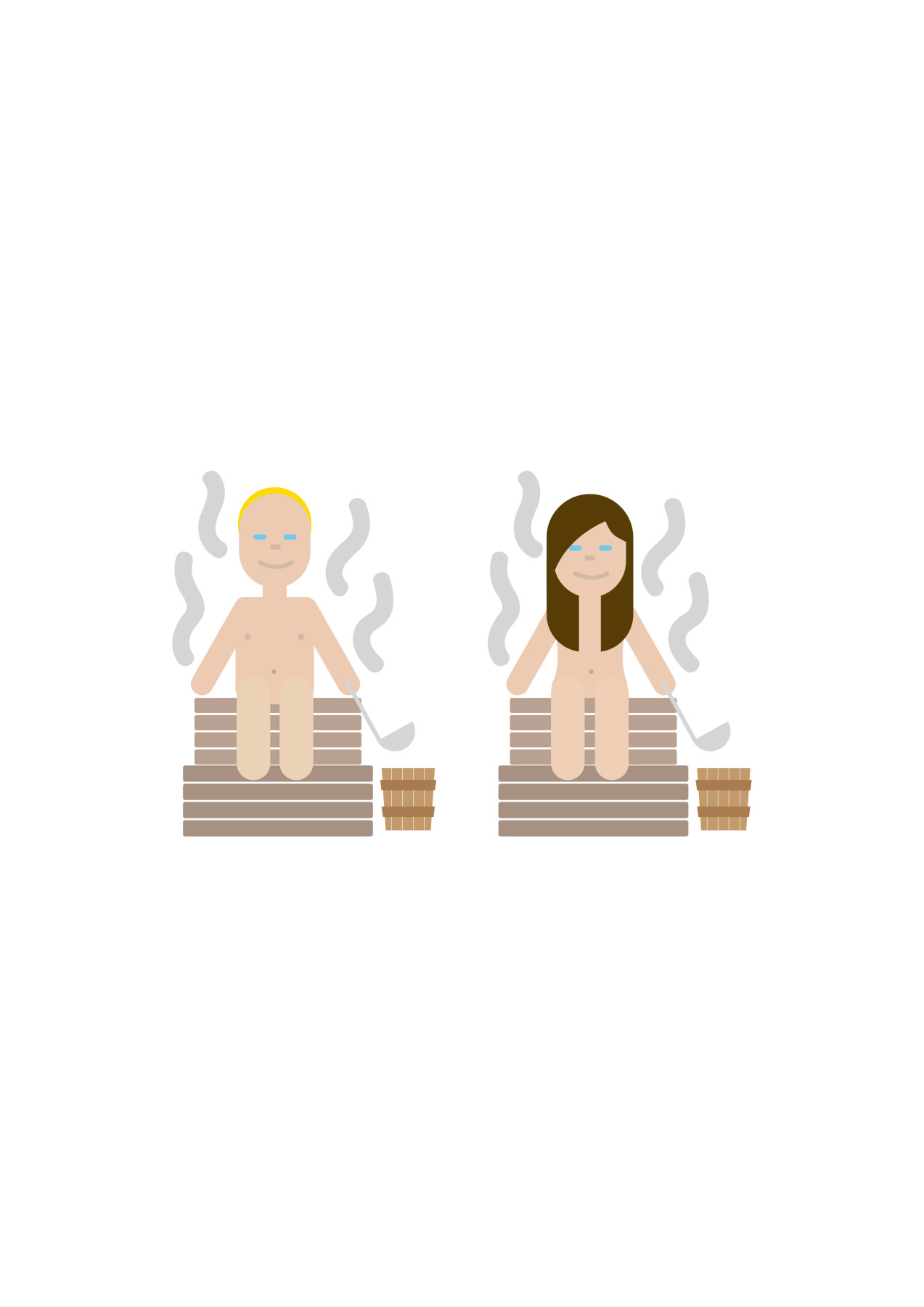
The Sauna. Doesn’t need introducing. Sauna is as Finnish as it gets. Naked.ThisisFINLAND / Bruno Leo Ribeiro

“We have been anything but serious when creating these emojis. Hopefully they will open up not only our weirdness but also our strengths, of which unarming honesty is one example,” hopes Petra Theman, Director for Public Diplomacy at the Ministry for Foreign Affairs.

The Unbreakable. The legendary Nokia 3310 is one of the highest selling mobile phones of all times. The phone was designed in Finland and it is known for its toughness.

The Unbreakable. The legendary Nokia 3310 is one of the highest selling mobile phones of all times. The phone was designed in Finland and it is known for its toughness.ThisisFINLAND / Bruno Leo Ribeiro

The Christmas calendar is available in thirteen languages, including all of the usual ThisisFINLAND languages plus Japanese, Arabic, Korean, Hindi, Polish and Turkish. The calendar can be found at xmas.finland.fi and ThisisFINLAND social media channels. The first hatch opens on 1 December. On top of the 24 calendar hatches there will be general Finnish emojis released. If you wondered, why we only have 24 hatches on the calendar instead of 25, it is because Christmas is celebrated in Finland on the Christmas Eve, not Christmas Day. The emojis are drawn by Art Director Bruno Leo Ribeiro.

The Headbanger. It is dark in Finland and so is the music. There’s a small headbanger living inside of each Finn.

The Headbanger. It is dark in Finland and so is the music. There’s a small headbanger living inside of each Finn.ThisisFINLAND / Bruno Leo Ribeiro

By Jenita Cresswell, November 2015

Tom of Finland: From the fringe to the mainstream

Times have changed since the days when artist Tom of Finland (real name Touko Laaksonen, 1920–1991) needed to destroy his stylised homoerotic images because of the conservative atmosphere in his home country. Today these controversial artworks have become a symbol of tolerance.

They made, and continue to make, a significant contribution to the way sexual minorities perceive themselves. Laaksonen is often considered Finland’s most famous artist internationally. His work has adorned postage stamps – the most popular stamp set in the history of the Finnish Postal Service – and now it has also become an emoji. The emoji recognises the impact and importance of Tom of Finland’s art, and appears just before same-sex marriage officially becomes legal in Finland (as of March 1, 2017).

The Tom of Finland emoji recognises the impact and importance of the artist’s work.Illustration: ThisisFINLAND; image © Tom of Finland Foundation

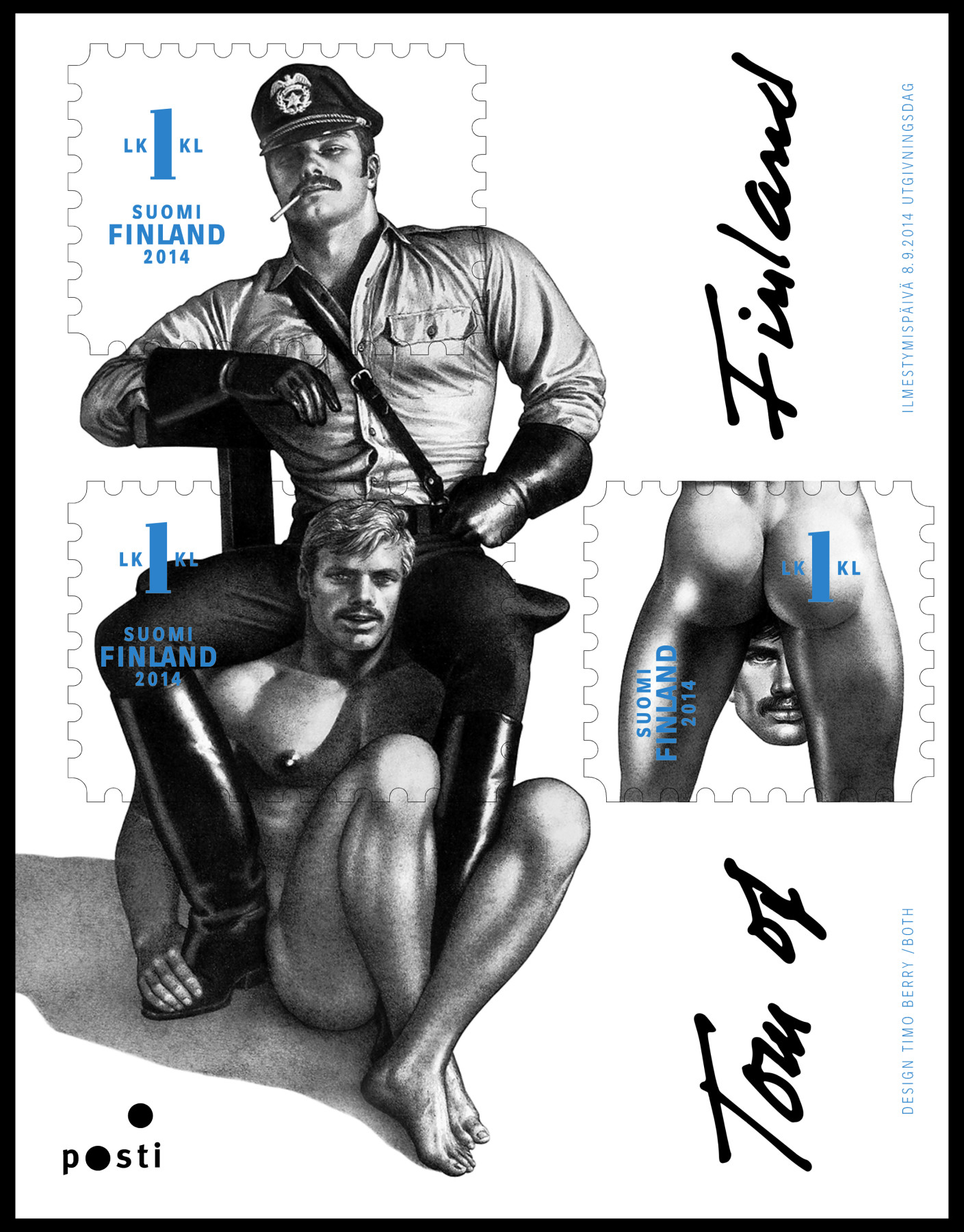
The Finnish Postal Service, Posti, first introduced stamps in 1856. It took them 158 years to release a stamp set that aroused worldwide interest – a lot of it. Posti’s webstore crashed in April 2014 under the weight of 70,000 pre-orders flooding in from 178 countries. This was all down to Tom of Finland.

The stamp set was by far the most public gesture of acceptance for the controversial Finnish artist Touko Laaksonen, who created his work under the pseudonym Tom of Finland. Times have changed since conservative post-war Finland, when he first illustrated men in various states of undress and coupling. Back then Laaksonen was, at times, forced to destroy his illegal imaginings, when unable to find a safe place to store them.

Tom of Finland has been the most popular stamp set ever launched by The Finnish Postal Service.

Tom of Finland has been the most popular stamp set ever launched by the Finnish Postal Service. Photo: Itella Posti/Finland; original images (1978, 1979) Tom of Finland Foundation/USA.

“The things he did are seen in a different light these days, more sympathetic,” says Susanna Luoto, the Finnish representative of the Tom of Finland Foundation (ToFF), which initiated the Posti stamp. “It has entered into another field than purely sexual. Tom stands for all tolerance today, beyond homosexuality.”

Moustachioed masculinity

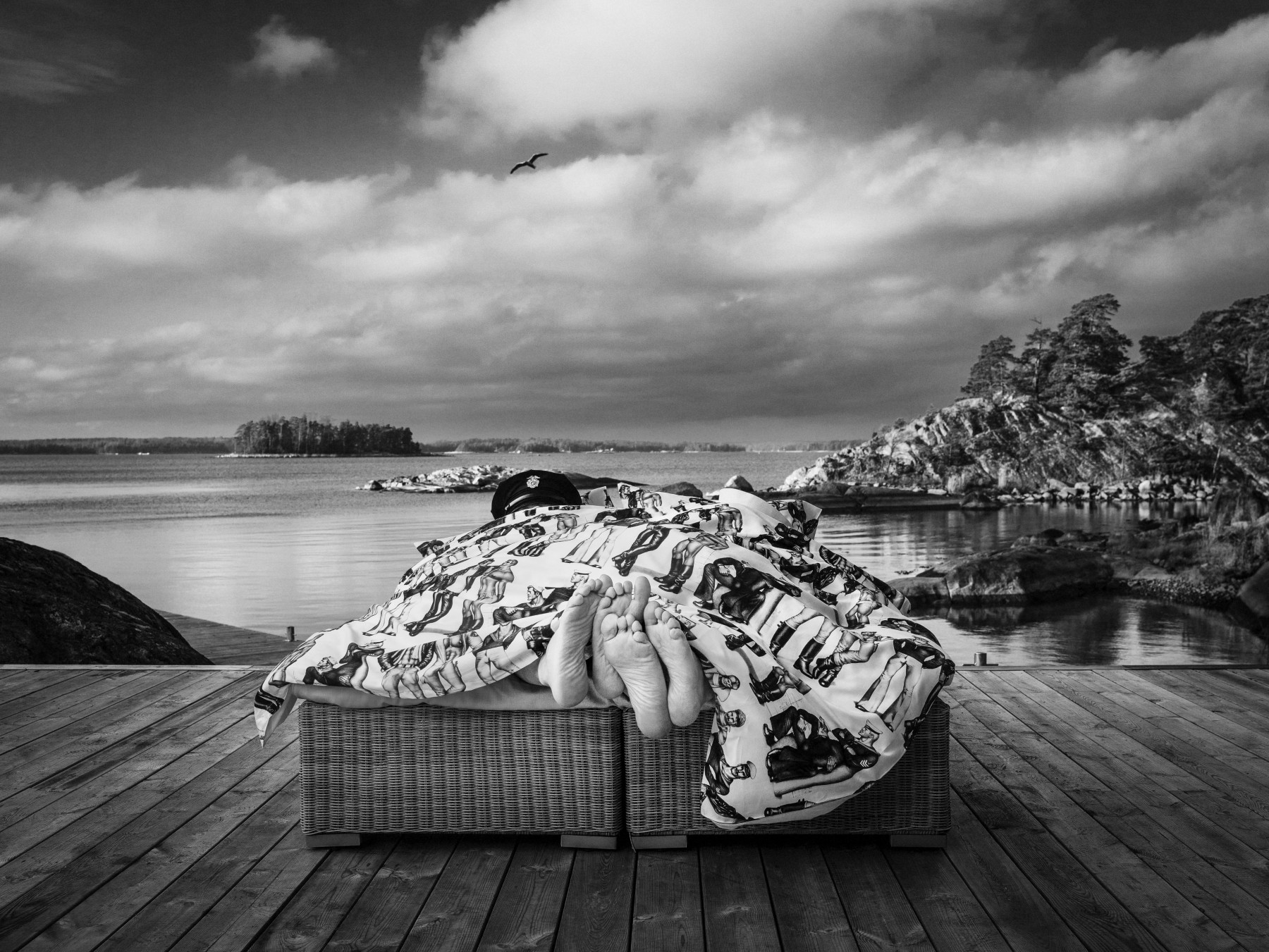
The current ubiquity of Tom’s moustachioed masculinity reflects this wider acceptance. His iconic images have appeared on shopping bags, bed sheets, paper products, aprons and fire blankets, thanks to the Foundation’s collaborations with Finnish companies such as Finlayson, Putinki and Jalo Helsinki.

The Finnish textile company Finlayson exclusively prints Tom’s monochrome fabric. When Tom jumped into beds as bedlinen, the Finlayson brand jumped, too. The sales of the webshop doubled and the overall sales grew significantly compared to previous years. Tom of Finland helped a company, previously operating mainly in Finland, to grow internationally: the line was taken to more than 21 countries. It has sold the most in its home country, with Sweden and the USA following.

Touko Laaksonen produced over 3,500 works during his lifetime and many now adorn shopping bags, bed sheets, paper products, aprons and fire blankets. The illustrated monochrome images on the Finlayson textile products have been a hit ever since they were launched.

Touko Laaksonen produced over 3,500 works during his lifetime and many now adorn shopping bags, bed sheets, paper products, aprons and fire blankets. The illustrated monochrome images on the Finlayson textile products have been a hit ever since they were launched.Photo: Finlayson 

Tom of America

“The way you embed someone is that you endear them to the population, and you do that through things that can be found in everyday life,” explains ToFF president Durk Dehner. “It’s a really healthy way to spread the news, by allowing people to see it, explore it, find out who this man was.”

Dehner has observed Tom’s gradual acceptance from a unique vantage point: his three-story home in Los Angeles. It was there in 1984 that he co-founded the non-profit foundation with Laaksonen, as a means of preserving his work and nurturing erotic art.

Although Tom of Finland had cultivated a loyal fanbase in the US from 1956, when his images first appeared in male muscle magazine Physique Pictorial, his inaugural visit to America only came in the late 1970s. Here he found the social climate more conducive to his lifestyle and he became a frequent visitor.

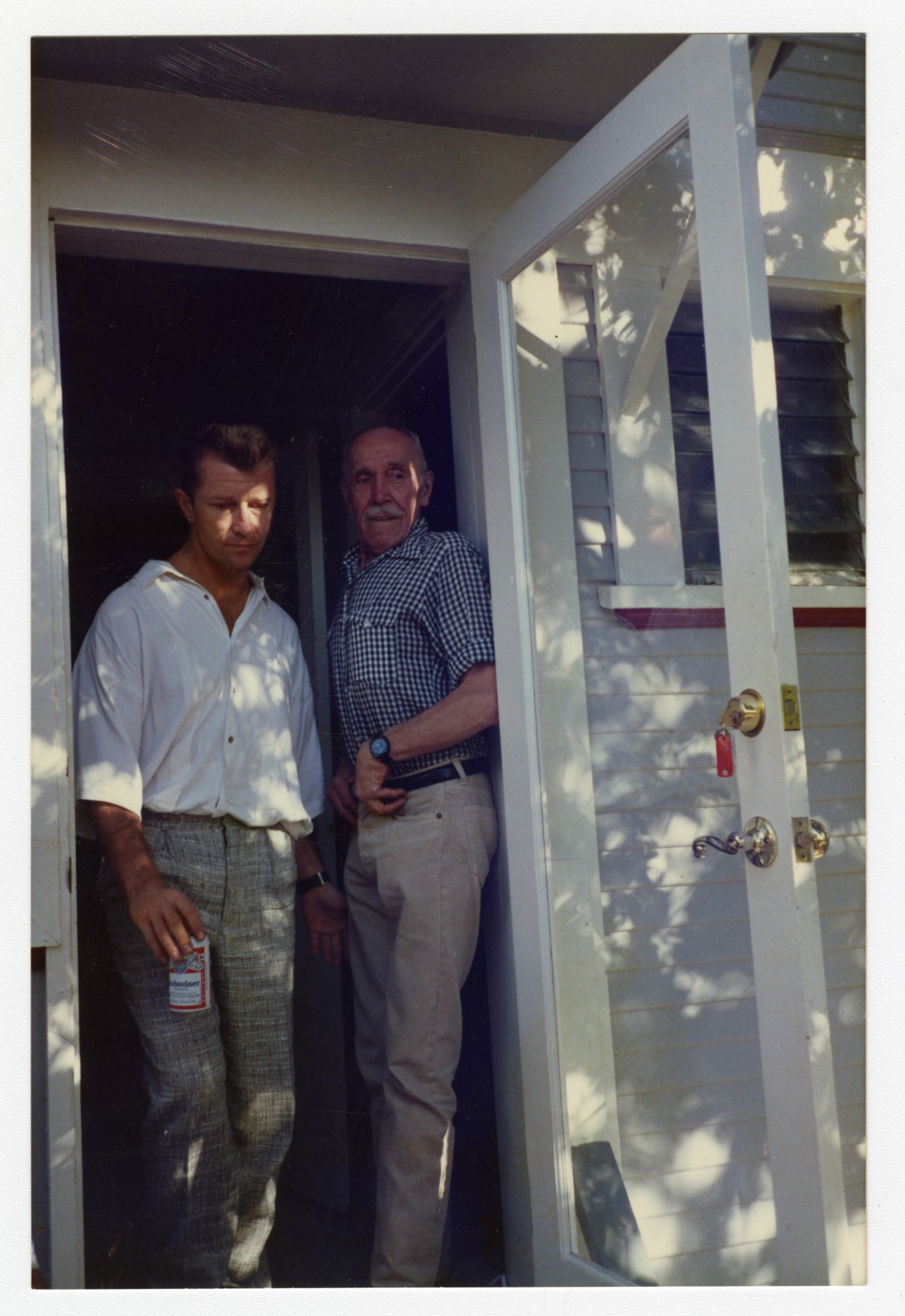
When Touko Laaksonen began to visit the US regularly in the late 1970s, he came to realise the profound effect that Tom of Finland was having on the gay community. Laaksonen (right) was inspired by his muse and good friend Durk Dehner.Photo: Tom of Finland Foundation

Timeless work

Upon Touko Laaksonen’s eventual passing in 1991, Durk Dehner, his former muse and good friend, took up the responsibility of preserving his legacy.

“I gave him my personal commitment that I would do everything within my means to keep him in popular culture,” Dehner says. “I have been able to do that from generation to generation, because his work is timeless.”

Laaksonen produced over 3,500 works during his lifetime. Many of them are in the possession of ToFF, while others have either been acquired privately or by the permanent collections of museums such as Helsinki’s Museum of Contemporary Art Kiasma, New York’s Museum of Modern Art and the Museum of Contemporary Art in Los Angeles.

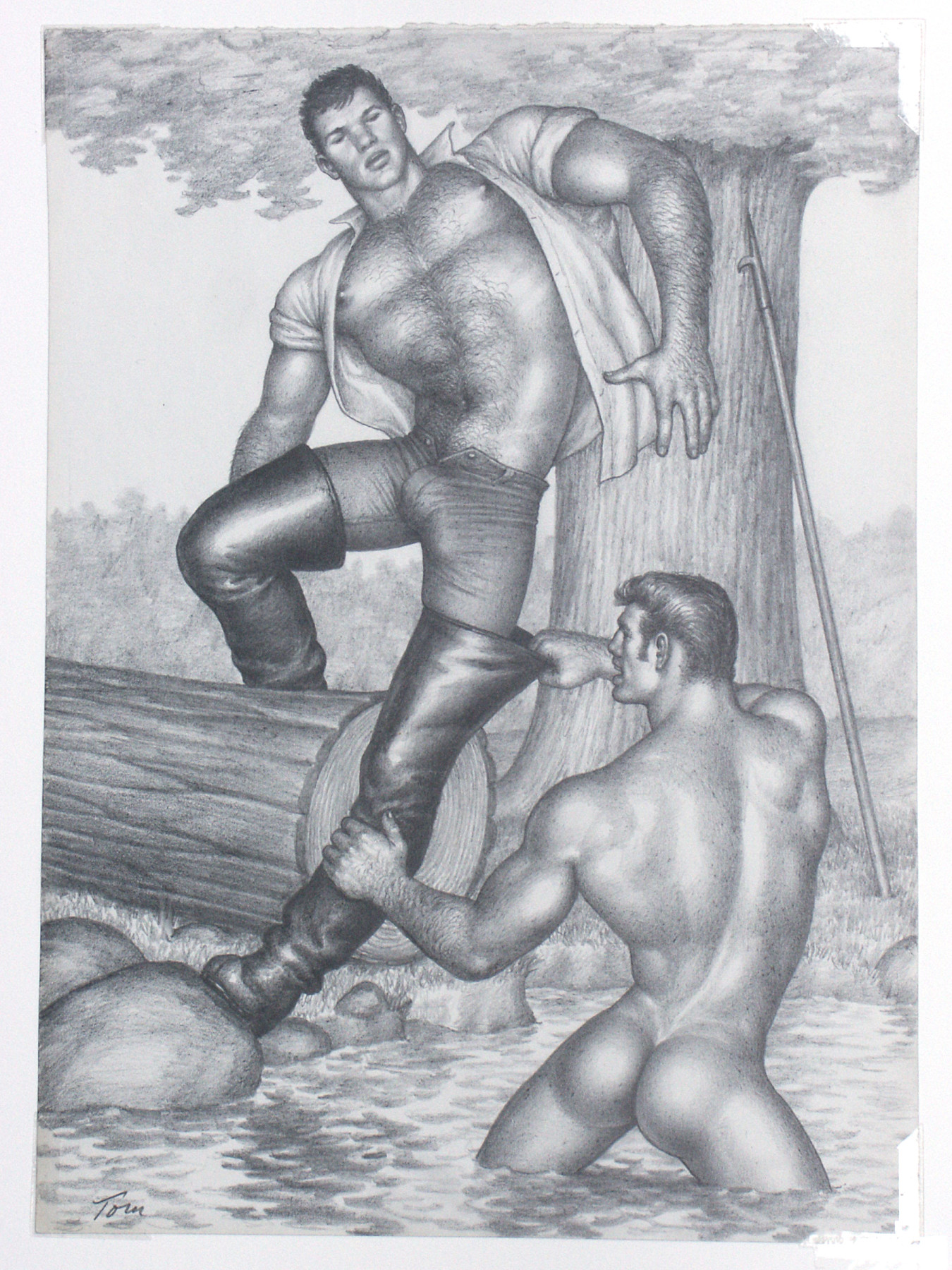
Tom of Finland (real name Touko Laaksonen, 1920–1991) is often called the most famous Finnish artist in the world. His highly stylized homoerotic images have widely influenced not only gay men, but also pop culture and fashion aesthetics.Tom of Finland, Untitled, 1966, graphite on paper, © 1966 Tom of Finland Foundation.

Those seeking his work don’t have to look far. Alongside the expanding catalogue of Tom-themed products on offer, the artist’s work has also been displayed in Germany, Spain, Canada and Norway, to name but a handful of countries. For those who wish to learn more about the beloved man behind the imagery, Finnish director Dome Karukoski’s biographical feature film Tom of Finland releases on February 24, 2017 in Finland and later the same year in other markets. There is even a Tom of Finland musical (in the southwestern Finnish city of Turku until May 6, 2017).

With a film, a musical and numerous exhibitions, Tom is in no danger of slipping out of the public’s consciousness any time soon.

“This man and his art are endeared and loved and celebrated by all of these people from all of these countries around the world,” Dehner observes. “I can’t think of a better ambassador for Finland than Tom of Finland!”

By James O’Sullivan, October 2015, updated January 2017

Shine with facts about Finland

You won’t be ready for a PhD on Finland, but this page will give you enough info to impress at least your pals.

People

  • Population: 5.6 million, 18.3 inhabitants per km² (48 per square mile)
  • Life expectancy: Men 79 years, women 84 years
  • Languages: Official languages are Finnish (spoken by 84.9%) and Swedish (5.1%). Sámi is the mother tongue of about 2,000 people, members of the indigenous Sámi people of the far north.
  • Religion: Christianity; 62.2% Lutheran and about 1.0% Orthodox. In practice society is fairly secularised.

State & Government

  • Independence: Declared on December 6, 1917. Previously a grand duchy in the Russian empire for 108 years, and a part of Sweden for 600 years before that.
  • Form of government: Republic, parliamentary democracy
  • Parliament: 200 members in one chamber, elected every 4 years in a direct vote (next elections in 2027)
  • Cabinet: Multiparty coalition cabinet. The current Cabinet is run by Prime Minister Petteri Orpo.
  • Head of State: President of the Republic, elected every six years, two-term maximum. The current president is Mr Alexander Stubb (elected in 2024).
  • International cooperation: Member of the United Nations since 1955 and the European Union since 1995.

Society & Economy

  • Key features: High standard of education, social security and healthcare, all financed by the state
  • GDP per capita: 49,133 euros (2024)
  • Main exports: Electrotechnical goods, metal products, machinery, transport equipment, wood and paper products, chemicals
  • Main imports: Raw materials, investment goods, energy, consumer goods (for example cars and textiles)
  • Currency unit: Euro

Geography & Climate

  • Area: 390,906 km² (150,930 square miles), the fifth-largest country in Western Europe
  • Greatest length from north to south: 1,157 km (717 miles)
  • Greatest width from east to west: 542 km (336 miles)
  • Capital: Helsinki (1.6 million inhabitants in metropolitan area)
  • Climate: Great contrasts – cold winters and fairly warm summers (2024 extremes: coldest day in Enontekiö -44.3 °C/-47.74 °F, warmest day in Kuopio and Heinola 31.4 °C/88.5 °F)

Sources: Statistics Finland, National Board of Customs, Population Register Center, State Provincial Office of Lapland, Localfinland.fi, Finnish Meteorological Institute

Updated July 2025

Four Finnish health tech startups to keep an eye on

Finland’s startup reputation may have been built on mobile games, but that is only one side of the story. Here is our pick of four innovative wellness startups with potential to become the next big Finnish success story — and be good for us.

1. Sweet dreams from Beddit

2. Cosmethics decodes toxic cosmetics

3. Pulse on gets hearts racing

4. You-app makes wellbeing bite sized

The common language of football

By arranging free football games, a group organised through Facebook is helping Kallio, Helsinki’s residents and reception centre inhabitants to meet.

The Haapaniemi sports field located in Helsinki is often empty in the afternoons. However, the building only a few hundred meters away at Kaarlenkatu is bustling: asylum seekers from crisis areas live there, and they are arriving in Finland at a higher rate than ever before. In a strange country surrounded by strange culture, the days drag on for the newcomers. They are bored, even anxious.

In the early autumn, an idea was formed on the internet: what if the locals played football with the asylum seekers during the afternoons?

“We want to offer the newly arrived a first impression that Finns are nice people,” reports Tiia Nohynek, dance teacher and active member of Meet the Neighbours Football Club.

First matter in hand was to make sure that it was all right to use the football field for free, since the group of volunteers had no official organisation or assets for the aid work. They were only driven by their passion to help asylum seekers integrate. The company running the football field Haapaniemen kenttä decided to support the club’s idea by letting them use the field for playing when there were no reservations. Football shoes, shirts and shorts were gathered for players through donations.

“The residents in the area wanted to do something with the asylum seekers that unites everyone. After all, football is a universal language,” says Nohynek.

‘Disco disco’
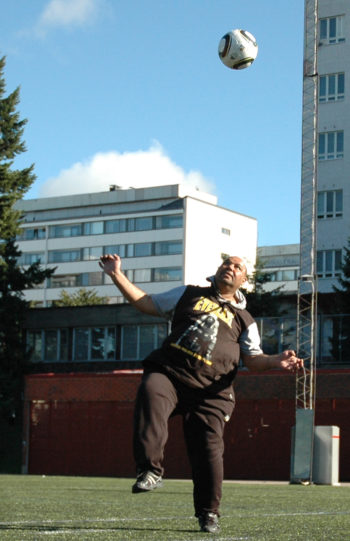
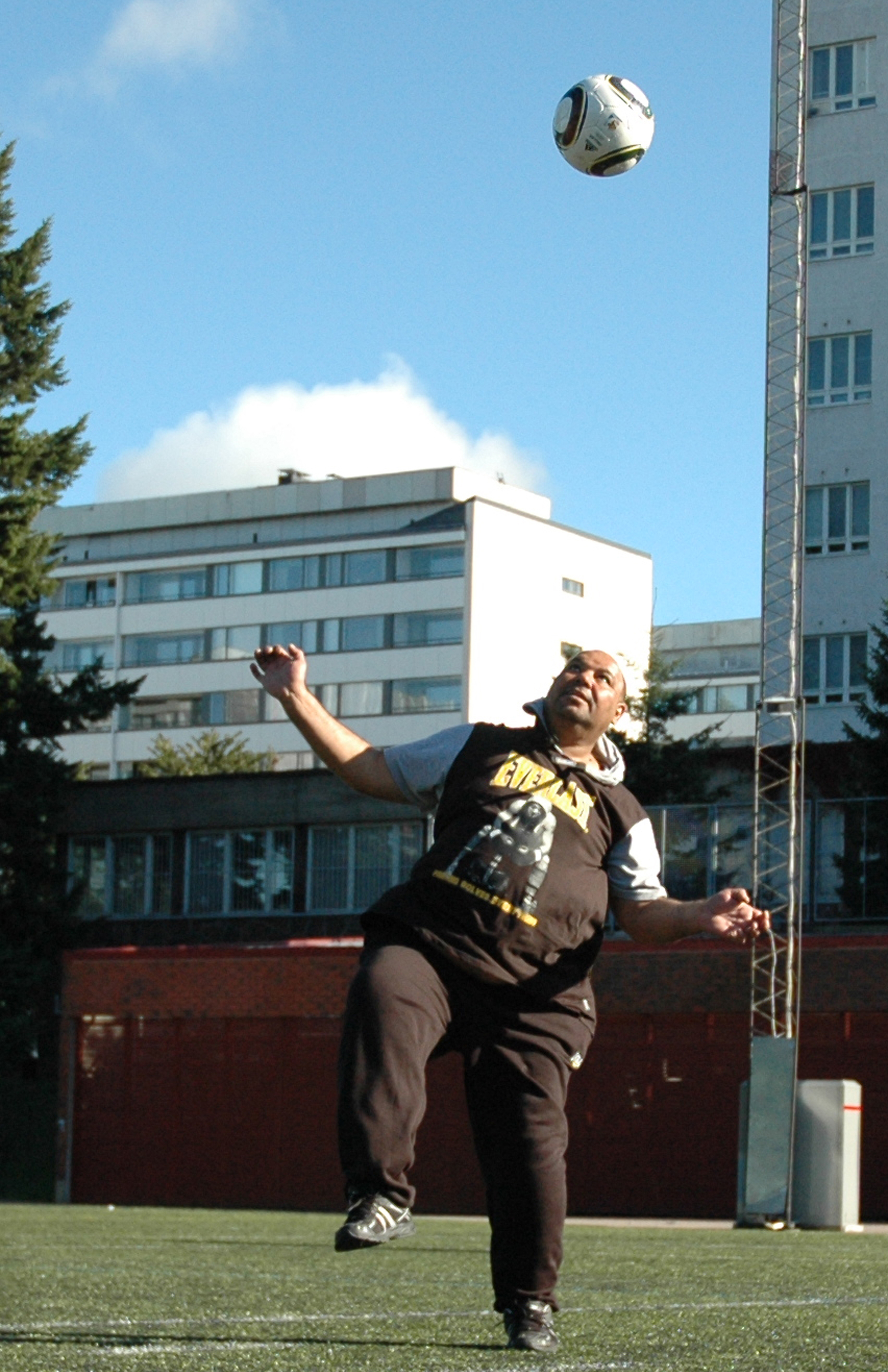
Mustafa Abdelwahab is glad for the opportunity to play football, since it helps him put his life as an asylum seeker out of his mind for a moment. Photo: Antti Kivimäki

Mustafa Abdelwahab is glad for the opportunity to play football, since it helps him put his life as an asylum seeker out of his mind for a moment. Photo: Antti Kivimäki

Although Tiia Nohynek is the daughter of a football player, she does not play at the Club. Instead, she is in charge of the operations: getting asylum seekers from the centre to the field. She also washes and dries the players’ shirts so eagerly that sometimes her own laundry is neglected.

And her will to help doesn’t end at football. A few weeks ago, Nohynek promised to take a couple of asylum seekers to a free reggae party at The International Culture Centre Caisa.

“When I went to pick them up from the reception centre, there were 40 guys waiting, saying ’Let’s go to the disco!’ After that, they have started to call out ‘disco disco’ or ‘football’ every time they see me”, Nohynek laughs.
This becomes abundantly clear, as Nohynek and another active member of Meet the Neighbours, Mohamed Abdelgayed , are picking up a couple of Iraqi asylum seekers to play football.

“Disco, disco”, repeats Mustafa Abdelwahab, a lively chauffeur from Baghdad, while smiling widely at Nohynek.
“It has been very important to get to play football in Helsinki. Everyone can forget their situation as asylum seekers and feel like they are starting something new,” says Abdelwahab gratefully.

“In Iraq, people didn’t play much football due to violence, but here I have already played three times.”

Abdelwahab worked for a long time as a chauffeur in Baghdad for the Ministry of Agriculture. Difficulties started for him when the ministry transferred from being under the Sunni authority to the Shia, since Abdelwahab himself is a Sunni Muslim.

“I was no longer given assignments as a chauffeur; they told me to clean the toilets.”

Soon, Abdelwahab started to receive intimidating telephone calls threatening that he would be kidnapped – meaning assassinated – if he would not give up his job. Pressure kept building, and Mustafa Abdelwahab decided to flee from Iraq.

The other man joining them to play football is Ali Gazi, a restauranteur from Mosul. He is quieter than Abdelwahab, and clearly nervous. He is concerned for the health of his three-month-pregnant wife and their eight-month-old child, and whether they will receive the treatment they might need in Finland.

Mohamed Abdelgayed, who is originally from Egypt, reassures Gazi in Arabic that the Finnish health care system takes good care of both children and mothers.

Interested in working
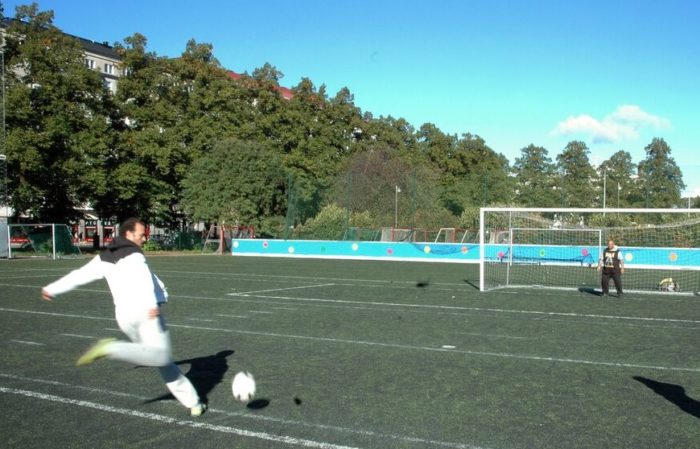
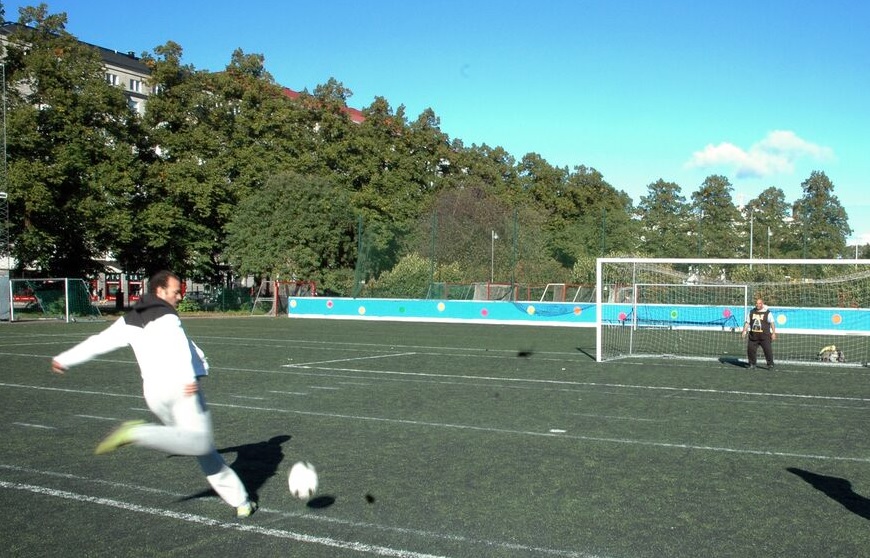
Mohamed Abdelgayed (left) and Tiia Nohynek arrange free football games for asylum seekers and Finns. At the goal is Iraqi asylum seeker Mustafa Abdelwahab.

Mohamed Abdelgayed (left) and Tiia Nohynek arrange free football games for asylum seekers and Finns. At the goal is Iraqi asylum seeker Mustafa Abdelwahab.Photo: Antti Kivimäki

Both Iraqi men would like to get work soon in their own fields: Ali Gazi in the kitchen and Mustafa Abdelwahab at the wheel.

Firstly, they need a permit to work in Finland, and this will take months. An asylum seeker may work in Finland even before receiving a residence permit, but only after residing in Finland for at least three months.

Mohamed Abdelgayed tries to calm the men’s eagerness to work and reminds them that it might be useful to learn the Finnish language and culture before starting work.

Ali Gazi ran a restaurant in Mosul in northern Iraq, but after the area was taken over by Isis life there became unbearable. Gazi is a Sunni Muslim, but his wife is Shia, and this did not sit well with Isis. Isis activists attacked Gazi’s restaurant, breaking and stealing everything, so Gazi thought it would be wisest to flee the country with his family.

Gazi himself does not play football, but he likes to sit by the field to rest his nerves.
“As a child, there was no time for recreation; we needed to work. I like to watch people playing football,” he says.

Finland’s organised football culture
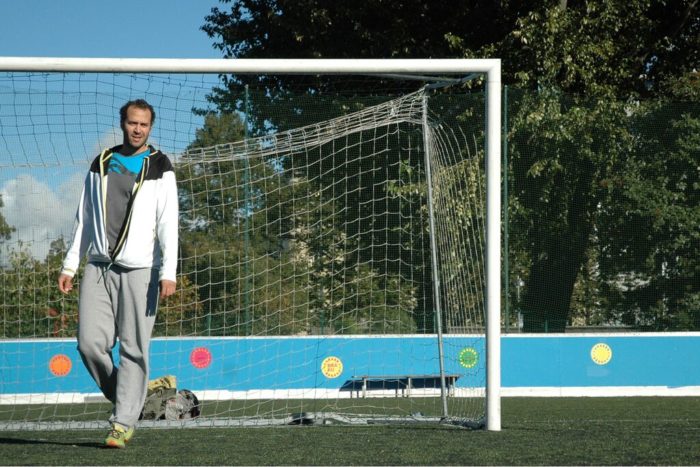
Last year, the referee club Helsingin Erotuomarikerho titled Egyptian Mohamed Abdelgayed the “King of Gravel Pitches”.

Last year, the referee club Helsingin Erotuomarikerho titled Egyptian Mohamed Abdelgayed the “King of Gravel Pitches”.Photo: Antti Kivimäki

Mohamed Abdelgayed, active member of Meet the Neighbours, moved to Finland with his wife in search of work six years ago – before the Arab Spring and Egypt sliding into a cycle of violence – and he is now working as a sous chef at one of the top restaurants in Helsinki.

In Egypt, he used to play football in junior division One, and after arriving in Helsinki, he eagerly joined the adults’ divisions Three and Four.

“It helped me to integrate into the society. I met Finnish people and got to talk to them.”

A muscle injury ended Abdelgayed’s serious football playing a few years ago. To stay connected to the sport, he took a course in football refereeing, and now he referees local games of lower leagues in Helsinki. Last year, the referee club Helsingin Erotuomarikerho titled him the “King of Gravel Pitches”.

Abdelgayed appreciates the fact that Finland’s football culture is very organised. Games and practices are held on time, and the field is punctually cleared for the next team. Finns also respect referees, so Abdelgayed has been able to referee in peace here.

“In some countries, referees get threatened.”

Help for symptoms of trauma
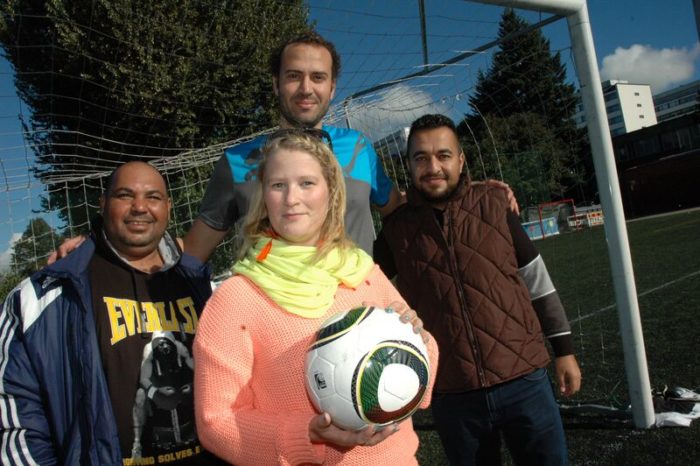
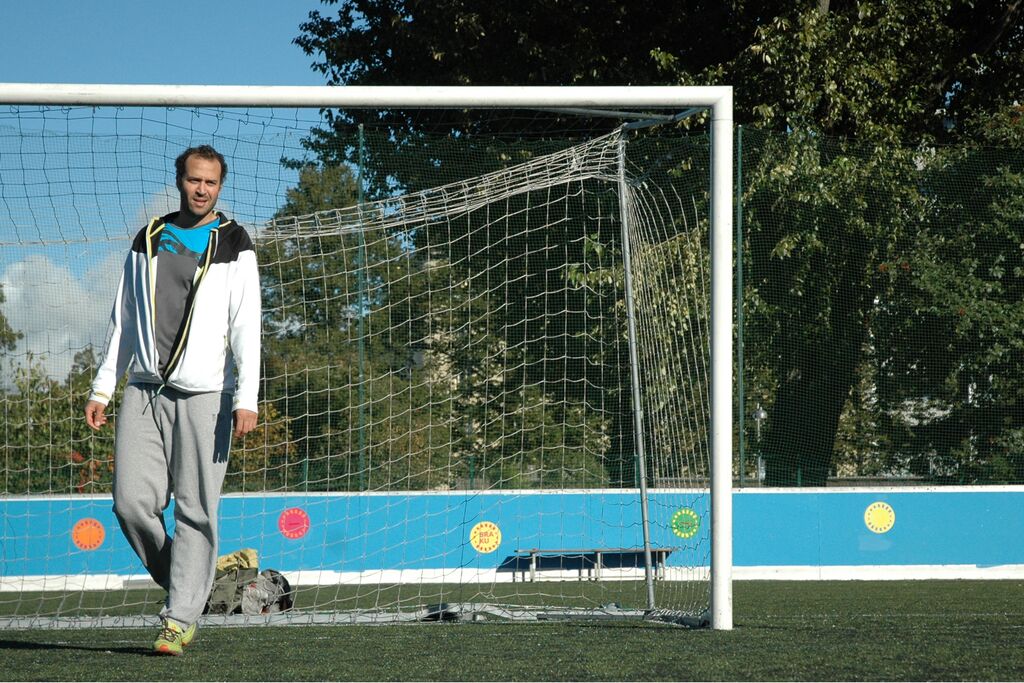
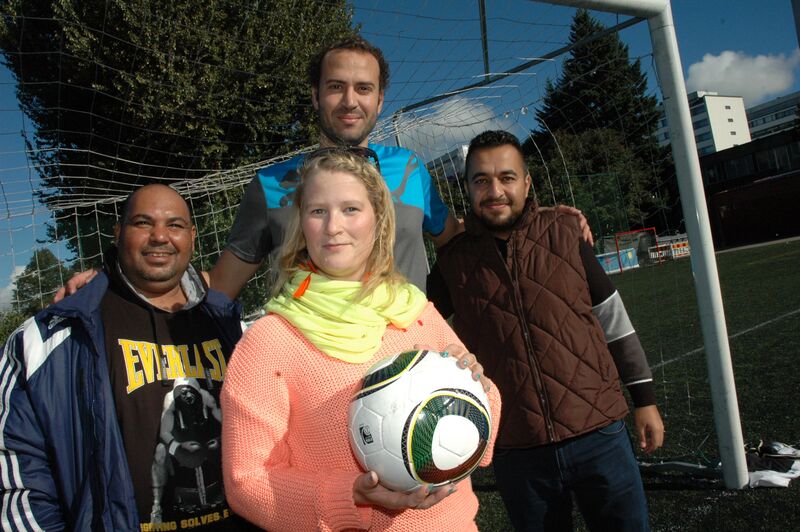
Mustafa Abdelwahab (left), Tiia Nohynek, Mohamed Abdelgayed and Ali Gazi gather regularly to the football field. Mustafa and Mohamed are usually playing, Tiia is organising and Ali is watching others play.

Mustafa Abdelwahab (left), Tiia Nohynek, Mohamed Abdelgayed and Ali Gazi gather regularly to the football field. Mustafa and Mohamed are usually playing, Tiia is organising and Ali is watching others play. Photo: Antti Kivimäki

The significance of football in creating solidarity between asylum seekers and Finns has been noticed in other places as well. In the Ruukki reception centre in Northern Ostrobothnia football is very popular, and asylum seekers play among themselves and with local residents.

“Right now, there are so many people coming in that our efforts are focused on basic things such as arranging accommodation. But as things calm down, we’ll have more time to spare for leisure time activities,” tells Director of the Centre Sirpa Kallio.

Kallio, who has also worked as a psychotherapist, emphasises that activities are important in reception centres. Most asylum seekers are willing to work, but the remote Ruukki does not offer many opportunities.
“Most of the people arriving have worked or studied in their homeland – and suddenly everything stops. If a person is without work or something else to do, it leaves an impact.”

“For sporty people, sports is a good way to help symptoms of trauma. Even if people are depressed and anxious, they should not exclude the thing that brings them joy.”

By: Antti Kivimäki, September 2015

Brewed in Helsinki

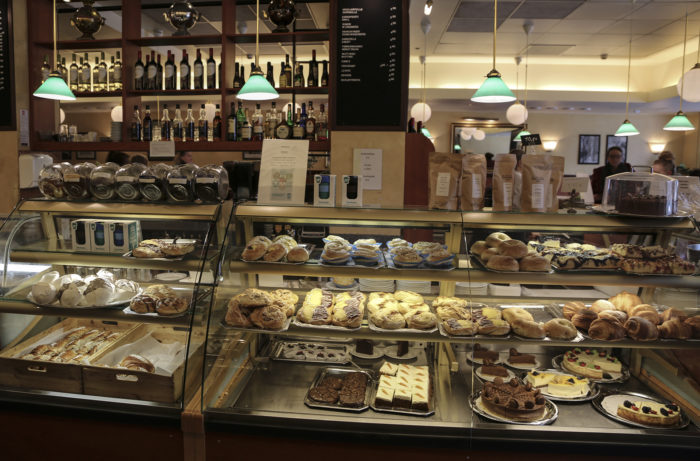
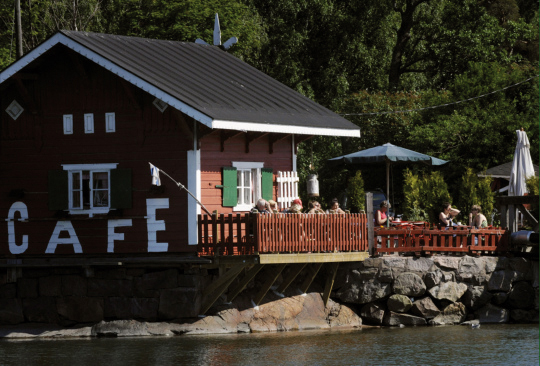
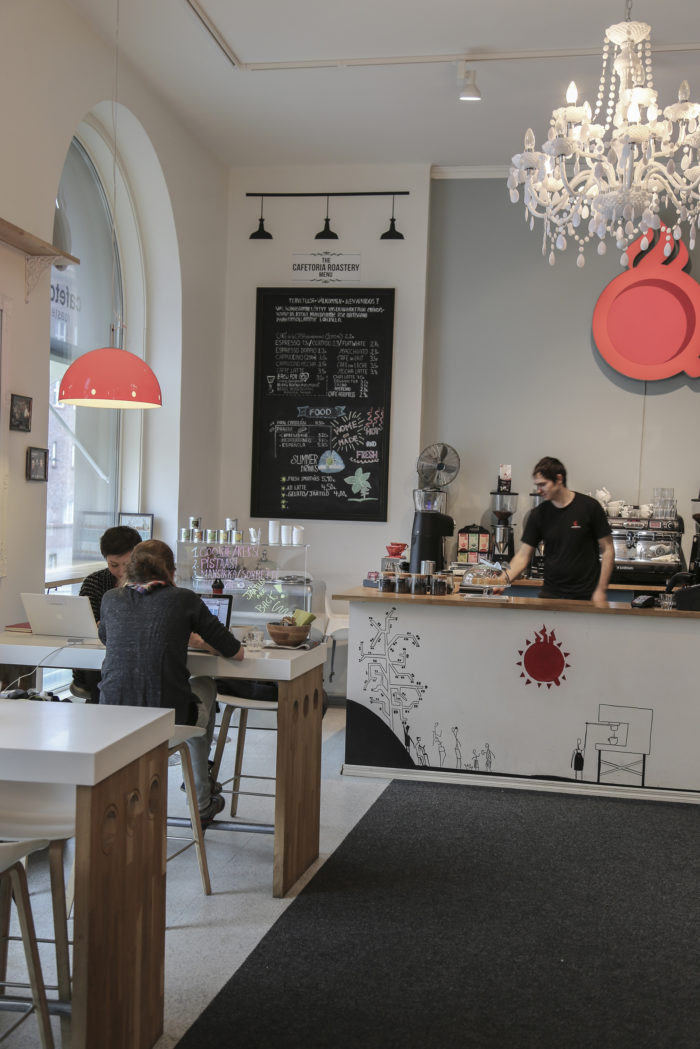
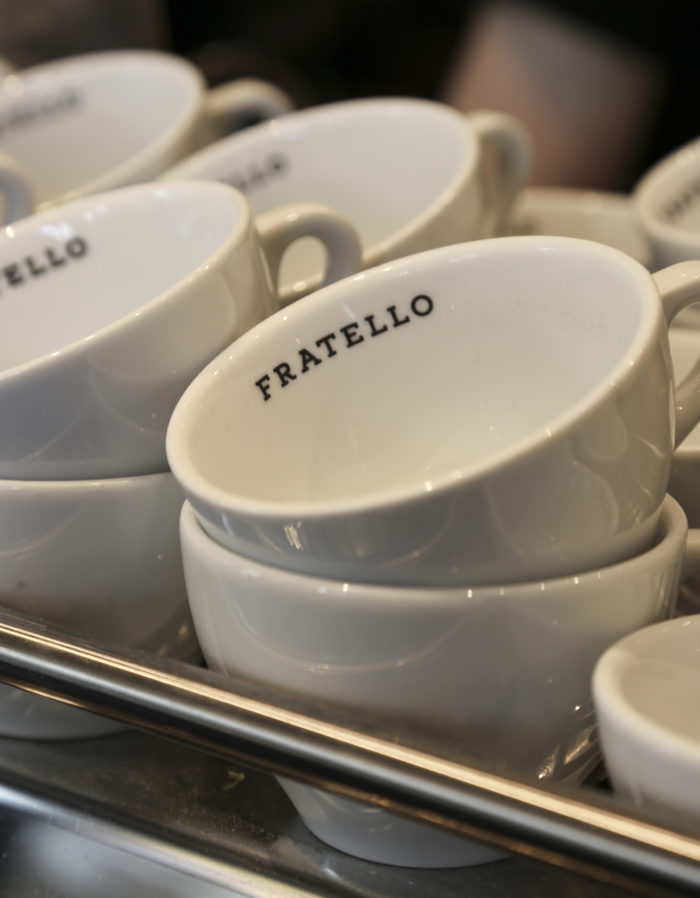
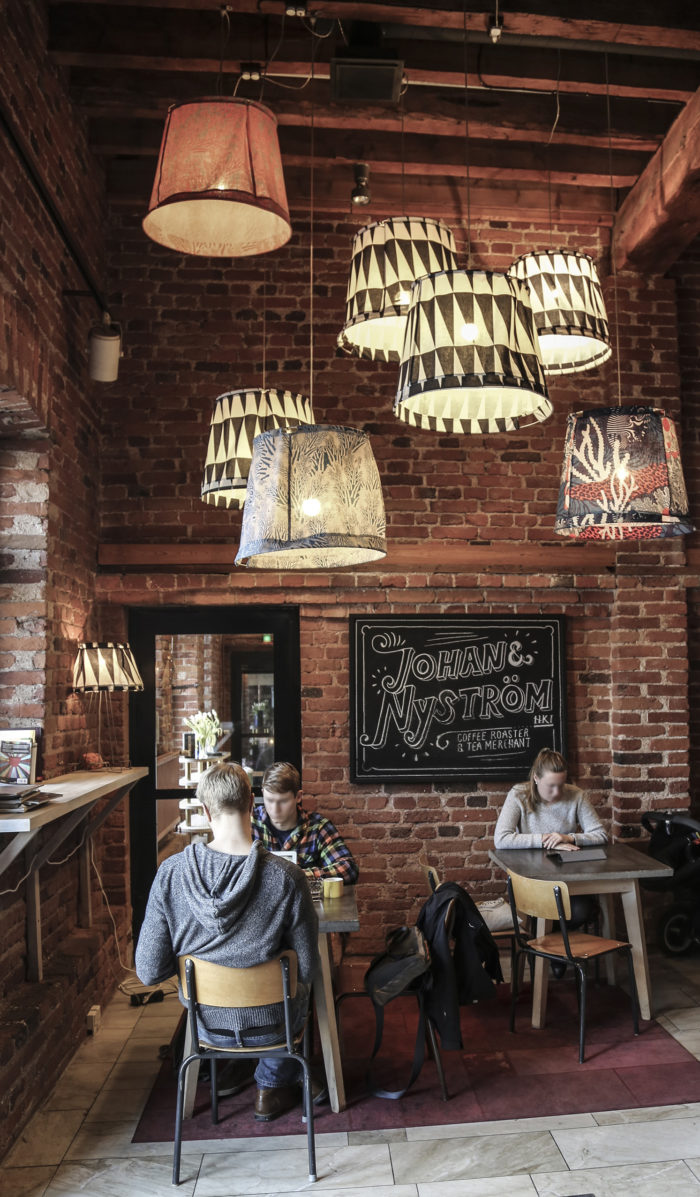
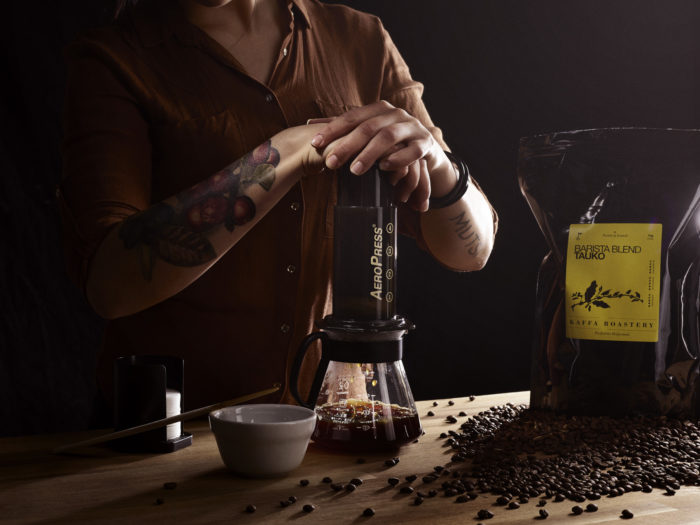
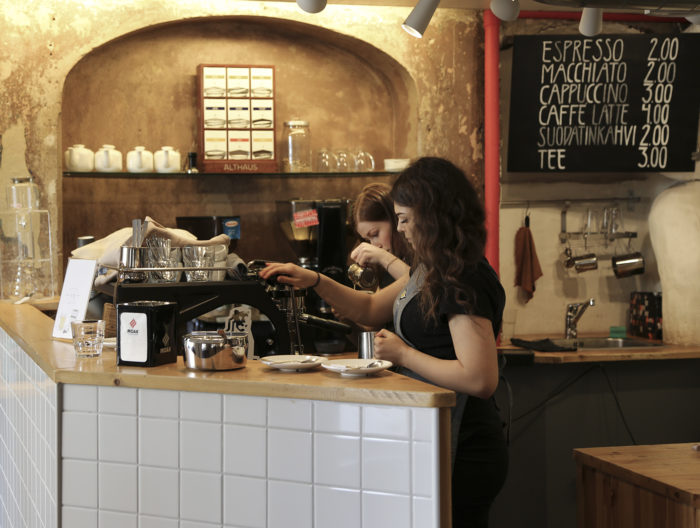
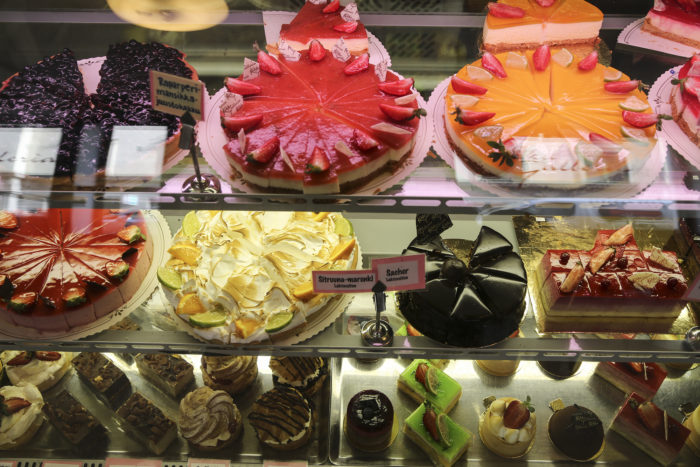
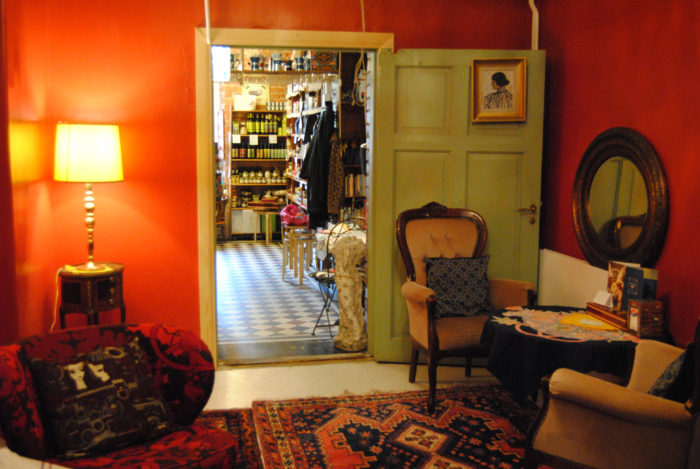
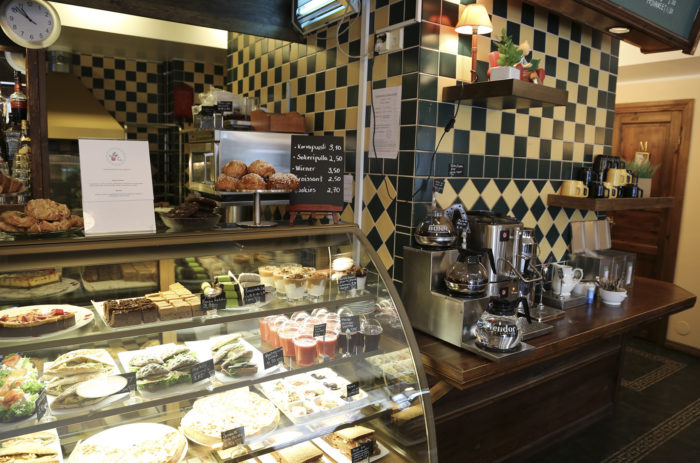
From continental elegance to Finnish charm, from industrial chic to romantic quirkiness –Helsinki’s vibrant café culture offers something for everyone.

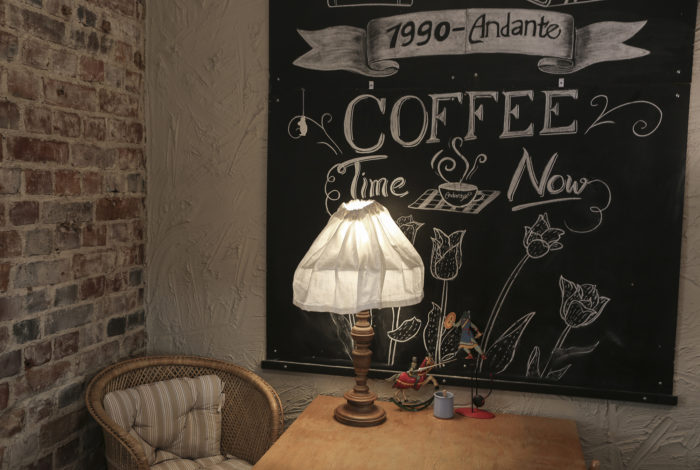
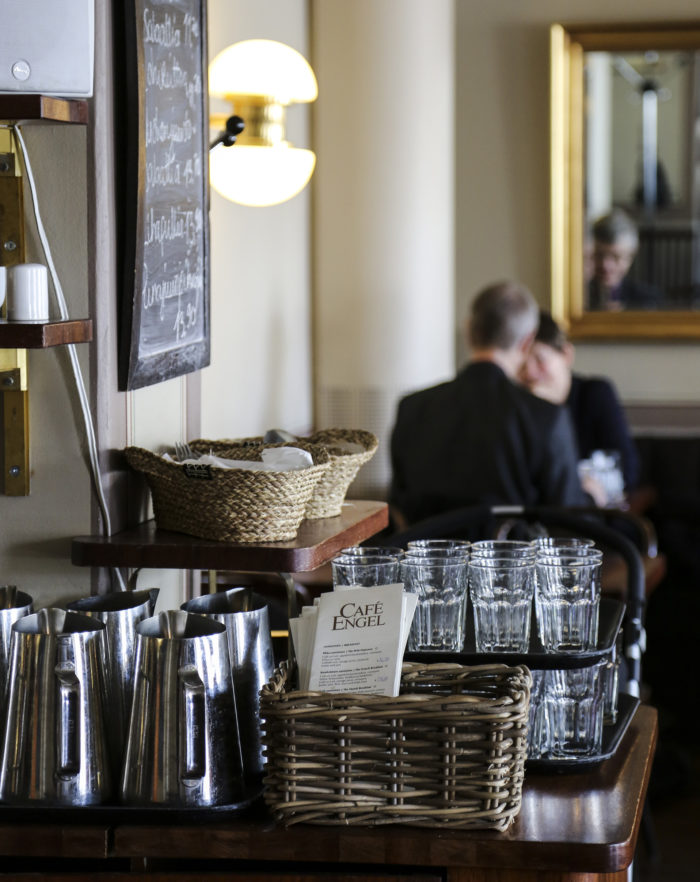
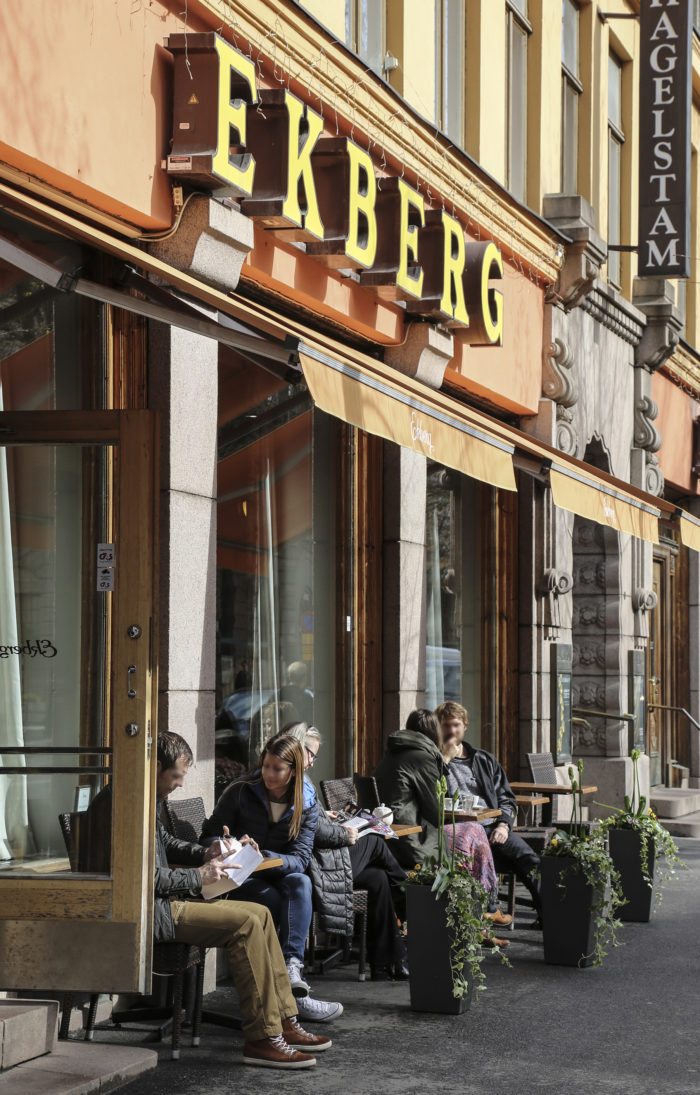
Finns have always sipped a lot of coffee, and in recent years they’ve taken this thirst from their kitchens into cafés. The city has sprouted a diverse selection of new coffee havens, catering for all types of drinkers. From people-watching to catching up with friends, our completely subjective, and admittedly incomplete, list of cafés in Helsinki is a good place to start.

By Joanna Nylund, September 2015, updated September 2020

21 x Finland

Young journalists from all over the world gathered together for thisisFINLAND Foreign Correspondents’ Programme in August. In their minds, Finland is a land of quiet coffee drinkers and a good place to be a woman. What else? This is Finland times 21…

1. Pioneer in gender equality

“Finland was the first country in the world to give women full political rights!”

Yohannie Linggasari, Indonesia

2. Best place to be a mother

“97% of Finnish mothers use the public health services during their pregnancy. Mothers also receive a maternity package, which includes all the important items for the baby’s first months – for free – or they can choose to take a 140-euro bonus.”

Mayra Zepeda, Mexico

3. Place for innovation

“From Nokia to Angry Birds, Finland is best represented by ICT, the game industry, as well as arts and design. For over 100 years, the country has invested huge amounts of money in people and it has been worth it.”

Tongxin Qian, China

4. The least corrupted country on a global scale

“Finland has the least corrupted government in the world.”

Rana Khaled Abo El Fotoh, Egypt

5. Problem solving mindset

“Because of the very genuine problem solving mindset, Finland has successfully tackled a lot of challenges with waste, health, the environment, education, and urban design. Do the lessons cross over? Can we even adapt some of the solutions that Finland has found for USA, a nation that’s 60 times the size of Finland?”

Esha Chhabra, USA

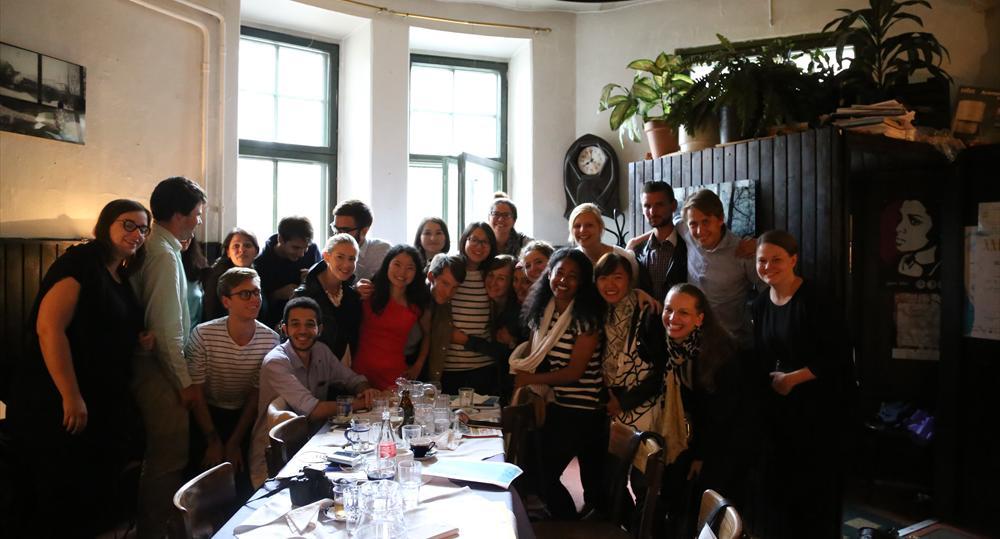
Finland got 21 new fans through the Foreign Correspondents' Programme 2015.

Finland got 21 new fans through the Foreign Correspondents’ Programme 2015.

6. Calm neighbour

“Finland has stayed calm despite “tectonic” political and economic changes in Russia, the closest eastern neighbour. Finland has taken an approach that Russia, Finland as well as the other neighbouring countries should be deeply interested in developments in the Baltic Sea region, not in building fences and barriers on the borders.”

Artem Filatov, Russian Federation

7. Free press

“Finland is known worldwide for the freedom of its press, which is admirable.”

Özüm Örs, Turkey

8. A place for public peace

“Finland is a tranquil country. On Helsinki’s streets, rush hour is almost non-existent and on a relaxed Sunday afternoon it is so quiet that you could almost hear a pin drop at the other end of the city.”

Michael Ertl, United Kingdom

9. Nordic welfare

“Finland, among the other Scandinavian countries, has successfully implemented the Nordic model; a combination of free market economy and welfare state and that has led to general prosperity, eradication of poverty and the superiority of people’s freedom and liberties in Northern Europe.”

Oleksandr Guzenko, Ukraine

10. Gender equality

“Gender equality shows in Finland in different ways. Men take part in housework which is considered as a woman’s job in Kazakhstan. My own family would want to see me married as soon as possible whereas in Finland my host family’s dad told me I have a lot of time, because I’m still young. According to the standards of Kazakh society, I might have missed my chance of becoming a happy wife and mother already.”

Sabina Serikova, Kazakhstan

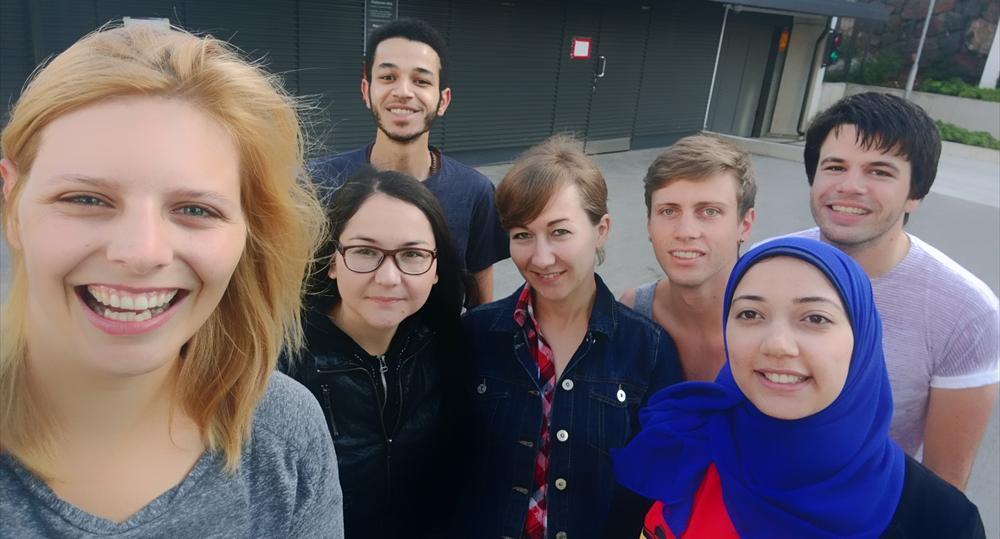
Fabienne, Mohammed, Yana, Yumi, Oleksandr, Rana and Richard all say they had the time of their lives in Finland. Many of them experienced not just Finland for the first time but also its food, the Finnish people and their manners - and of course sauna.

Fabienne, Mohammed, Yana, Yumi, Oleksandr, Rana and Richard all say they had the time of their lives in Finland. Many of them experienced not just Finland for the first time but also its food, the Finnish people and their manners – and of course sauna.

11. Fascinating culture

“Finland has a very interesting culture. The first thing I can distinctly remember enjoying was Hel Looks – a wonderful street fashion blog that captures the most original dressers from Helsinki. Then came the Finnish music, the design and the architecture…”

Martyna Trykozko, Poland

12. The nation of underestimators

“Finns are really good at underrating themselves and focus on what has to be improved instead of being proud of their success. We heard that the Finns have been doubtful and cautious for a long time but that they are now more optimistic than they’ve ever been before, and they have a reason to be. The industry has never been easy and even when people look longingly back to the golden days: Economics are changing everywhere. And Finland isn’t afraid of facing that.”

Fabienne Kinzelmann, Germany

13. Everyday design

“Finnish national design is known for its clear and pure shapes, honesty in the materials, functionality and widespread availability. Well-designed Finnish products can be found in regular supermarkets all across the country. These products might be expensive in the eyes of a foreign customer, but they are meant to last for years, even being passed on through generations.”

Oriol Salvador Vilella, Spain

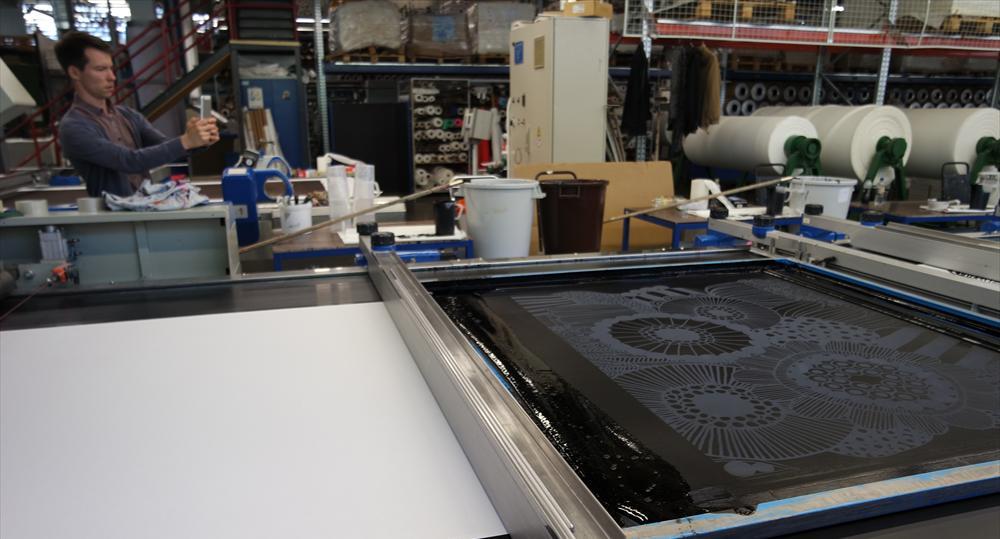
During the programme, FCP participants visited several Finnish companies. Artem Filatov from Russia was among others who saw how world famous patterns are printed at Marimekko.

During the programme, FCP participants visited several Finnish companies. Artem Filatov from Russia was among others who saw how world famous patterns are printed at Marimekko.

14. No chit chat

“We don’t talk to strangers in Norway, unless we meet them in the middle of nowhere or in the mountains while hiking, skiing or bicycling. We don’t sit down next to someone we don’t know on the bus, even though the seat is available. The same goes with Finland. There’s no need for chit chatting.”

Petter Brønstad, Norway

15. Education is rigorous fun for Finns

“I got my first answer even without asking. ‘We are very good at reading! People here learn to read even before they go to school,’ a young Finn told me. To me, it seems like a reasonable answer and also a very good explanation of what makes education in Finland as good as it is. Every time I really had the chance to talk to someone, I found myself around curious people who were genuinely interested in developing conversations on complex topics.”

Bruna Passos Amaral, Brazil

16. Happy school kids

“Finland is getting famous in Korea not only for Xylitol and the Moomins but also for education. Finland is known as a country that is able to educate its people as brilliantly as Korea but with far more gentle methods. One could say that Korean education can literally ‘make’ people smart, but it tends not to care how to keep students happy.”

Yumi Jeung, Republic of Korea

The world famous Finnish school system was experienced during the programme. The school year in Finland starts in the middle of August.

The world famous Finnish school system was experienced during the programme. The school year in Finland starts in the middle of August.

17. Punctual and law-abiding

“In my opinion the main difference between the Finns and Russians is in their punctuality and compliance with the laws. I’ve never met a Finn who is late, even if the meeting is informal.”

Yana Prussakova, Russian Federation

18. In symbiosis with nature

“The Finns are firmly connected with the nature of their country and appreciate that the world is responsible for giving them the resources we all need to live our daily lives. Finnish forests are an intrinsic part of their folklore, the native people of Finland having a strong connection with the world around them. In ancient history, when the Finns had to look for safety they would escape to the forest, not run away from it as you might expect. Helsinki is the only capital city which is surrounded by three national parks, meaning the importance of them cannot be overstated for the residents.”

Richard Morris, United Kingdom

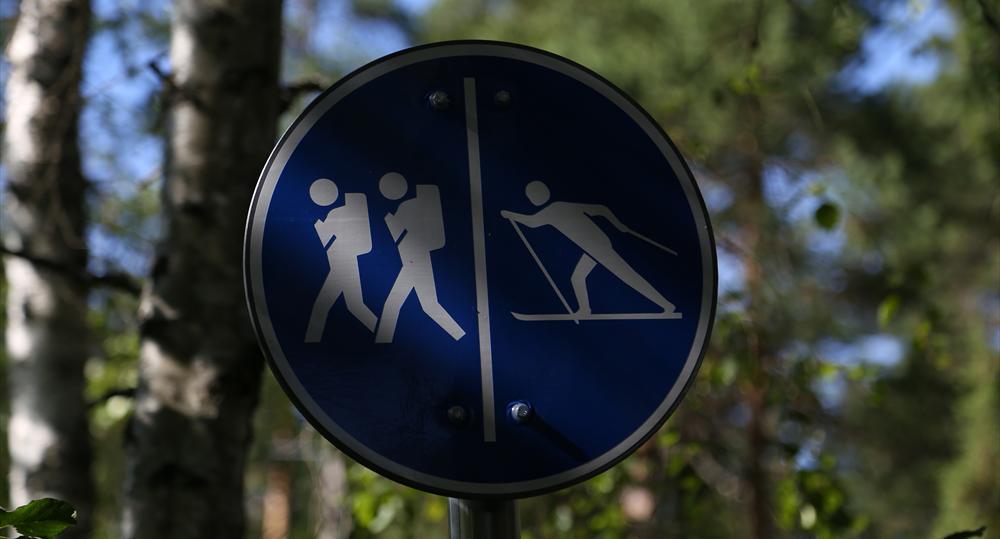
FCP participants found out that Finns are very attached to nature and love to exercise in the woods.

FCP participants found out that Finns are very attached to nature and love to exercise in the woods.

19. Country of coffee consumers

“Finns drink a lot of coffee, so one of the things I was looking forward to, was sampling some good coffee. As Finns mainly drink pretty light blend, the coffee was not even closely as strong as I expected it to be. In Ethiopia, coffee basically means a strong, very dark espresso-like drink.”

Eskedar Kifle, Ethiopia

20. Weather managers

“Unlike in France, nothing in Finland stops as soon as five centimetres of snow fall on the ground. The country has an amazing fleet of seven icebreakers that can break through up to seven-meter thick ice. In Finland icebreakers are almost like national treasures, something to be proud of, just like baguette for French.”

Erwan Morice, France

21. Through a camera lens

This is Finland for real! See Mohammed Alfaraj’s film about thisisFINLAND Foreign Correspondents’ Programme 2015 below.

Mohammed Alfaraj, Saudi Arabia

thisisFINLAND Foreign Correspondents’ Programme

In 2015, thisisFINLAND Foreign Correspondents’ Programme was organised between 10-28 August. The programme is targeted for young international journalists, and has been administrated by the Ministry for Foreign Affairs of Finland since 1990.

The programme provides the journalists an excellent opportunity to learn more about Finland, Finnish society and the Finnish way of life. It includes briefings on various subjects, meetings with Finnish professionals and visits to business enterprises, cultural sites and institutions.

By: FCP participants on fcp.finland.fi, Jenita Cresswell
Photos: FCP participants

Bringing up new designers

Finland is known for established and famous designers, but for a few days the youngest generation takes over Finnish design. Helsinki Design Week Children’s Weekend offers many free events to budding designers.

At Children’s Weekend kids can create a time machine out of Lego blocks or learn how to weave designs into a chain link fence. They can build huts or test the seaworthiness of their own miniature boats.

“I don’t know much about robotics so I’m excited about the electronic bug garden,” says Reetta Turtiainen. “That’s where you can build a motorised bug.”

Turtiainen has a lot to be excited about, because she is the coordinator for the event. Activities for kids have been featured at Helsinki Design Week since 2013, but they have proven to be so popular that the offering has expanded each year. Now the event in Helsinki includes 20 free activities on design and architecture for children.

“The most important thing is participating,” continues Turtiainen.

“This is not just going to a museum and looking at design – although that is important – but this is playing and experiencing. Kids need to try things themselves, to experiment with new materials and processes they might not otherwise be familiar with from home or school.”

Enriching experience

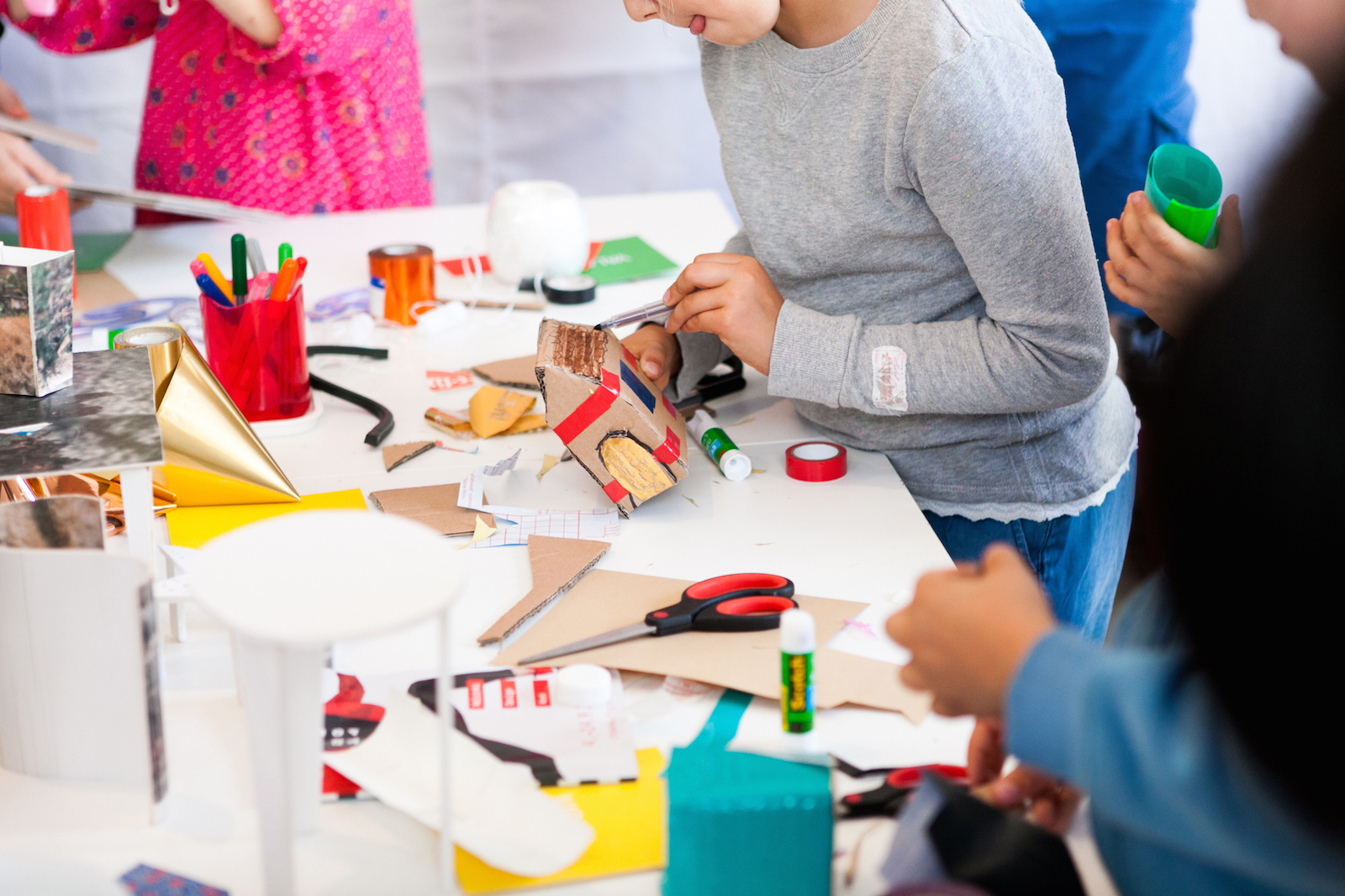
Helsinki Design Week Children's Weekend is about experimenting new materials and processes.

Helsinki Design Week Children’s Weekend is about experimenting new materials and processes.Photo: Aino Huovio

When people think of design they might imagine architecture, fashion or industrial design. These might not seem like activities for children, but Turtiainen disagrees. The event isn’t necessarily to recruit the next generation of designers but instead to expose kids to the fun of it.

“This may not be design as adults understand it, but kids don’t have to understand design,” Turtiainen explains. “The experiences enrich their lives.”

Parent David Kaye agrees. He signed up to take his boys, aged nine and seven, to Children’s Weekend. He points out that his generation had to make their own fun while kids today are more likely to have their heads buried in electronic devices.

“I remember building all sorts of stuff, including my own go-kart. We didn’t have help; we just experimented and made it up as we went and that was half the fun,” Kaye says. “I think all kids should go out and find random things and start building, creating, experimenting and playing. The real world is not contained within the confines of a five-inch screen.”

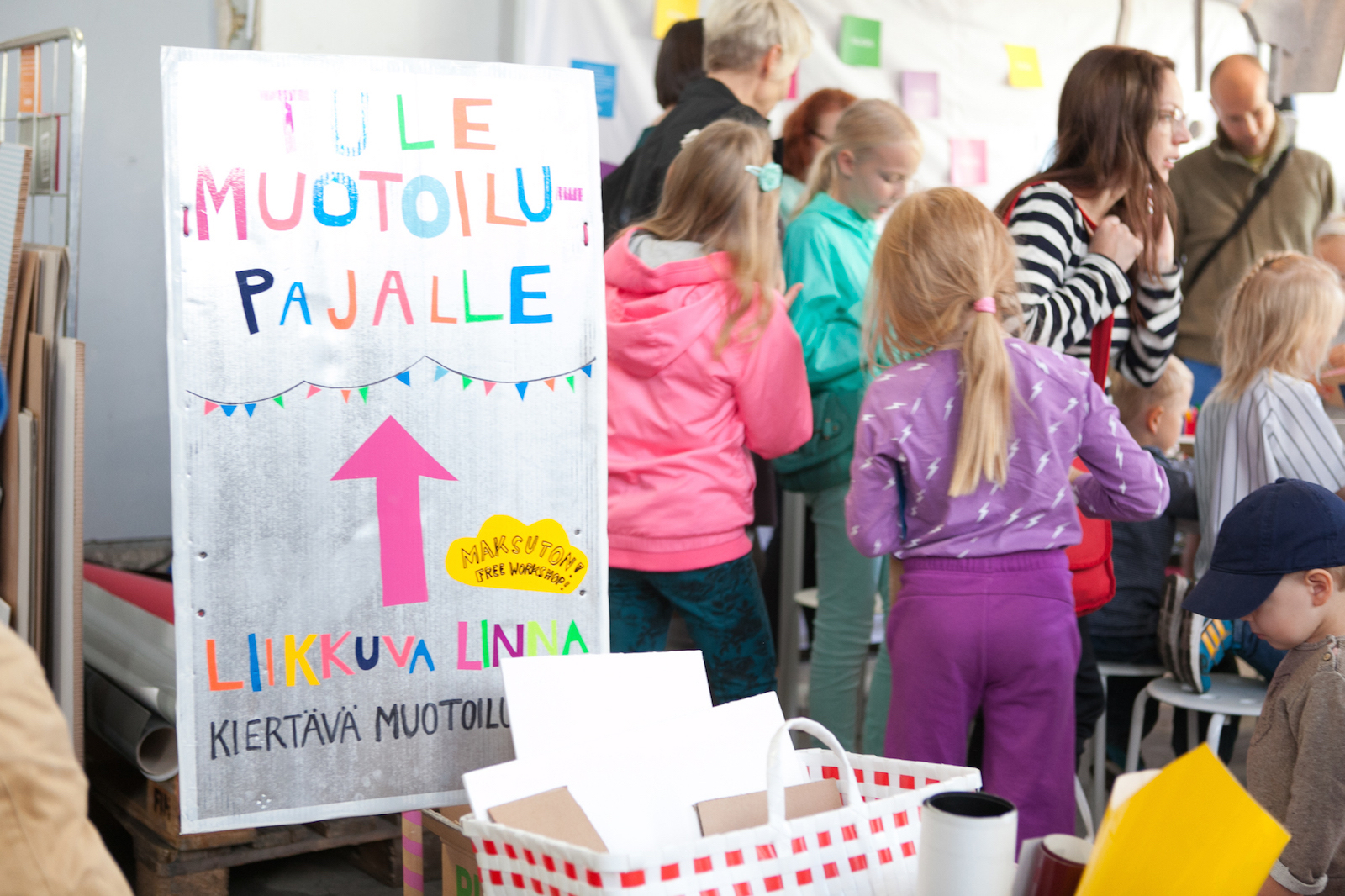
Be a child again

At Children’s Weekend everyone can be a child again.Kuva: Aino Huovio

Organisers set out to build a programme with a diverse group of activities with a variety of partners. Kids can use different materials to create characters and tell stories with the publisher Etana, build and float ships with the help of Silja Line, or use Lego blocks with Arkki, the School of Architecture for Children and Youth.

Helsinki Design Week remains geared towards adults, but Kaye points out that design is especially important for children. He says kids should understand and embrace design from a young age. Children are uninhibited and nothing is impossible to them.

“Design is not just about aesthetics but also problem solving,” he says. “It is how we react and interact with our world. Good design helps us live and enjoy life in new and better ways. The way a child’s mind works is magical: so many ideas and free thoughts. As we grow up, society tells us what to do. It restricts our creativity and makes us rationalise everything. Oh, to be a child again!”

Children’s Weekend is open to everyone and they have no age limits.

By David J. Cord, September 2015