Solving the big problems

Two winners from the Helsinki Challenge competition are now helping to solve the pressing issues of biodiversity loss and the lack of emotions in digital interactions.

Online communications are flat and aloof. We can’t use body language or the tone of voice to catch subtle meanings in what someone else is saying. Worse yet, its impersonal nature makes it easy to be cruel. Online bullying has even led some teens to suicide. Katri Saarikivi of Natural Emotionality in Digital Interaction NEMO, recognises the problem and says it has affected allvast of us.

“Once I was rude by accident to a very dear friend online,” she says. “She gave me a new recipe for brownies and I said ‘sounds awful’ as a joke because I’m a very picky eater and she knows that. However, later on when I looked at my comment and the lack of a response I realised that I had accidently just insulted someone I love.”

NEMO, the winner of Helsinki Challenge science competition, is developing ways to digitise and transmit emotions online so these problems won’t happen in the future. They will conduct research on digital empathy and create applications to emotionally enrich online communications. Open source code will allow any programmer to build new applications.
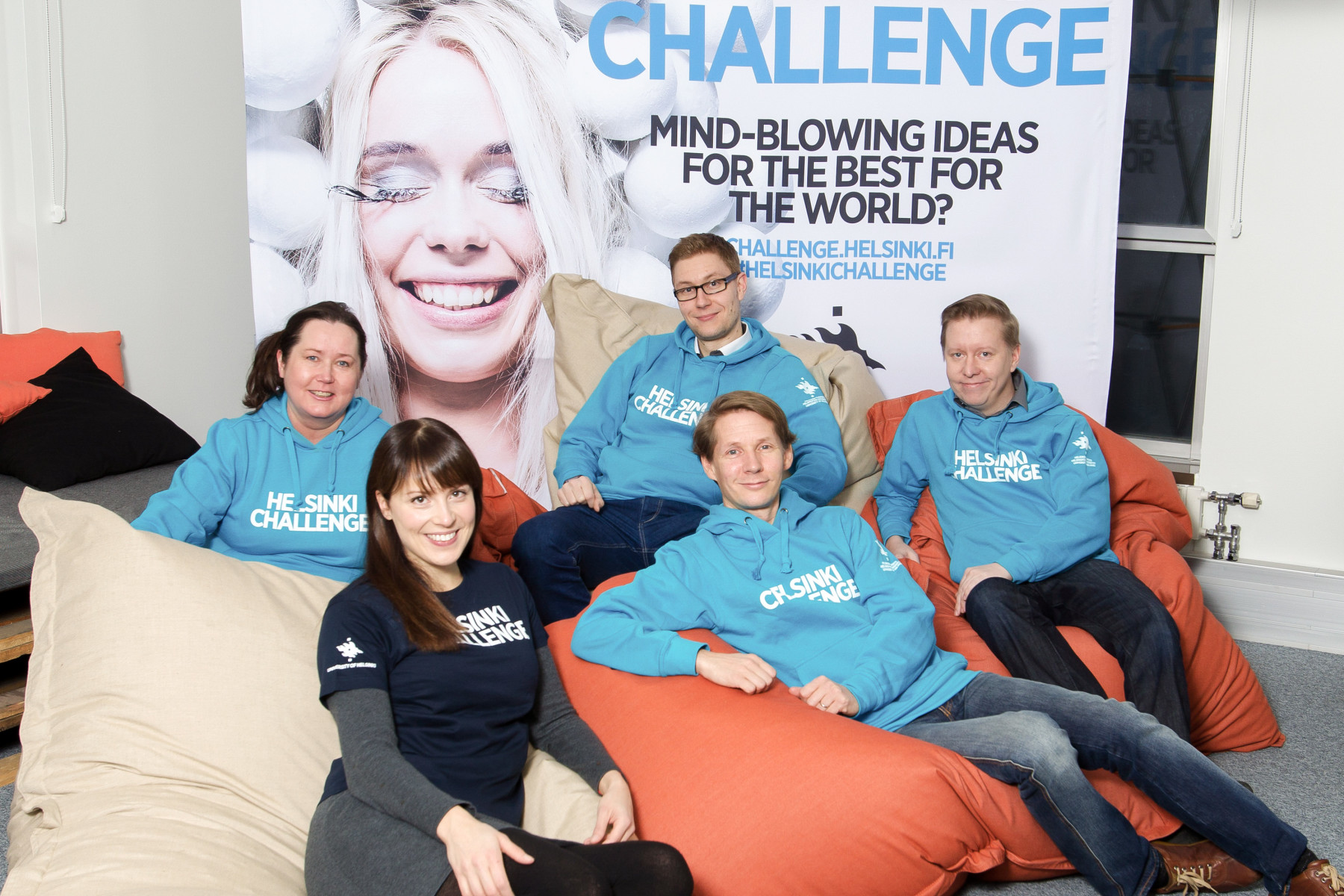
Natural Emotionality in Digital Interaction NEMO is developing ways to digitise and transmit emotions online. The team will conduct research on digital empathy and create applications to emotionally enrich online communications. Photo: Linda Tammisto/University of Helsinki

Hacking emotions

“We are going to finalise our plans for the first experiments and plan our research collaboration with our team members working on the kids show Pikku Kakkonen,” Katri Saarikivi says. “We are also in talks with a big, international software development company about arranging several Emotion Hack Days around the world. These events will bring scientific understanding and expertise to developers interested in making the internet a more empathy-enabling place.”

Saarikivi predicts that they will soon learn more about empathic interactions and begin to apply that information.

“A year from now we will have made interesting discoveries about the basic mechanisms that determine good interaction in face-to-face contact as well as online,” she says. “We will have created the first science-based applications together with Pikku Kakkonen.”

Saving biodiversity

My company needs a new warehouse. Unfortunately, the land we will use to build our warehouse is home to a threatened species of frog. But what if we could pay our neighbour to restore wetlands to their property to help the frogs? This solution to the dire problem of biodiversity loss is the brainchild of Biodiversity Now, a team out of Helsinki University which came in second place in the Helsinki Challenge competition.

“I think all our team members have tight connections to nature,” says team leader Markku Ollikainen. “I am from Eastern Lapland and since my childhood have seen the decline in bird populations, such as the willow grouse. This is due to the decline of suitable habitats and has been a long-term source of worry and sadness for me.”
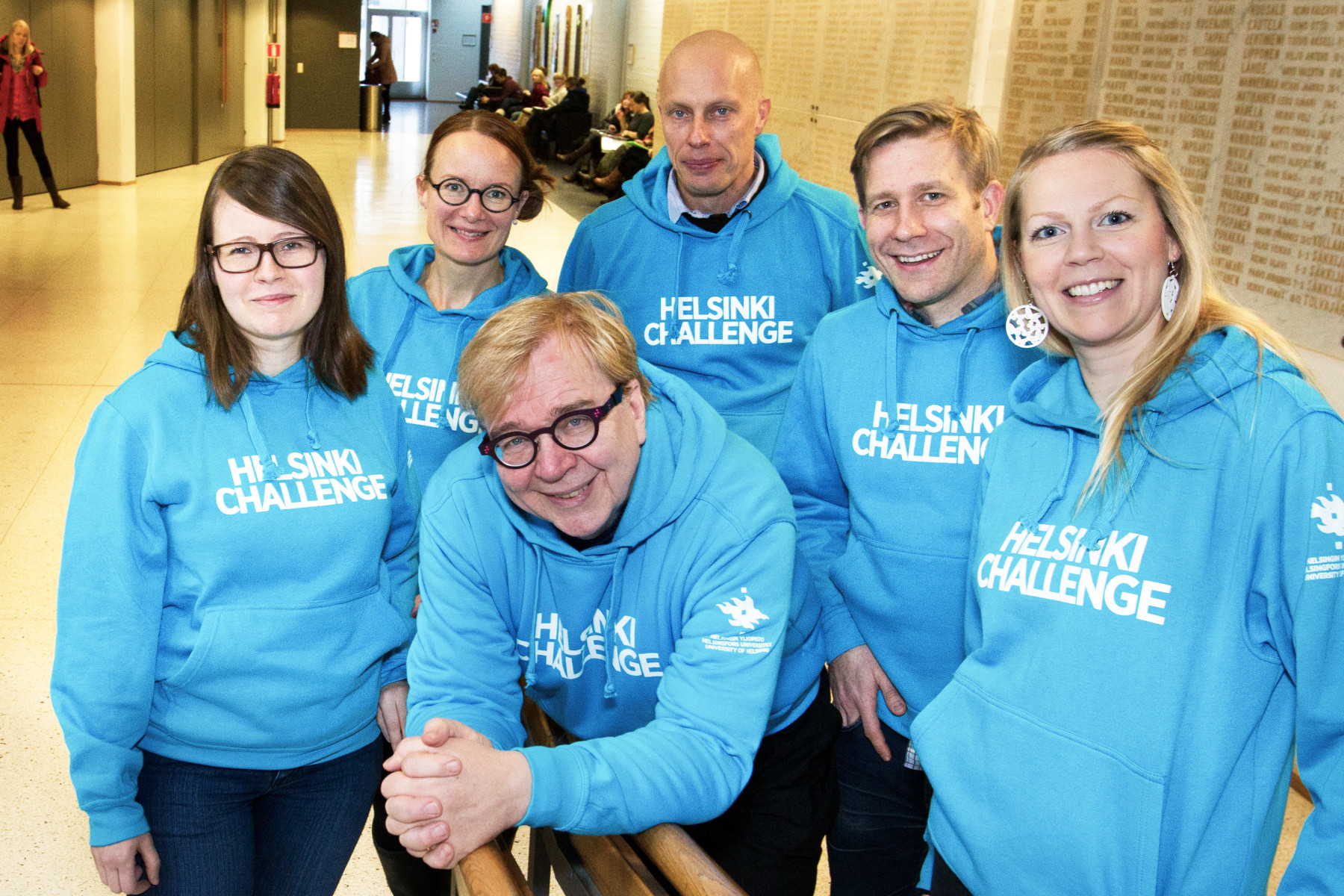
The solution to the dire problem of biodiversity loss is the brainchild of Biodiversity Now, a team out of Helsinki University which came in second place in the Helsinki Challenge competition. The Finnish Innovation Fund Sitra has agreed to help Biodiversity Now navigate the regulatory landscape and are also considering assistance with financing.Photo: Linda Tammisto/University of Helsinki

The best ideas are the simplest. This basic concept of offsets – like in carbon emission trading – has been in use for years. Yet no one has thought to use the same market-based solution to combat biodiversity loss until now. Several corporations and the Finnish organisation for rural entrepreneurs have already contacted Ollikainen to say they were eager to be involved.

The Finnish Innovation Fund Sitra has also volunteered to help with the pilot project. They have agreed to help Biodiversity Now navigate the regulatory landscape and are also considering assistance with financing.

“Biodiversity losses will be one of the burning mega-challenges in the future and we need to create solutions now when we still have time,” says Sitra’s president Mikko Kosonen. “Sitra is a future-oriented organisation and we foresee the megatrends and boost projects creating solutions.”

The idea is such that it could be easily exported abroad, so no matter where you live your local flora and fauna might soon be protected by a Finnish innovation.

By David J. Cord, March 2016
Island haven for endangered wildlife

Located on the rocky island of Korkeasaari, barely a stone’s throw from the centre of the Finland’s capital, Helsinki Zoo provides a hopeful refuge for endangered animals from exotic lands.

It seems strange to see animals like camels, lions, tigers and apes out in the snow on a winter visit to Korkeasaari. Many of Helsinki Zoo’s residents are creatures that typically thrive in cold or mountainous regions, but even those originating from warmer climes don’t seem too bothered by the icy breeze blowing in from the Baltic.

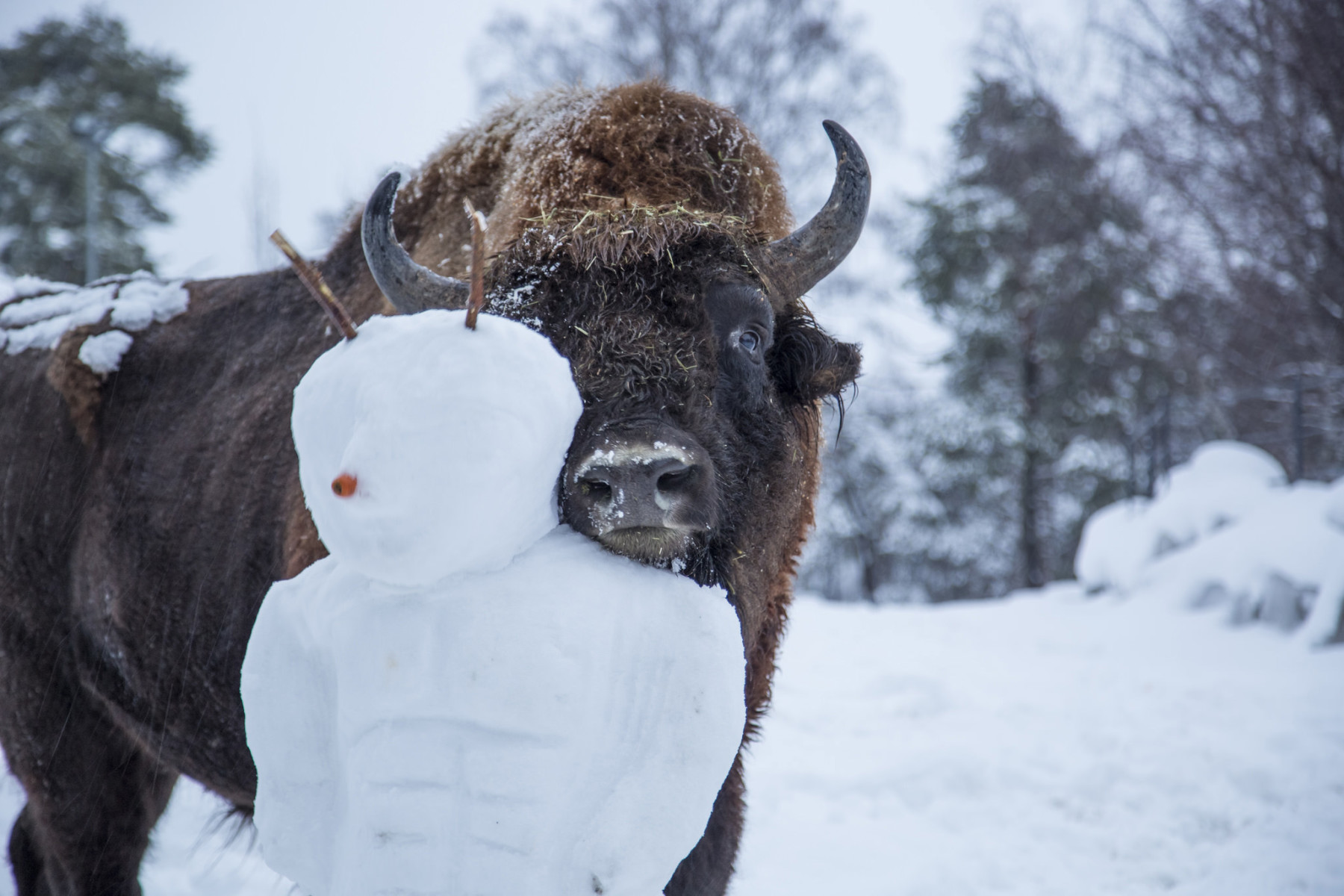
European bison born in Helsinki are today roaming the forests of Russia. But there are no plans to introduce the zoo’s abominable snowmen into the wild.

European bison born in Helsinki are today roaming the forests of Russia. But there are no plans to introduce the zoo’s abominable snowmen into the wild. Photo: Korkeasaari Archives / Mari Lehmonen

“The welfare of our animals is our top priority, and to enable them to behave more naturally it’s important that they can spend as much time in their outdoor enclosures as they choose to,” explains Nina Trontti, the head of Korkeasaari’s animal care unit. “For this reason it makes little sense to keep large African animals like elephants or giraffes here. But our Bactrian camels from Central Asia and our Barbary macaques from the mountains of northernmost Africa are naturally adapted to cold conditions. Our lions seem to cope well too, and it’s funny to see how their cubs love to play in the snow – like all children!”

The conservation of biodiversity is another top priority for all responsible zoos today. Helsinki Zoo has built up a proud reputation as a trusted partner in international zoo-breeding programmes that aim to save endangered animals from mountainous and northerly regions.


Beautiful big cats from the Far East

Nina Trontti herself serves on an international committee working to preserve the world’s rarest leopard: the Amur leopard from the upland forests of Siberia and NE China. “There are only 60-80 Amur leopards left in the wild, but we’ve managed to breed more than 20 here in Helsinki,” she says. “The cubs born here have been sent to other zoos in the programme, but some zoo-bred cubs should soon be rehoused in large enclosures in a reintroduction site in the Amur region, and we hope that their cubs will then be released to boost the wild population.”

Only 60-80 Amur leopards are left in the wild, but more than 20 cubs have been bred in Helsinki as part of an international conservation programme.

Only 60-80 Amur leopards are left in the wild, but more than 20 cubs have been bred in Helsinki as part of an international conservation programme. Photo: Korkeasaari Archives / Suvi Tihinen

“We’ve also bred more than 100 rare Himalayan snow leopards here at Korkeasaari since the 1960s through a similar long-term captive breeding programme – and we hope that our pair of splendid Amur tigers will soon raise cubs too,” she adds.

Nina Trontti’s own personal favourite zoo residents are markhors. These mountain goats with their strikingly spiralled corkscrew-like horns can be seen skipping blithely up the steep rocky slopes overlooking the pier where most of the zoo’s summer visitors arrive by boat. “We’re pleased that our markhors manage to produce kids here each summer, since markhors are endangered in their wild range in Pakistan and Afghanistan,” Trontti says.

Helsinki Zoo is a great place for kids – including those raised each summer by the island’s resident herd of endangered markhor goats.

Helsinki Zoo is a great place for kids – including those raised each summer by the island’s resident herd of endangered markhor goats. Photo: Korkeasaari Archives / Henrik Sundén

“In future we aim to increasingly offer the knowhow we’ve built up here to help with reintroductions back into the wild,” she adds. The zoo staff are proud that European bison and lynx born and bred in Helsinki are today roaming wild in the forests of Russia and Poland.

Local attractions

Helsinki Zoo also houses many Finnish wild animals, including bears, wolverines, lynx, otters, owls, elk and wild forest reindeer. These Nordic beasts particularly interest visitors from outside Finland, who make up about 10% of Helsinki Zoo’s 500,000 annual visitors. But they also appeal to many Finnish city kids who are unlikely to encounter these beautiful and impressive creatures anywhere else.

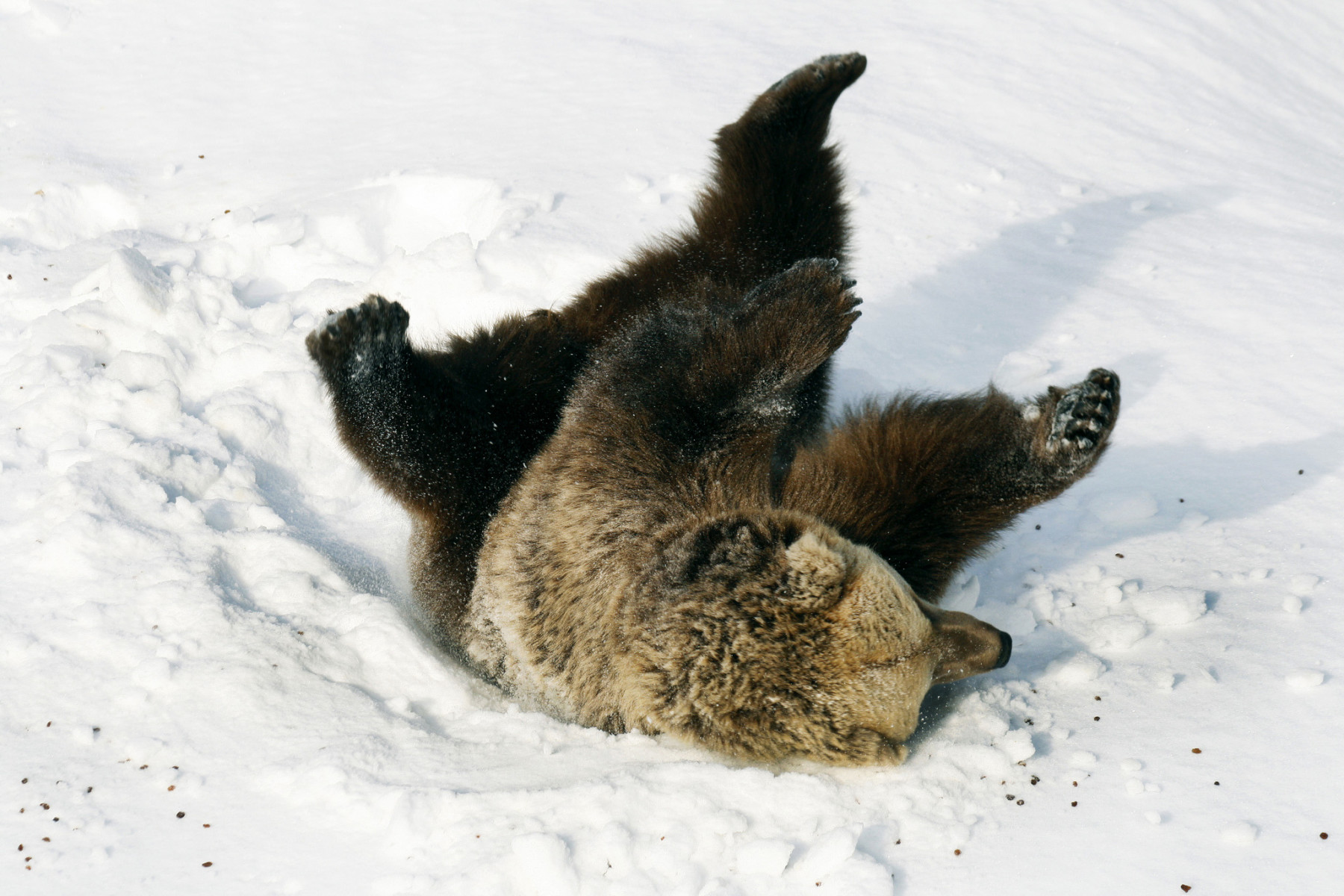
About 1,500 brown bears roam wild in Finland’s vast forests, but Korkeasaari is the easiest – and safest – place to encounter a frisky Finnish bear.

About 1,500 brown bears roam wild in Finland’s vast forests, but Korkeasaari is the easiest – and safest – place to encounter a frisky Finnish bear. Photo: Korkeasaari Archives / Mari Lehmonen

Education is also very much part of the zoo’s work. Korkeasaari’s new nature school facilities opened in January 2016, and crowds of eager schoolchildren will soon be busily exploring the island and enjoying specially designed creative tasks and animal-themed projects.

“We believe there’s very much a justifiable place for zoos today – not only for conservation, but also to give people more direct emotional contact with animals,” says Trontti. “We can all see amazing images of wildlife on the internet and TV nature documentaries, but it’s quite different to encounter a huge elk or a powerful tiger eye-to-eye!”

A day at the zoo

Helsinki Zoo stays open through the winter for animal-lovers and anyone keen to enjoy a bracing walk round the pleasant island of Korkeasaari.

Helsinki Zoo stays open through the winter for animal-lovers and anyone keen to enjoy a bracing walk round the pleasant island of Korkeasaari. Photo: Korkeasaari Archives / Maarit Hohteri

Helsinki Zoo makes for a good trip out all year round. In winter the peaceful island can be reached by footbridge from the terminus of bus 16, which visitors can catch in Railway Square or by Kulosaari metro station. Korkeasaari becomes much more popular in summer, when boats also run regularly to the zoo from the Market Square and Hakaniemi Square (1 May–30 September).

By Fran Weaver, March 2016

Finns brave chilly weather in hi-tech clothes

“There’s no bad weather, only inadequate clothing”, a Finnish saying that is based on a long tradition of knowing what to wear in a snowstorm or on a bright January day when it’s a crisp minus 35 degrees.

“It’s very easy to tell if you’re properly clad or not. Whatever you do outdoors, if you don’t get sweaty or too cold and if you can move freely, then the clothes are right. The best idea is not to have a thick coat but lots of layers that breathe and create a warm feel on your skin”, clothes designers Mari Talka and Mari Mattila-Kämäräinen of the outdoor brand Halti emphasize.

According to Ms Talka there are two main points in the Finnish clothes design: they have to look good and they have to do the job.

“As designers, we always look for the best technical solutions and materials and test them in harsh conditions. We tend to be rather minimalistic. We think of what’s necessary and then put the materials into good use so as to protect you in an extreme weather. Good quality looks good, too.”

Finnish winter clothes manufacturers also have a tradition of cooperation with top sports professionals. Brand Manager Hanna-Liisa Erkheikki of Halti points out that this is an essential part of product development.

“Athletes are the best specialists to tell whether a piece of clothing is useful or not. If a material or detail isn’t working, they will tell you”, she laughs.

“What works in sports environment, is also certain to work in demanding everyday use.”

Halti_Talvi_2015_507_Elina_JPG

In the early 2000’s Halti started to invest heavily on sponsoring of winter sports.Photo: Halti

In the early 2000’s Halti started to invest heavily on sponsoring of winter sports. Halti started  to work with various national ski teams and ski professionals, for example the International Ski Federation F.I.S. From 2007 to 2013 Halti was one of the main sponsors for the Alpine Ski World Championships. Co-operation with the Finnish Alpine Ski team and FIS have carried on ever since.

What about the future for Finnish winter clothes? Mari Talka explains that climate change brings new challenges as manufacturers will create more versatile clothing and use more environmentally sound processes while doing it.

“Technologies develop and intelligent materials are being tested which will react to the changes in weather. But we’ll employ them only if they prove to be durable and useful”, Mari Talka and Mari Mattila-Kämäräinen point out.’

By Ilpo Salonen, March 2016

Saturday means sauna in Finland

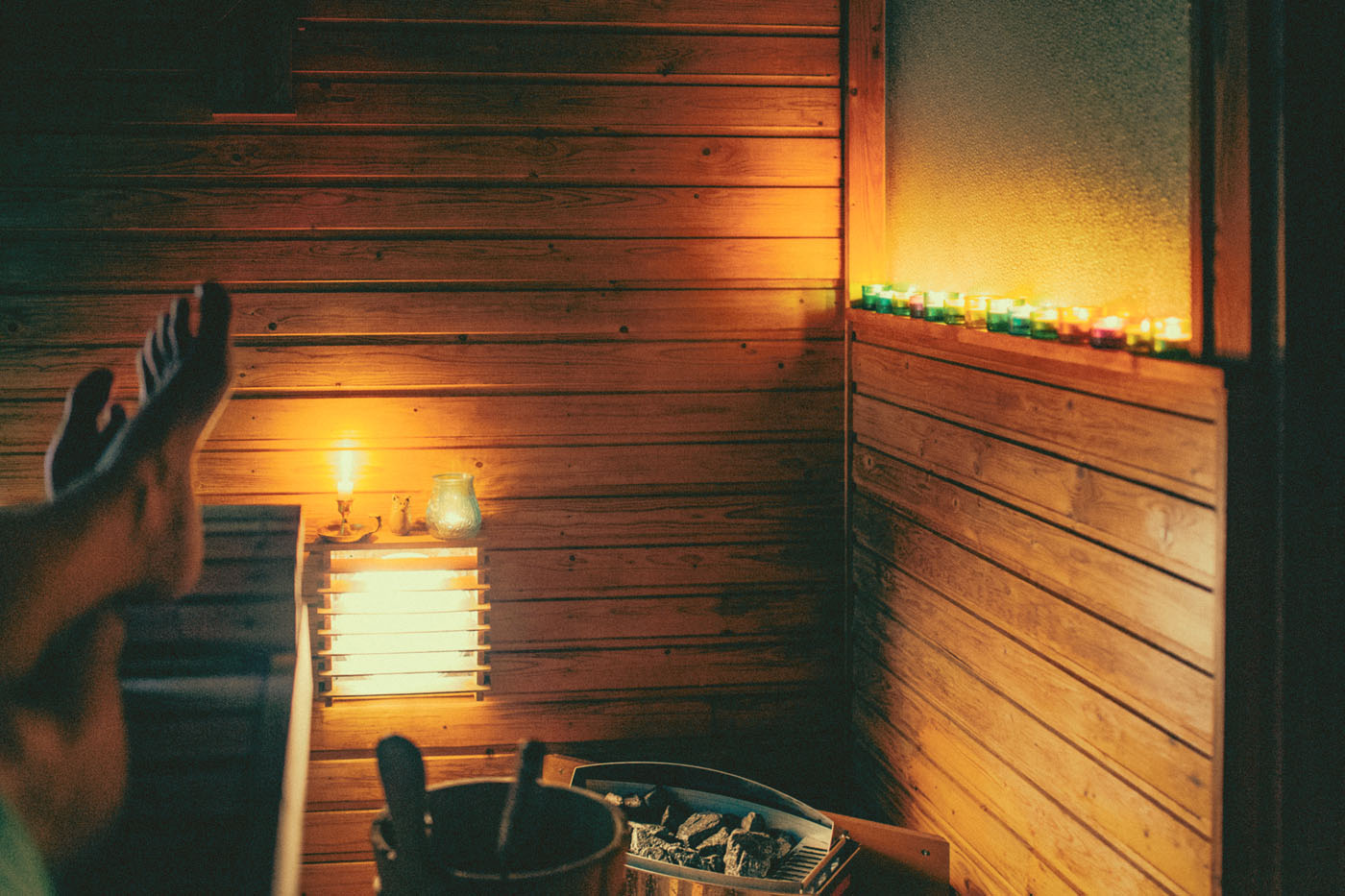
In Finland having a sauna can be a sociable activity or a solitary pleasure. People enjoy soaking in a sauna alone, with family or friends, or with business contacts. Communal saunas provide an informal setting for neighbours to get to know each other.

Special participatory days, like Restaurant Day for pop-up eateries and Cleaning Day for flea markets, are a uniquely Finnish innovation. Activists in Helsinki felt it was high time to add a new Sauna Day to the calendar, and encourage everyone in the Finnish capital to get heated up.

“Lots of public events are held around Helsinki each summer, but the summer’s so short that it would be nice for people to also get together at other times of year – and of course you can enjoy a sauna in any weather,” says Jaakko Blomberg of Yhteismaa, the organisation behind the Sauna Day event, which was first held in March 2016.

Finns are famously fond of soaking in saunas, most commonly at home with the family, while holidaying in their country homes, or after exercising in a public swimming pool or gym .

Finns are famously fond of soaking in saunas, most commonly at home with the family, while holidaying in their country homes, or after exercising at a public swimming pool or gym .
Photo: Kari Ylitalo / Visit Finland

Helsinki has a number of public saunas, but on Sauna Day many private saunas, including exclusive luxury facilities, are open to visitors. In addition to ordinary saunas in homes, apartment blocks and hotels, bathers on the first Sauna Day could also check out a backstage sauna normally frequented by rock stars, a sauna in a Mongolian yurt tent and a sauna in a giant barrel. Several rooftop saunas will test the theory that heat rises. Venues include saunas seating just two or three people, as well as rooms big enough for a couple of sports teams. Many of the saunas are heated by traditional wood-fired stoves.

In principle the Sauna Day saunas will be open free of charge, but some of their owners may charge a small fee to cover fuel costs, or sell refreshments. One sauna is offering fish burgers made of vendace – a small but delicious lake fish. To avoid having to queue for a place, bathers are encouraged to book sessions in smaller saunas in advance through the Sauna Day website.

Celebrating Finland’s rich sauna culture

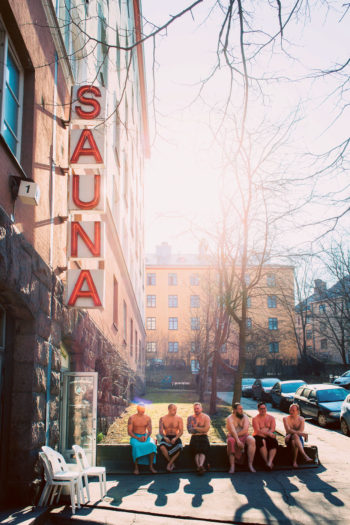
Local public saunas with traditional wood-fired stoves, like the ever popular Kotiharjun Sauna in Helsinki’s Kallio district, will also be open on Sauna Day.

Local public saunas with traditional wood-fired stoves, like the ever popular Kotiharjun Sauna in Helsinki’s Kallio district, will also be open on Sauna Day.
Photo: Jussi Hellsten / Visit Helsinki

Finland has as many as three million saunas shared among the country’s 5.5 million inhabitants. “By arranging Sauna Day, Yhteismaa and Visit Helsinki want to spotlight the diversity of Finland’s sauna culture,” says Blomberg.

Though some of those millions of saunas are only seldom used, Finns love saunas as a rule. Families frequently enjoy saunas together in their town homes and especially at their country holiday homes, while swimming pools and gyms maintain saunas for their customers.

“In Finland people find saunas a natural place to get to know people, since in a sauna there’s no room for pretensions,” says Blomberg. “Sociable sauna evenings are commonly organised by firms or by partying students.”

Helsinki’s first-ever Sauna Day in March 2016 was so warmly welcomed that the event is being organised again. “The popularity of the event shows that Finnish hospitality is alive and well,” laughs Blomberg.

Sauna Day goes global

Sauna Day organiser Jaakko Blomberg emphasises that Finns find saunas a natural place to get to know people, with no room for pretensions. Sociable sauna evenings are commonly organised by firms or party-minded students.

Sauna Day organiser Jaakko Blomberg emphasises that Finns find saunas a natural place to get to know people, with no room for pretensions. Sociable sauna evenings are commonly organised by firms or party-minded students.
Photo: Don Lehtinen / Vantaan sanomat

Initially the idea was to limit the event to Helsinki, but through the Sauna Day website sauna owners in other parts of Finland, in Germany and even in faraway Kuala Lumpur have also offered to open up their saunas. Anyone with a suitable sauna can join the event by registering their venue on the website.

The organisation Yhteismaa was set up in 2012 to promote participatory urban culture. Yhteismaa regularly arranges open social events including Cleaning Day flea markets, picnic dinners on downtown Helsinki’s Esplanade (Dinner Under the Sky), and public art exhibitions in private spaces.

Sauna Day is held several times a year. Bathers are encouraged to book smaller hotspots in advance on the Sauna Day website, but there should be plenty of room for everyone in the event’s largest saunas. Don’t forget to bring a towel!

By Anna Ruohonen, February 2016, updated October 2016

Eliminating waste in a circular economy

When it comes to making the most of materials and minimising waste, Finland already has plenty of expertise on how innovative technologies can be used in crucial sectors.

The concept of a “circular economy”, where all materials are fully utilised and recycled, is becoming increasingly appreciated as a vital goal in a world facing critical problems such as climate change and dwindling natural resources.

The European Union is finalising an ambitious Circular Economy Strategy, while the Finnish Government has prioritised investments promoting the circular economy among its new spearhead projects.

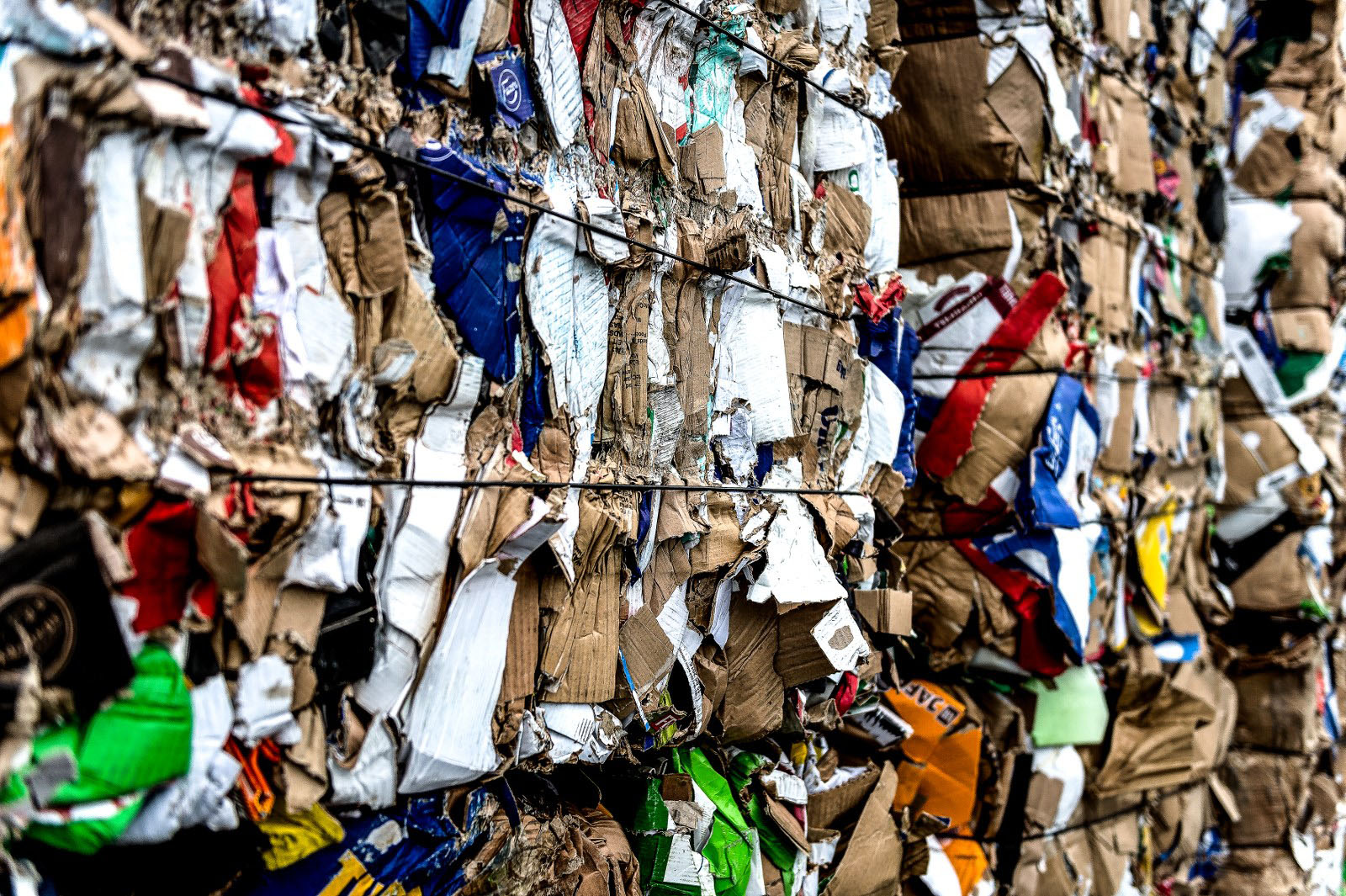
In conventional recycling Finnish families have long led the way when it comes to drinks containers and paper.

In conventional recycling Finnish families have long led the way when it comes to drinks containers and paper. Photo: Lassila & Tikanoja

“Building a circular economy will involve much more than recycling wastes. It will mean radical changes ranging from the choice of raw materials, through product design and new service concepts, to the wider use of sidestreams from industry as raw materials for other businesses,” explains Mari Pantsar, Ecological Sustainability Director at the Finnish Innovation Fund Sitra.

Material and energy efficiency in industry

“Finland’s pulp and paper industry is a prime example of a major industry where almost all the materials and sidestreams generated during wood processing are already utilised in many kinds of products or to generate renewable energy,” says Pantsar. Finnish firms are rapidly finding new applications for innovative biomaterials derived from wood – enabling the enhanced utilisation of biomass from Finland’s sustainably managed forests, where much more timber grows than is harvested each year.

Improved raw material use typically comes hand in hand with energy savings. As a country with a cold climate and no fossil fuel reserves of its own, Finland has long recognised the need to maximise energy efficiency in industry and buildings. Such exportable expertise is now more important than ever considering the need to reduce emissions and mitigate global warming.

In addition to building up a sustainable carbon-neutral bioeconomy by making better use of forest biomass, Finland is actively bringing the concept of the circular economy into other key areas.

Pantsar explains how machinery and electronic equipment should increasingly be designed to enable them or their different materials and components to be recovered for reuse. “The Finnish forestry machine manufacturers Ponsse have pioneered the concept of product modularity by integrating multi-purpose parts in machines that they can easily take back for maintenance and reuse – also through their international sales network,” she adds.

What goes around comes around

Households can also help to eliminate waste and recirculate goods and materials through the economy by increasingly opting for leasing services, sharing schemes and second hand goods. In conventional recycling Finnish families have long led the way when it comes to drinks containers and paper. Improvements in collection, sorting and processing will next focus on other reusable materials including plastics, metals and textiles.

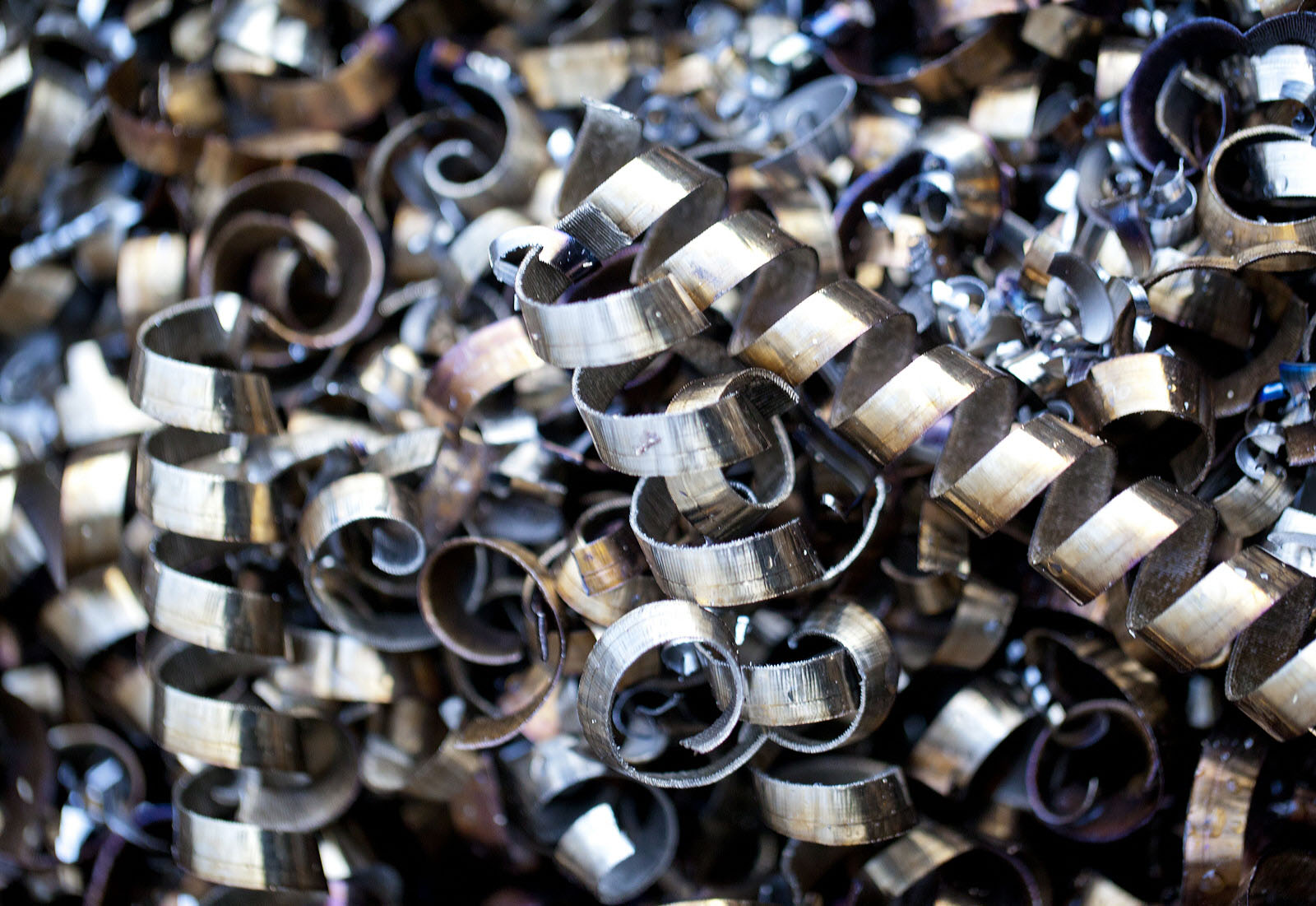
Improvements in collection, sorting and processing will next focus on other reusable materials including plastics, metals and textiles.

Improvements in collection, sorting and processing will next focus on other reusable materials including plastics, metals and textiles. Photo: Lassila & Tikanoja

Finland’s food producers and distributors are meanwhile aiming for radical reductions in food waste. The Finnish energy company St1 is pioneering the production of biofuel from food industry residuals.

Down on the farm, Pantsar explains that recycling the nutrients needed for growing crops is another crucial goal for Finland – not least because surplus nutrients in runoff from farmland worsen ecological problems in the Baltic Sea. “Instead of using imported chemical fertilisers, farmers are being encouraged to apply recycled organic wastes on their fields, or include nutrient-binding crops in cultivation cycles,” she says.

Sitra’s experts are helping to create an ambitious road map aiming to get goods and materials circulating smoothly throughout the Finnish economy. They have identified potential savings amounting to billions of euros a year in key sectors.

“Our plans emphasise close cooperation between industry, researchers, government agencies, legislators and local authorities,” says Pantsar. “Through R&D work new business models and modular product designs can be created that take into account the need for easy maintenance, multiple reuse and recycling right from the start.”

By Fran Weaver, February 2016

Three men and a baby box

Opening the maternity package opened a young man’s eyes to his future: “I am going to be a father”!

Every Finnish mother-to-be has received a maternity package since 1949. The package contains clothes and other accessories for the baby, packed inside a cardboard box that is designed to be the first bed for the little one. The package is a well-liked and valued component of the Finnish welfare state and at the same time something very familiar and cozy.

When the BBC did an article about the maternity package in June 2013 the Finns soon found out that for the rest of the world the whole idea of the maternity package was something quite exotic. The story spread on the web at an unforeseen pace and is now the most shared article by the BBC ever.

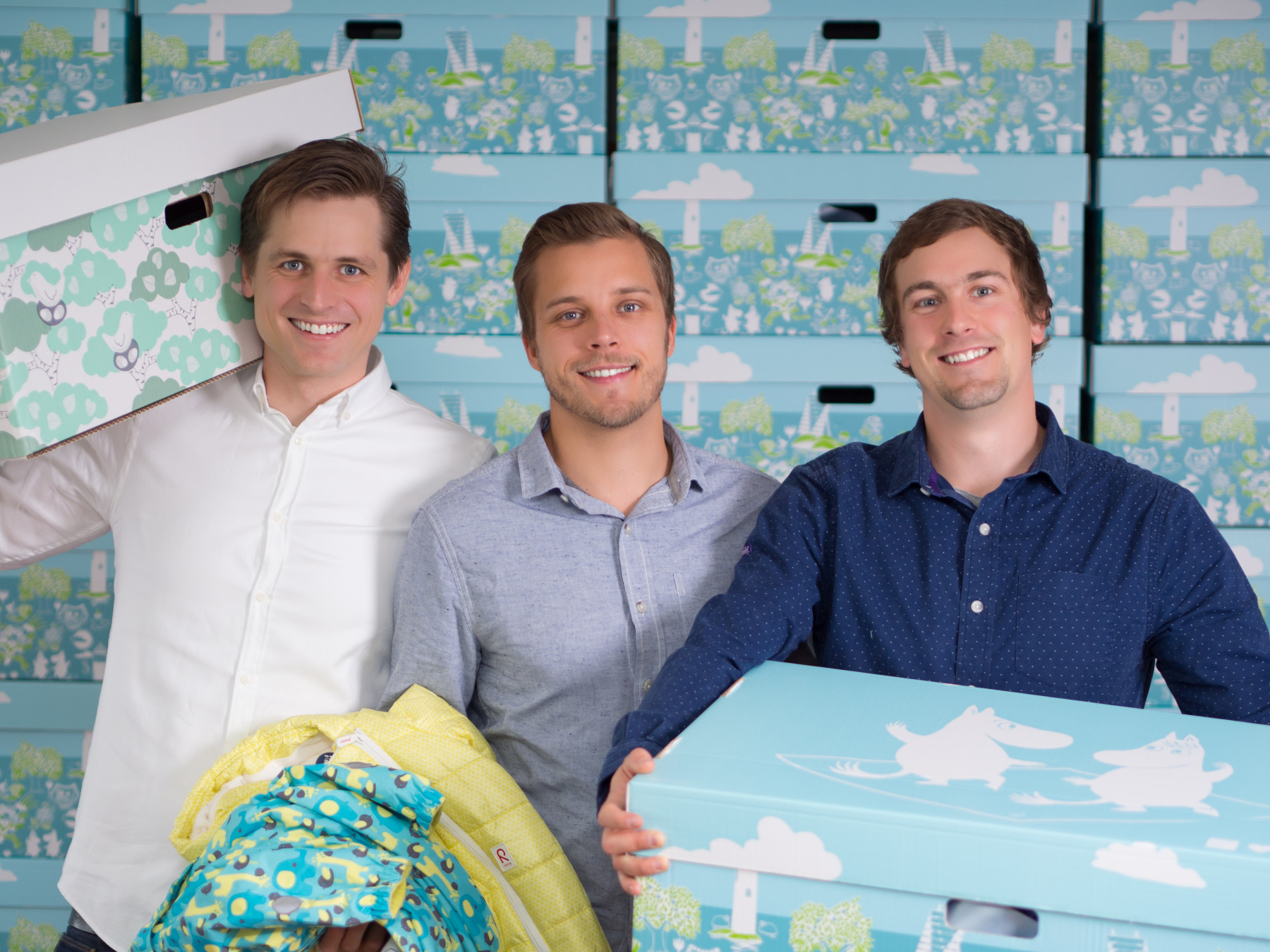
The Finnish baby box trio (from the left): Heikki Tiittanen, Anton Danielsen and Anssi Okkonen have altogether eight children. When they started their venture, Tiittanen managed the company’s affairs on paternity leave when his son was taking a nap.

The Finnish baby box trio (from the left): Heikki Tiittanen, Anton Danielsen and Anssi Okkonen have altogether eight children. When they started their venture, Tiittanen managed the company’s affairs on paternity leave when his son was taking a nap. Photo: Finnish Baby Box / Anssi Okkonen

Three young dads, all Masters of Science (technology), from the Helsinki region had marveled at the package even before the BBC article.

“For all three of us the opening of the package had been an intensive moment. ‘Gosh, I’m really going to be a father!’,” Heikki Tiittanen reminisces.

Living Room Start-Up

The popularity of the BBC article made the trio rush to action: the maternity package had to be made available for all. Kela, the social security institution responsible for the package, had at first been intrigued by the notion of selling the packages abroad. Unfortunately the idea is stymied by bureaucracy, at least for the time being.

In December 2014 the Finnish Baby Box company founded by Heikki Tiittanen, Anton Danielsen and Anssi Okkonen sent its first boxes to the wide world.

“The room of my soon-to-be-born third child acted as a warehouse and our living room served as both packing and dispatch department,” says CEO Tiittanen.

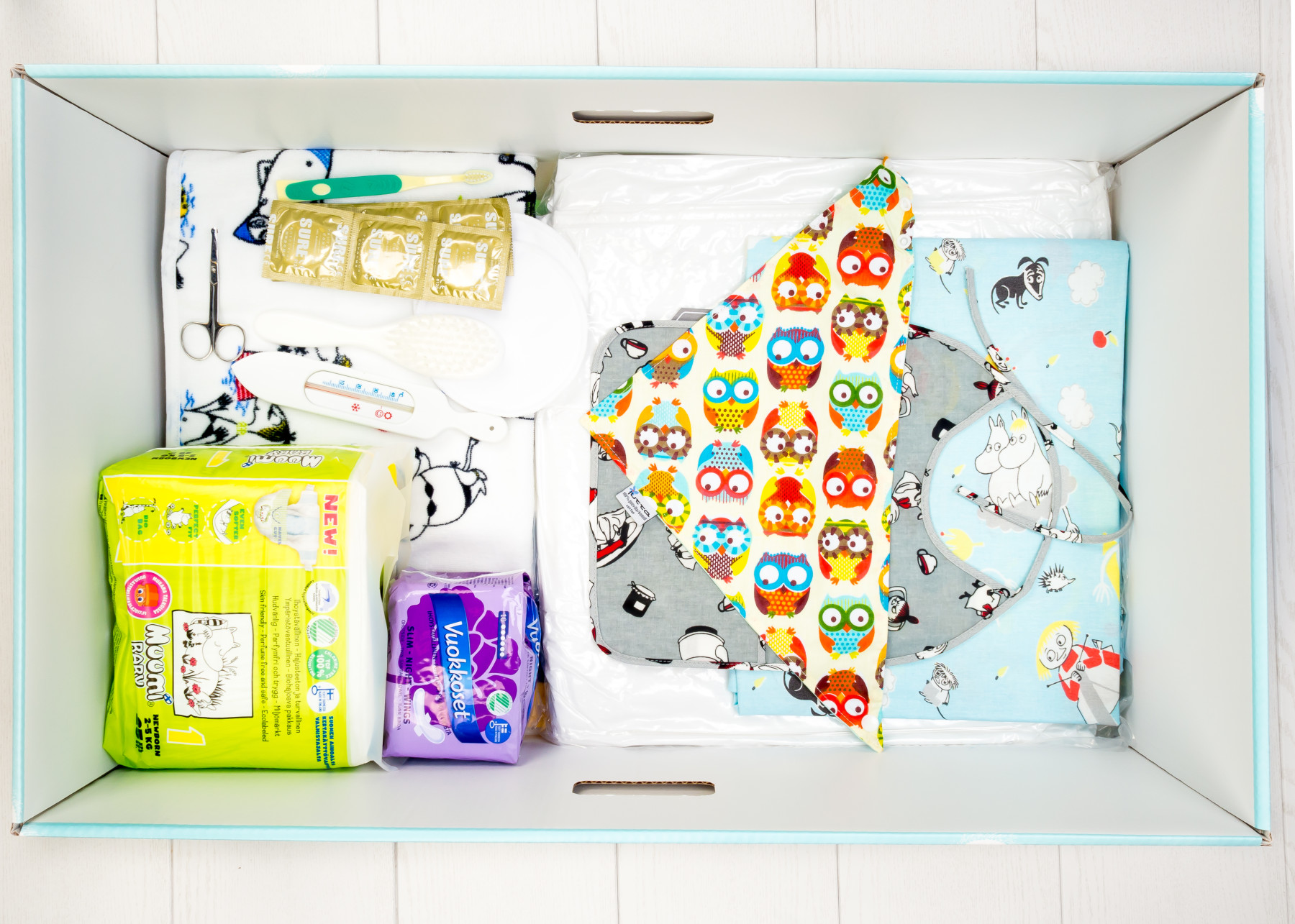
The baby box includes among other things clothes, sleeping bag, bedsheets, nail clippers, thermometer, reusable nappies and a teething ring. Both the baby box and the original maternity package also include condoms.

The baby box includes among other things clothes, sleeping bag, bedsheets, nail clippers, thermometer, reusable nappies and a teething ring. Both the baby box and the original maternity package also include condoms. Photo: Finnish Baby Box / Anssi Okkonen

The first boxes were almost identical with the official maternity packages. That attracted some feedback straight away. For example, in Australia the customers didn’t see the need for thick snowsuit which is one of the most popular items in Finland. Nowadays the products are chosen by the customer’s country of origin: the Aussies get coveralls better suiting their climate.

Pants with socks attached?

According to Heikki Tiittanen their customers have been satisfied with both the design and durability of the clothes. In many countries the colors of baby clothes are strictly for either boys or girls, for example, blue and pink. The clothes in the maternity box, on the other hand, are neutral, meant for both boys and girls.

Nevertheless, Tiittanen and his colleagues have had to do some educating as well. The Japanese, for instance, have wondered about the pants with socks attached. They are called ‘potkuhousut’, kicking pants in Finnish, and they are very popular in the home country of the maternity box. When wearing ‘potkuhousut’, the baby can’t kick his/hers socks off because they are part of the suit.

And the bed box itself has also caused some confusion. “At first people laugh at it, but we encourage everybody to give it a try. In my own experience it’s a remarkably convenient bed for the first few months of the baby. And when it is no longer needed you can fold it away for recycling – or turn into a car, as I did with my middle born son,” laughs Tiittanen.

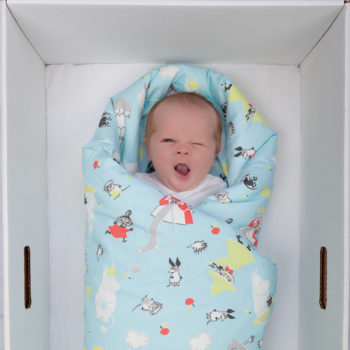
From the start there has been a mattress inside the box, meant to act as a bed for the baby. The box is still a very popular first bed in Finnish families, regardless of the family’s income.

From the start there has been a mattress inside the box, meant to act as a bed for the baby. The box is still a very popular first bed in Finnish families, regardless of the family’s income.Finnish Baby Box / Anssi Okkonen

The first year has been challenging but now the toil is starting to pay off. Finnish Baby Box has hired its first employees and moved out from Tiittanen’s living room. Boxes have been sent to over 50 different countries and customers are served online in English, Japan and soon in Chinese.

When Tiittanen, Danielsen and Okkonen launched their venture, they had altogether five children. At the time Tiittanen was on paternity leave from work for six months and managed the company’s affairs when his son was taking a nap. Now the trio has a total of eight children. All the products in the box have been tested and found commendable with their own children.

“If there’s one thing I hope it’s that fathers around the globe could be more involved in their children’s first year. I have experienced myself that the bond it creates is a strong one.”

By Tuomo Tamminen, February 2016

The maternity box

In Finland and other Nordic countries it is completely normal to let babies have their afternoon naps outdoors, even in sub-zero temperatures, that’s why the baby box includes padded suit and a sleeping bag. “All Finnish parents know that babies sleep better outdoors. This is a very long tradition. It’s all about the right clothing: the colder it is, the more layers you need”, says Specialist in Paediatrics Erik Qvist of Pikkujätti Medical Centre for Children and Youth. Photo: Pekka Nieminen

In Finland and other Nordic countries it is completely normal to let babies have their afternoon nap outdoors, even in sub-zero temperatures. That’s why the baby box includes winter overalls and a sleeping bag. “All Finnish parents know that babies sleep better outdoors,” says specialist in paediatrics Erik Qvist of Pikkujätti Medical Centre for Children and Youth. “This is a very long tradition. It’s all about the right clothing: the colder it is, the more layers you need.”
Photo: Pekka Nieminen

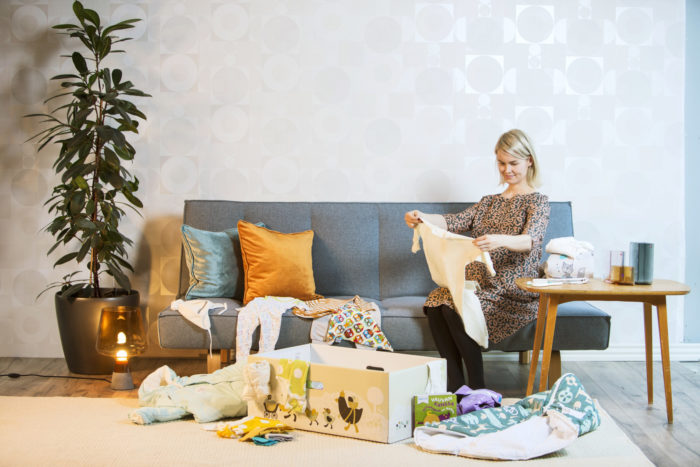
A warm sleeping bag, a hat with tiny pompoms and animal-themed baby clothes, all spread out on a living room that will welcome a small baby bringing great change. These are familiar images in Finnish homes, where a mother is preparing for the birth of her child. In Finland the social security system provides a maternity package to every expectant mother as a starter kit for the family.

The emphasis is on promoting the health and well-being of the mother and the child. The first maternity packages were given to low income mothers in 1937, and the public authorities decided who got the kit. The infant mortality rate at the time was high and the government wanted to ease the first months of the babies in the most deprived families with clothes, washing equipment and other accessories. Since 1949 the package has been available to every expecting mum, except those who lived in institutions or prisons. Those women were included in 1977.

From the start there has been a mattress inside the box, meant to act as a bed for the baby. The original idea of the box was to protect the infant from infections in cramped and meager war time conditions. The box is still a very popular first bed in Finnish families, regardless of the family’s income. Finnish mothers can choose money as a maternity benefit instead of the box but more than 90 percent of the mothers expecting their first child pick the box.

By Maarit Niemelä and Tuomo Tamminen, February 2016

A-Pop Castle 2016 was a success

The third edition of A-Pop Castle took place from February 1 to 4, 2016 in the Finnish winter wonderland of Lapland. It was attended by a total of 25 professionals from Japan, Korea and Taiwan.

The group included artists, songwriters, record labels A&R workers, music publishers and managers. There were also two dozen songwriters, producers and publishers from Finland, who were selected based on their applications.

”The whole experience of being able to work with inspiring, talented, good hearted Finnish producers was life-changing. I felt like this is what I love to do”, praised Sony Music Japan’s Mayu Wakisaka.

Best served with friends

DIY restaurants and street food festivals spice up the Finnish food culture – and are here to stay.

A new kind of communal vibe has swept through the Finnish restaurant scene. Restaurant Day, held four times a year, allows anyone to set up a restaurant for a day. We have seen some creative ideas: food is served from windows, from cars, or even on a quay at the lake front. Launched in Finland in 2011, Restaurant Day is now one of the world’s biggest food carnivals. One-day restaurants have so far popped up in 72 different countries. In May 2015, people set up 2,497 restaurants in 34 countries.

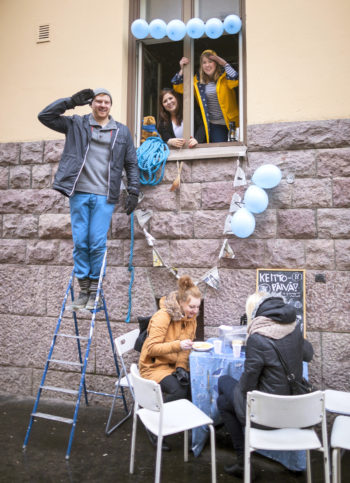
Restaurant Day at Helsinki. A welcoming salute from the staff of Keittopäivä! (transl. Soup Day!): Paul Kernick (left), Noora Virtaniemi and Mia Lehto. Customers ar enjoying the soup.

Restaurant Day at Helsinki. A welcoming salute from the staff of Keittopäivä! (transl. Soup Day!): Paul Kernick (left), Noora Virtaniemi and Mia Lehto. Customers ar enjoying the soup.Photo: Roy Bäckström

Another recent foodie heaven is Streat Helsinki, an annual street food festival that gives food trucks and traditional Finnish night bite stalls (“snägäri” in Finnish) the place they deserve in Finland’s culinary scene. In 2015, 55,000 street food portions were sold during the event.

By Maarit Niemelä, February 2016