Finnish footprints

Here comes the sun

Finland placed second on the Global Cleantech Innovation Index 2017. This means that it is a very likely country for new cleantech companies to emerge and thrive. And don’t forget exports, either: for example, the Finnish solar energy company Savo-Solar just entered the Latin American market.

Give peace a chance

All of Finland celebrated in 2017 as one of the premier global peace makers, ex-president and Nobel Peace Prize laureate Martti Ahtisaari, turned 80. Carrying on Ahtisaari’s legacy, the Crisis Management Initiative (CMI), which he founded, is active in the Middle East, Ukraine and elsewhere, living up to Ahtisaari’s credo: There is no conflict that cannot be solved.

Make it clean

Finland has been building water systems in Vietnam for over 30 years. Presently, the focus is on towns with 4,000 to 50,000 people, where key infra like sewers and water purification plants are being built. During the joint project, sanitation, hygiene and water quality have been improved in over 20 Vietnamese cities.

Winning team
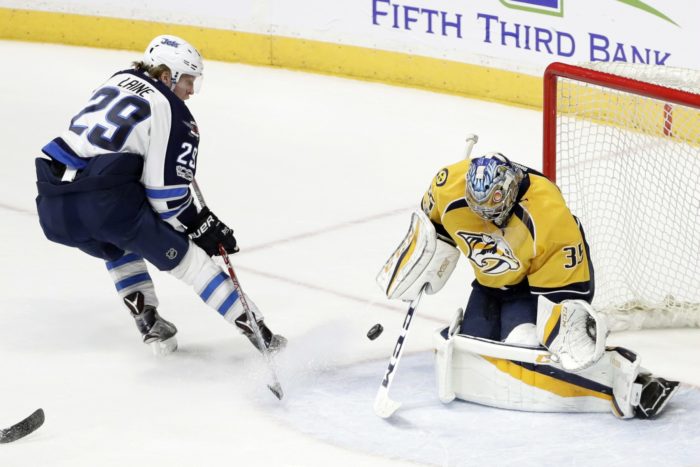
Playing for the Winnipeg Jets, Patrik Laine (29) veers after placing a shot on Nashville Predators goalie Pekka Rinne, another star Finnish player.Photo: Mark Humphrey/AP/Lehtikuva

When 20-year-old basketball player Lauri Markkanen signed a contract with the legendary Chicago Bulls, all of Finland was abuzz. Similarly, when a young, sharpshooting ice hockey player called Patrik Laine joined the Winnipeg Jets and put on a show in the NHL, Finnish people were overjoyed. Then Formula 1 speed demon Valtteri Bottas won the Russian Grand Prix in Sochi. Life is good!

Taking care of babies

The Finnish neuvola, or maternity clinic, is a tremendous concept: providing all the child healthcare required from prenatal to age 6 at the same location, free of charge. The Japanese, facing dropping birth rates, decided to borrow a page from Finland’s book and came up with their own version, localising the pronunciation to neubora.

Light and shadow

The Museum of the History of Polish Jews in Warsaw is a serious place – but not without hope and light. Its postmodern structure of glass, copper, and concrete, designed by Finnish architect Rainer Mahlamäki, celebrates life and human triumph over adversity, and earned the title of European Museum of the Year in 2016.

Face the music
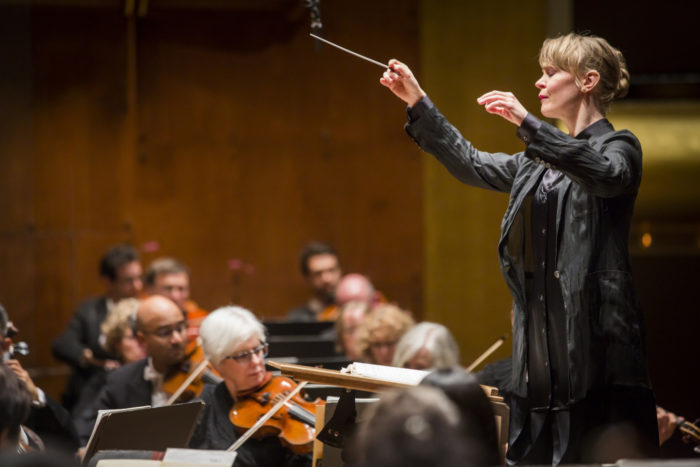
The New York Philharmonic is one of many orchestras Susanna Mälkki has led as guest conductor. At the time of writing, she is also principal guest conductor of the LA Philharmonic and chief conductor of the Helsinki Philharmonic.Photo: Chris Lee

Finnish conductors – Sakari Oramo, Jukka-Pekka Saraste and Susanna Mälkki, to name just three – have impressed audiences all over the world. The MVP of the bunch is Esa-Pekka Salonen, who single-handedly revolutionised the LA musical scene during his tenure at the Los Angeles Philharmonic from 1992 to 2009.

Walk like a Nordic

Nordic walking is catching on – with as many as 15 million people getting in on the act. Finland is the forewalker here, with half a million Finns swinging away. Not to be outdone, the Germans, Italians and Chinese are also going Nordic in record numbers.

The travelling Moomins

The first Mumin Kaffe (Moomin café) abroad opened its doors in Gamla Stan, Stockholm’s old town, and another will soon open in Tallinn, Estonia. They are decidedly child-friendly places where adults can have their cup of coffee while the kids enjoy a true Moomin adventure.

Hei hei, my my!

The Finnish education system is a winner – as countries around the world are discovering. A Finnish preschool concept, HEI Schools, launched its first kindergarten in Baotou, China in September 2017. Founded in partnership with the University of Helsinki, HEI embraces the Nordic values of accessibility and openness, and is one more example of Finnish educational prowess.

By Sami J. Anteroinen, ThisisFINLAND Magazine 2018
Finnish medal chances continue in Pyeongchang with Paralympics

When the Olympics end, the Paralympics are about to begin. A 13-person team represents Finland in the Pyeongchang 2018 Paralympics.

The Games include 80 events in six sports, providing ample viewing for all the sports junkies sitting at home in front of their screens: alpine skiing, biathlon, cross-country skiing, ice hockey, snowboard and wheelchair curling. The Winter Paralympics are growing in popularity, with 670 athletes competing in Pyeongchang, compared to 539 in Sochi. The amount of female athletes has increased 44 percent over Sochi.

Finland’s greatest medal hopes are Ilkka Tuomisto, who won silver in the men’s standing cross-country skiing 20-kilometre event at Sochi in 2014, and Matti Suur-Hamari, who won the 2017 World Para Snowboard Championship in snowcross and banked slalom. [Editor’s note: Suur-Hamari did indeed take gold in the snowcross LL2 classification, as well as bronze in the banked slalom LL2, and Ilkka Tuomisto won bronze in the 1.5-kilometre cross-country event Sprint Classic, Standing.]

Get a brief intro to the speed and excitement of the sports that make up the Winter Paralympics.
Video: Pyeongchang 2018 Paralympic Games

By ThisisFINLAND staff

The sisu within you: The Finnish key to life, love and success

One of the first things any article about sisu will tell you is that this Finnish word is untranslatable. Authors have been trying to find a parallel in English since at least January of 1940, when the opening paragraph of a full-spread piece in the New York Times ventured, “It is not easily translated, because no other language has its precise equivalent.” The headline read, “Sisu: A word that explains Finland.”

So how do you write about a country when its description rests upon an untranslatable word? It’s amazingly complicated, and yet also deceptively simple: Writers resort to explaining what sisu means, and in the process they reveal the inner workings of the people and society of Finland – what you might even call the soul of the country. This is what happens when Joanna Nylund takes on the subject in her book Sisu: The Finnish Art of Courage (2018, UK: Gaia; USA: Running Press). [Full disclosure: Nylund has also written and photographed for this website.]

Etymologically, “sisu” comes from a Finnish root word that implies “inner” or “inside.” This is one reason it is sometimes translated as “guts” or “inner strength.” Finland is a bilingual country; Nylund grew up in Raseborg, a southern town where both Finnish and Swedish are well represented, and she speaks both. (In the far north, the languages of the indigenous Sámi people also have official status.) Regardless of language, however, everyone living in Finland can lay claim to sisu. In addition, people all over the world are showing interest in the concept, as well. Just a few pages into the book, Nylund encourages readers, telling us, “You have sisu,” and, “It is within the reach of everyone. It lies within you.”

Action-oriented mindset

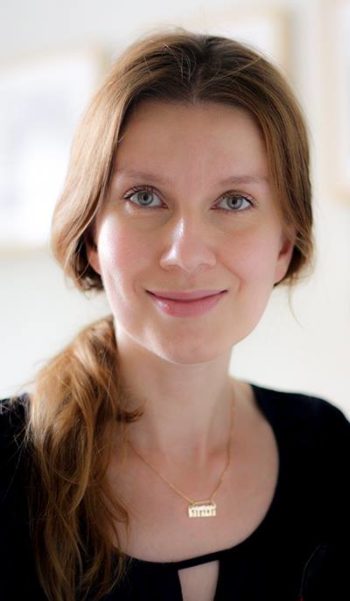
Portrait of a smiling Joanna Nylund.

Joanna Nylund conveys insights into Finland’s culture and society in “Sisu: The Finnish Art of Courage.”Photo: Joanna Nylund

She wrote the manuscript in English. At the time of this article’s publication, the book also appears in or is slated for release in Dutch, French, Hungarian, Korean, Portuguese, Russian and Vietnamese, not to mention Finnish. The book’s seven chapters allow Nylund to regard sisu, its manifestations and its applications from multiple angles.

The introduction informs us that, linguistically speaking, the concept of sisu goes back 500 years or more. It can refer to “stoic determination, hardiness, courage, bravery, willpower, tenacity and resilience.” It’s “an action-oriented mindset.” You don’t brag about having sisu; you just “let your actions do the talking.”

From there, the book branches out – and the definition of sisu further expands, or is further explained – to show how sisu can be applied as what amounts to an all-purpose philosophy of life. It comes into play when you tackle challenges such as fighting a war in the cold of winter, which is exactly what Finland was doing when the Times published its article, but it can also help you confront more common obstacles. It contributes to physical and mental wellbeing and helps you communicate with your partner, family members and colleagues. You can raise your kids to have sisu. You can use it as the basis for leading an active, healthy life, you can leverage it to progress toward your goals, and it might even help you find happiness.

In the process of illuminating sisu, Nylund also winds up with a well-ordered, engaging cultural guide to Finland. Much of the Finnish way of life and way of thinking either contributes to or is fed by the concept of sisu. If you’d like to emulate the Finnish love of nature, study the famous Finnish education system, admire the Finnish ability to make the most of extreme weather conditions (and have fun while you’re at it), or find Finnish inspiration for dealing with a large or small life crisis – or if you’re just Finn-curious – sisu plays a role.

The book includes, at regular intervals, tips for how to incorporate a sisu-like attitude into your own life: “Top tips to help you recharge: 1. Truly disconnect, 2. Embrace the silence, 3. Schedule alone time.” Or how about: “Top tips for getting back to nature: 1. Think low-key, 2. Think know-how, 3. Think preparation.” There are even recipes that embody sisu by including foraged ingredients, from blueberry pie to a vodka cocktail with blackberry, basil and lemon.

Running across sisu

An illustration of two people dressed in swimwear running on snow from a small wooden sauna to a lake.

Finnish people have been known to think that swimming in icy water is fun and healthy. It does help if there’s a sauna nearby so you can warm up afterwards.Illustration: Naomi Wilkinson

Did Nylund ever fear she might be extending the definition of sisu too far? If so, the fear was unfounded. “It does cover every part of life,” she says. “That’s what I discovered when I was thinking and writing.” She came to the conclusion that sisu “genuinely underpins a lot of things, and in that sense it wasn’t too much of a stretch to find it in different aspects of life.”

If you’re interested in Finland, you’re going to run across sisu. “The thought that carries everything [throughout the book] was that we show our sisu by our actions, and that’s why it’s necessary to talk to Finns and describe how we live in order for people to get a grasp of what sisu looks like.”

In Sisu: The Finnish Art of Courage, Nylund includes interviews with Finns who personify the idea, such as Arctic and Antarctic explorer Patrick Degerman and social activist and sisu researcher Emilia Lahti. Nor does the author forget to mention other examples of sisu, among them Nobel Peace Prize laureate Martti Ahtisaari, known for his work in resolving international conflicts, and long-distance runner Paavo Nurmi, who set records and won Olympic medals in the 1920s.

Anyone who writes a book like this, with its compact but all-encompassing look at Finnish culture, is bound to become an unofficial ambassador for the country. Nylund is fine with this. She fell into the role, she says, “unwittingly, but not unwillingly.”

By Peter Marten, March 2018

Merkel wins award in Finland, chooses group in Niger as prize money recipient

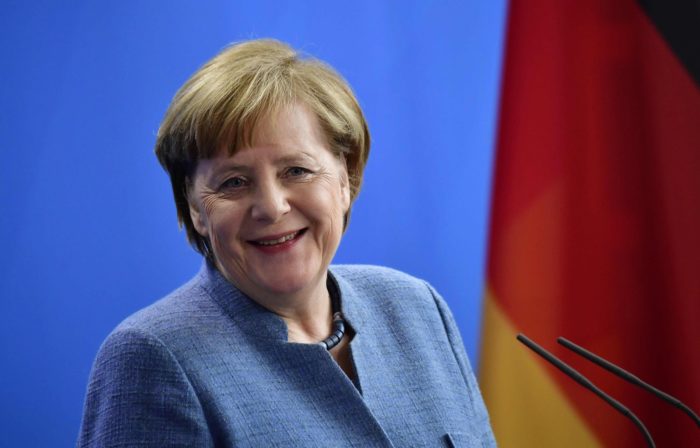
The prize recognises, as the organisers say, “a distinguished defender and builder of equality.” The inaugural award winner is Angela Merkel, Chancellor of Germany since 2005.

They announced the winner in December 2017, just as Finland was celebrating its 100th anniversary as an independent nation. The International Gender Equality Prize ceremony happened later in the southern central Finnish city of Tampere, on March 6, 2018, in order to place it close to International Women’s Day (March 8).

This time the prize money totalled 150,000 euros. Merkel decided to contribute the sum to a nongovernmental organisation in Niger called SOS Femmes et Enfants Victimes de Violence Familiale (SOS Women and Children Victims of Domestic Violence, known by its French-language abbreviation SOS FEVVF). The way the prize works, with the winner directing the money to a cause, allows the award to achieve a far-reaching, sustained effect.

Unable to attend the ceremony and reception in Tampere because of her work obligations, Merkel addressed the assembled guests by video. She called SOS FEVVF a “beacon of hope for women and girls affected by violence.”

Defending women’s rights and freedom

“It is worth the effort – wherever in the world we may be – to work to promote a culture of gender equality,” said German Chancellor Angela Merkel after winning the inaugural International Gender Equality Prize. The award money goes to a good cause chosen by the winner. Photo: Tobias Schwarz/AFP/Lehtikuva

Established in 1998, SOS FEVVF works against domestic violence in order to improve family and social cohesion, and to enable an everyday living environment where women – and children – can assume a greater role in determining the course of their own lives. The organisation provides support to women and children in distress; strengthens and guides women’s initiatives; and defends the societal rights and freedom of women and children.

SOS FEVVF president Mariama Moussa travelled to Tampere for the prize ceremony. Finnish Prime Minister Juha Sipilä and Tampere City Council Chairperson Anna-Kaisa Ikonen were there to greet her.  “The issue of fighting violence against women should not be minimised as a women’s issue,” said Moussa in her speech, “but must be recognised as a public-policy issue at the highest level.”

Her message to women and children victims of domestic violence, she said, was that “this NGO is at their side and justice will never give in.” She spoke of “the need to change social norms and discriminatory attitudes” in society at large. Moussa plans for SOS FEVVF to use the prize money to make a house of refuge for women and girls who are victims of domestic violence.

Wherever in the world we may be

It makes society better and happier for everyone when we build a society that ensures that girls are healthy, independent and respected – this just happens to be the number-one goal of Finland’s development policy, too.

“This international prize draws attention to the need to promote equality across the globe,” said Merkel. “The political and economic empowerment of women leaves much to be desired in many parts of the world. Yet it is greater empowerment that holds the key to sustainable development.”

She noted that gender equality forms one of the main goals the international community is pursuing in keeping with the UN Agenda 2030. It seems natural that Finland, a country that has experienced benefits from a “long tradition of equality between men and women,” as Merkel put it, would start a prize to recognise and encourage gender equality everywhere.

“It is worth the effort – wherever in the world we may be – to work to promote a culture of gender equality,” said Merkel.

International Gender Equality Prize in brief

– Founded in 2017 on International Women’s Day, March 8.

– The winner identifies an issue or action that advances equality, and the prize money goes toward that cause.

– The choice of award winner, and the actions of that person, will exemplify how investments in equality support every society, say the organisers.

– The prize emphasises Finland’s already strong role as a leader in gender equality issues, a value that can be traced back to 1906, when Finland was the first in the world to award women full political rights, allowing women both to vote and to run for election.

– For the inaugural edition, an online form allowed people from all over the world to propose suggested recipients; almost 400 names were submitted, and a selection committee chose a recommended winner.

By ThisisFINLAND staff, March 2018

Felines flourish at Finnish cat cafés

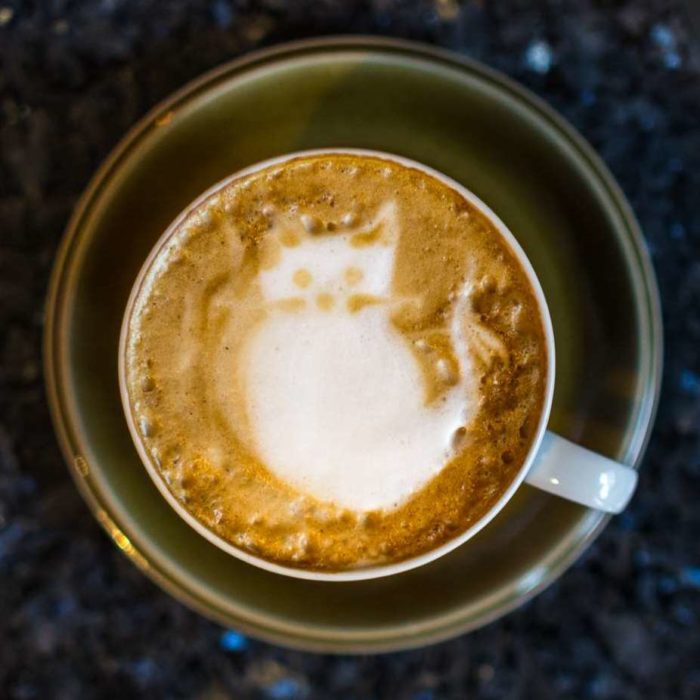
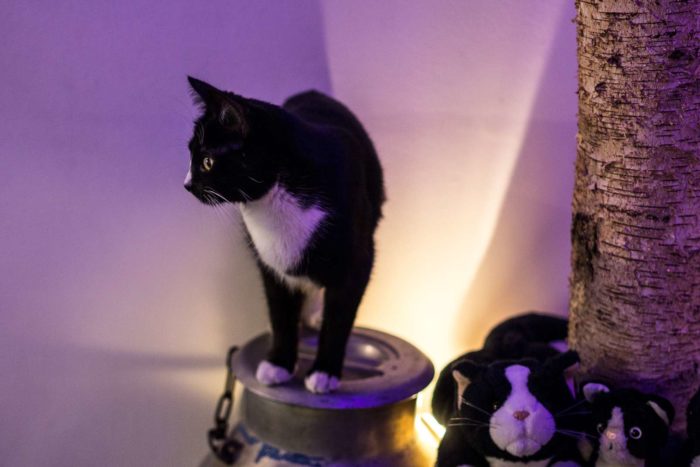
“In our café, we’ll pour you a cappuccino that’s like a work of art, with a picture of a cat in the foam,” says Tiina Aaltonen. She and her husband run Purnauskis Cat Café, the first café of its kind in Finland, in the southern central city of Tampere.

The Finnish capital doesn’t want to be outdone: Helsinki also boasts its own cat-inhabited coffee shop, called Cat Café Helkatti. The readers of local publication Helsingin Uutiset (Helsinki News) voted it the best café in Helsinki in 2016. Helkatti even offers cat yoga once a week – at the time of writing we hadn’t heard back from our feline informants about whether they actually prefer the cat pose to downward-facing dog.

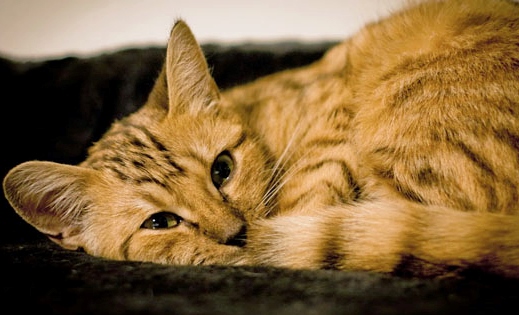
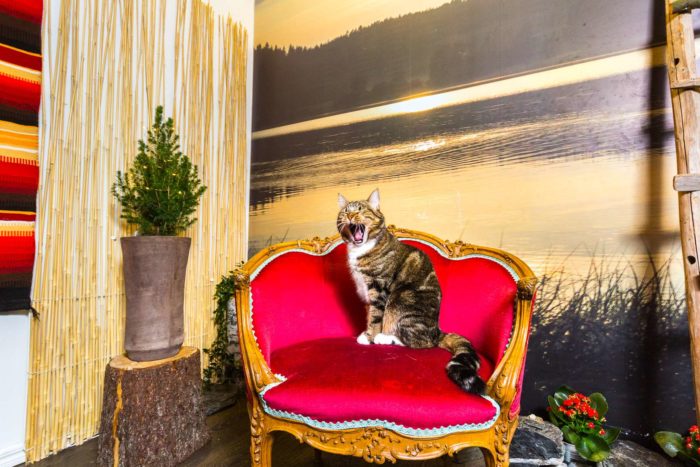
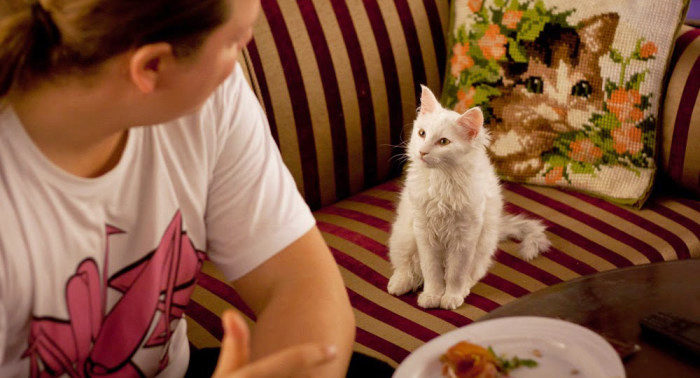
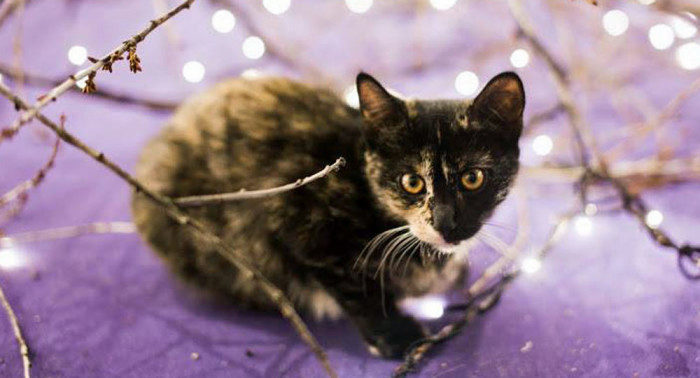
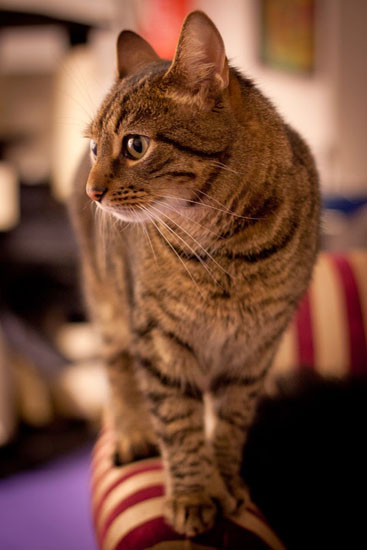
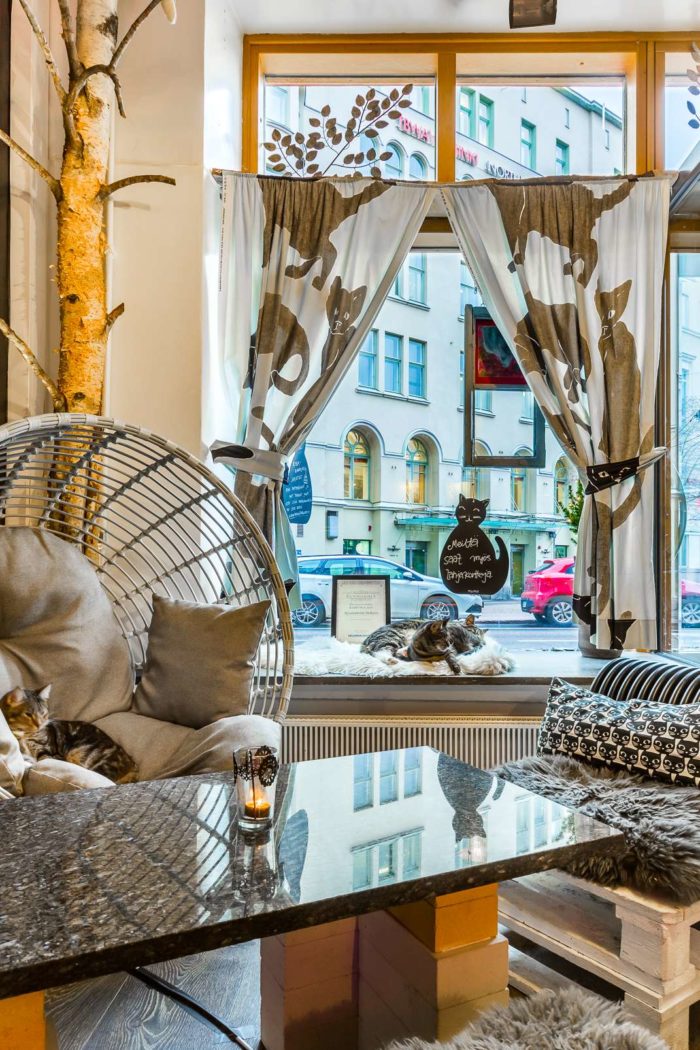
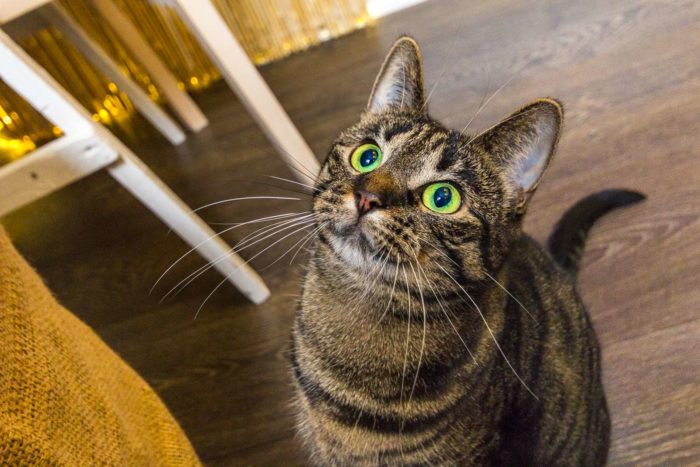
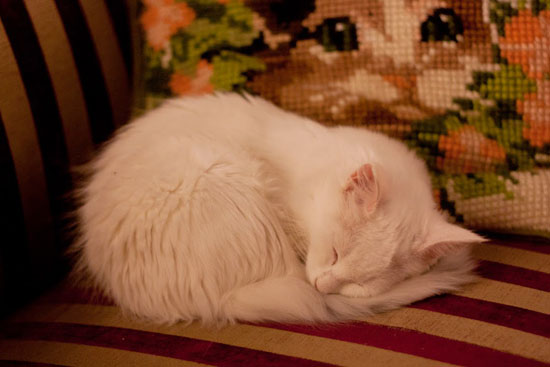
When you visit one of these cafés, you can see that the cats really own the place. Purnauskis is the realm of eight furry felines with names such as Nurri, Micu, Evo, Viiru and Lumi (Snow). They stroll down the hall, lie under the tables and sometimes play with customers’ shoelaces. The café customers are just guests – everything is done on the cats’ terms. And the café staff takes good care of them. (Article continues after slideshow.)

A catalogue of Finnish felines

“Customers like to pet the cats, snuggle with them and play with them,” says Aaltonen. “Parents often bring children here as a reward for behaving well at the doctor’s office, or as a birthday treat. People who have disabilities are also among our customers – we’re happy they enjoy holding and petting the cats.”

Only one of the Purnauskis cats originally belongs to the Aaltonens. All the others used to be homeless; they came to the café through Kisu, a feline-focussed animal protection organisation. As much as the café’s humans love having them around, “we’d be very happy if we could help these cats find new, loving homes,” says Aaltonen.

Helkatti cooperates similarly with Kisu; all but one of the Helsinki cats were homeless when the café welcomed them in. They go by names such as Tuli (Fire), Puu (Wood), Herkules, Nestori, Helmiina and (try to say this) Tyylilyyli.

By Anna Liukko and ThisisFINLAND staff, March 2018

Pelimanni music meets pixels in Finland

“I was wondering what it would sound like to play pelimanni music [Finnish folk music] with 8-bit sounds, and I presented that idea to my bandmate Antti Janka-Murros, a die-hard Nintendo enthusiast. We soon realised that it would be even more fun to have the music playing in a video game. I began to figure out whether I could create such a game, and now, a few months later, this game is available to download for free in the App Store and Google Play.”

A game which draws inspiration from our own tradition is the mobile game titled Pelimanni 8bit, created by the folk music polymath, multi-instrumentalist and graphic designer Jimmy Träskelin . Composer and sound designer Anni Tolvanen and Träskelin talk about the encounters between folk musicians and the world of pixels.

Finnish museum brilliantly leverages the art of Donald Duck

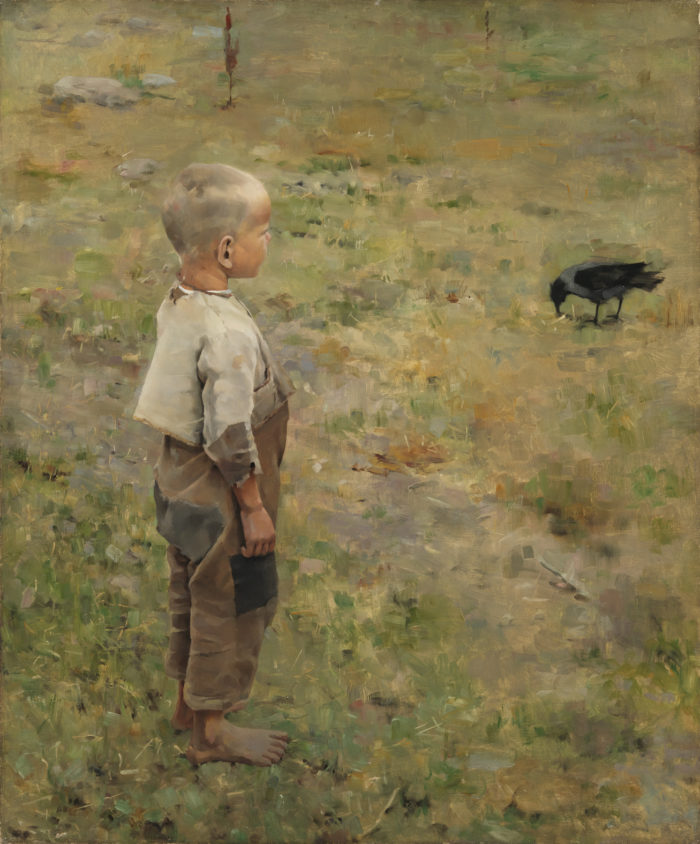
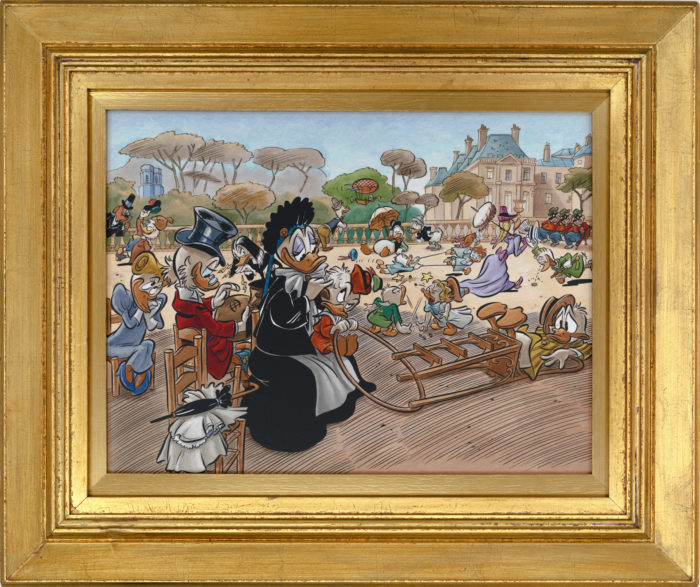
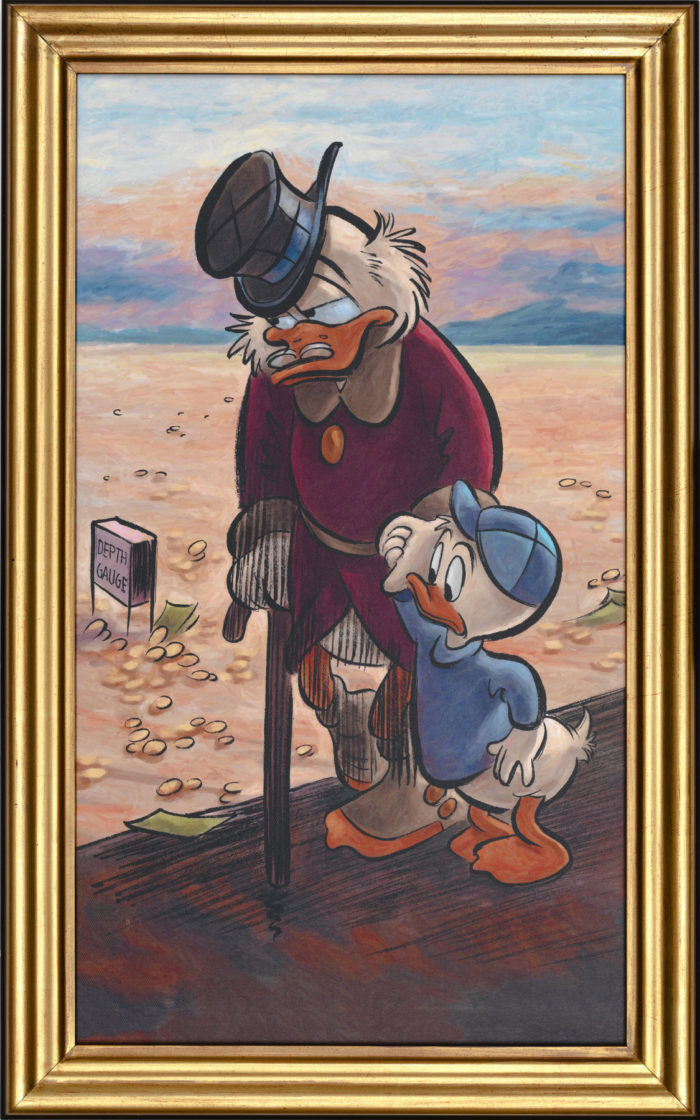
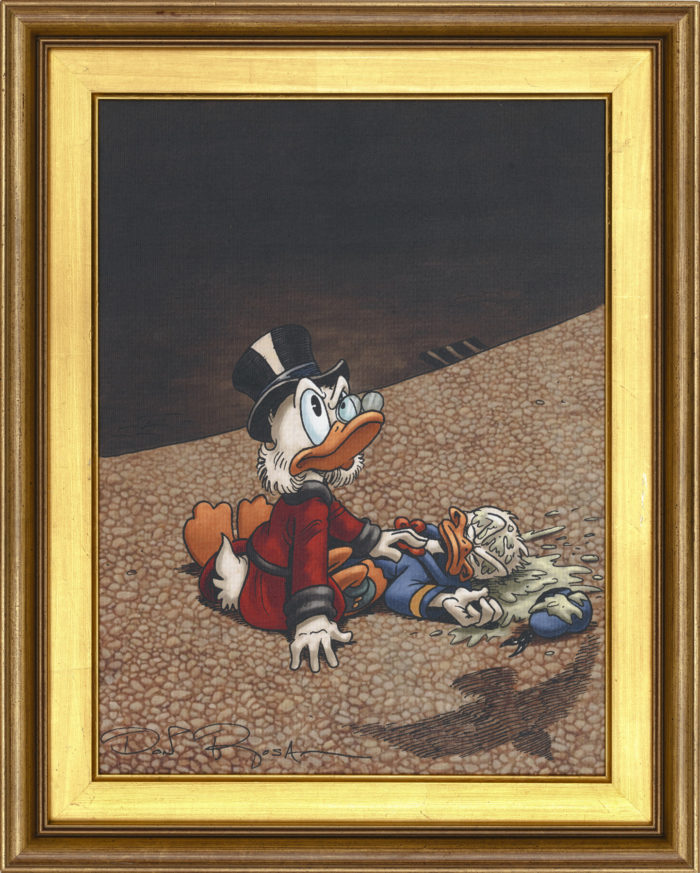
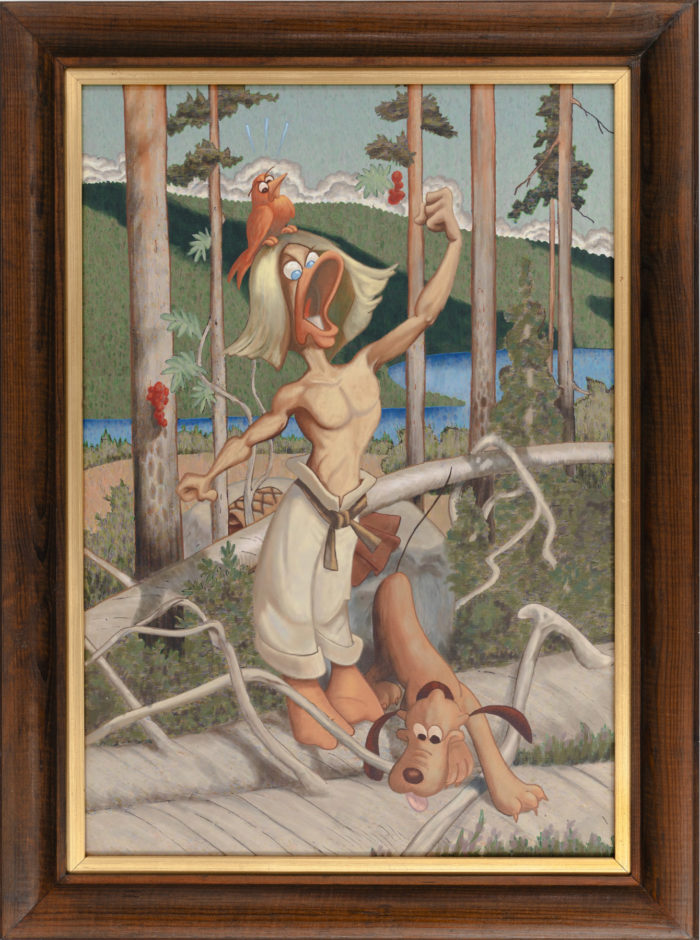
“Excuse me, where are the Donald Duck paintings?” The staffers in the galleries of Helsinki’s Ateneum Art Museum heard this question thousands of times over a space of several months. Another thing they often heard is, “I’ve never been to a museum before, but I came to see the ducks.”

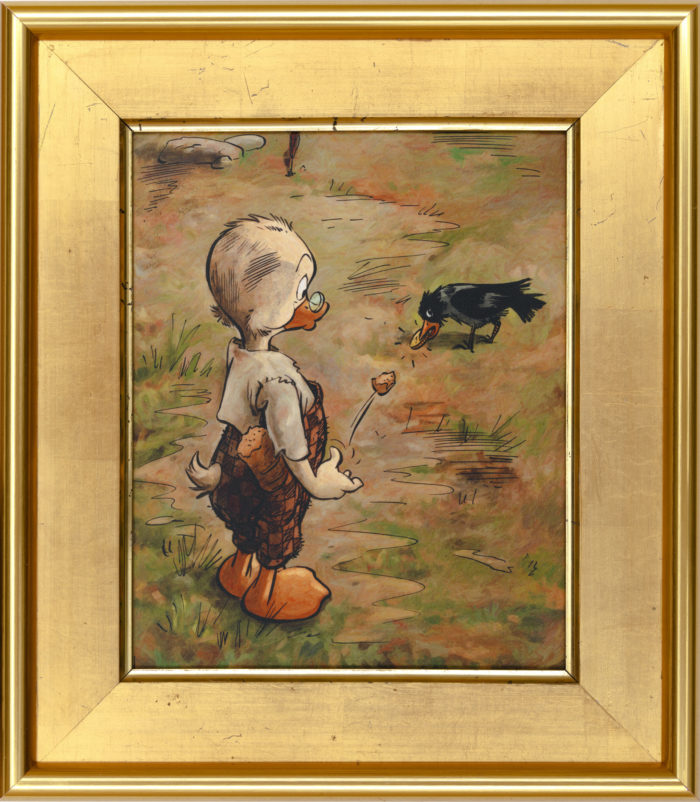
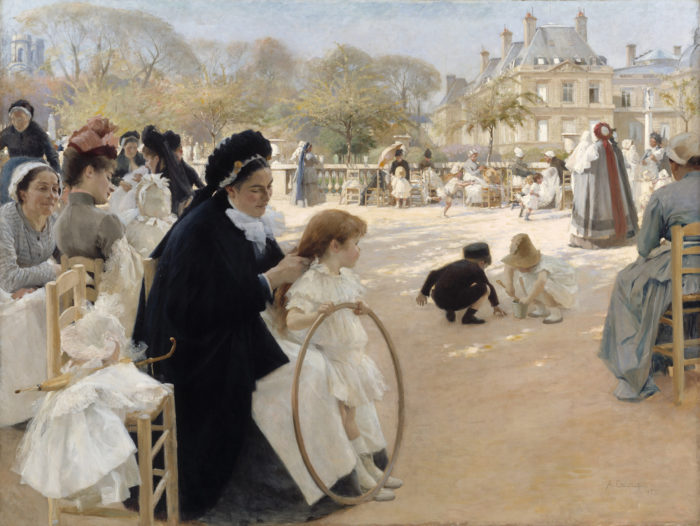
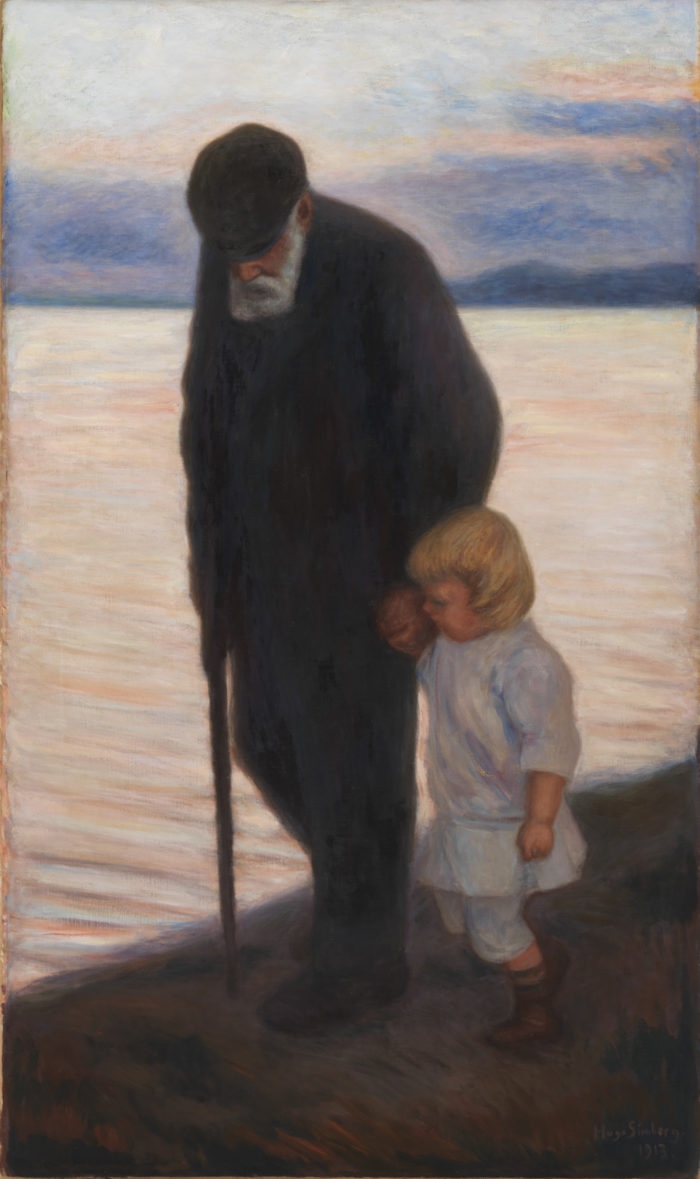
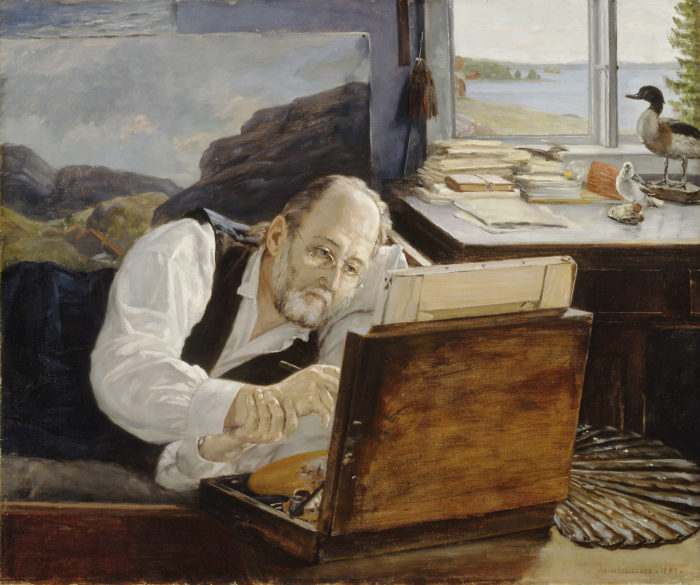
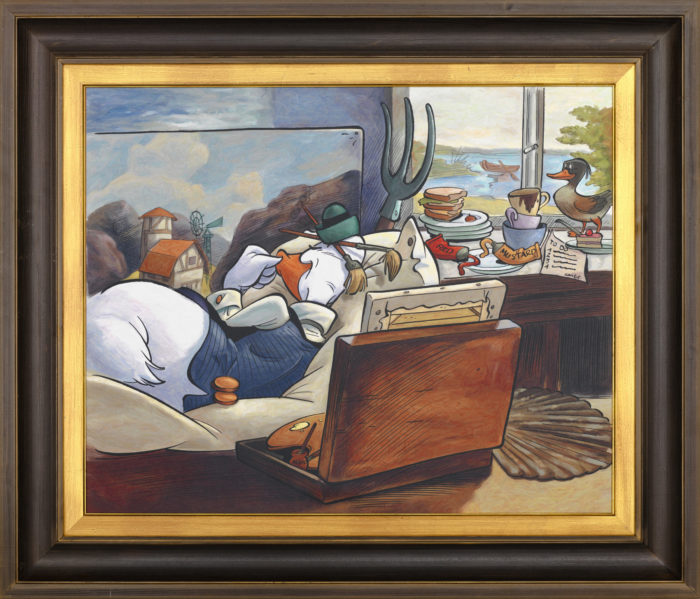
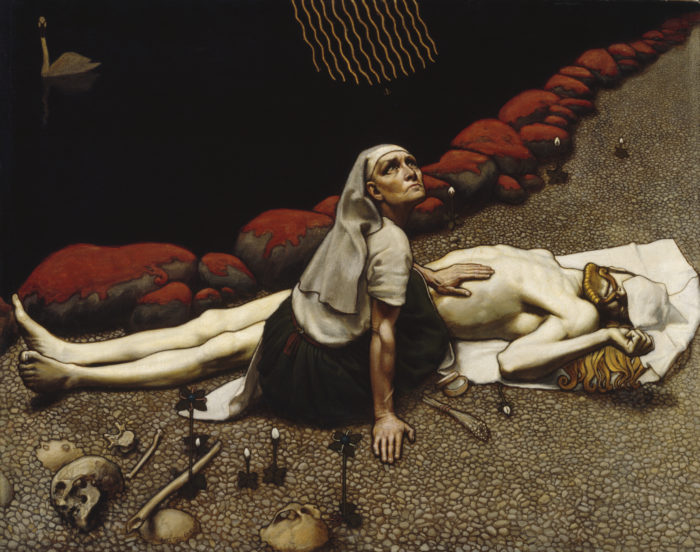
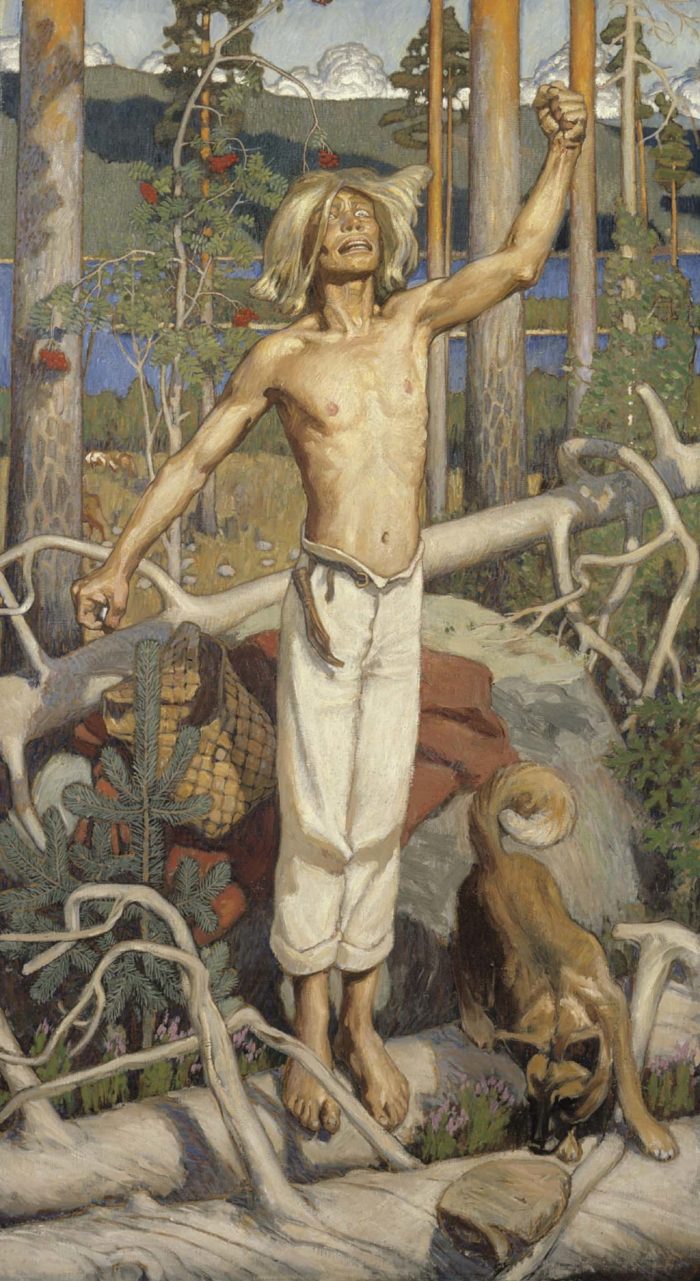
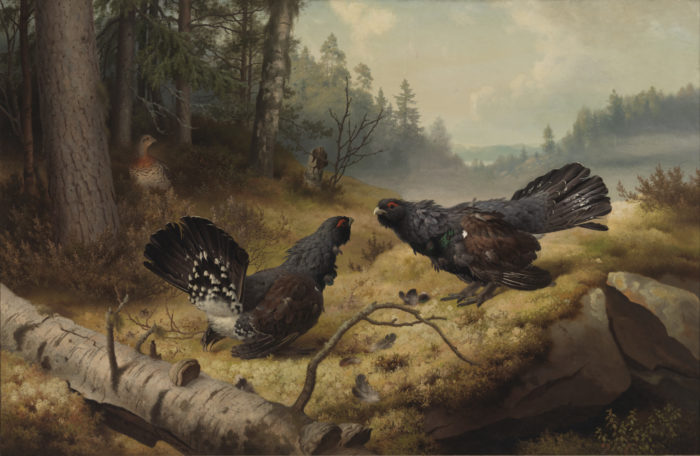
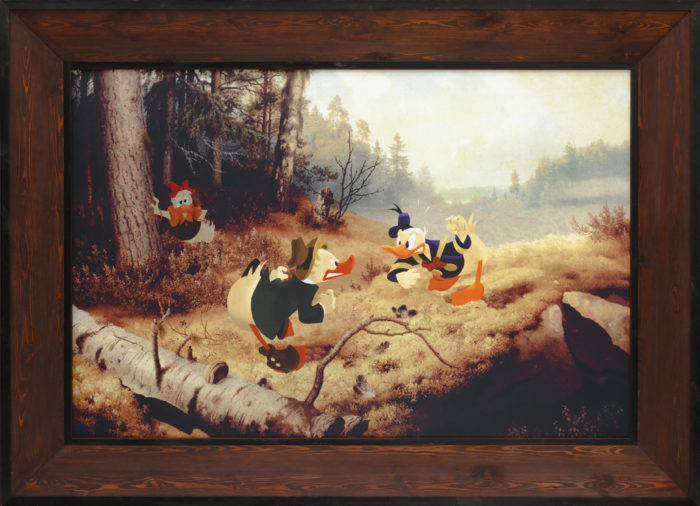
Ateneum negotiated with the National Gallery of Duckburg – or so the story goes – to gain the privilege of exhibiting more than a dozen pieces that show remarkable similarities to classic Finnish artworks in Ateneum’s own collection. The National Gallery of Duckburg exhibition ended on February 25, 2018, but we couldn’t let its runaway success just fade away; our slideshow (below) contains a selection of paintings for anyone who couldn’t make it to Helsinki to see them.

Duckburg is, of course, the city chronicled in the Donald Duck comic books, which hold a special place in the hearts of the Finns, for reasons we’ll get into shortly.

The curators intentionally designed the exhibition so that the location of the Duckburg paintings wouldn’t be immediately obvious. They didn’t have their own room. Instead, they popped up throughout the museum near the Finnish classics that they resemble, mostly in Ateneum’s long-term show, Stories of Finnish Art.

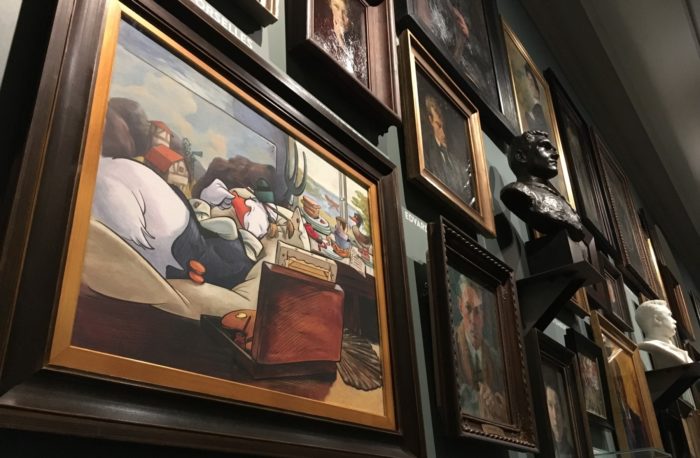
National Gallery of Duckburg created an additional level within Stories, which already contains many layers of meaning. Stories covers a period from the early 1800s to the late 1900s and is arranged salon-style, each wall a constellation of paintings hung close together. Finnish classics and lesser-known works appear side-by-side with those of foreign artists, inviting viewers to notice how artists influenced each other and how Finland’s art world interacted with movements abroad.

The Donald Duck pieces added another dimension by echoing their Finnish counterparts. [Article continues after slideshow.]

Donald’s Finnish role as Aku

The dynamics of the Stories exhibition changed with the addition of Donald Duck characters. “Popular culture and high culture are constantly crossing paths,” says Ateneum chief curator Teijamari Jyrkkiö.

As she describes it, placing Duckburg within Stories highlighted “how our classics stay vital through the years; how other artists borrow from them, too; how popular culture makes use of works of fine art; and how dialogue is always going on.”

Mixing Donald Duck with Finnish classics is not as far-fetched as it may seem. Aku Ankka, as he’s called in Finnish, has achieved lasting strength and popularity stemming from the Aku Ankka comic book, which has been around since 1951. It is the most popular weekly publication in Finland, and also has a larger circulation than the country’s leading monthly consumer magazines.

Many Finns remember Aku Ankka as one of the first things they read by themselves, if not the first thing. “Teachers have been known to tell their pupils, ‘If you don’t read anything else, at least read Aku Ankka,’” says Jyrkkiö. Educators feel comfortable recommending the comic book because it maintains high language standards. Some stories are translated and some are Finnish originals, but all use impeccable, lively Finnish. They also often tie in with current events in Finnish society.

There you have it: An internationally famous American cartoon character known for speaking in incomprehensible quacks on screen paradoxically occupies a role as an enduring champion of written Finnish.

Youthful inspiration

Arvid Le Loon’s perceptive depiction of “Gus Goose at Work” shared the wall with other portraits and self-portraits at the Ateneum Art Museum.Photo: Peter Marten

When Aku Ankka editor-in-chief Aki Hyyppä tentatively approached Ateneum, the museum welcomed his suggestion: From a previous project, the comic book’s publisher possessed a couple Donald Duck versions of famous Finnish paintings – how about hanging them in Ateneum? Museum director Susanna Pettersson and her colleagues thought it was a great idea; they even commissioned additional pieces.

“Since the works refer to Finnish classics,” says Jyrkkiö, “we could put them in the galleries beside our own classic works, encouraging the public to compare the Duckburg art with our collection. That provided a new way of capturing the interest of children and young adults, and of anyone who doesn’t usually go to the museum but likes Donald Duck.”

The museum is always interested in getting more children, more families and more men to visit (women tend to outnumber men in the statistics).

The Duckburg show, which opened on October 3, 2017, proved a great success. From January to September of that year, Ateneum averaged 30,000 visitors a month, 4,400 of them children. For the month of October, the count was 48,393 visitors, 12,307 of them children. Over the duration of the exhibition, which lasted just less than five months, the museum received 245,688 visitors (almost 70 percent more than the pre-exhibition average), including 49,786 children.

The exhibition handout, a single sheet of thick paper, the size of a large postcard, listed the Duckburg artworks. It became a treasure hunt, especially good for all the kids. If one of the goals of art is to inspire reactions and conversation, Donald Duck’s presence at Ateneum brought many new voices to the discussion.

By Peter Marten, February 2018

Star quality: Finnish surgeon heals world-famous athletes

Footballers Ousmane Dembélé, David Beckham and Didier Deschamps and runners Haile Gebrselassie and Merlene Ottey are just a few of the sportspeople whom Orava has helped recover from injuries.

Not too long ago, a Los Angeles triathlete flew to Finland for surgery in the southwestern city of Turku. He had been unable to get relief for his troublesome hamstring; three operations in the US had proved unsuccessful.

The visit to Finland finally allowed the patient to heal, but the doctor’s fee remained unpaid, tied up at the American insurance company because of confusion about the clinic’s location. The surgeon on the case was Orava. He chuckles at the memory. “They are looking at the map,” he says, “and they see Turku is so close to Russia, and they think we belong to Russia.”

He eventually received his compensation, but the absurdity of the misunderstanding underscored a paradox in modern sports medicine. Star athletes with fans all over the globe receive treatment from a star surgeon who is known only to relatively few people.

25,000 career operations

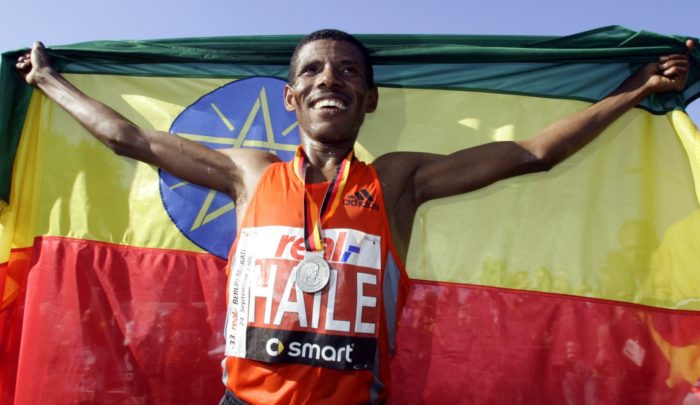
Ethiopian runner Haile Gebrselassie celebrates winning the 2006 Berlin Marathon. Some years later, he enlisted Finnish surgeon Sakari Orava to operate on his Achilles tendon.Photo: Fabrizio Bensch/Reuters/Lehtikuva

By the same token, not everyone has heard of Turku, a lovely city that boasts a 600-year-old cathedral and served as the nation’s capital once upon a time. However, everyone who is anyone in big-time athletics knows about Orava. Elite athletes come to Turku to have him repair their bodies.

One of the world’s leading sports-medicine surgeons, Orava has performed more than 25,000 operations in a career that has included serving as Team Finland’s doctor at four Summer Olympics and 32 years as the national track-and-field squad’s physician.

Various publications have called him the Dr House of sports medicine for his ability to quickly diagnose and correct problems others cannot detect. His colleagues have been known to marvel at his knack for taking a case that may have remained unfathomable for a long time and figuring out what’s going on. Yet the amiable, modest doctor hasn’t got a hint of self-importance about him.

Still, “como dios,” like a god, was the way Spanish Olympic runner Marta Dominguez once described Orava and his touch. After Orava repaired David Beckham’s torn Achilles tendon in 2010 in Turku, the renowned soccer player lavishly praised Orava in social media. Middle Eastern sheiks come to him for surgery. In 2010, Serbia sent a private jet to fetch Orava so he could to fix then-President Boris Tadic’s Achilles tendon after he blew it out ago playing pickup basketball.

Impressive achievements

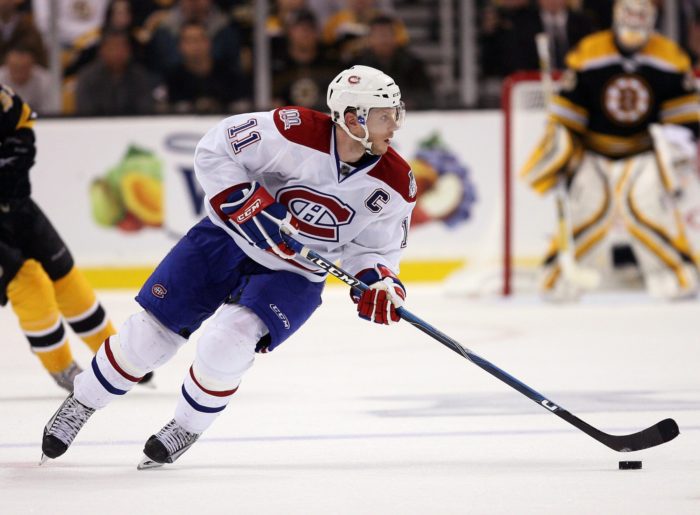
Saku Koivu, who saw Sakari Orava for a knee problem, captained the Montreal Canadiens for a decade in the early 2000s. Here he goes on attack during a 2009 Stanley Cup playoff game against the Boston Bruins.Photo: Elsa Garrison/Getty Images/AFP/Lehtikuva

The long list of international stars Orava has helped return to the field is impressive enough that his achievements have helped make Finland a world leader in sports medicine. “I’m not the only doctor who gets foreign patients,” he says. “We have a long tradition that started in the ’60s.”

Orava was born in the west-coast town of Kokkola in the summer of 1945. A champion junior boxer and a judo enthusiast, Orava took his passion for sports with him to medical school at the University of Oulu and saw an opportunity to specialise in Finland’s appetite for sports.

With Finnish hockey players just beginning to make a place for themselves in the NHL, teams soon discovered that a bright young Finnish doctor who also spoke Swedish, English, German, Italian and Spanish could fix injuries that their money and technology could not mend.

Some years later, Finnish hockey star Saku Koivu, who happens to come from Turku, flew home to have Orava examine his knee. Koivu was playing for the Montreal Canadiens at the time, and whereas the team physician had been stumped, Orava was able to make a diagnosis and repair the knee.

Orava expanded his practice by opening clinics in Rome and Barcelona, but now in his early 70s, he no longer sees patients outside his adopted hometown of Turku. He sometimes thinks of retiring, but colleagues ask him to stay because they need his advice and his skilled hands.

Modesty and memorabilia

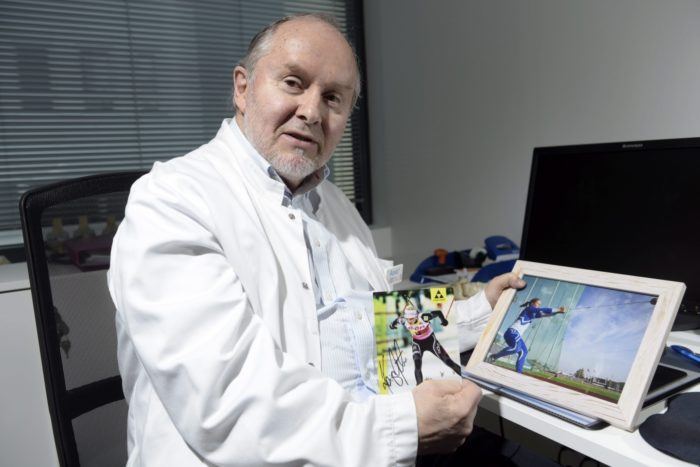
Sakari Orava shows off a couple of the thank-you mementos that he has received from his patients.Photo: Heikki Saukkomaa/Lehtikuva

A testimony to his work, a Real Madrid Champion’s League gold medal he received from the team’s doctors, rests on a shelf in his office. Among various other sports memorabilia is a picture of a squirrel, given to him by an elderly patient because Orava means “squirrel” in Finnish. The patient was unsure if he would appreciate the gift, but he cherishes it almost as much as the medal.

For all his modesty, Orava sometimes bristles when Finland is not given proper respect as a sports-medicine mecca. The story of the LA triathlete was an example; so are his occasional dealings with American doctors.

“They said to me, if you were an American and you had invented all those things [in America], you would be a famous, rich man,” Orava says. “But we don’t mind that. People call here and say, ‘I have tried to get help [in my own country] but nobody wants to operate on me. Can I come to Finland?’”

And so the world does.

By Michael Hunt, February 2018