100 or so books from Finland: See what the Finnish Literature Exchange suggests

There’s something for everyone in FILI’s book picks — each recommendation falls into one of three categories: fiction, non-fiction and children & young adult.

If you’re into fiction, you might be interested in Linnea Kuuluvainen’s The Thick of the Forest, set in a forested area of Turku in southwestern Finland. The novel is about nature and two women’s intertwined fates.

The non-fiction recommendations include books such as Sanna Marin, Lauri Nurmi’s biography of the former Finnish prime minister, and Tiina Raevaara’s entertaining and enlightening Me, My Dog and Humanity.

For children and youngsters, the suggestions include Aino Havukainen and Sami Toivonen’s newest book about the characters Tatu and Patu, Ready, Steady, Go!, along with Sanna Isto’s The Invisibles, the thrilling story of an unusual summer break.

By Anttoni Tumanoff

Eye-catching Helsinki architecture: Exploring more Finnish art nouveau marvels

A previous article delved into the origins and visual richness of Finland’s art nouveau architecture scene. With hundreds of the buildings in the Finnish capital alone, there are always more to explore.

Known locally as Jugend (from Jugendstil (youth style), a German term for art nouveau), the genre emerged around 1895 and flourished until 1915.

We continue our journey through Helsinki’s Jugend treasures with the work of key architects including Eliel Saarinen. His designs, often featuring asymmetrical façades and medieval motifs, stand as a testament to the Finnish adaptation of art nouveau.

Saarinen, like many of his contemporaries, looked to Finland’s medieval fortresses and churches, using local materials like granite and wood to shape structures that were both functional and true to their substance. He described this as a search “for cases where employment of material was still honest.” This approach marked a shift away from the perceived excesses of the Beaux-Arts style, a highly decorative contemporary movement.

Today, Helsinki’s Jugend buildings are not merely historical curiosities. They remain vibrant parts of the cityscape, blending practical design with enduring beauty in ways that continue to inspire modern architects and delight Helsinkians and visitors alike.

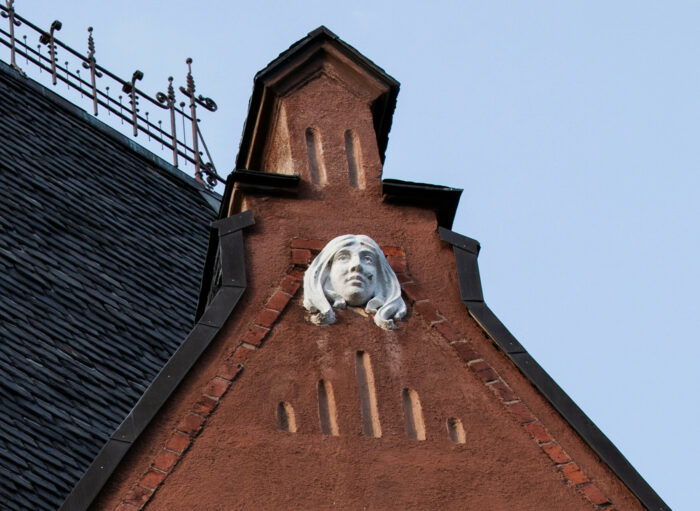
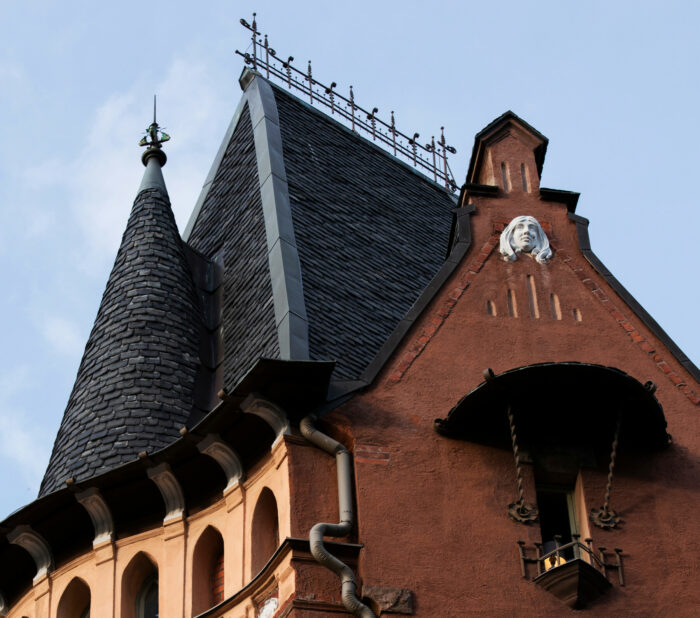
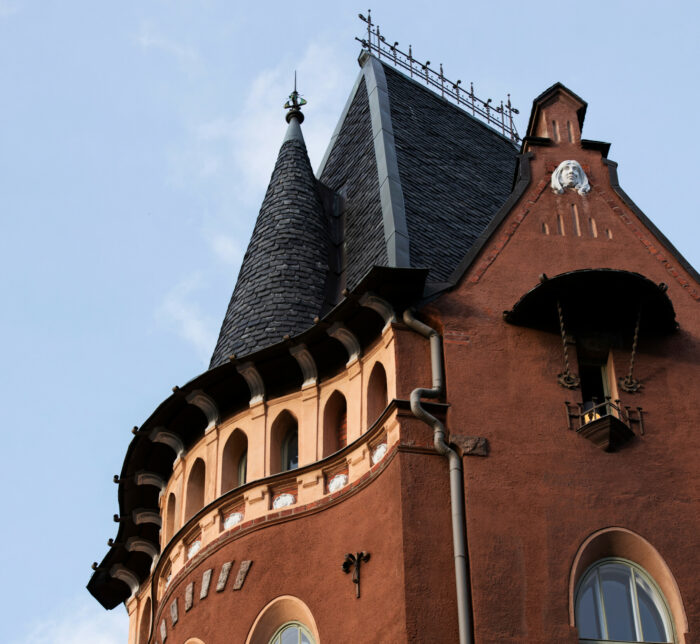
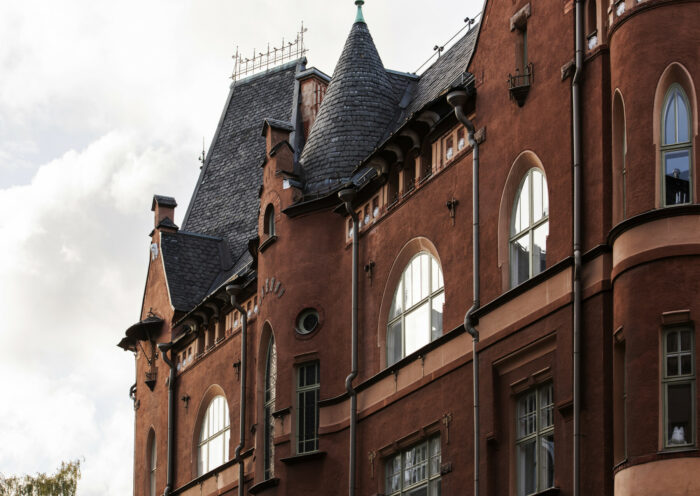
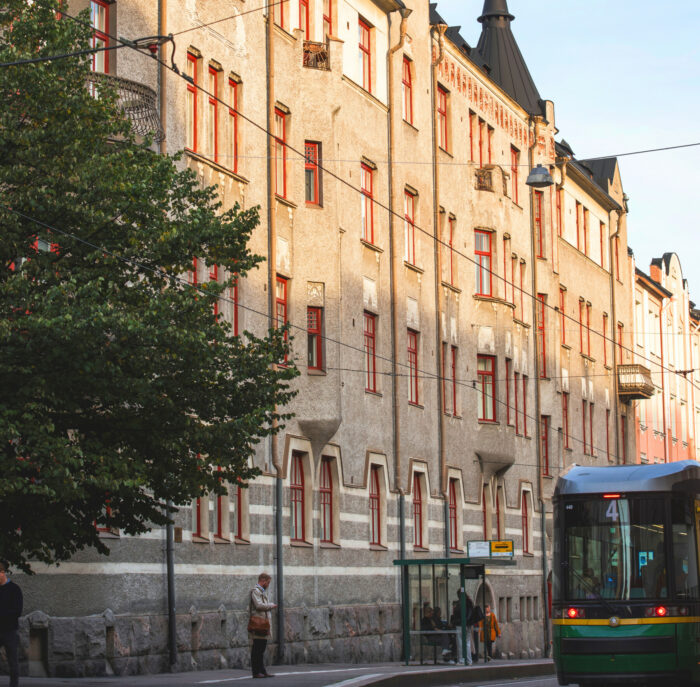
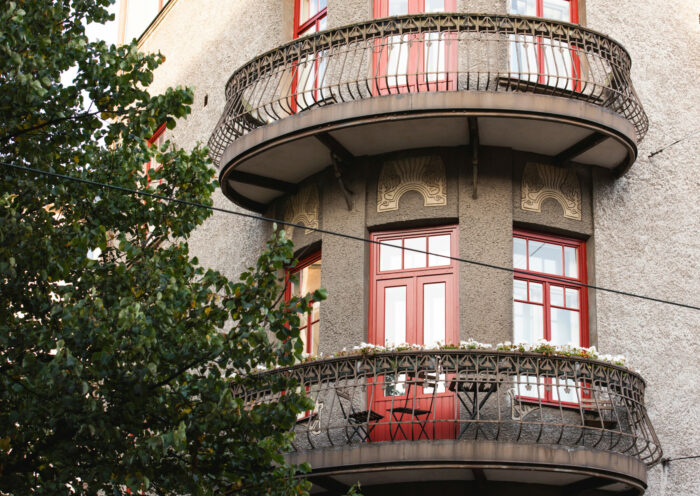
Kirsi-Marja Savola’s photos show off some of our favourite architectural highlights in Helsinki. Surprise your eyes!

[We list the building name (if any), street address, neighbourhood, architect and year of construction. Click the arrows or swipe to see more pics.]

Tallberg House, Luotsikatu 1, Katajanokka

Herman Gesellius, Armas Lindgren and Eliel Saarinen, 1898
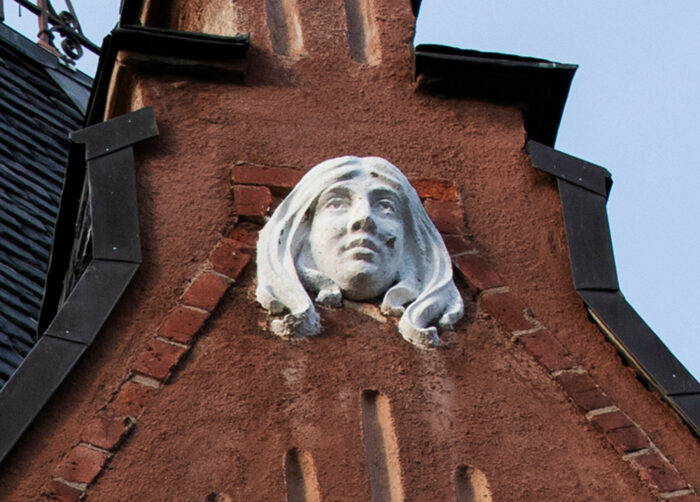
At the head of Luotsikatu, Tallberg House highlights the youthful ambition of Gesellius, Lindgren, and Saarinen, who were fresh out of architecture school and eager to make their mark. The building’s carved wooden door, sunflower motifs, wrought-iron accents, and leaded glass panels showcase these architects’ early embrace of Jugend’s natural forms and intricate artisanship. It established the powerhouse trio as key figures on Helsinki’s emerging art nouveau scene. They later gained international recognition by designing the Finnish pavilion for the 1900 Paris Exhibition.

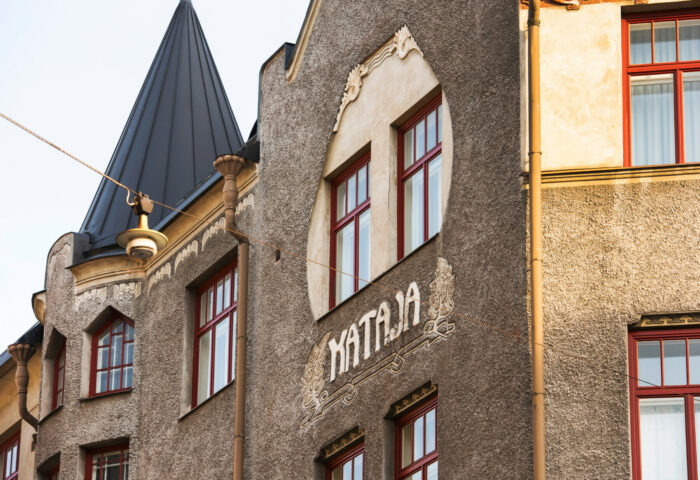
Kataja, Kauppiaankatu 2, Katajanokka

Usko Nyström, Albert Petrelius and Vilho Penttilä, 1902
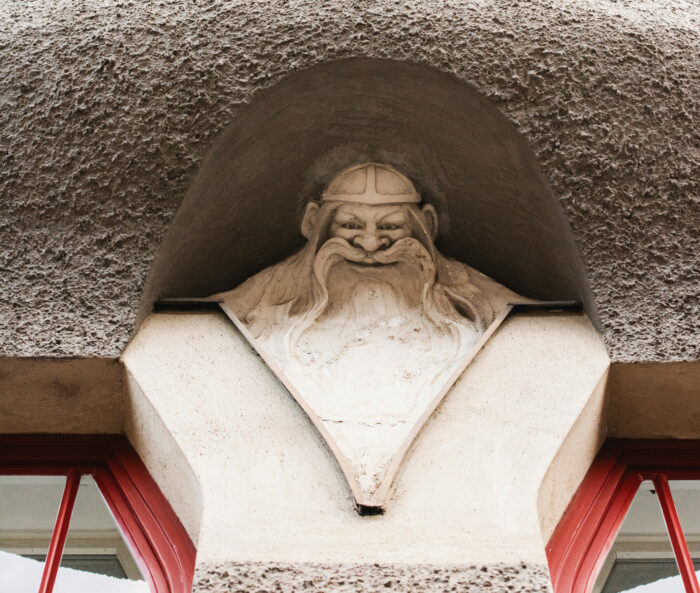
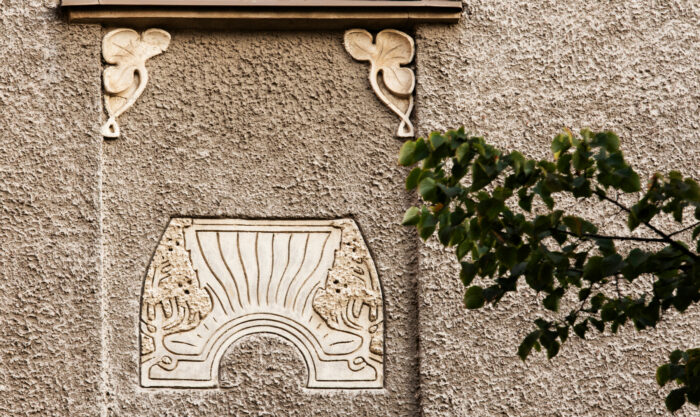
Kataja, which means “juniper,” features beautifully stylised depictions of these trees, with intricately knotted roots and clumps of berries on curving branches that mirror the shapes of the windows. Oversized hinges shaped like bear paws accentuate the large wooden doors. The south side reveals Väinämöinen, a central figure in the Finnish national epic Kalevala, hunched over and somewhat hidden under an oriel window. He wears his trademark cap, a flowing beard and an inscrutable expression.

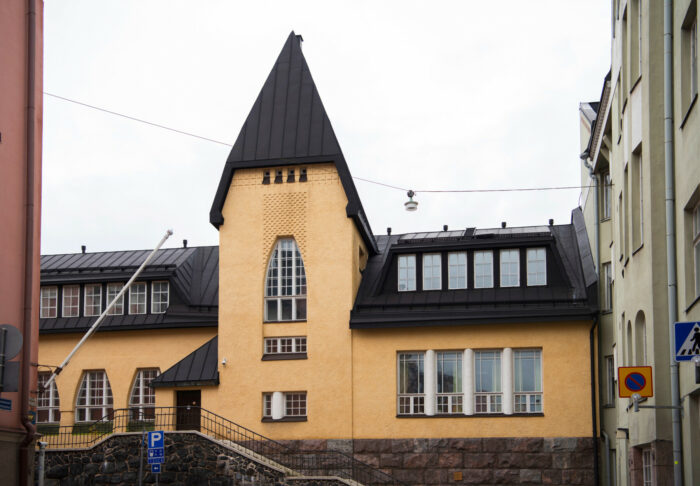
Semigradsky School, Oikokatu 7, Kruununhaka

Valter Jung and Emil Fabritius, 1905
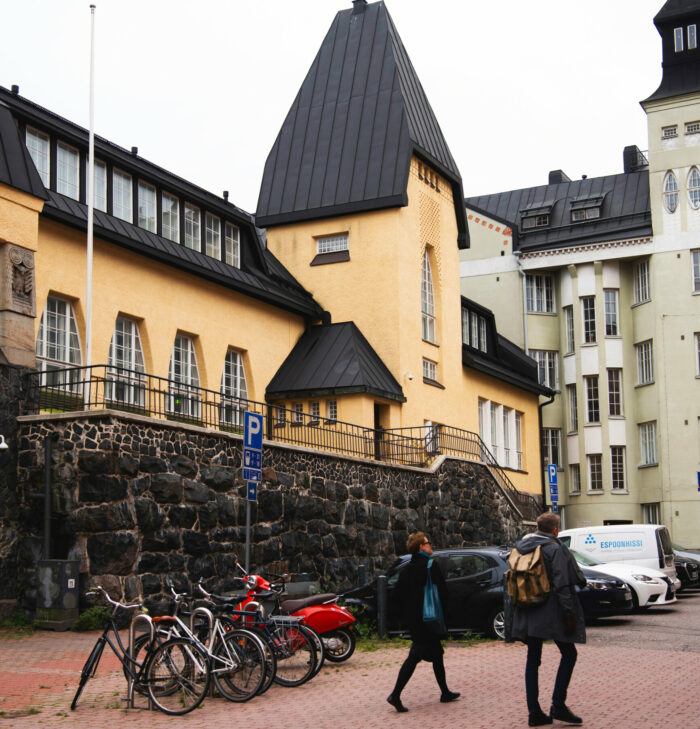
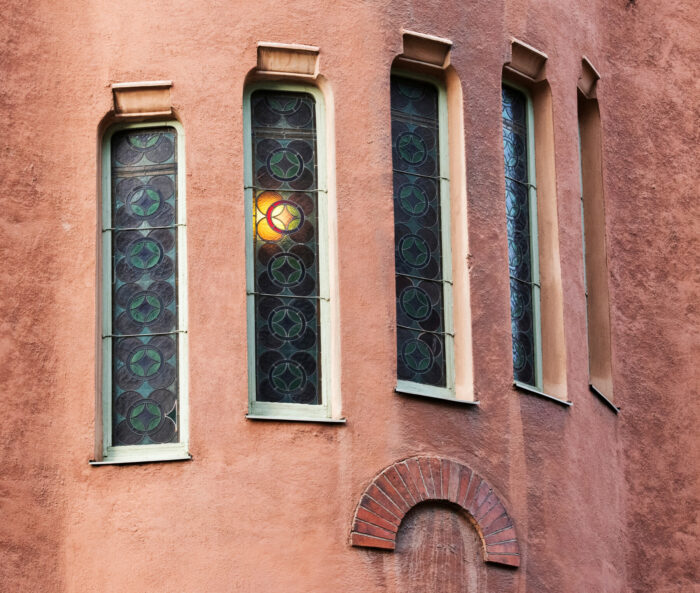
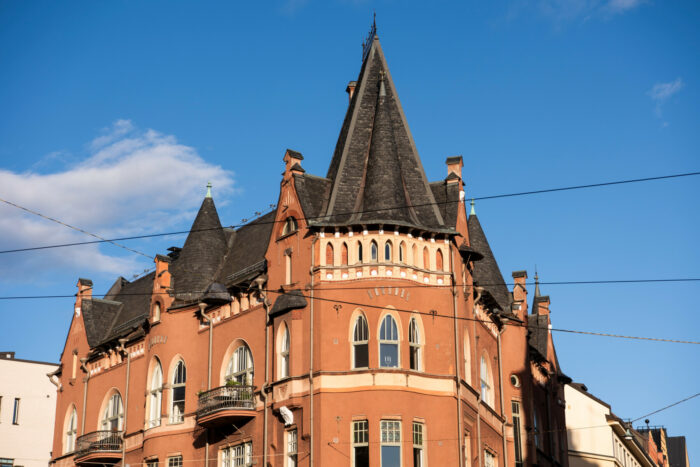
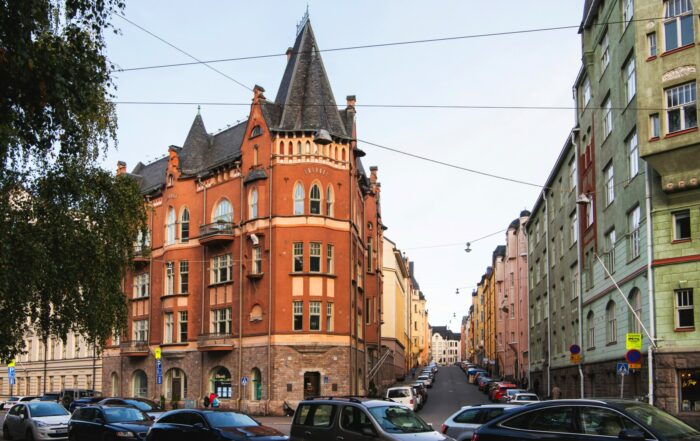
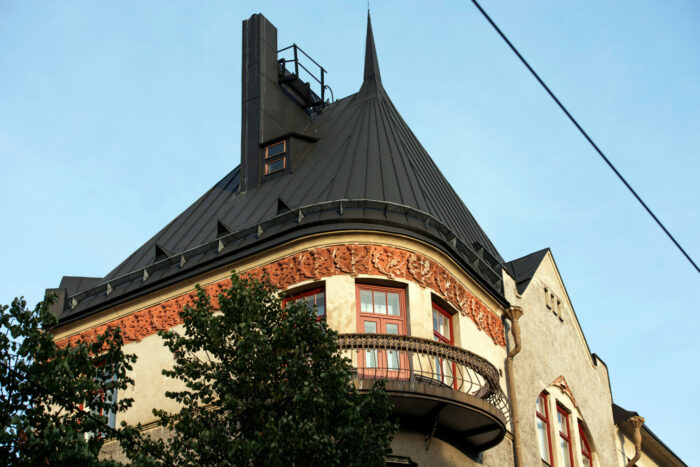
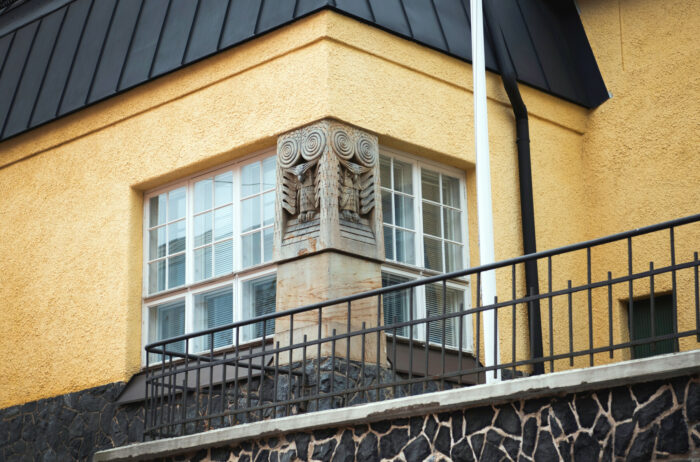
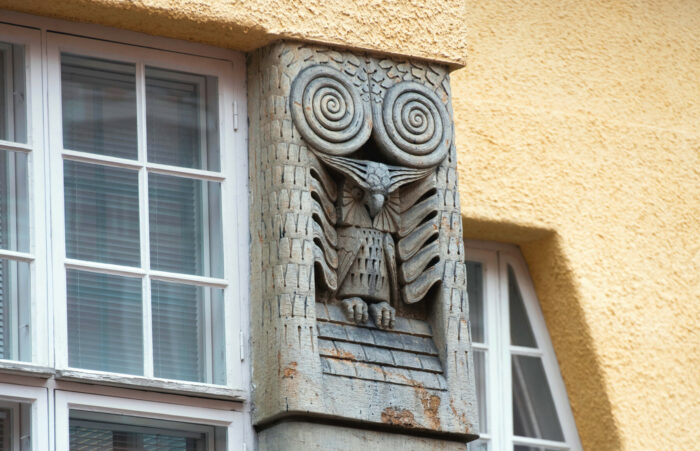
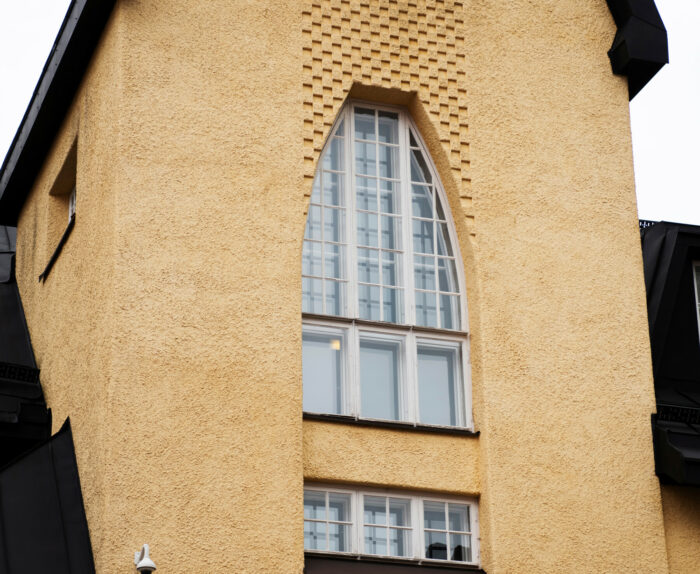
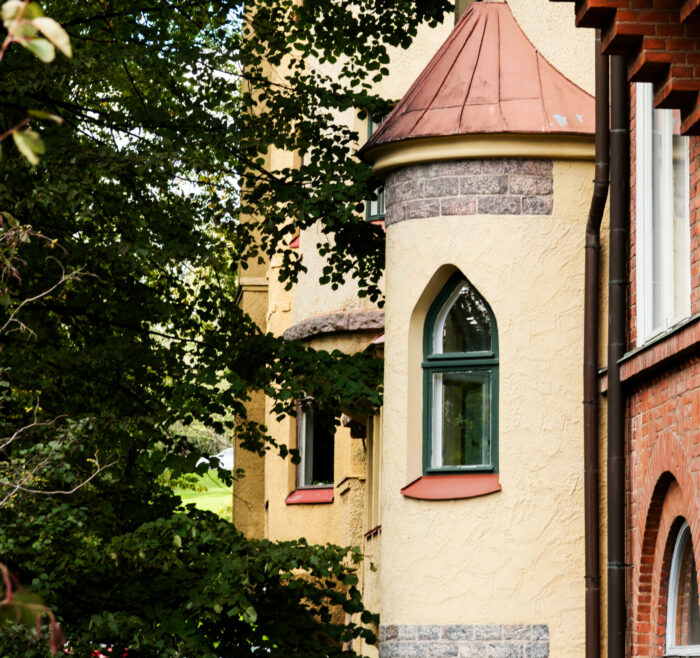
Semigradsky School showcases a blend of function and beauty. It rests on a sturdy granite platform and features an iconic tower with a roof design that gives it the appearance of wearing a hood. A pair of sculpted owls watches over the entrance from one corner, having kept a vigilant eye on the comings and goings of students for well over a century. The building remains a space for learning and creativity, although it no longer bears the same name.

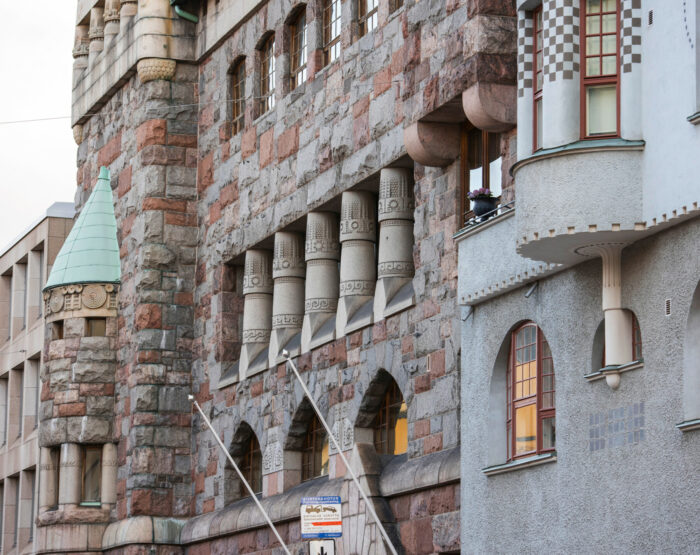
Helsinki Telephone Company, Korkeavuorenkatu 35, Kaartinkaupunki

Lars Sonck, 1905
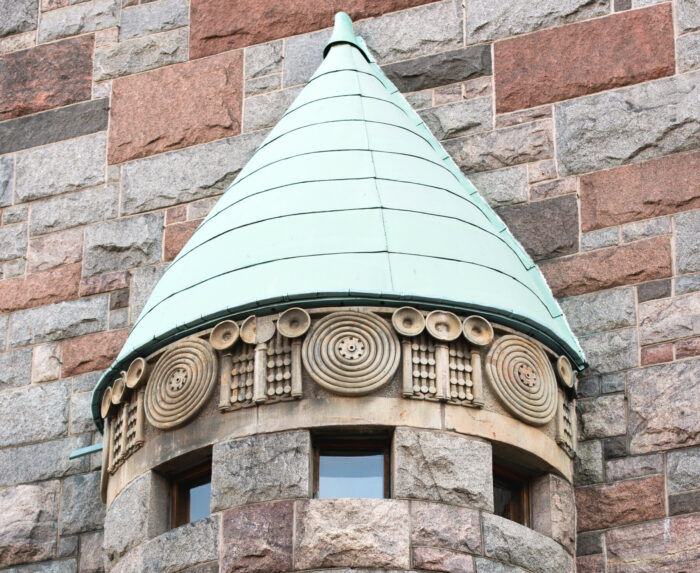
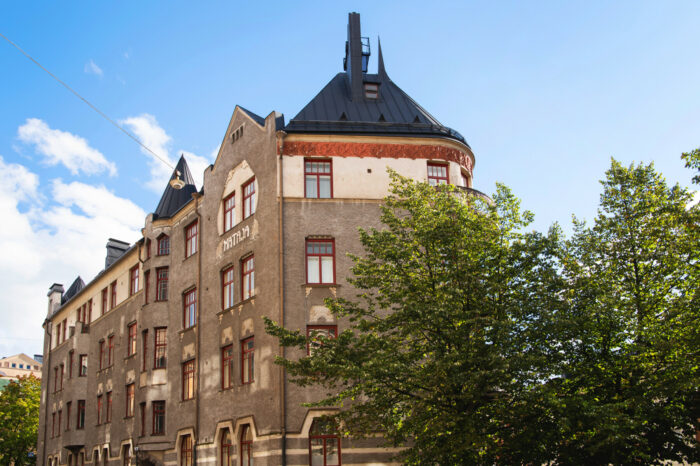
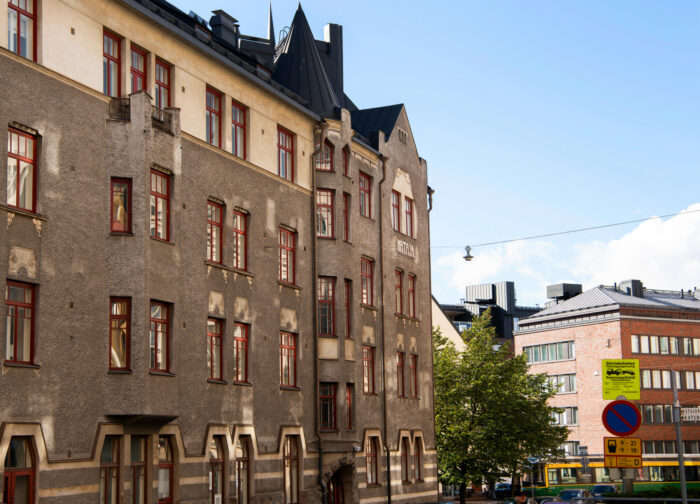
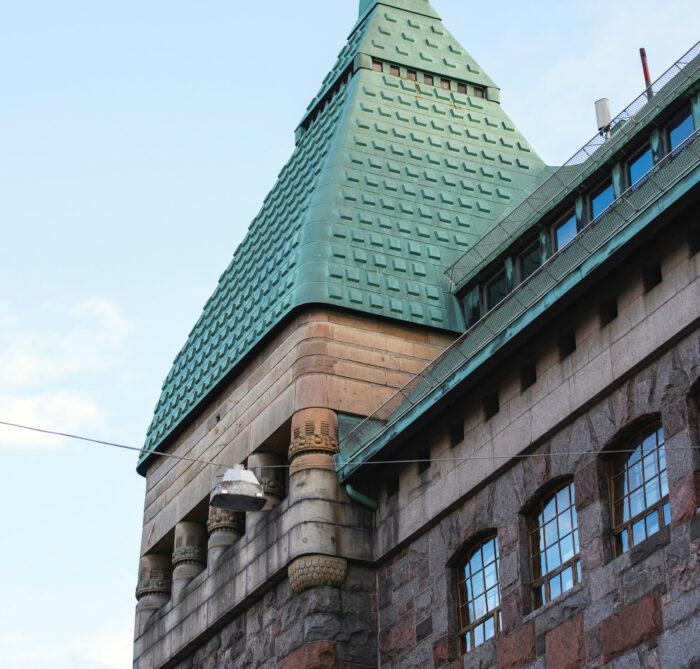
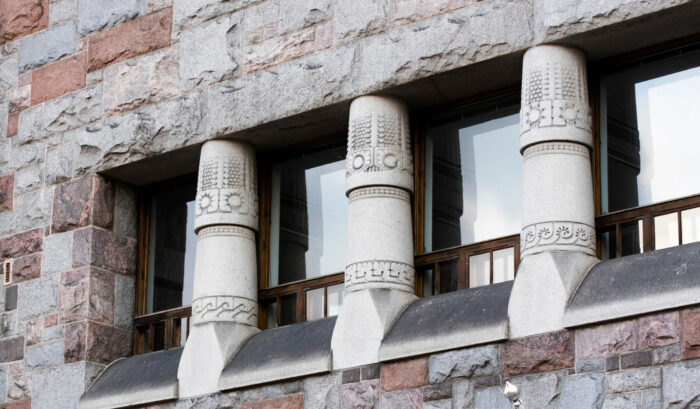
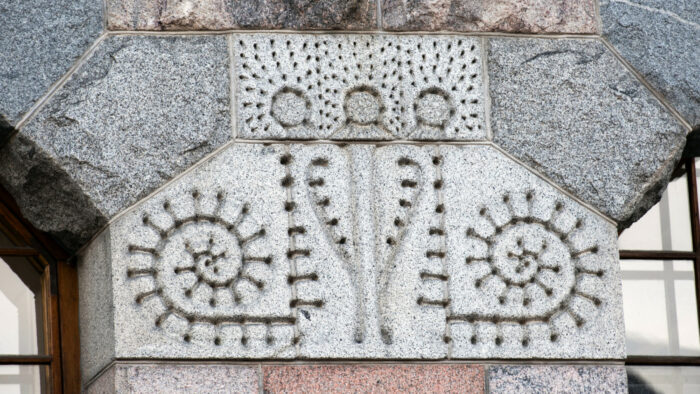
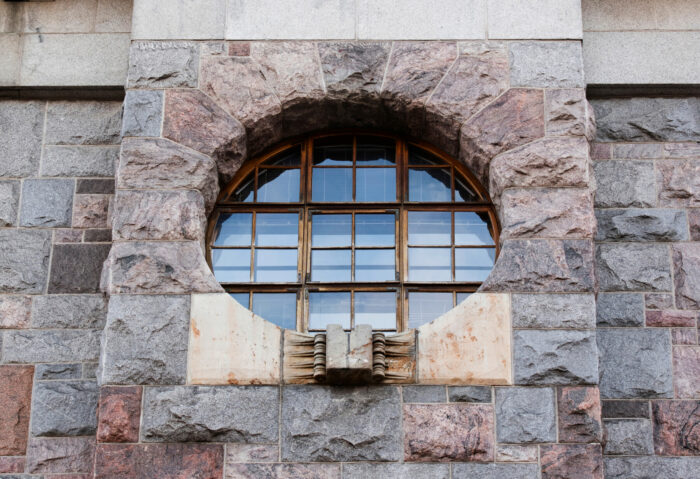
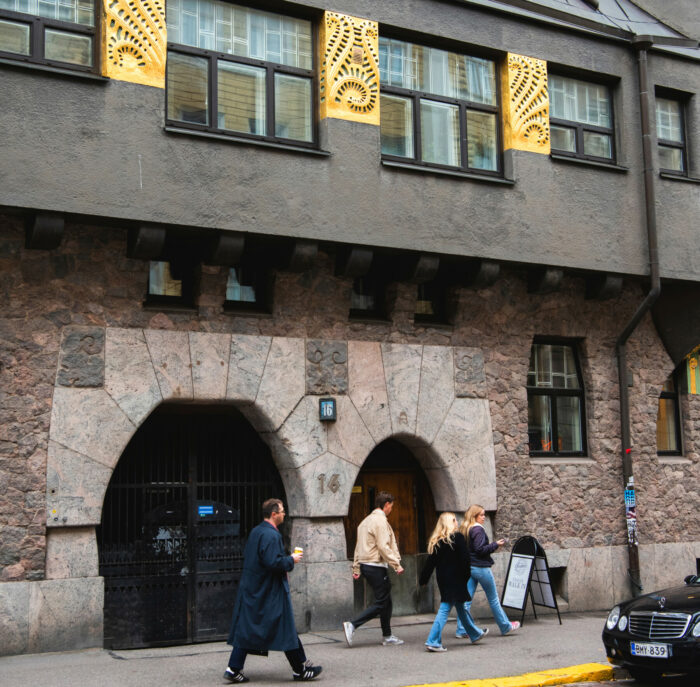
Lars Sonck’s design for the Helsinki Telephone Company blends medieval motifs with contemporary technology. Massive and dignified, the building balances rough-hewn granite against smooth stone inlaid with geometric patterns, evoking the solidity of medieval fortresses and churches. In addition to quoting medieval grandeur, Sonck incorporated subtle nods to the building’s function as a telecom headquarters – look closely above the oriel windows to spot carvings of coiled cables and telephone receivers, a striking juxtaposition of old and new. The location remained part of the telephone company for 99 years.

Villa Ulrika, Ullankatu 1, Ullanlinna

Gustaf Estlander, 1903
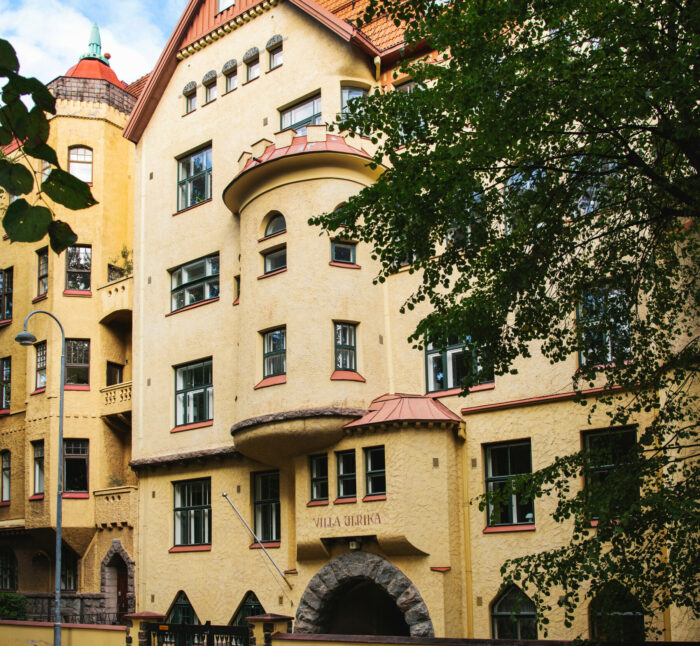
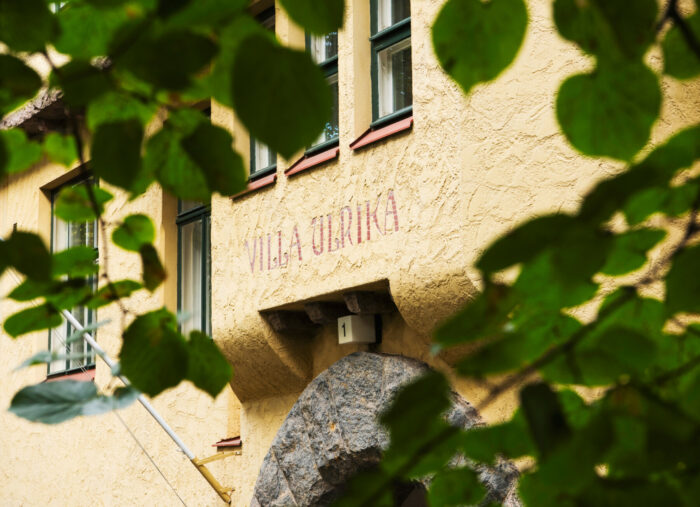
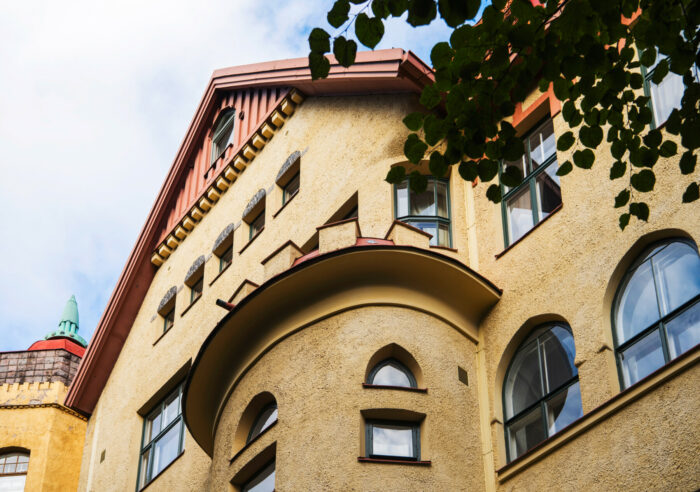
Villa Ulrika takes its name from Swedish Queen Ulrika Eleonora, for whom the Ullanlinna (Ulrika’s Fort) neighbourhood is also named. Estlander, known for fortress-like apartment blocks, gave this building an asymmetrical, three-dimensional façade. A rectangular bay window above a medieval stone archway bears the building’s name, set in tiles. Several floors above, a turret displays a crown of defensive crenellations. The design seamlessly blends curved lines and rectangular shapes, adding to its charm, tucked away from the main city streets.

Wilkman House, Liisankatu 16, Kruununhaka

Usko Nyström, Albert Petrelius and Vilho Penttilä, 1904
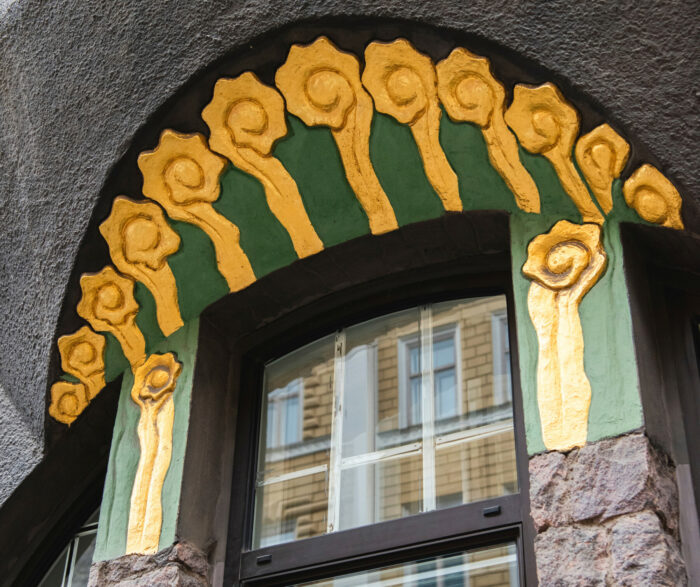
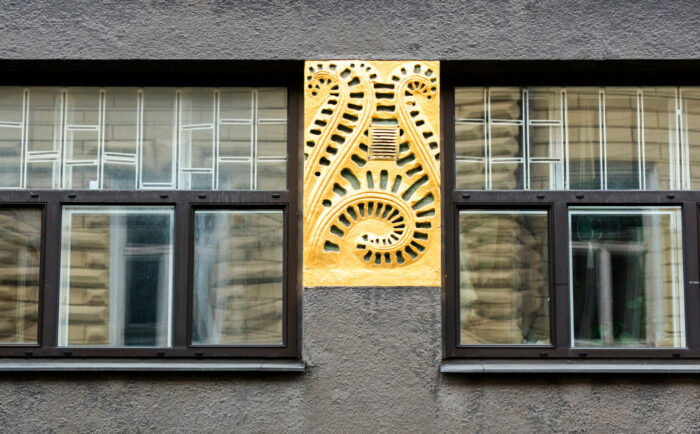
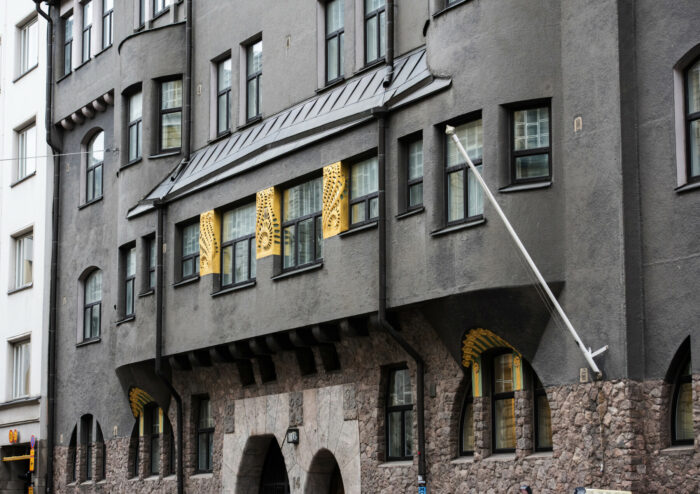
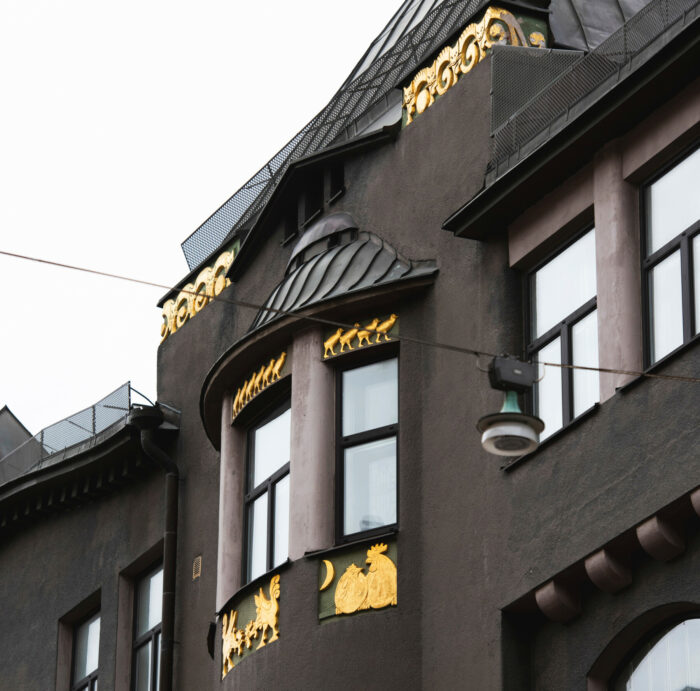
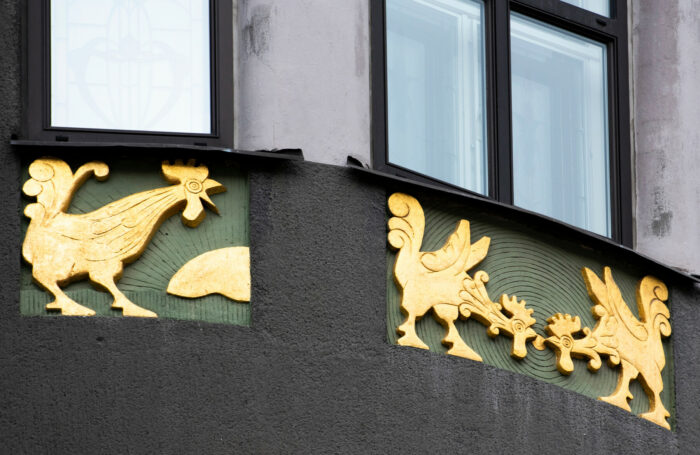
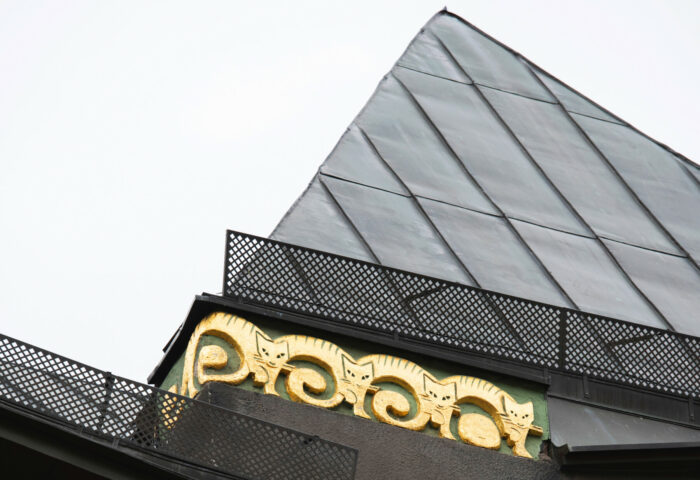
Vibrant and difficult to miss, Wilkman’s gleaming gold decorations set against a dark plaster façade give passers-by a reason to pause. Ferns sprout from the first-floor windows, gracefully unfurling upwards. Panels beneath the fourth-floor bay windows depict roosters locked in combat, while a charming procession of baby chicks ambles above. At the very top, a clowder of cats teeters across the roofline, adding a whimsical touch. The name of the house honours master builder Karl Wilkman.

Tehtaankatu 34c, Eira

Väinö Vähäkallio, 1911
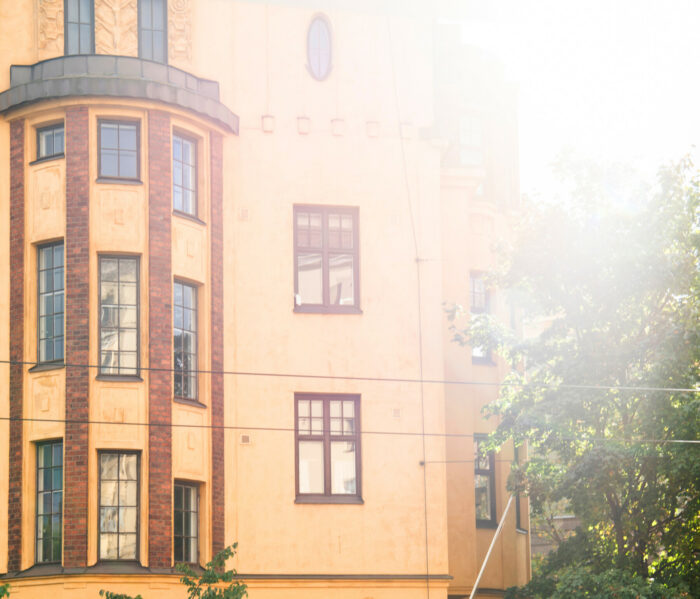
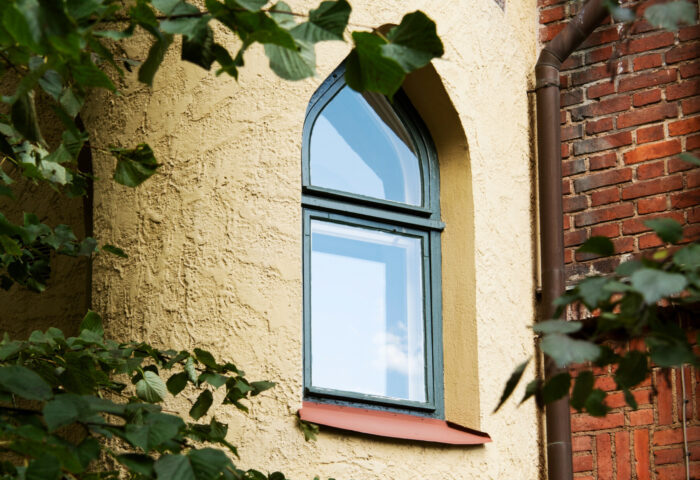
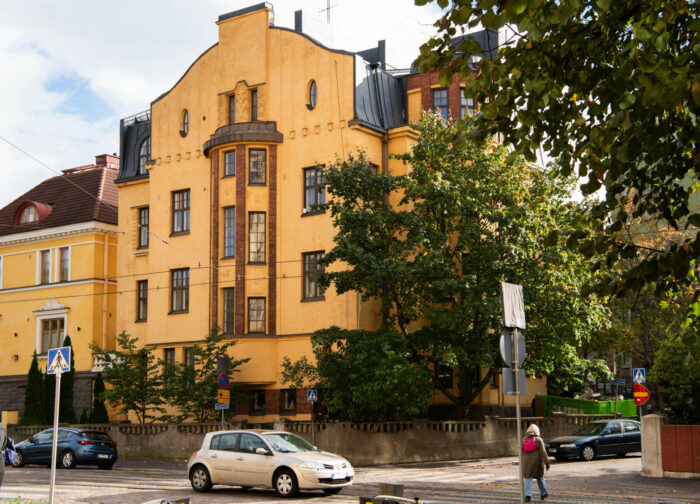
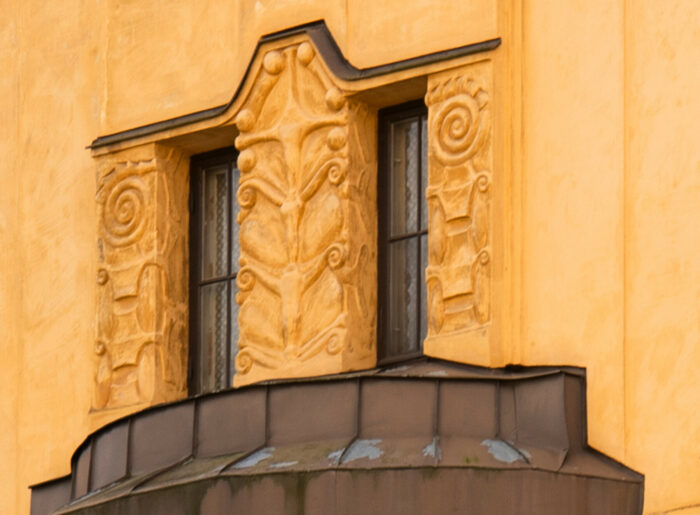
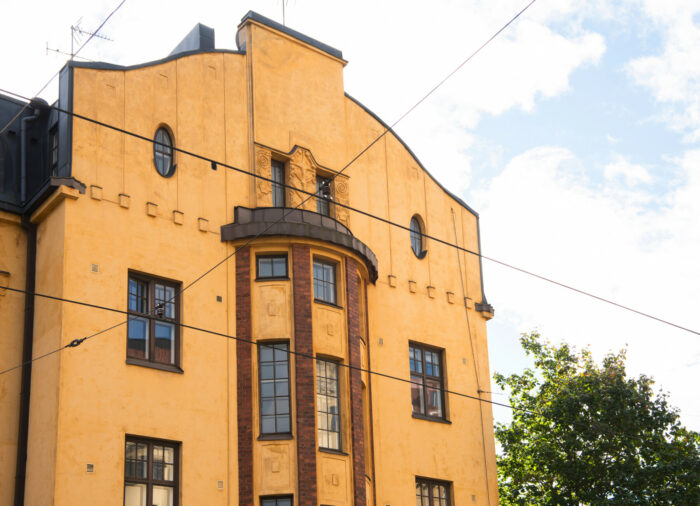
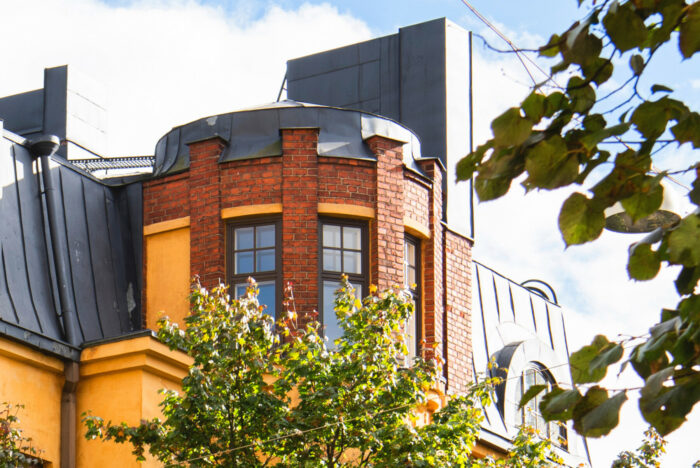
This residence exemplifies the adaptation of Jugend to the villa-style architecture that shaped Eira’s rapid development. Set back from the street, it’s surrounded by green space – an essential feature of Eira’s plan to create a more liveable city environment. Exposed red brick contrasts with yellow ochre plaster above a granite base, highlighting the simplicity of its materials. The design embraces art nouveau’s asymmetry without the medieval references typical of the era, instead focusing on clean lines and understated elegance.

Otava Publishing House, Uudenmaankatu 8–12, Punavuori

Karl Lindahl and Valter Thomé, 1906
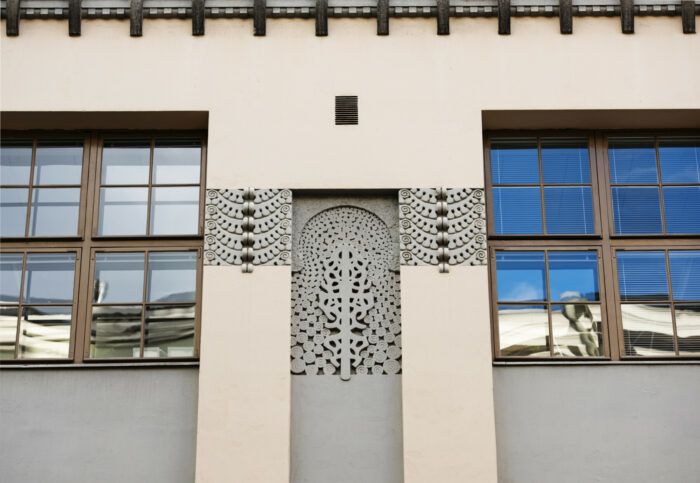
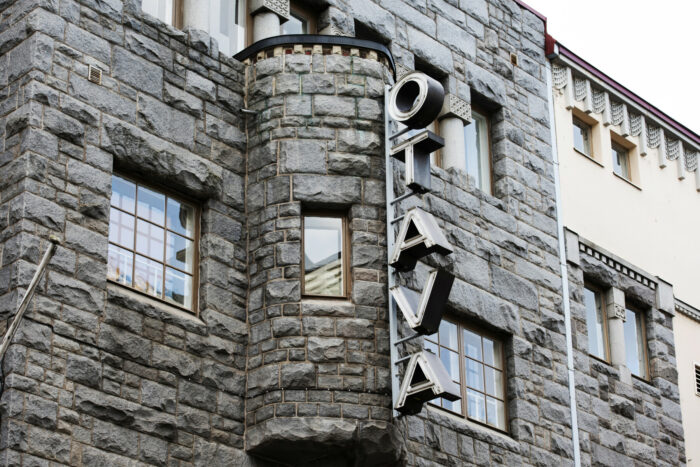
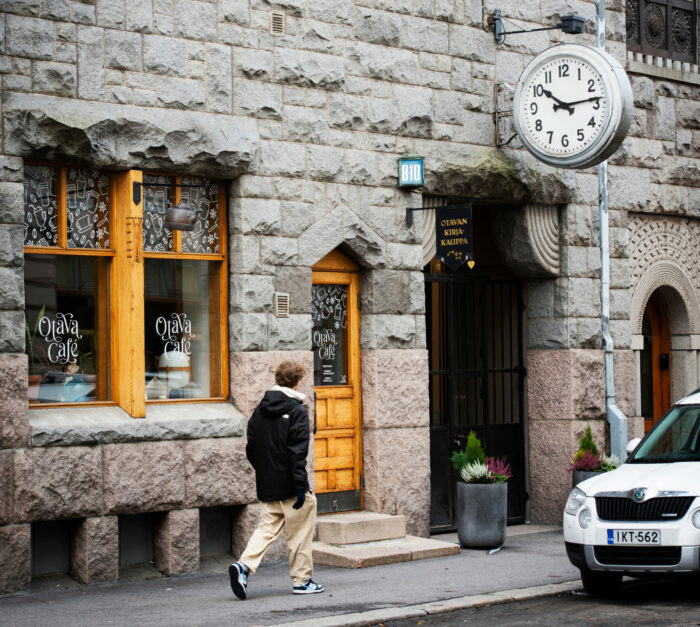
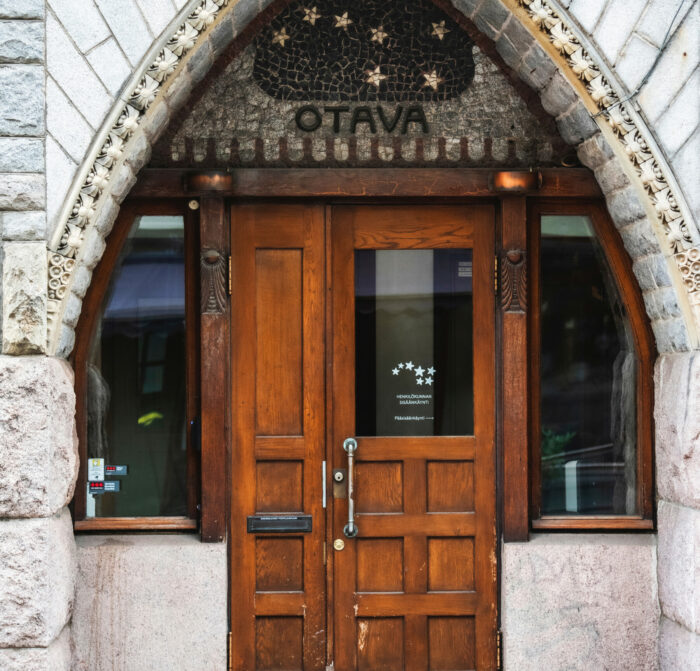
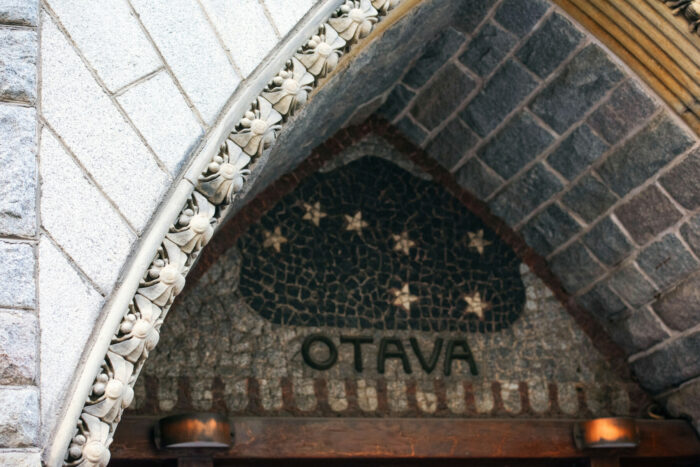
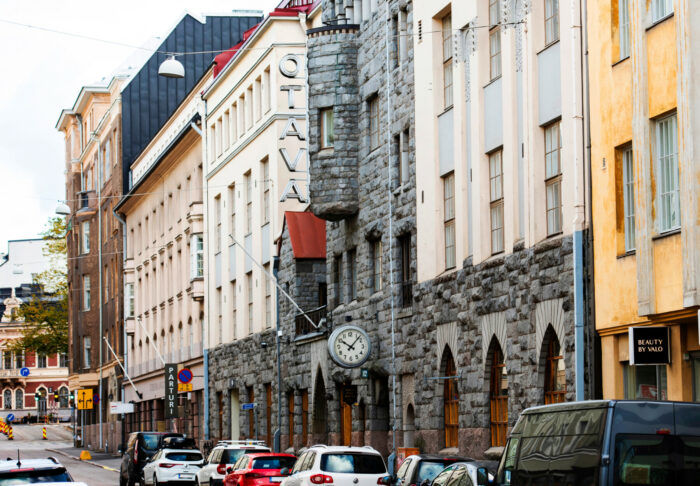
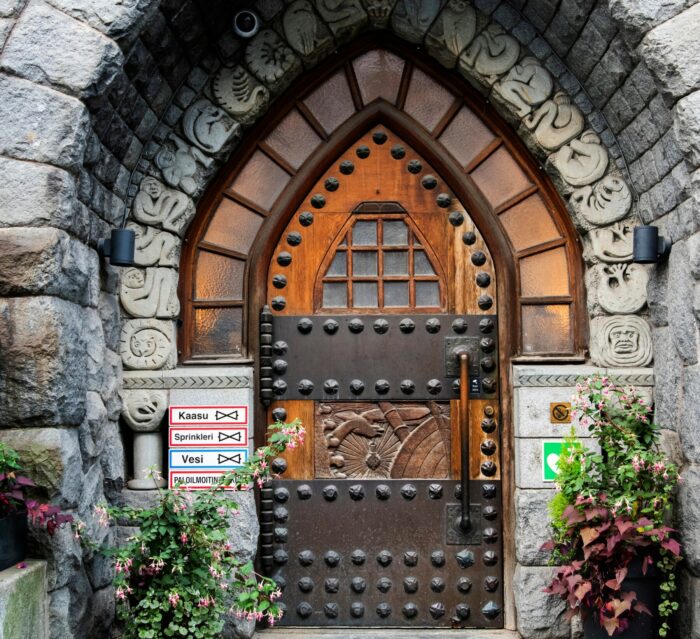
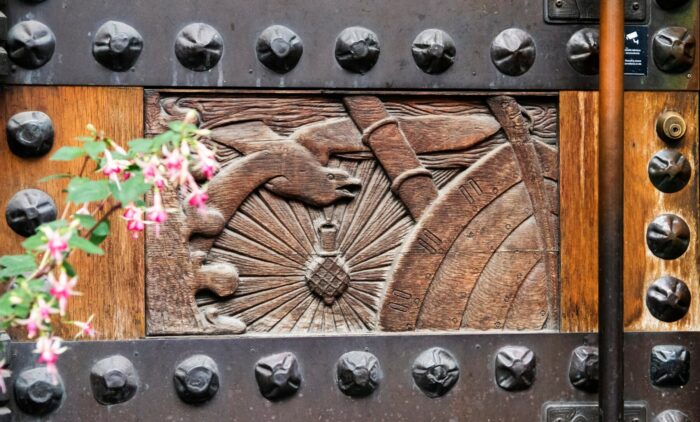
Commissioned by the publishing company Otava, this building incorporates strong ties to Finnish identity. The name Otava, which appears in the Kalevala, refers to Finland’s national animal, the bear. Honeybees carved above the entrances are a nod to one of the bear’s nicknames, mesikämmen (honey hand). A pointed arch suggests medieval influence, while carved wooden panels depict the Otava constellation (the Big Dipper, also known as Ursa Major, the Great Bear) alongside spiders, owls, herons and bees, blending Finnish folklore with natural elements.

Vanha Poli, Lönnrotinkatu 29, Kamppi

Karl Lindahl and Walter Thomé, 1903
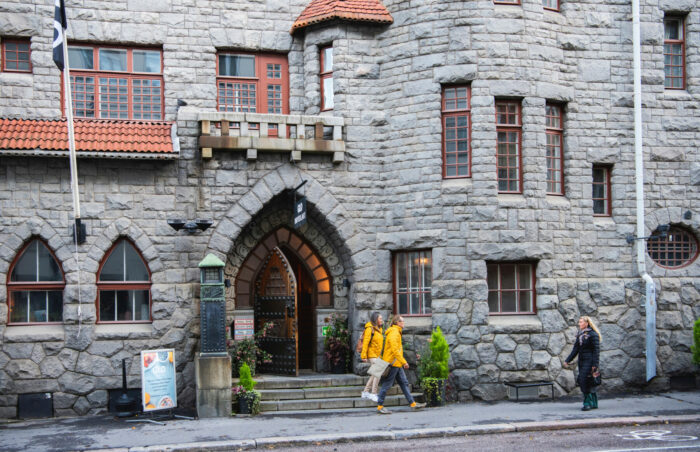
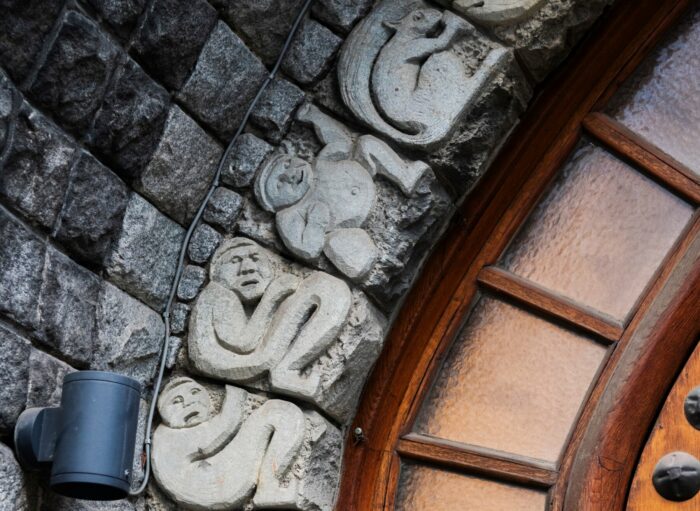
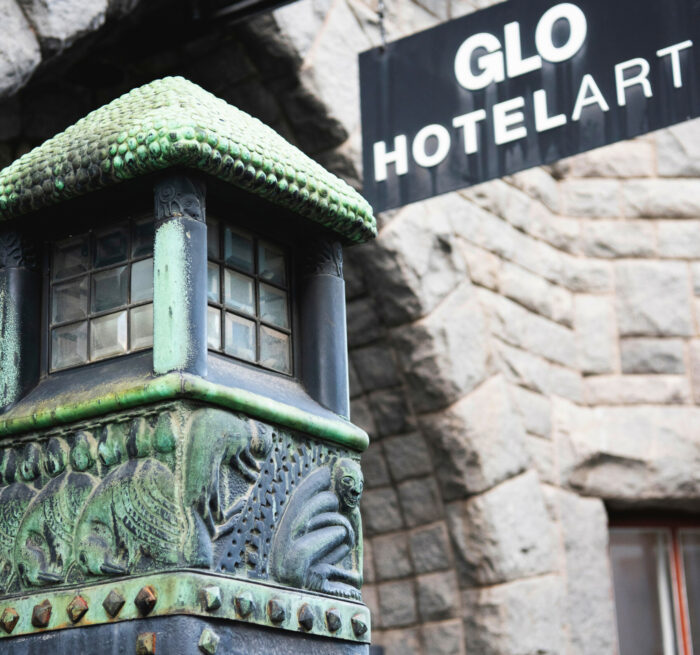
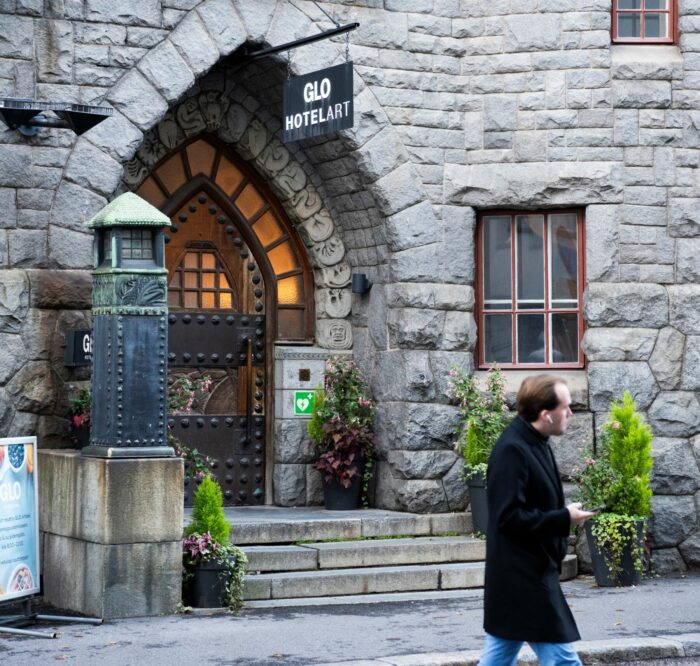
Originally named Sampo, after the magical device in the Kalevala that endlessly produced flour, salt, and wealth, this building was constructed for the Polytechnic Student Union and now serves as a hotel. Its squared-rubble façade and stone archways evoke medieval strength, while human and animal figures resembling gargoyles watch over the entrance. A hunched creature lurks on a lamppost, fixing its wide eyes on passers-by with an eerie vigilance and looking a lot like J.R.R. Tolkein’s Gollum, although the building predates The Hobbit by more than 30 years and The Lord of the Rings by more than 50.

By Tyler Walton, February 2025
Finnish conductor Esa-Pekka Salonen gets Grammy for recording of Kaija Saariaho’s opera

Adriana Mater was Saariaho’s second opera, and also her second opera to win a Grammy Award: The recording of Saariaho’s debut opera L’Amour de loin won the award for Best Opera Recording in 2011.

On February 2, 2025, Adriana Mater was also up for Best Contemporary Classical Composition. Salonen was also nominated for Best Orchestral Performance for the San Francisco Symphony Orchestra’s recording of Igor Stravinsky’s Firebird.

Another Finnish conductor, Susanna Mälkki, was also nominated for Best Orchestral Performance for the recording Jean Sibelius: Karelia Suite; Rakastava; Lemminkäinen Suite, performed by the Helsinki Philharmonic Orchestra.

Studying in Finland: Exchange students share their experiences

Every year, Finnish universities welcome thousands of exchange students from all over the world. They immerse themselves in Finnish culture, embrace nature experiences, meet new friends and try to uncover the key to Finnish happiness.

Wouter Janssen from the Netherlands, Victoria Hafke from Germany and Talha Yılmaz from Turkey all chose Finland for their exchanges to discover a unique place and learn about Nordic culture, lifestyle and wellbeing.

“Finnish nature attracted me, and I was also keen to learn the secret behind the concept of the happiest people,” Janssen says. He has spent a semester at Hanken School of Economics in Helsinki. Back home, he studies economics and business economics at Tilburg University.

Welcome events

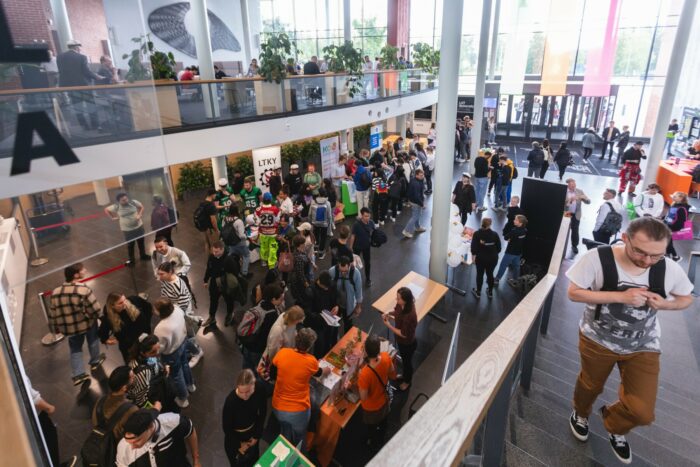
In the airy foyer of a campus building, students are conversing beside various tables stacked with brochures and merchandise.

Universities host gatherings where students can join extracurricular activities, learn about campus services or seek career advice.Photo: Linnea Varamäki/LUT

During the first weeks of the semester, Finnish universities’ student-led exchange committees organise daily welcome activities. Buddy programmes with Finnish students helped newcomers choose courses and adapt to their new environment.

“It was extremely easy to meet and get to know people through all the events and activities planned for us,” says Hafke, a business student from WHU Vallendar University. She spent a semester at Hanken School of Economics.

Yılmaz, who studies industrial engineering at MEF University in Istanbul, chose an exchange at the Lappeenranta campus of Lappeenranta-Lahti University of Technology (LUT), in southeastern Finland. He agrees that adapting to the new environment and making friends was straightforward.

“Everything was well organised, including a welcome pack with a mobile SIM card and information about the area, and an orientation week filled with activities across campus,” Yılmaz says. During the semester, both universities continued to offer about one event per week.

Preparing for professional life

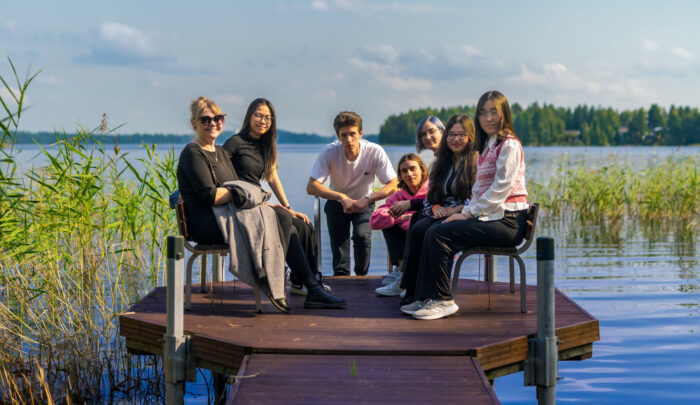
Half a dozen people of various nationalities are sitting on a dock in front of a scenic lake.

Each year, Lappeenranta-Lahti University of Technology (LUT) designates several students as ambassadors who help answer the questions of incoming students.Photo: LUT

Janssen, Hafke and Yılmaz enjoyed studying in Finland, and highlight several aspects they particularly appreciated.

“Finnish universities use modern educational approaches to prepare students for professional working life by focusing on teamwork, analytical skills and social interaction,” Yılmaz says. “Group work with people from different cultures is excellent training for future international careers.”

Janssen and Hafke noted the flexibility in course selections, allowing bachelor’s and master’s students to participate in the same classes. Grading is typically based on assignments, academic papers and group projects, along with a final assessment.

“The focus in Finland is more on the overall learning process rather than just passing exams,” Hafke says.

Yılmaz adds that professors are supportive and make courses engaging. Hafke and Janssen were surprised that students address professors by their first names, but this informality made them more approachable.

All the courses completed in Finland will be credited at the students’ home universities.

Balancing life and studies

In a smiling selfie, two men are sitting in a rowboat on a lake.

Talha Yılmaz (left) found the time to go rowing on a nearby lake with his friend Hüseyin Yarman. Yılmaz also travelled to a dozen different cities during his term abroad in Finland.Photo supplied by the interview subjects

Yılmaz perceives the Finnish educational system as student-friendly, encouraging a healthy balance between studying and enjoying free time.

Outside his classes, he explored 11 Finnish cities and visited Stockholm, Sweden; Tallinn, Estonia; and Riga, Latvia. He also learned about Finnish culture, baked Finnish cinnamon buns, made the most of free tri-weekly sauna sessions and even took a dip in Lake Saimaa near his student apartment. Hiking, fishing and canoeing on the lake also topped his list of favourite activities.

Janssen and Hafke participated in the numerous tours the exchange committee organised, visiting Tallinn, Stockholm and the far north of Finland, hiking in national parks and attending social events. One highlight was a private trip to a lakeside holiday cottage in central Finland.

They wanted to experience this aspect of the Finnish way of life, so they and a group of friends rented a cabin in the middle of the forest with a sauna, a hot tub and a rowboat. “It was wonderful,” Hafke says. “Finnish nature is truly beautiful, and there are many activities available.”

All three received their own student overalls, an essential feature of Finnish student life, and took part in sewing evenings to attach patches that will become cherished souvenirs of the events they attended.

The key to happiness

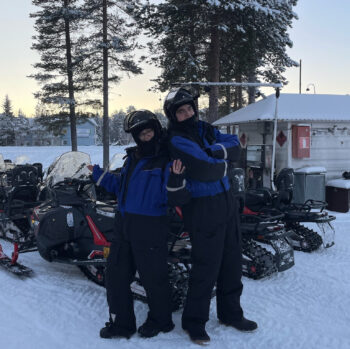
Two people wearing winter overalls and helmets pose in a snowy landscape in front of a row of snowmobiles.

Victoria Hafke (left) and Wouter Janssen visited the far north of Finland on one of the numerous tours the Hanken School of Economics exchange committee organised.Photo supplied by the interview subjects

At the time of writing, their term abroad was coming to an end. All three students were preparing to return home with mixed emotions.

“It has been a 100-percent great experience,” Hafke says. Janssen agrees. He hopes to carry with him the calm and relaxed Finnish way of life, which he believes is one of the keys to Finnish happiness.

Yılmaz mentions the good balance between work and free time, and says he has learned that it is possible to enjoy different parts of life without compromising professional performance.

Hafke and Janssen talk about their impressions of Finland as a well-organised country with a large degree of interpersonal trust. For instance, they note the supplies of firewood for anyone to use in national parks, and grocery self-checkouts where no one inspects your receipt.

Janssen adds that if he had to choose again, he wouldn’t change a thing.

For more info about studying in Finland, start with ThisisFINLAND’s study resource page.

By Catarina Stewen, January 2025

Get to know the Finnish contenders for a spot at Eurovision 2025

The domestic run-off contest, known as UMK, has evolved into a major event in its own right.

In addition to giving artists the chance to compete for a spot in the Eurovision Song Contest, it offers them increased visibility and recognition on the Finnish market.

One of the acts will follow in the footsteps of previous Finnish representatives such as Blind Channel, Käärijä, Windows95Man and Eurovision 2006 overall winners Lordi. Music Finland’s article (link below) introduces the bands and provides a playlist.

Good news: Finland tops the Good Country Index

What makes a country “good”? According to the Good Country Index, it is measuring what a country contributes to humanity and what it takes away, in proportion to the size of its economy. By this measure, Finland is the “best” country on the planet.

Created by Simon Anholt, the index has measured the goodness of countries since 2014. Finland was sixth in that first edition and later topped the third version of the index. (We interviewed Anholt when Finland was previously number one, in 2019.)

In the results released in December 2024, Finland is first once again, followed by Sweden, Germany, Denmark and France. European countries account for most of the top places in the index, along with Canada (7), Australia (19), New Zealand (24), Singapore (28), Japan (34) and South Korea (39).

The index is normally released towards the end of the year. December is a good time to publish it, as the spirit of giving and charity is in peoples’ thoughts around the holiday season.

Addressing humanity’s challenges

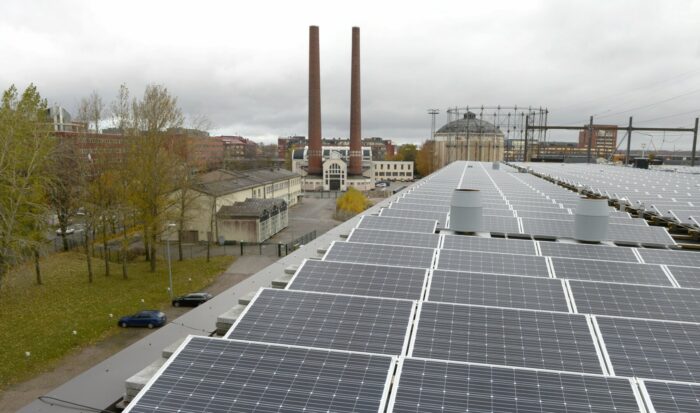
Solar panels on the top of a building in an industrial area.

The share of renewable energy in total consumption is one of the data points where Finland performs better than average.Photo: Martti Kainulainen/Lehtikuva

The premise behind the index is that most of the major challenges humanity faces today are borderless: climate change, economic crisis, poverty and species loss, for instance. The Good Country Index tries to measure how a country’s policies and behaviours affect the rest of the world. In this context, “good” refers to being altruistic and contributing to the common good of humanity.

The Good Country Index is compiled using 35 data points in the following seven categories.

  • Science and Technology
  • Culture
  • International Peace and Security
  • World Order
  • Planet and Climate
  • Prosperity and Equality
  • Health and Wellbeing

Finland improves in most categories

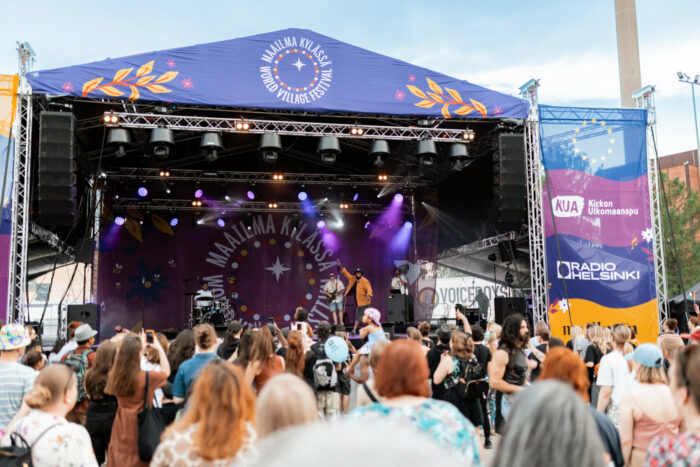
A bunch of people are standing in front of a stage listening to a concert.

Numerous festivals and other cultural events are held in Finland every year. One of them is the World Village Festival in Helsinki, highlighting sustainable development. Photo: Camilla Hanhirova/World Village Festival

Finland does not top any single category, but performs well in all of them. The country ranks in the top ten in six of the eight subclasses. Its lowest score is in International Peace and Security, where it is 18th.

In the Culture category, for example, Portugal is ranked first and Finland ninth. Finland does very well in criteria such as hosting international events, freedom of movement and press freedom. It does less well (but still above average) in exporting cultural products and paying Unesco dues.

Finland has improved in every category since the previous version, except for Planet and Climate, where it went from first to third in the rankings.

Finland #1, Sweden #2

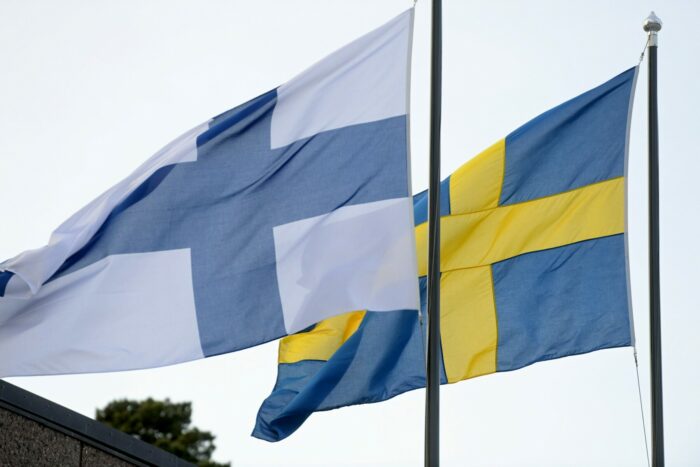
The Finnish and Swedish flags fly on flagpoles.

Neighbours Finland (whose flag is on the left) and Sweden playfully compete with each other in numerous ways.Photo: Vesa Moilanen/Lehtikuva

The Good Country Index helps to promote dialogue and cooperation. Citizens can use it to question elected officials about policy, while decision-makers can use it to compare how their country performs against peers. A bit of friendly competition about who can do the most good can also be healthy. As the old joke goes, it doesn’t matter if Finland wins a competition – what is important is that Finland does better than Sweden.

By David J. Cord, January 2025

Finnish lightscapes: Festivals light up the night in Finland

Summer days in Finland are long and bright, while winter nights are long and dark – this makes them the perfect backdrop for amazing light art. The displays range from illuminated bridges and buildings to sculptures and site-specific light installations.

Large crowds of art lovers flock to these festivals, embracing the season of short days and long nights.

Set to music by the a cappella group Tuuletar (whose name means “goddess of the wind”), our video shows scenes from festivals in five different cities: Lumo Light in the northern Finnish city of Oulu; Lux Helsinki in the Finnish capital; Path of Light in the southwestern city of Turku; City of Light in Jyväskylä, central Finland; and Aaltoja! (Waves!) in Kotka, on the southern coast.

Video: ThisisFINLAND

By ThisisFINLAND staff, January 2025

Calm and harmony: A relaxing sauna continues to be a Finnish Christmas tradition

While every family in Finland has its own traditions for year-end festivities, many consider a relaxing sauna with close family members an essential ritual for unwinding during the Christmas holidays.

Since the 14th century, Christmas Peace has been declared every year on December 24 at noon in the southwestern city of Turku. For many Finnish households, this proclamation marks the official beginning of Christmas. Today, a worldwide broadcast (on air at 11:55 am Finnish time) allows people everywhere to view this special moment.

Attention shifts to Christmas

A woman is lighting a fire in a wood-burning stove in a sauna.

You have to start heating the sauna early enough on Christmas Eve.Photo: Sauna from Finland

In Petri Karkola’s family, they begin to heat the sauna up after the declaration of Christmas Peace. It serves as a turning point on Christmas Eve. Before the sauna, regular chores are still allowed, but afterwards, all attention shifts to Christmas, family time and preparing for a festive dinner.

“Christmas sauna is a particularly dignified event, where everyone is expected to behave calmly,” Karkola says. “Beyond that, there are no strict rules, except for soaking the birch whisk we have stored since summer.”

Birch whisks are a quintessential Finnish sauna tradition, infusing the space with a summery aroma. These whisks can be gently tapped on the body to stimulate blood circulation, if desired. In summer, fresh whisks are used, but during winter, dried or deep-frozen ones -handmade or purchased from larger stores – are the only options.

Savouring stillness

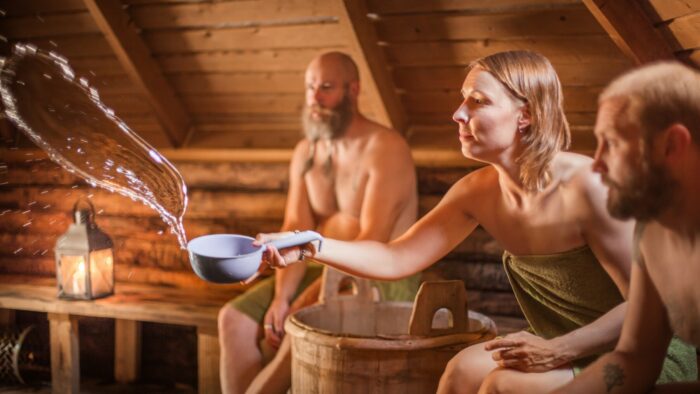
Two men and a woman, all dressed in towels, are sitting in a sauna, and the woman is pouring water from a ladle towards a stove.

Water thrown onto hot stones creates steam in a sauna at Korsuretket, located in the forest 70 kilometres (40 miles) northwest of the Finnish city of Tampere.Photo: Laura Vanzo/Visit Tampere

For the Kivilompolo family, outdoor activities, followed by relaxing in their candle-lit sauna, are integral to Christmas. For them, the sauna is a time to unwind, soak in the warmth and silence, and enjoy the cosy ambience. It is more a personal retreat than a social gathering.

“With no rush anywhere, it is a peaceful extended session for me, relishing the stillness and the beauty of the decorative Christmas lights outside our sauna window,” says Maarit Kivilompolo.

Thousands of years of tradition

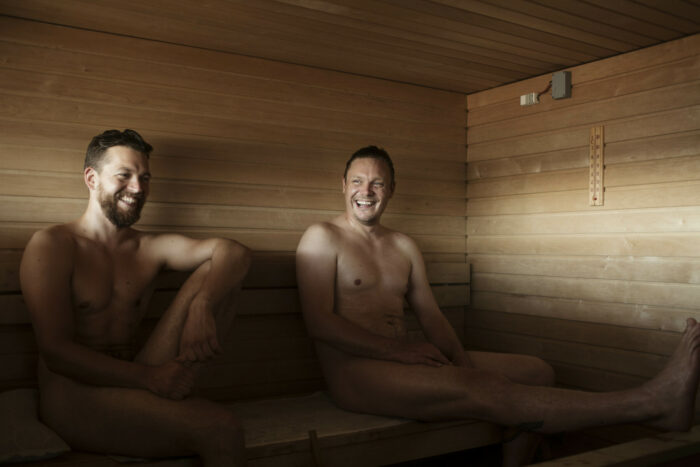
Two mostly naked men are sitting on wooden benches in a wooden room.

Saunas hold a significant place in Finnish cultural heritage and holidays.Photo: Jukka Rapo/Keksi/Finland Image Bank

When their children were younger, the family would sauna together on Christmas Eve. Now, however, everyone chooses their own schedule and preferences.

“The youngsters often enjoy bathing late at night and stepping into the snowy yard straight from the hot sauna,” Kivilompolo says.

The exact origins of saunas in Finland are unknown, but they are believed to have existed for thousands of years. Saunas hold a significant place in Finnish cultural heritage and are closely tied to holidays such as Midsummer and Christmas.

About sauna elves

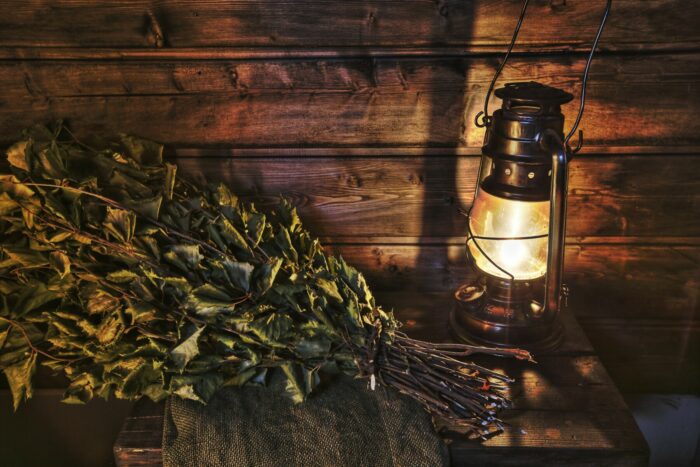
A lantern and a bouquet of leafy branches are on a bench in a wooden room.

Atmospheric lighting and a sauna whisk made from birch leaves contribute to the relaxing Christmas sauna experience.Photo: Ismo Pekkarinen/Lehtikuva

Traditionally, back when all saunas were still heated by wood-burning stoves, preparations began early on Christmas Eve, especially in rural areas. That gave the sauna time to heat up and ensured that everyone had time to finish their work, bathe and savour a tranquil moment before gathering for Christmas dinner.

Nowadays, quite a few sauna stoves are electric, but the main traditions persist no matter how the sauna is heated. The wooden sauna benches receive a thorough scrubbing. Fresh linen seat covers and towels are brought in, as are fragrant birch whisks made the previous summer.

People usually avoid talking in loud voices in the sauna, not just at Christmastime but at any time of year. One traditional myth claims that every sauna has a guardian sauna elf, and that the sauna elf uses the still-warm sauna after the people have exited.

At the time of writing, we were unable to confirm whether sauna elves are related to the elves in Santa Claus’s workshop.

By Catarina Stewen, December 2024