Five continents meet at Helsinki Cup

The Helsinki Cup, featured in our video below, was first held in 1976 and forms one of the largest junior football tournaments in the world. About 800 teams participate, from a range of countries including Sweden, Germany, Spain, Portugal, Brazil, United Arab Emirates, Estonia and Russia.

Football fever is intense in Finland, and teams from every part of the country attend the Helsinki Cup. Participants learn about playing fair and tough, but they also experience other cultures and make new friends from faraway countries.

But the tournament is not only about football; it is also about happiness and joy, sunshine and summer rain, victory and defeat, new experiences, memories and great emotions. Our videographer captured the atmosphere, both on the field and off.

Experience the Helsinki Cup atmosphere.
Video: Gustavo Alavedra/ThisisFINLAND

By Gustavo Alavedra

Finnish libraries offer new adventures

Would you like to digitise your LPs and cassettes, or borrow a sewing machine or a piece of art? All this and many other innovative new services are available to library users in Finland. Originally built to educate citizens, libraries now act as multimedia-equipped public living rooms and even organise outdoor activities.

“A civilised citizenry” – this is the vision that has guided Finnish libraries from the 19th century onwards. You could say that the goal has been achieved, since today the Finns form one of the world’s most literate nations. Library services are municipally maintained, free of charge and guaranteed by law.

The average Finn makes ten visits to library per year and borrows 18 items, according to statistics from 2011. What the numbers don’t reveal is how libraries keep up with the rhythm of a dynamic society.

Open-air library
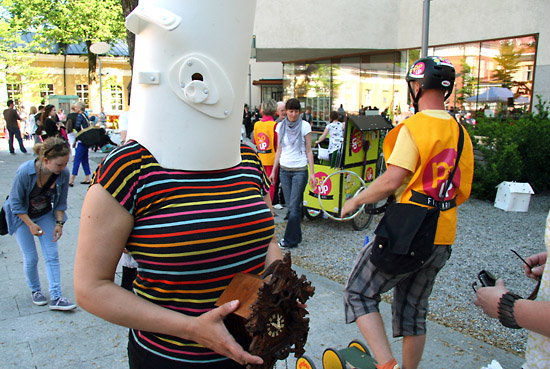
4144-kirjastot2_550px-jpg

Encounter in Turku: Performance art by Leena Kela takes place outdoors while people borrow books from the library’s pop-up bike (background).Photo: Dunja Myllylä

Summer means outdoor activities. In the southwestern city of Turku, the city library goes outdoors, and may even come to you. The cobblestoned yard of the library hosts numerous events during the summer months.

A pop-up library bike tours the city with books, art performances and advice for outdoor activities. “We want to offer knowledge, but also experiences,” says publicist Päivi Autere of Turku City Library, Finland’s oldest library.

Inside the library, renovation was completed in 2008, and recent years have seen an effort in new services, such as an extensive collection of online newspapers. “In recent years book borrowing has also increased,” says Autere. “The new services and the old ones complement each other.”

Quenching the thirst for knowledge

Helsinki City Library has not missed the boat, either. In 2001 a service was started based on the traditional information-seeking role of a librarian. The internet-based Information Gas Station’s Ask Anything service gives visitors an opportunity to ask literally anything, and the librarians come up with an answer. A reply in Finnish, Swedish or English is promised within two weeks.

So far the service has pondered the answers to thousands of questions. Even though the internet and other technology has made information more accessible than ever, the Information Gas Station’s question archive reveals that there is still need for a specialist to put it all together.

Canine reading therapy

Another kind of specialist hosts weekly sessions in Espoo, located just west of the Finnish capital. The Sello Library has hired an unusual therapist for children with reading difficulties.

Börje, a reading education assistance dog, devotedly wags his tail and looks supportive. The furry assistant is always willing to meet children with their favourite stories. He’s also very popular among grown-up library users as well, and he maintains a blog that offers fun reading exercises.

Helsinki dreams of new central library
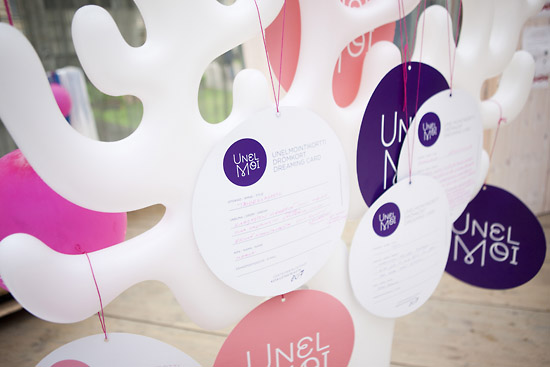
4144-bkirjastot3_550px-jpg

A tree of dreams: Gathered at a workshop held at Helsinki’s Design Pavilion, these leaves contain ideas for the city’s new central library.Photo: World Design Capital Helsinki 2012

The project for Helsinki’s new central library stands under the heading “Dream!” Library users’ visions are an important part of project planning and they have been gathered both online and in workshops.

Katja, 25, closes her eyes. “It is like the feeling of peace in the forest.” She imagines a wide area with a cosy atmosphere and comfortable furniture. According to other visionaries the library of the future should offer “hugging days,” “ticket to joy” or “canoes to lend.”

The dream will be ready in 2017, when Finland celebrates its 100th independence day. It seems that the future of libraries holds an unlimited amount of variation, activity and colour.

By Outi Puukko, August 2012
Part 5: Block party, Finnish-style

Explore summer in Helsinki

Our summertime video series: a look at life in the capital during the brightest time of the year.

An enjoyable way to spend a day: Mölkky is portable, easy to set up and fun to learn.

Is it bowling? Bocce? Pétanque? Lawn bowls? Horseshoes? No, it’s a Finnish game called mölkky. Play it in the park on a relaxing summer day.

As you’ll see in our video, mölkky is a game of skill, chance and fun. The pieces are made of material readily available all over Finland – yes, you guessed it: wood. Toss a wooden block to knock other blocks over, and tally the points – it’s as simple as that! Enhance your playing experience by bringing along a picnic and a group of friends.

By Peter Marten, August 2012

Flow Festival still flying high

Flow Festival, an annual music frenzy held in Helsinki each August, has grown exponentially since it was inaugurated in 2004. Our videographer captures the atmosphere of experimental music, urban spaces, visual arts, design, decoration and human warmth.

See and hear the Flow Festival atmosphere. Music by McSoila.

By Gustavo Alavedra, August 2011

Lonely lighthouse in Gulf of Finland gets new lease on life

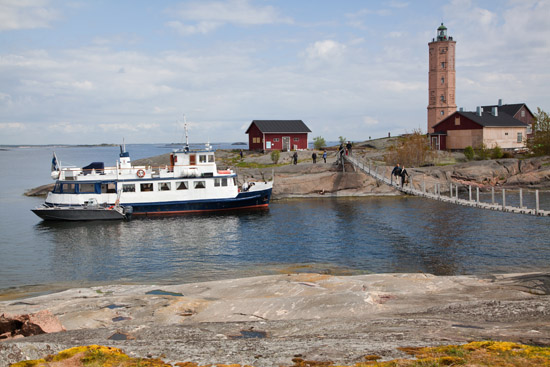
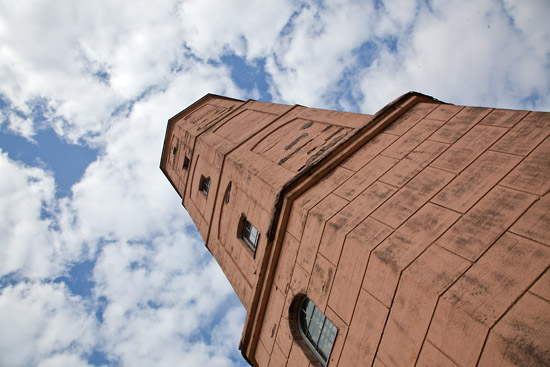
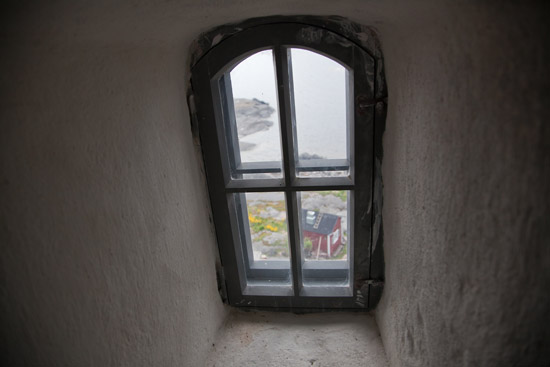
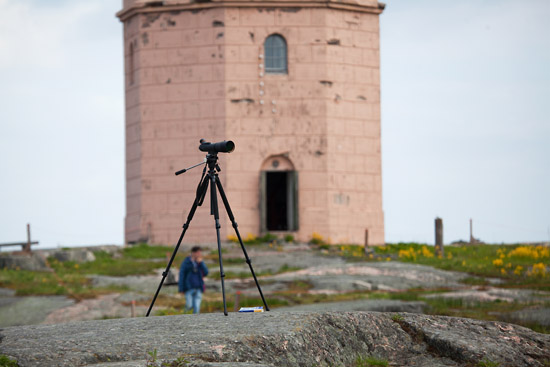
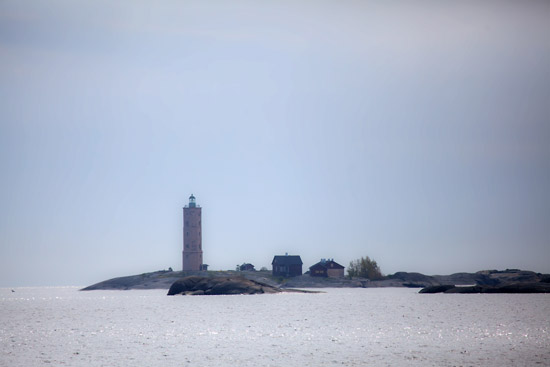
Söderskär Lighthouse has overlooked the Gulf of Finland for more than 150 years. Check out our slideshow below to see how, after decades of neglect, these remote islands and their rich cultural heritage and wildlife now face a brighter future.

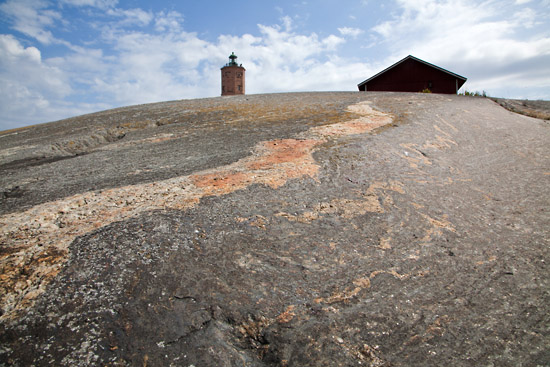
Seabirds cry overhead as we sail through a splendid, island-dotted seascape towards the low rocky island of Söderskär and its looming lighthouse. Though we are just 30 kilometres east of Helsinki as the seagull flies, these windswept, wave-washed islands feel wild and remote.

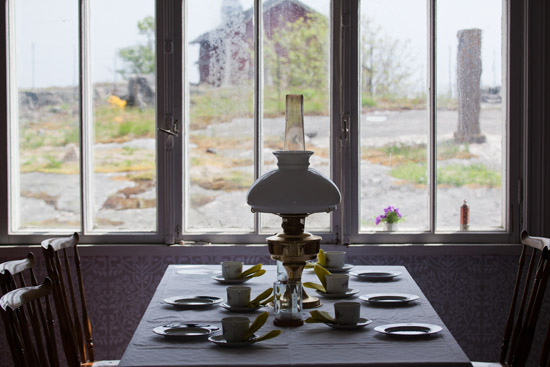
The last lighthouse-keepers and their families left this lonely spot when the lighthouse lantern was automated more than 50 years ago, and their wooden houses soon fell into disrepair. For decades, this part of the Gulf of Finland was only occasionally visited by fishermen and birdwatchers, and many islands remained the preserve of the military and coastguard services. But responsibility for the archipelago is now shifting to Metsähallitus Natural Heritage Services – the organisation that manages Finland’s national parks.

“We feel the best way to preserve the rich cultural and natural heritage of these islands is to keep them alive and in use,” says senior advisor Tiina Niikkonen from Metsähallitus. “Through two EU-funded projects we are restoring Söderskär’s wooden buildings, and networking with local firms and organisations to build up sustainable tourism and enable people to come here and enjoy the islands.”

(Article continues after slideshow.)

Rugged beauty: Söderskär

Harmony with nature

“The 150-year-old lighthouse and the old lighthouse-keepers’ and pilots’ homes are listed as a nationally important cultural setting,” adds cultural heritage expert Minttu Perttula, also a senior advisor at Metsähallitus. “Finland’s National Board of Antiquities is overseeing restoration work that will show visitors what life was like in this isolated community.” Söderskär also has historical military defence structures dating back to the Second World War.

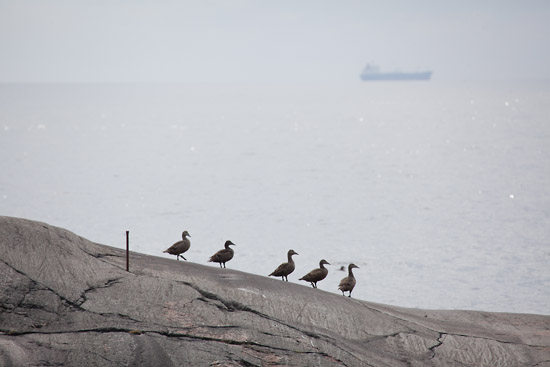
The islands around Söderskär are rich in birdlife, providing refuge for many breeding sea ducks, shore birds, and rare gulls and terns. The old pilot’s house at Söderskär has long been used by ornithologists to monitor numbers of breeding and migrating birds. In spring 2012, as many as a million arctic geese, divers, waders and sea ducks were counted passing through.

“In future we hope the pilot’s house will continue to be used by ornithologists from Birdlife Finland so this valuable work can be continued,” says Niikkonen. “Söderskär forms part of Baltic-wide, EU-wide and worldwide nature conservation networks, so everything we do here must be planned carefully to protect the islands’ wildlife.”

Brilliant daytrip from Helsinki

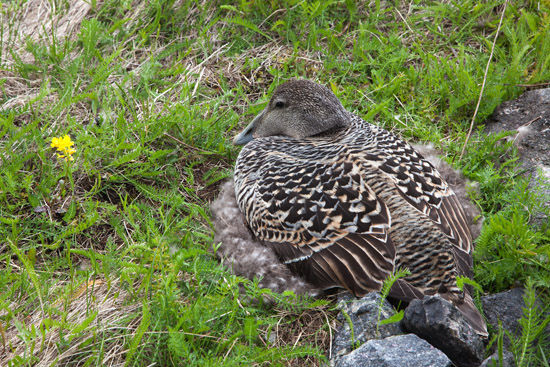
During the seabird nesting season in spring and early summer, visitors can only come to Söderskär with organised tour groups. Many parts of the island are roped off to protect well-camouflaged mother eider ducks sitting on their nests. Later in summer more independent visits and overnight stays are also possible.

Guided daytrips to Söderskär run three or four times a week during the summer from harbours in Helsinki. Island guides provide visitors with coffee, pancakes and stories about Söderskär’s history and former inhabitants. The lighthouse also houses exhibitions of local artists’ nature-themed works.

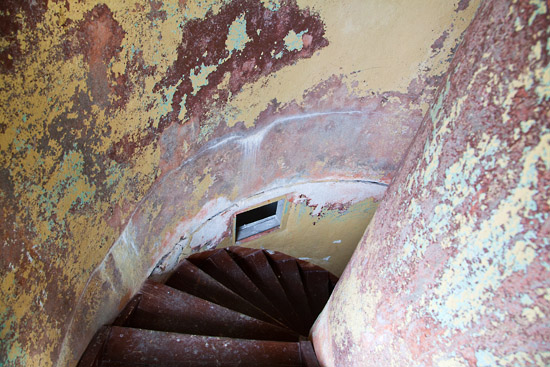
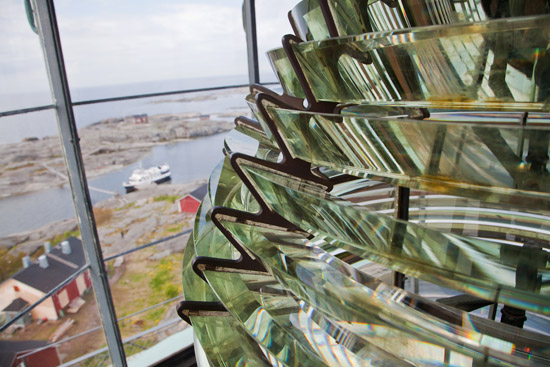
To cap it all, visitors can climb 40 metres up to the top of the lighthouse and enjoy magnificent views over the archipelago from the lantern room. Söderskär’s light shines on International Lighthouse Day (August 19).

Photos by Tim Bird, August 2012
Text by Fran Weaver

Envisioning Helsinki beyond our dreams

What does Hella Hernberg mean when she writes, “In the past few years our previously quiet and reserved Nordic hometown has been a source of constant surprise,” in her recent book Helsinki Beyond Dreams?

The volume forms part of the official programme of Helsinki’s year as 2012 World Design Capital. Hernberg is the founder of Urban Dream Management, which calls itself an “urban practice” and she also maintains an online journal. She first became interested in the way urban life in the Finnish capital was changing while she was writing her master’s thesis in architecture a few years ago.

She drew inspiration from Berlin, where she had been studying how people engage in self-generated, temporary projects that liven up abandoned wastelands and undefined urban territories. When she returned to Helsinki, she got a chance to collaborate with the design agency Part in a project to redevelop the empty Kalasatama (Fish Harbour) area by creating a strategy for temporary use while the neighbourhood is being transformed into a new urban district.

Working on the project with various citizen groups and NGOs made Hernberg realise that “there’s a lot of active, creative energy bubbling underneath the surface.”

City design from the grassroots up

2648-5_kalasatama_c-550px-jpg

At Ihana Kahvila (Lovely Café), they’re preparing for a movie screening.Photo: Johannes Romppanen

As Hernberg notes in her book, numerous urban grassroots movements and activities that encourage more sustainable lifestyles have flourished in Helsinki over the past few years. Activities range from setting up restaurants in people’s private homes to creating an urban garden in an unused rail yard.

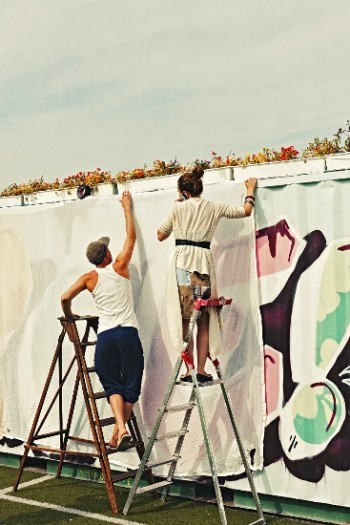
One project repurposed a couple freight containers into a cosy café, and another gathers info on urban foraging locations – places where you can find fruit or berries in city parks and other public spaces. Other new services enable people to borrow sports equipment or locally designed fashion clothing, or to contribute their skills to a community “time bank” from which they can then receive services from other members.

Hernberg thinks that these kinds of activities are a sign that people want to interact and have an impact on their surroundings. “Being able to participate in the development and life of the city is very important, and there’s even solid research that this increases people’s happiness.”

Hernberg stresses that even the smallest actions can make a significant difference in a society. However, it is essential that the activities aren’t “designed from above,” but rather initiated by the people themselves. Though bureaucracy can sometimes hinder the public’s access to spaces such as disused industrial buildings in Helsinki, Hernberg remarks that the city administration has become much more lenient in recent decades, and “the importance of grassroots innovations is widely recognised by the city officials.”

Realising urban dreams

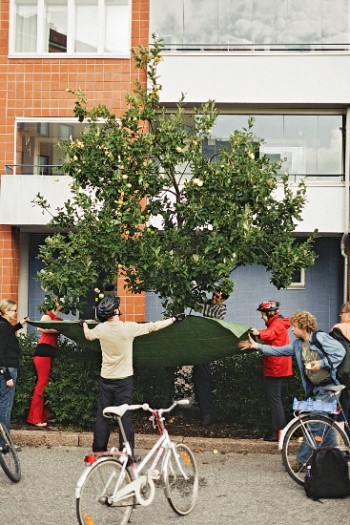
2648-4_foraging_c-550px-jpg

Shaking an apple tree: Urban foraging rides tour the best spots to pick berries, mushrooms and fruit within the city limits.Photo: Johannes Romppanen

By supporting, rather than restricting, people’s activities in the city, policymakers can work together with people to make a difference. For example, when it comes to planning temporary uses for areas such as Kalasatama, the city can benefit greatly from allowing people to experiment with their creativity.

Such undefined spaces give people more freedom “to take advantage of the changing conditions in the city and create projects that react to the most current situations,” Hernberg says. “Temporary projects are a platform for new experiments, and they can lead to new ideas about more permanent development as well.”

This kind of thinking really points to Hernberg’s idea of “beyond dreams.” “It’s important to take the time and courage to dream, even to dream the impossible,” she says. “When we go beyond our conventional modes of doing and thinking, it can be possible to make our dreams come true.”

Hella Hernberg’s Helsinki Top 5

1. Kääntöpöytä (Turntable): Urban gardening hotspot in Pasila: activist-run urban agriculture in a disused railway yard.
2. Kulttuurisauna (Culture Sauna): Brainchild of architect Tuomas Toivonen and designer Nene Tsuboi, being built on Helsinki waterfront to combine public sauna and cultural events Finnish Immigration Service website.
3. Urban foraging: Map and bike tours pointing out the best urban spots to pick berries, mushrooms and herbs in autumn and spring. For map, click “Etusivu” (explanations in Finnish).
4. Ihana Kahvila (Lovely Cafe)in Kalasatama: Housed in two freight containers flanked by a recycled strip of artificial grass. general municipal website.
5. Restaurant Day: Held four times a year, allows anyone to set up their own pop-up restaurant, café or bar.

By Henrietta Hautala, August 2012

Part 3: Super summer soup on the playground

Explore summer in Helsinki

Our summertime video series: a look at life in the capital during the brightest time of the year.

Children share a free lunch on the playground in a nearly 100-year-old Helsinki tradition.

During summer in Helsinki, children under 16 can eat lunch for free at any of 71 designated playgrounds around the city. This tradition is almost 100 years old and is made possible by the Helsinki Social Services Department.

We visit Haruspuisto Playground in the eastern suburb of Meri-Rastila and talk with playground supervisor Päivi Tolvanen-Piironen. Children from widely different backgrounds come to the park to play, paint, sing and eat – there’s a great sense of community spirit.

By Gustavo Alavedra, July 2012

Part 4: The boating life in the Finnish capital

Explore summer in Helsinki

Our summertime video series: a look at life in the capital during the brightest time of the year.

Life on the waves: From harbours located right in the downtown area to myriad visit-worthy islands along the coast, Helsinki’s a great place to go boating.

“The sea is always close-by in Helsinki city centre,” says Klaas-Jan, whom we like to call The Boating Dutchman. Originally from the Netherlands and now living in Helsinki, he generously lets us tag along on a capital ocean outing with his wife and their adorable dog. Destination: the island fortress of Suomenlinna.

Helsinki is a peninsula, so it features sea access right in the downtown area. Boats form a natural part of city life, from sailboats to motorboats, and from the cosy shuttles that service nearby islands to the enormous ferries that travel to Sweden, Estonia, Germany and Russia.

By Peter Marten, August 2012