Finland’s Nokia Design Archive reveals the human stories behind your favourite phones

Metal shelving runs the length of the narrow room, stacked with grey boxes that hold decades of Nokia’s design experiments. The air is cool, the space tight and the hum of the climate system is the only sound.

Inside the boxes are objects that trace the evolution of early mobile technology – wood and foam models sanded by hand, engineering prototypes, colour samples, trend books and concept devices that never reached the market.
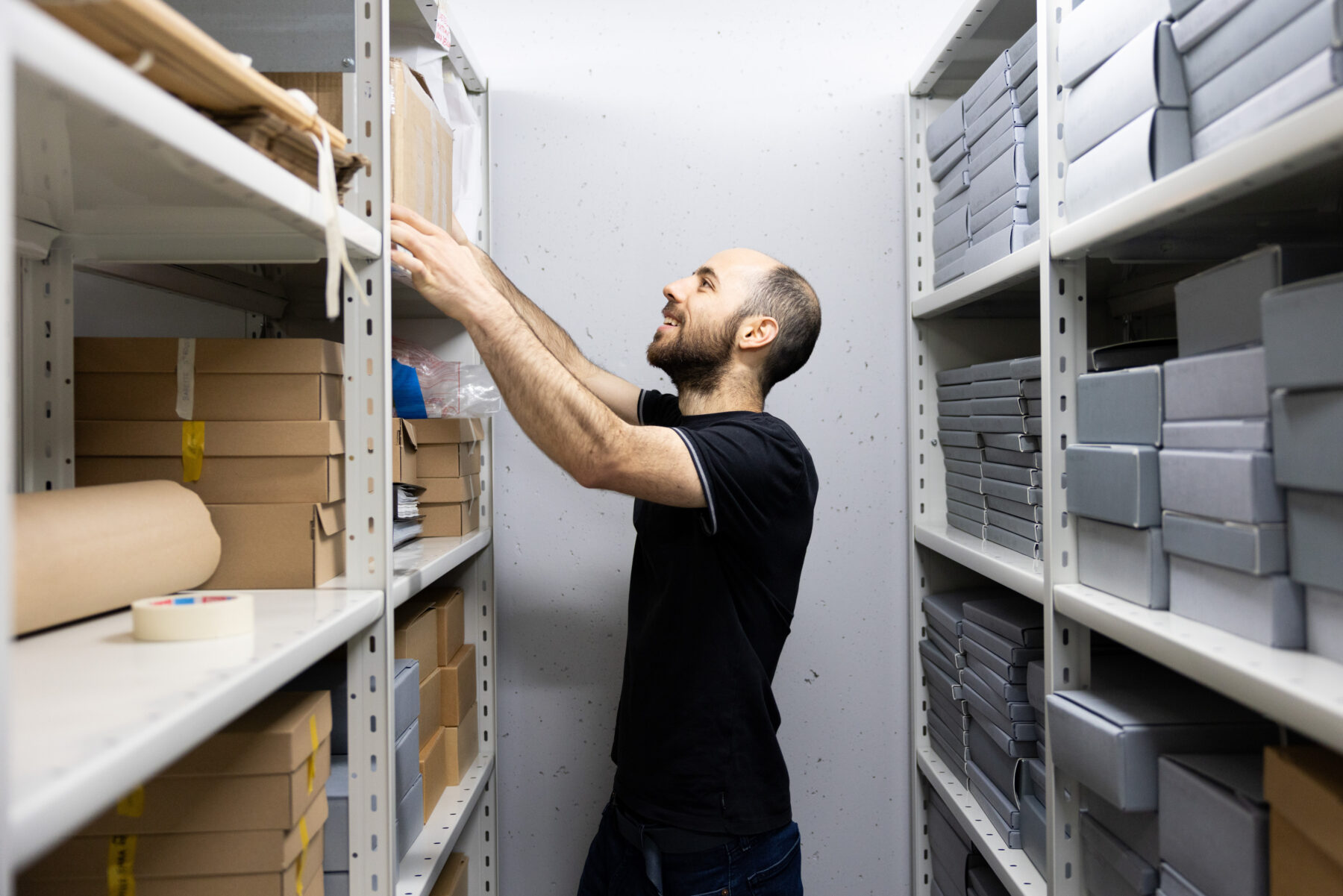
A man reaches toward an upper shelf in a small room lined with metal shelving units holding neatly arranged boxes.

Michel Nader organises materials in the Nokia Design Archive, where researchers, students and fans can explore original designs. If anyone wants to access the archive, “they can easily send an email,” he says. “This is open, and then they can see it.”Photo: Emilia Kangasluoma

This is the Nokia Design Archive at Aalto University, just west of Helsinki. I’m here with researcher Michel Nader and photojournalist Emilia Kangasluoma to see how the collection preserves both the objects and the stories behind them.

“These people were inventing their work,” Nader says. “There was no precedent to Nokia. Designers were hired to improve the shape of a phone, and eventually they were trendsetters.”

An unlikely rescue
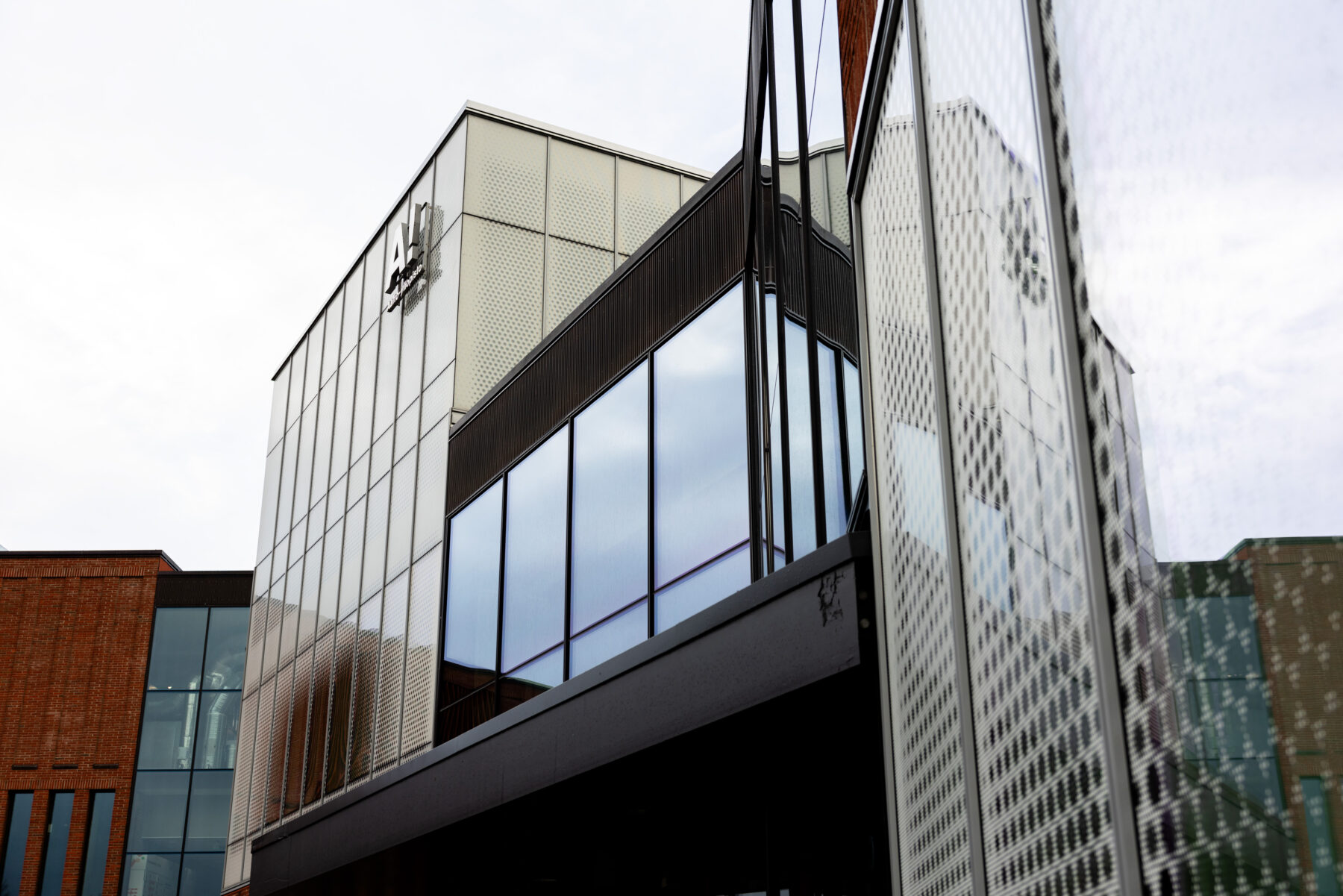
A geometric glass-and-metal facade reflects surrounding architecture under an overcast sky.

The Nokia Design Archive is housed in the Väre building at Aalto University. In Finnish, väre refers to a ripple on water.Photo: Emilia Kangasluoma

The Nokia Design Archive holds around 25,000 items, divided between this narrow room at Aalto and an extensive online collection covering more than two decades of design work.

None of it was guaranteed to survive. In 2017, professor Anna Valtonen, who had started the collection while working inside Nokia, received an unexpected call from a former colleague. As a result of Microsoft’s decision to shut down Nokia’s mobile device research and development operations in Finland, the archive’s materials were about to be thrown away, but there was still a chance to save them. (Microsoft acquired Nokia’s Devices & Services business in 2014.)
A grey gaming-style mobile device featuring a small display, directional buttons and a slanted number keypad.

Nokia’s N-Gage, codenamed the Starship, set out to merge mobile phones with handheld gaming. Innovative but awkward to use, it became one of Nokia’s most memorable experiments – arriving a year before the Nintendo DS.Photo: Emilia Kangasluoma

What followed has already become part of archive lore: a midnight call to Microsoft’s legal team in the US, an urgent scramble for permissions and, finally, a rescue mission to pick up what remained. “The lawyers went to talk to the US people in the middle of the night,” Nader says. “They got them to sign the contract in 24 hours, which was like a record thing.”

What survived was moved to Aalto and gradually rebuilt. The collection continues to grow as former designers contribute stories and context. “This lived experience adds to the archive,” says Nader.

The team that brought fashion to phones
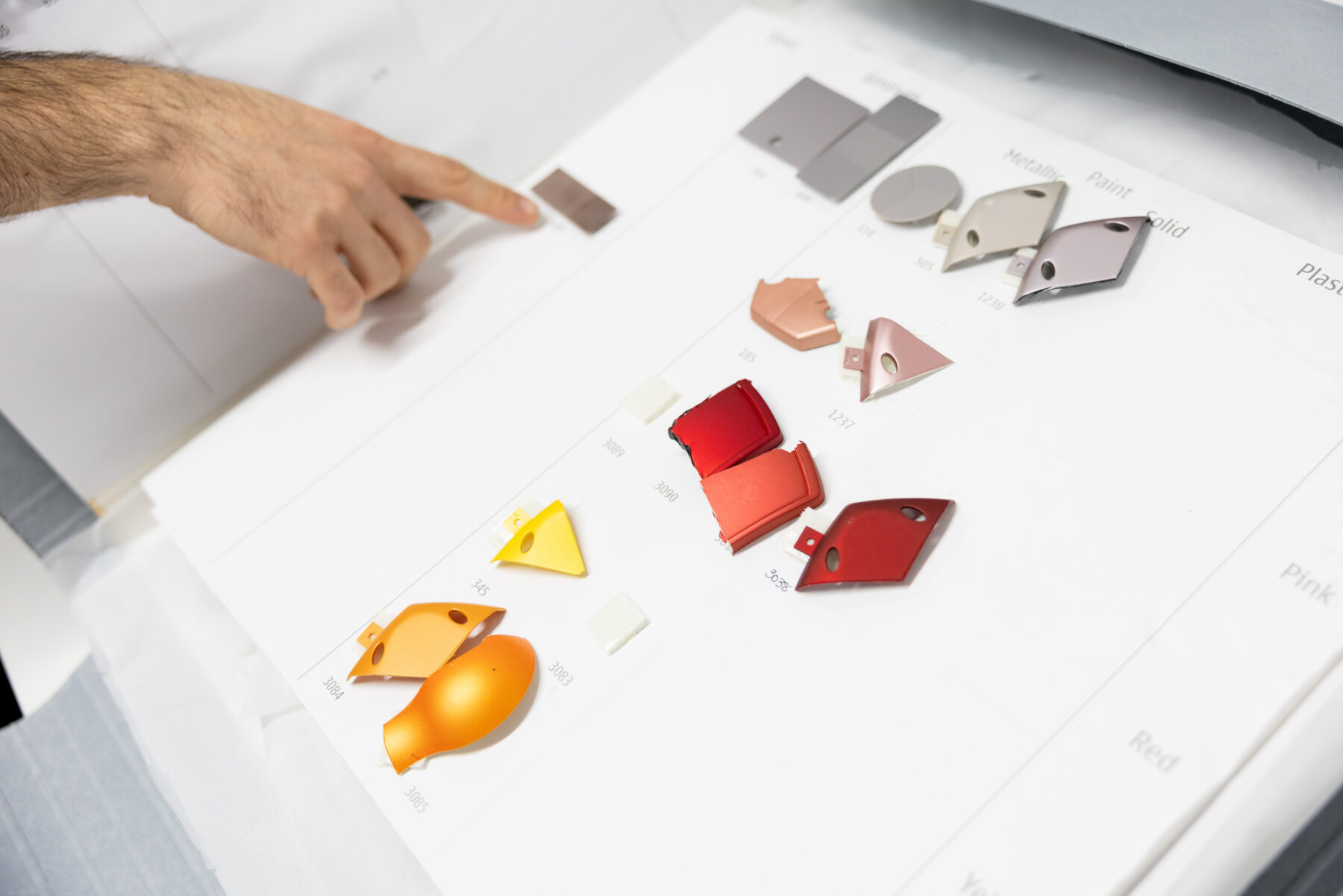
A hand points at a chart displaying an assortment of small coloured plastic and metal samples arranged in rows.

Colour and material swatches like these gave Nokia designers a tactile guide, helping ensure that illustrations and prototypes matched the final look and feel of the phones.Photo: Emilia Kangasluoma

The archive also preserves the unusual origin story of CMG (Colours, Materials and Graphics), the Nokia design team that helped change the look of mobile technology worldwide.

“CMG did not exist as a field,” Nader says. “At first it was one fashion designer hired in accessories – she was making pouches for phones. And she was like, ‘What if we make phones with colours?’, and she started painting them. The painted phones suddenly exploded and sold [best], so they started hiring more fashion designers and created the CMG team.”
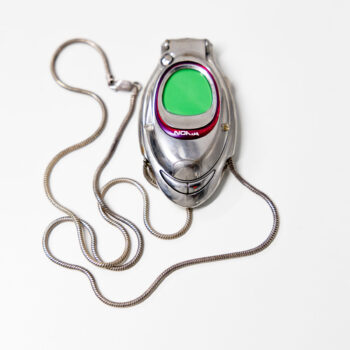
A sleek metallic handheld device featuring a green screen is shown with its thin chain arranged loosely around it.

A rare Nokia film prop designed for Minority Report. “Nokia was commissioned to design the futuristic gadgets featured in the movie,” says researcher Michel Nader. Only a few prototypes were ever produced.Photo: Emilia Kangasluoma
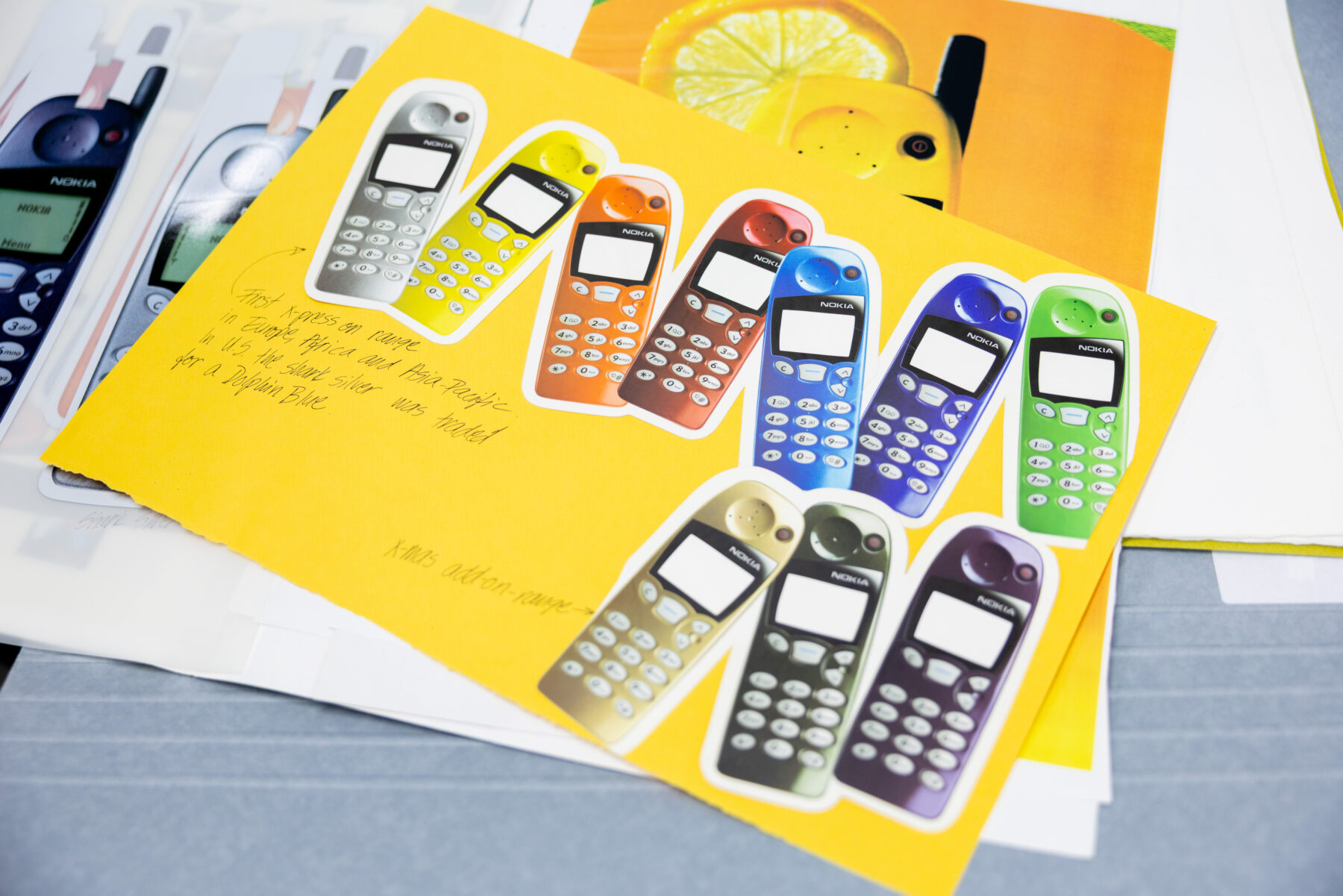
Brightly coloured cutouts of old-style mobile phones are arranged on yellow paper alongside handwritten notes.

A glimpse into Nokia’s design process: a handcrafted presentation shows how designers combined technical specs with fashion-forward ideas. Released in 1998, the 5110 was one of the first phones with changeable covers.Photo: Emilia Kangasluoma

What emerged was the world’s first fusion of fashion and telecommunications. Designers developed seasonal colour palettes, coordinated with factories across continents and shaped how millions of people experienced their mobile devices.

“They were invited to Paris [Fashion Week] to tell people the colours of the next season,” says Nader. “This was unique. This really didn’t happen anywhere else.”

The Moonraker: a smartwatch with a funeral
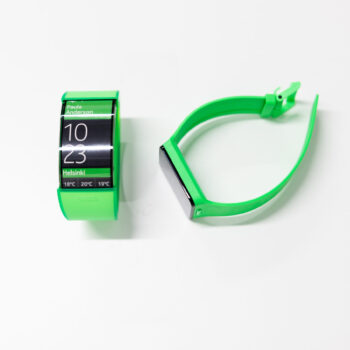
A fancy futuristic watch with a sleek digital screen.

The Moonraker smartwatch, finished but never released.
Photo: Emilia Kangasluoma

Nader opens a box to reveal a slim green smartwatch: Nokia’s Moonraker prototype. It was nearly finished when Microsoft cancelled the project after the acquisition. “That is a working prototype of the Moonraker,” Nader says. “They were planning for two years full-time and then it got pulled.”

In the digital archive, designer Apaar Tuli recalls the moment the team learned it was over: “The product was maybe two months from launch…The software was running. The hardware was close to the final build.”

Hundreds of devices had already been built and were boxed and ready. “When we heard the news, there was a bit of tears shed.”

To mark the loss, he took his team to the beach near the Nokia office in Espoo. “We wanted to do a little funeral party for our watch,” he says. “We sat there and discussed all the amazing experiences we had designing this product together. We kind of did a ceremonial funeral by burying it under the sand.”

It took months, he admits, before he could work on another device. “But Moonraker was definitely an amazing adventure,” Tuli says.

Design becomes a life’s work
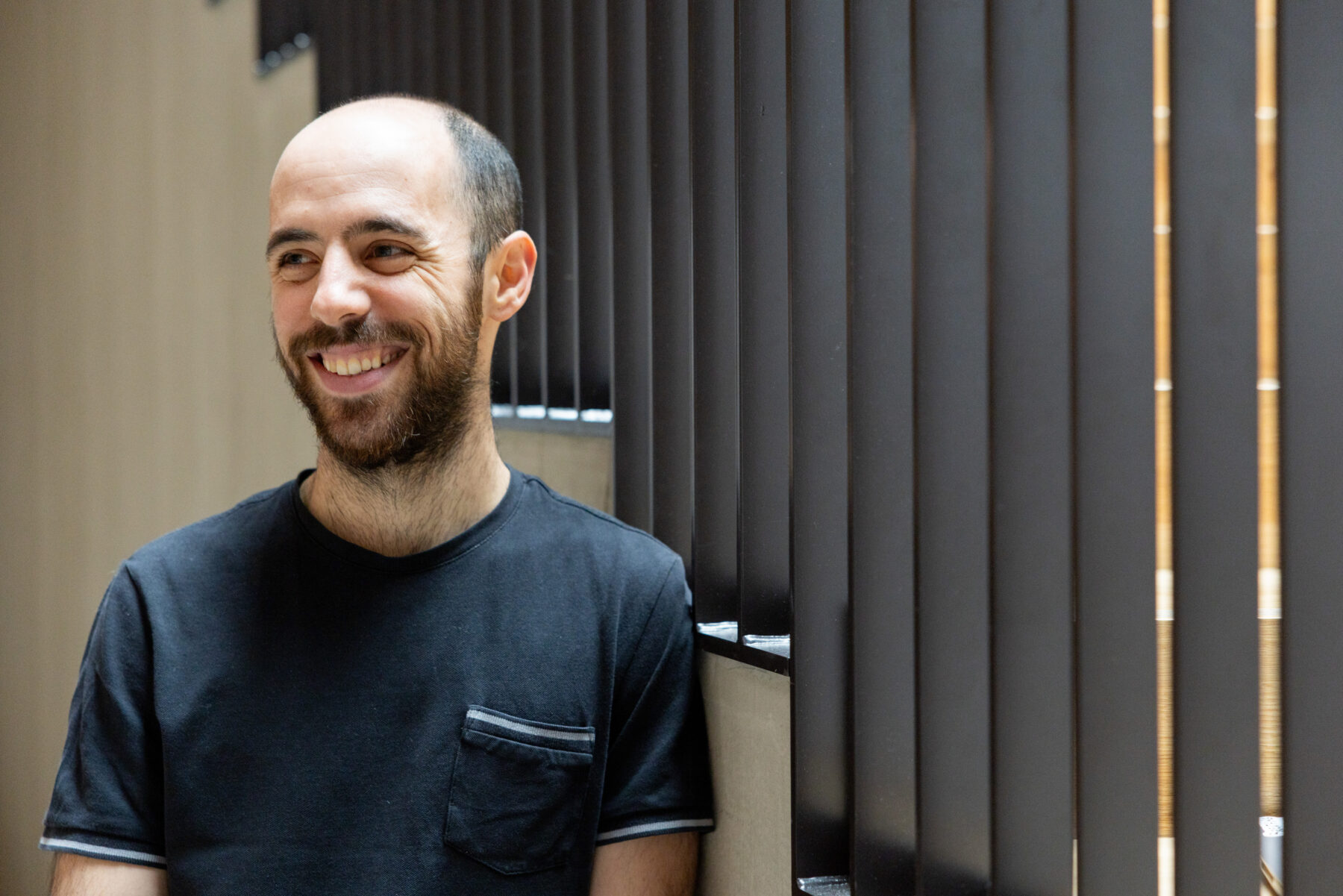
A man with a short beard and a dark T-shirt leans against a staircase wall beside tall vertical railing supports.

Michel Nader connects with former Nokia designers, gathering their materials and stories for the archive. “I really do want a dumb phone though,” he admits with a smile.Photo: Emilia Kangasluoma

At its peak, Nokia’s design organisation included hundreds of designers working across continents and time zones. The pace could be overwhelming. “One of the designers was telling me that they had, at some point, 75 projects on their desk at the same time,” Nader recalls. “And they only would produce maybe 10 to 20 percent.”
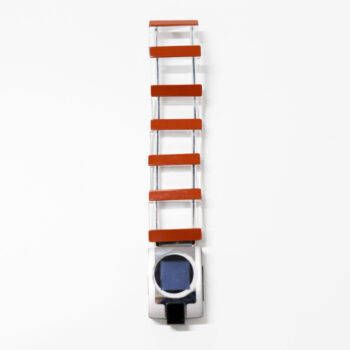
A wearable wristband made of clear sections and red bars connected to a square gadget with a digital screen.

This prototype for Nokia’s Medallion II, part of the Imagewear series, blended mobile technology with fashion. It allowed wearers to display digital photos as jewellery-like accessories.Photo: Emilia Kangasluoma

The intensity came with a price. “This was not a time when wellbeing was so important,” he says. “They dedicated their life to it. I had designers talking to me about how they had sleeping bags in the office. They had so much pressure.”

When Microsoft later shut down Nokia’s mobile phone operations, many designers struggled with the sudden loss. “One of the designers was talking about how he, for two years after leaving Nokia, couldn’t even work,” Nader says. “He was just destroyed. It was their family, but also everything.”

The human side of design
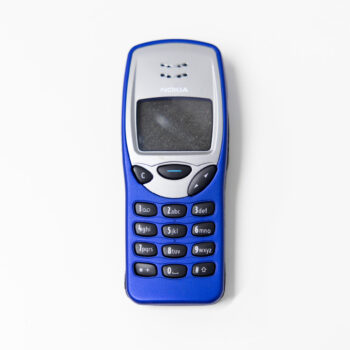
A compact blue mobile phone featuring a small display and raised number buttons placed on a white background.

Codenamed Chameleon, Nokia’s 3210 introduced fully changeable covers, inspiring a huge third-party market. The customisation helped make it one of Nokia’s most recognisable phones.Photo: Emilia Kangasluoma

As we step back into the daylight, the archive feels less like a collection of boxes and more like a record of lives shaped by design. The prototypes and interviews reveal the hopes, doubts, heartbreaks and breakthroughs behind devices that shaped how the world communicated.

And the influence didn’t end there. When the designers moved on, they carried their CMG training into other companies and classrooms, spreading the design approach that began at Nokia. The story continues through them, in the ideas and design cultures they continue to build.

By Tyler Walton, January 2026; photos by Emilia Kangasluoma
Producing just enough: Finnish startup uses AI to rethink retail

Could consumption and manufacturing be tempered simply by avoiding overproduction in the first place? And what if retailers had precise, real-world data about which products would truly resonate with shoppers, allowing them to produce just enough, neither too much nor too little?

These are the questions that Finnish startup Clair, founded in 2025, has set out to answer. CEO Eerika Savolainen launched the company with two partners, driven partly by personal irritation.

“I’ve always been fascinated by retail and fashion, but I’ve also been frustrated with how the world works,” she says.

For her, the sticking point is overconsumption.

For nearly five years, she bought only second-hand clothing, until one discovery derailed the experiment: finding well-fitting trousers on the used market was nearly impossible.

“There is a place for new products too,” she notes.

Teaching retailers what consumers really want

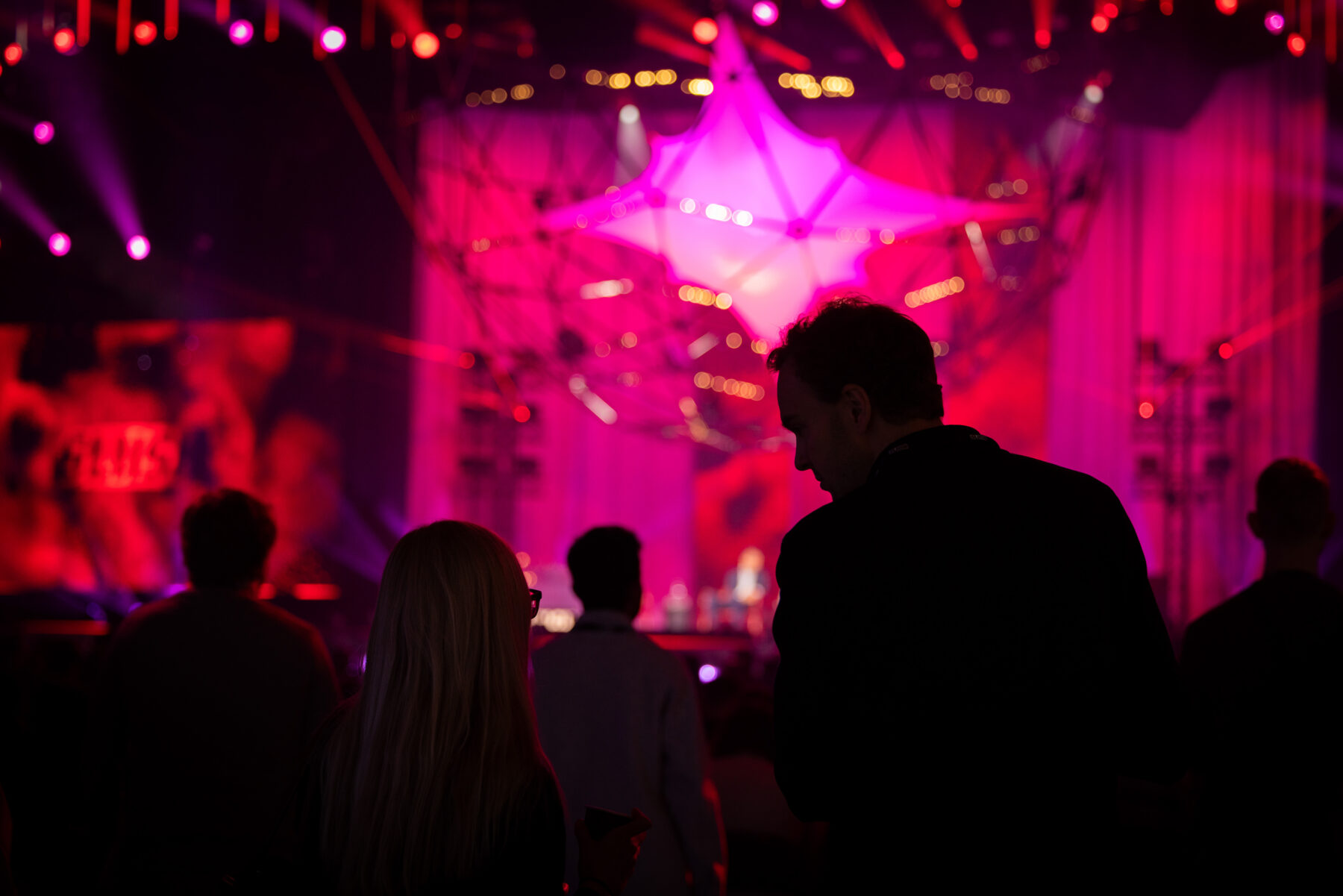
Silhouetted figures face a colourful stage filled with bright pink lights and geometric decorations.

Slush is one of the world’s leading startup and tech events, bringing together startup founders, investors and global innovators in Helsinki each year.

Clair is building an AI-powered assortment-planning tool that helps buyers and product managers decide what to purchase and in what quantities.

“The root challenge is whether we can understand, in a data-driven way, what consumers truly want and will buy,” Savolainen says.

“Once we know that, production can focus on the right items, so that manufacturing serves its purpose as efficiently as possible.”

The company works with consumer brands and retailers across the Nordic countries and Europe, particularly in categories with long production cycles – apparel, sporting goods, children’s products and pet supplies – where orders for the next season are placed more than a year in advance.

“There’s also a visual dimension: what a garment feels like to a buyer,” she says. “That emotional response can be measured with data, but traditional methods struggle to capture it.”

To bridge that gap, Clair trains its AI on each client’s specific context, allowing it to learn the nuances of their customer base. Broad generalisations about “what sells” become both difficult and beside the point.

The founder’s path: from Slush to startup life

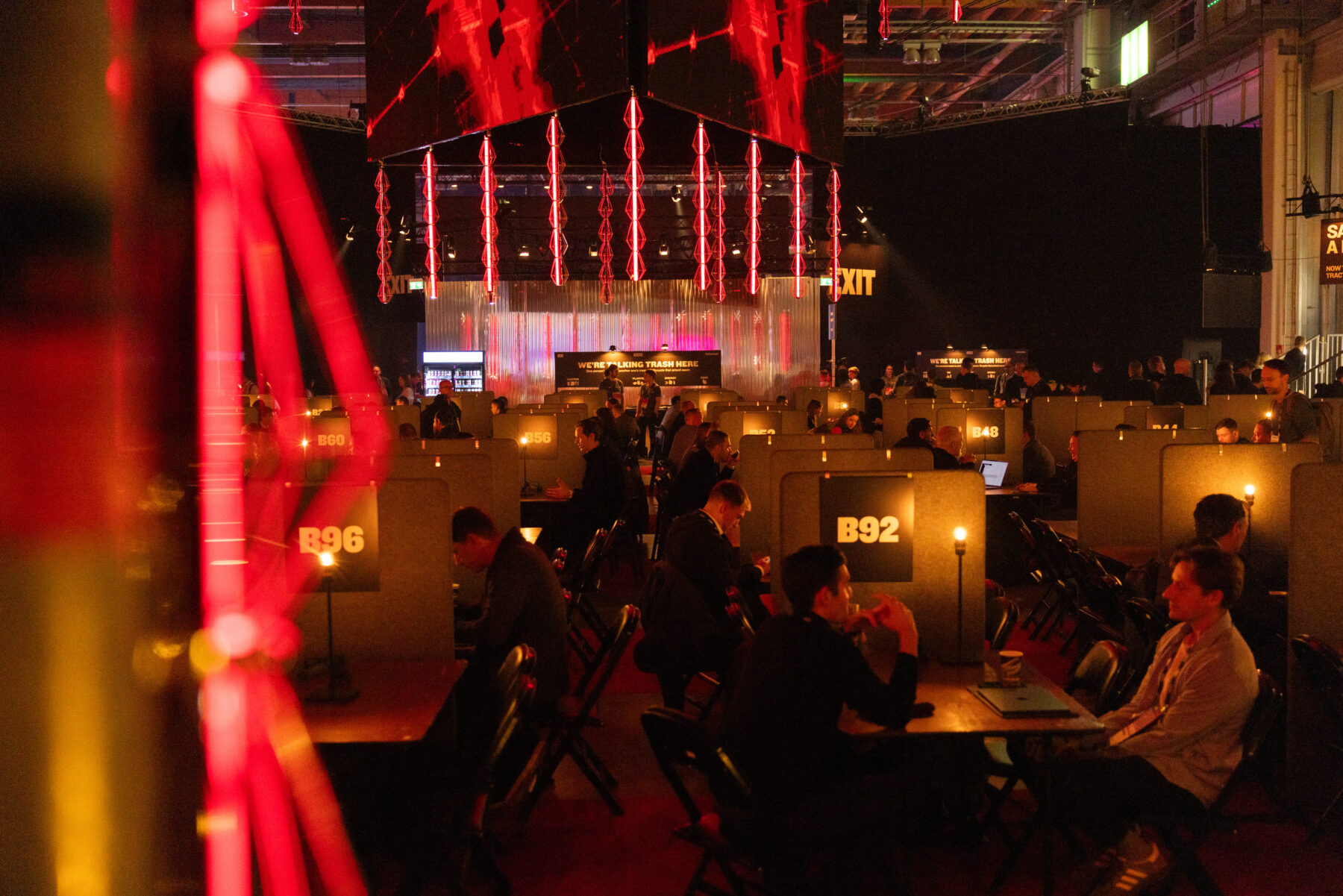
A dark event hall displays many people seated at arranged tables while red lighting fixtures hang overhead.

At Slush 2025, over 6,000 startups, 3,500 investors and 1,700 partners and ecosystem builders convened in Helsinki.

Clair is the first company founded by the 30-year-old Savolainen. Before launching it, she explored job opportunities but found nothing that felt compelling enough.

“Now it feels like I’m using my time meaningfully,” she says. “It’s important to me that if we succeed, we’ll bring something into the world that deserves to exist.”

She had previously found similar purpose at Slush, Europe’s most energetic startup event, based in Helsinki. Savolainen joined as a volunteer during her studies and eventually rose to lead the organisation.

“I’m very proud to have been part of it,” she says. “It was addictive to work somewhere with limitless room to grow and constant new responsibilities.”

In 2022 and 2023, she served as Slush’s CEO. At the 2025 event, she returned simply to enjoy the atmosphere and to meet potential partners for Clair.

“But I still have strong physical memories,” she says. “When I woke up on the Monday before Slush, I immediately felt what the [Slush] team must be experiencing as they gathered for final preparations. I felt it deeply.”

Lessons carried forward

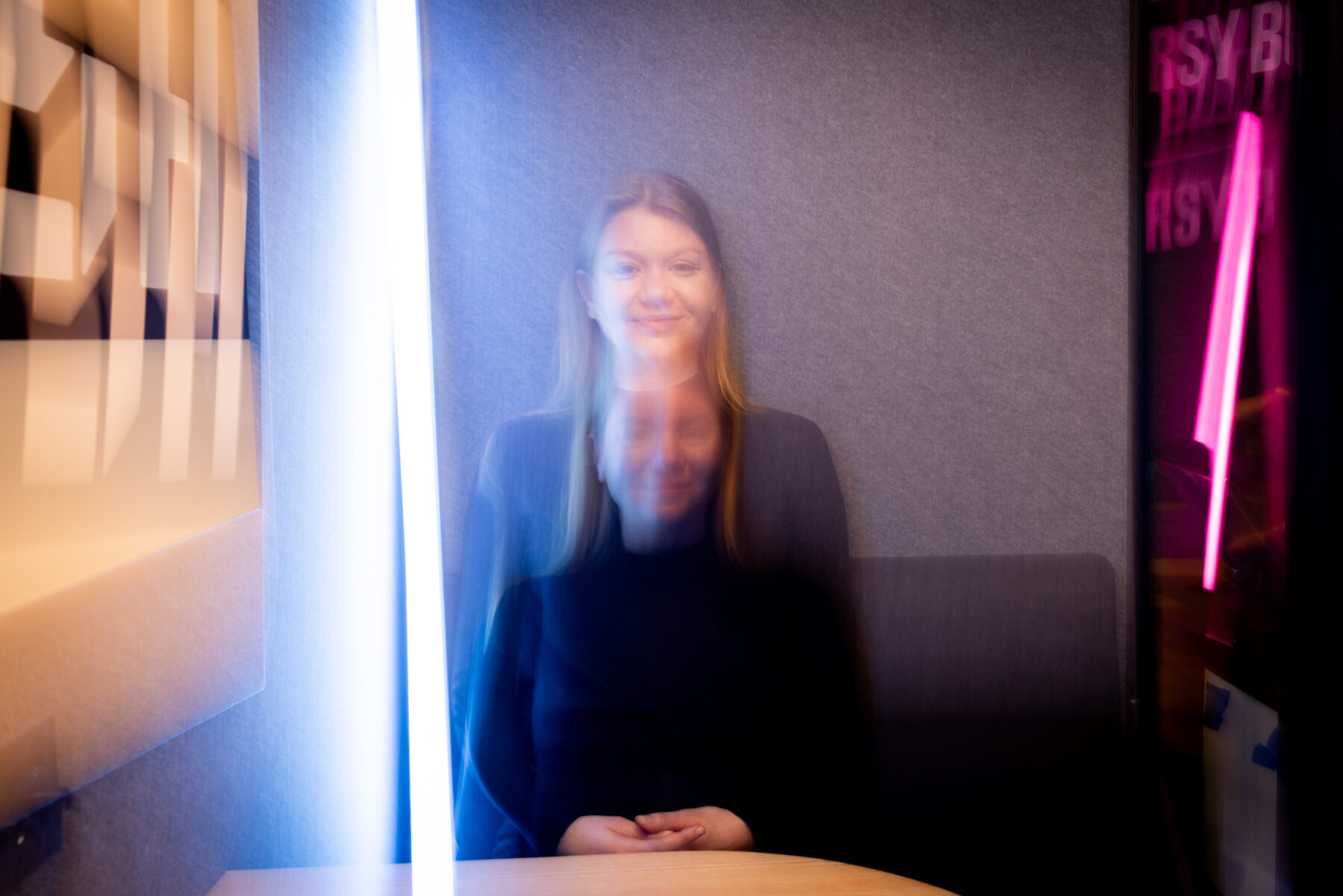
A person, Eerika Savolainen, sits in a small booth with bright lights creating a blurred double-exposure effect over their face and body.

Throughout Eerika Savolainen’s adult life, Finland’s and Europe’s economies have been dragging. “That’s why it matters that there is momentum, and people who refuse to settle for the status quo,” she says.

There are two insights from Slush that stayed with her.

First: Once you’ve worked in a place where your contribution truly matters, you become selective afterwards. You want the next role to be just as meaningful.

Second: You can make things happen yourself.

“That sense of agency is essential if you’re going to become an entrepreneur,” says Savolainen. “You need the courage to put yourself out there.

“As a founder, you must be willing to become an expert in areas where you’re only just beginning to grow as one.”

Those two insights continue to be relevant in her work at Clair, helping her decide which directions are worthwhile and how to navigate the early stages of a young company. For her, they offer a practical foundation in an evolving industry.

Text and photos by Emilia Kangasluoma, December 2025

Finnish knit design adds playful elves to festive socks

Playful elf motifs are a familiar sight in Finnish Christmas culture, and a festive sock design featured on Kotona.com draws directly on that tradition. Designed by Mia Sumell, the knee-high colourwork socks combine bold patterns with classic cuff-to-toe construction, allowing knitters to adjust the fit or experiment with colours.

Elves, or tontut, have long held a special place in Finnish folklore. Traditionally seen as household guardian spirits responsible for a home’s wellbeing, they were closely associated with everyday chores and, especially, Christmas. Over time, these protective figures evolved into the cheerful Christmas elves now central to the season.

The design also reflects a broader culture of seasonal crafting in Finland, where knitting is both a creative outlet and a way to slow down during the darker months.

The pattern is featured on Kotona.com, a Finnish English-language lifestyle site focusing on crafts, homes and everyday Nordic life.

Finnish festive homes capture readers’ hearts this Christmas

Kotona, a Finnish lifestyle website focusing on homes, crafts and everyday Nordic living, recently showcased three festive homes that captured the hearts of its readers. (Kotona means “at home” in Finnish.)

One favourite is a small red wooden house from 1935 on the edge of a forest in Salo, a city in southwestern Finland. At Christmas, the cottage is dressed with traditional decorations like straw goats, himmelis (geometric mobile decorations) and a tree brought in from the forest.

“This home radiates love and calm,” one reader commented.

Readers were equally taken with Villa Tilda, a jewel-like 1930s home in Pälkäne, a small municipality close to Tampere in southern Finland. The house, protected by the Finnish Heritage Agency, now features a stunning glass porch.

“At Villa Tilda, we never skimp on time or effort at Christmas,” says owner Ulla. One reader summed it up simply: “This is Finland’s most beautiful home!”

Another home that captured readers’ hearts was the Marjamäki croft, a small red cottage built in 1882, which exudes an old-fashioned Christmas atmosphere in the middle of a Finnish forest.

“A beautiful, atmospheric cottage,” writes one admirer.

Yes, Santa Claus is from Finland: Ten top facts about Father Christmas

1. Santa Claus really does live in Finland!

According to Finnish tradition, Santa’s original home is on Korvatunturi, a remote peak in Finnish Lapland, tucked away north of the Arctic Circle. Surrounded by forests, rivers and swamps, it’s so secluded that the only way to get there is by hiking or hopping on a reindeer sleigh.

Don’t be surprised if you spot Santa somewhere else in the Arctic, though! He considers all of Lapland, and indeed the whole Arctic region, his home. And if you’re eager to meet him, you can visit the Santa Claus Office in the northern Finnish city of Rovaniemi all year round.

2. He used to dress up as a goat

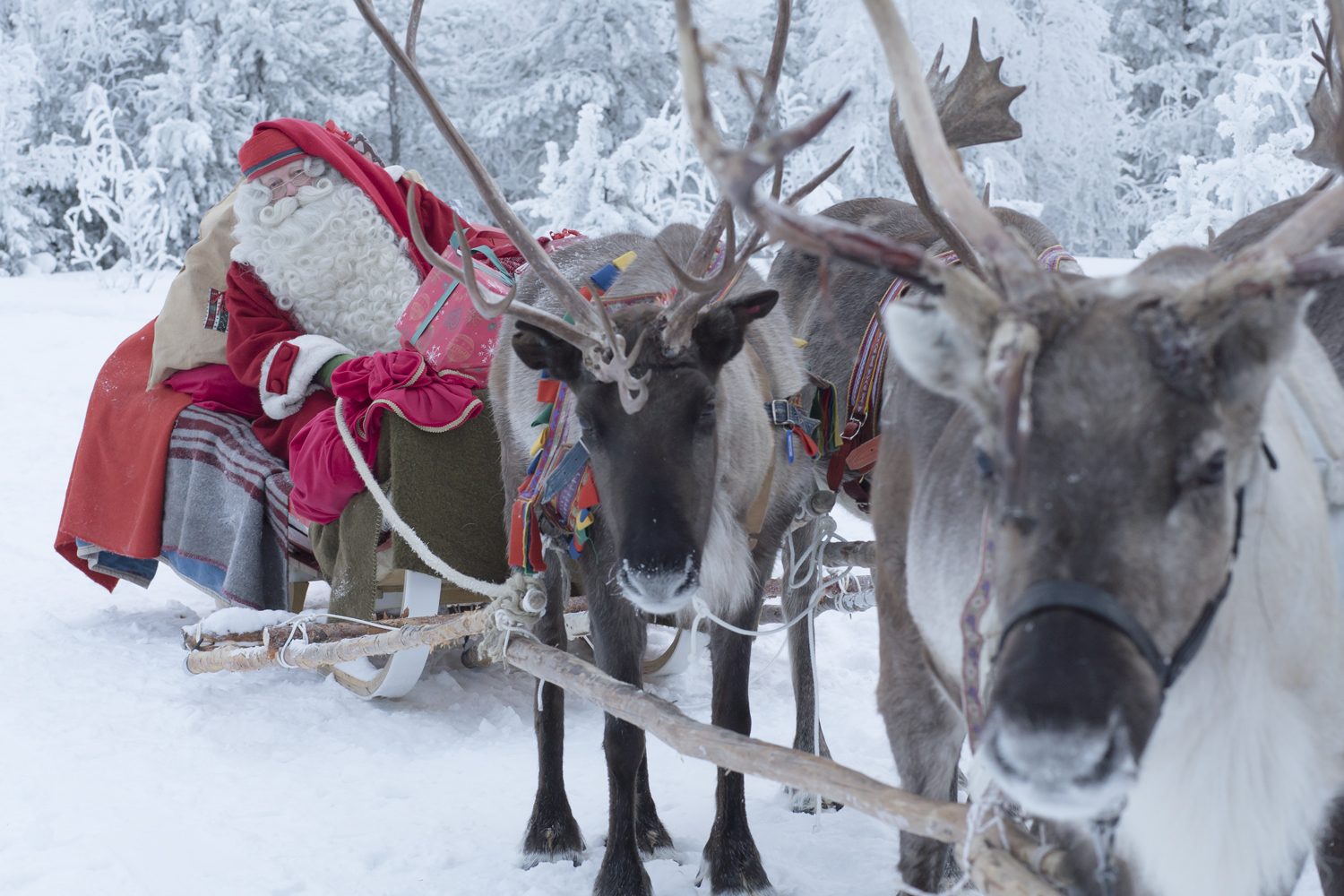
Harnessed reindeer pull Santa in a red suit on a sleigh across the snow.

Santa travels in style, on a sleigh pulled by reindeer. Leading the way, of course, is Rudolph.Photo: Santa Claus Office

The Finnish word for Santa Claus, joulupukki, means “Christmas goat” and has its roots in old pagan traditions, including the nuuttipukki, a horned figure dressed in furs who visited homes after Christmas asking for leftover food and drink. Today’s Santa is much friendlier, but he’s definitely been around for a long time.

According to Santa’s archive elves at the Santa Claus Office, there’s only one official document that reveals his exact age: his reindeer driving license. Under date of birth, it simply says: “A very long time ago.”

3. Santa’s look has changed over time

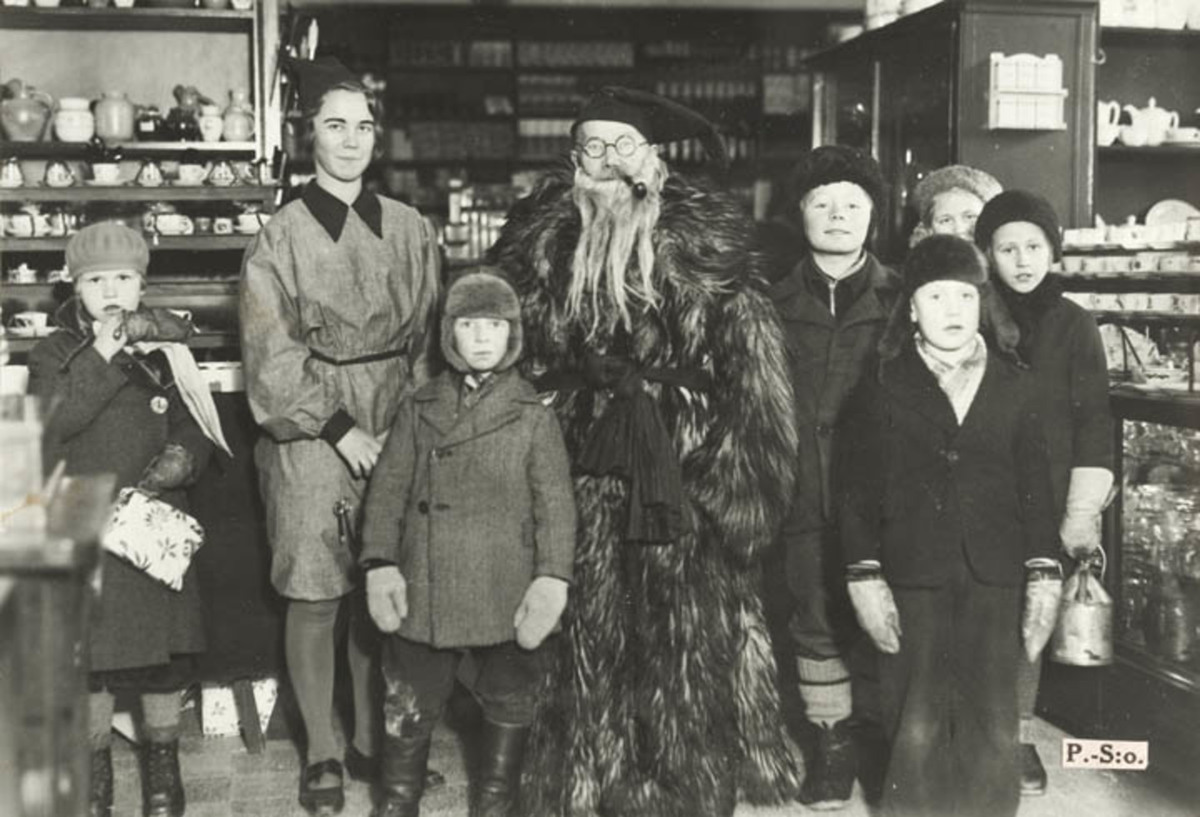
Father Christmas in a dark fur coat holds a pipe while standing beside a woman dressed as an elf in a shop in a 1930s black-and-white photo.

A visit by Father Christmas and his elf was captured on film back in 1937 in a Finnish shop.Photo: Kuopio Cultural History Museum

In the old days, Santa wore dark robes and looked a bit scary. It wasn’t until the early 1900s that he became the cheerful, red-suited man we know today.

For Santa, the colour red represents warmth and kindness. He also wears red to cheer up his good friend Rudolph, a reindeer whose red nose matches the outfit perfectly! (Santa remembers going through a grey and green phase in the past. He admits to being a little old-fashioned but says he’s open to a wardrobe update when the right century comes along.)

4. Joulumuori and the elves keep things running smoothly

Santa’s lifelong companion, called joulumuori (“Mother Christmas”) in Finnish, is a wise, kind woman who helps organise Christmas. She and Santa and their team of hardworking elves in Lapland read wish lists, build toys, and make sure children all over the world stay on their best behaviour.

5. Finnish Christmas traditions are warm and cosy

In Finland, Christmas is all about warmth and being together – traditions that capture the same spirit Santa spreads worldwide. Before dinner, many families enjoy a relaxing Christmas sauna. The festive table is filled with traditional foods like casseroles, smoked fish, rice porridge, and homemade treats. Homes are decorated with candles, straw ornaments, stars, and of course, a beautifully lit Christmas tree.

6. In Finland, Santa delivers gifts in person – on Christmas Eve!

Unlike in many countries where presents appear overnight, in Finland Santa often knocks on the door on Christmas Eve and asks, “Are there any well-behaved children here?” Families sing songs with him, chat, and share a laugh before he hands out the gifts. Finnish children cherish this tradition.

7. One night, millions of homes. How?

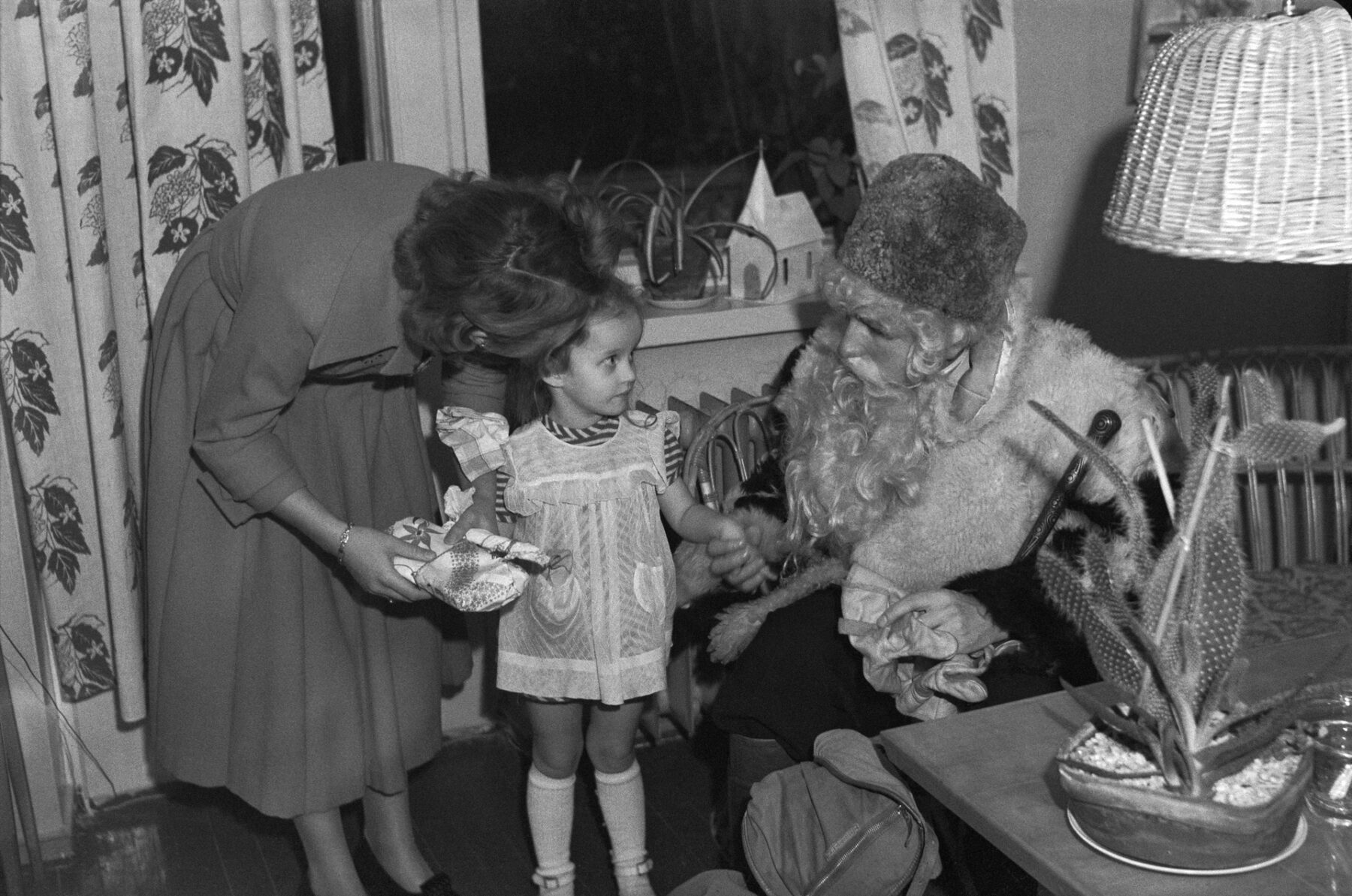
A young girl in the 1950s looks at a man dressed as Santa in her family’s living room as her mother bends down to speak encouragingly to her.

Father Christmas dropped by a Finnish home in the 1950s. The child couldn’t help thinking he looked a bit familiar…Photo: Constantin Grünberg/Helsinki City Museum

To visit every child in one night, Santa would need to reach hundreds or thousands of homes per second. With midwinter darkness lasting nearly 24 hours above the Arctic Circle, Santa has plenty of time.

It’s simple, really. Anyone could pull it off. All you need is some flying reindeer, a few centuries of practice and a dash of Christmas magic.

8. A Lapland reindeer fact: Santa’s team is mostly female

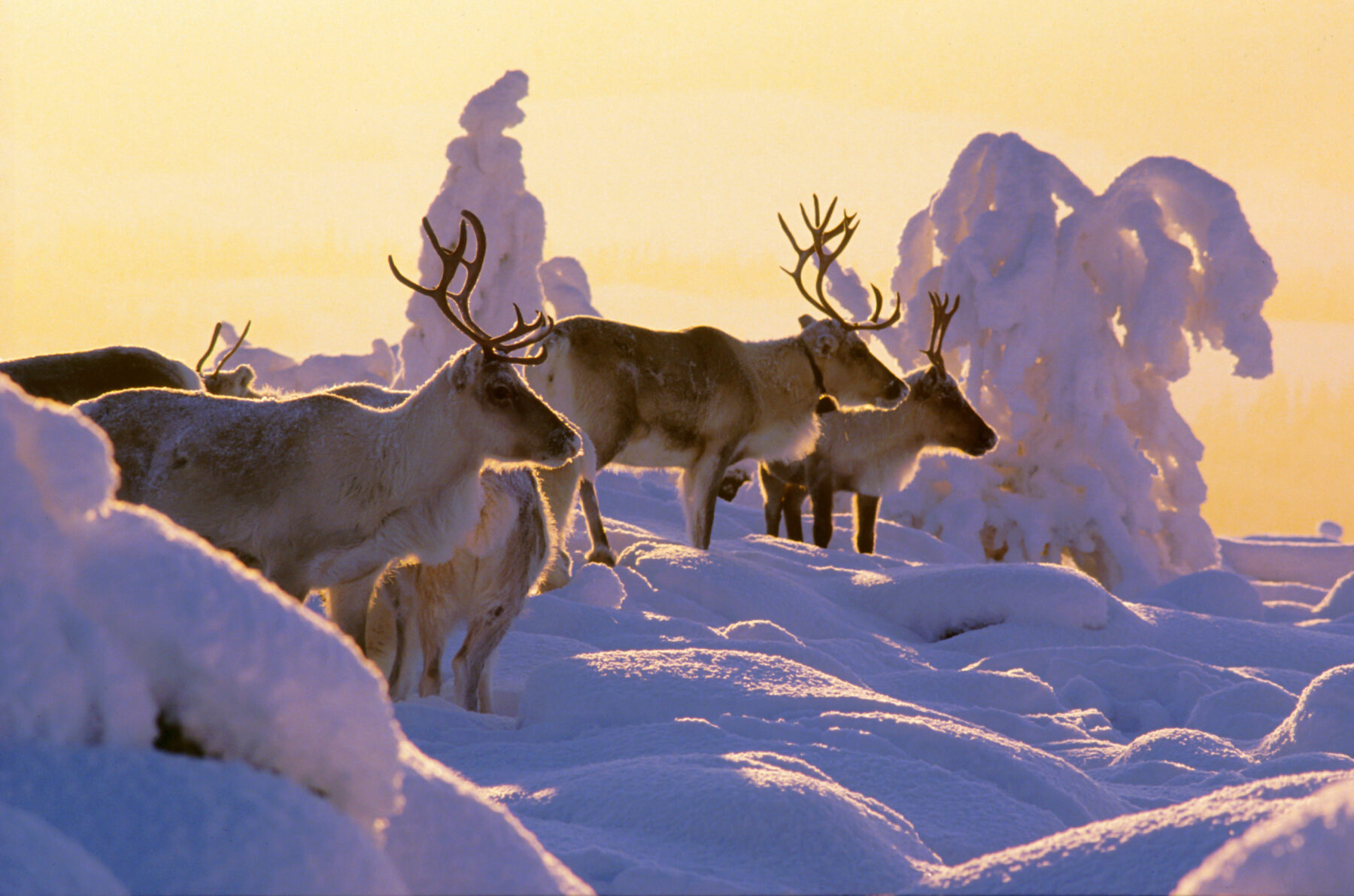
Five reindeer are standing in a sunlit, snow-covered landscape, looking into the distance.

Lapland and the Arctic are the natural homeland of the reindeer. Photo: Arto Komulainen/Lapland Media Bank

Of course, Rudolph (known as Petteri in Finnish) and his friends pull Santa’s sleigh through snowy landscapes. But here’s a fun twist: If you see antlers on Santa’s reindeer at Christmas, they’re probably female! Male reindeer shed their antlers in early winter, while females keep theirs through spring.

As children all over the world know, Santa’s reindeer love carrots. Regular reindeer, however, prefer lichen, a slow-growing arctic plant that takes years to mature. Perhaps that’s what makes it such a special treat.

9. In Finnish, December is even named after Christmas

In Finland, the old word for December, talvikuu (“winter month”), later became joulukuu – literally “Christmas month.”

Santa Claus himself is known by multiple monikers – Father Christmas, Père Noël, Sinterklaas, and more. As the Finnish saying goes: Rakkaalla lapsella on monta nimeä (“A beloved child has many names”). Santa is proud of his global nicknames.

10. You can send Santa a letter!

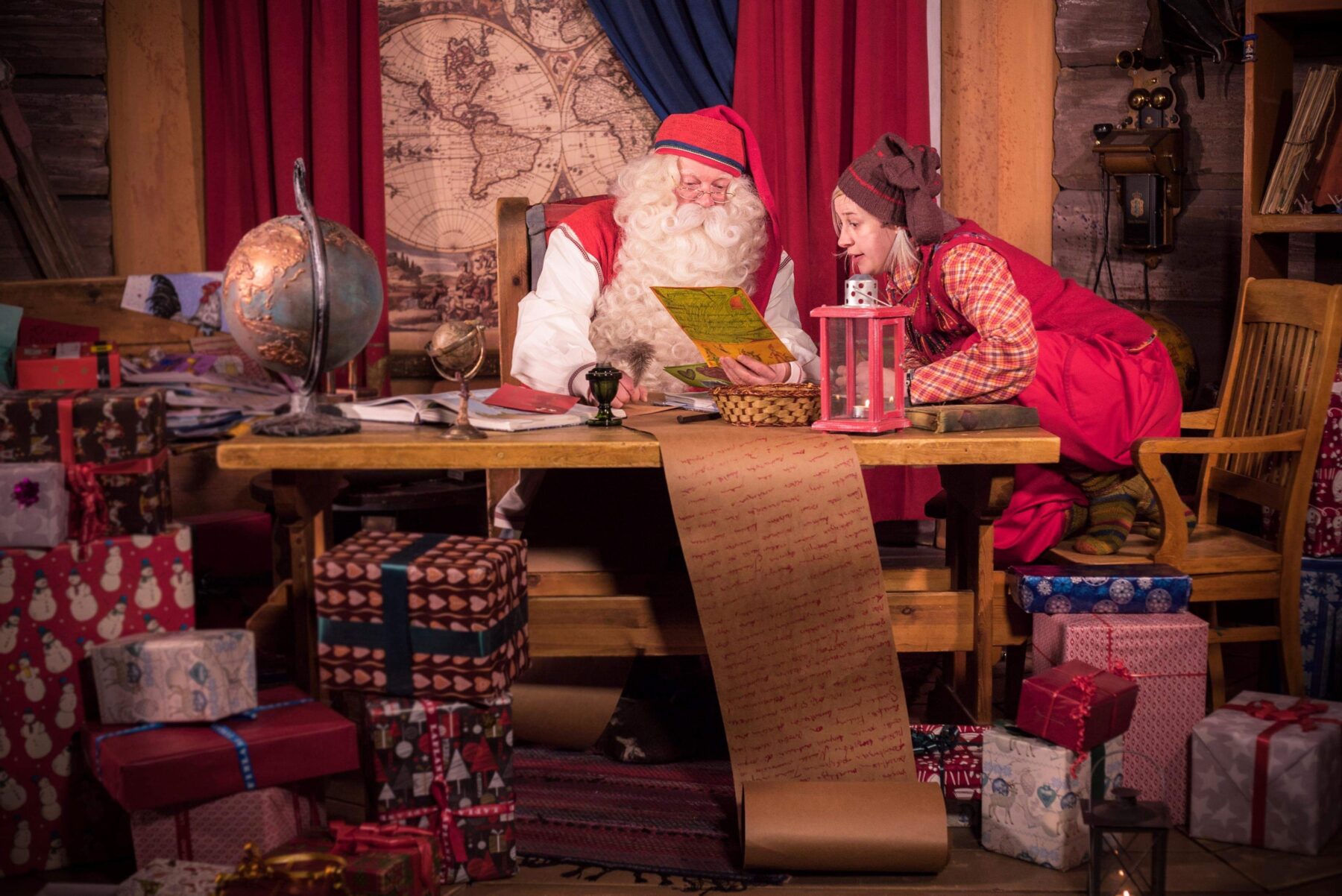
Santa shows an elf a card as they sit at a wooden desk surrounded by presents with a long parchment scroll hanging to the floor.

It’s quite the job, reading every single letter sent to Santa!Photo: Santa Claus Office

Santa’s main post office in Rovaniemi receives hundreds of thousands of letters from more than 190 countries every year. Children from all over the world can write to Santa at:

Santa Claus
Tähtikuja 1
96930 Arctic Circle
Finland

Bonus: Why does Santa exist?

Santa is one of the best-known, most beloved figures in the world. For centuries, he has brought joy to children and adults alike, right in the middle of the darkest and coldest season. His most important mission? To remind people of all ages that there is a world of fairytales and dreams where everyone is always welcome.

Sisu movie sequel: Finnish sisu never goes out of fashion

Long touted as a unique key to understanding the Finnish mindset, the word sisu is difficult to translate, but it depicts courage, guts, bravery, willpower, tenacity, determination or some combination thereof.

The term received renewed attention with the appearance of the movie Sisu in 2022, in which it was described as “a white-knuckled form of courage and unimaginable determination.” The equally brutal 2025 sequel, Sisu: Road to Revenge, is keeping it in the spotlight.

The film, which the Observer calls “insanely violent” and “wildly entertaining,” stars Jorma Tommila as Aatami, who takes on a Soviet bad guy with “gore-splattered” results. (In the first Sisu, it was Aatami against the Nazis.)

The Sisu movies are directed by Jalmari Helander, previously known for the 2010 Rare Exports: A Christmas Tale, which contained a combination of action, comedy and horror. “Sisu: Road to Revenge consistently and creatively kills the competition,” says a review on Rotten Tomatoes. The film has proved a US box office draw – at the time of writing, it is among the top recent releases and is already set to surpass its predecessor, which in the meantime is now watchable on Netflix.

Elsewhere on this website, we discuss the significance of sisu as it pertains to civilised Finnish culture. It can be the quality that keeps you going in sports or gives you healthy energy in your daily life.

The Guardian, the Economist, the BBC and Aalto University are among the outlets that have taken note of sisu (the word) and its many meanings. “Revenge” isn’t one of them, but don’t let that spoil a good action film when you take your seat in the movie theatre.

By Peter Marten, December 2025

Finnish foodfluencer wishes you a veggie merry Christmas

What makes something taste Christmassy? Usually, it’s less about the food item itself than the spices used to season it.

“A lot of the spices found in Finnish Christmas food are pretty exotic,” says food author and blogger Elina Innanen. “It’s funny how, the rest of the year, many Finns might be shy of spices in their cooking, but come holiday season, we get busy with cloves, cardamom, cinnamon, ginger.”

She should know: She has spent a lot of time pondering over the culinary spirit of Christmas. Her 250-page cookbook Vegaanin joulukirja (A Vegan’s Christmas Book; published by Kosmos, 2025), already in its third updated edition, boasts plant-based holiday recipes, including versions of Finnish holiday classics and suggestions for altogether new Christmas dishes.

In both her work and her own diet, Innanen focuses exclusively on vegan cooking, meaning she uses no animal products in her recipes.

“These days, almost every family has at least one vegetarian or vegan,” she says. “So when people get together for Christmas, I hope that even omnivores will bravely venture into plant-based eating, as it’s so inclusive.”

No need to compromise

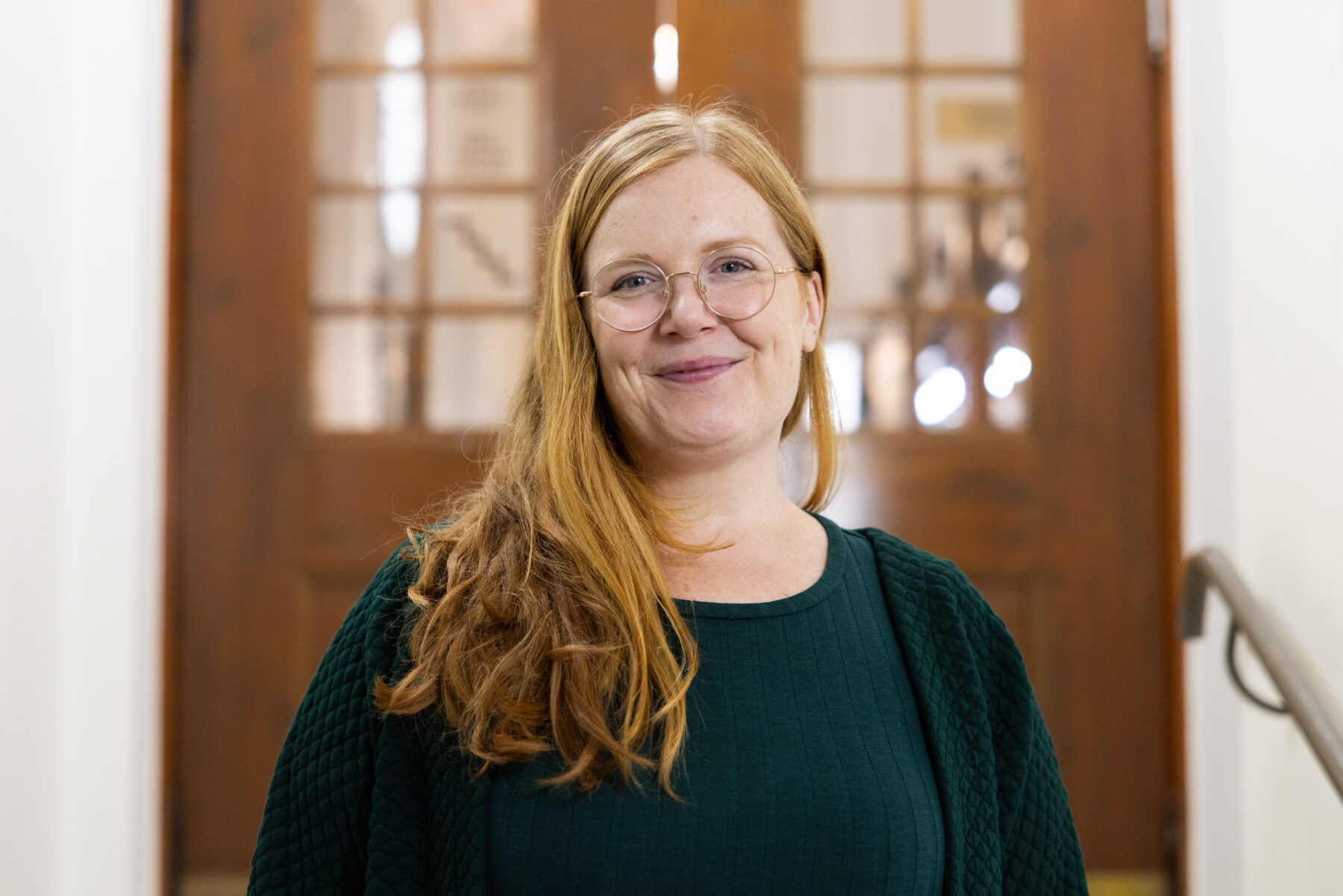
A woman poses in front of an old-fashioned wooden door.

In Innanen’s childhood home, they always cooked from scratch; she was a teenager by the time her parents bought a microwave.Photo: Emilia Kangasluoma

Innanen acknowledges that many people consider traditional dishes a quintessential part of Christmas. However, leaving meat, dairy and eggs off the table doesn’t mean giving up traditions.

“A traditional Finnish Christmas meal is pretty heavy on vegetables anyway,” she says.

She mentions a Finnish holiday mainstay: the casseroles made from vegetables such as carrots, potatoes and rutabagas. Although many casserole recipes include dairy and eggs, it’s easy to replace them with plant-based alternatives without sacrificing taste or texture.

“I find it really important that the plant-based versions I create are at least as good, if not even better, than the originals,” Innanen says.

Another Finnish Christmas classic, a beetroot salad called rosolli, is fully plant-based and needs no versioning to fit a vegan’s plate.

Gingerbread spices? Yes please

When many other countries celebrate Christmas by devouring turkey, people in Finland buy millions of kilos of ham. Innanen points out that getting plant products to taste exactly like ham is a tall order, but various plant-based alternatives can form the table centrepiece. Her own favourite is a vegan Wellington, a baked dish consisting of a pastry crust filled with pulled oats and mushrooms, but a marinated and slowly roasted tofu or a mock ham made of seitan can also work.

When it comes to desserts and sweets, spices again play a big part. Innanen has created Christmassy versions of traditional pastries, again drawing inspiration from seasonal flavours.

“You can make almost anything taste like Christmas by using gingerbread spice mix,” she says.

For example, the Finnish cinnamon roll called korvapuusti can be made with gingerbread spice mix instead of just cinnamon. Another Christmassy flavour is glögg, a hot mulled-wine drink popular in the holiday season, which can be used to make things like marmalades or cake toppings.

A quarter of a century of plant-based experience

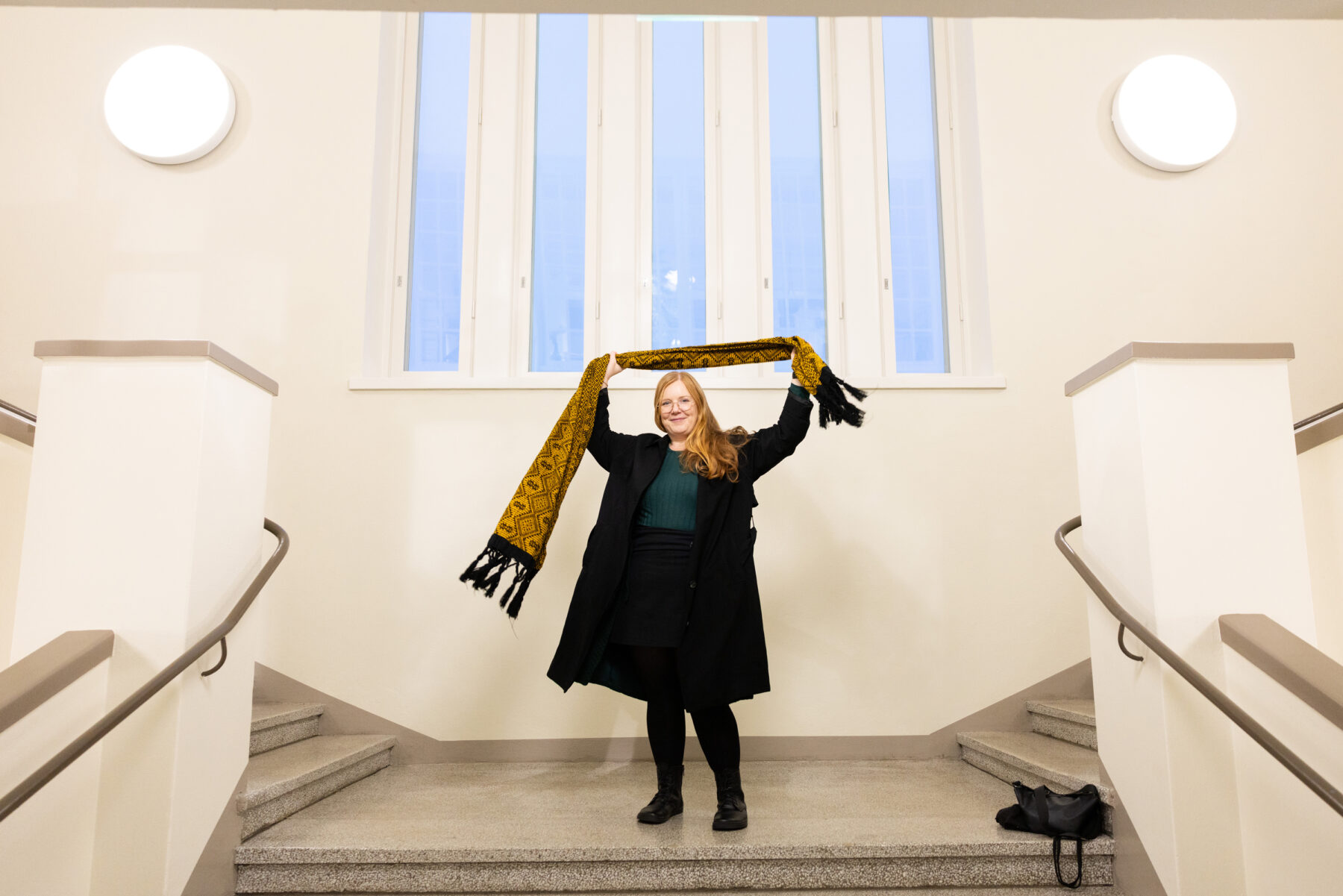
A woman smiles and holds a scarf above her head while standing on the landing of a wide double staircase.

Elina Innanen’s blog Chocochili has become popular in Finland, and has managed to attract veggie-curious omnivores.Photo: Emilia Kangasluoma

A gardener and florist by training, Innanen has no formal education in cooking. Even so, her expertise with plant-based cuisine goes way back.

She gave up meat as a teenager about 25 years ago, and soon she dropped all other animal products from her diet, too. In a small town in the early 2000s, she wasn’t spoilt for choice when it came to plant-based foods – and that’s putting it generously.

“At the time, if you wanted to eat something that actually tasted nice, you had to learn to make your own food.”

Initially, she started posting photos of her cooking on an online forum, and as people started asking for recipes, she established her blog Chocochili (website in Finnish).

Numerous recipes, multiple cookbooks and almost two decades later, the selection and availability of plant-based foods have exploded. People have woken up to the ethical and environmental implications of animal farming, and health awareness has led many of us to increase the share of vegetables in our diets.

Naturally, Innanen’s Christmas menu is plant-based, although it might not be very traditional.

“I like traditional dishes too, but I might spend my Christmas eating something completely different,” she says. “My dream Christmas meal would probably consist of Middle Eastern mezze.”

By Anne Salomäki, December 2025

Elina Innanen’s vegan Christmas recipes

Traditional carrot casserole

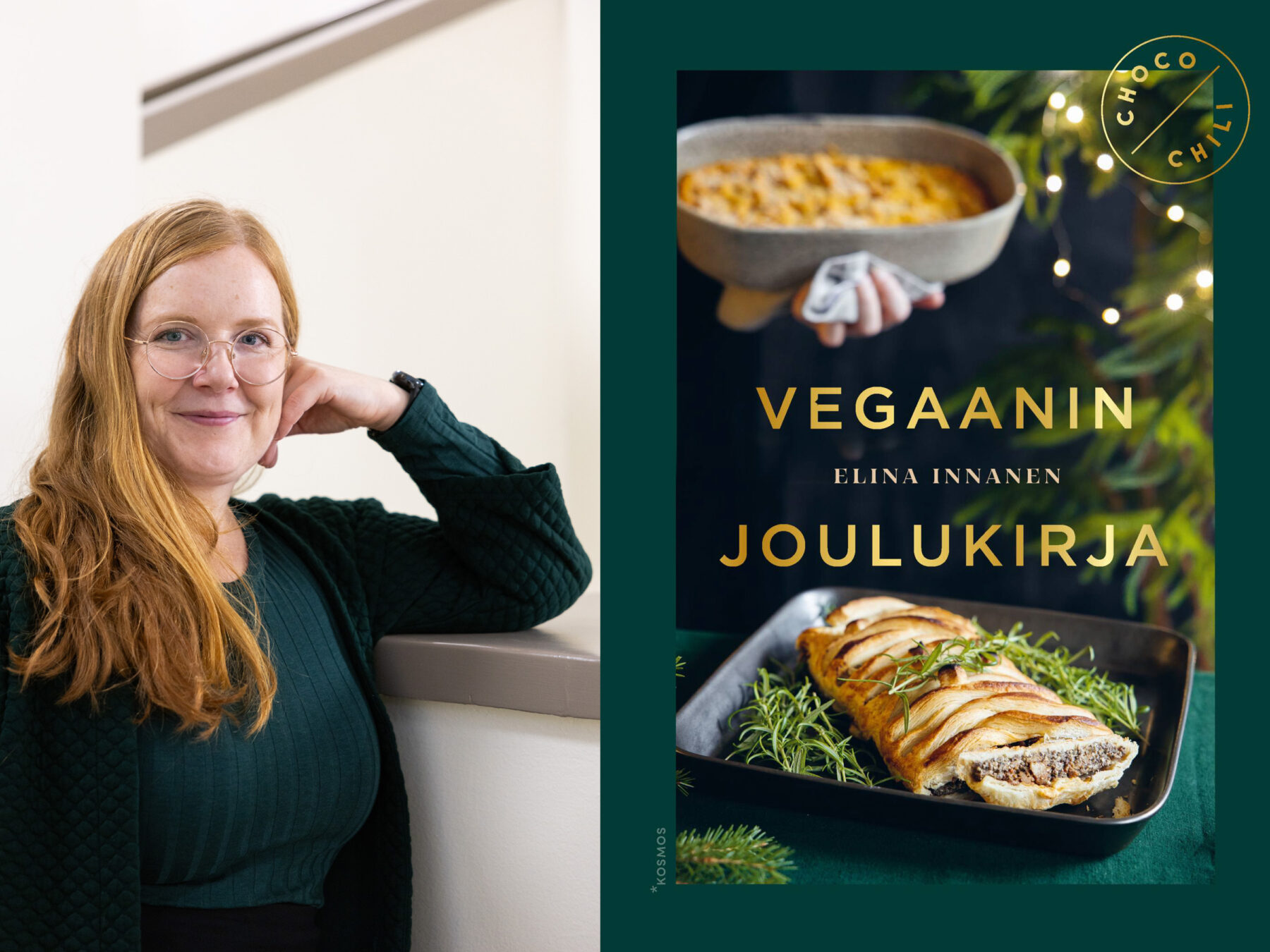
In one photo, a woman poses with one arm on a banister. Another photo shows the cover of a vegan cookbook with a picture of a pie.

Innanen published her Christman recipes in Vegaanin joulukirja (A Vegan’s Christmas Book) by Kosmos, 2025.Photo: Emilia Kangasluoma; Book cover photo: Elina Innanen

(6–8 servings)

Carrot purée:

  • 1 kg carrots
  • about 1 litre of water
  • 1/2 tsp salt
  • 2 dl oat cream
  • 2 tbsp vegan butter

Rice porridge:

  • 2 dl water
  • 1 1/2 dl (dark) porridge rice (If Finnish puuroriisi is not available, use another short-grained variety, such as risotto rice)
  • 5 dl oat milk
  • 1/2 tsp salt

Additional ingredients:

  • 1 tbsp chickpea or wheat flour
  • 2 tbsp dark syrup
  • 1/4 tsp white pepper
  • 1/4 tsp nutmeg
  • 1 tsp salt

On the surface of the baking dish:

  • 1–2 tbsp breadcrumbs
  • 1 tbsp vegan butter in dollops

Peel and chop the carrots; boil until soft. Pour off the water and add the oat cream, butter and salt to the pot. Purée the carrots using a hand blender or other suitable tool.

Prepare the rice porridge by boiling 2 dl of water in a thick-bottomed saucepan. Add the rice and let it boil, stirring intermittently, until the water is absorbed. Add the oat milk and salt. Cover and simmer on low heat for about 40 minutes. Stir occasionally.

Preheat the oven to 150 degrees Celsius.

In the meantime, blend the carrot purée, rice, chickpea flour, syrup and spices. Spread the mixture into a baking dish (about 25 x 20 cm). Sprinkle breadcrumbs on top and sprinkle with dollops of butter. Bake the carrot casserole on the middle shelf of the oven for about two hours.

Warm beetroot and smoked tofu salad

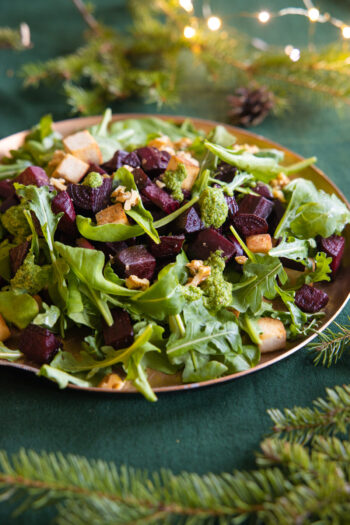
A dish holds a salad of chopped beets, chopped tofu and small green leaves.

A warm salad of beetroot and smoked tofu is one of Chocochili’s takes on what new Christmas traditions could look like.Photo: Elina Innanen

(4–6 servings)

Roasted beets:

  • about 600 g of beets
  • 2 tbsp olive oil
  • salt and black pepper

Sunflower seed-parsley pesto:

  • 1 bunch of parsley
  • 1/2 dl roasted sunflower seeds
  • about 1 1/2 dl cold-pressed olive oil
  • 1 tbsp lemon juice
  • Salt

Other ingredients:

  • 1 pkg (300 g) cold-smoked tofu
  • 2 tbsp olive oil
  • 1 tsp smoked paprika powder
  • 1 bunch of arugula
  • a handful of walnuts

Preheat the oven to 200 degrees Celsius. Peel and dice the beets. Spread them onto a baking sheet and drizzle with olive oil. Season with salt and pepper. Bake for about 45 minutes or until thoroughly soft. The roasting time depends on the size of the pieces.

While the beets are in the oven, prepare the pesto. Put all the ingredients in a deep container and purée into a coarse pesto with a hand blender. Add salt to taste.

When the beets are almost cooked, dice the smoked tofu. Heat the oil in a pan and add the smoked paprika powder. Add the tofu cubes and fry until they turn a lovely shade of brown. Season lightly with salt and pepper.

Assemble the roasted beets, fried tofu and arugula in a serving dish. Top with walnuts and a drizzle of pesto.

Find Finnish gifts for everyone on your list this holiday season

Whether you’re looking for something for the culinarist, the traveller or the youngest member of the family, these gifts are designed to be used and cherished year after year.

Gifts for the culinarist

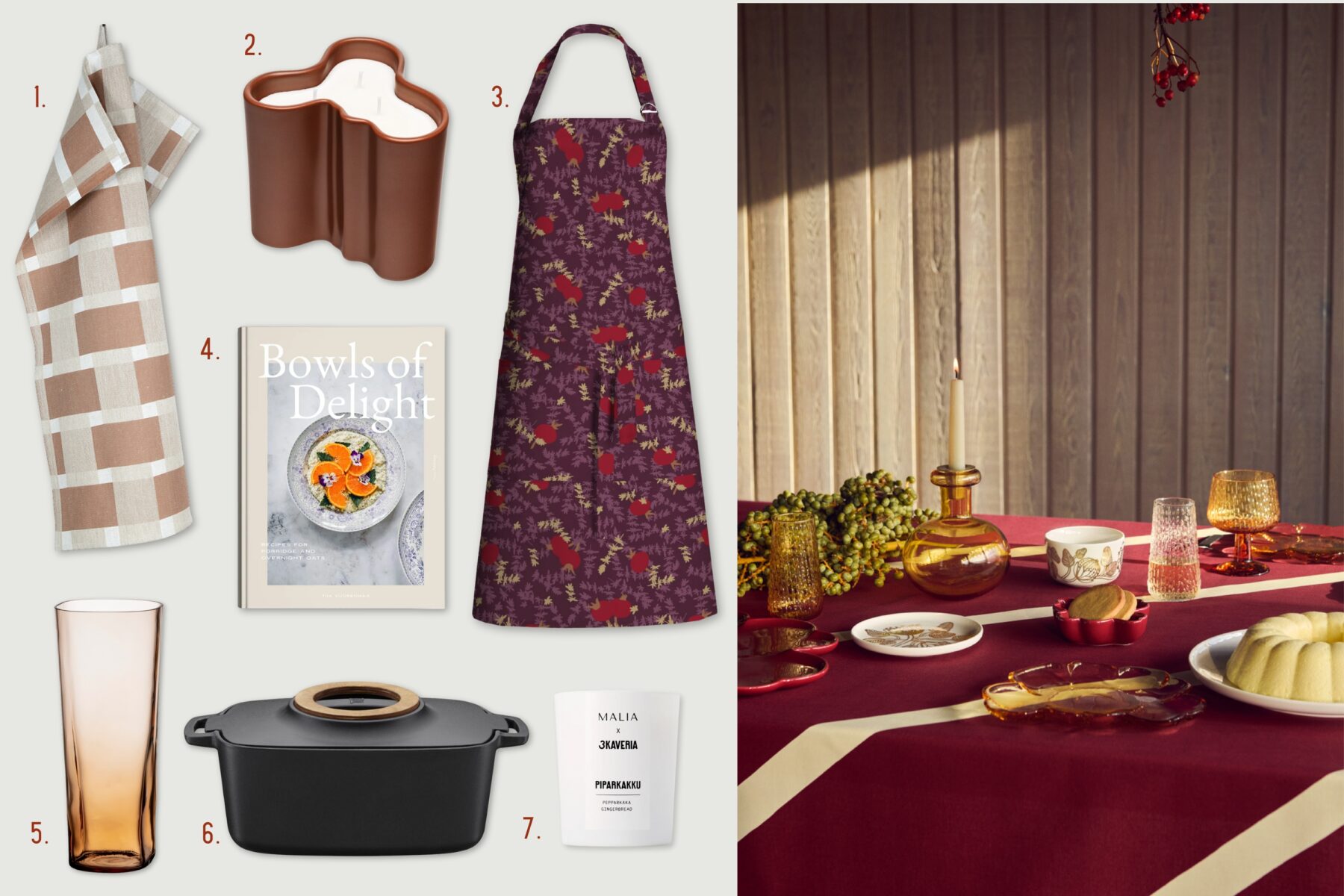
A collage shows product pictures of gift items: a towel, scented candles, an apron, a cookbook, a vase and an iron cooking pot. Next to them is a photo of a table covered with festive decorations and food containers.

1. Punos linen towel, Lapuan Kankurit; 2. “Fire” scented candle, 11 cm, Iittala; 3. Ruusunmarja apron, Finlayson; 4. Bowls of Delight cookbook, Cozy Publishing; 5. Alvar Aalto collection vase, 250 mm, Iittala; 6. Norden cast-iron pot, 5 litres, Fiskars; 7. Piparkakku (Gingerbread) scented candle, Malia x 3 Kaveria.Image at right: Marimekko

For food lovers, beautiful kitchen textiles and inspiring cookbooks never disappoint. Bowls of Delight celebrates porridge with more than 50 sweet and savoury recipes. And for the delicious smell of homemade cookies, the Piparkakku gingerbread-scented candle was an instant favourite when launched, and it remains popular.

Gifts for kids

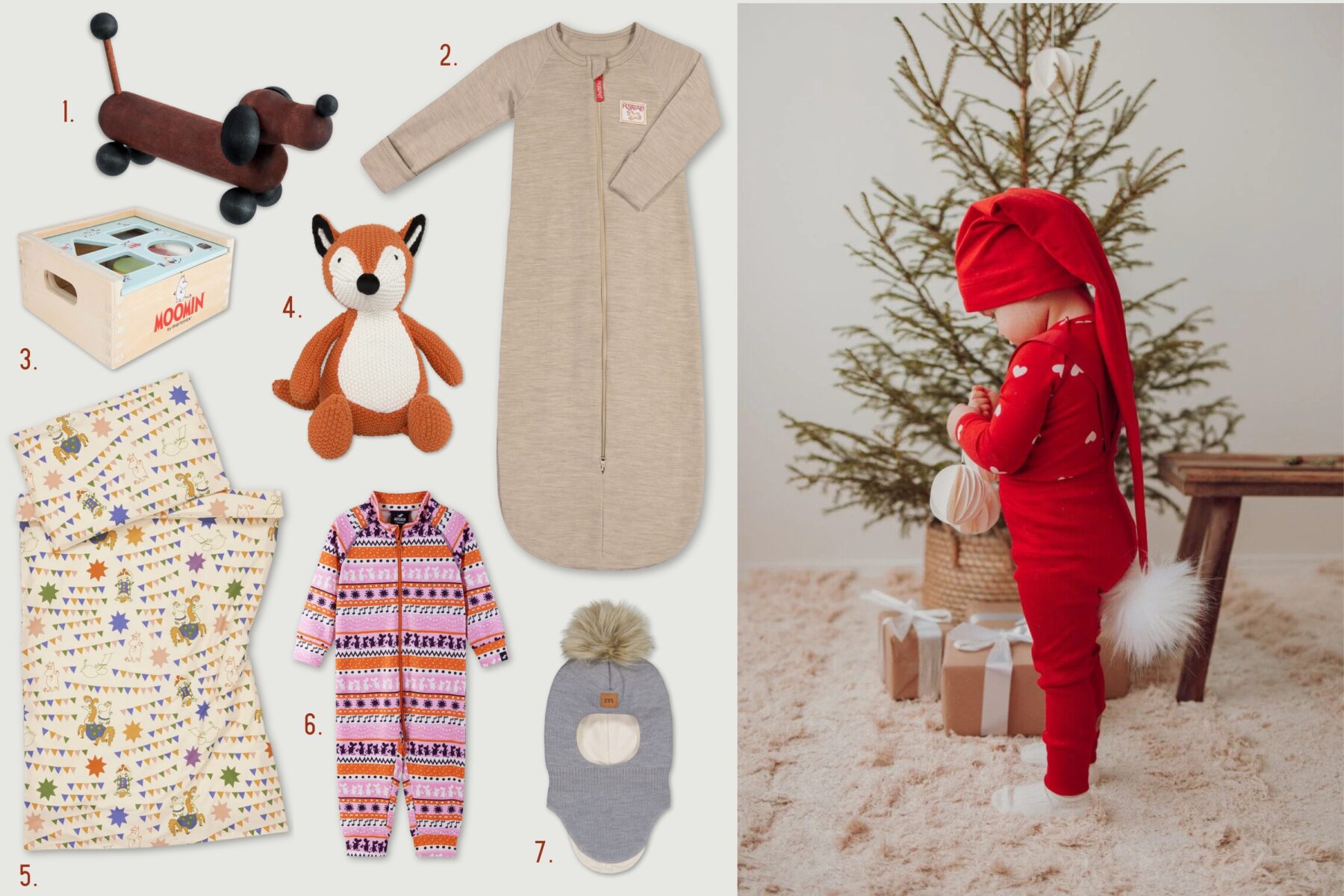
A collage shows product pictures of gift items: a wooden toy dog, a baby’s sleeping bag with sleeves, a wooden game, a fox plush toy, a duvet set, a toddler overall and a balaclava. Next to them is a photo of a small child in red pyjamas and hat standing in front of Christmas gifts and a Christmas tree.

1. Dachshund wooden sculpture, Aarikka; 2. Baby merino wool sleeping bag, Ruskovilla; 3. Moomin wooden sorting box, Martinex; 4. Elmo fox knit toy, Pentik; 5. Moomin duvet set Circus 85 x 125 cm, Moomin Arabia; 6. Toddler fleece overall, Reima x Moomin; 7. Pom Pom balaclava, Metsola.Image at right: Metsola

For children, the best gifts are those that are fun to use every day. You can’t go wrong with the Moomins, the beloved characters invented by Finnish author and artist Tove Jansson. They make bedtime cosier and outdoor clothing more fun. For the littlest ones, Ruskovilla’s soft merino wool pieces, including their trusted sleeping bags, keep babies warm and comfortable, starting from the very first months.

Gifts for the home

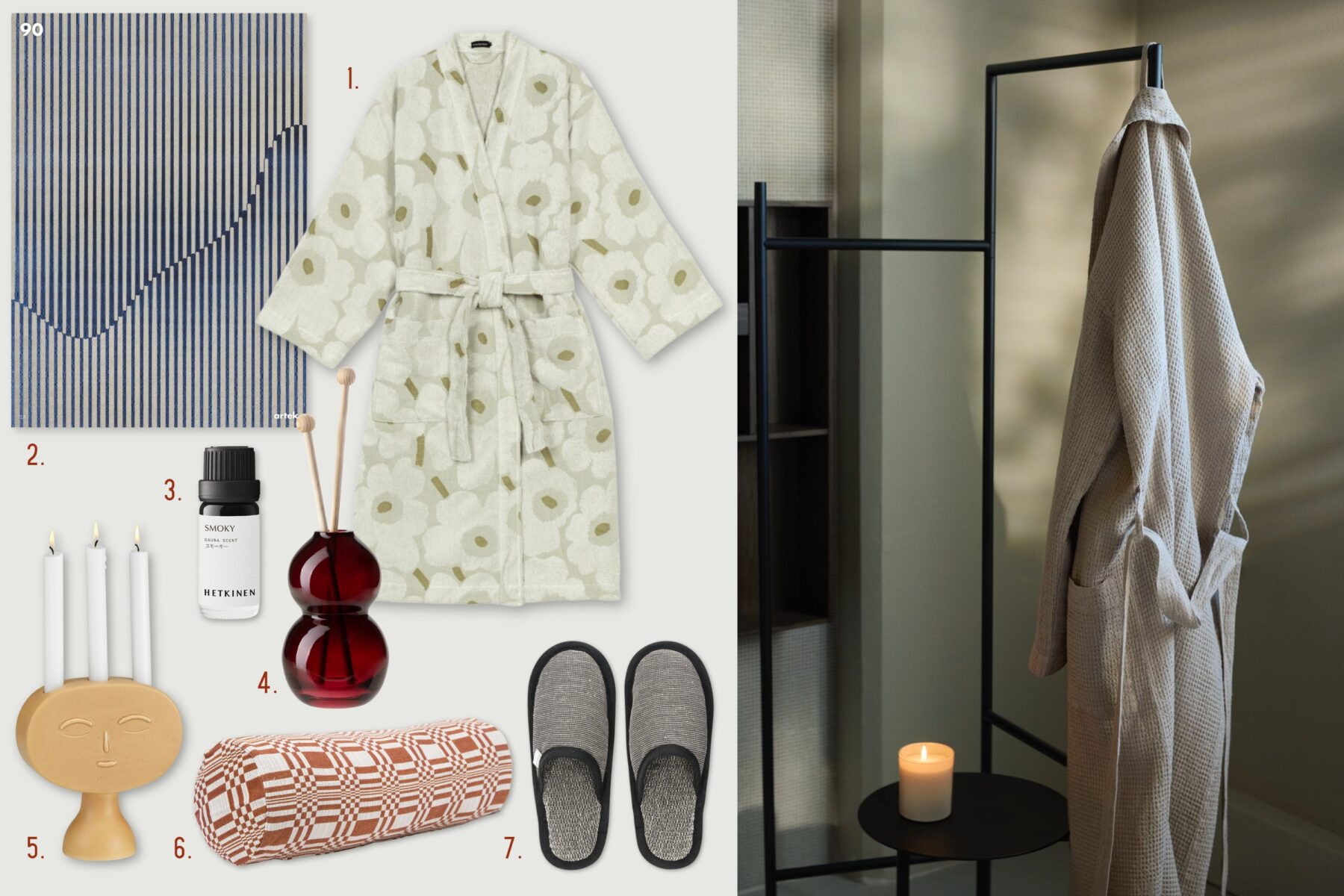
A collage shows product pictures of gift items: a bathrobe, a decorative poster, a bottle of air freshener, an air freshener dispenser, a candle holder, a pillow and a pair of slippers. Next to them is a photo of a bathrobe hanging on an iron hook next to a candle.

1. Unikko bathrobe, Marimekko; 2. Artek 90th anniversary poster, Artek; 3. Smoky sauna scent, Hetkinen; 4. Ode to Pleasure room scent, 250 ml, Aarikka; 5. Lucia candleholder, Artek; 6. Normandie bolster pillow, Johanna Gullichsen; 7. Onni slippers, Lapuan Kankurit.Image at right: Balmuir

Whether it’s a quiet home-spa moment or a small update to the interior, these gifts are personal and thoughtful, chosen to brighten everyday life. A soft robe, a sauna scent or wool slippers bring a little extra comfort to familiar routines.

Gifts to keep you warm

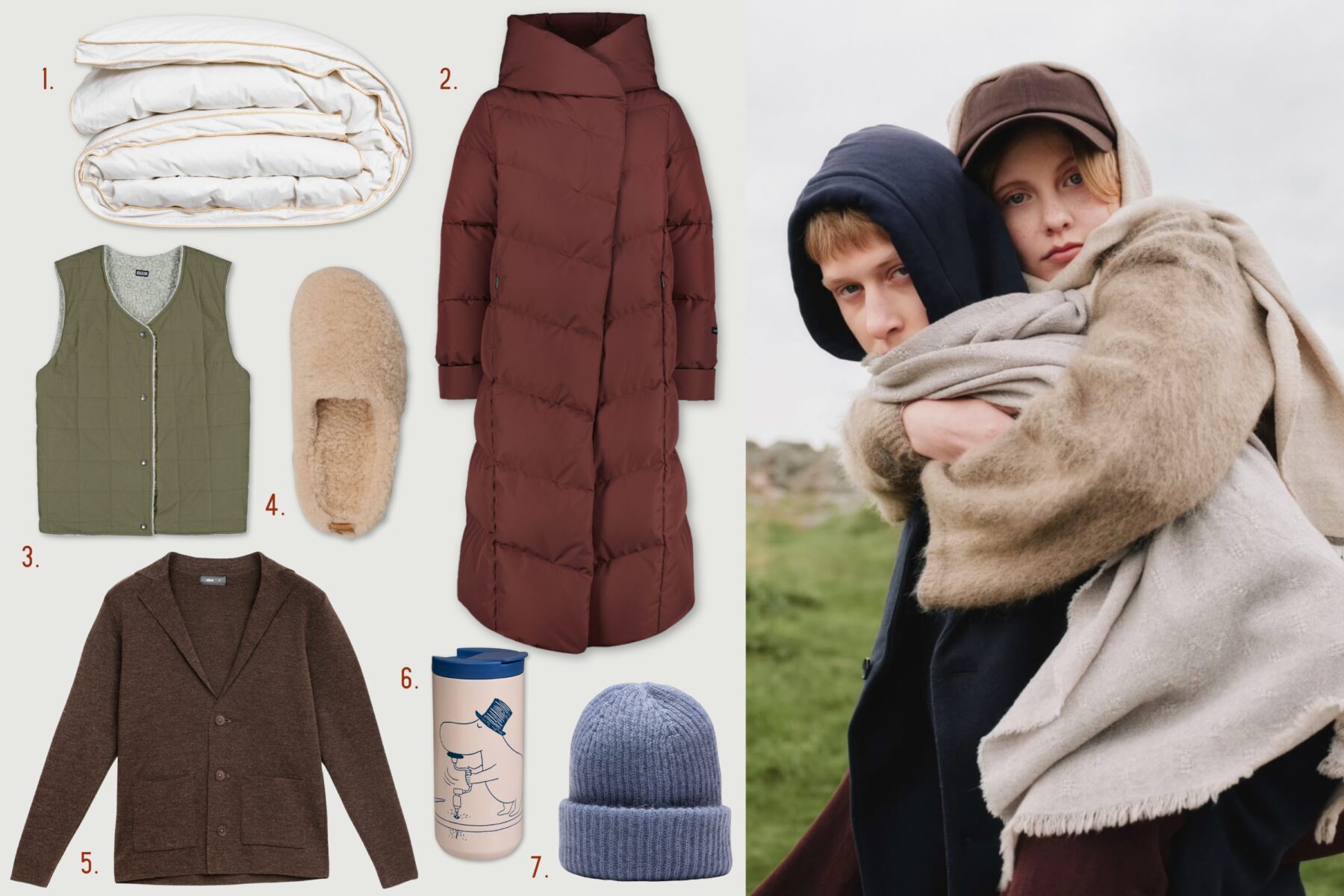
A collage shows product pictures of gift items: a duvet, a long coat, a vest, slippers, a cardigan, a thermos and a beanie. Next to them is a picture of two people in warm hats and jackets.

1. Down warm duvet, Familon; 2. Aino down coat, brick red, Joutsen; 3. Mio reversible vest, R-Collection; 4. Roma shearling slippers, Vibae; 5. Blaze alpaca cardigan, Alpa; 6. Moominpappa thermos mug, Martinex; 7. Adalyn beanie in mohair blend, Balmuir.Image at right: Lapuan Kankurit

When the temperature drops, these gifts become essentials. A premium down duvet makes winter nights feel like you’re sleeping in a five-star hotel. A warm coat, alpaca knit or layering vest keeps the cold at bay outdoors, while a thermos mug is perfect for daily commutes.

Gifts for the traveller

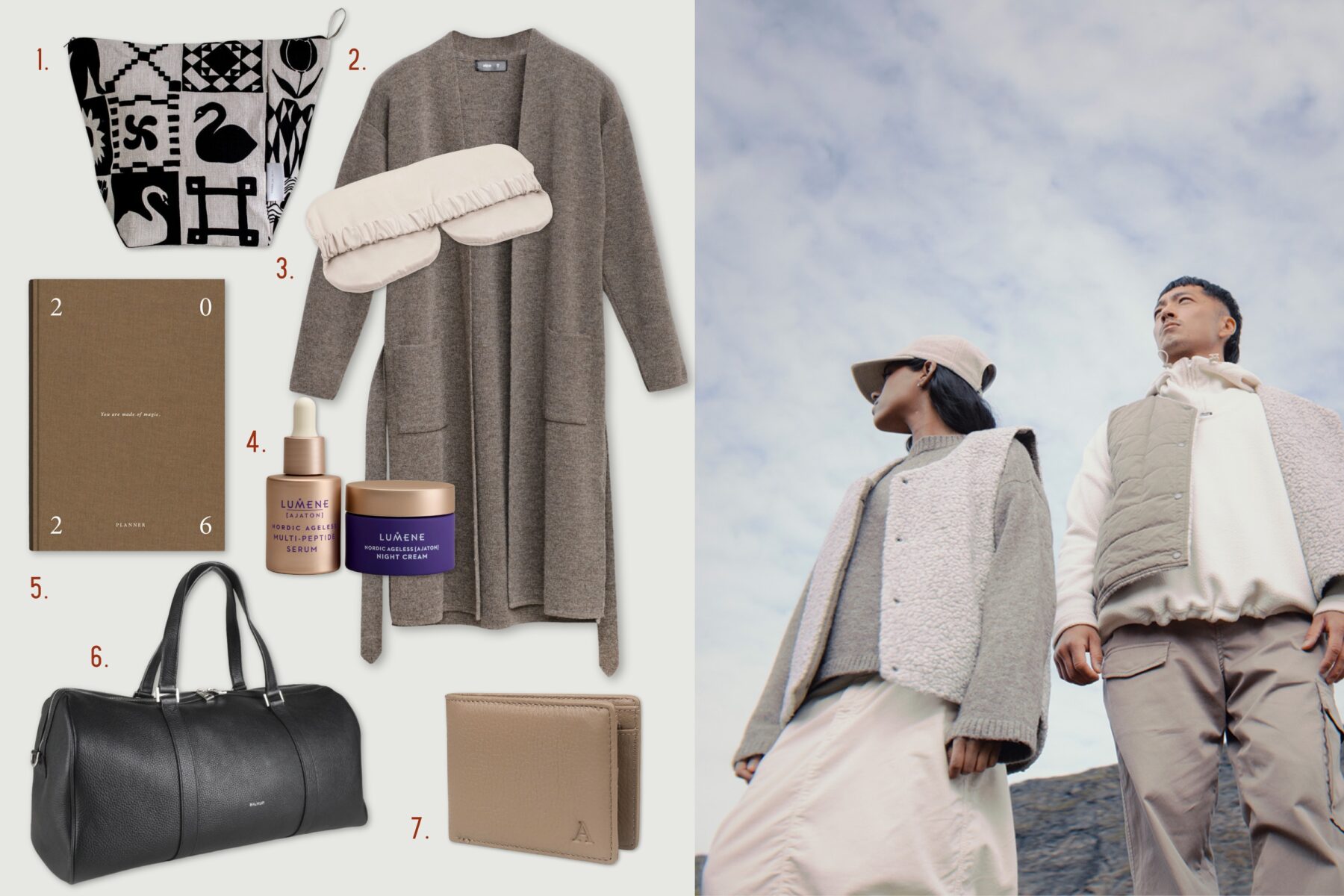
A collage shows product pictures of gift items: two bags, a long cardigan, a sleep mask, makeup bottles, a daily planner and a wallet. Next to them is a photo of two people in sweaters and vests.

1. Far Away From Home cosmetic bag, Saana ja Olli; 2. Alpaca wool cardigan, Alpa; 3. Sleep mask, Familon; 4. Nordic Ageless gift set, Lumene; 5. Cozy Planner 2026, Cozy Publishing; 6. New York weekend bag, Balmuir; 7. Elk leather wallet, Aarni.Image at right: R-Collection

For someone who is always on the move, practical pieces make the best companions. A sturdy weekend bag or a soft alpaca cardigan keeps travelling comfortable, while small accessories like a sleep mask and a well-curated cosmetic bag make it easier to wind down while away from home. These gifts are ready for the next adventure.

By Johanna Piispa, December 2025
(Product images courtesy of the brands)