How Finland’s Housing First model makes real progress against homelessness

Finland is the only country in the EU where the number of homeless people has declined in recent years. This is mainly thanks to a strategy called Housing First.

Traditionally, housing has been seen as the final goal of a social recovery process. Housing First turns the idea on its head and puts housing at the top of the list: when you have a safe home, it’s easier to get back on your feet and start getting your life in order. This means that sobriety is not required before you can have housing, and that professionals at housing units will help with benefits, banking and health issues.

As part of commitment to the model, former homeless shelters have been converted into housing units to create new housing stock with supportive services. Since the launch of Housing First in 2008, the number of homeless people in Finland has decreased by 30 percent, and the number of longterm homeless people by more than 35 percent. The current government has a plan to eradicate longterm homelessness by 2027.

Providing people with homes sounds costly, but a study by the Finnish Ministry of the Environment shows it can actually save money. Finland has invested 250 million euros in building new homes and hiring residential support workers. At the same time, savings in emergency healthcare, social services and the justice system total as much as 15,000 euros a year for each formerly homeless person.

Leena, 48: “A home has to be visually pleasing”
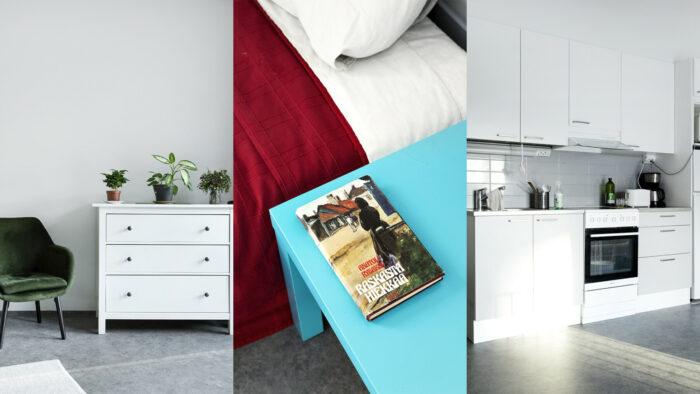
Three photos side by side show views of an apartment, including a living room with houseplants, a bed with a bedside table, and a tidy kitchen.

Photo: Kaisu Kaplin

Crafts and knitting have always been my thing. While living in this crisis apartment in a supported living unit, I make and sell mittens, socks and sweaters for my friends and acquaintances. I can knit for hours, and it sometimes makes my neck so stiff it’s almost funny. Making things with my hands is my passion, and it makes me feel safe.

I lived abroad for many years. I ended up losing my job, and after a while, my home too. Overnight shelters were available only occasionally, and when I couldn’t find a job, I saw no other option than returning to Finland. Luckily I got this place soon after my arrival.

This flat was furnished, but I made it cosier with house plants and curtains. For me, home has to be visually pleasing. I would like to swap this turquoise table for a white one, for example.

This is a temporary home, but as a perfectionist, I keep everything tidy and clean it often. I’m a professional chef, so I appreciate cleanliness and being able to cook my own meals. When you are homeless, what, when and how you eat is out of your own control.

The three things I love the most here are having a roof over my head, a door I can close and a tablet I can use to listen to crime podcasts.”

Markku, 53: “At home I can rest”
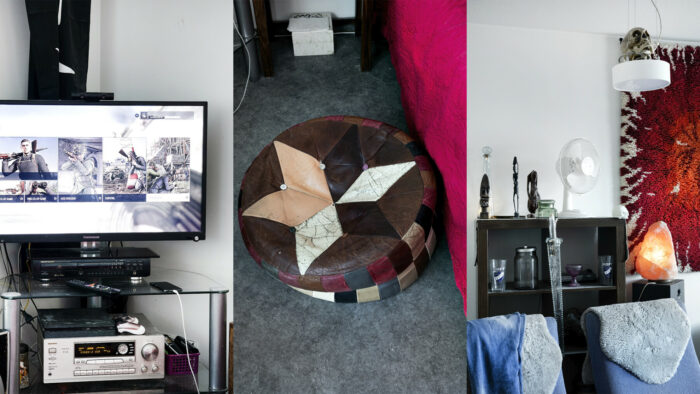
Three photos side by side show views of an apartment, including a monitor with a videogame on it, a leather footstool, and a living room with a red rug hanging on the wall.

Photo: Kaisu Kaplin

“The red rug holds great emotional value for me so I hung it in the best spot. It’s a wedding gift from my parents and reminds me of them. We didn’t speak to each other for almost 20 years, but have recently become close again. The salt crystal lamp is also a gift from my mother – she says it is believed to treat psoriasis.

Before losing my home, I lived in a much bigger place, so a lot of my things are now in storage.

You need a place you can leave and return to. When you have a home, you have your own space and it’s up to you to decide who gets to walk in. At home I can rest and have a break.

The leather footstool is one of my favourite items. I spend a lot of time on it playing Playstation games. An ice hockey game is my favourite.  Once I played it for 14 hours in a row.”

Heikki, 58: “I can decide whether I want to open the door or close it”
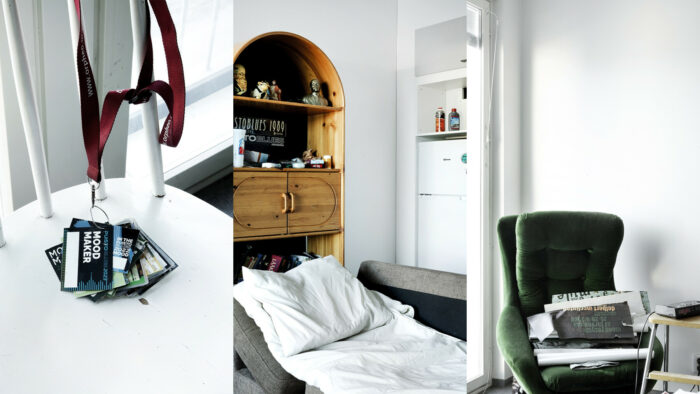
Three photos side by side show views of an apartment, including a white chair with festival ID badges on it, a sofa bed with shelves in the background, and a green armchair with a stack of newspapers on it.

Photo: Kaisu Kaplin

My sofa is so comfortable I rarely use my bed. I often fall asleep here with my television on. My life happens mostly outside, but in the evenings I don’t need to find a place to crash anymore – I can fall asleep on my own sofa, and that is so essential.

I have lived in this studio flat for a bit over two years now. For me, having my own space and the feeling of control are the most important things about it. I can decide whether I want to open the door or close it to protect myself from the outside world.

My home is my safe haven, and I don’t care so much about the material things in it. I got most of my furniture as donations and I mostly use it to pile clothes and papers on. I still definitely wanted some furniture; it would feel awful to live with just a mattress.

These festival passes from Puistoblues festival are my most valued possession, and I also have a lot of Puistoblues posters. I’ve volunteered at the festival for years now and really enjoy the team spirit we have with the group of volunteers. Festival passes remind me of past summers and the good times ahead next summer, too.”

Leena, Heikki and Markku are customers at Rinnekodit Housing First units. Their names have been changed to protect their privacy.

By Kaisu Kaplin, ThisisFINLAND Magazine, June 2025
Life in motion: A visual journey into what an active lifestyle means to the Finns

Mauri Heino, 74, is a former gymnast and firefighter, who now spends his days road cycling and staying active in many ways. Keeping fit was part of the job during his 40-year firefighting career, and he hasn’t slowed down in retirement.

“I prefer starting cycling against the wind – it’s easier to return home with the wind at your back.”

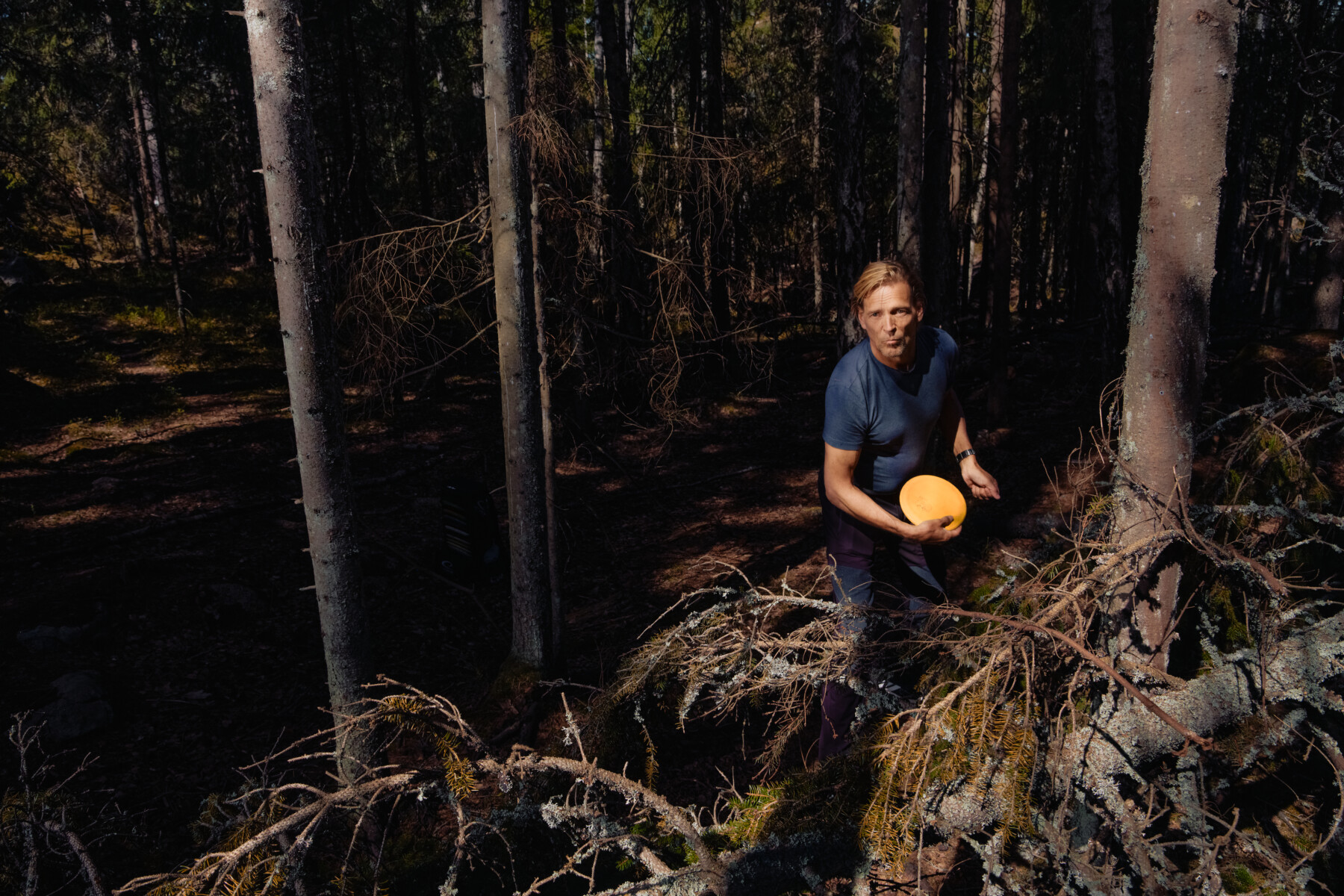
A man plays disc golf in a springtime forest.

Timo Stenman, 62, starts most summer mornings with a round of disc golf.

“Disc golf is about chasing the feeling of success – while also getting exercise and escaping the worries of everyday life.”

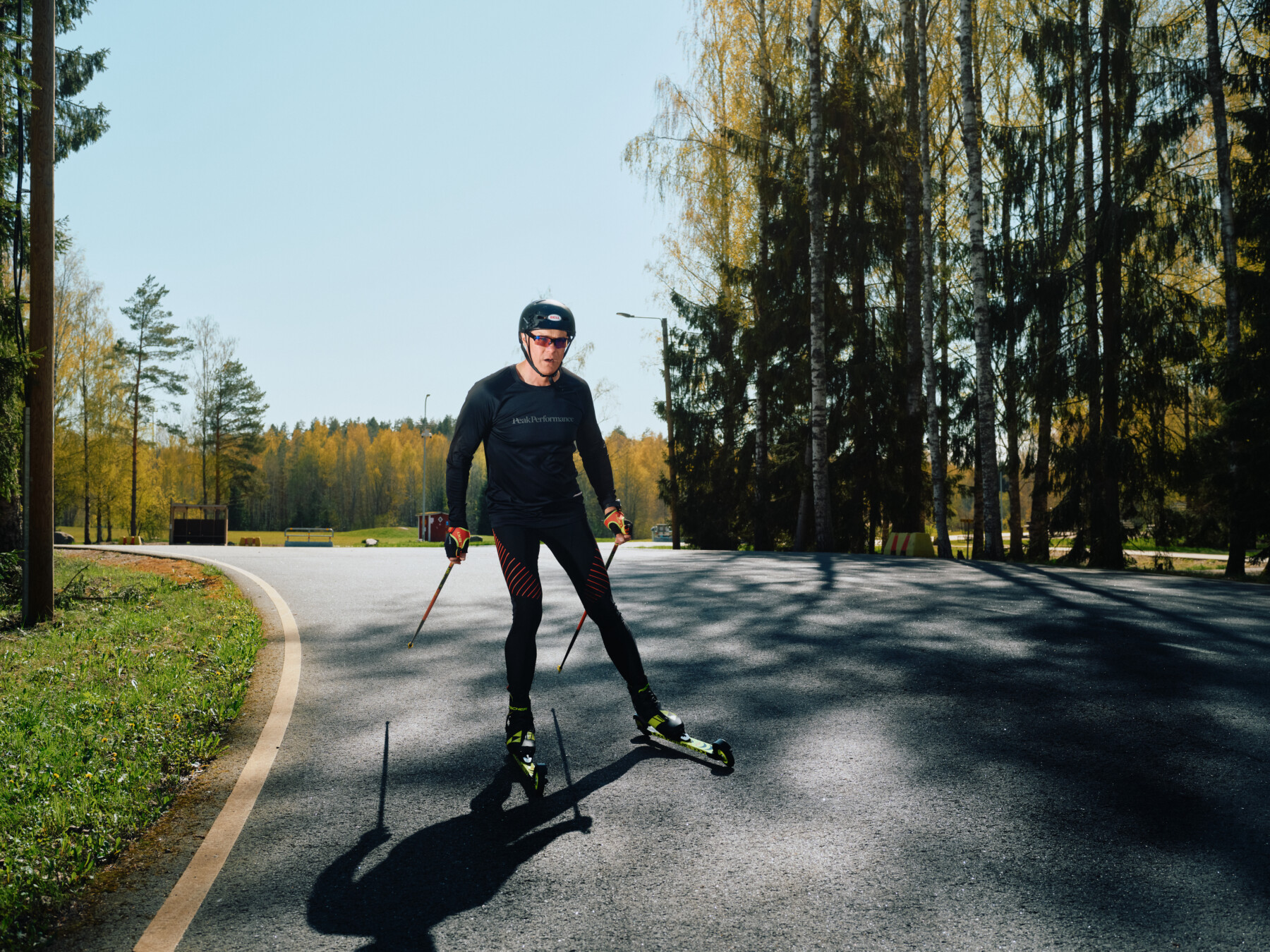
A man roller-skis on an asphalt path lined with trees.For Jukka Toivanen, 60, sports are a way of life. He enjoys skiing, running, swimming and working out at the gym.
“The best part is hitting the track with like-minded people. It’s like putting money in the bank – time for yourself and guaranteed good feelings.”

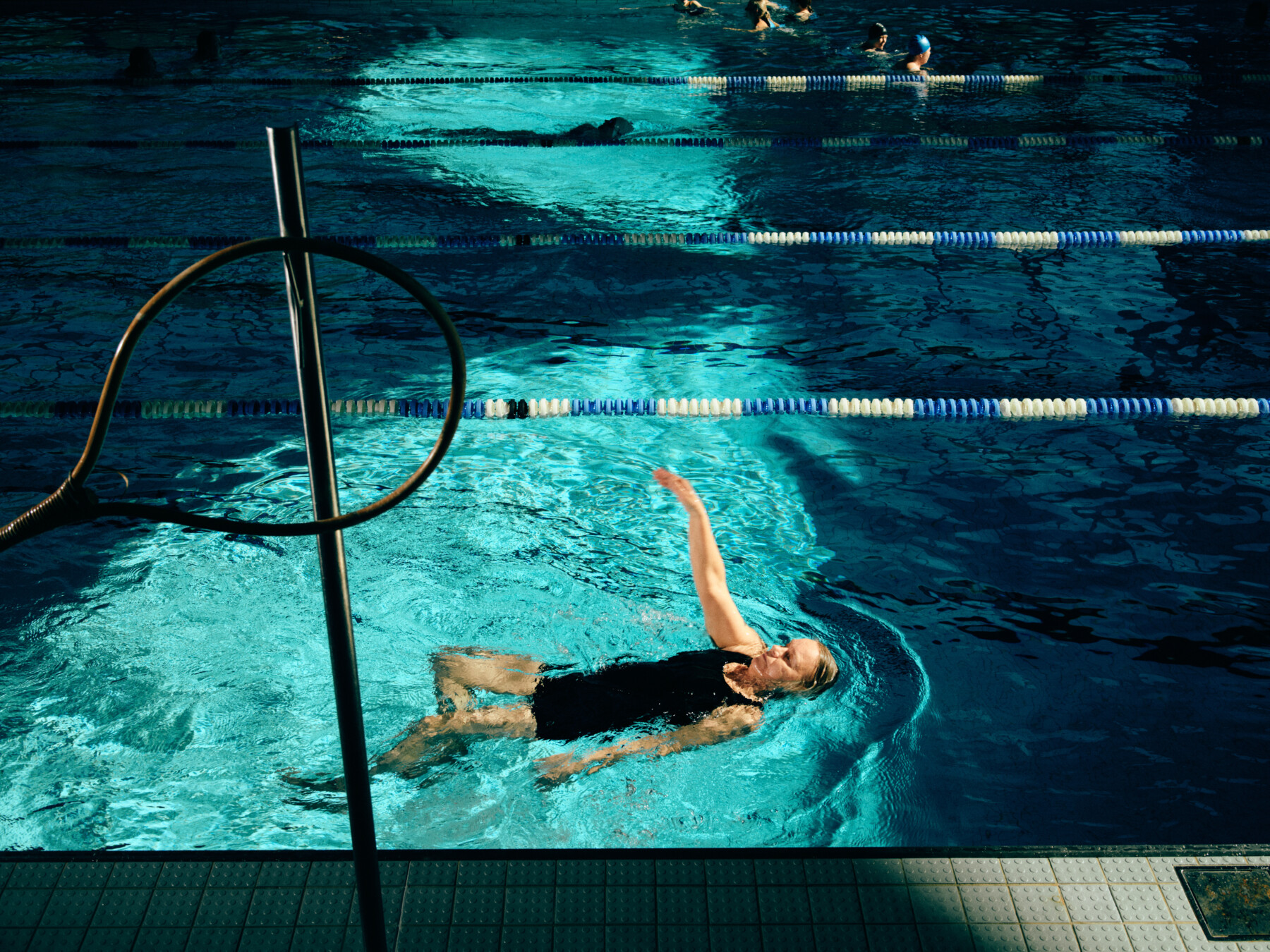
A woman swims in a pool.For Helena Harju, 60, swimming eases her back pain and brings joy to her daily life. She loves being in the water every chance she gets.
“Getting started can be tough, but the decision to go swimming is always rewarding.”

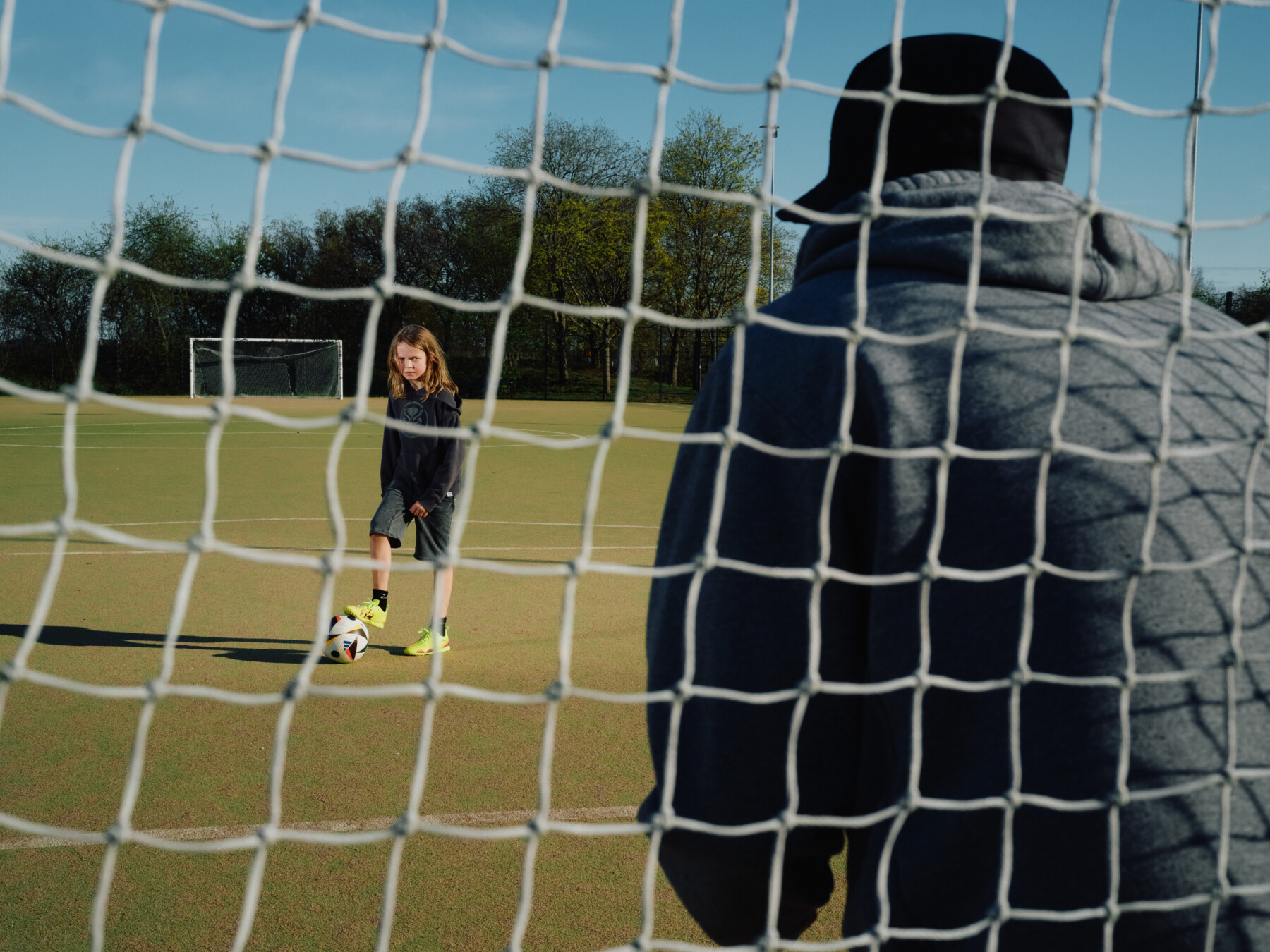
A boy kicks a football toward a goal.Inspired by the World Cup, Tiitus, 11, took up football, which became a shared hobby with his father, Jaakko Vehkaperä, 49. For them, sports are a way to bond and spend time together.
“An easy game is enough – the most important thing is being together.”

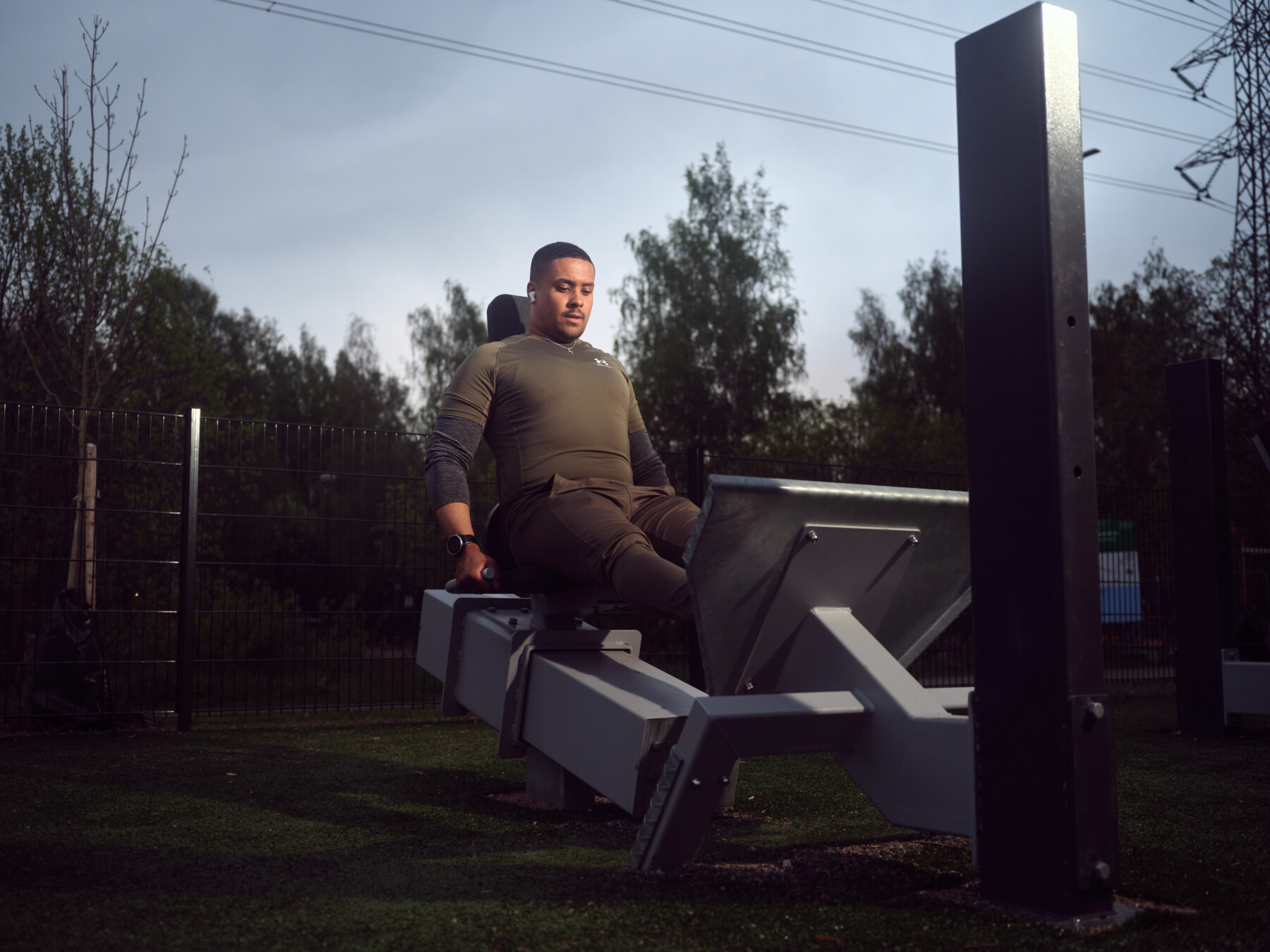
A man performs a leg press at an outdoor gym.Roland Rasanen, 25, underwent surgery on both wrists due to physical work, and after recovery, he felt a strong desire to get moving again.
“At first, even carrying grocery bags felt heavy, but gradually, movement restored my strength.”

Now working with children and youth, he aims to inspire others about the importance of staying active for overall wellbeing.

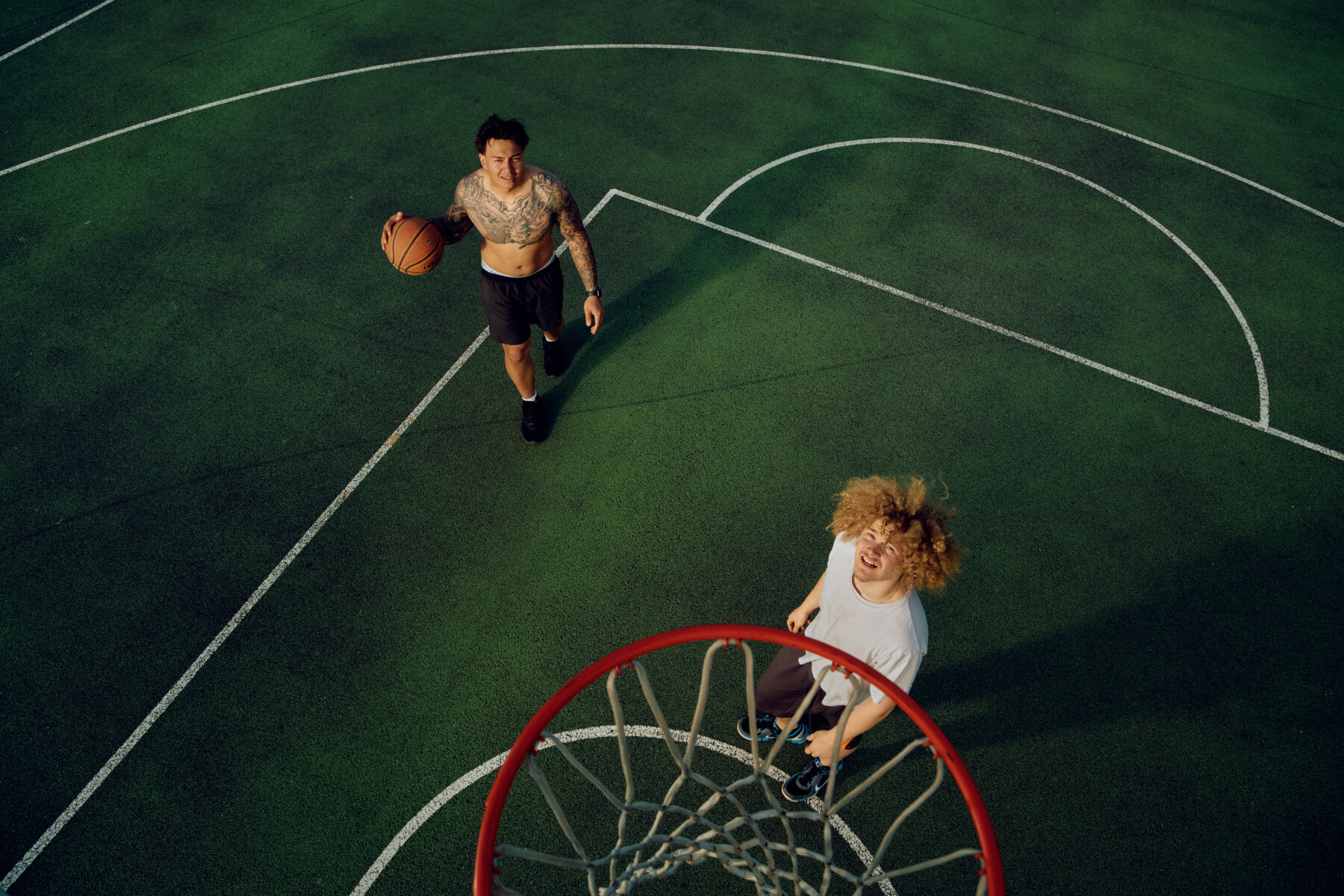
Two young men play basketball outdoors.Pekka Partinen, 23, and Ville Holopainen, 22, belong to a group of friends who have known each other since primary school. Their shared love of sports has kept them close over the years.
“Sports keep your mind in order, and exercising together also maintains social connections. Good vibes multiply when shared.”

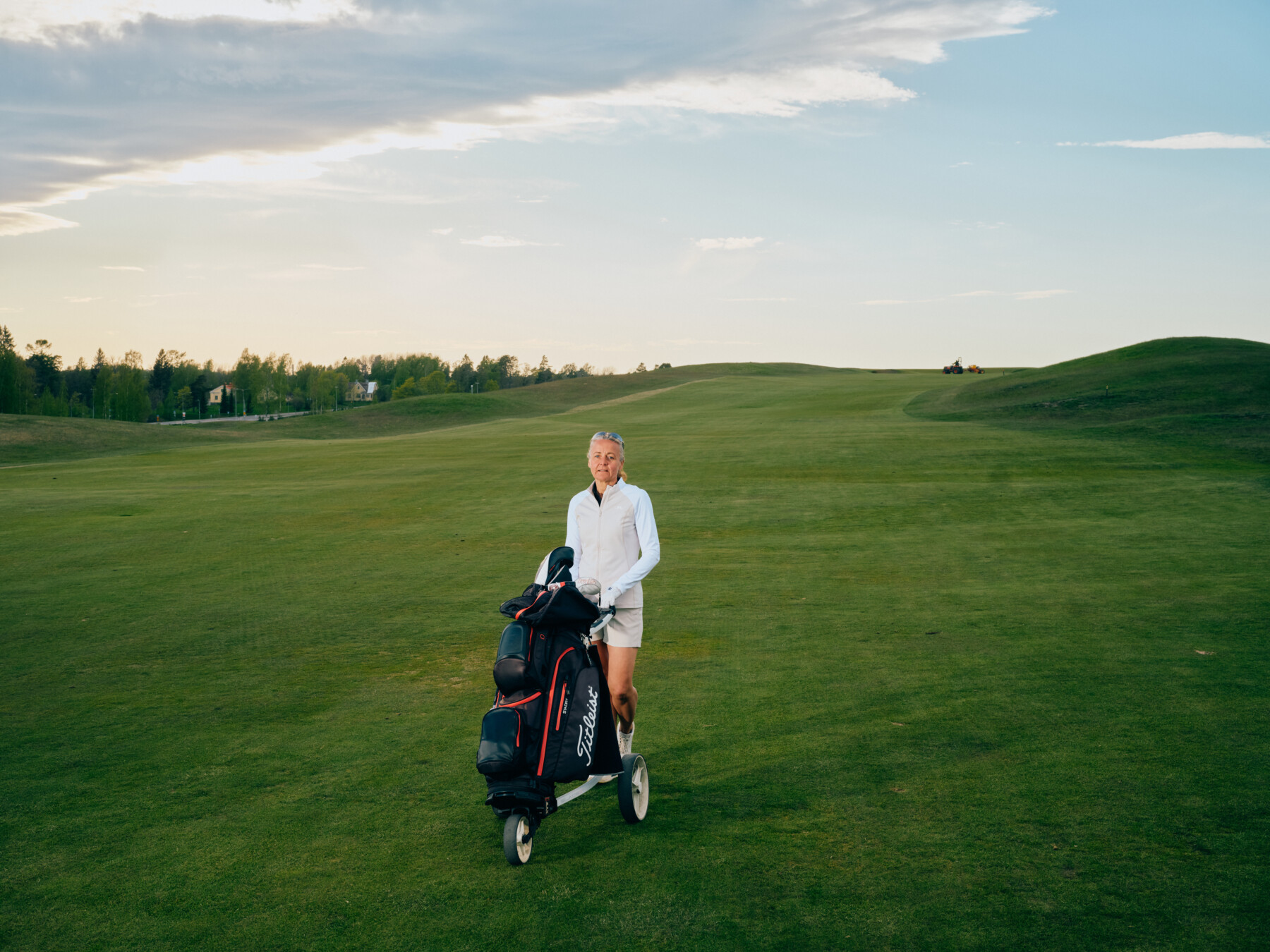
A woman stands on a golf course with a golf bag.For Annika von Behr, 52, golf offers the perfect mix of challenge and exercise – last year, she walked nearly 1,500 kilometres (930 miles) on the course. Annika also enjoys pilates, padel and jogging.
“Life without exercise is hard to imagine. I’m grateful for my health.”

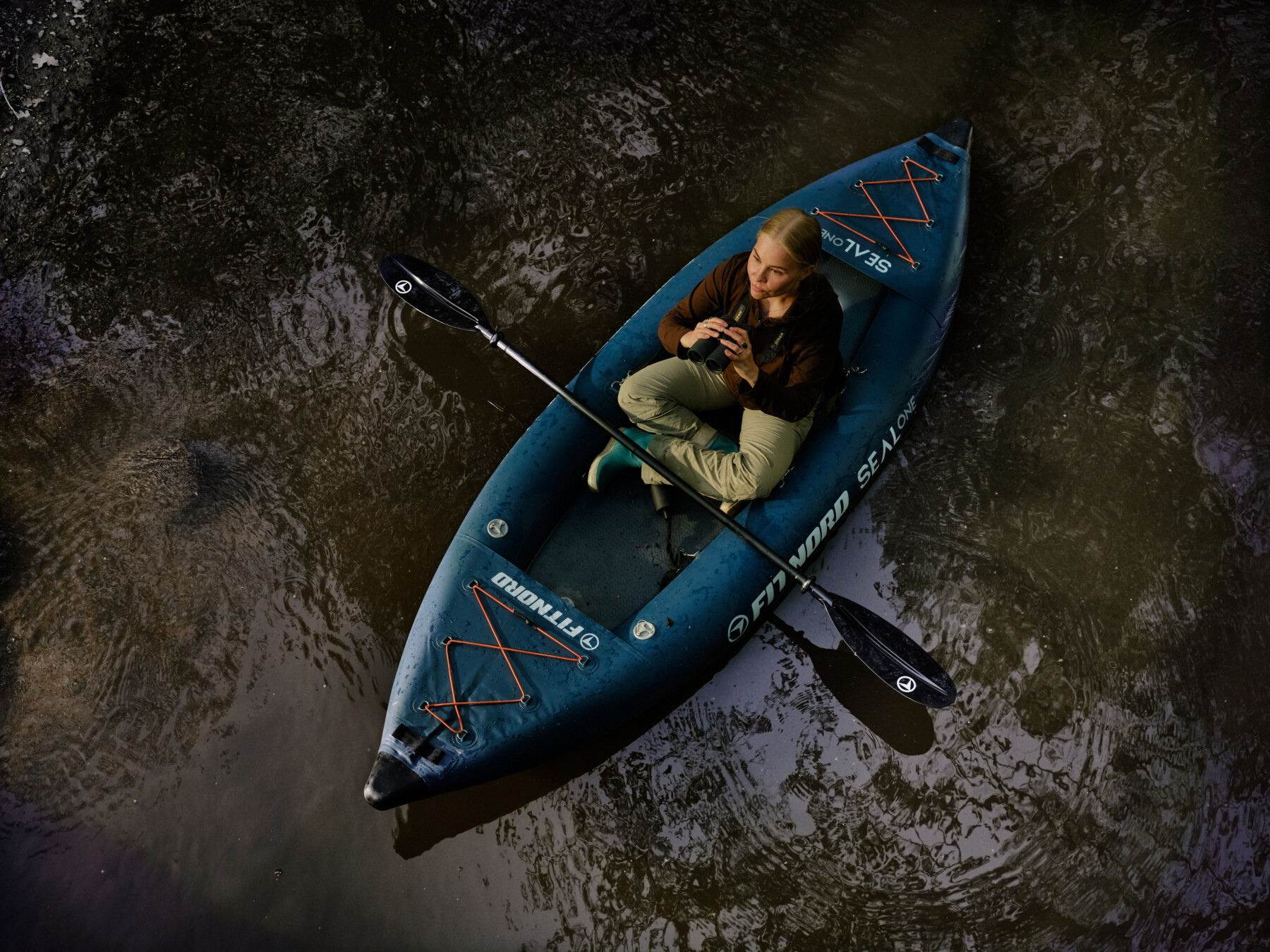
A woman sits on a kayak holding binoculars.Ilona Koskela, 30, combines exercise and nature observation while canoeing.
“Paddling engages all the senses – the soundscape, scents and surrounding tranquility. In the sheltered waters of a river delta, I see species I wouldn’t encounter otherwise. While paddling, I feel connected to nature.”

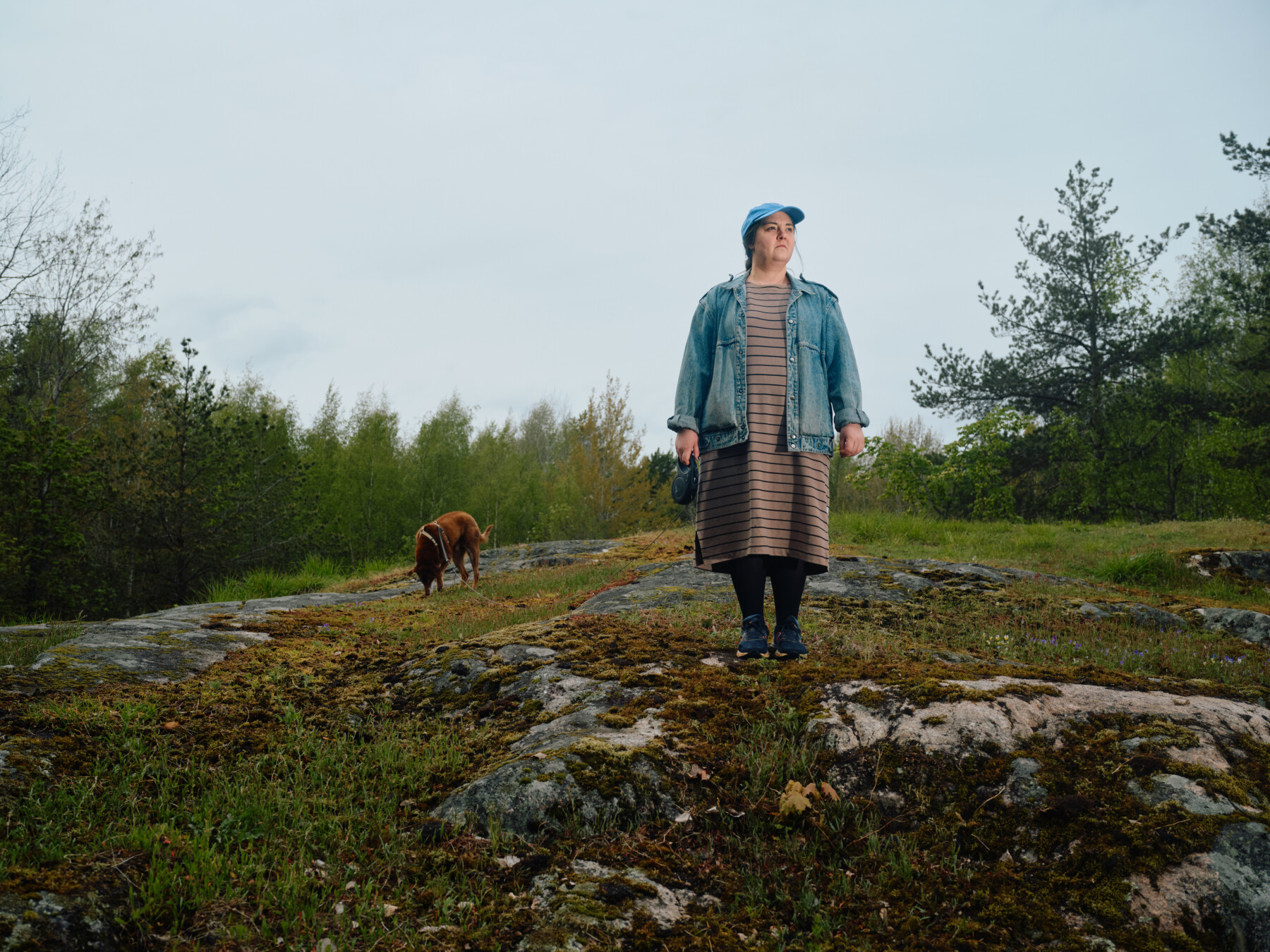
A woman stands with her dog on a rocky hill in the forest.Tytti Lallo, 36, boosts her daily activity by walking with her dog Gadi, typically for an hour at a time. Now an older dog, Gadi has slowed down, swapping running for sniffing around.
“The proximity of the forested Central Park in Helsinki provides the perfect setting for relaxation – for both humans and dogs. In nature, you can spot deer and easily escape into the peaceful woods, far from loud noises.”

Photos and text by Mikko Suutarinen, June 2025

Finnish architect Sami Rintala tells us how saunas got hotter than ever

For the Finnish architect Sami Rintala, the joy of a good sauna is all about extremes.

“It’s about changing from hot to cold and how that is good for your mind,” he says, describing the appeal of one of his favourite pastimes.

Extremes are also at the heart of Rintala’s approach to designing saunas, something that is keeping his Norway-based architecture practice, Rintala Eggertsson, busy as different nationalities get the bug for this most Finnish of activities.

“Sauna architecture is about contrasts and primal values,” says Rintala. “You are working with elemental things: dark and light, cold and warm, private and public space.”

An unofficial sauna ambassador

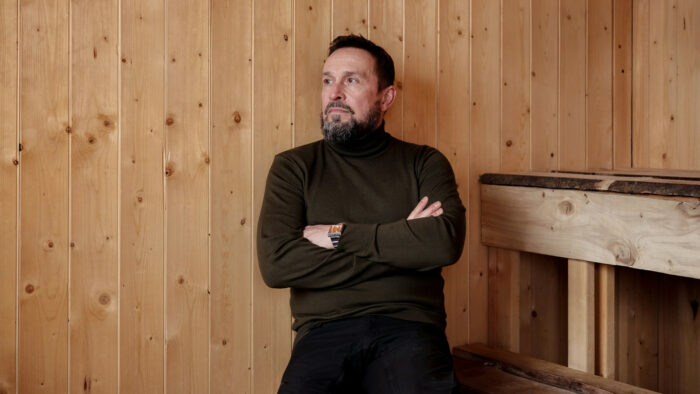
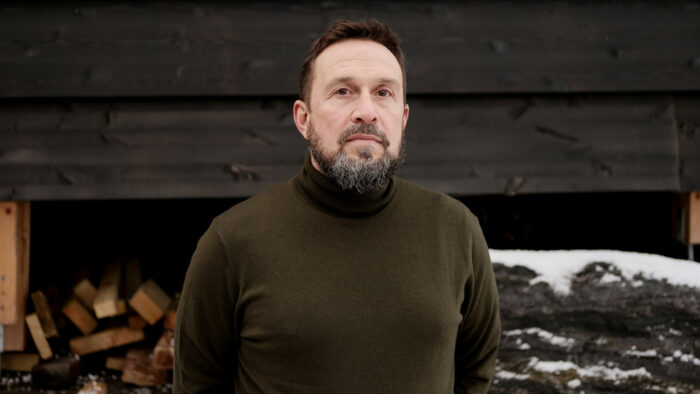
A man stands in front of a wooden building and looks into the camera.

Photo: Dan Mariner

Since moving to Norway 20 years ago and working on a variety of sauna projects, Rintala has become an ambassador of Finnish sauna culture.

“As a Finn living abroad, you become an ambassador of your culture,” he says. “There could be worse things, because I really love sauna and bathing.”

In addition to Finland and Norway, Rintala’s firm has also designed saunas in the UK, and is working on projects in Romania and Japan at the time of writing. The Finnish Sauna, which Rintala designed for the 2022 London Festival of Architecture with students from the University of Westminster and support from the Finnish Institute, is now located on the Isle of Wight.

Similar wooden sauna huts are popping up all over the UK, from Brighton and Folkestone to the beaches of Pembrokeshire in Wales. The British Sauna Society says 73 such saunas are operating in the UK, mostly at beaches or lakes, up from 49 a year earlier. The increase has been fuelled by the growth of interest in wild swimming and healthy living.

Phone-free zones

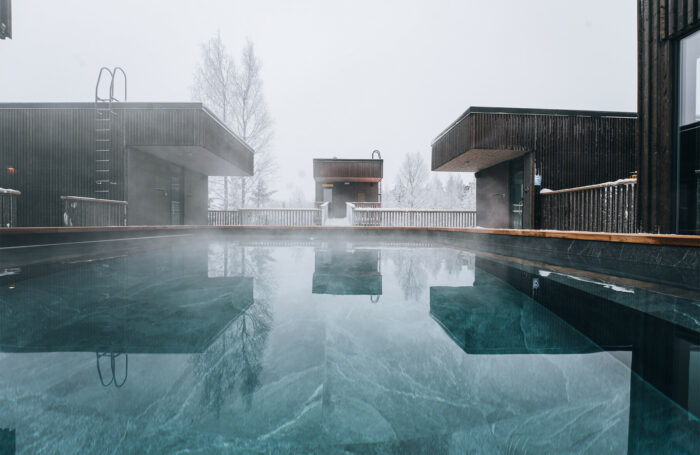
Steam rises off an outdoor pool in front of a modernistic wooden building.

Sami Rintala’s firm designed a hilltop hotel, sauna and spa complex at Tahko, a ski resort in eastern Finland.Photo: Rintala Eggertsson Architects

Although the oldest public sauna still in use in Finland was built in 1906 in Pispala, Tampere, historians believe sauna culture got going around 10,000 years ago. The earliest saunas were pits dug into the ground with a pile of stones at the bottom, heated by a campfire. Where Finland differs from other countries is that its early inhabitants never swayed from their love of sauna.

“People living in Finland needed saunas because of the climate,” says Rintala. “Plus, with so many forests, there was always wood to build them and firewood to burn.”

He thinks people also crave somewhere to escape from the encroachment of technology, and saunas are phone-free zones: “Maybe saunas are the only place where people can really talk without phones disturbing their conversations.”

He fires up his home sauna almost daily to sit and chat with his wife and 19-year-old son.

“We have the best discussions there,” he says.

Sauna beats shopping centres

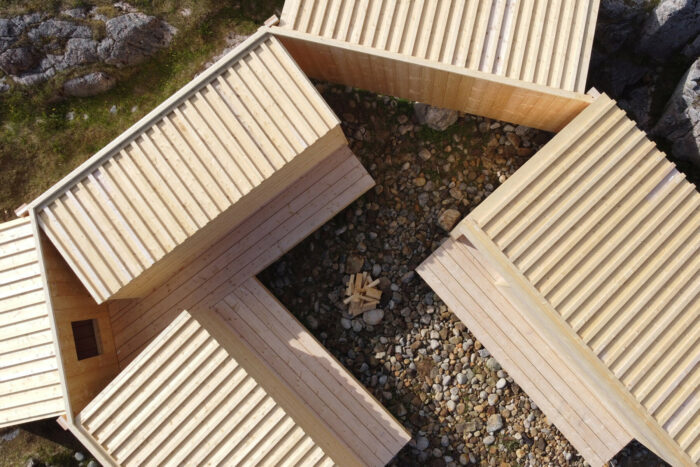
An aerial shot shots several wooden buildings in a rocky landscape.

Sami Rintala helped design a cluster of shelter and sauna buildings on Kalsholmen, a remote island off the coast of Norway.Photo: Rintala Eggertsson Architects

A desire for social cohesion is reviving demand for public saunas, which fell out of favour as more people opted for private saunas.

“Public saunas are a meeting place,” says Rintala, adding that 20 years ago there were only two or three public saunas in Helsinki compared to more than 20 today. The best-known is Löyly, which is Finnish for “sauna steam,” a six-million-euro public sauna that opened in 2016, designed by architects Anu Puustinen and Ville Hara of Avanto.

When temperatures are Arctic outside, there are few places to meet and socialise without buying anything. Rintala makes a comparison with a shopping centre:

“It’s much nicer to hang around chatting in a sauna where you are buying an experience rather than something material.”

Keep it simple

A man stands in a wood-panelled room and looks into the distance.

Photo: Dan Mariner

His advice for anyone working on a public sauna project is to keep things simple.

“If you want to make a sauna accessible for lots of people, make very simple bathing structures that are very cheap to use and to maintain,” he says. “There are no rules, other than to create a good bathing experience.

“One thing everyone should understand is that saunas are very humid, so it’s important to keep heating them after use so they can dry out. When it’s minus 20 degrees Celsius (minus 4 degrees Fahrenheit) in the winter, you need to dry the wood before it freezes.”

His top tip is to keep windows small and forget about having a view: “Very large windows will ruin the correlation of the oven and the room. Plus, the bigger the window, the bigger the oven you will need. Views aren’t important. A sauna is a room where you close off the world to understand yourself and other people better. You can go out and see the landscape afterwards.”

And remember the food.

“Food and drink are important to the sauna experience,” Rintala says. “I like sauna evenings with friends. A perfect evening is about being in the sauna as long as possible and having your dinner afterwards. What you eat is personal, like what you wear, but I like a cold beer and some salty meat: you have everything you need.”

By Susie Mesure, ThisisFINLAND Magazine, June 2025

An ode to the joys of Finnish summer cottages

“This fish is delicious,” I said to the host. “It’s pike,” she told me. “Straight from our lake. And all the vegetables and salads are from our garden.”

Just three days after I moved to Finland, and there I was, beside a lake surrounded by forest.

I was at my friend Risto’s family summer cottage in Kirkkonummi, 30 kilometres (18 miles) from Helsinki. I normally don’t care for pike, but this was delicious. Perhaps it was the way Risto’s mother prepared it, or the magic of being around nature.

After lunch, I could have just relaxed, but there were chores to be done. I wanted to be part of the team. “Where do you want me to rake?” I asked.

Nature the only distraction

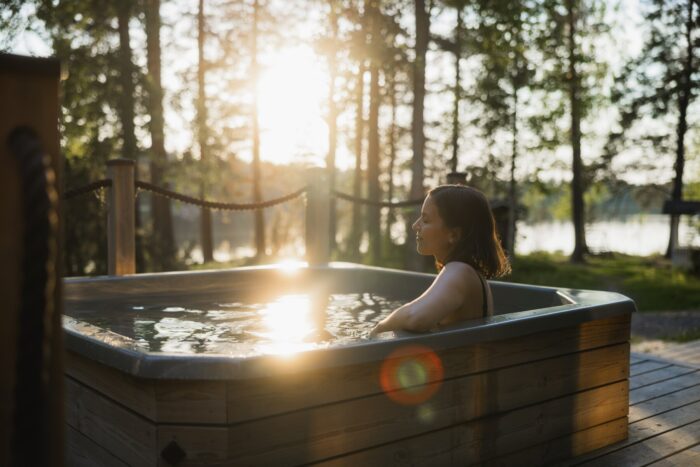
A woman sits in a hot tub on an outdoor wooden deck with a forest, lake and sunset in the background.

Not all Finnish cabins are primitive. Some have hot tubs and all the modern amenities.Photo: Joonas Linkola/Visit Tampere

A week later another friend invited me to spend a weekend at his family’s island cottage in the Åland Archipelago, off the southwest coast of Finland. There wasn’t much to distract us, between eating, tidying up, sauna bathing and sleeping.

So, we did lots of talking. Maybe sitting on the smooth granite rocks enjoying the seascapes, breathing the fresh sea air and bathing in the sun brought out the philosopher in us. Of course, we didn’t remember all our wonderful ideas after we left the island, but the feeling stayed with me.

Lake serenity

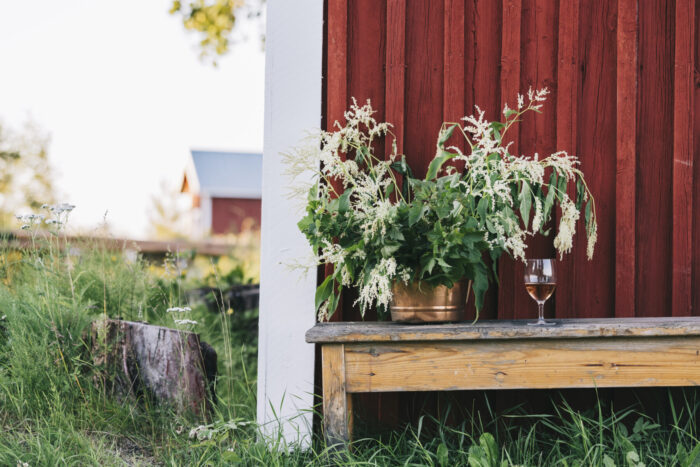
On an outdoor bench next to a red wall sit a bouquet of wildflowers and a glass of wine. A red barn is in the background.

The long hours of daylight in Finland’s summer give plenty of time for leisure activities, from birdwatching to flower arranging.Photo: Terhi Tuovinen/Lapland Material Bank

I would later spend time at Ari’s cottage near Varkaus in eastern Finland. At a serene area of the lake, we would relax on his pier for hours, birdwatching, cloudspotting and feeding the fish that came by for free lunch. “I must feed my pets,” he said. “They love me.”

His cottage was only suitable for summer, so we sometimes stayed at his friend’s cottage in winter. There I was introduced to the great sport of ice golf. We also did cross-country skiing and ice fishing Afterwards, Mauri would serve homemade mulled wine to warm us up, and elk stew sourced from local hunters.

Rustic activities a welcome change

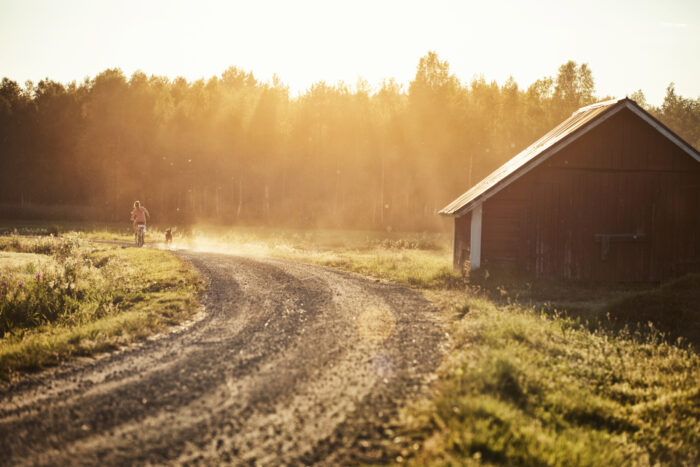
A gravel road curves next to a red cabin with the sun rising in the distance. A light morning mist partially obscures a forest in the background.

There is plenty of work to do in a rustic cabin, but many Finns find such chores a welcome change from their normal lives.Photo: Harri Tarvainen/Lapland Material Bank

I’ve been fortunate to visit many summer cottages. Almost all of them were next to a lake – with about 188,000 lakes in Finland, there is plenty of shoreline to go around. Every cottage had a sauna, either the standard kind or a special smoke sauna. Most of the cottages were fairly simple, with no running water and no electricity (though solar panels are becoming more common).

They require a lot of upkeep: chopping wood, fetching water, repairing docks, doors and windows, cleaning the interior, beating rugs, clearing debris, heating the sauna, cooking and seasonal chores such as picking berries and mushrooms. But Finns seem to love this kind of work.

Why would people in such a highly developed country want to spend time under such basic conditions? Finns will tell you they need to escape the pressures of demanding jobs and fast-paced city life. They’re looking for a temporary getaway from deadlines, overtime, taxes and traffic jams. They cherish nature and love to spend time embracing the traditions of their ancestors.

Then again, they might simply tell you, “We love and need these cottages.”

Therapeutic relaxation

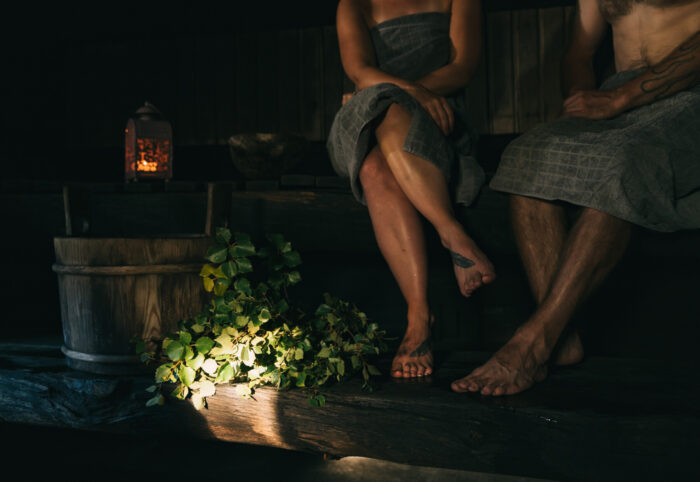
A man and woman sit in a dimly lit sauna with a lantern, wooden bucket and whisk of birch branches.

The sauna is at the centre of nearly every summer cottage experience.Photo: Terhi Tuovinen/Lapland Material Bank

Why do I enthusiastically embrace this Finnish tradition? For me, relaxing in the country is deeply therapeutic. I love swimming in clean lake water, floating on a raft, fishing and rowing (or letting someone else row). Moreover, I love walking on a forest path, listening to the forest sounds, breathing in the woodland scents and trying to identify some of the hundreds of species of birds.

Spending time with friends – sitting outdoors, sipping coffee, having an amicable discussion, playing cards and sharing meals – is a perfect way to get to know them better.

Not all cottages are rustic. Teemu’s cottage, for example, was once a bustling farmhouse. Now it serves as a holiday home. Yet it still evokes a long-gone way of life. Old tractors and farm tools are scattered around. The many rooms are filled with vintage furniture and old-fashioned décor. Even the resident ghost seemed friendly and didn’t scare me when I went to bed.

I have wonderful memories of the summer cottages I’ve stayed at, each with its charm. I’ve appreciated them all. But with over half a million summer cottages in Finland, I still have many more to visit.

By Russell Snyder, June 2025

Savouring sustainable eating in Finland

Concern for a sustainable future is embedded in the operations of Fiksuruoka (“smart food”), which deals in surplus food, and Restaurant Natura, which features ingredients sourced from its own farm and from foraging.

They are in good company. Music festivals in Finland have thoroughly demonstrated that consumers place value on lowering environmental impact in food choices and operational details.

Finnish retailer Fiksuruoka, initially launched in a garage, is at the forefront of the surplus food movement. What began as a local initiative grew into a nationwide success and now operates under the Foodello brand in other European markets. The mission remains unchanged: to make reducing food waste easy for everyone.

Save food, save money

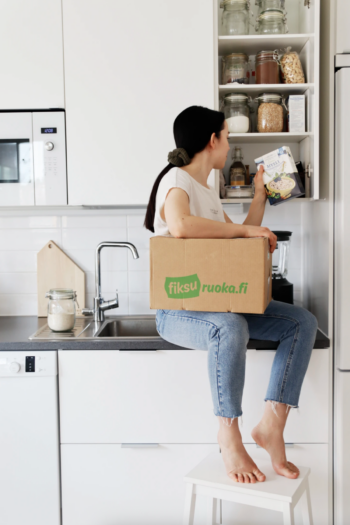
A person sits on a countertop in a kitchen, holding a box and reaching back into a cupboard full of jars and containers.

Fiksuruoka aims to make it easier for consumers to reduce food waste while saving money.Photo: Fiksuruoka

“Finland still discards about 641 million kilos [1.4 billion pounds] of groceries each year,” says Sami Törmä, head of global marketing at Fiksuruoka, citing data from the Natural Resources Institute of Finland. “Households are responsible for the biggest slice with 46 percent, but industry, food service and retail also contribute significantly.”

Fiksuruoka is tackling this issue head-on. Its online shop delivers surplus dry goods, snacks and pantry staples across the country at discounted prices, allowing people to reduce waste while saving money.

“Our proudest achievement is rescuing more than 18 million kilos [40 million pounds] of food to date,” Törmä says. “That’s the cumulative figure, which translates into preventing over 46 million kilos of CO2-equivalent emissions.”

For context, that’s roughly the amount that would be emitted by driving a car more than 300 million kilometres (185 million miles), consuming 23 million litres (six million gallons) of gasoline.

Smart choices

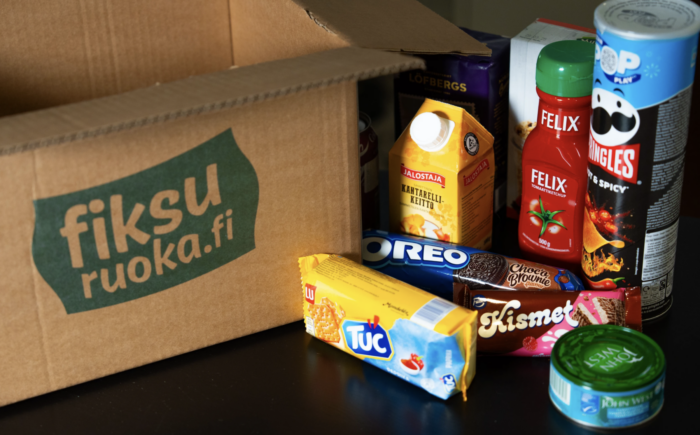
A cardboard box sits beside an assortment of grocery items, including cookies, chips and ketchup.

By Fiksuruoka’s own estimates, it has saved millions of kilograms of food from going to waste.Photo: Fiksuruoka

One challenge Fiksuruoka faces is the confusion between best-before and use-by dates. “Many people think we sell expired goods,” Törmä says. However, the vast majority of products on the site have weeks left until their best-before dates, often due to seasonal changes, packaging updates, overproduction or printing errors.

But the solution isn’t just buying discounted surplus food. It’s also about using what you already have before it goes bad. Törmä encourages consumers to creatively manage their fridges to make reducing food waste easier. “Snap a photo of what’s in your fridge, upload it to an AI tool and ask, What can I make with this?” he says. “It’s a great way to cut waste and cook smarter.”

For the Fiksuruoka team, the ultimate definition of success would be going out of business, because that would mean the problem of food waste had been solved.

Greens, goals and gourmet dreams

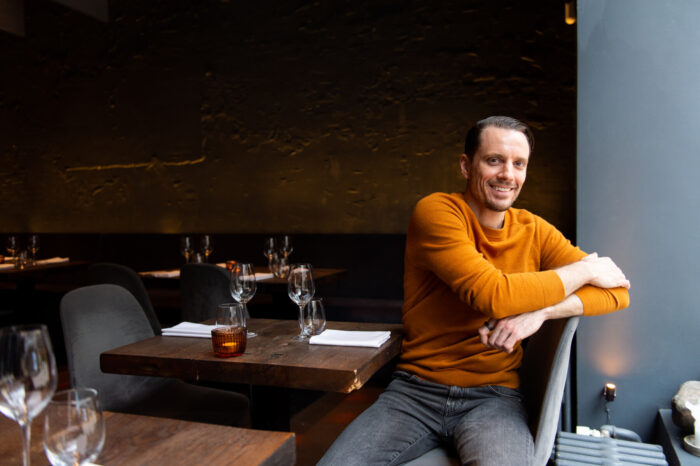
A smiling man rests his forearm on the back of a chair in an upscale dining establishment.

Chef David Alberti of Restaurant Natura spent years building the basis for a restaurant that values both quality and responsibility. Photo: Emilia Kangasluoma

While Fiksuruoka scales up sustainable habits for everyday shoppers, Restaurant Natura in Helsinki brings a similar ethos to fine dining – rooted in hands-on farming, foraging and a clear sustainability strategy. Its founder, chef David Alberti, spent years honing his craft and building the basis for a restaurant that values both quality and responsibility.

“We did five years of work before opening Natura,” says Alberti. His own journey included knocking on Gordon Ramsay’s door in person to request a job, an unconventional but successful move. “I wanted to learn from the best, and I knew he was one of the best, even if difficult to work with,” Alberti says with a laugh.

Natura is built on the belief that sustainability and quality go hand in hand. Many of the restaurant’s vegetables come from its own farm just ten kilometres outside Helsinki – a project that began with Alberti’s search for monk’s cress, a vitamin-rich, edible flower often used in salads. “It’s tough to find monk’s cress anywhere, and it’s also expensive, so I decided to cultivate it myself,” he says.

Everyday sustainability

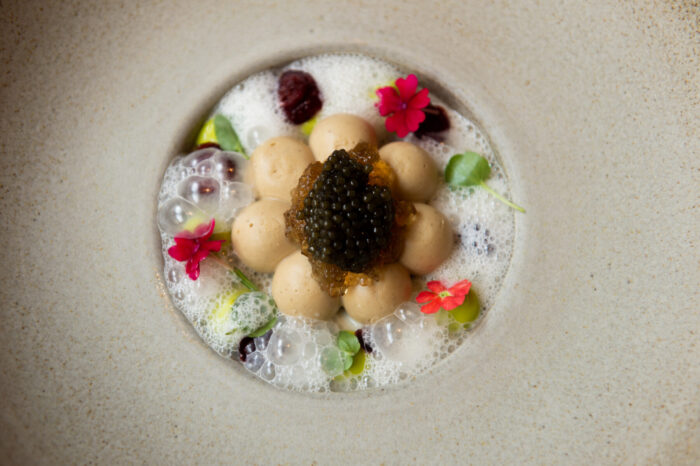
An overhead shot shows a dish with small, round food items topped with black garnish and surrounded by white foam, small flowers and tiny leaves.

The cuisine at Restaurant Natura is sourced from local foraging and small, organic producers.Photo: Emilia Kangasluoma

Natura’s herbs and berries are foraged within a 50-kilometre (30-mile) radius of the restaurant, and the team only works with small, organic, family-run businesses they have personally visited. Natura’s commitment to sustainable gastronomy earned it a Michelin Green Star in 2022.

At Natura, sustainability is not an afterthought, but rather a structured part of daily operations. According to Alberti, the restaurant’s public sustainability report helps guide practices such as energy recycling, waste reduction and ethical sourcing.

Principles are easier to follow when clearly defined. The report includes 11 “commandments” that set out operational guidelines such as “Explore plant-based options” and “Source fish and seafood sustainably.”

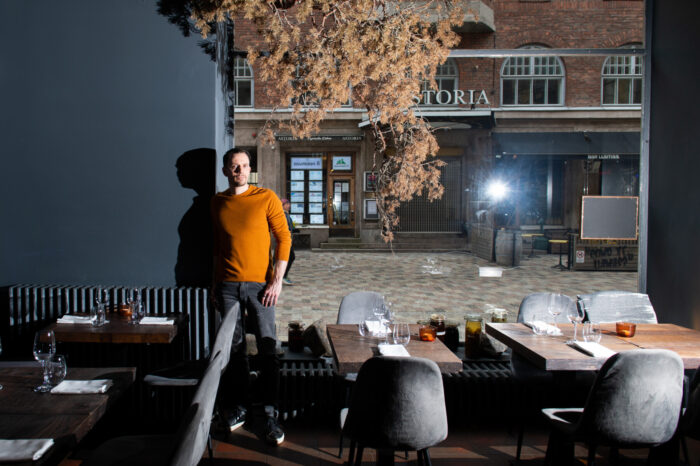
A man in a casual outfit stands in a dining area with wooden tables and chairs, with a building façade visible through a large window in the background.

Restaurant Natura’s commitment to sustainable gastronomy has earned it a Michelin Green Star.Photo: Emilia Kangasluoma

Alberti also emphasises keeping prices fair so more people can eat out in a sustainable way. “People need to be able to afford to go out to eat,” he says. That’s one way to ensure that sustainable choices such as those Natura espouses form part of everyday food culture.

By Carina Chela, June 2025

Käärijä and Tuuletar show Osaka 2025 how to “Party like a Finn”

Finland is set to shine at Expo 2025 Osaka with special Finland Day celebrations on June 12, 2025. The day will include the official ceremony, as well as world-famous Finnish symbols such as Santa Claus, Moomin and sauna. The day will end with “Party like a Finn – Rock & Fashion” evening party with performances by Käärijä and Tuuletar.

A row of four women whose arms and faces are covered with splotches of colourful paint are singing with their mouths wide open.

Tuuletar is a quartet that mixes traditional Finnish group singing with beatboxing and influences from Bulgaria to Bollywood.Photo: Katariina Salmi

The theme of Finland Day is “Happiness Day of Finland”, offering visitors of all ages and backgrounds the opportunity to experience the elements of Finnish happiness.

A Finnish nurse aims to revolutionise elderly care

In Finland, one nurse is working to redefine how we care for the elderly. Sanna Kosonen, a pioneer in foster care for ageing individuals, believes we can create a more compassionate and sustainable system – one that allows the elderly to live with dignity in home-like settings.

This vision is more than just a local initiative; it addresses a global challenge. As populations age rapidly worldwide, Kosonen’s innovative approach offers insights that could benefit societies far beyond Finland.

A home away from home

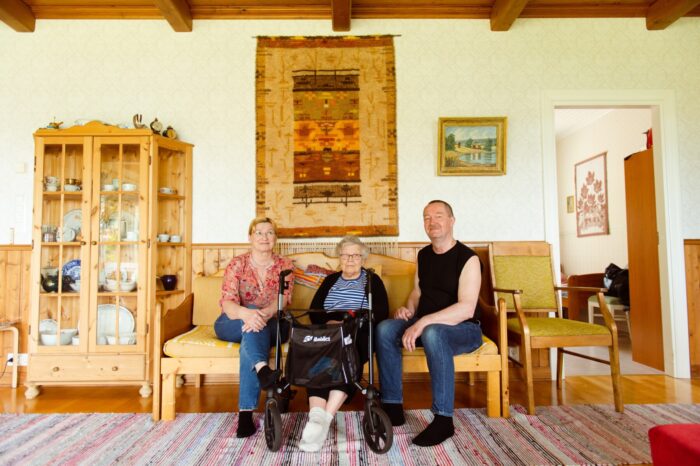
Three people sitting on a sofa in a traditionally furnished living room.

Eeva Nenonen (left), Kerttu Korhonen and Jukka Nenonen share everyday life in a family-style foster home. Korhonen, an avid crafter, has knitted potholders during her stays.

Travelling to Kitee, a small town in the easternmost part of Finland nestled among lush forests and serene lakes, feels like stepping into a postcard. Here, the family foster care model has taken root, offering an alternative to traditional nursing homes.

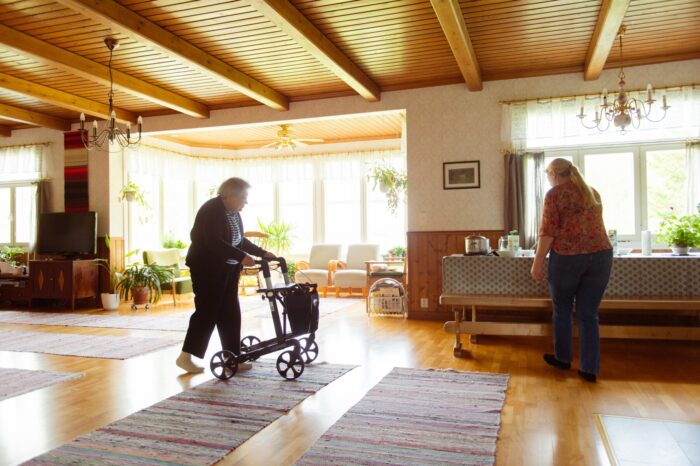
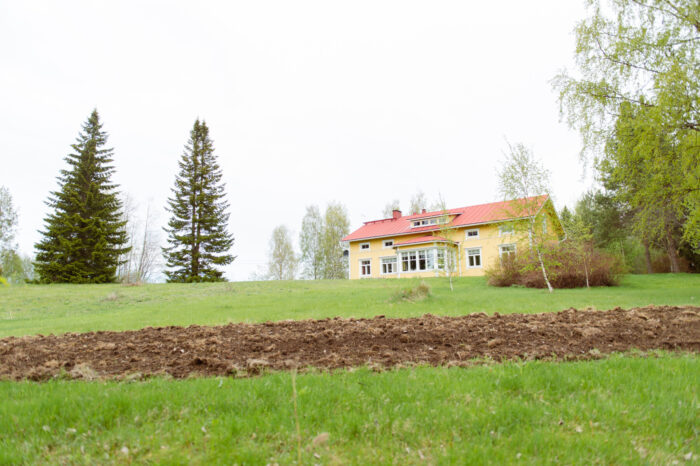
One shining example is the Nenonen foster home. Down a country road surrounded by fields and woods, the yellow wooden house stands as a sanctuary for elderly residents. Inside, 87-year-old Kerttu Korhonen watches Who Wants to Be a Millionaire in the cosy living room, her walker within reach. She spends two weeks each month here, then returns to her home in a neighbouring town.

“It’s wonderful here,” she says. “Time passes so pleasantly.”

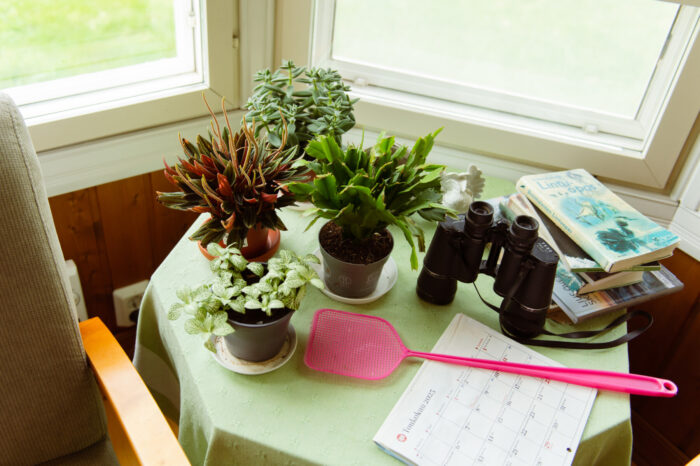
A table with houseplants, books, binoculars, a fly swatter and a calendar.

Foster carers often form close bonds with the elderly in their care. Talking about death is not unusual, as carers strive to honour each resident’s wishes for a good death.

In the kitchen, foster carer Eeva Nenonen stirs a pot of chicken soup while her husband Jukka talks about a recent fishing trip. Large windows overlook fields and Lake Kitee. For the residents, the atmosphere is both calm and familiar – more like a family gathering than a care facility.

The foster care model

An elderly woman walks through a living room using a walker.

The Nenonen foster home can accommodate four elderly residents at a time. Jukka and Eeva Nenonen take two weeks off every month to relax and go fishing.

The adult foster care of older adults, spearheaded by Sanna Kosonen together with the Foster Care Association of Finland, offers elderly individuals the chance to live in a family-like environment. Caregivers open their homes, providing short- or long-term stays, or alternatively, visit elderly individuals in their own homes.

For foster carers like Eeva and Jukka Nenonen, the arrangement has been transformative. After their five daughters left home, the couple adapted their house to accommodate elderly residents. They fitted bedrooms with senior-friendly beds and emergency call buttons. The house’s layout, already designed for accessibility, needed only small changes.

A yellow house sits atop a small hill, with a field of green grass in the foreground.

Foster homes for the elderly are so popular in many areas in Finland that there aren’t enough places for seniors. New foster carers are urgently needed.

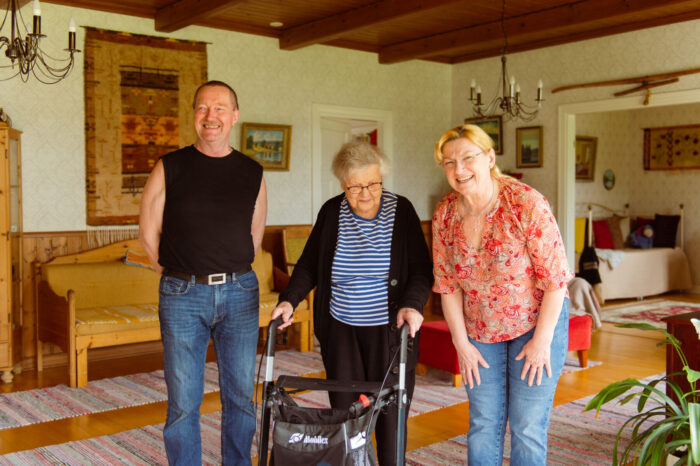
A man and two women smiling in a cosy living room.

Jukka Nenonen, Kerttu Korhonen and Eeva Nenonen have known each other for a year. Korhonen first visited for a short stay, which soon turned into a longer arrangement after everything went smoothly.

The benefits are clear: residents receive personalised care, daily companionship and a renewed sense of belonging.

“Elderly people often feel like a burden,” Kosonen says, “We need to change this mindset. Ageing is not a disease. Everyone deserves to live a meaningful life, even in old age.”

The model encourages residents to take part in daily life – helping with meals, setting the table or simply enjoying the company of others. This fosters both physical and emotional wellbeing. Many experience a profound transformation, regaining vitality and joy.

“One of our residents said they wished they had come here years earlier,” Eeva Nenonen recounts.

Reconnecting with nature

A woman standing in a birch forest.

Over the course of about fifteen years, Kosonen has trained hundreds of foster carers and supported numerous foster homes.

Nature plays a central role in Kosonen’s vision.

“For someone who has lived close to nature their whole life, why should that connection end in old age?” she asks.

At foster care homes like the Nenonens’, elderly residents can reconnect with the outdoors, whether by picking berries, going fishing or sitting around a campfire. Even simple pleasures, like the taste of fresh raspberries or the scent of lilacs, can awaken cherished memories in those with dementia.

“At one point, a resident told me, ‘In the forest, you don’t have to worry about making mistakes,’” Kosonen recalls.

A growing movement

A woman standing by a lake.

Kosonen advocates for nurse specialisation. A nurse trained specifically in foster care could offer stronger support for carers and residents alike.

Currently, Finland has approximately 250 foster care homes for the elderly, and the number is steadily increasing. In 2021, over 3,300 elderly individuals benefited from this model, supported by thousands of caregivers. Kosonen has also introduced the concept to colleagues in Estonia and Zambia, demonstrating its adaptability across cultures.

“Finland has been called a laboratory for ageing,” Kosonen says. “We can inspire others by demonstrating what good ageing looks like in an age-friendly society. We have a significant elderly population, and now we must ensure they live good, meaningful lives as part of a community.”

For Kosonen, this mission is deeply personal. Her own grandmother was an advocate for elder foster care, and later became a resident herself. Kosonen was by her side through her final days.

“When it was her time to go, she told me I was exactly where I needed to be,” Kosonen says.

A global vision

A woman smiling at the camera, leaning against a birch tree in a forest.

Kosonen hopes to see nursing and foster care working side by side to provide better support for the elderly.

At the time of writing, Kosonen’s work is gaining increased recognition, and Finland is hosting the International Council of Nurses (ICN) World Congress in Helsinki (in June 2025). Nearly 7,000 nurses from around the world are gathering there to share ideas.

Her model, developed with the Foster Care Association of Finland, is living proof of what compassionate, community-based care can achieve. It’s a vision for a future where ageing means not just surviving, but thriving – with dignity, connection and joy.

Text and photos by Emilia Kangasluoma, June 2025

Where the skies speak: Finland’s southern tip is a birdwatcher’s paradise

A wren chirps in the alder grove. Biologist Aki Aintila pauses, his gaze instinctively drawn to the sound. He spots the small bird perched on a gnarled branch of an ancient tree.

Moments like these have defined his life, rooted in the centuries-old forest at Finland’s southernmost tip. This is Uddskatan Nature Reserve, a vital waypoint for hundreds of thousands of migratory birds each spring and autumn. At the heart of this natural crossroads stands the Hanko Bird Observatory, where Aintila and his team have spent decades studying migration patterns and uncovering how environmental changes reshape these journeys.

The path through the reserve leads to the red wooden walls of the Hanko Bird Observatory, situated on a rocky outcrop. The sea glistens in the sunlight as a chaffinch hops along the trail. Aintila’s face softens as he takes it all in.

“It feels like coming home,” he says.

The heart of the observatory

A red cottage stands in a wooded clearing in southern Finland, surrounded by bare trees in early spring.

Near the bird station, there is also a sauna and a workspace for bird ringers.

The Hanko Bird Observatory, or Halias, was established in 1979 by the Helsinki region’s ornithological association, Tringa. The group purchased an old wooden cabin originally built in the 1920s by a fishing family. Today, it serves as a hub for groundbreaking bird monitoring and research.

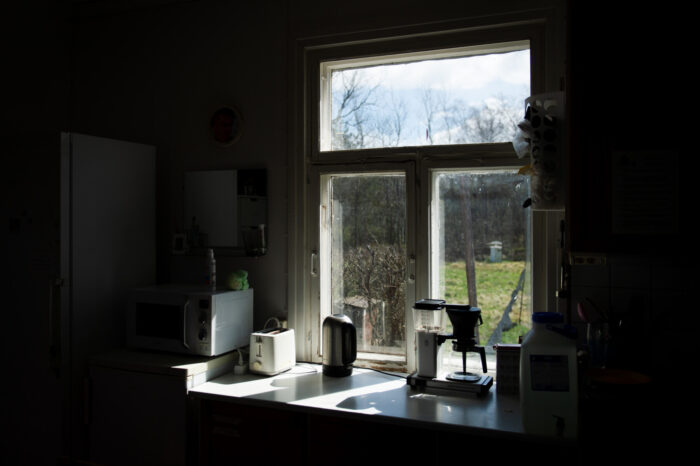
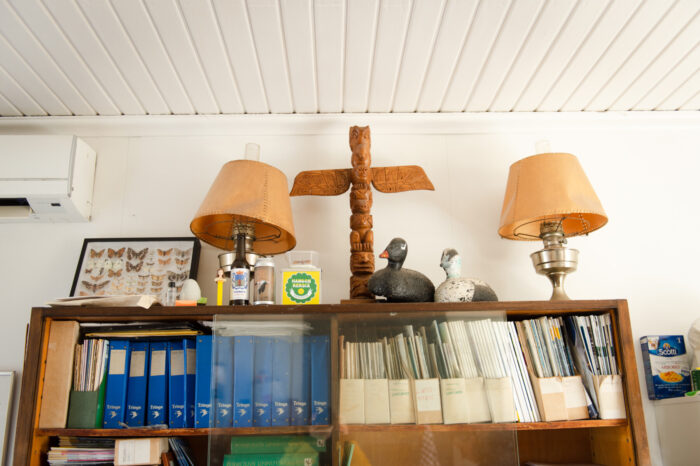
Inside, the cabin is simple but functional: a small kitchen with essential appliances, a bedroom with three bunk beds and shelves lined with ornithological books. The lack of running water and reliance on a sauna for bathing underscore the rustic charm of the place.

Inside the dark interior of a cottage, a bright kitchen window frames the sunlit grass and sky outside.

At the Hanko Bird Observatory, spring monitoring lasts from early March to mid-June, while autumn monitoring runs from mid-July to mid-November.

The top of a bookcase lined with binders and documents, adorned with two lamps, wooden duck figurines, a framed moth display and other small decorative items.

In spring, the observatory sees more waterfowl unafraid of crossing the sea. In autumn, the focus shifts to landbirds and raptors arriving from the mainland.

Aintila pulls out some rye bread and cheese for lunch, and the door soon creaks open to admit Pekka Mäkelä, who has been ringing birds, and Juho Tirkkonen, a civil service worker. They immediately launch into a discussion about the day’s sightings – a common occurrence at Halias.

Aintila’s journey to this moment began in childhood when his grandfather subscribed to a wildlife magazine for him. One issue featured an article on birdwatching, accompanied by a stunning photo of a snowy owl.

“That’s how it began,” Aintila recalls.

His fascination with birds grew into a career in biology, and since 2019, he has been a part-time observer at Halias, spending more time in Hanko than at home in Helsinki.

Witnessing change in the skies

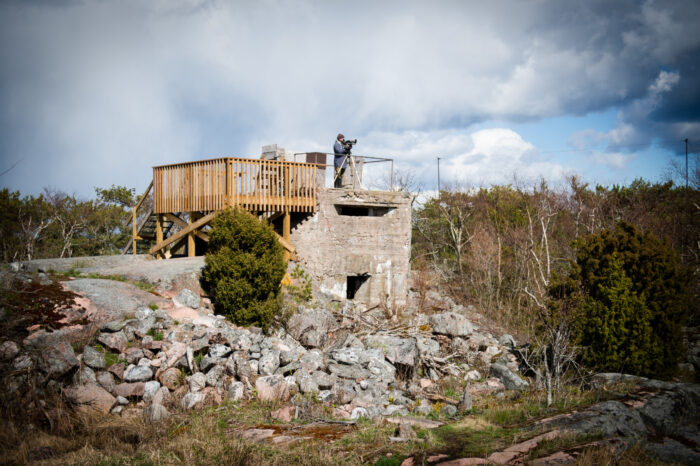
A man peers through a birdwatching scope atop a wood-and-stone observation platform, elevated above the surrounding treetops.

The nature trail to the bird station and its birdwatching tower runs north of Hanko’s outer harbour.

It’s time to climb the rocky outcrop and look out into the distance. Aintila leads us to an old fire control station from World War II, offering breathtaking scenery in every direction.
The sea laps gently, and in the distance, one can catch a faint glimpse of Bengtskär, the tallest lighthouse in the Nordics.

The sweeping views reveal eiders and long-tailed ducks floating on the sea, a white-tailed eagle soaring above and a smew paddling near the shore. These sights have become more than routine; they are data points in a larger story of change.

An illustration of two smews: the male with striking black-and-white plumage, and the female in muted brown and grey tones.

The migratory behavior of the smew (Mergellus albellus) has changed during the bird observatory’s monitoring period, as significantly more birds now winter on the Hanko Peninsula than before.

“Observations of smews at the bird observatory have increased by over 800 percent during the monitoring period,” Aintila explains.

Decades of standardised monitoring have revealed that warmer springs are causing many species to migrate earlier, while autumn migrations are sometimes delayed. This shift in timing, Aintila notes, is a profound disruption to ecosystems. Birds arriving too early may face fatal cold snaps, and their chances of survival and successful nesting diminish.

A legacy of observation

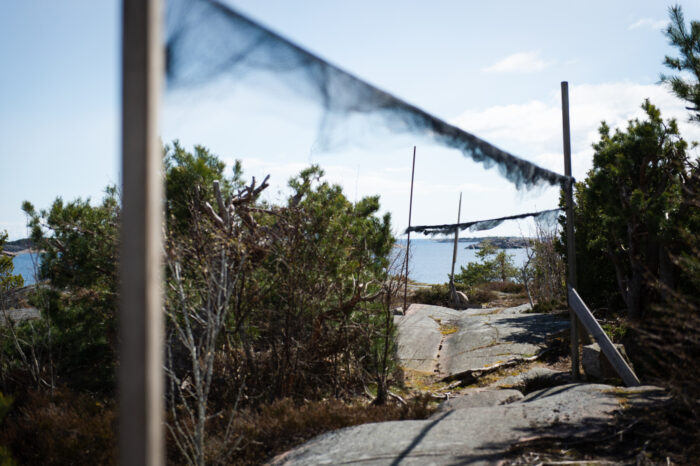
Bird observation nets hang from wooden poles set among low shrubs on a rocky outcrop.

Finland is internationally known for its vast community of bird enthusiasts. Each year, approximately 700 active bird ringers tag over 200,000 birds in Finland.

Since the observatory’s founding, volunteers have conducted careful bird monitoring using standardised methods. Each morning before sunrise, regardless of the weather, someone climbs the fire control tower to count birds during the four-hour observation effort. Nets are opened for a five-hour ringing effort – a method where birds are gently caught, fitted with lightweight identification rings, and released – and species in nearby marine areas are also documented.

Some days are grueling: tens of thousands of birds may fly over Hanko in a single day, or thousands might need to be ringed.

Despite the challenges, Aintila recounts the awe of witnessing extraordinary migrations, like the autumn when over 220,000 finches passed through in a single day.

“I was on autopilot, just trying to process what my eyes were seeing and transfer it to paper. The shock hit me afterward,” he says.

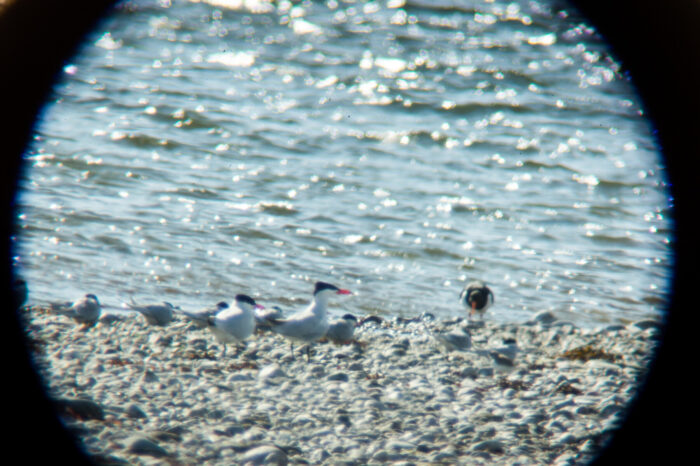
Eider ducks rest on a rocky beach, seen through the circular frame of a birdwatching lens.

The diversity of bird species in Hanko is remarkable. In late April, 112 different species were recorded in a single day near the station.

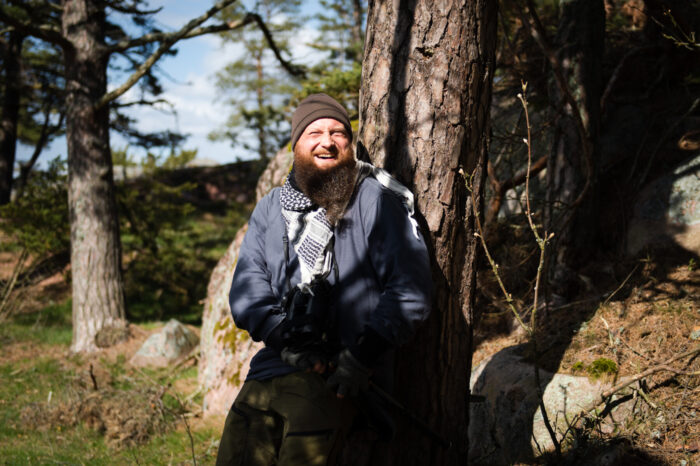
A man dressed for cold weather leans against a pine tree, laughing with sunlight warming his face.

Sometimes, weather conditions for bird observation are so perfect that sleep becomes secondary to waiting for flocks to appear in the sky.

In 2023, Aintila experienced another unforgettable moment. Leading a group of young birdwatchers, he spotted a bird from eight kilometres away – a species never before seen in Hanko.

“I started shouting, ‘Gannet! Gannet! My god, there’s a gannet!’” he recalls with laughter.

Northern gannets are large seabirds known for their striking white plumage, black-tipped wings and dramatic plunge-diving. They’re typically found in the Atlantic, making their appearance in the Baltic a rare and thrilling surprise.

The bird stayed in view long enough for everyone to marvel at it before disappearing over the horizon.

“It was incredible,” he says, still trembling at the memory.

Fragile ecosystems, unwavering dedication

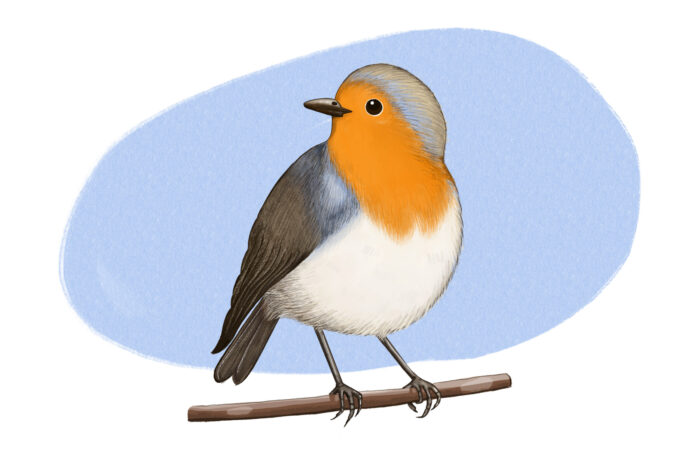
An illustration of a robin featuring a bright red breast, white belly and brown wings.

The robin (Erithacus rubecula) is a thriving bird species in Finland. It migrates to Finland each spring from Southern Europe.

Walking through the coastal forest toward the sandy spit of Gåsörsudden, Aintila points out a robin with a striking orange chest and a wheatear perched on a rock. His observational skills have honed over decades.

For Aintila, birdwatching combines discovery and the joy of realisation.

“These are universal aspects of birding and seem to satisfy some primal hunter-gatherer instinct,” Aintila explains.

He reflects on the interconnectedness of ecosystems. Birds are more than a fascination; they are indicators of environmental health. A bird arriving at the wrong time can disrupt entire food chains.

“Every observation contributes to understanding these shifts,” he says, lifting his binoculars to scan the horizon.

At the tip of the peninsula, an oystercatcher pair stands near the water. Aintila notes that the oldest ringed oystercatcher in Europe lived over 40 years. How much of the world might such a small bird have seen?

A shelduck swims at the tip of the sandbank. A common tern flits low over the water. It’s comforting to know that while society and technology evolve, bird observation in Hanko has remained consistent since the 1970s. Traditional methods are still the most suitable.

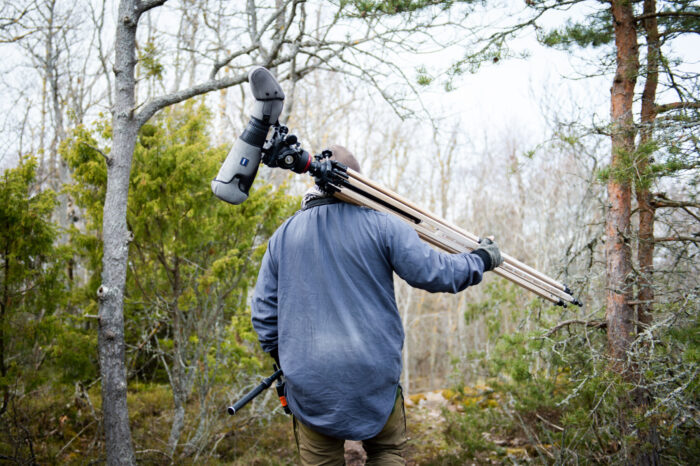
A man walks through an early spring forest carrying a bird observation lens mounted on a tripod slung over his shoulder, surrounded by pine needles and bare branches.

Aki Aintila first visited the Hanko Bird Observatory in the early 2000s.

A raven croaks in the distance, and Aintila smiles.

It’s time to head back.

Text and photos by Emilia Kangasluoma, May 2025

Illustrations by Eveliina Rummukainen