Tracing the rise of Finland’s folk music from village roots to global acclaim

After the Second World War, traditional Finnish music experienced a period of dormancy as modern styles gained dominance. In the late 1960s, however, the Kaustinen Folk Music Festival became a catalyst for revival, aided by folk-inspired bands such as Karelia and Piirpauke, which reinterpreted tradition in new ways.

Education also played a key role. From Tampere University’s ethnomusicology faculty to the Sibelius Academy’s dedicated folk music department, Finland elevated folk music as an academically and artistically respected field.

By the 1990s, groups such as Värttinä sparked an international boom, paving the way for today’s diverse, multicultural scene. Solju is a duo from northern Sápmi, the homeland of the Sámi, the only recognised Indigenous People in the EU area. They play Sámi music with a pop sensibility. The trio Dänkki Briha mixes Karelian traditions with spoken word and electronic beats.

Womex (Worldwide Music Expo) 2025 takes place in the southern central Finnish city of Tampere from October 22 to 26.

Rising stars Erkki Virkkala and Iikka Huntus: These young fiddlers carry on Finland’s pelimanni folk music tradition

Our first group call stretches late into the afternoon.

Eighteen-year-old Erkki Virkkala has just woken up at home in Kaustinen and apologises for feeling groggy, while on the other side of town, 16-year-old Iikka Huntus is puffing his way up a ski slope, working as a camp leader at a youth retreat.

It’s June, yet summer feels like it hasn’t really begun. Everything still lies ahead.

These young men, still young enough to be called boys, laugh about why anyone would want to write about them at all, before settling into conversation.

The second time we connect in July, it is almost by chance, but this time, they’re doing what they do best: playing music.

Virkkala and Huntus aren’t rocking out on guitar and drums as you might expect lads their age to do (though they do play those, too). Instead, they are performing Finnish folk music on fiddles.

Soon after, I come across a newspaper article about them. They’ve won the prestigious Konsta Jylhä competition, named after one of Finland’s most famous folk composers, and earned high praise from the judges.

Finally, I meet them in person, with time to talk properly, and most importantly, hear them play.

Musical roots run deep
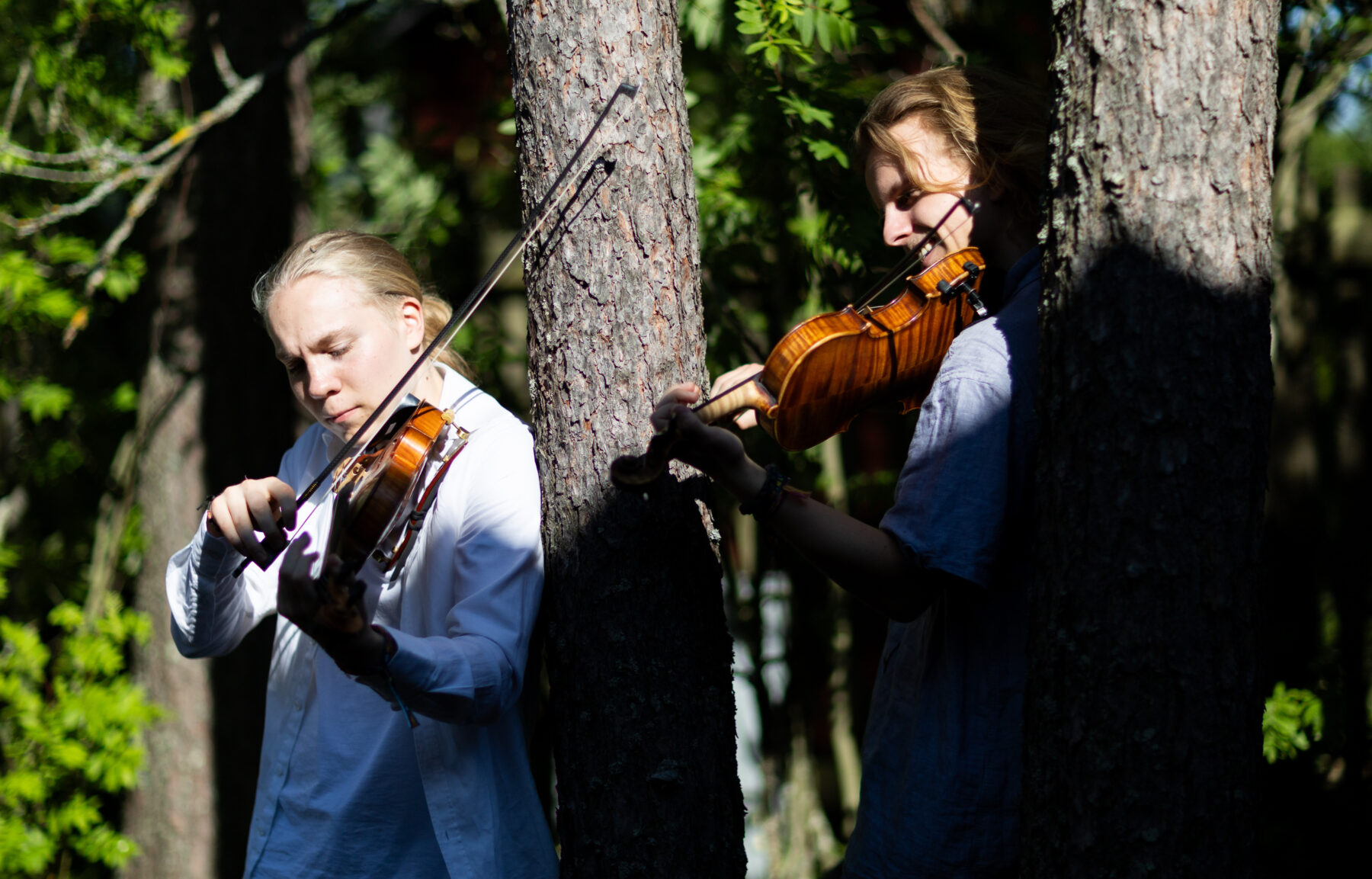
Two people (Iikka Huntus and Erkki Virkkala) play violins while standing beside trees.

Iikka Huntus and Erkki Virkkala believe music should be fun and more about playing than performing. For them, it’s all about enjoying the moment.

It felt inevitable.

If your parents, aunts, uncles, grandparents, and generations before them have all been musicians for as long as memory serves, what else could you imagine doing as an adult?

Virkkala picked up the fiddle at the age of three or four. A year later, he began lessons with his grandfather Mauno Järvelä, a respected fiddler and teacher who developed the Näppäri method – a group-based approach that uses folk music to make playing accessible and enjoyable for children. The method has inspired thousands in Finland and abroad to discover music without the pressure of auditions or exams.

In a nearby village, young Huntus also began playing fiddle before starting school, inspired by his father’s fiddle playing.

Still, for both boys, music lessons could still be stressful if they hadn’t practised. Yet with their parents encouraging them, quitting was never really an option.

The spark for music came when they finally met each other in the same youth orchestra in the early 2020s. Virkkala’s mother was Huntus’s fiddle teacher and thought the boys might click.

Their first meeting wasn’t even about music – they cooked tortillas together – but soon fiddles found their way into their hands. No need to discuss what to play: folk music had surrounded them since birth.

Something just clicked.

From then on, playing became not only fun but the very best thing.

Blending tradition with innovation
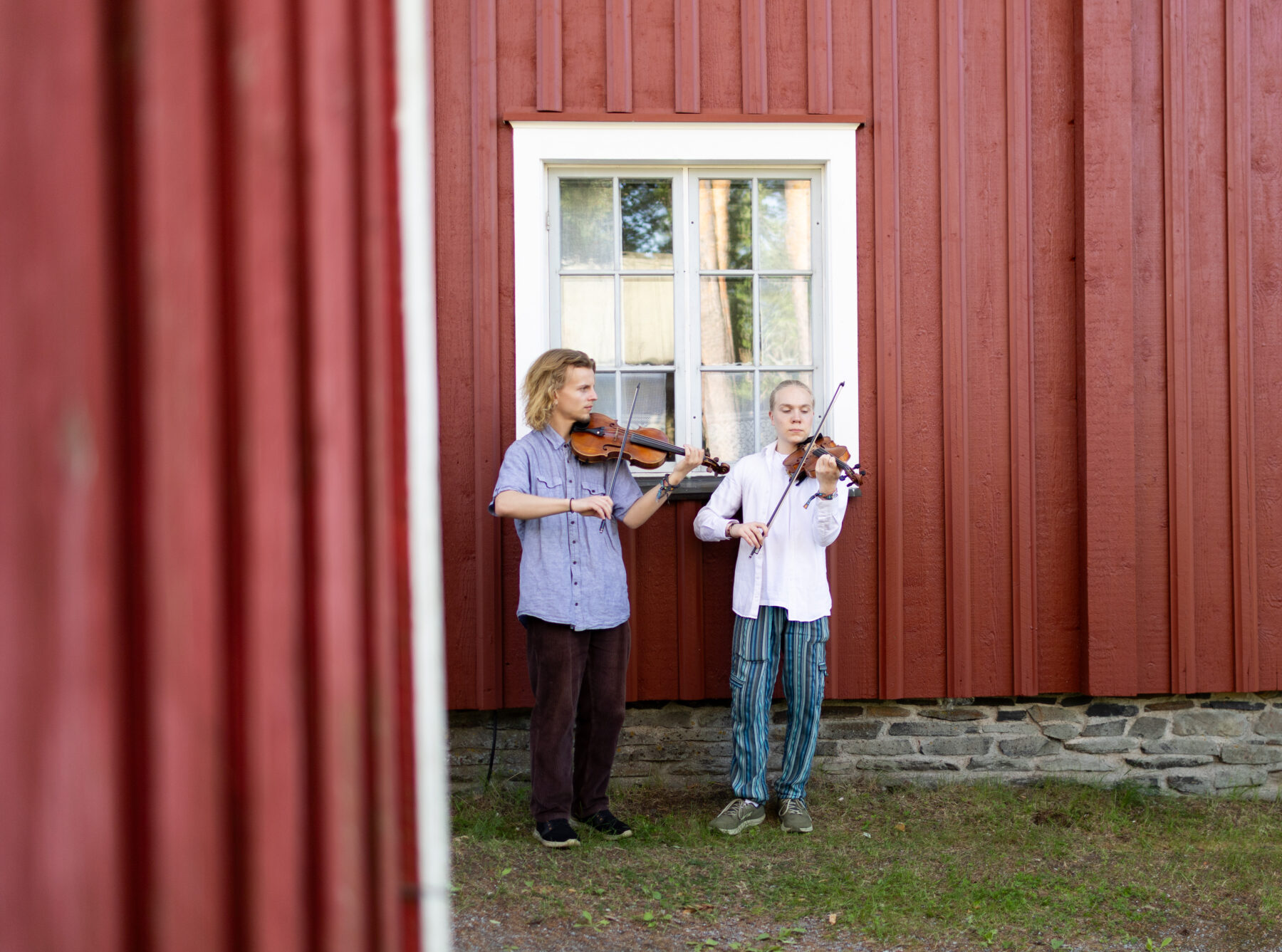
Two people (Erkki Virkkala and Iikka Huntus) play violins outside a red wooden building with a white-framed window.

In addition to their duo, the boys perform in numerous other groups, including Ottoset. At the week-long Kaustinen Folk Music Festival, they both played over 30 gigs.

“Your turn.”

“No, your turn.”

At the interview, Huntus and Virkkala banter like old friends, finishing each other’s sentences.

Their first duo concerts were in summer 2023 at the Kaustinen Folk Music Festival – the largest folk music event in the Nordic countries. The gigs were a hit, and more followed. Virkkala and Huntus mostly play traditional pelimanni tunes, but arrange them in their own style.

Their sound often features a fast tempo and hints of classical music. For example, at the Konsta Jylhä competition, they were tasked to play pieces by the late pelimanni composer, arranged in their own way:

“We had a crazy performance,” Virkkala says.

“There were lots of classical music shades, Swedish folk influences, and jazz. The faster parts sometimes sounded like Kaustinen, sometimes like bluegrass, with lots of playful experimentation. We tried everything we could get out of the instrument.”

A relaxed attitude
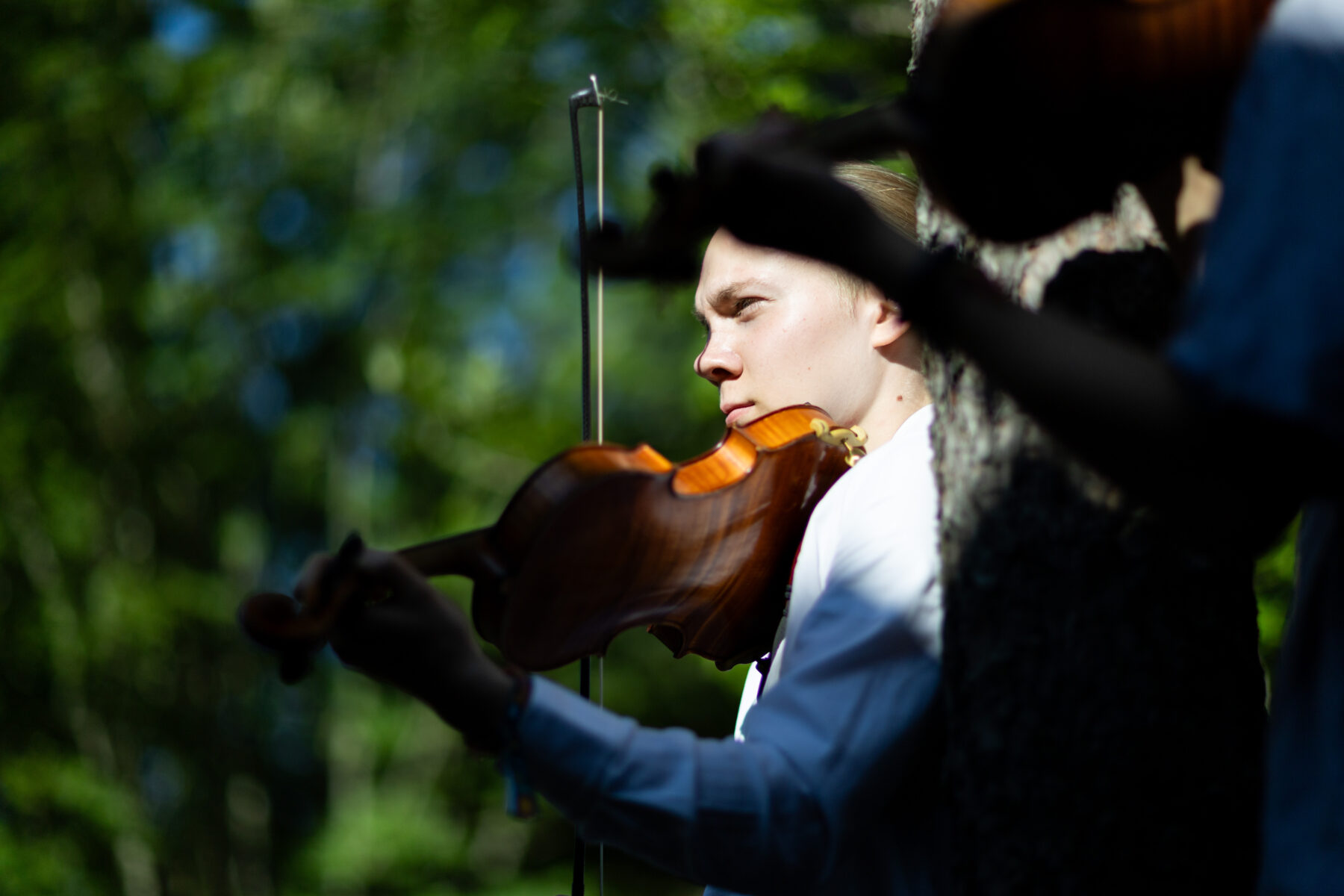
A person in a white shirt plays violin outdoors next to a tree on a sunny day.

“Anyone, from anywhere, can communicate through music,” says Iikka Huntus.

If Kaustinen fiddle playing and pelimanni music don’t sound familiar, don’t worry. The style may not be as well known as, say, flamenco. Yet.

Kaustinen, with just 4,000 inhabitants in Central Ostrobothnia on Finland’s west coast, is renowned for its fiddle playing.

For centuries, fiddles have accompanied weddings, funerals and celebrations in between. Today, hundreds of people of all ages keep the music alive, from elders to youngsters like Virkkala and Huntus.

In 2021, the Kaustinen folk fiddling style was added to Unesco’s Intangible Cultural Heritage list, which also includes Finnish sauna culture and, through multinational applications, glassblowing and clinker boats.

While many traditions are kept alive by the elderly, hundreds of people of all ages in Kaustinen play folk music, youngsters like Virkkala and Huntus, included.

Erkki Virkkala and Iikka Huntus perform their own arrangement of Konsta Jylhä’s “Olutmarssi” (Beer March).

The boys are skilled musicians, but there’s a laidback vibe to everything they do. If they could pass down one thing from their generation to the folk music world, it would be ease and playfulness instead of serious, goal-oriented playing.

Their attitude might be called the “kassothan” (“let’s see how it goes”) approach.

“Maybe the song works at the gig, even if it didn’t at rehearsal,” says Virkkala.

“It’s not that serious. Let’s see.”

Looking ahead: music is the future
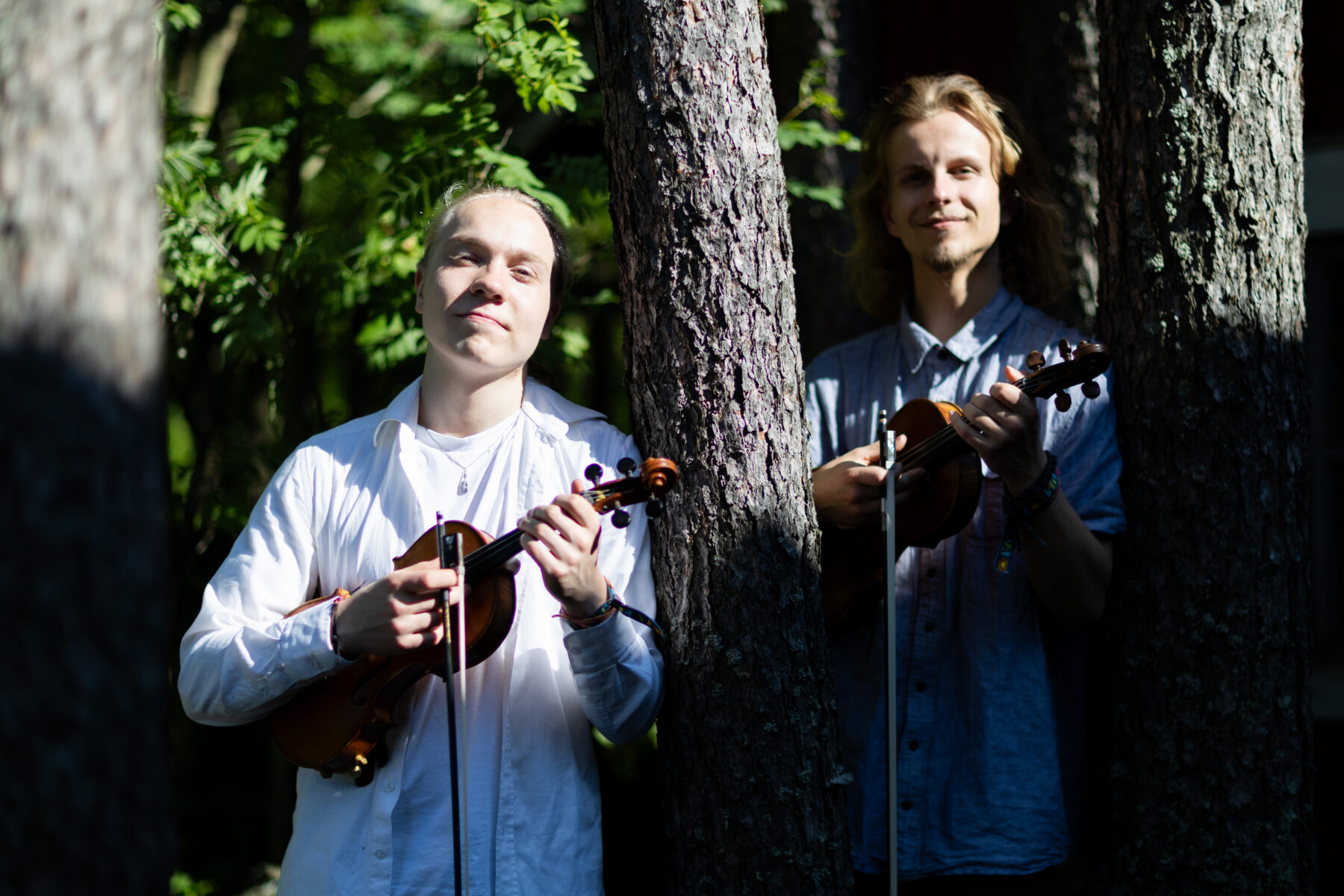
Two people stand between tree trunks holding violins in a wooded area.

“The best moments are when the music just flows and your best mate is right there beside you, having a conversation through the instruments,” says Huntus.

What does it feel like to have your entire life, work, and home already decided for you? If you’re born into a pelimanni family in Kaustinen, chances to break free are slim.

“Sometimes when I play, I think about how strong my roots are here,” says Huntus.

“I’m grateful for how I’ve grown into this world.”

“Sometimes it feels unfair for others who want to play, but for me, it’s been made so easy,” adds Virkkala.

Today, both are glad their parents pushed them to take lessons when they were younger.

When I first asked about their future plans in the beginning of this summer, Huntus was cautious, while playing music was already a given for Virkkala.

Later, Huntus seemed at peace with his path:

“It feels very certain that I’ll be making music. Unless a meteor hits the earth, then maybe not.”

And what’s the best part about playing and this whole journey?

“The diversity of music, the aha moments, and composing,” Huntus says.

“The different feelings you get when you play or listen to music. And the chance to play around with sound as a form of expression,” Virkkala adds.

Finally Huntus adds something that seals the story:

“Well, playing together with Erkki. That’s the best.”

Text, photos and video by Emilia Kangasluoma, September 2025

Follow the boys’ musical journey on Instagram.
Finnish companies are driving quantum computing forward

Finland is emerging as a leader in quantum technology, developing everything from hardware to software to the infrastructure that makes it possible. National and EU funding are helping attract top researchers and accelerate innovation.

Quantum computing uses the principles of quantum physics to perform calculations far beyond the reach of today’s classical computers. It holds potential for breakthroughs in fields such as medicine, materials science and secure communications.

Helsinki-based IQM is scaling up superconducting quantum computers, while SemiQon, a VTT spin-off, is developing silicon chips designed for affordable and scalable systems. Algorithmiq brings expertise in quantum algorithms for drug discovery, and Bluefors underpins much of the field with its cryogenic refrigeration systems. Rounding out the picture, Quanscient is creating cloud-native simulation tools for engineering.

Together, they are laying the groundwork for large-scale quantum machines, quantum-safe encryption and new scientific breakthroughs, with Finnish companies expanding their operations at home and abroad.

Discover the charm of Tankar Lighthouse Island, off the Finnish coast

There it stands, a distant silhouette on the horizon.

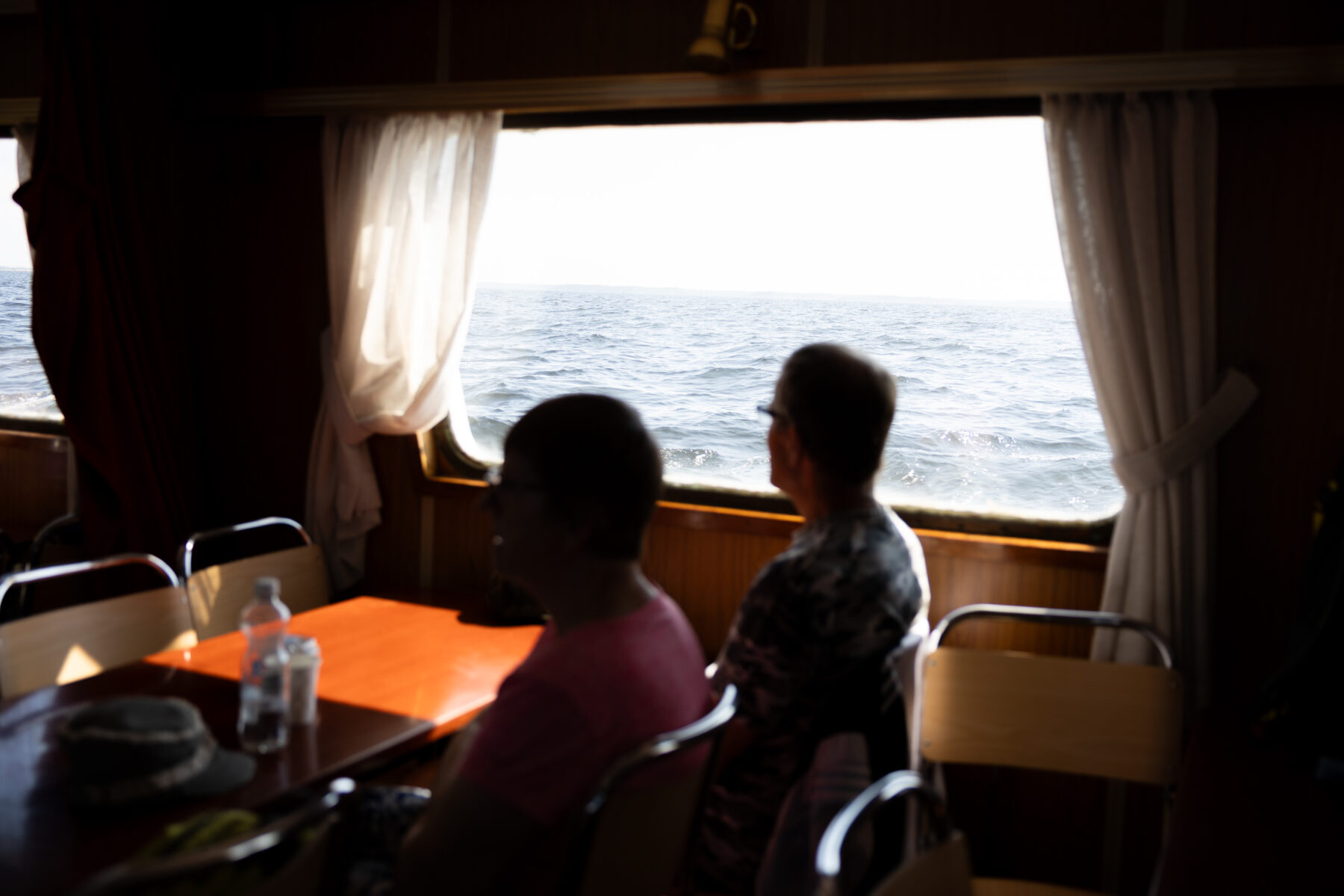
A gentle breeze stirs as the ferry pulls away from the shore and heads out into the open sea. We’ve just left Kokkola, a vivid town about 500 kilometres (300 miles) north of Helsinki, on the shores of the Bay of Bothnia. If we sailed far enough, we’d eventually reach Sweden.

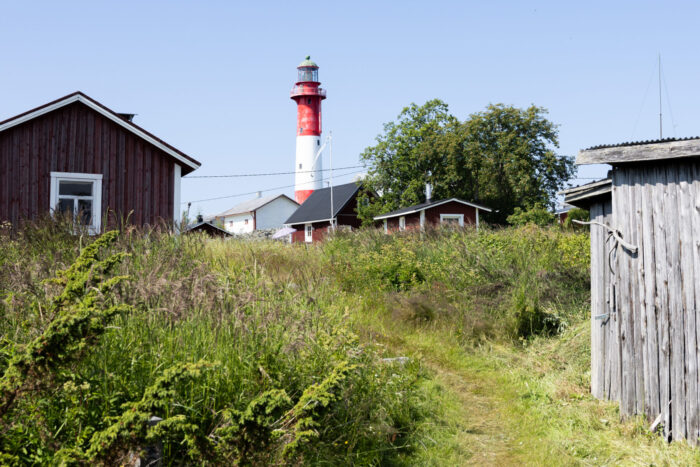
But today, our destination lies closer, less than 20 kilometres (12 miles) from the harbour: the enchanting Tankar Lighthouse Island.

From rocky islet to lively community

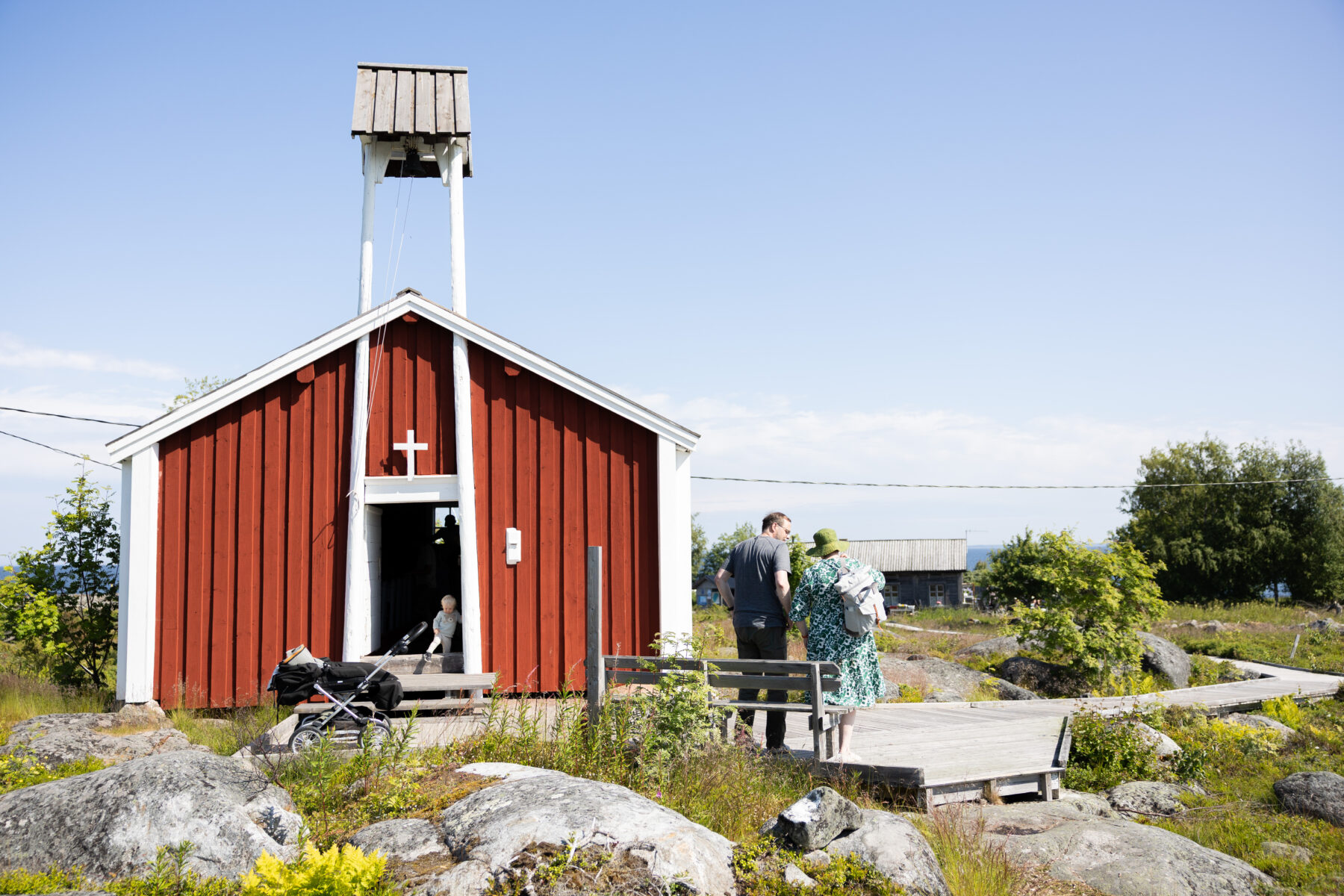
A red wooden chapel with a bell tower sits on a rocky outcrop as two people stand nearby viewing the scenery.

In the summer, the Tankar church holds services, wedding ceremonies and other events, such as concerts.

As the ferry docks, we step ashore and meet our guide, Hugo Lund, who begins the tour with a visit to the island’s small, atmospheric wooden church.

Built in 1754, it once held around 100 worshippers at a time, back when the law required weekly church attendance. A priest would row from the mainland to hold services, ensuring the island’s fishing and pilot families could meet their obligations.

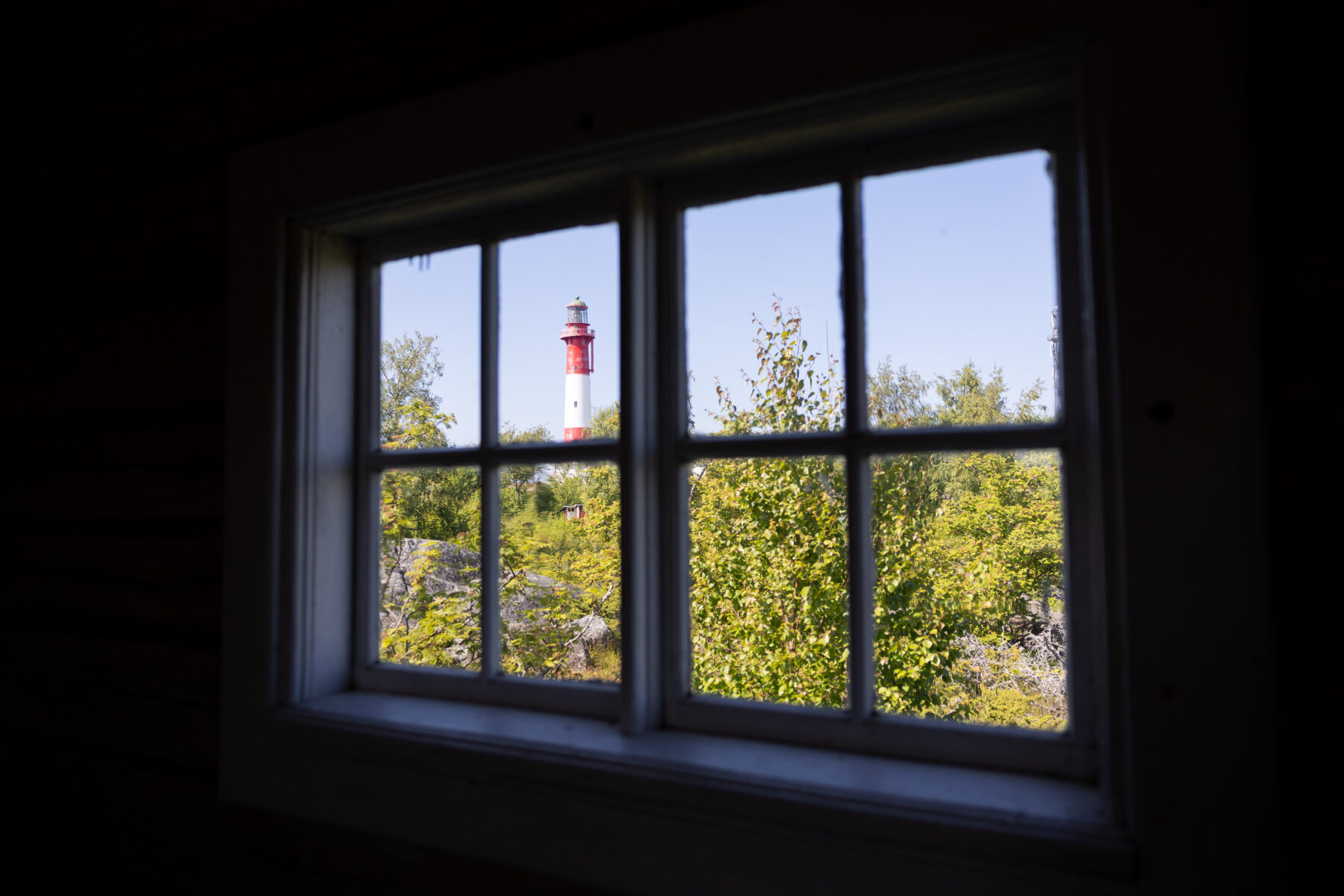
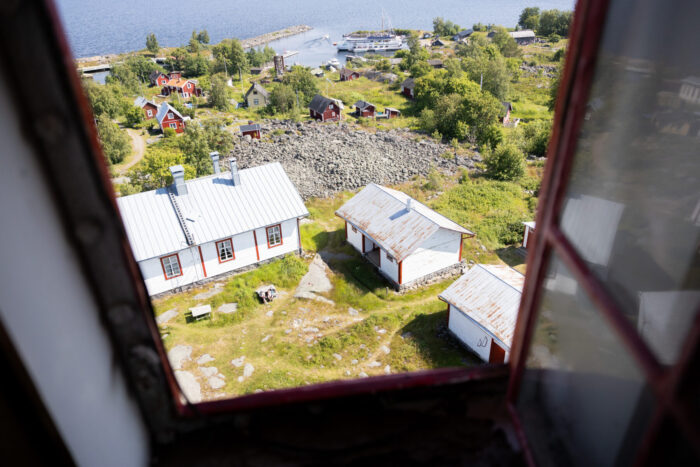
Seen through a paneled window from a dark room, a lighthouse stands behind trees on a clear day.

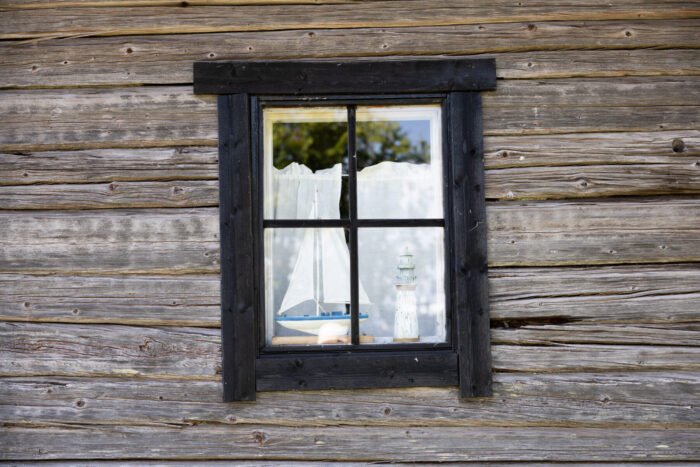
Tankar’s lighthouse was first lit on October 15, 1889.

Life on Tankar in the 1800s was demanding. Seasonal populations of fishermen, seal hunters and pilots reached into the hundreds. Soil was carried over by boat to create small potato plots, and the island produced barely enough hay to feed a cow.

Seal hunting was then a crucial livelihood. Today, the island’s small museum preserves this chapter of history.

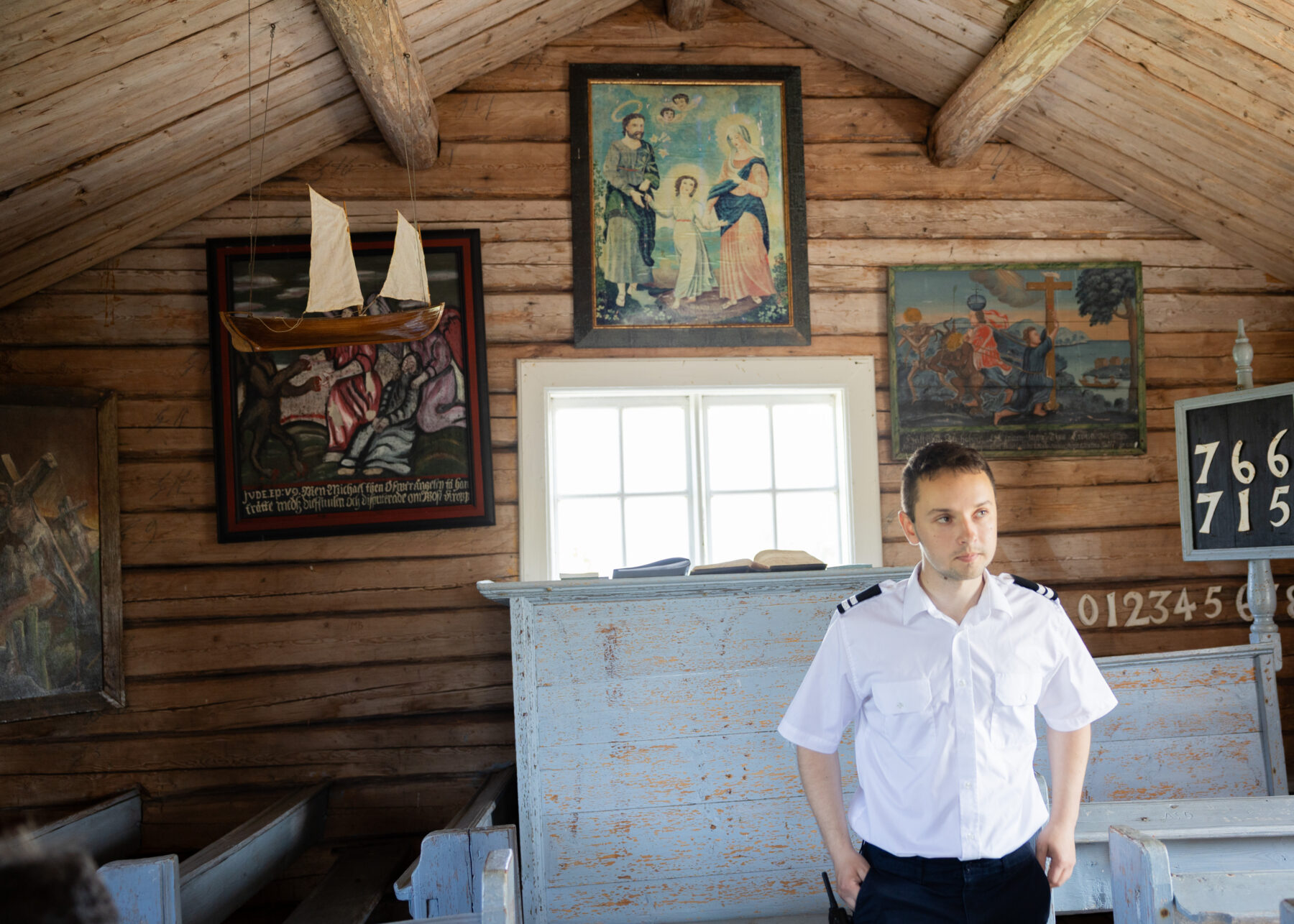
A person stands in a wooden paneled room with religious art, a window and painted pews.

Hugo Lund works as a deckhand on M/S Jenny and as a guide on Tankar.

Lund knows the stories well. He first came to Tankar as a baby, and this summer marks his 20th on the island.

“When you get to Tankar, you know summer has truly begun,” he says.

Tankar’s iconic lighthouse

From the chapel, the path finally leads to the island’s most striking landmark: the lighthouse. Before its construction, sailors relied on a stone cairn and a beacon pole, but dangerous waters required a better solution.

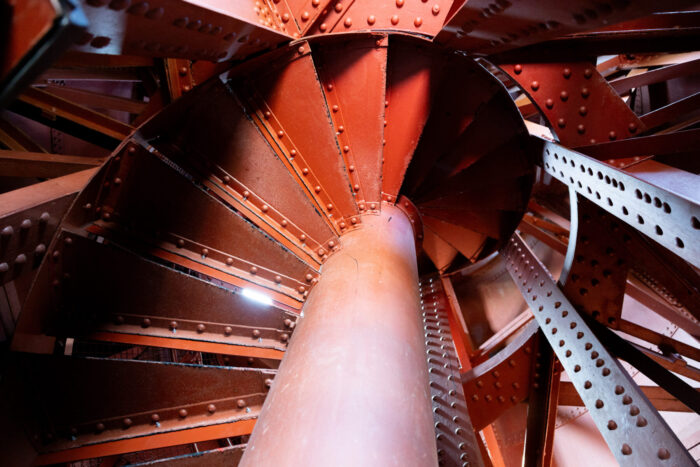
Completed in 1889, Tankar’s lighthouse carries a touch of mystery about its design. Some sources suggest involvement from the same firm that built the Eiffel Tower, and the spiral staircase inside bears a strong resemblance to the style of the Paris landmark.

Originally equipped with powerful optics reaching 13 nautical miles (24 kilometres/15 miles), the lighthouse has since been electrified and is now fully automated, with a beam visible for 27.5 nautical miles (51 kilometres/32 miles). That makes it one of the brightest lighthouses in Finland.

On selected days, visitors can climb all 122 steps to the top of the lighthouse for a small fee.

From the top, the views stretch out over the sea all the way to Kokkola’s skyline.

The vast sky and endless water seem to meet, while swallows dart playfully around the beacon.

Nature and wildlife

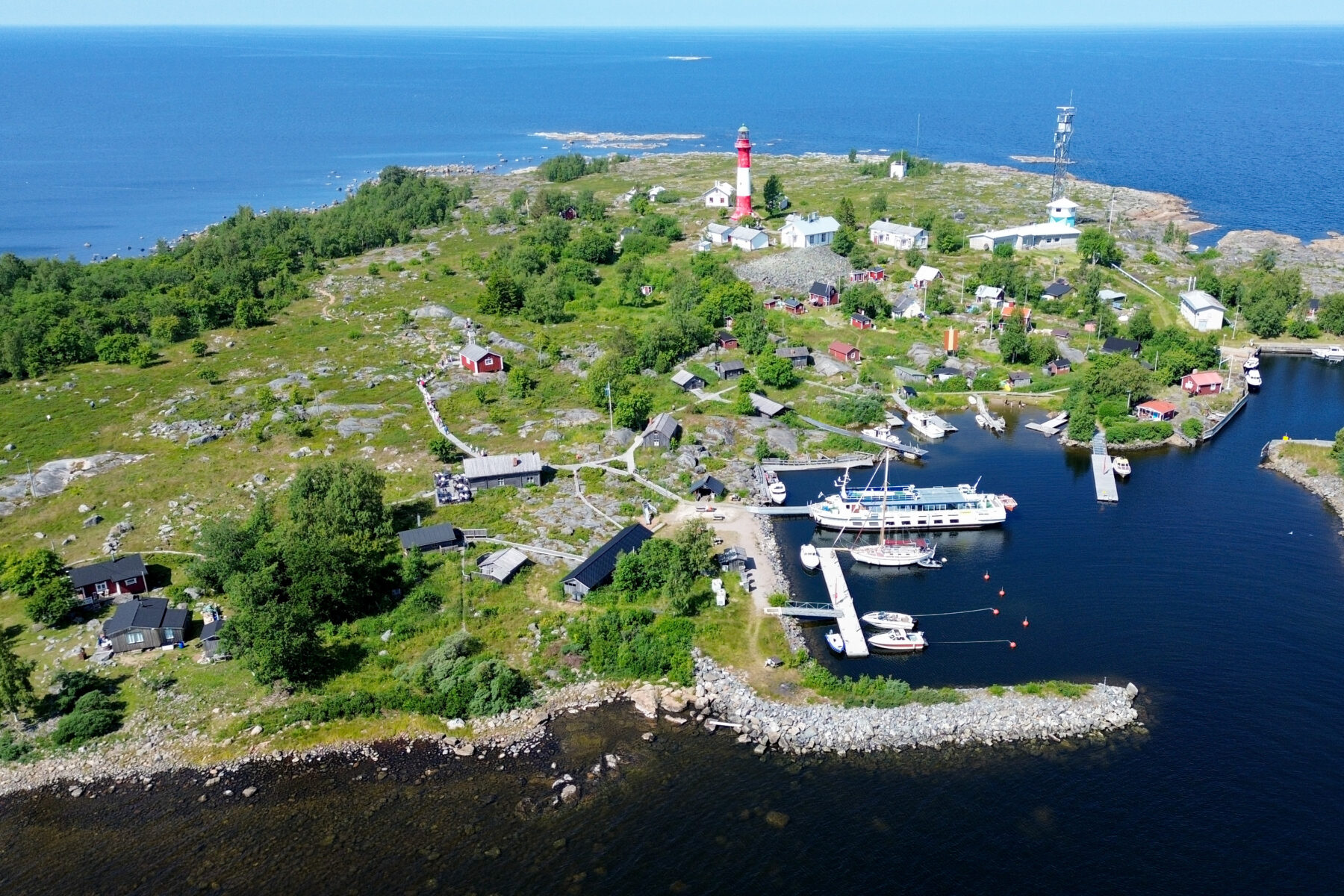
An aerial view shows a small island with a lighthouse, buildings and a harbor with boats on a sunny day.

Tankar is located just under 20 kilometres (12 miles) from Kokkola city centre. The island measures 750 metres (820 yards) in length.

Tankar isn’t just historical – it’s also home to stunning natural splendour.

A 1.5-kilometre (0.9-mile) trail circles the island, winding through juniper bushes, lush groves and rocky terrain. Straying off the path is prohibited in order to protect fragile ecosystems, as Tankar is a protected nature reserve.

In summer, sheep graze the island, helping maintain open meadows and prevent overgrowth.

More than 260 bird species have been spotted here, particularly during migration season, when the lighthouse’s beam can attract them on misty nights.

Island life today

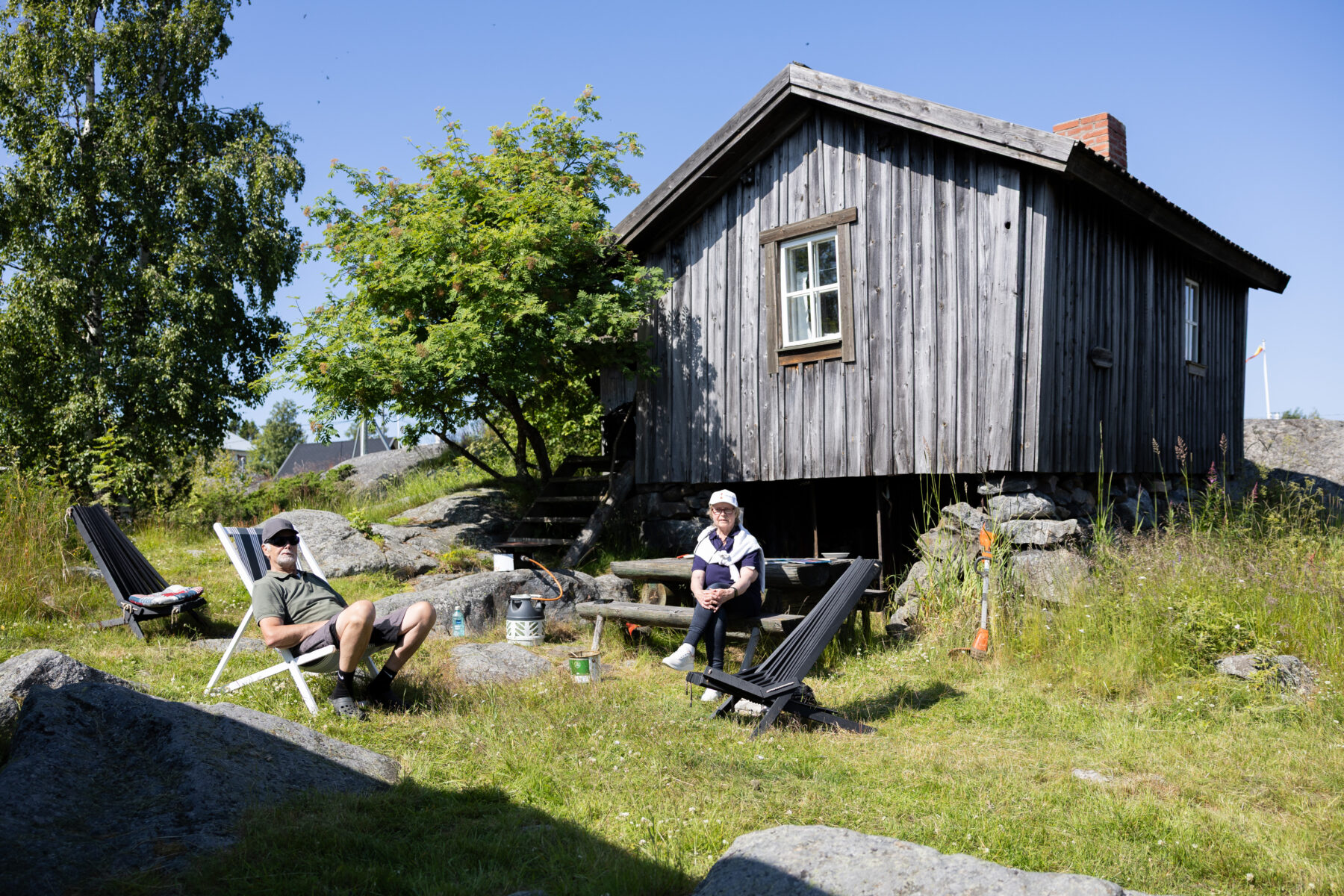
Two people relax in chairs on a grassy yard near a weathered wooden cabin under a bright sky.

The island’s oldest cottage, known as Sjöblom’s Sauna, dates back to 1768. Originally a fisherman’s hut, it is now summer home to Brage and Nanna-Lisa Finskas.

Tankar remains a seasonal community. The oldest building, Sjöblom’s Sauna (1768), now serves as a private summer cottage, while some other historic houses, such as lighthouse keeper’s residence, have been converted into guest accommodation.

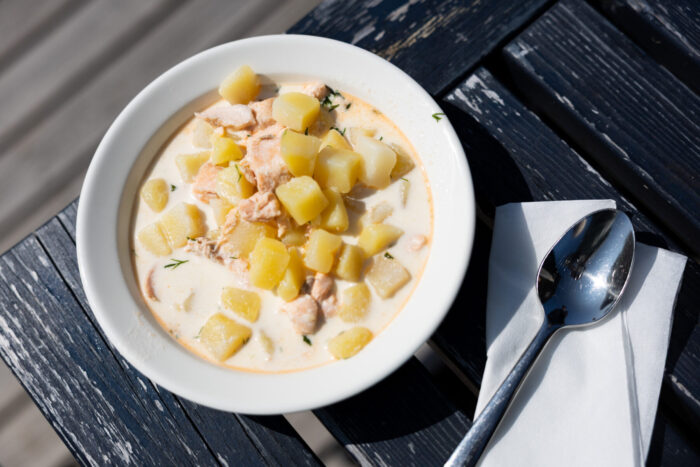
And when hunger hits, the café provides delicious fish soup and sweet cinnamon rolls.

For many, the day ends with a sauna session followed by a swim in the sea, a tradition that connects today’s visitors with generations of island life.

Leaving the island feels like leaving a piece of your heart behind.

Tankar is a place you must return to.

Text and photos by Emilia Kangasluoma, August 2025

Wolves, owls and lions: Why Finland names its national teams after animals

Wolf Pack, Lions, Eagle-Owls and Boreal Owls. Naming sports teams after animals is a long-standing tradition in Finland, and not just for local clubs, but for the national teams, too.

These names reflect the spirit of sports: power, agility, teamwork and cleverness. But beyond that, they help build a strong fan culture and sense of community. After all, who wouldn’t want to call themself a supporter of the Wolf Pack?

For the players, too, these names can carry a real meaning. There’s something empowering about being associated with a predator. Just imagine being one of the Lynxes (ilves in Finnish – an ice hockey team in the central-western city of Tampere), the Bears (karhu – a basketball team in the western town of Kauhajoki) or the Tigers (tiikeri – a volleyball team in the west-coast town of Kokkola).

Let’s take a closer look at some of Finland’s most iconic animal-themed national teams.

Susijengi: The Wolf Pack (men’s basketball)

A basketball player dunking the ball.

Miikka Muurinen (dunking the ball) is one of Finland’s young basketball talents. Photo: Heikki Saukkomaa/Lehtikuva

The Finnish men’s basketball team, known for their historic performance in the European Championships in 2025, is aptly called Susijengi (the Wolf Pack). The name, coined by the Finnish Basketball Association, symbolises strength in numbers: wolves are already fast and fierce on their own, but they’re unstoppable in a pack.

And yes, fans and players have been known to howl in celebration!

Leijonat: The Lions (men’s ice hockey)

An ice-hockey player lifting a trophy cup.

Lions captain Valtteri Filppula celebrates after Finland won the 2022 Ice Hockey World Championship. Photo: Jussi Nukari/Lehtikuva

The men’s ice hockey team gets its name from the lion featured in Finland’s national coat of arms. They first wore jerseys bearing a lion emblem in 1948.

Two ice hockey players chasing the puck in an ice rink.

Finnish hockey player Ville Väärälä (left) has made his mark as one of the Little Lions, the junior national team. Photo: Antti Aimo-Koivisto/Lehtikuva

Several other national hockey squads have their own nicknames, including Naarasleijonat (the Lionesses – the women’s national team) and Pikkuleijonat (the Little Lions – the junior national team).

Huuhkajat: The Eagle-Owls (men’s football)

A male footballer kicks the ball on a football pitch.

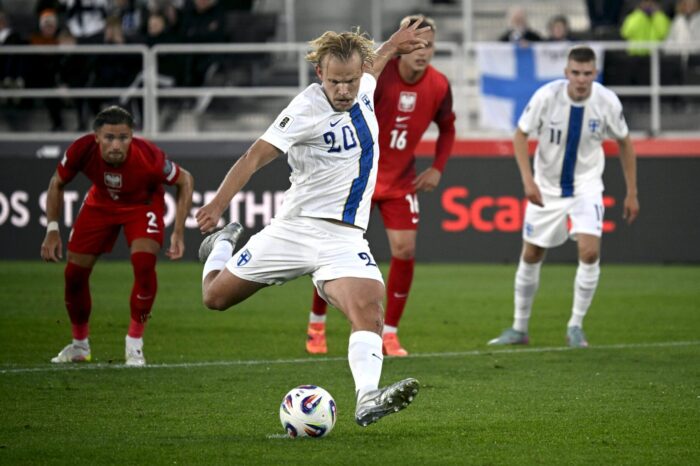
Striker Joel Pohjanpalo has been one of the mainstays of the Finnish national football team for years. Photo: Markku Ulander/Lehtikuva

In 2007, a UEFA qualifying match between Finland and Belgium was memorably interrupted by a wild eagle-owl, later dubbed Bubi, who flew across the pitch mid-game and perched on one of the goals. The owl stole the show and provided the team with its nickname, the Eagle-Owls.

The under-21 men’s team followed suit, becoming known as Pikkuhuuhkajat (the Little-Eagle Owls).

Helmarit: The Boreal Owls (women’s football)

A female footballer kicking a ball in a football stadium.

Linda Sällström has been chosen as a female footballer of the year three times by the Football Association of Finland.Photo: Emmi Korhonen/Lehtikuva

Following the popularity of the Eagle-Owls moniker, Finland’s morning TV viewers were invited to suggest a name for the women’s national football team. The winning idea, Helmarit, is short for helmipöllöt, or boreal owls, a native Finnish species known for its sharp vision and determination.

Finland’s love of animal nicknames doesn’t end there.

The national bandy team (an ice-hockey-like sport played on an ice surface as big as a football field) goes by Jalopeurat (Noble Deer), and ski jumpers are often called mäkikotkat (eagles of the hills).

When the Wolf Pack steps onto the basketball court again, the crowd is ready to howl.

By Emilia Kangasluoma, September 2025

Finnish-led satellite study shows peatland restoration cools the climate

Peatlands play an outsized role in slowing climate change, but when drained or degraded they release large amounts of greenhouse gases. A new study led by Aalto University is the first to use long-term satellite archives to measure how restoration affects peatlands across the Northern Hemisphere.

The team examined 72 sites in Europe and North America and found that restored peatlands gradually start to resemble intact ones. Within about ten years they show more natural surface temperatures and reflectivity, helping stabilise local climates.

About one-third of Finland’s land area is made up of peatlands, roughly half of which have been drained. The study underlines the importance of Finland’s large-scale restoration projects, which are supported by satellite monitoring in cooperation with the Natural Resources Institute Finland.

Fly into history along Finland’s south coast, in a vintage DC-3

The atmosphere at Helsinki Airport is filled with anticipation. Passengers gather near the aircraft as purser Nina Merisalo-Reunanen briefs them on the upcoming flight.

“The technology of the plane is from 1935,” she explains. “Today, the flying altitude will be around 300 metres, at a speed of 250 kilometres per hour.”

These low altitudes promise sweeping views of the coastline.

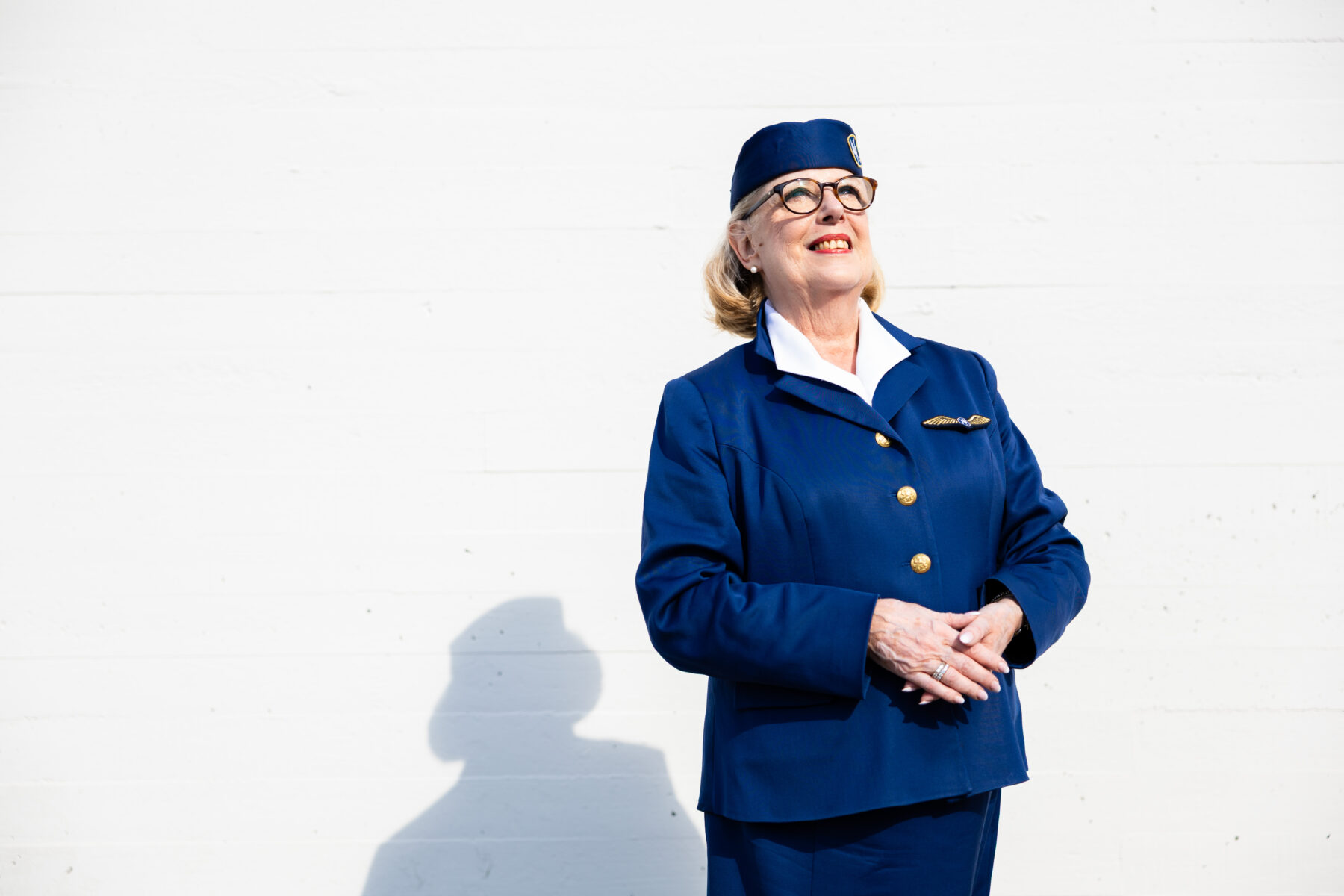
A woman in a 1960s-style flight attendant uniform smiles and looks up at the sky.

Purser Nina Merisalo-Reunanen designed the uniform to match the aircraft’s historical charm.

Dark storm clouds pass overhead, but soon the group of aviation enthusiasts receives clearance to board.

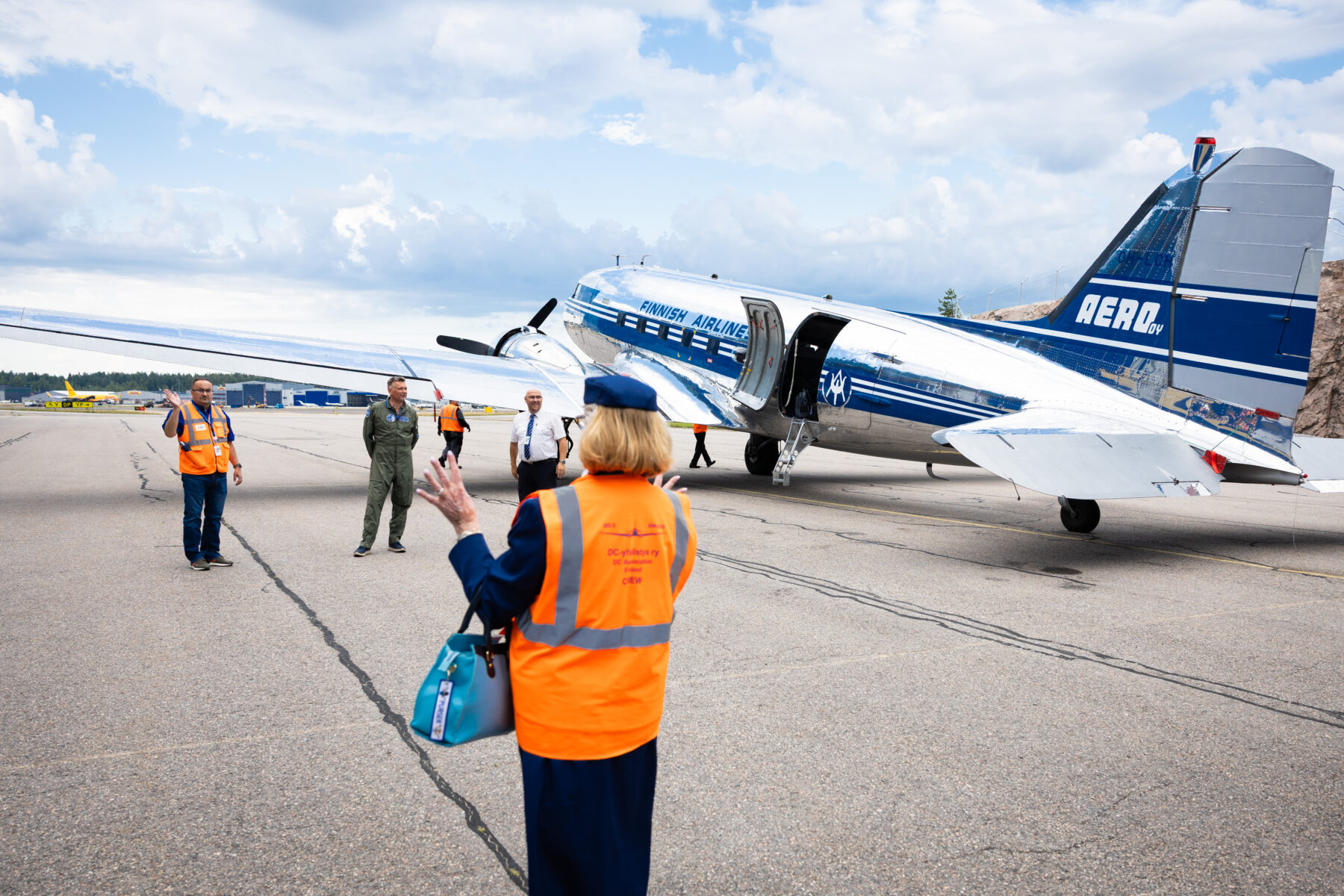
A woman in a reflective orange vest motions to other ground crew next to a vintage passenger plane on an airport tarmac.

The plane will soon be ready for boarding. DC-3 planes typically have up to 32 seats.

Inside, the cabin is a world apart from modern air travel. Passengers sit slightly reclined until takeoff, when the engines roar to life and the fuselage begins to shake. There’s generous legroom, but no air conditioning – just fresh air flowing in through an open cockpit side window and another at the rear of the cabin.

With its 1960s-style interior and crew in historically inspired uniforms, the journey feels like stepping straight into another era.

From wartime service to peaceful skies

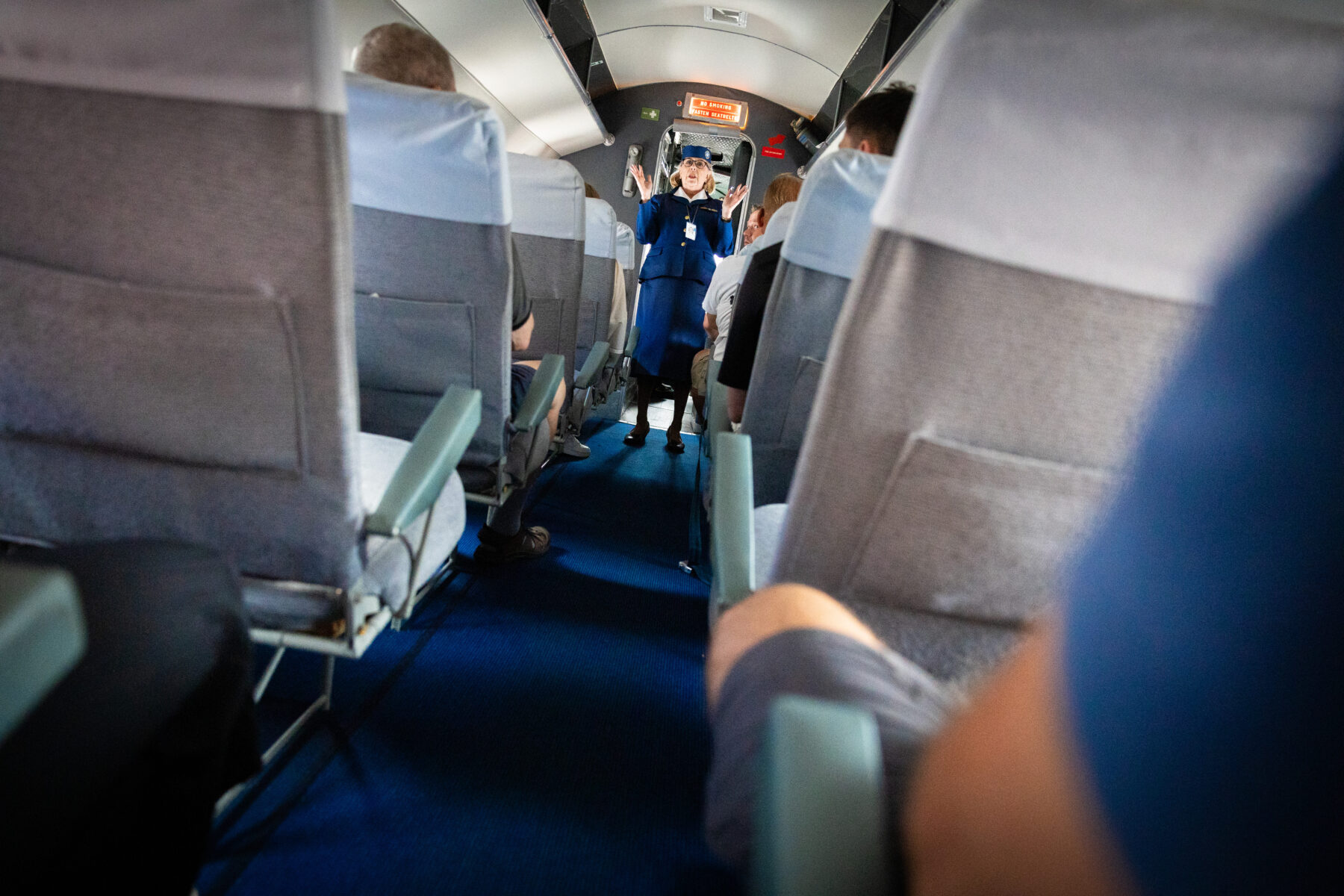
An airline attendant stands in the aisle of a vintage aeroplane cabin, giving instructions to passengers.

Merisalo-Reunanen gives the safety briefing in the cabin. With its 1960s interior, the flight feels like a step back in time.

The DC-3’s story begins far from Finland. Built at the Douglas Aircraft Company factory in California, it was completed on Christmas Eve 1942. Originally ordered by Pan American Airways, it was taken into service by the US Army during the Second World War.

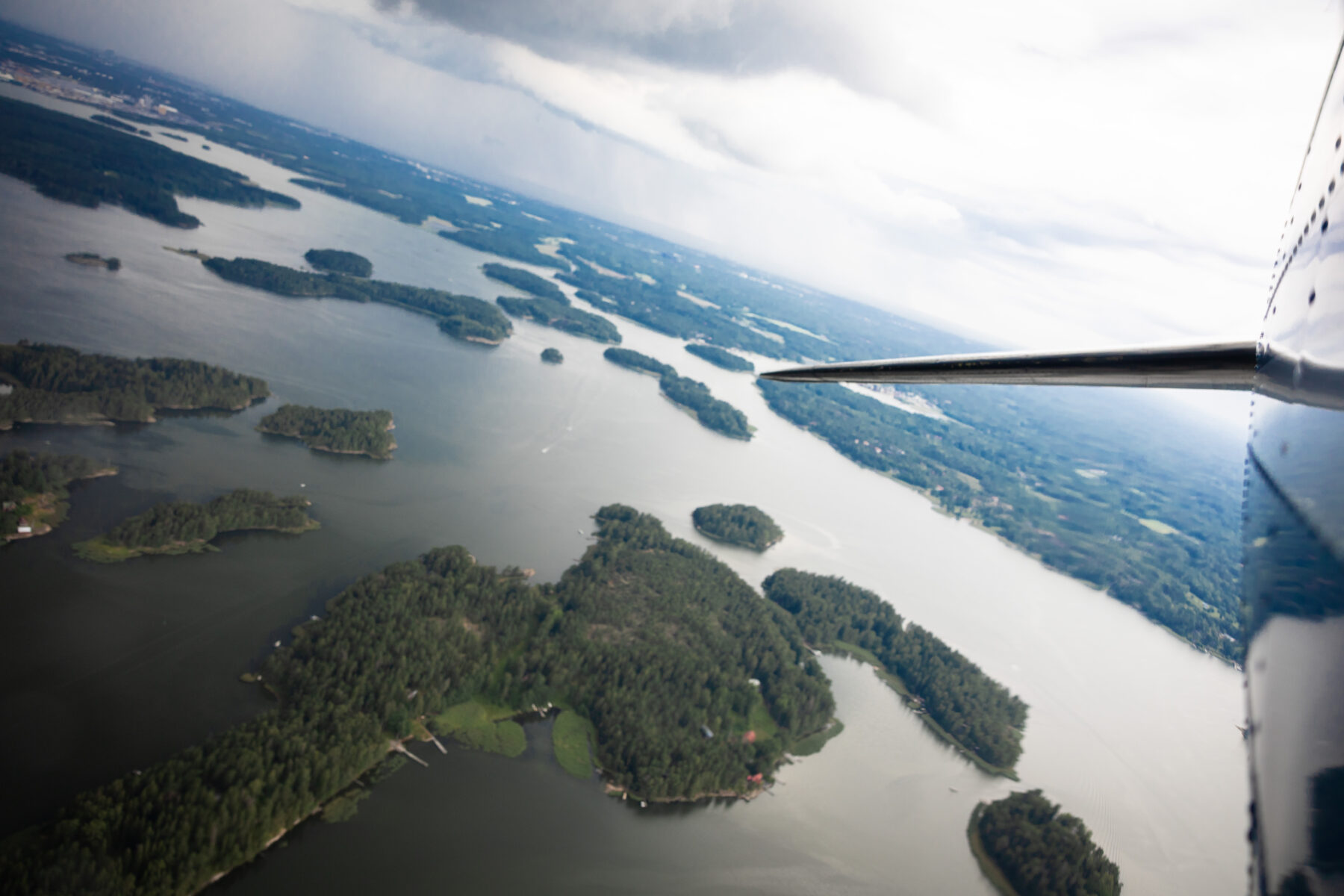
An aerial view from the side of an aeroplane shows an archipelago of forested islands surrounded by water.

Protruding rear windows provide fine views of the coastline and the side of the plane. Flights are limited to three kilometres in altitude due to oxygen requirements.

After the war, the plane was sent to Oberpfaffenhofen in Germany before being purchased by the Finnish government. Registered as OH-LCH in June 1948, it made its first passenger flight from Helsinki to Vaasa that summer. The flight was operated by Aero, which later became Finnair, now the world’s fifth-oldest airline still in operation.

Cargo, intelligence and a second life

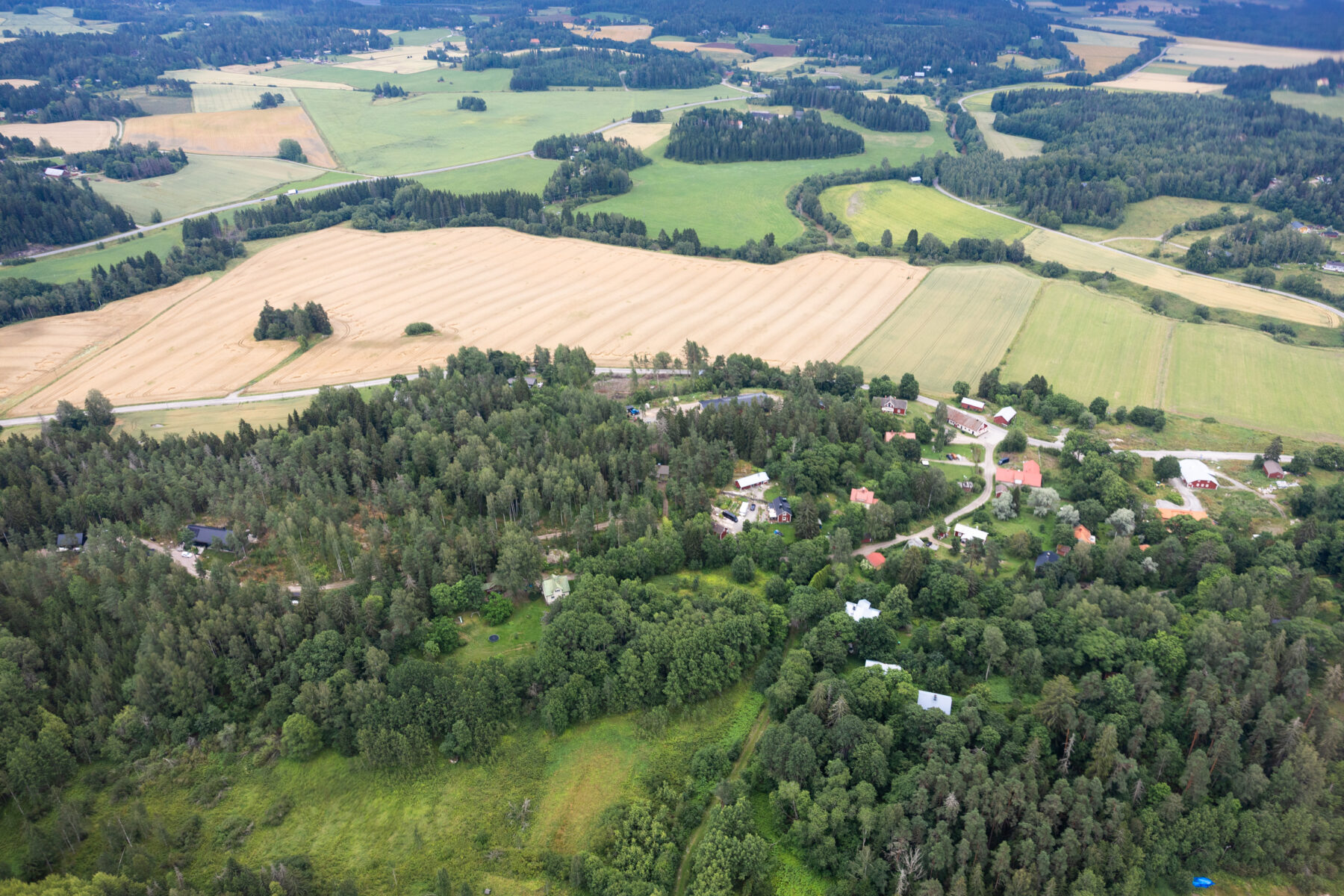
An aerial view shows farmland, forest and scattered houses linked by winding roads.

You don’t have to fly far from Helsinki to see beautiful rural landscapes dotted with forests and fields.

In December 1960, the plane was dismantled for spare parts, then reassembled and converted for cargo use with a large freight door. It remained in service until April 1967, when it made Finnair’s final DC-3 flight.

The Finnish Air Force bought the plane in 1970 and used it as a signals intelligence aircraft until retiring it in 1985. A year later it was purchased by the Finnish company Airveteran and repurposed for member flights.

After decades of service, the plane now boasts more than 35,000 flight hours, which is the equivalent of flying for four years nonstop.

Passion and dedication

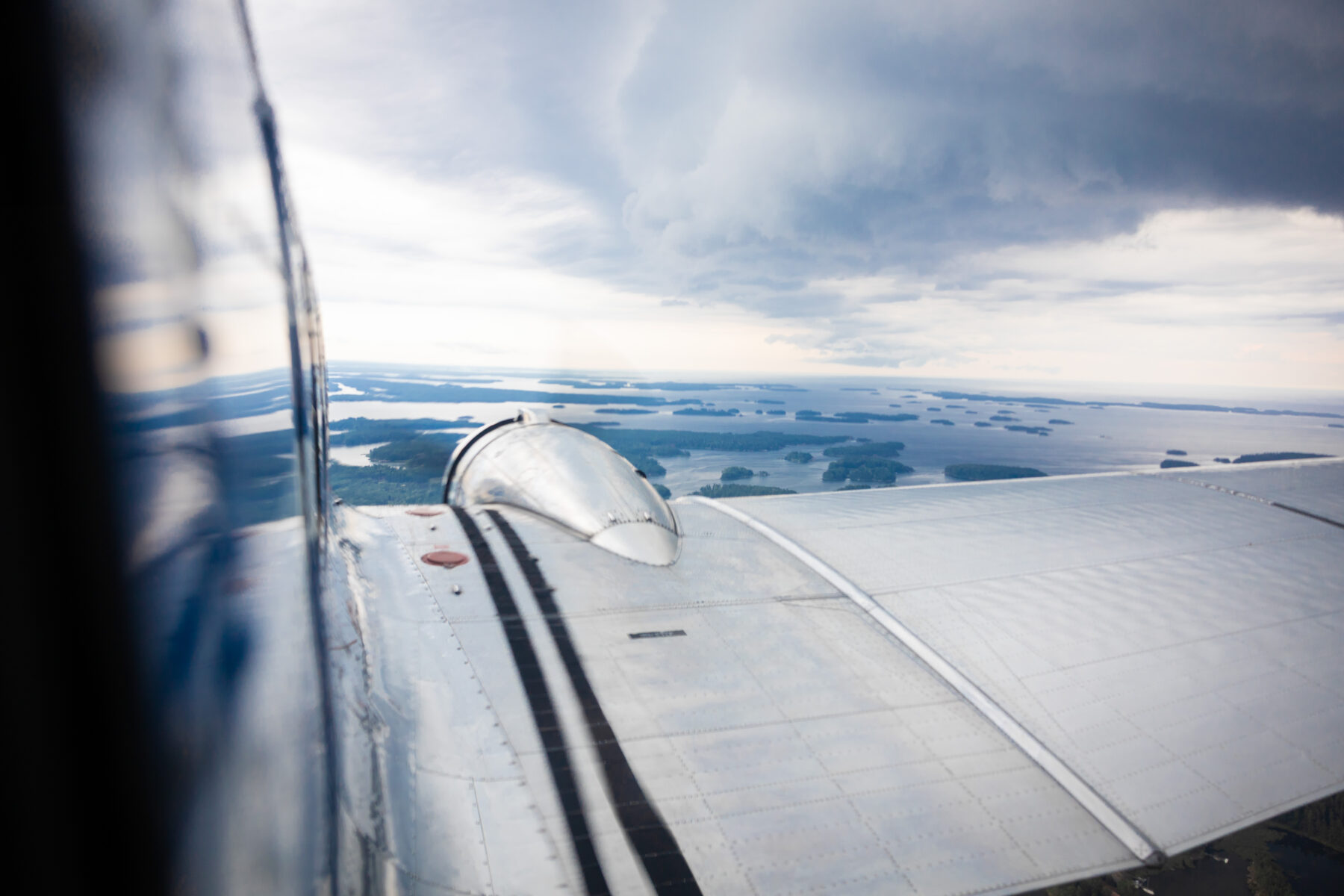
Through an aeroplane window, a wing extends over water and islands under a cloudy sky.

Most member flights on this DC-3 take place in the Helsinki region and other parts of southern Finland, with occasional trips to Baltic cities. This short flight of less than 30 minutes followed the coastline east of Helsinki.

Airveteran still owns the plane, with the flights operated by a local DC association. Every summer just under 2,000 passengers take to the skies aboard OH-LCH. Membership is open to anyone, and volunteers keep the plane in good condition.

“The passengers include both Finns and foreigners interested in aviation,” says association chair Petri Petäys. “There are between 180 and 200 DC-3 aircraft still airworthy worldwide, but this type of aircraft was previously in widespread use. It is still used in commercial cargo and passenger transport in North and South America, for example.”

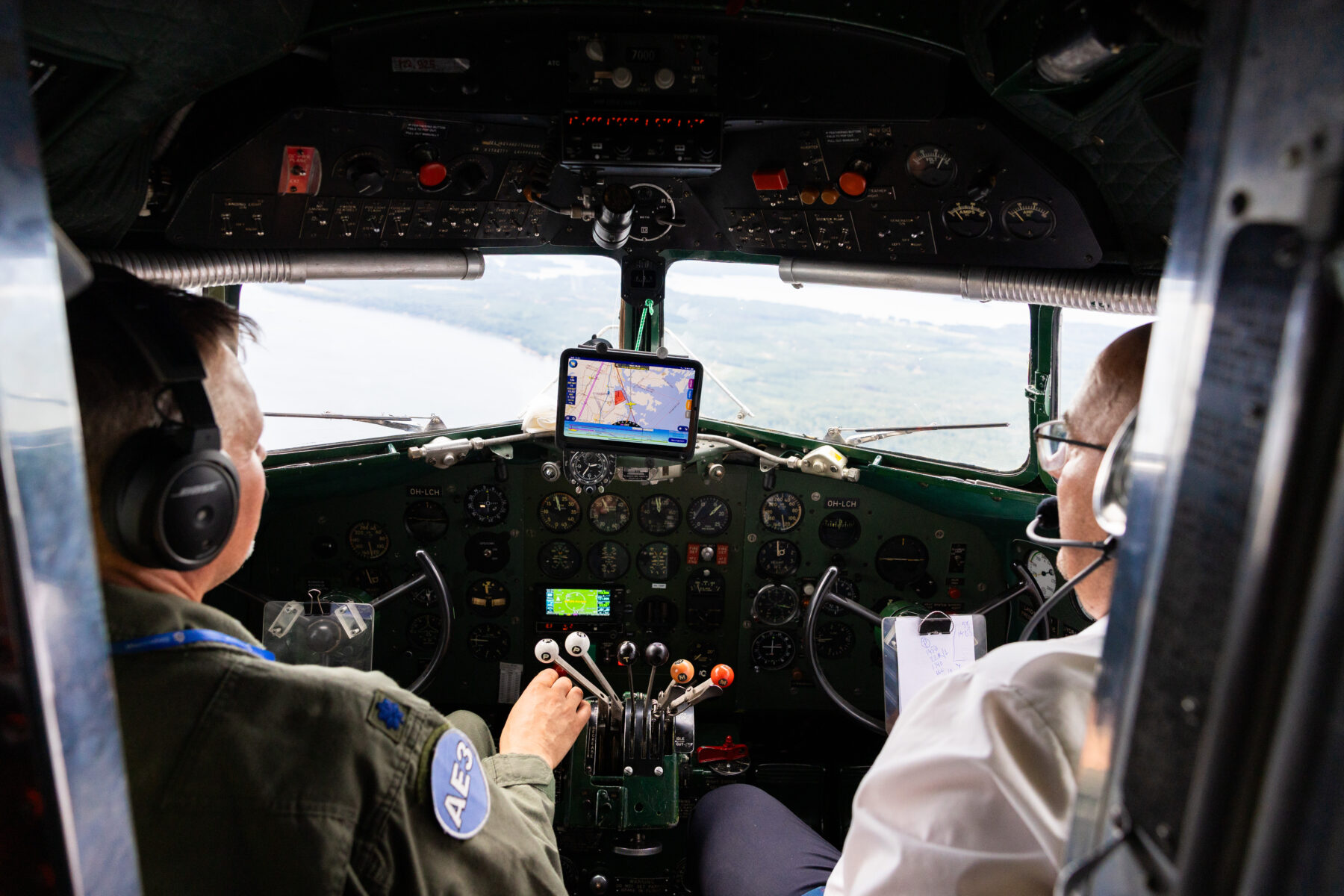
Two pilots in the cockpit of an old aeroplane navigate using an electronic tablet mounted on the dashboard.

In addition to flying long-haul for Finnair, captain Miikka Rautakoura enjoys flying in his spare time and is a member of the Arctic Eagles aerobatic group. First officer Henri Airava is also highly experienced and works as a captain for Norwegian Air Shuttle.

Captain Miikka Rautakoura notes that, unlike modern computerised cockpits, everything in this plane works mechanically.

“The DC-3s have proven to be a very good design overall,” he says. “And it was actually the introduction of this particular type that made commercial flights profitable.”

For every hour of flight time, the aircraft undergoes 15 to 40 hours of maintenance, all carried out by volunteers.

“The reward,” says Rautakoura, “is seeing the passengers’ smiles as they step off the plane.”

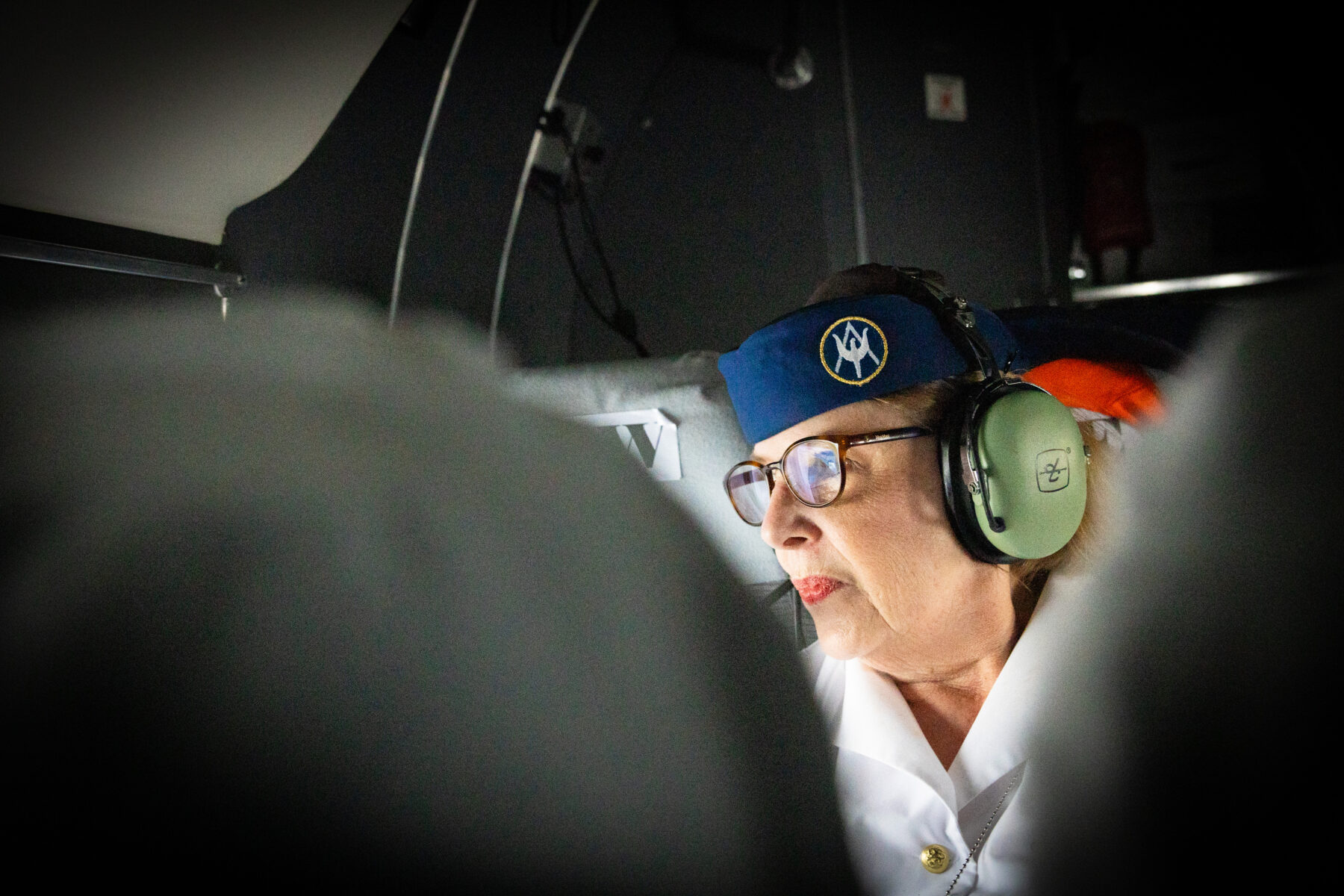
A female purser wearing an old-fashioned uniform and headset looks out a plane window.

After nearly 40 years with Finnair, Merisalo-Reunanen now volunteers as a flight attendant on this historic DC-3.

Text by Anttoni Tumanoff, September 2025
Photos by Emilia Kangasluoma
This article includes historical information sourced from the website of Finland’s DC Association.

Helsinki Design Week: Designing happiness in the Finnish capital

Helsinki Design Week (Sept 5–14, 2025), the largest design festival in the Nordics, marks its 20th anniversary this year. Centred at Suomitalo (Finland House), the programme features exhibitions, workshops, launches and evening events, while nearly 100 design happenings will also take place across the city.

The festival’s main exhibition, Designing Happiness, curated by Anniina Koivu, asks whether happiness can be designed. Works by renowned Finnish and international designers, from Eero Aarnio to Erwan Bouroullec, reflect on the “happiness cocktail” of chemicals that shape wellbeing and joy. A symposium and the Helsinki Design Award presentation accompany the exhibition.

This year’s theme, Celebration, is interpreted in spatial installations at Suomitalo by Finnish design brands. The programme also includes the Design Market at Kaapelitehdas (Cable Factory), Children’s Design Week, open studios, fashion shows and a wide range of discussions and performances. From architecture to illustration to sustainability, the city comes alive with fresh ideas and festive spirit.