Last autumn, Evert learned to say pappa. He was just over a year old at the time, so the moment itself was nothing unusual. But the fact that he said “dad” before “mum” felt like a small miracle.
His father, thirty-something Eetu Järvinen from Helsinki, knows exactly why.
“It was thanks to parental leave,” he says.
Järvinen spent six months at home with his son after the boy’s mother, Edith, returned to work. He handled the meals, the naps, the nappy changes and the miniature dramas of toddlerhood.
There are places where that might raise some eyebrows. Finland isn’t one of them. It’s more common than ever before for Finnish dads to take parental leave.
A country of fathers
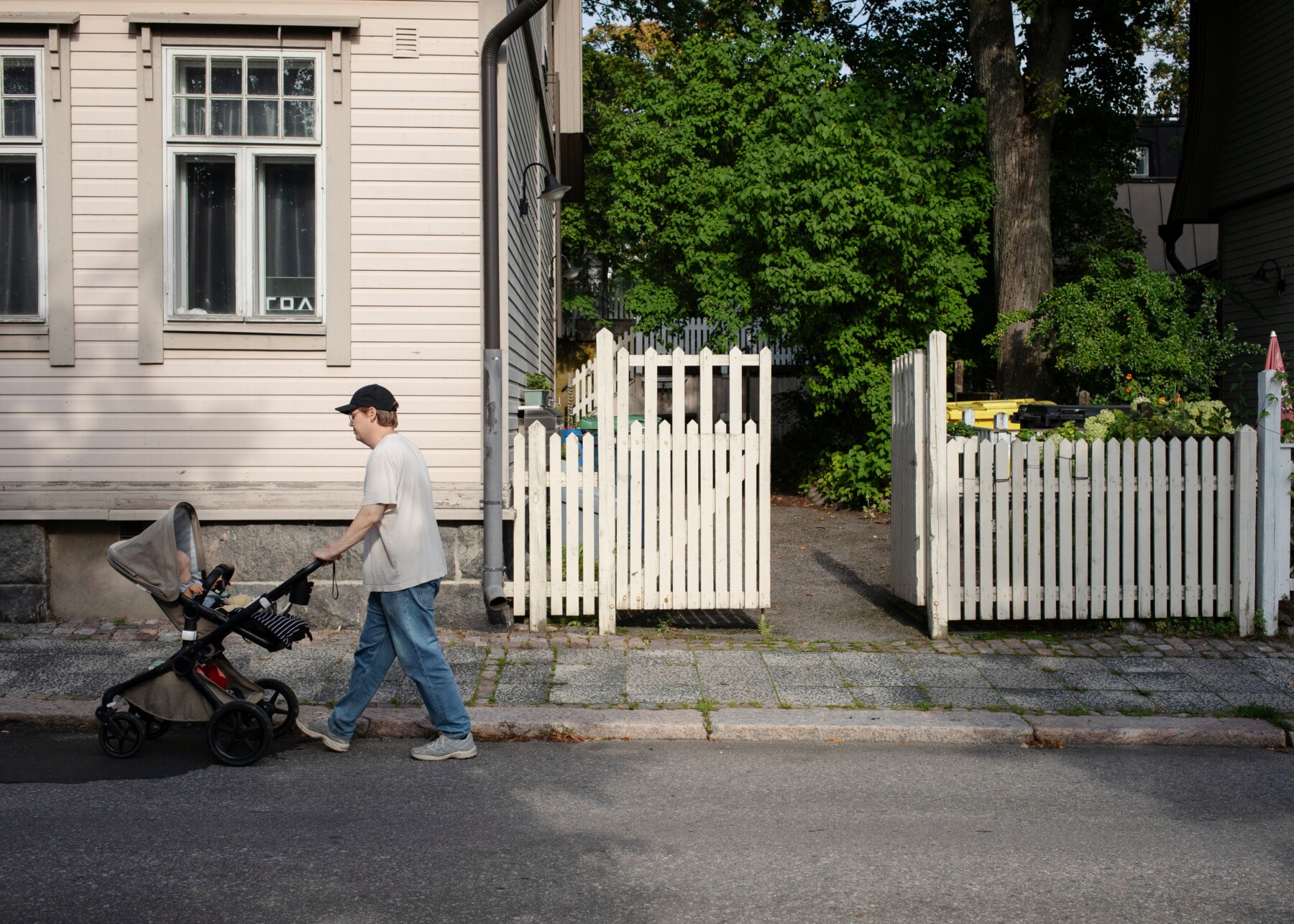
When Järvinen became a stay-at-home father, it was summer. At that time, Evert was still taking two naps a day.
Finland is home to more than 1.3 million fathers, more than half the adult male population.
Fathers pushing prams have been a familiar sight in Finland for many decades, but parenting has become even more equal in recent years.
In 2022 Finland carried out a major reform of its family leave system, designed to treat both parents as equal caregivers from the outset.
The change increased the number of stay-at-home fathers and reshaped how families divide their parental leave time.
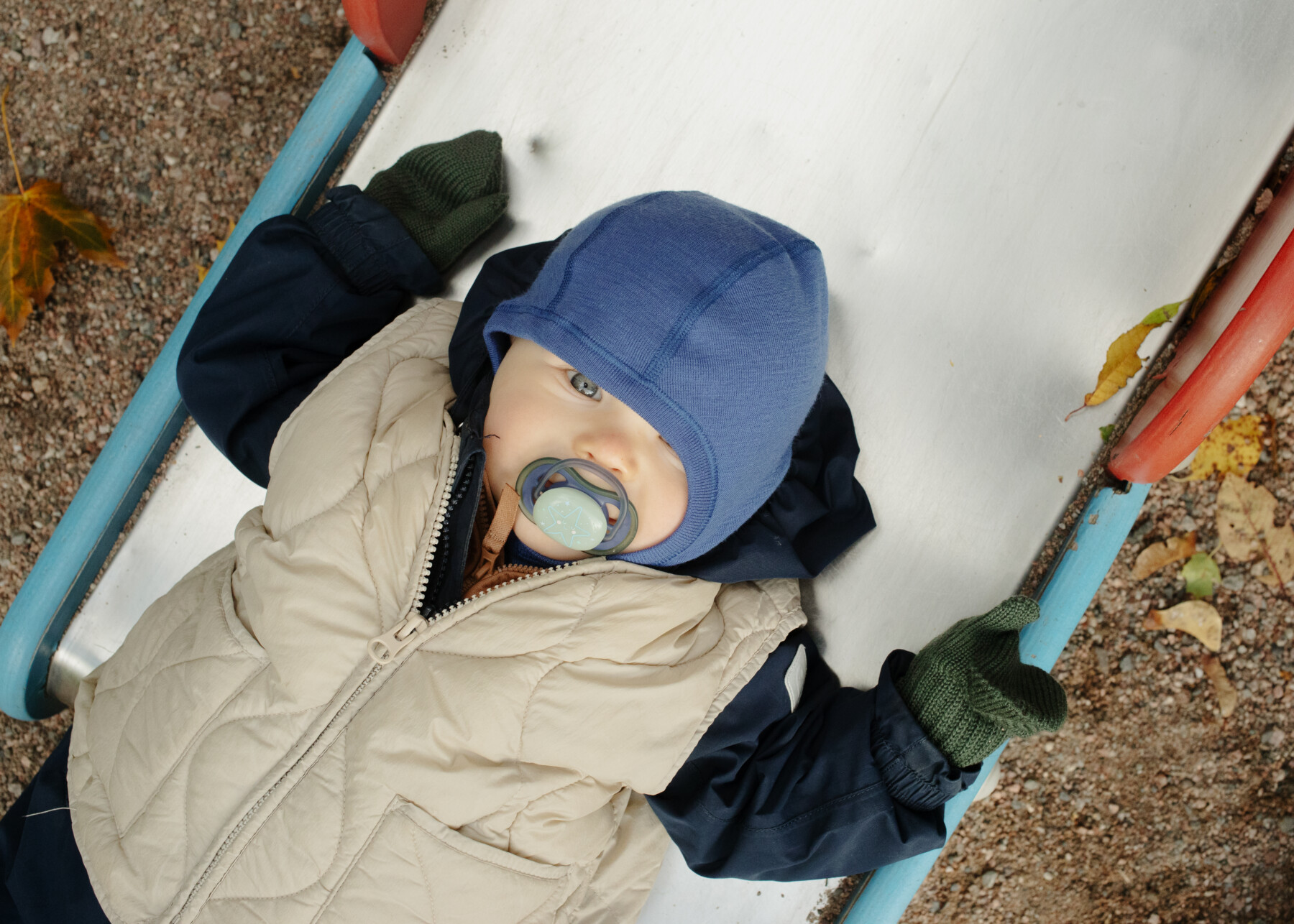
Järvinen has been there for many of Evert’s first moments, such as learning to use the potty, trying new foods, going swimming and attending music performances.
Parental leave is now divided equally between parents, although each can transfer part of their quota to the other.
Both parents are entitled to 160 “working days” of leave, of which 63 days can be transferred. (The definition of “working days” includes Saturdays, but not Sundays or public holidays, so one week usually counts as six days of parental leave.) In addition, the birth parent receives 40 days of pregnancy allowance before the baby arrives.
Taken together, Finland’s parental leave is among the longest in the world.
In addition, fathers in Finland can also make use of “child home care allowance”: If the family has a child under three, a parent or legal guardian can stay home to take care of them. Around 10 percent of fathers utilise this support, typically for five to six months.
Days shaped by small routines
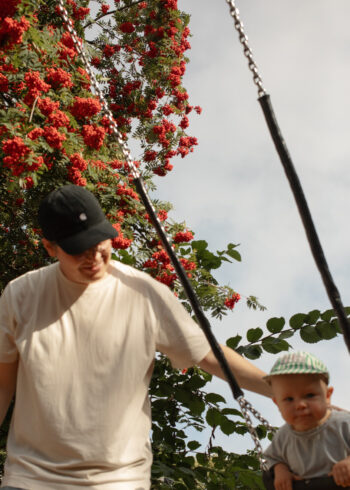
Järvinen’s employer supported his decision to stay home with his child for six months.
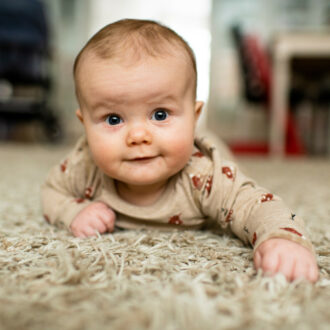
When Järvinen began his stint as a stay-at-home father in July, Evert was just under a year old. He could crawl and sit, but couldn’t walk yet.
Järvinen read him plenty of books. Together they marvelled at cars and dogs.
Their days soon settled into a routine. In the morning, father and son would walk Evert’s older sister, Ethel – three and a half years his senior – to daycare. In the afternoon they would pick her up again.

The hardest part of family life, Järvinen says, is sleep – or rather the lack of it. When the children are ill, nobody sleeps. “But somehow you get used to it.”
Between those small journeys the pair filled their time with playground visits, trips to the library, baby music classes and meetings with friends.
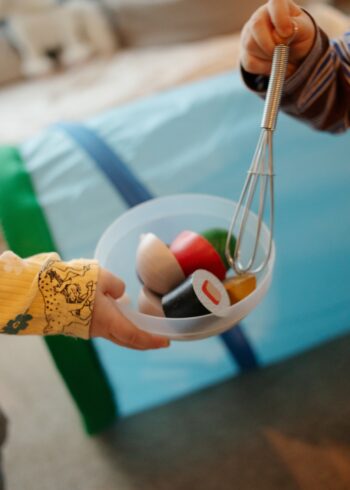
They practised eating, sitting on the potty, falling asleep for naps and, eventually, taking first steps. Järvinen baked muffins and omelettes for his toddler and discovered that fusilli pasta was Evert’s favourite meal.
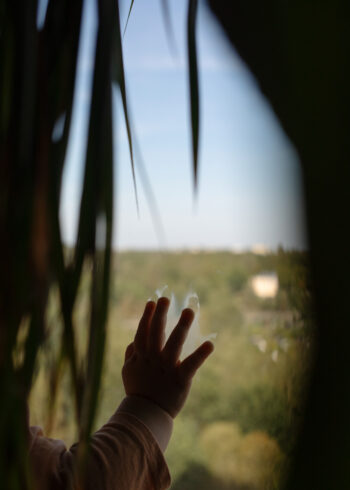
In late autumn, Evert began practising sleeping in his own bed. When it finally worked, Järvinen felt a real sense of achievement.
Meanwhile, there always seemed to be an ample supply of toys on the floor needing to be tidied up, not to mention pieces of pasta scattered in and around the highchair.
The windows slowly acquired an array of tiny fingerprints.
Learning to walk
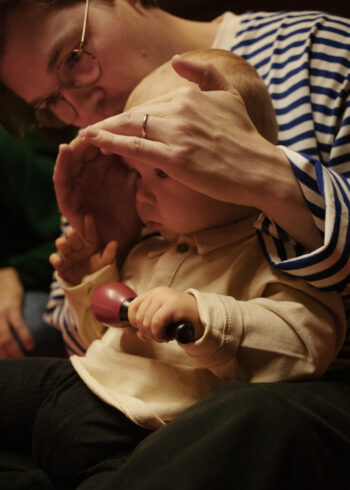
Workplace culture is important when planning parental leave: In Finland, taking leave is widely accepted, even if experiences still vary between sectors.
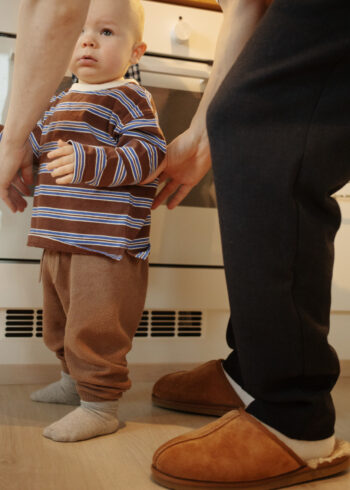
Evert learned to walk at the end of September. At first, his steps were hesitant. Soon they gathered speed. The world started to open up.
At home Järvinen rearranged the living room furniture so that the sofas formed a safe play area.
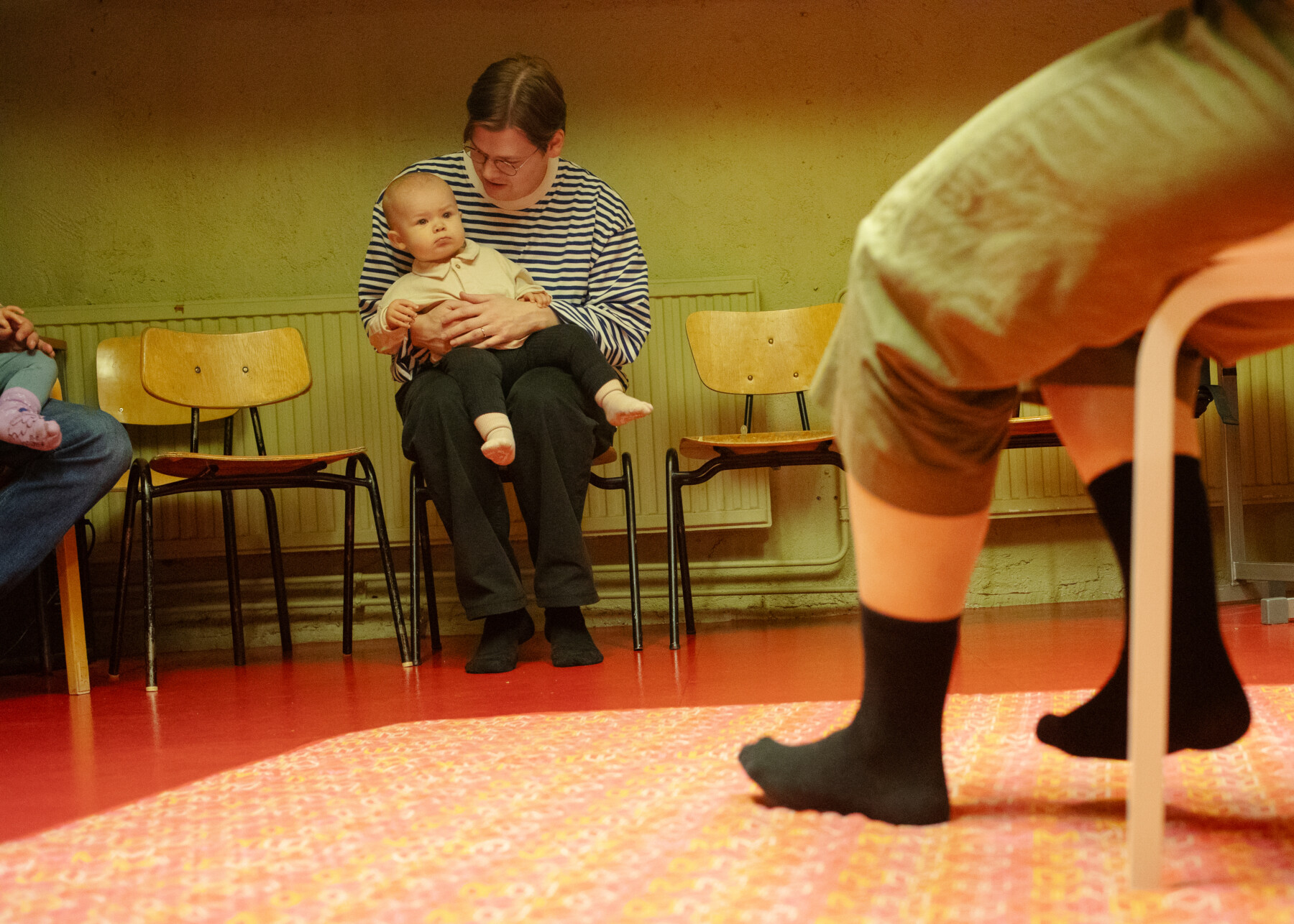
When Eetu Järvinen and Evert started baby music classes in the autumn, only a few fathers were in attendance. Six months later, every parent in the group was a dad.
Most of all, the toddler enjoyed emptying the contents of the cupboards onto the floor or pulling books from the shelves. Then he discovered climbing.
“That’s when the chasing really began,” Järvinen says, laughing.
For his first birthday, in October, Evert received a toy car.
“He’s completely fascinated by anything with wheels.”
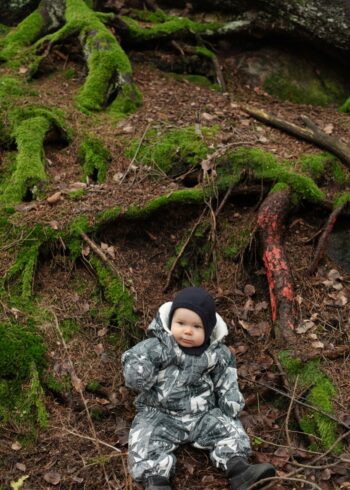
Evert spent the autumn and winter outdoors in the snowsuit that came with the Finnish maternity package.
When he sees a vehicle on the street, he says brr brr. When he sees a dog, he says hau hau. (These are the sounds Finnish children learn, equivalent to “vroom vroom” and “woof woof.”)
Järvinen describes his son as cheerful and easy-going.
“He accepts his fate,” he says with a smile – perhaps a classic second child.
Like many parents, Järvinen sometimes wonders how much of a child’s personality is innate and how much comes from the parents themselves simply becoming more experienced.
A gradual cultural shift
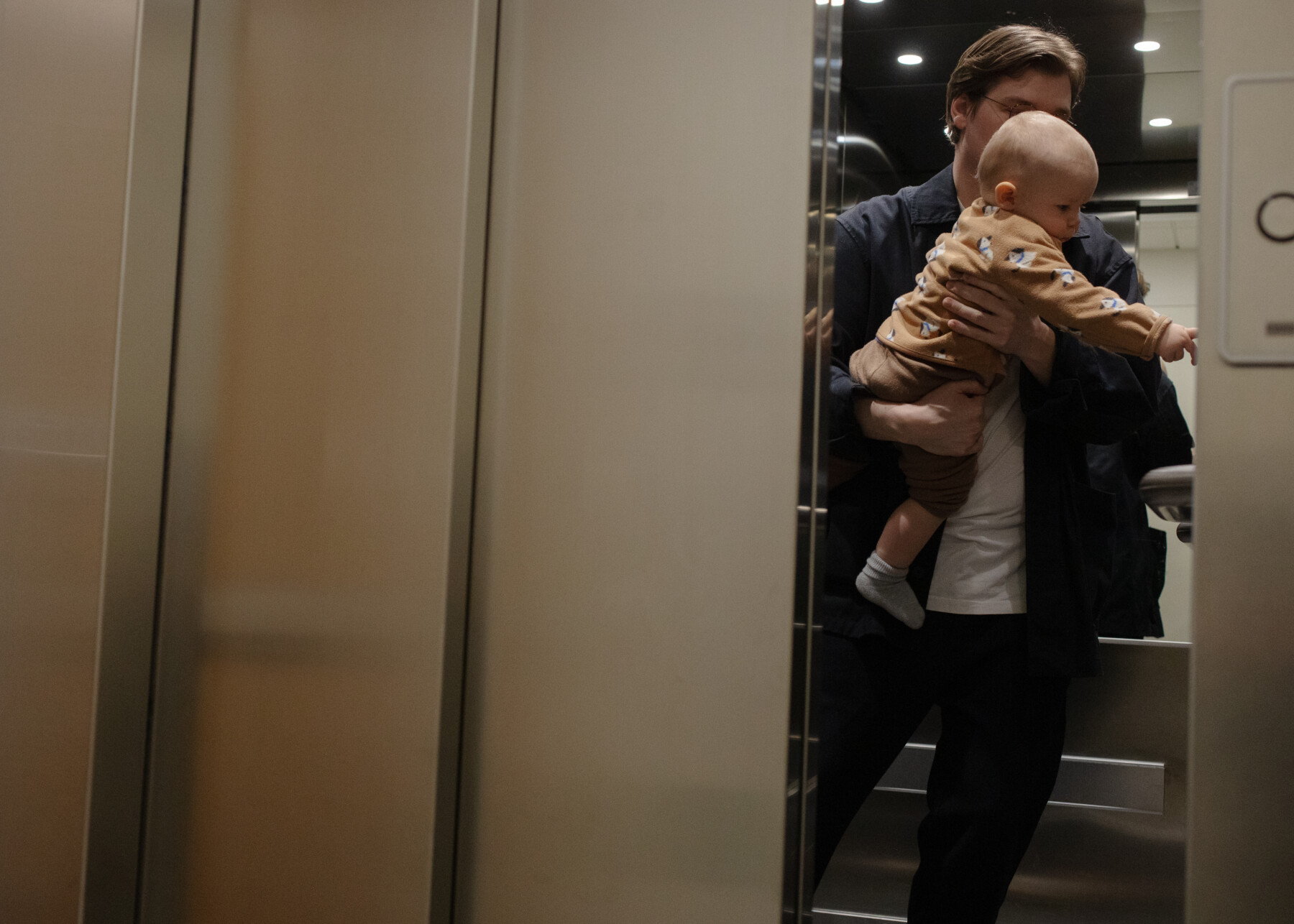
Parental allowance in Finland is earnings-related and paid by the Social Insurance Institution of Finland, with a guaranteed minimum for those without income. For many families, that makes staying home a realistic option for both parents, not just mothers.
Järvinen had taken parental leave before. When Evert’s older sister was born, he stayed home for three months. At the time, though, her mother was also at home, finishing her studies, and the coronavirus pandemic limited most activities.
Although the parental leave reform is designed to treat both parents as equal, most of the transferable days continue to flow to mothers. This suggests that equality remains, for now, a work in progress.
While on parental leave with Evert, Järvinen was alone with the child.
“Everything was 100 percent my responsibility,” he says. “It created a different kind of bond.”
That experience is more common than ever in Finland.
Before the parental leave reform, 57 percent of fathers took their leave separately from the mother. Among children born after the reform, that figure has risen to 73 percent.
Fathers now utilise an average of 68 days of parental leave, equalling a time period of almost three months. Before the reform, the average was only 33 days.
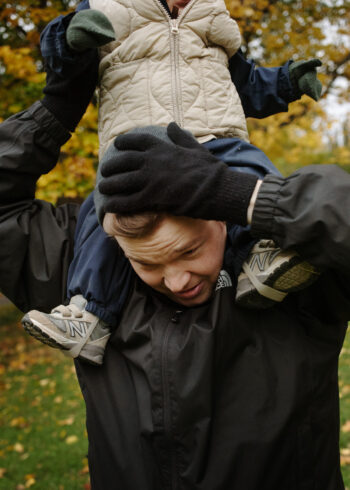
“We’ll have to see what kind of little speedster Evert turns out to be,” Järvinen says.
Even so, mothers still use most of the leave. Three out of four fathers shift all transferable days to the mother.
Change, it seems, comes gradually.
The bond that remains
Many of Järvinen’s friends are fathers as well, and some were on parental leave at the same time. “Our conversations have become very child-focused,” he says.
In November, father and son attended a music concert together. Evert was delighted.
In December, they visited the local swimming pool for the first time.
And when January arrived and it was time for Evert to begin day care alongside his sister, Järvinen joined in the orientation visits just as actively as Evert’s mother.
Sometimes Evert gets mischievous and pulls his sister’s hair. He also enjoys stealing and hiding his little brother’s socks.
Finnish fathers are also spending more time per day with their children than before. In 2021, they devoted an average of one hour and 43 minutes a day to caring for preschool children – about 40 minutes more than at the start of the 2000s.
Step by step, parenting is becoming more equal.
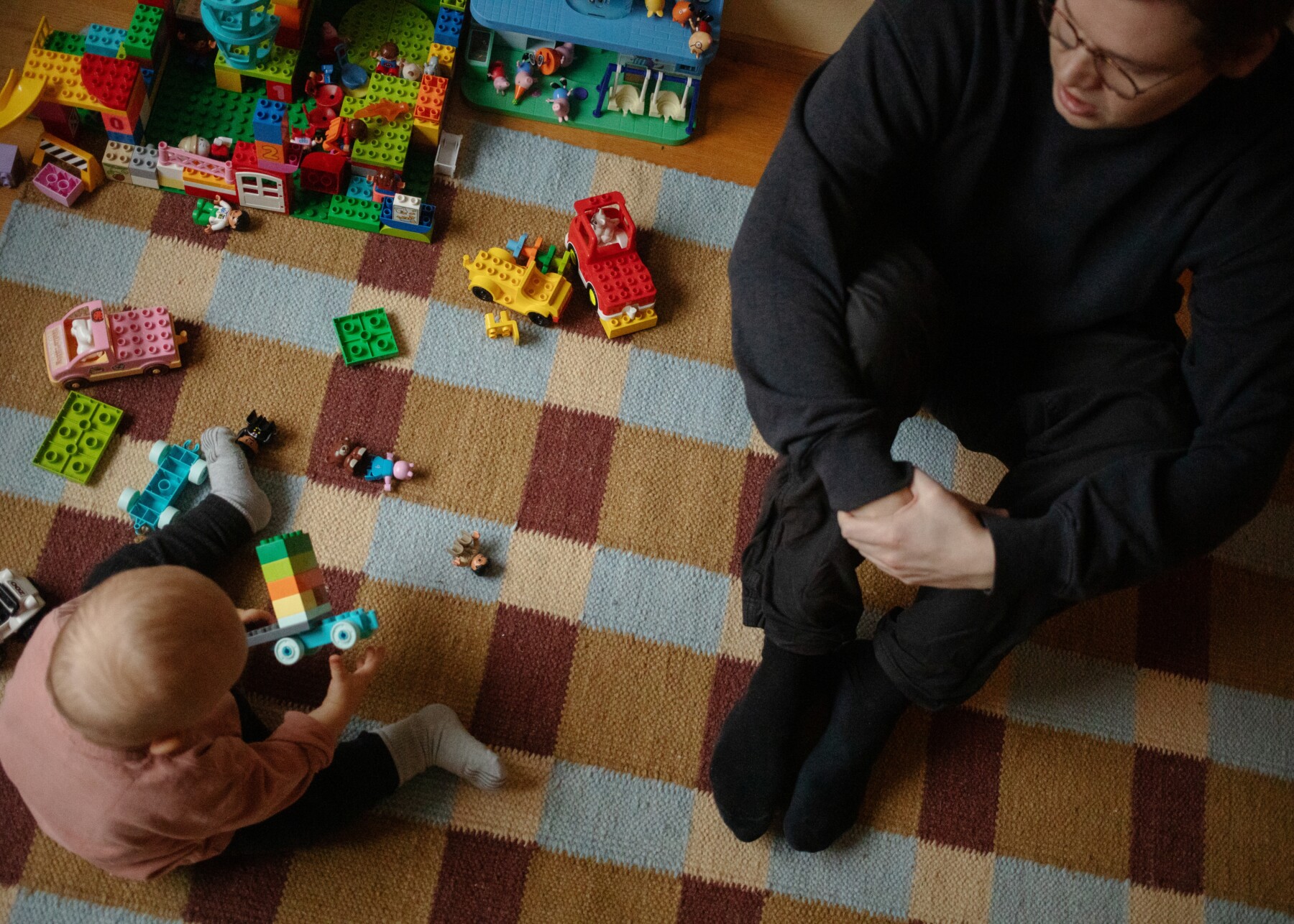
Evert has been fascinated by vehicles from a very young age. He gets excited if a toy has wheels.
Järvinen looks back fondly on his months at home.
“It was a lovely stage of life,” he says. “And my employer was very supportive and positive about the leave.”
That support matters now more than ever: The family recently welcomed a third child into the world. Järvinen already plans to spend another six months at home with the new baby, Elis.
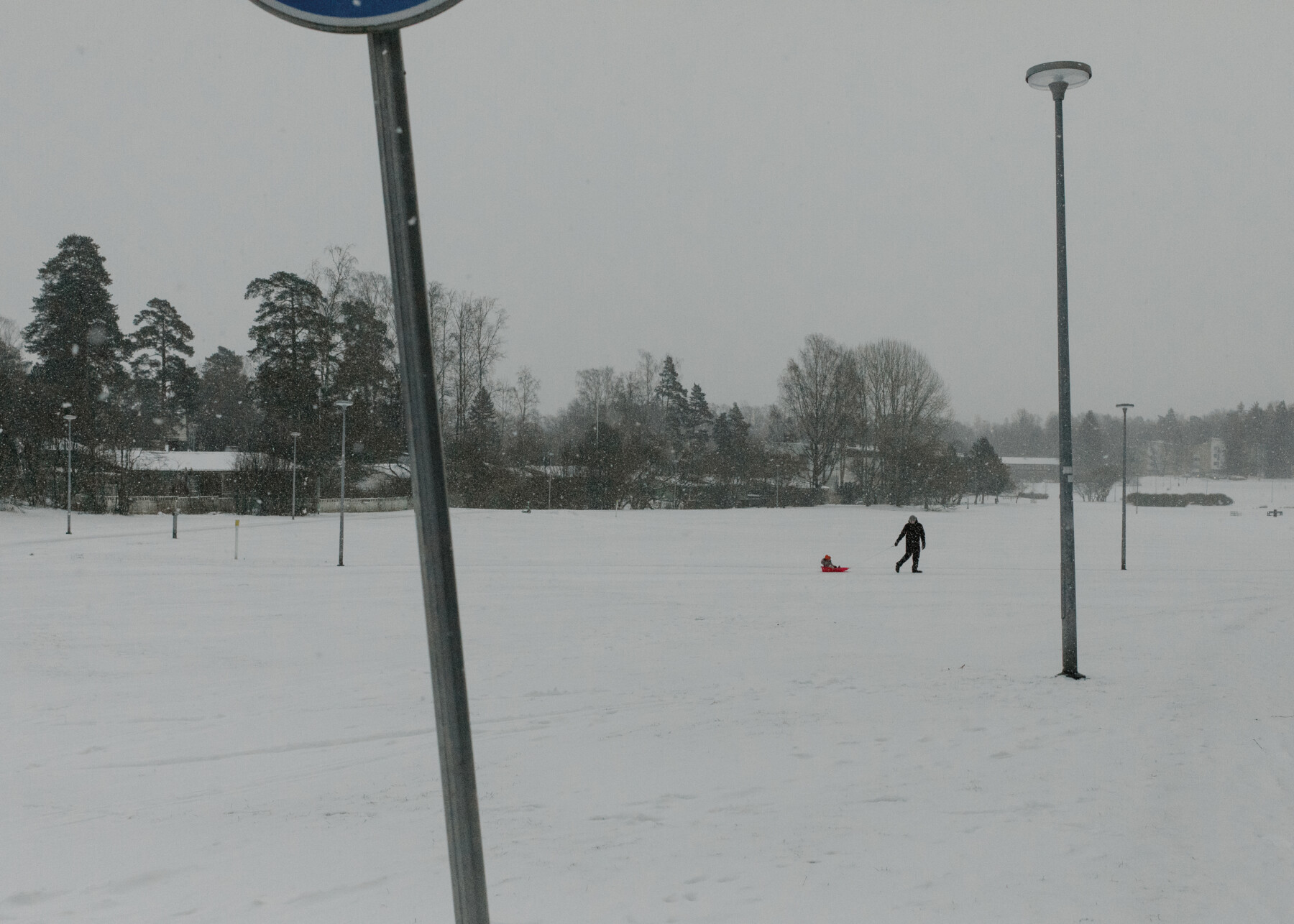
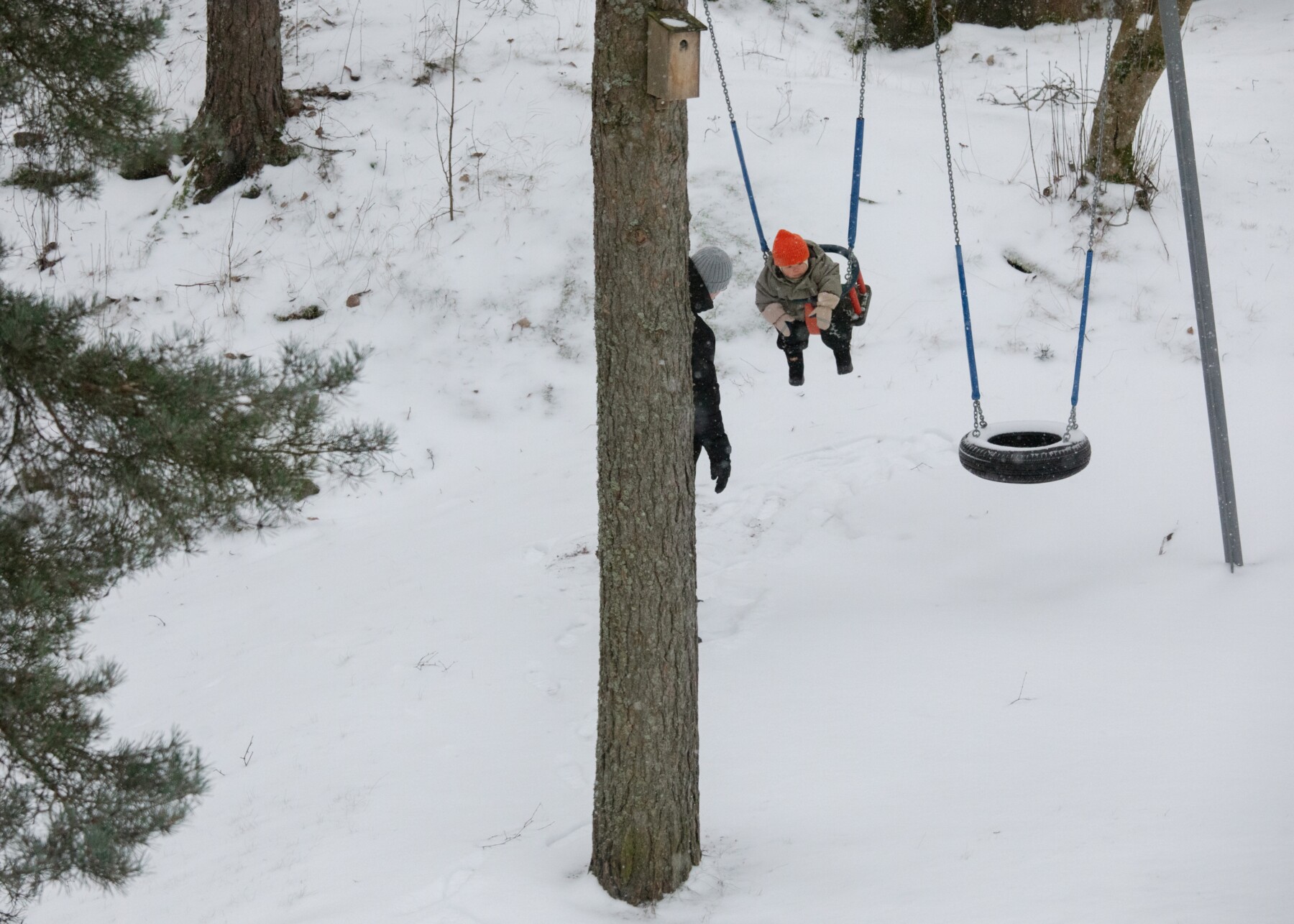
In winter, Evert discovered the joys of sledding. “He didn’t seem to mind the cold or the snow at all,” Järvinen says.
Still, the best part of his time with Evert is simple: the bond they built.
“If he falls or something goes wrong,” Järvinen says, “he wants to come to his dad rather than his mum. That feels pretty special.”
Fathers in Finland
- Average age of first-time fathers: 32.2 years
- Average number of children per father: 2.25
- Average number of children in families with children: 1.79
- Share of population living in families with children: 36%
Sources: Social Insurance Institution of Finland, Statistics Finland
By Emilia Kangasluoma, May 2026
Photos by Jonne Heinonen