Helsinki’s Flow Festival: Great for vegetarians

The Flow Festival of music and urban culture, held every August in Helsinki, is a great party for foodies, including vegetarians and vegans. You can enjoy these dishes all year round in the restaurants and cafés of Helsinki.

One of the first carbon-neutral festivals in the world, Flow encourages the restaurants serving at the event to make tasty stuff for not only meat-eaters, but also vegetarians and vegans, and to use environmentally sound ingredients from local farms.

Apart from a remarkably large choice of vegetarian food, vegans will also be pleased to discover that they can get their coffee with oat milk that was developed specially for that purpose.

We tried the most intriguing vegetarian dishes at the festival. It has to be said that everyone, not just the vegetarians, liked this food.

Soi Soi

The Jammin’ veggie burger by Soi Soi is possibly the best in the city. It’s made with oat bread, seitan, fresh veg and homemade sauce.Photo: Kai Kuusisto

Soi Soi has some of the best burgers in the city, made with tofu, seitan and soya and hemp steaks. They taste so good that you can live with the service, which is not the fastest – although very sweet. Seitan and Soi Soi’s homemade mayonnaise will have you licking your fingers.

Pizzarium

At Pizzarium, pizzas are made with the freshest ingredients.Photo: Tuukka Ervasti

Served by the slice, this pizza’s made from only the freshest ingredients. It’s not a vegetarian restaurant, but there’s a nice selection on the menu for the non-meat-eaters, including various vegan options: tomatoes, courgettes, onion, chilli, olive oil, button mushrooms, fresh parsley and more. It’s just a bit surprising that the vegan pizzas come without vegetarian cheese.

Cargo

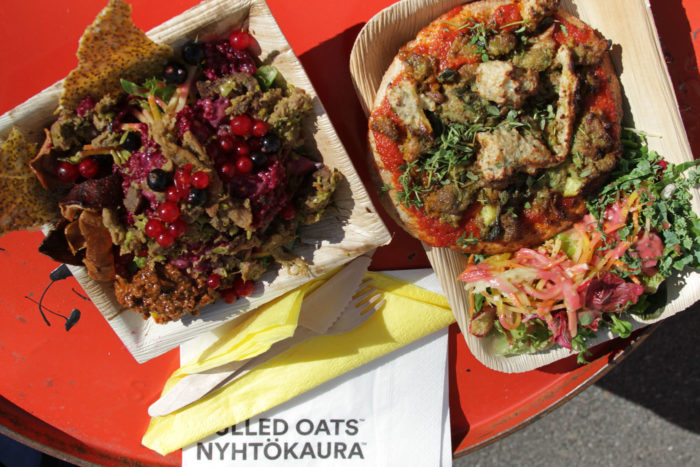
Tofu and savoy cabbage salad from the Cargo café (left, beside rye rieska, an interesting flat bread, with a filling and salad, from the Fat Tomato Café), served with the innovative Finnish hit food known as pulled oats (nyhtökaura).Photo: Peter Marten

Another really good option for the festival: a healthy tofu and savoy cabbage salad with tasty dressing. It comes with a gluten-free flatbread. The Cargo café is actually located in a shipping container at the end of Helsinki’s most famous bike path, Baana, which was laid down over a former train track.

Café Sävy

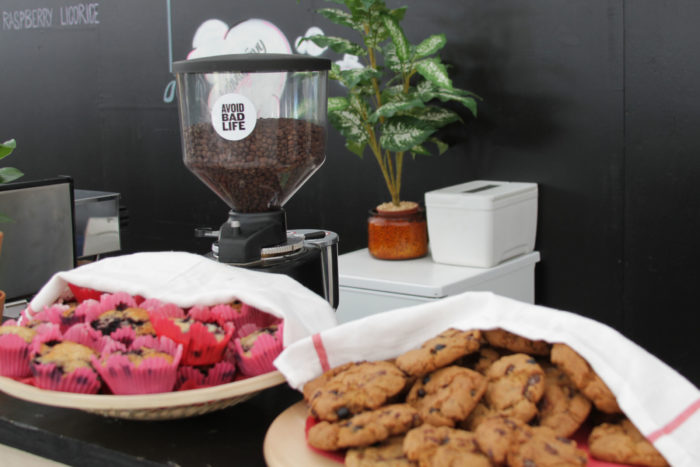
Keeping caffeine flowing: In our humble opinion, Sävy Café serves Flow’s best coffee, not to mention the cookies and cakes.Photo: Peter Marten

Sävy, a small cafe in the neighbourhood of Kallio (coincidentally near the festival grounds), offers the best coffee at Flow. All their drinks are available in a vegan option. You can also get something sweet to go with it, like chocolate chip cookies or moist carrot cake.

By Anna Ruohonen, updated August 2018

Finnish documentary builds dialogue, not division

In 2015, European countries received record numbers of asylum seekers fleeing Syria, not to mention Afghanistan, Iraq and others. The situation grew to dominate headlines, and Finland was no exception.

In the first four months of 2015, the Finnish Immigration Service received 1,354 asylum applications. In the last eight months of the same year, 31,123 applications were submitted. Although far from the totals seen in many other countries, the volume caught authorities off guard.

This situation formed the background for novelist, journalist and documentary filmmaker Elina Hirvonen’s decision to temporarily abandon her other projects and start a film about the unfolding migrant situation in Finland. Boiling Point even-handedly lets people from all viewpoints have their say. The audience witnesses demonstrations for and against migration and hears from Finnish people with a wide range of perspectives. It also follows several asylum seekers as they navigate life in Finland.

For Hirvonen, the idea became clear in early February 2016. “I woke up one night after reading news about petrol bombs and thought, why is nobody making a film about this?” she tells me. “And then I just thought, OK, why don’t I do it?”

The whole spectrum of what’s happening
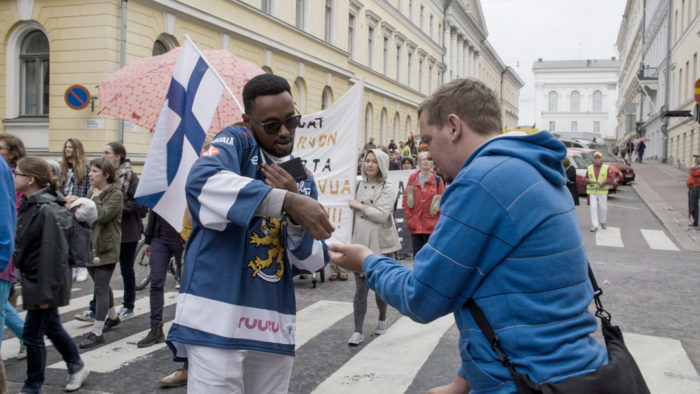
At a demonstration, an activist who is also a dedicated ice hockey fan lends someone some change.Photo: from “Boiling Point,” produced by Mouka Filmi

In the incident she’s referring to, a man in his mid-20s threw five bottle bombs at an asylum seeker reception centre in Petäjävesi, a 4,000-person municipality in central Finland. No one was injured.

The attack fit into what Hirvonen had noticed about public discourse over 2015: “It was rapidly changing in an increasingly aggressive direction,” she says. “At the same time, I felt…like people were living in completely different worlds in terms of how they saw what was happening.”

She didn’t make Boiling Point to express her personal views, which she has already done as a writer. Her goal was “not to interpret,” she says, “but to leave the audience space to think for themselves, to show the whole spectrum of what’s happening.”

She sought out people from all walks of life, including villagers in Petäjävesi, activists and many others. “I decided to have the attitude that I’m open to talking with anybody,” she says. “No matter what they say at the demonstrations, they’re all human beings who have some kind of background and life story and experiences.”

One person who appears in the film is Jarkko, a photographer with anti-immigration political views. “Even though I disagree with him, I felt I understood where he’s coming from and I respect him,” says Hirvonen. “You have to respect the people you’re filming.”

Feelings and questions
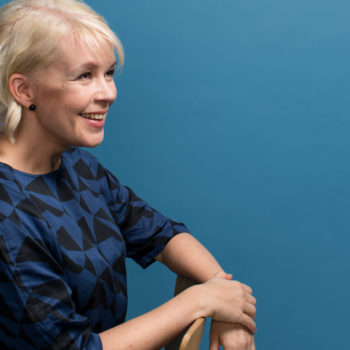
Elina Hirvonen didn’t make “Boiling Point” to express her personal views, she says, “but to leave the audience space to think for themselves.”Photo: Carl Bergman

From idea to premiere, production lasted less than 12 months. There’s a certain universality; a similar film could probably have been made in most European countries in 2016.

Boiling Point elicits strong reactions. Before a showing at Helsinki’s DocPoint Festival, Hirvonen told the audience, “I’ve noticed that the film raises a lot of feelings and questions, including critical ones. I just want to prepare you for that.”

In order to encourage real off-screen dialogue, the documentary was made available free of charge, via a link, to anyone who wanted to screen it as a public or private event between February and May 2017. The Boiling Point website’s advice page for post-screening discussion says, “The goal isn’t to achieve a common viewpoint, nor is it to argue other people into silence…If everyone talks and listens, everyone’s understanding increases.”

About 750 screenings happened at community centres, churches, libraries, schools, universities, cafés and restaurants all over Finland. People held events across Europe, not to mention the US, Canada, Peru, Turkey, Afghanistan, Malaysia and Japan. The movie has been seen in Kaamanen, in the Finnish far north, and in Brisbane, on the east coast of Australia.

By mid-May 2017, an estimated 18,000 people had attended free showings, while 252,000 had seen it on conventional or streamed TV.

Screening therapy
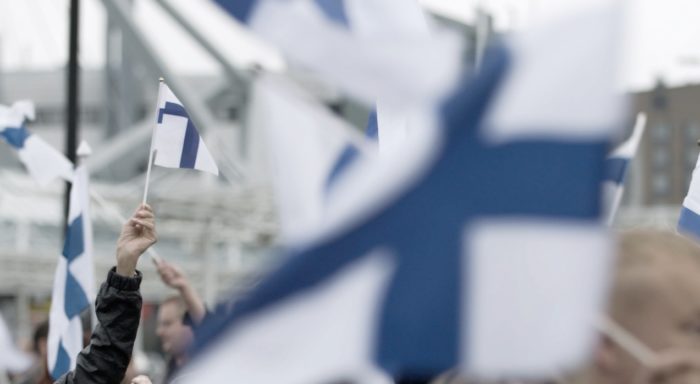
Many different groups use the Finnish flag as a symbol.Photo: from “Boiling Point,” produced by Mouka Filmi

What kind of dialogue has developed? Hirvonen has attended various screenings, one of them in Petäjävesi, the town that experienced the bottle bombs. About 60 people showed up, including a refugee family that appears in the documentary. The mayor hosted the discussion.

“It felt like it was…therapeutic for some of them, because their [previous] year was so intense, like most small towns in Finland that took refugees,” says Hirvonen.

“This one woman said she doesn’t really have any strong opinion, but they have to find a way to get along with each other.” She meant the refugees and the Finns, but also the Finns and the Finns – the natives of Petäjävesi.

A similar pragmatic sentiment is expressed in the film. Two of the main characters offer living proof that it is possible to disagree and still remain friends. Oula is a historian whose area of expertise is fascism. Tapsa is a businessman who worries about how refugees might affect Finland.

Finding common wavelengths
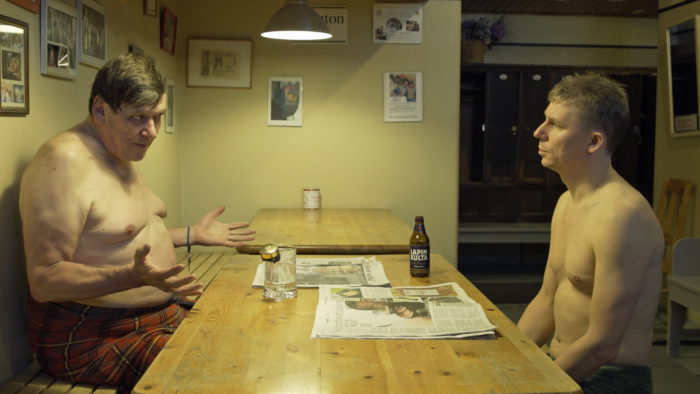
Tapsa (left) and Oula, here in conversation over a post-sauna drink, remain friends despite their diverging views about politics.
Photo: from “Boiling Point,” produced by Mouka Filmi

They have their conversations at the public sauna, of course. Two guys sitting in a sauna talking politics – could there be anything more Finnish? Wrapped in towels, bare-chested, they discuss their views over a post-sauna drink.

“What if we Finns started talking to each other respectfully?” asks Oula. “It doesn’t mean we have to agree about everything.”

Hirvonen returns to these two repeatedly throughout Boiling Point. “A glimpse of hope comes from the idea of Oula and Tapsa in the sauna and the idea of being able to continue the conversation even though they don’t agree,” she says.

Tapsa, Oula and others interviewed in Boiling Point attended a special premiere prior to the public release. In a question and answer session after a DocPoint screening, Hirvonen recounted the experience.

“I had been more afraid of that than I’ve ever been of anything,” she said. “But in the end everything went well, and somehow people starting talking with each other and found some common wavelengths. So that was encouraging, because I think that everyone else was also terribly apprehensive beforehand, knowing that the group included people with widely differing positions.”

By Peter Marten, July 2017

Finnish festivals: Our picks for the rest of the summer

There are tons of events to choose from, so many that we couldn’t possibly list them all. Here are our festival tips for the second half of the summer.

Tango

Seinäjoki Tango Festival, July 5–9

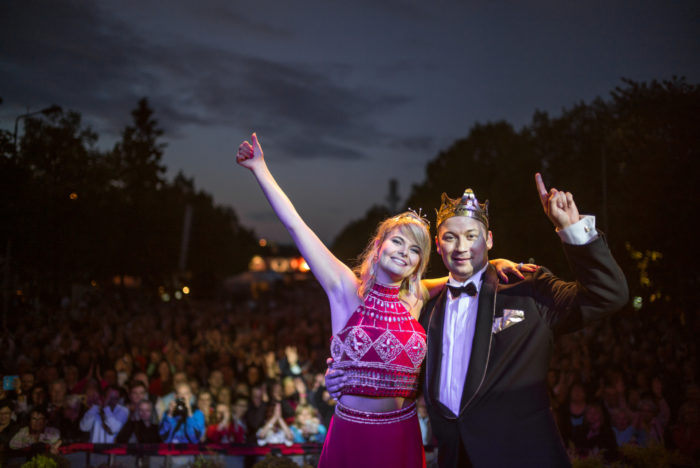
The oldest tango music festival in the country, Seinäjoki Tango Festival fills this central western Finnish town with around 30,000 visitors every year. A huge open-air tango party is held on what they call Tango Street. The festival includes dance classes, concerts and shows, but it’s best known for its tango royals; every year a new Tango King and Queen are chosen in a nationally broadcast singing contest.

Classical and multigenre

Savonlinna Opera Festival, July 6–Aug 6

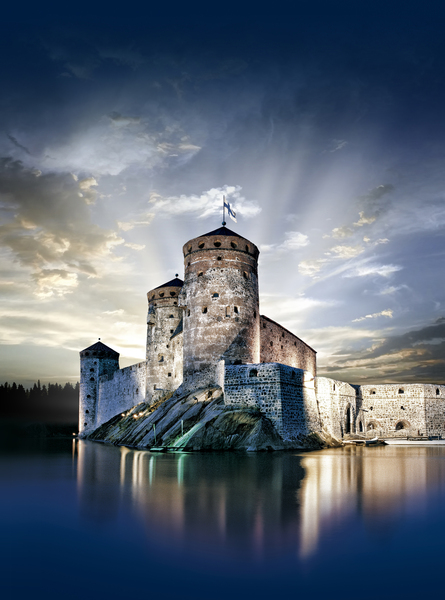
The Savonlinna Opera Festival is one of the most renowned opera music festivals in the world. It is organised in a medieval castle, Olavinlinna, surrounded by beautiful lake scenery, making the whole experience unforgettable. Over 60,000 festival visitors make their way to Savonlinna every year to enjoy the spectacular performances and atmosphere. The programme includes a tribute to the 100th anniversary of Finland’s independence.

Our Festival, July 23–29

Known for seeking out fresh perspectives, Our Festival incorporates musical performances, but also dance and other art forms, aiming to give audiences a unique experience that isn’t available elsewhere. This year’s theme is equality and women – one rarely sees a festival programme including this much music by female composers and musicians.

Luosto Classic, Aug 10–13

Nature is strongly present at the Luosto Classic festival in northern Finland, as the “concert hall” is situated outdoors on a mountainside. These unusual conditions make the festival a unique experience. The programme is mainly chamber music, but you might also hear some folk music.

Helsinki Festival, Aug 17–Sept 3

The largest arts festival in Finland, this is a classic, but it’s not just classical music. The multigenre array of events includes all imaginable art forms: theatre, circus, visual arts, classical, world music and more. The idea is to make art accessible to everyone. The atmosphere is very urban; one of the favourite events is Night of the Arts, with numerous indoor and outdoor events around the city.

Jazz and folk

Pori Jazz, July 8–16

Pori Jazz is the oldest and best-known jazz festival in Finland, held every year since 1966 on the west coast. Like many jazz fests, it also includes musicians from many other genres. There’s even special programme for children: Pori Jazz Kids takes place from July 11 to 13.

Kaustinen Folk Music Festival, July 10–16

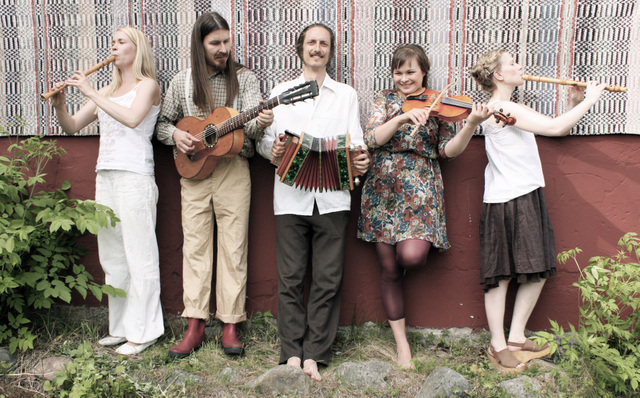
For the 50th time, Kaustinen Folk Music Festival celebrates the thriving Finnish folk music and dance scene. Located in Ostrobothnia, the central western area of Finland, Kaustinen features both amateur and professional musicians who show up to enjoy the workshops, jam sessions and performances from early in the morning to late at night.

Rock and pop

Ruisrock, July 7–9

The oldest music festival in Finland and the second oldest music festival in Europe, Ruisrock takes place on the beautiful island of Ruissalo outside the southwestern city of Turku. A new addition this summer is the Sateenkaari (Rainbow) Stage, where the whole stage setup has been turned into a comprehensive work of art. Some of Finland’s most popular acts are on the schedule, including Alma, Darude and Vesala.

Flow Festival, Aug 11–13

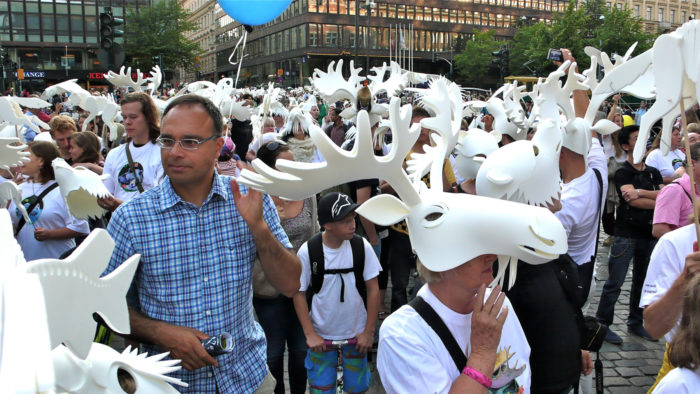
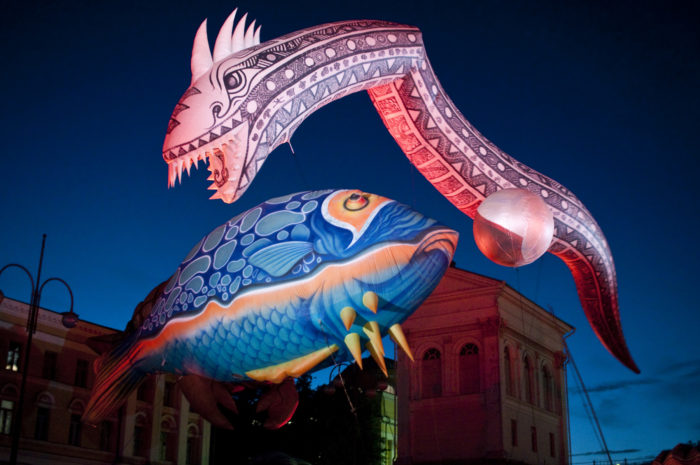
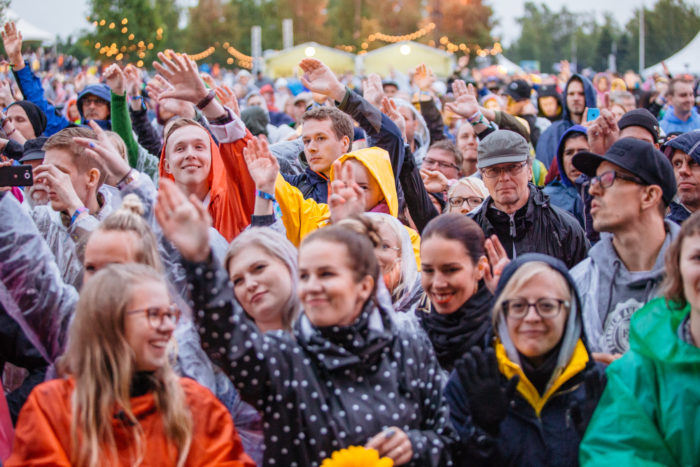
Flow Festival is an urban music, arts and cuisine festival in Helsinki. The music selection varies from indie rock to soul and jazz, and from folk to contemporary club sounds. Beyond the music, the festival is about visual arts, film, design and world-spanning cuisine. The age limit is 18, but on Sunday afternoon families are allowed in for Children’s Sunday.

By Anni Kaartinen, July 2017
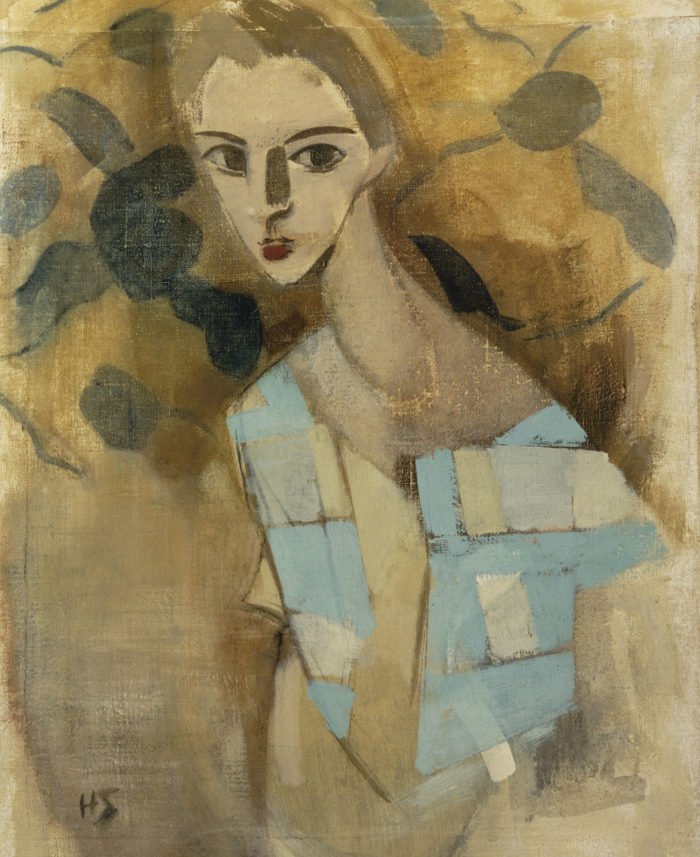
Modern women: Finnish art in an eventful era

On a weekday afternoon in New York City, several American women are touring Independent Visions: Helene Schjerfbeck and Her Contemporaries, an exhibition of 55 artworks by four Finnish painters at Scandinavia House on Park Avenue. “Very nice,” says one of the patrons, “but a little depressing.”

The pieces come from the collection of Helsinki’s Ateneum Art Museum (many of them return to Ateneum in Urban Encounters, showing until January 20, 2019), and some of them do reflect a kind of melancholia that attended the cultural and political transformations as Finland moved, in the late 19th and early 20th centuries, toward creating a national identity and achieving independence.

Art made during the shift away from the Russian Empire and from Swedish influences unavoidably mirrors a tumultuous era during the development of a progressive nation that celebrated its centennial in 2017. The early 1900s included the Civil War in 1918, less than a year after independence, and the Second World War, which the Finns divide into the Winter War of 1939–40, the Continuation War of 1941–43 and the Lapland War of 1944–45.

Issues of humanity

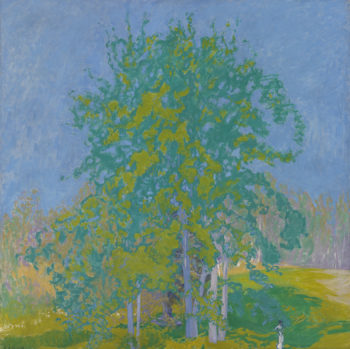
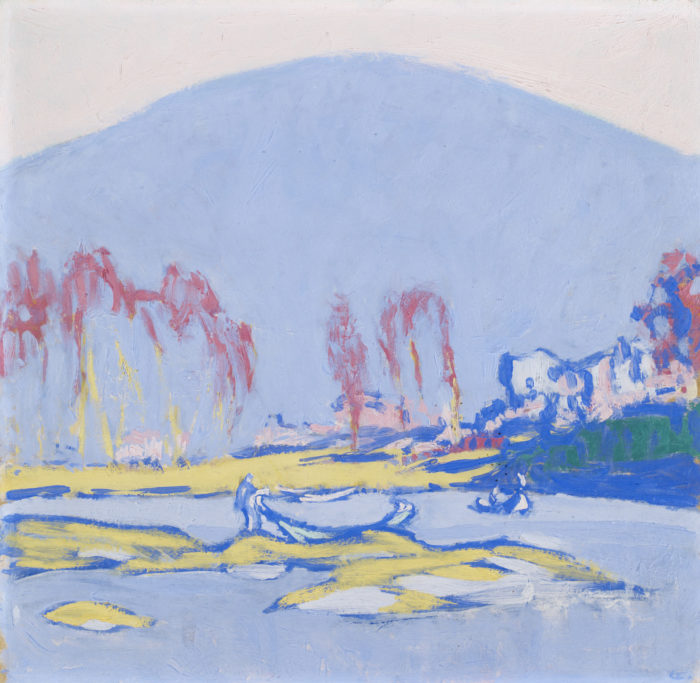
In Ellen Thesleff’s “Decorative Landscape” (1910), a female figure is visible in the lower right area of the painting, dwarfed by the trees.Photo: Yehia Eweis/Finnish National Gallery/Ateneum Art Museum

The creative growth of the celebrated Schjerfbeck (1862–1946) and the exhibition’s other three artists coincided with the notions of equality, cultural development and educational opportunities necessary for the establishment of a sovereign state. Schjerfbeck, Ellen Thesleff (1869–1954), Sigrid Schauman (1877–1979) and Elga Sesemann (1922–2007) weren’t isolated from the political upheaval of the times, either.

The era’s male artistic giants – notably composer Jean Sibelius, artist Akseli Gallen-Kallela and author Juhani Aho – are often considered to have formed the vanguard of Finland’s cultural and political identity and the drive to create a distinctive Finnish character. However, female colleagues such as the pioneering Schjerfbeck, one of the country’s best-known painters, had a significant role, though it was overlooked at times.

“Although there were a limited number of academic people at the time, artistic talents rose up,” Risto Ruohonen, general director of Finnish National Gallery, tells me. “A relatively small part of the community had a strong ideological philosophy where politics and art were so closely combined.” These individuals had an influence on both spheres.

Climate of equality

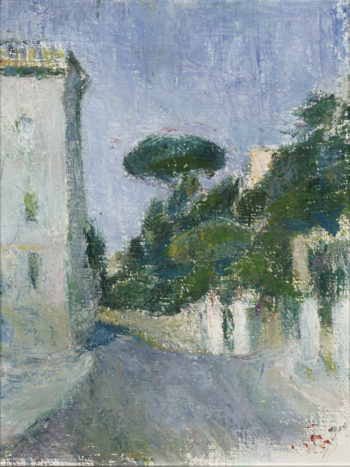
Sigrid Schauman created “Italian Landscape” in the 1930s. All four of the artists in the exhibition lived or worked on the Continent at some point.Photo: Pirje Mykkänen/Finnish National Gallery/Ateneum Art Museum

Schjerfbeck, Schauman and Thesleff came of age as artists during a critical time in the development of an autonomous Finland. Until 1846, there were no Finnish art schools, unified art collections or news coverage of the cultural scene. That was the year the Finnish Art Society was founded (it later gave rise to Ateneum). Soon afterward, grants were established for studying the arts at home and abroad (mostly in France and Italy; all four of the artists worked or lived on the Continent at various points in their careers). The support was made available to all who qualified, in a climate of equality.

Female Finnish artists began to use their voices during the late 19th century, an unprecedented time in the burgeoning nation’s pursuit of social and educational egalitarianism. It was also a matter of necessity, as the four artists largely supported themselves throughout their lives, notes Susanna Pettersson, director of Ateneum. Schauman, who was also a teacher and a newspaper art critic, accomplished a number of her works after her 70th birthday.

Growing pains, brooding portraits

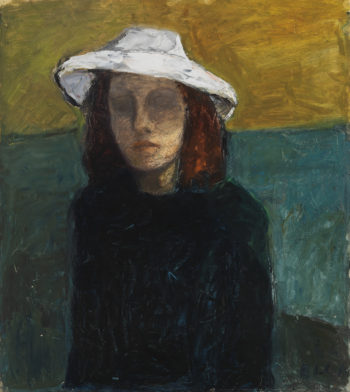
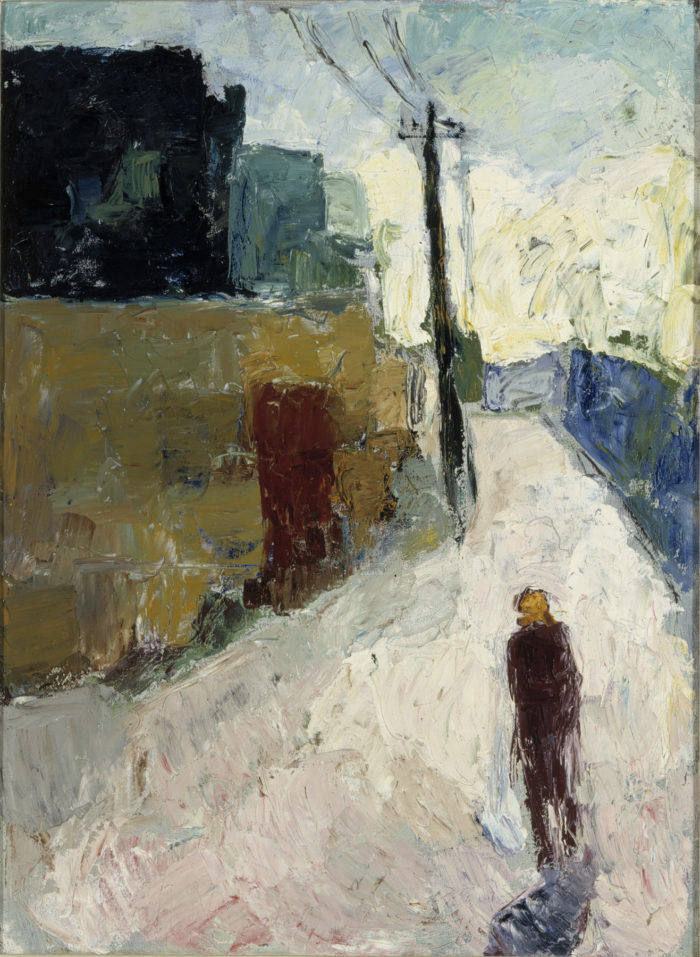
This Elga Sesemann self-portrait from 1946 depicts the artist without eyes. That may be a sign of the grim realities of the time.Photo: Yehia Eweis/Finnish National Gallery

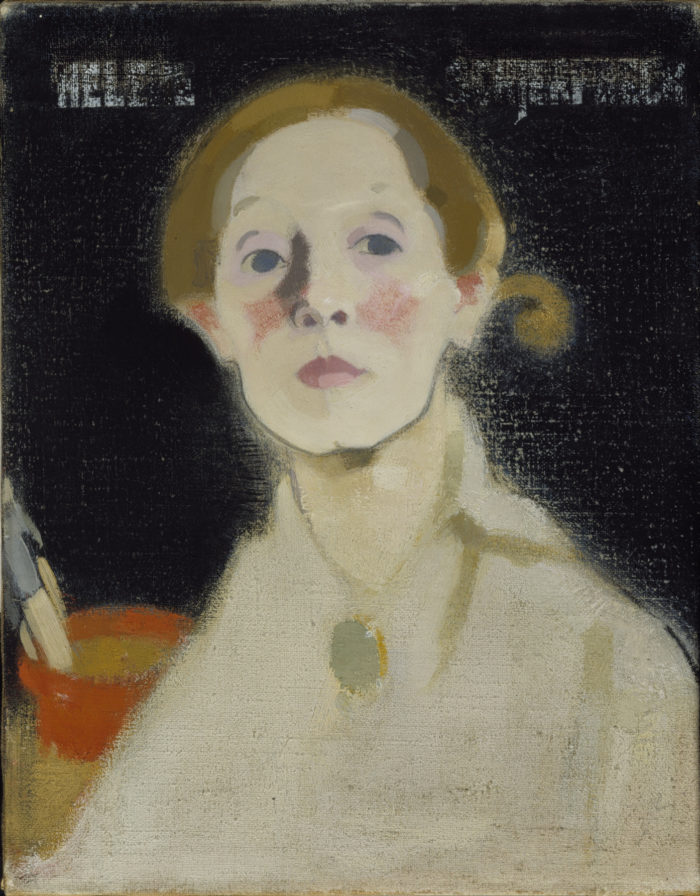
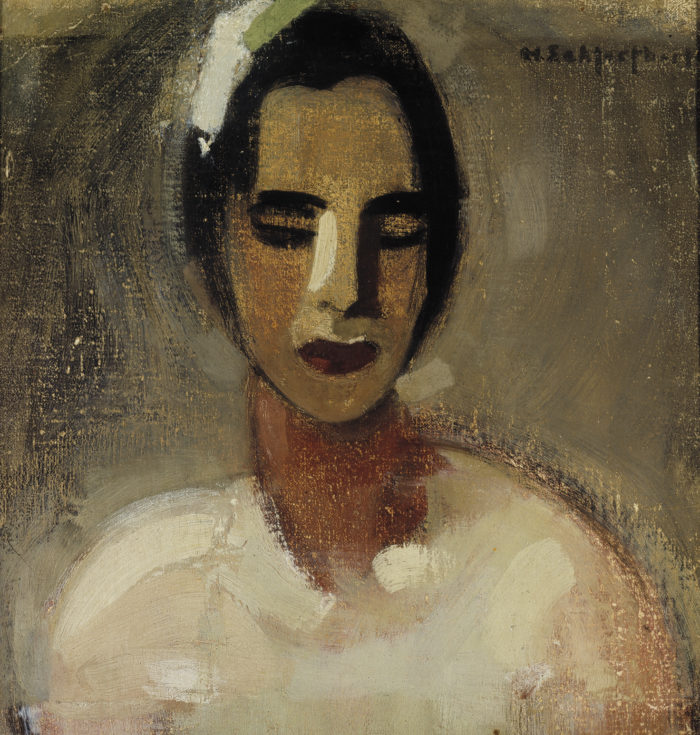
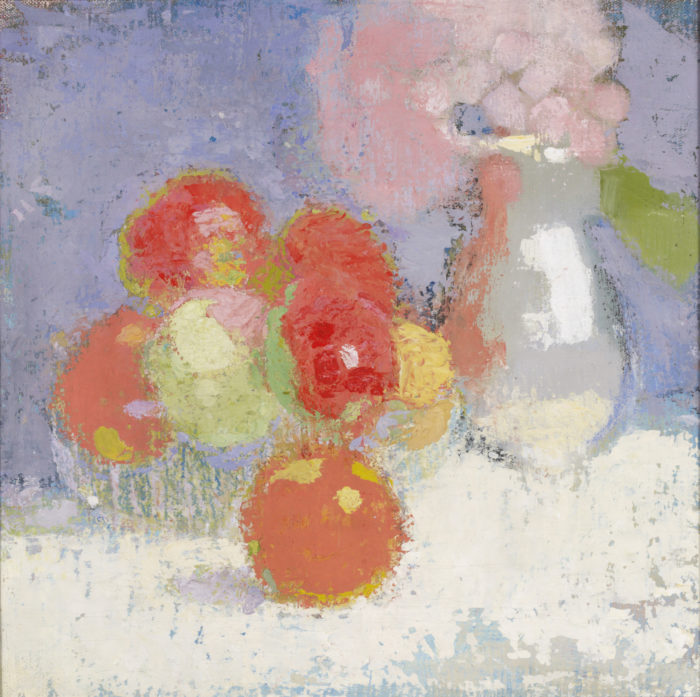
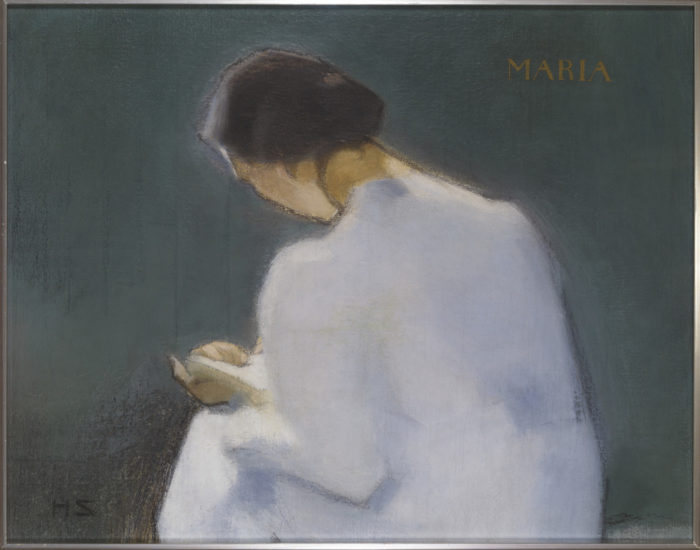
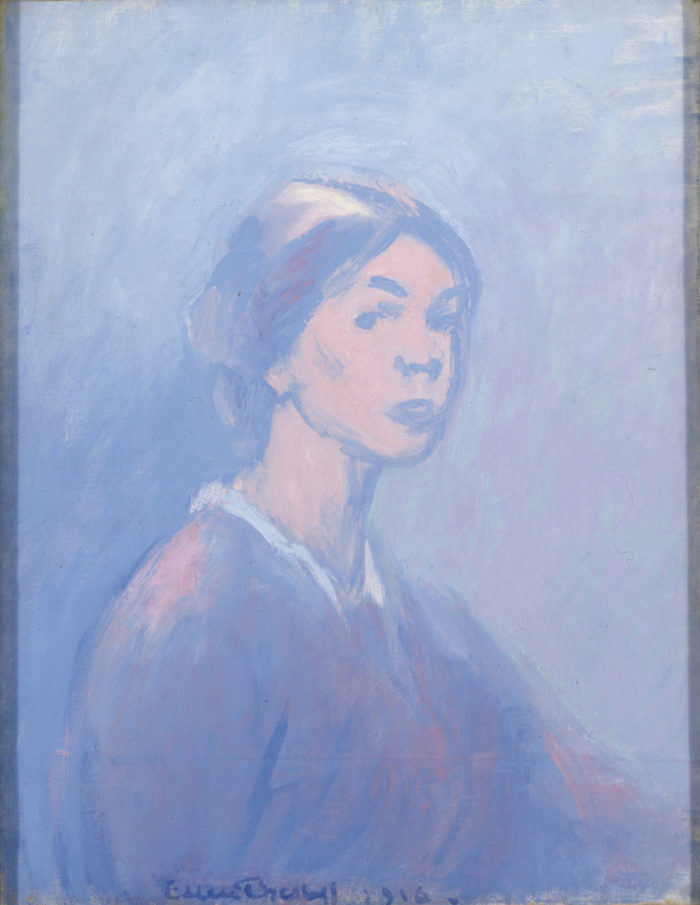
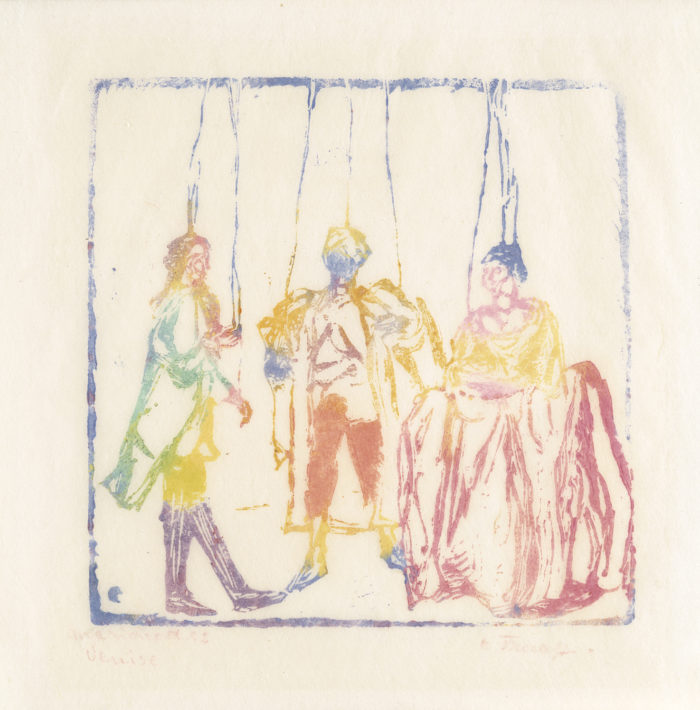
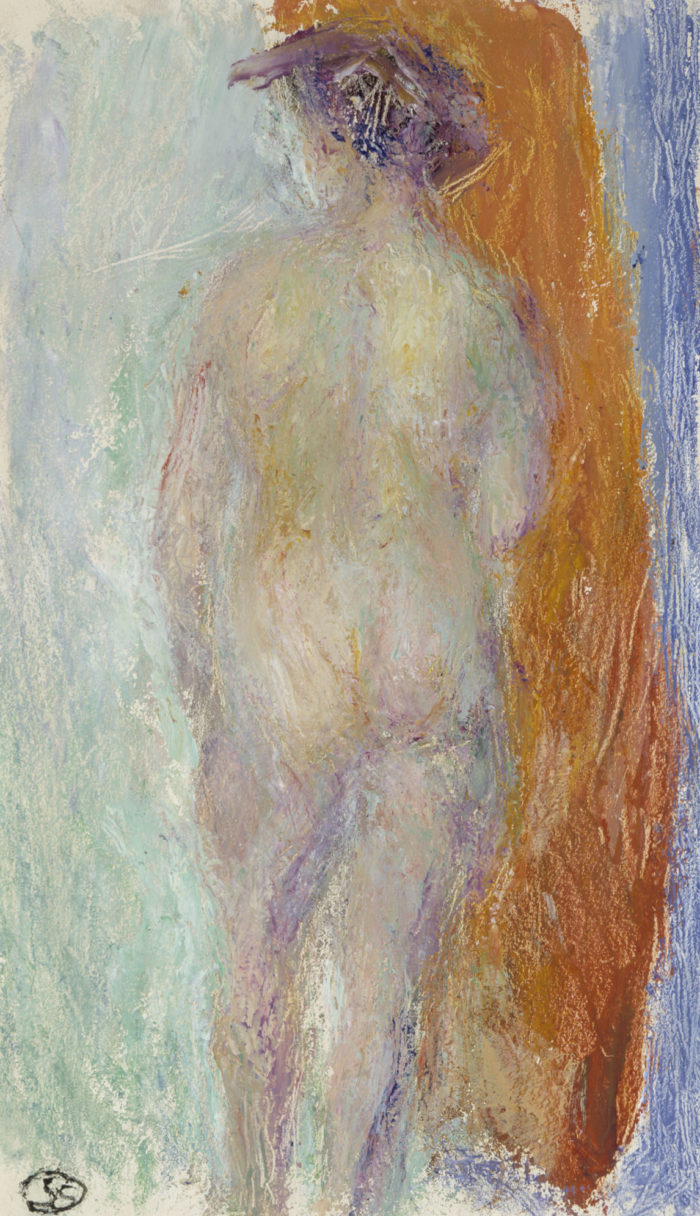
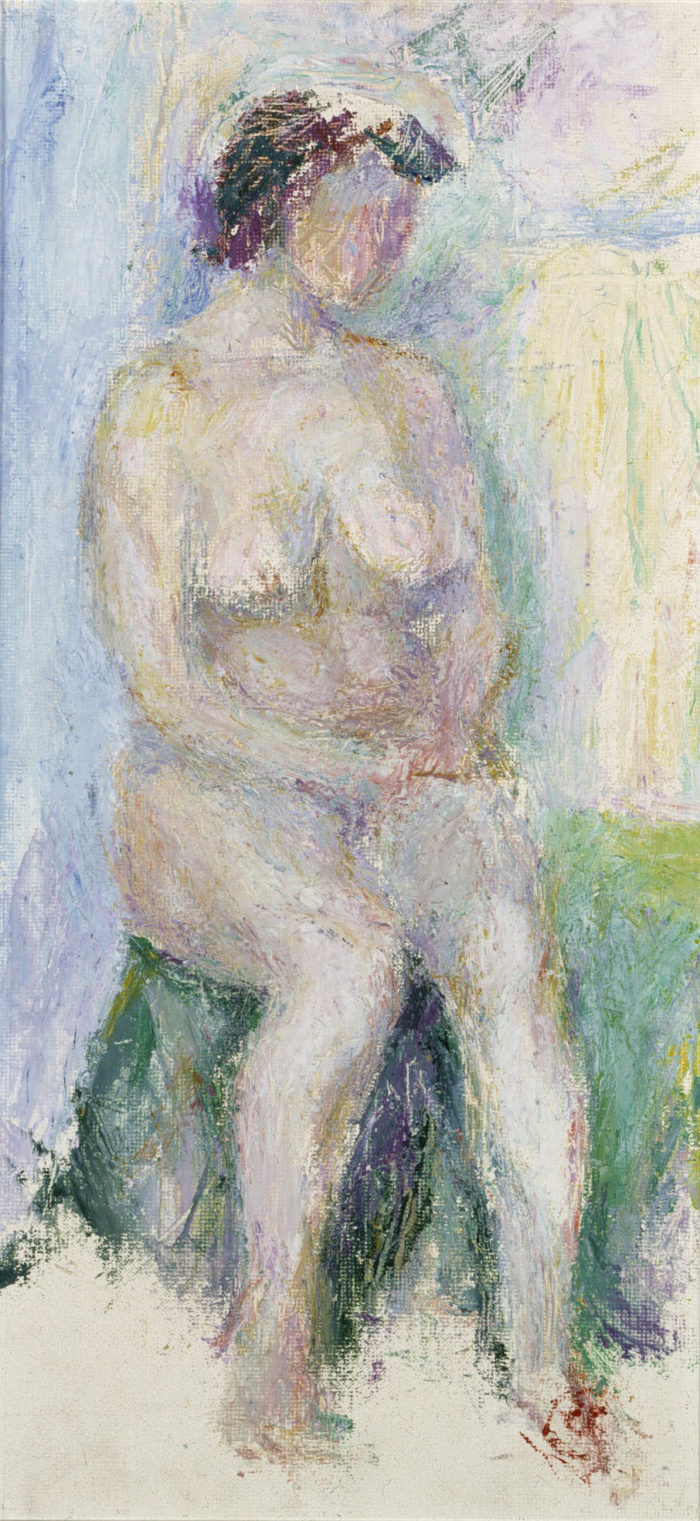
The show features Schjerfbeck’s intricate self-portraits, Thesleff’s imaginative woodcuts, Schauman’s lavish landscapes and Sesemann’s introspective expressionist portraits. Part of Finland’s celebration of 100 years of independence, the exhibition started in New York in the autumn of 2017, then reappeared at Millesgården in Stockholm under a new name, The Modern Woman, during the winter of 2017–18. From October 19, 2018 to January 20, 2019, many of the same paintings are on display at Ateneum in Helsinki as part of a larger exhibition entitled Urban Encounters.

Some of the works reflected the growing pains involved in the creation of a new independent country, and were occasionally brooding portraits of a nation at war. Thesleff’s Finland’s Spring, completed in 1942, portends the optimism of shaking off winter, but also some of the grim realities during conflict with Russia. Sesemann’s Self-Portrait (1946) depicts the artist without eyes. Throughout the exhibition, a sense of Finnish period realism seldom available to American audiences shines through.

Some struggles via the lens of artists, though, are universal and timeless. “One wants to portray that which is innermost, passion,” Schauman wrote during her career, expressing a goal shared by many of her colleagues.

She continued the thought like this: “And then you become ashamed and cannot because you are a woman.” Some artistic challenges, we hope, are consigned to the past.

Excerpts from the exhibition

By Michael Hunt, June 2017, updated October 2018

Finland’s quirky love for saunas

Traditional saunas have long been a mainstay of Finnish culture. In recent years, a range of unusual steam baths have entered the scene. Now it’s possible to enjoy a sauna in exotic locations ranging from a Ferris wheel to the Helsinki waterfront.

Swimming your worries away

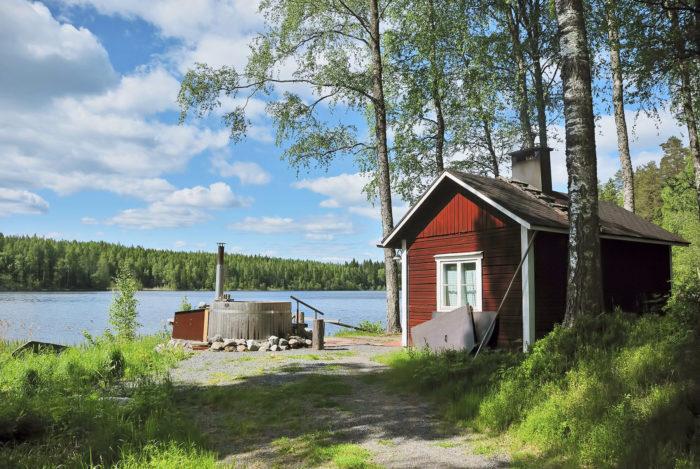
There are a small red wooden cabin and a hot tub among several birch trees. In the background, there is a lake.

If all 5.5 million Finnish citizens went to sauna at the same time, distributed evenly among all the saunas in the country, there would only be one or two people in each sauna. Photo: iStock

Finland is a land of thousands of lakes and millions of saunas, so it is only natural to combine these two elements. The ideal Finnish sauna experience includes a refreshing swim in natural waters, no matter what time of year it is.

Freezing hot

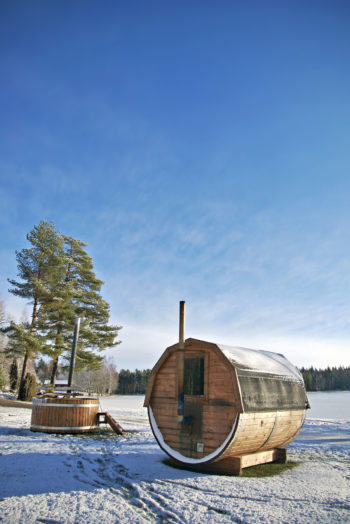
A barrel-shaped sauna building and a hot tub are on the shore of a frozen lake in a snowy landscape.

Winter swimming improves blood circulation, boosts metabolism and lowers blood pressure; if you want to warm up in a sauna afterwards, nobody will blame you. Photo: iStock

Ice swimming is a big part of a Finnish winter bathing experience. While it may sound scary, it is in fact good for you – and nothing could be more refreshing.

Finnish researcher Pirkko Huttunen of the University of Oulu has found that the refreshing effect of winter swimming is good for the body: It improves blood circulation and boosts your metabolism. According to Huttunen’s findings, frequent ice swimming will also lower blood pressure.

Luxury in saunas

Three people in bathrobes are sitting on a wooden bench. Only their legs and slippered feet are visible.

Modern sauna culture has given rise to a whole industry of accessories, from bathrobes to sauna scents. Photo: LuinSpa

Sauna scents, sauna hats, and sauna stove decorations have taken their share of the sauna market. Sauna scents have various options from the scent of smoke to the scent of birch leaves, and sauna hats come in many designs.

Sauna is like a regular part of the Finnish culture, but at the same time it is also considered a luxury. Some brands manufacture towels, bathrobes and other accessories that aim to provide sauna enthusiasts with a spa-like experience.

The business of sauna

A light coloured and well-lit sauna with a round stove in the middle.

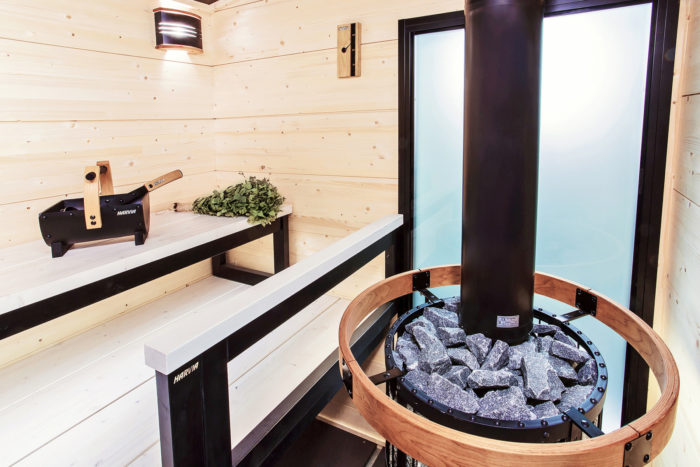
Sauna stoves and the stones that go with them are highly specialised equipment; there are several dozen brands of sauna stove in Finland.Photo: Harvia

There are some 30 commercial sauna stove brands in Finland, and that is totally normal for a sauna-crazy country. According to the executive director of the Sauna from Finland network, Carita Harju, the sauna-loving Finns are sauna-stove connoisseurs.

“There are so many different kinds of saunas in Finland that many types of sauna stoves are necessary,” Harju says.

The biggest sauna stove brands in Finland are Harvia and Helo; approximately 50 percent of their sauna stoves are sold abroad.

Mindful sweat

A person is holding a bouquet of leafy birch branches in front of a building made of logs.

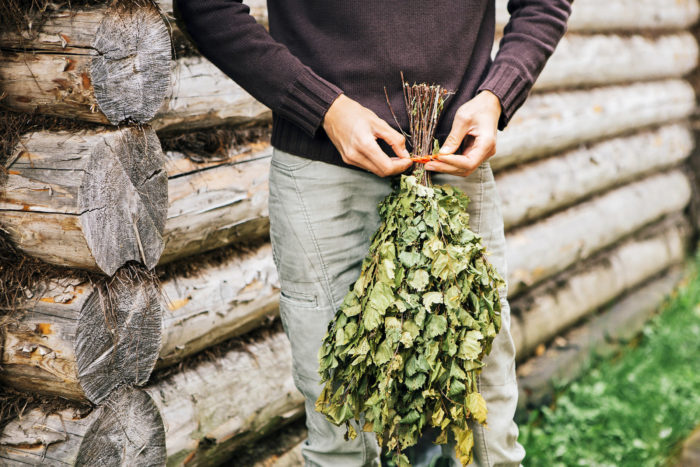
A tied bouquet of leafy birch branches can be used in the sauna to increase circulation at the skin level. Photo: iStock

In Finnish culture, sauna has always been thought of as a place that keeps people healthy. There is even a proverb that says, “If liquor, tar and sauna don’t help, then the illness is fatal.”

Nowadays it is demonstrably true that sauna can actually heal people, or at least help keep them healthier.

The medical journal JAMA Internal Medicine has published research from the University of Eastern Finland showing the health benefits of sauna. According to the research, frequent sauna bathing reduces risks of cardiac arrest.

Helsinki’s trendiest seaside sauna

There is a crowd of people on the terrace of an angular modern wooden building beside the sea in front of several industrial buildings.

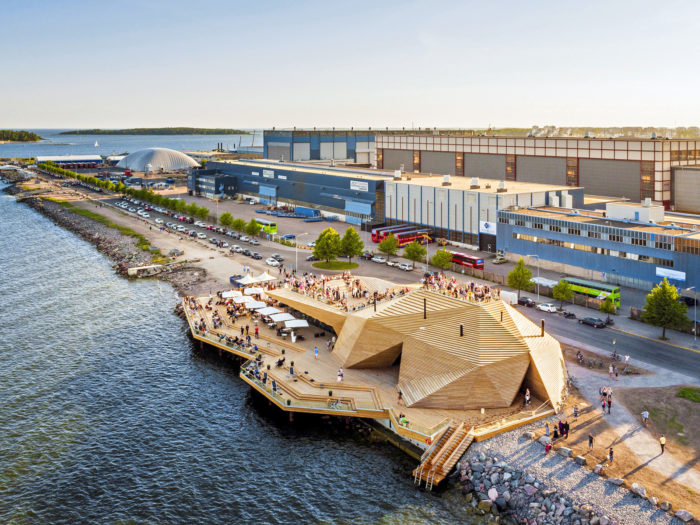
Löyly may be the only sauna in Finland that requires customers to wear bathing suits; the opposite is usually true. Photo: Kuvio.com

Löyly is a monument to the development of modern saunas. An impressive building located on a beautiful stretch of Helsinki waterfront, it is a rectangular, sculptural structure made of heat-treated pine. The elongated wooden shape forms terraces where people can sit and relax. The building consists of two parts: public saunas and a restaurant. The word löyly is the Finnish name for the steam that rises from the stones on top of the sauna stove.

Traditionally men and women bathe separately, but the owners and architects of Löyly wanted the sauna be a place where people can spend time with their friends, regardless of gender. So, in an unusual policy for a Finnish sauna, bathing suits are required at Löyly.

Anu Puustinen and Ville Hara of Avanto Architects, believe that in the future there will be more unisex saunas. They say that Finnish saunas will become more interesting and gain more global popularity, and will be regarded for their curative properties as well as a luxurious place of cleansing. Puustinen and Hara believe that there will be more Löyly-like public bath houses built in cities, since people see sauna bathing as a social event nowadays.

Finland’s oldest public sauna

A dressing room in an old building, with green benches and shelves along the walls.

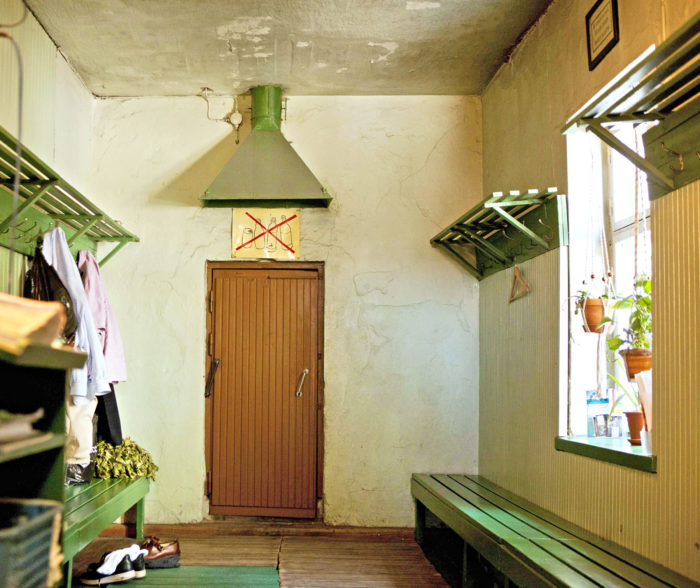
Opened in 1906, Rajaportti is the oldest Finnish public sauna still operating today. Photo: Seppo Saarentola

Rajaportti (Border Gate), the oldest Finnish public sauna still in use, lies in Pispala, in the central Finnish city of Tampere. Its large sauna stove, or kiuas, is equipped with special stones weighing a total of more than 1,000 kilogrammes. It is a challenging task to warm up this sauna, as it must be heated with one-metre logs.

Though the heating process takes time, the steam stones are so large that once they are heated up they stay hot for the whole day.

In Finnish culture, the sauna is a place to rest and cleanse mind and body. Mobile phones must be turned off; it is enough to listen to the calming hiss of water becoming steam as it hits the stones.

Sauna with a moving view

A gondola ski lift is hanging from a cable above a snowy landscape.

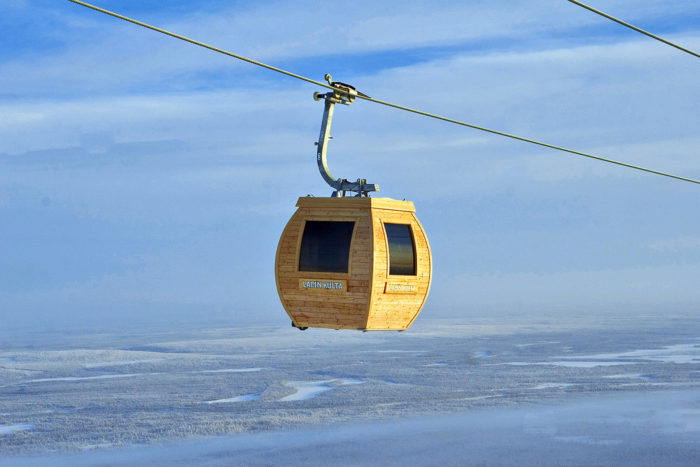
At the northern Finnish ski resort of Ylläs, you can have a sauna in a gondola lift. Photo: Sport Resort Ylläs

There are always new, exotic saunas popping up as the sauna culture evolves.

In Finnish Lapland, at a ski resort called Ylläs, you can steam your muscles in the Sauna Gondola after skiing. There’s room for four people.

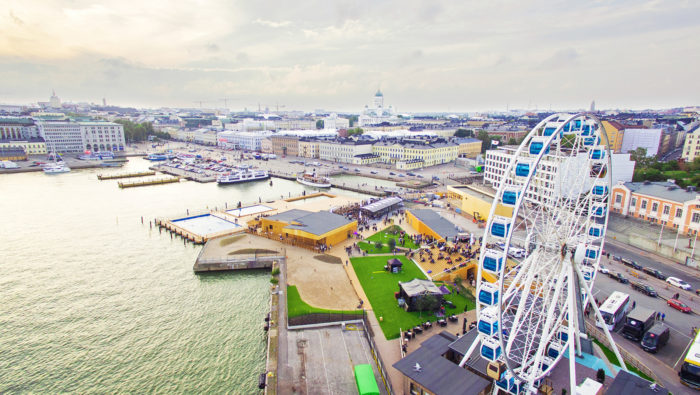
In Helsinki you’ll find a sauna 40 metres off the ground with a marvelous sea view – on a Ferris wheel. Sky Sauna’s unique sauna cabin fits five people, and is probably the hottest way to enjoy a view of Helsinki. The sauna experience is augmented with a hot tub, located safely on the ground. You can enjoy the sauna in the air and then come down and continue to relax in the hot tub.

An aerial photo of Helsinki market square and harbor shows a pier with swimming pools and a white and blue Ferris wheel.

A Ferris wheel with a sauna cabin turns next to the Allas Sea Pool complex on South Harbour in Helsinki.Photo: Tommi Haapaniemi/Allas Sea Pool

Close to the Ferris wheel is another relative newcomer, Allas Sea Pool. The unique complex brings together ocean swimming pools, urban culture and of course saunas.

As with most sizable cities, Helsinki has its own Burger King, but with a twist: there is a sauna in this one. The sauna is located downstairs from the restaurant, and can accommodate 15 burger- and sauna-loving people.

By Anni Saastamoinen, ThisisFINLAND Magazine

HIM @ HAM: Photo farewell in Finland

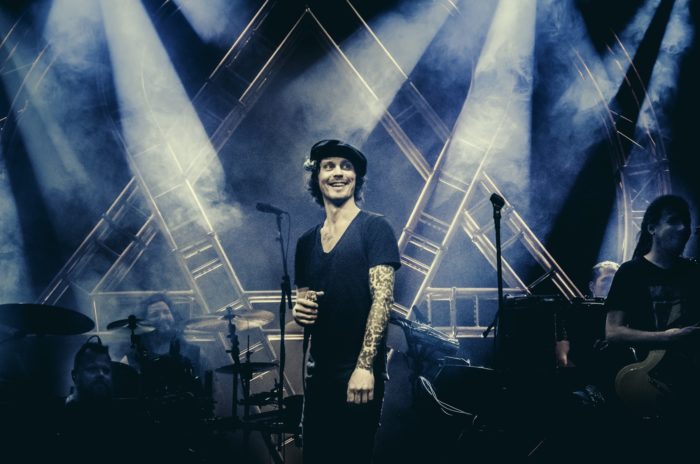
Led by the illustrious Ville Valo, HIM has been around for 26 years. Their farewell tour gets started in summer 2017 and includes a date at Helsinki’s famed heavy metal bash, Tuska Festival.
In honour of their victory lap, photographer Ville Juurikkala, also a mainstay on the music scene, has an exhibition at HAM of brand new pictures of HIM. He’s been documenting the band for more than a decade. Nearby Tiketti Gallery is also getting in on the action, displaying his older photos of HIM and other Finnish metal musicians.

“I have worked with many international artists, including the likes of Slash of Guns N’ Roses and Steven Tyler of Aerosmith,” says Juurikkala in a statement that was created to be repeated, “but even those with much bigger sales are, in my opinion, nowhere near as charismatic as HIM.”

Valo returns the favour – kind of. He says that Juurikkala is “good, gentle and crude.”

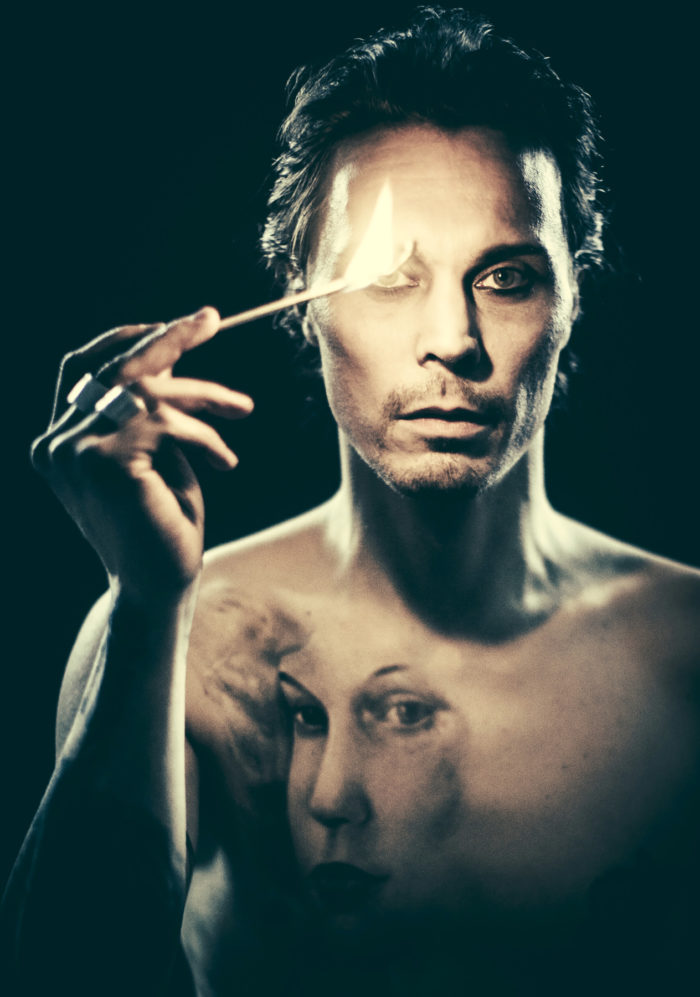
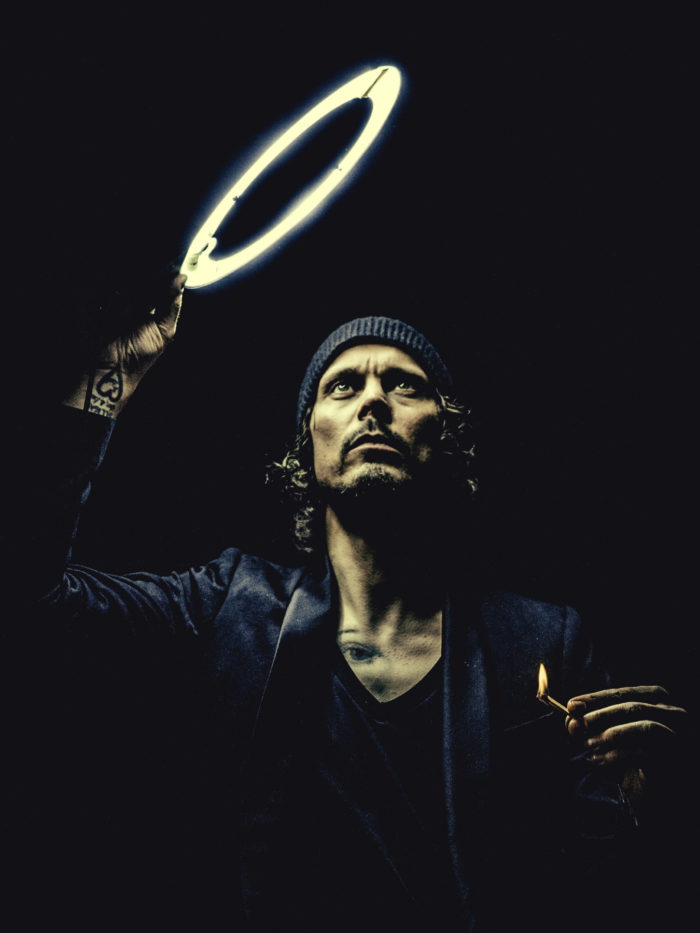
Ville Valo and HIM in four photos

By ThisisFINLAND staff, June 2017
Jubilee park protects Finnish treasures

Just opposite Hossa National Park’s spruced up visitor centre, inviting paths lead through spacious pinewoods towards a placid lake fringed by colourful marsh plants. This delightful 3.5-kilometre (2.2-mile) nature trail is one of Hossa’s must-sees, according to environmental educator Riitta Nykänen of Parks and Wildlife Finland, who helped to plan the new national park, located in Eastern Finland about 80 kilometres (50 miles) south of Kuusamo.

“Hossa’s landscapes – including unspoilt forests, and pristine lakes and sandy ridges unchanged since the Ice Age – are somehow quintessentially Finnish, so it’s an excellent choice for a park celebrating our country’s independence,” says Nykänen.

“There are also historic reasons for the choice, as nearby Suomussalmi was the hometown of Finland’s first president, K.J. Ståhlberg, and an early declaration calling for our independence was signed there. Then during the Second World War fierce battles were fought here in our borderland forests to preserve our independence,” she adds.

Mysterious figures from the distant past

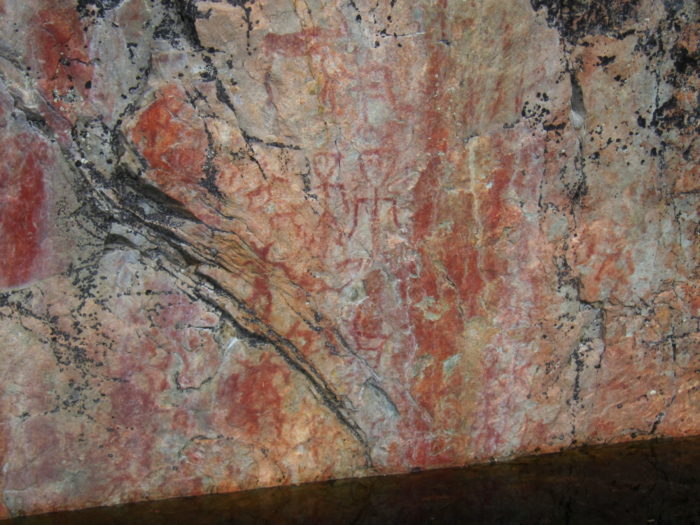
The awe-inspiring ancient rock paintings at Värikallio contain intriguing images of human figures and animals created by early Finnish artists 4,000 to 5,000 years ago. Photo: Fran Weaver

Another Hossa highlight is an awe-inspiring set of ancient rock paintings still visible on lakeside cliffs at Värikallio, even though they were painted 4,000 to 5,000 years ago. The paintings include matchstick people, demonic horned figures, recognisable animals, and two striking human-like figures with large triangular heads, who also feature in the national park’s logo.

A new walkway built over the lake at Värikallio gives visitors great views of the paintings.  Experts think they may relate to hunting rituals or shamanistic ceremonies, but no one can know for sure, so it’s tantalising to imagine what their Stone Age Finnish artists may have been thinking.

Not far from Värikallio lies Julma Ölkky, a long narrow lake overlooked by spectacular rugged cliffs. Keen hikers can trek up one side of the lake and back down the other, thanks to a new hanging footbridge, but the best views of the canyon are from the water. Visitors can join guided canoeing excursions, or hop on scenic boat trips that regularly depart from the southern end of the canyon lake during the summer.

Wild settings for adventures and relaxation

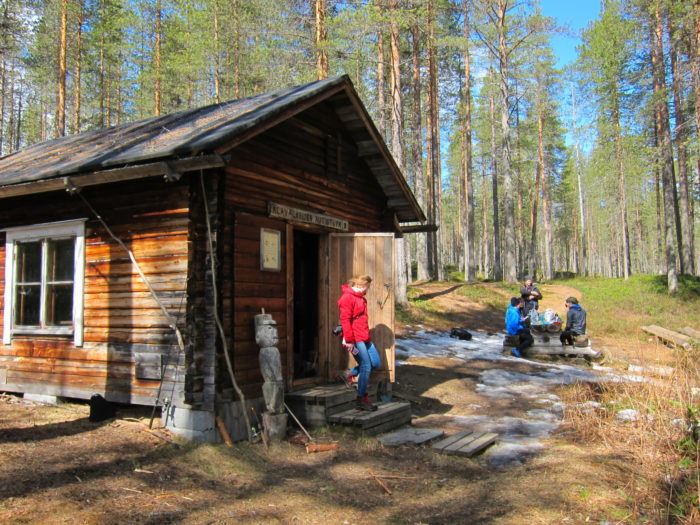
Free facilities including campfire sites, shelters and open wilderness huts have been improved as part of Hossa’s upgrade from a hiking area to Finland’s newest national park.Photo: Fran Weaver

Nykänen emphasises the natural diversity of Hossa’s wildlife. “Hossa’s crystal clear streams and lakes are unusually rich in oxygen, since they’re largely spring-fed. This means they’re rich in small aquatic creatures, and consequently also fish and water birds like dippers and divers,” she explains. Hossa is also home to woodland birds including hawks, owls and woodpeckers, as well as otters, lynx and occasional roving bears and wolves.

Hossa’s conversion from a hiking area into a national park has already increased visitor numbers. Local firms are keenly gearing up to provide more services for visitors with different interests. The small family firm Hossan Lumo, run by local girl Maija Daly and her Irish husband Lenny Daly, rents out equipment including fat tyre mountain bikes, kayaks and stand-up paddle boards, as well as cosy lakeside cabin accommodation.

Fun on the water

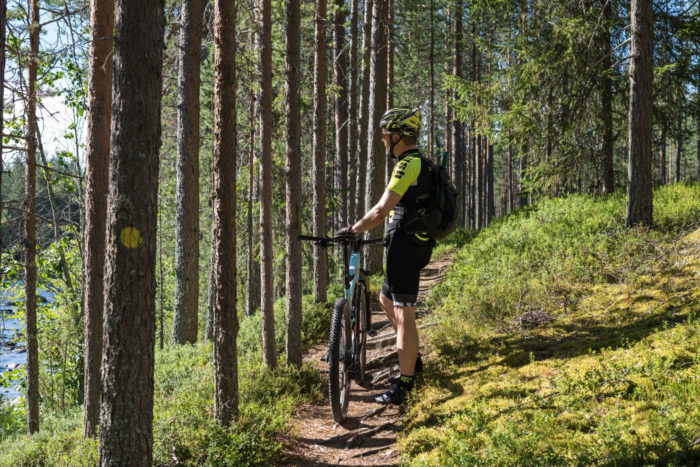
Four new mountain biking routes run through Hossa’s unspoilt forests, offering fine views of the national park’s many lakes. Photo: Sini Salmirinne / Metsähallitus

“Hossa’s clear blue lakes are great for paddling, and there’s been an international boom in SUP-boarding which is now catching on in Finland,” says Lenny Daly.

Daly feels that the trails along Hossa’s sandy ridges are likewise ideal for mountain biking. “Other enjoyable activities available locally include overnight bear-watching trips, guided war history tours, and winter husky safaris, and even yoga and pilates on SUP-boards,” he adds.

Reindeer herding is still an important local livelihood here. At Hossa Reindeer Park, on a working farm, visitors can meet, greet and even eat reindeer. And rest assured that if you spot a large animal between the trees out in the park, it’s much more likely to be a shy reindeer than a wolf or a bear.

By Fran Weaver, June 2017
Folk meets baroque

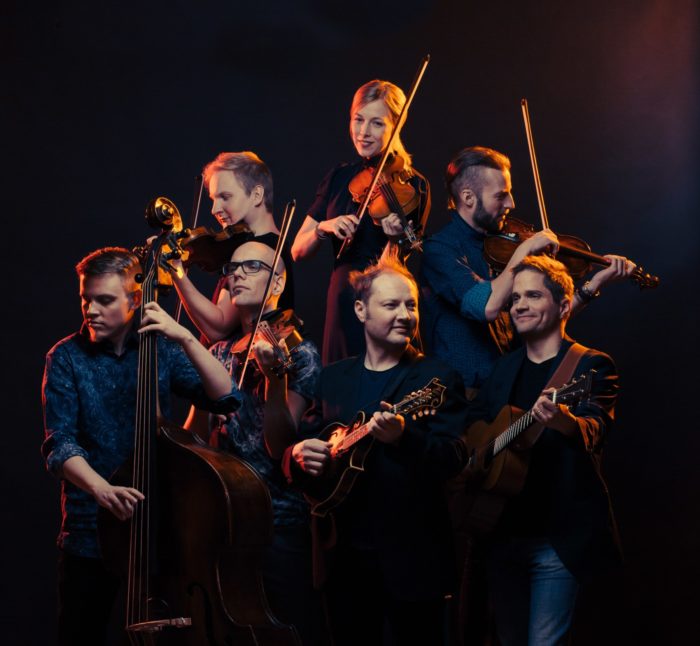
Kreeta-Maria Kentala, a Finnish pioneer in early classical music, was born in Kaustinen, the hotbed of Finland’s pelimanni (spelman) folk music tradition. The two musical languages, classical violin and folk fiddling, have in recent years carried on a lively dialogue in her music.

“People reacted very enthusiastically right away, from the first concerts,” she says. “After all Kaustinen music really has a spellbinding power, which doesn’t pale even alongside the world’s most spellbinding music, which really gets under your skin – that is, Bach! And the outcome of combining these also feels like more than the sum of their parts.”

Many in Finland now use the term ‘folk-baroque’ to describe the meeting of these two worlds. Kentala spread the term in Finland by using it as the title of her 2005 album. She’s amused that the term has since then become established here.

“Why not, I think it’s a good rhyming name! Sometime people ask funny questions like, so how do you play this folk-baroque? I don’t actually play that, but rather folk and baroque.”