Regenerative tourism aims to have a positive impact on the destinations where it operates. Would you be willing to spend part of your holiday volunteering? For Tiina Polo, the answer is an obvious yes.
“In our family, we like to be active anyway,” says Polo. “Protecting nature while getting physical exercise at the same time seemed like a splendid combination.”
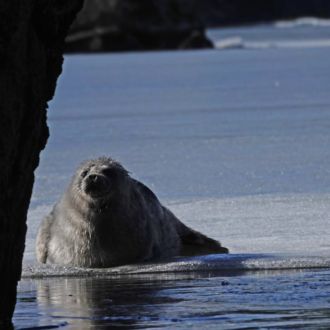
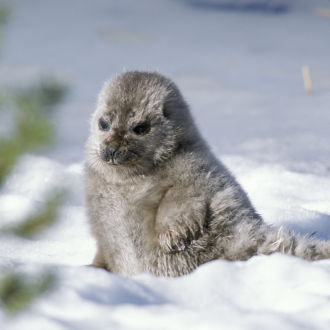
In February 2025, Polo and her family joined a small group on the shores of Lake Saimaa to build artificial snowdrifts. Their aim: to help the Saimaa ringed seal, an endangered species found only in Finland.
The seals rely on deep snowbanks to dig out their breeding lairs. During mild winters, natural snow cover may be insufficient, and seal pups can perish as a result.
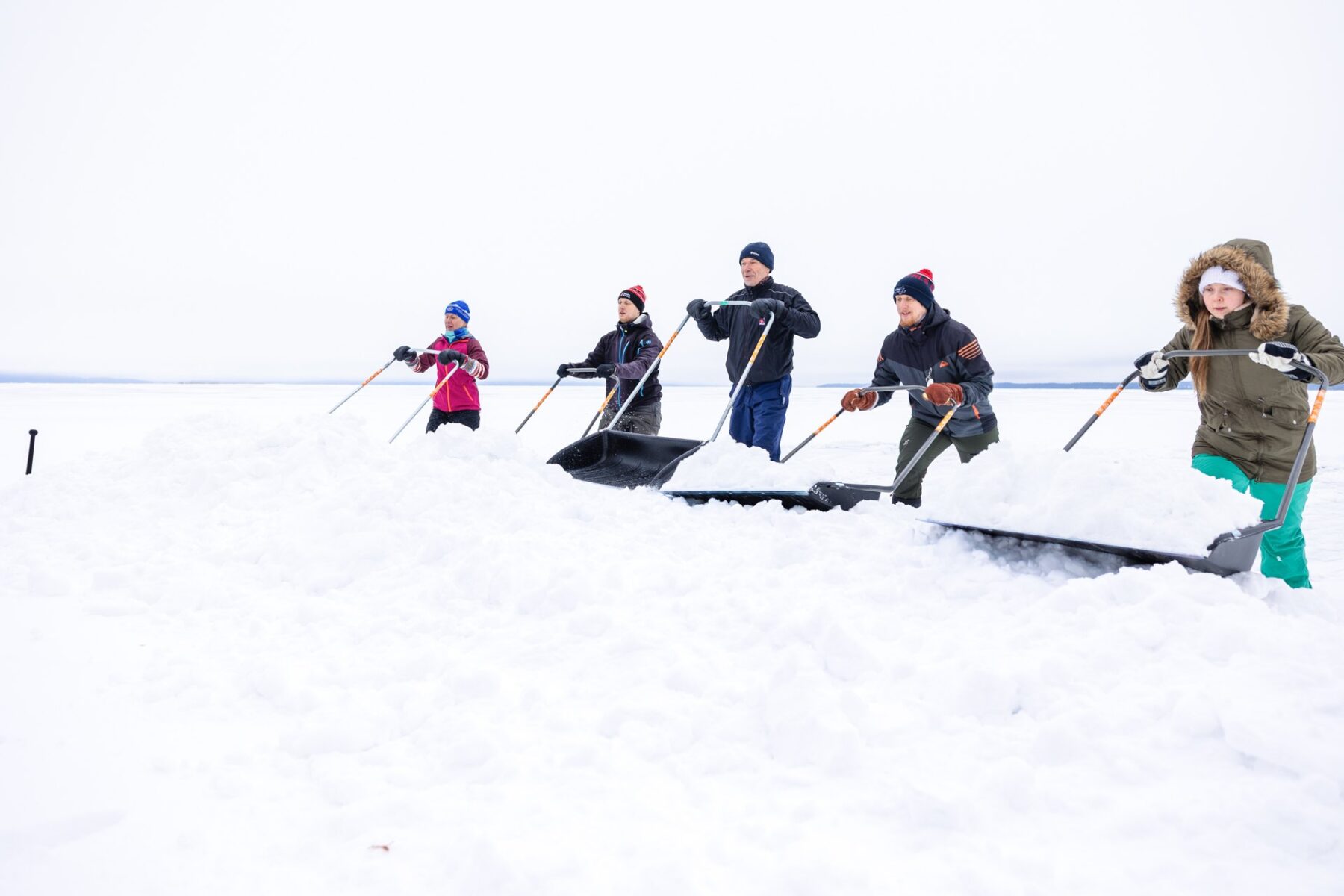
As part of their holiday, volunteers help pile up artificial snowdrifts where Saimaa ringed seals can dig breeding lairs.Photo: Jarno Artika/Karelia Cottages
Volunteers use shovels to pile snow into drifts at carefully chosen spots. In recent years, these efforts have helped dozens of pups survive winters with little natural snow.
How it’s done: Watch volunteers make a snowdrift for Saimaa ringed seals.Video: Jarno Artika/Karelia Cottages
Building on these efforts, Karelia Cottages, a small family enterprise in eastern Finland, has explored turning this important work into a travel experience that can make a tangible difference. Their idea is to offer seal-themed winter weekends where guests can actively participate in creating the snowdrifts and learn about the seals’ delicate ecosystem.
In 2025, challenging weather conditions allowed only one of three planned weekends to go ahead – the one that Polo and her family attended. Katri Vuorjoki, managing director of Karelia Cottages, says that she intends to continue offering the seal weekends in the coming years.
From sustainability to regeneration
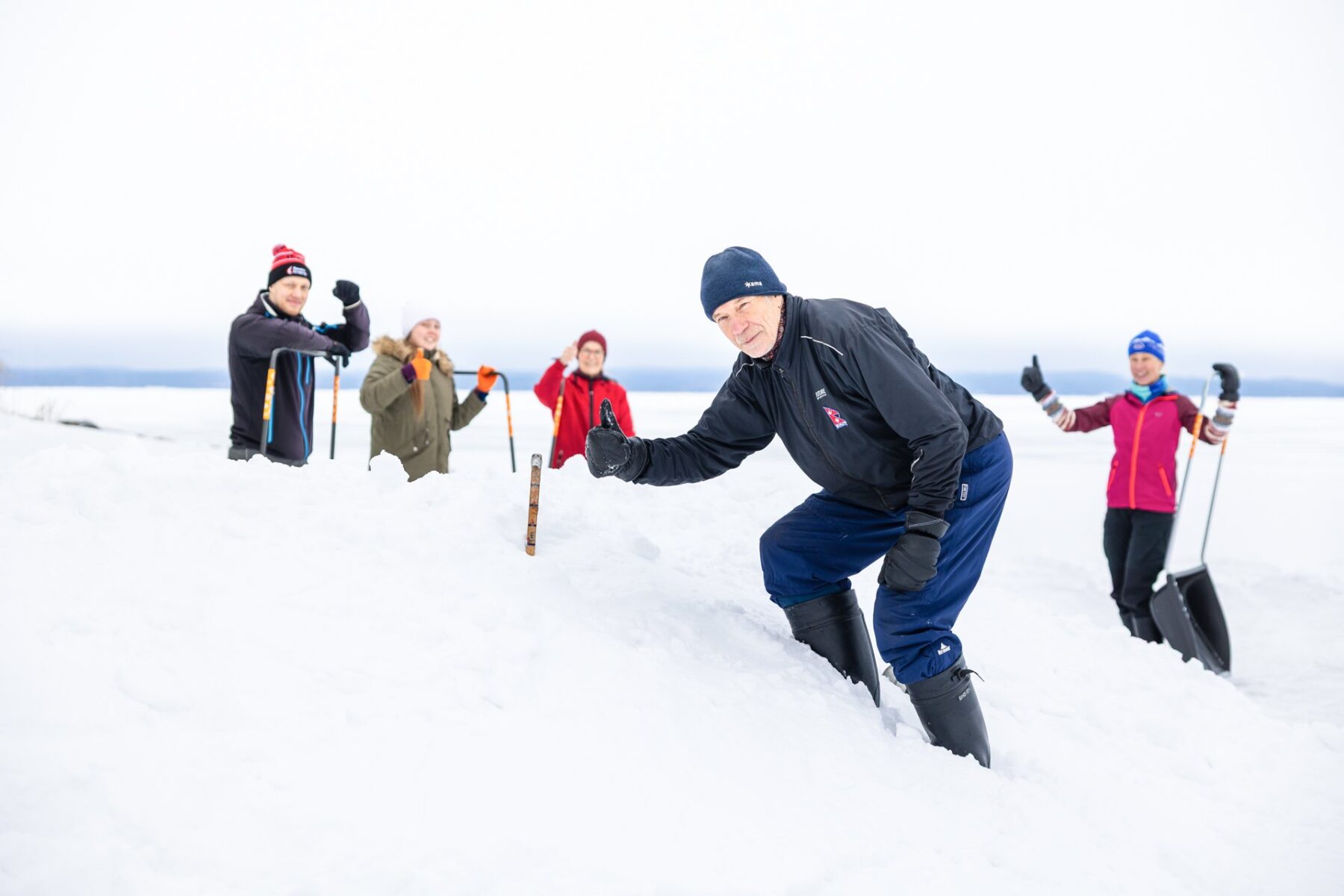
After a lot of hard work, the snowbank reaches a viable level on the measuring stick.Photo: Jarno Artika/Karelia Cottages
The seal weekends are just one example of the growing travel-industry trend known as regenerative tourism.
Whereas sustainable tourism focuses on minimising harm, regenerative tourism expressly aims to have a positive impact on the travel destination’s people, societies, cultures and ecosystems. Although definitions vary, it often involves tourists in hands-on activities – planting trees, removing invasive species or helping the local community in someway.
Similar trends are gaining ground in other countries as well, from reef restoration in Indonesia to rewilding holidays in Scotland.
“The travel industry in Finland has faced many challenges, and regenerative tourism could offer some new opportunities,” says Elli Vento, a postdoctoral researcher at the University of Eastern Finland.
She is part of a project coordinated by the Natural Resources Institute Finland, which aims to promote regenerative tourism by building networks and developing new thematic tourism experiences.
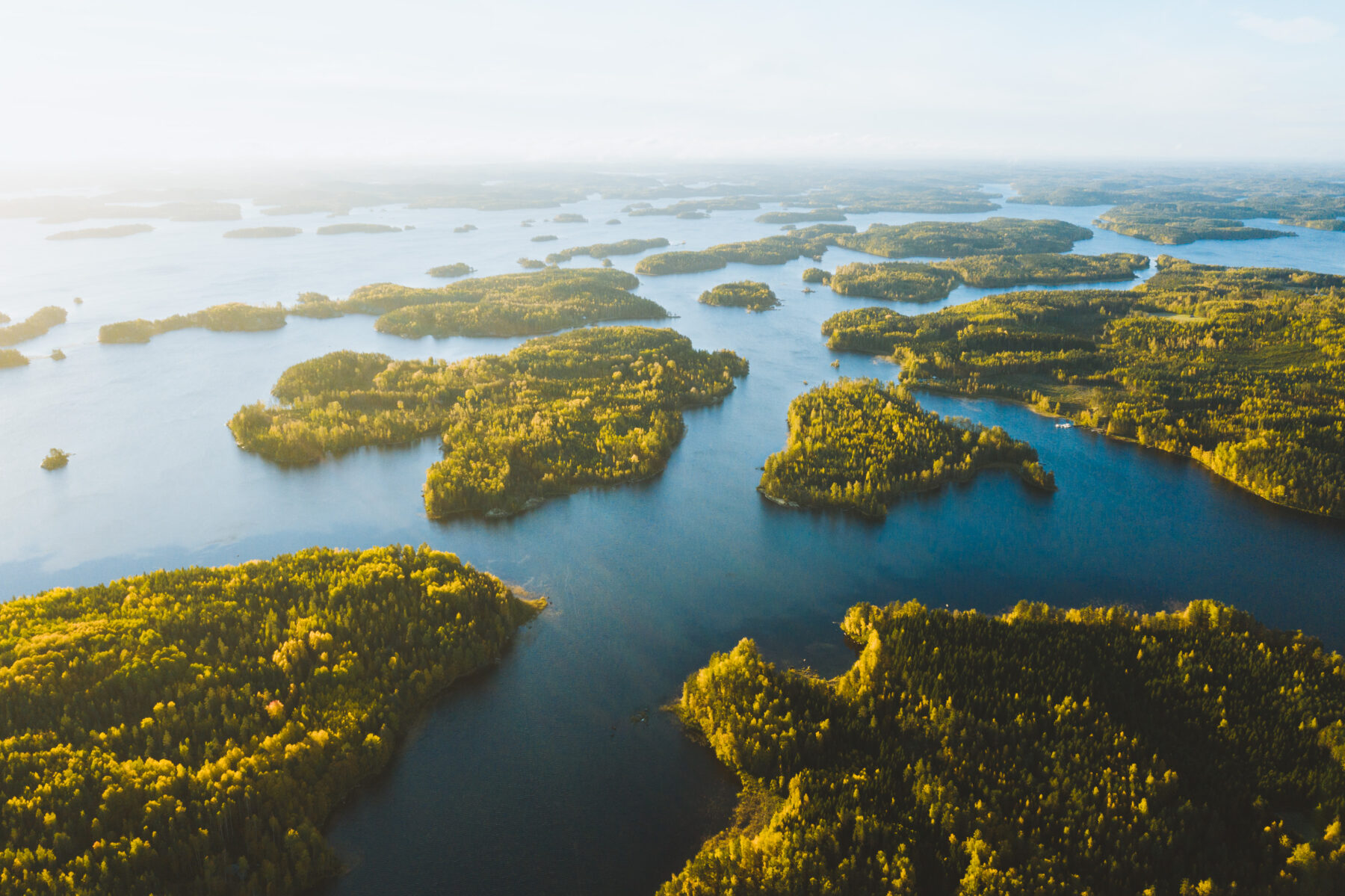
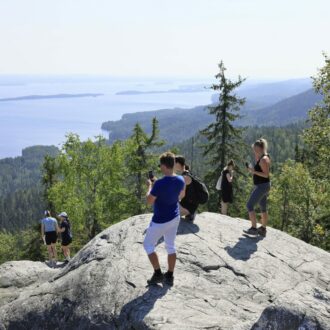
Saimaa, Finland’s largest lake, with a water surface area of 4,400 square kilometres (1,700 square miles), is a vast array of islands and inlets in eastern Finland.Photo: Jarno Artika/Karelia Cottages
Since Finland’s unspoiled environment is a major draw for visitors, Vento sees the largest regenerative tourism potential in nature-based experiences, which may also include elements related to local heritage. She points to the popular Shepherd for a Week holidays, as well as a “cow camp” offered by a farm in eastern Finland, as existing examples.
Vento says that regenerative tourism probably won’t appeal to mass-market travellers. However, it could still resonate with people who seek a different kind of meaningful experience. The key lies in designing the right kinds of travel products and connecting with potential customers.
Ideas for every season
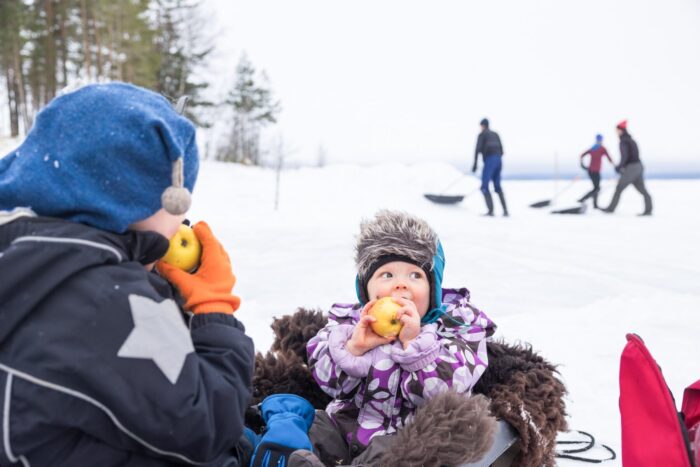
There’s time to enjoy a picnic while out on the lake.Photo: Jarno Artika/Karelia Cottages
Karelia Cottages is thinking beyond winter. While seal weekends may be limited to a few weeks in midwinter, the company is developing new activities in the same spirit for other times of year.
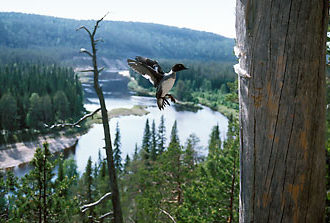
“We’re currently in the process of creating a map of nearby birdhouses,” says Vuorjoki. “Our visitors can then go around and clean the birdhouses before the migratory birds arrive. They can also build new birdhouses and hang them in trees along a nature trail.”
Tourism that restores and regenerates allows travellers to become stewards, not just spectators.
By Juha Mäkinen, February 2026