The jazz centenary dates back symbolically to the arrival of American musicians in Helsinki aboard a ship in June 1926.
Yet the tradition stretches back even further in the southeastern port city of Kotka, where accordionist Johan Homan played ragtime and jazz five years earlier after a stint in the US.
The sailors’ pubs of Kotka were still a hotbed of jazz in the early ’60s, when saxophone legend Eero Koivistoinen started out there – though most bands also played pop to earn a living.
“Foreign sailors would go to the clubs or bars to hear jazz,” recalls Koivistoinen. “Some of the bands used to play jazz for the first hour before switching to dance music. When I was too young to get in, I’d listen from outside.”
Staying young
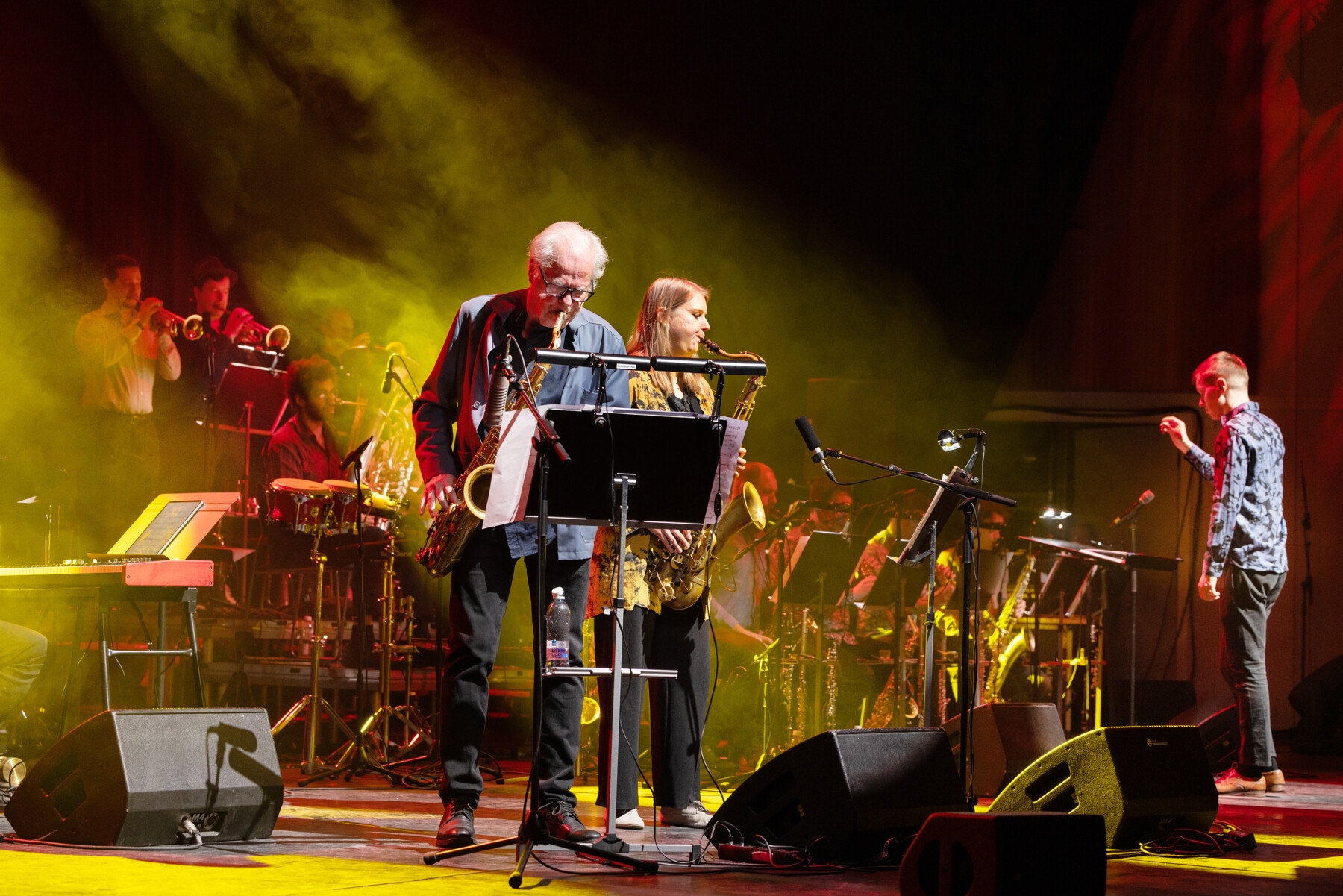
Eero Koivistoinen (left) and Adele Sauros played a concert with Sointi Jazz Orchestra Oulu in honour of the 100th anniversary of jazz’s start in Finland.Photo: Maarit Kytöharju
“Finland is widely recognised as a powerhouse of classical music, but our jazz hasn’t yet achieved a similarly distinctive international profile,” says Maria Silvennoinen, head of the Finnish Jazz Federation. “This year, we’re celebrating its 100th anniversary, showcasing the exceptionally high quality, diversity and international calibre of contemporary Finnish jazz.”
Koivistoinen got into jazz thanks to his brother, who was a sailor. “He brought back jazz records from overseas in the late ’50s, so I was introduced to Dave Brubeck, Billie Holiday and Lester Young,” he says.
He started playing sax at age 16, going on to study in Helsinki and Boston. He recorded as a bandleader in 1967 at age 21 with legendary drummer Edward Vesala, later recording two albums in New York with American stars such as John Scofield and Jack DeJohnette. In 2023, he teamed up with British keyboardist Greg Foat for the acclaimed album Feathers.
“Finnish jazz really started to develop in the late ’60s and early ’70s, when people started to compose original music rather than just playing standards,” Koivistoinen says. “Later on, there’s been even more distinctive Finnish jazz, mixing with folk, rock and indigenous Sámi music.” He has just been rehearsing with a student ensemble at the Sibelius Academy in Helsinki.
“I like playing with these young musicians. I get energy from them, so it goes both ways. It keeps you young, because they’re hungry! It’s good that there are more younger people in the audiences nowadays, too.”
Musical milestones
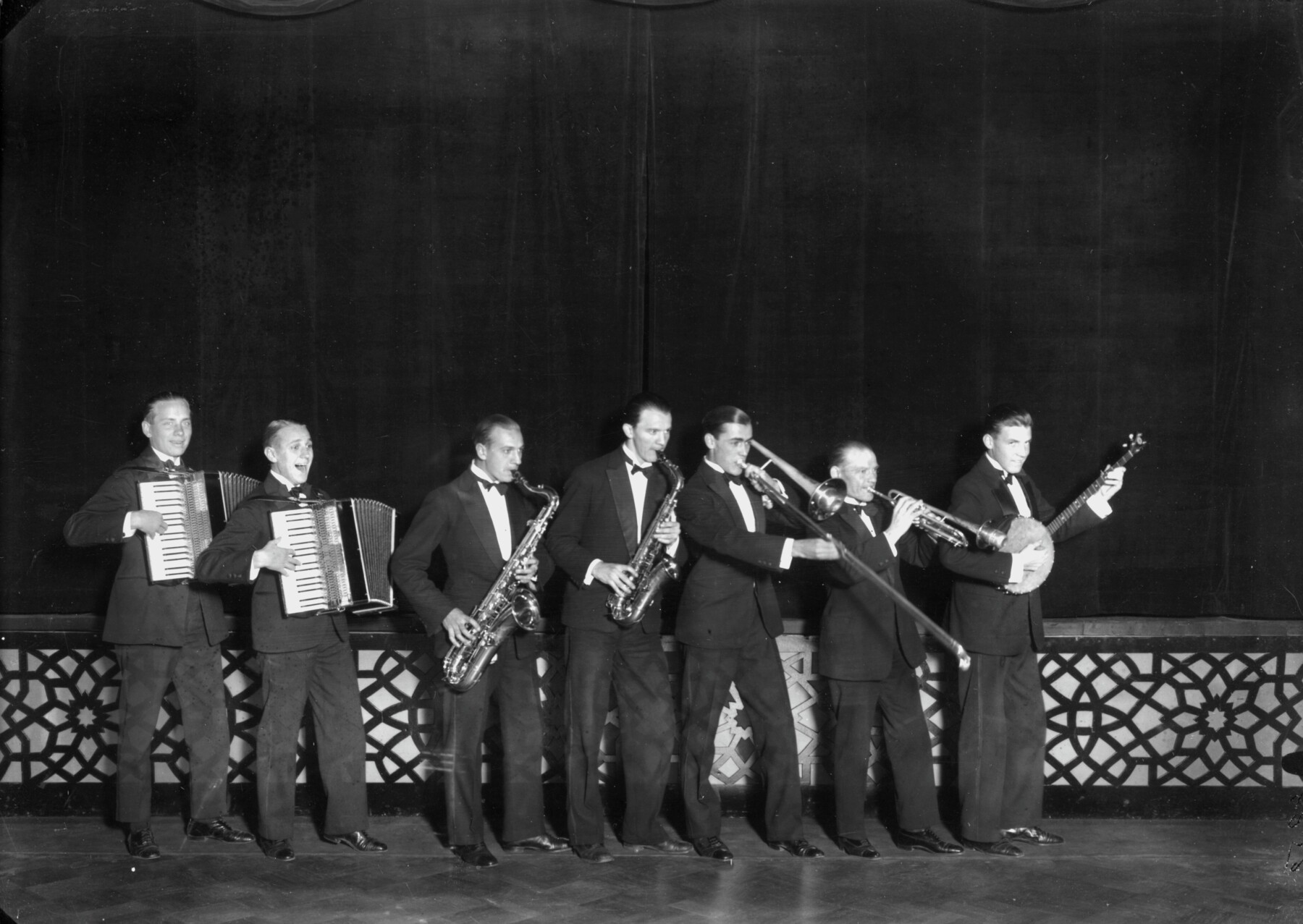
Saxophonist Wilfred “Tommy” Tuomikoski (fourth from left) was one of three musicians who stayed in Finland after arriving on the Andania in 1926. Here he’s playing with Fennia’s Embassy Band at the restaurant Fennia in the late 1920s.Photo: Rafael Roos / Helsinki City Museum
In autumn 2026, the ageless saxophonist celebrates his 80th birthday with concerts in Helsinki and Kotka, the latter with the Kymi Sinfonietta.
They’re part of a string of events marking 100 years since the S/S Andania arrived in Helsinki Harbour, carrying Finnish Americans for a visit. The ship’s band played gigs in the city, setting off fireworks among the local musicians and fans. Saxophonist Wilfred “Tommy” Tuomikoski stayed for nine years, playing with various bands, starting a school and publishing the first Finnish saxophone handbook.
“Tuomikoski had a big influence,” says Koivistoinen, who coproduced the Jazz Finland 100 historical website. “He was the main guy who brought improvisation to Finland.”
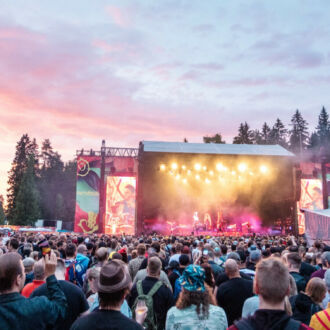
This year also marks other major Finnish jazz milestones. The Pori Jazz Festival, one of Europe’s oldest, marks its 60-year anniversary in July.
Jazz reflects who we are
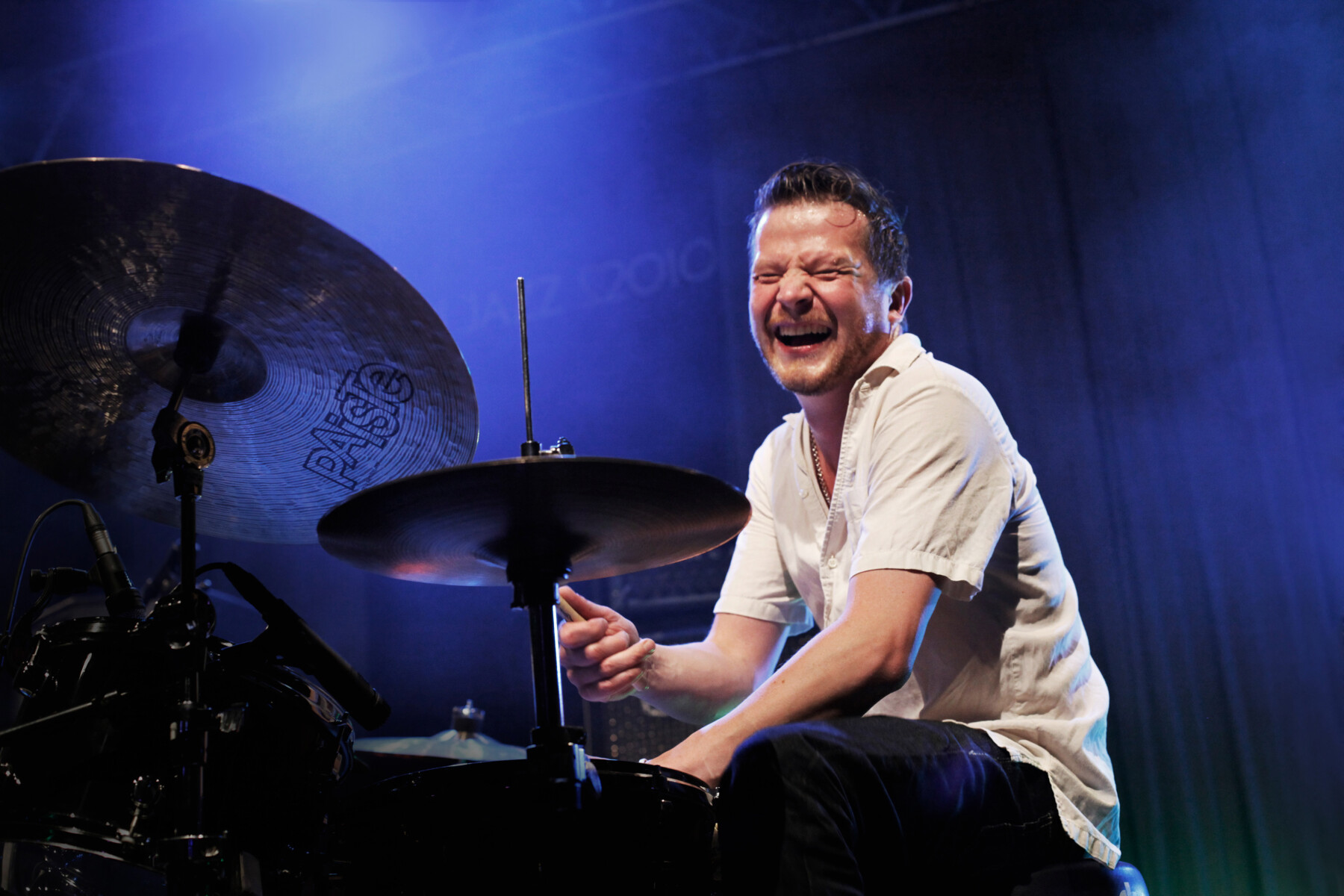
Like many leading jazz musicians, drummer Joonas Riippa is active in a variety of different bands and lineups.Photo: Maarit Kytöharju
Koivistoinen cofounded the UMO Helsinki Jazz Orchestra, which is celebrating its 50th anniversary and just named Finnish Estonian singer and keyboardist Bianca Rantala, 27, as its new composer-in-residence. She’s taking part in various concerts honouring these shared anniversaries, including Koivistoinen’s birthday festivities.
Rantala sees unique aspects in Finnish jazz – and in its listeners.
“There are often more layers on top of virtuosity, this beautiful and exciting sisu and melancholy,” she says. Sisu is a uniquely Finnish combination of courage and perseverance. Rantala adds, “Jazz is one of the art forms closest to humanity, because it mirrors who we are. We improvise every day in life, and jazz does exactly the same thing.”
She continues, “Audience-wise, people are genuinely curious. They’re very supportive of new artists, projects and ideas. UMO attracted a record number of concert visitors last year, which shows that interest in jazz is strong.
“Another positive trend is that we’re seeing more diversity and more women in the scene, which is wonderful. I’m really excited about the many young talents with incredible skills and virtuosity, as well as open minds and a strong work ethic.”
Multifaceted scene
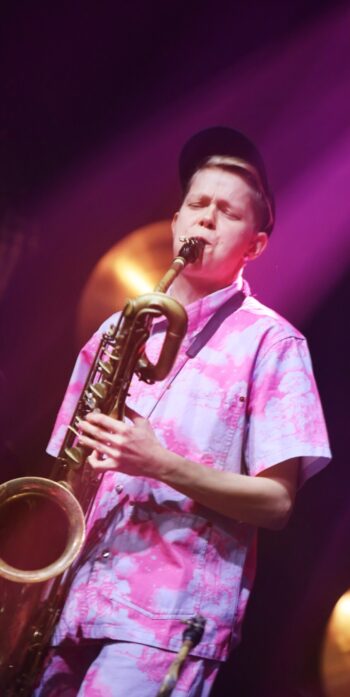
Saxophonist and composer Linda Fredriksson plays at a concert promoting the album Juniper.Photo: Maarit Kytöharju
Silvennoinen agrees with Rantala. “Finnish jazz has become increasingly multifaceted,” she says. “Younger musicians are more strongly oriented towards markets and studies abroad, building collaborations from the start.”
At home, Silvennoinen says, “the structures supporting Finnish jazz remain relatively fragile, but new organisations and promoters have set up year-round programmes in various regions, which help to make jazz more accessible. It’s also being presented in nontraditional settings, introducing it to broader audiences.”
Celebrating a century of jazz in Finland
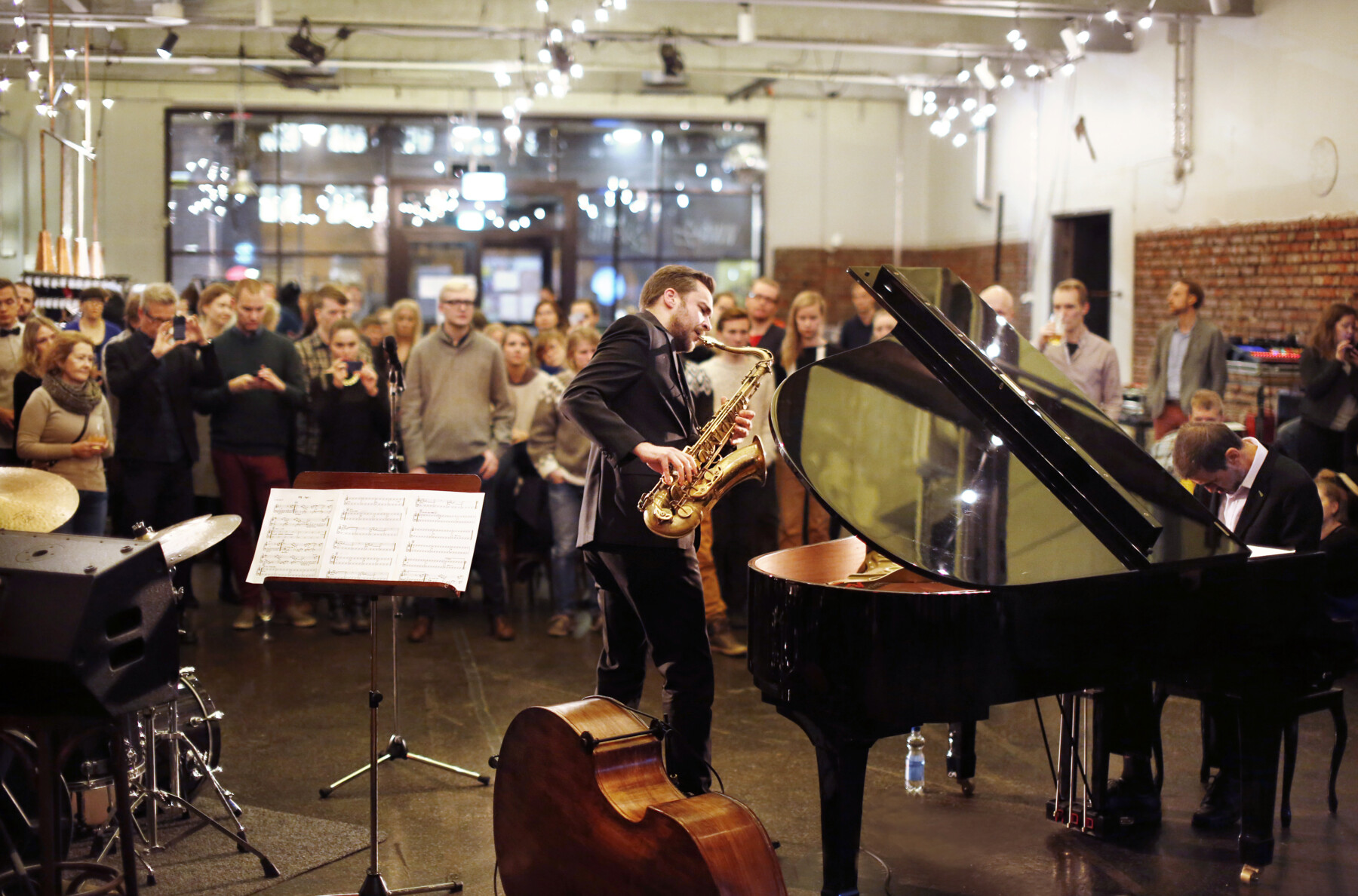
Saxophonist Timo Lassy and pianist Giorgos Kontrafouris are shown playing a gig at the We Jazz Festival, which has since been renamed Väreet.Photo: Maarit Kytöharju
Jazz events in 2026 include singer Aili Ikonen’s concert at President Alexander Stubb’s summer residence, an exhibition at the Satakunta Museum in Pori (the west-coast city that is home to the Pori Jazz Festival) and a historical walking tour in Helsinki during the free outdoor Jazz-Espa Festival. Meanwhile, Finnish cinemas such as Gilda and Kino Regina are showing jazz films.
The northern city of Oulu, European Capital of Culture in 2026, joins the party with Elojazz, featuring Ikonen as artist director alongside Finnish and American heavy-hitters.
Helsinki’s Flow Festival spotlights Eero Koivistoinen, 90-year-old flautist Juhani Aaltonen, drummer Teppo Mäkynen, saxophonist Linda Fredriksson and others. Later in August, Viapori Jazz, held on the island fortress of Suomenlinna outside Helsinki, stars Koivistoinen, bassist Kaisa Mäensivu, trumpeter Verneri Pohjola and saxophonist Timo Lassy.
In the autumn, Mäkynen leads a national tour aimed at families, mixing jazz history with the latest hybrid hip-hop and electronic sounds, featuring Koivistoinen, Mäensivu and others. The Flame Jazz Cruise recreates the Andania shipboard band, steaming ahead a century later. Väreet (formerly the We Jazz Festival) takes place in Helsinki from December 2 to 5.
By Wif Stenger, June 2026