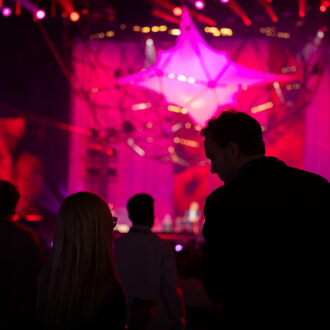
Ilari Karinen recently stumbled across an intriguing post on Threads: “I want to go to a rave. Where can an auntie-type person rave and still be in bed by midnight at the latest?”
The comments mentioned a new network being set up to bring together middle-aged fans of electronic music. Before long, Karinen, 45 at the time of writing, had joined a private Threads group with dozens of others who shared the same idea. Within Helsinki’s thriving scene, they wanted to find a niche especially for middle-aged people who want to dance to electronic music.
Finns often see themselves as somewhat reserved, but Karinen’s experience challenges this stereotype. Just a few weeks after the group was set up, Karinen went raving with members of the Threads group – people he had never met before. That was on May Day, one of the biggest celebrations of the year in Finland.
Since then, Karinen has met up with other group members at a number of electronic music events, festivals and even house parties, for which, in his own words, he had acquired “absolutely massive speakers.”
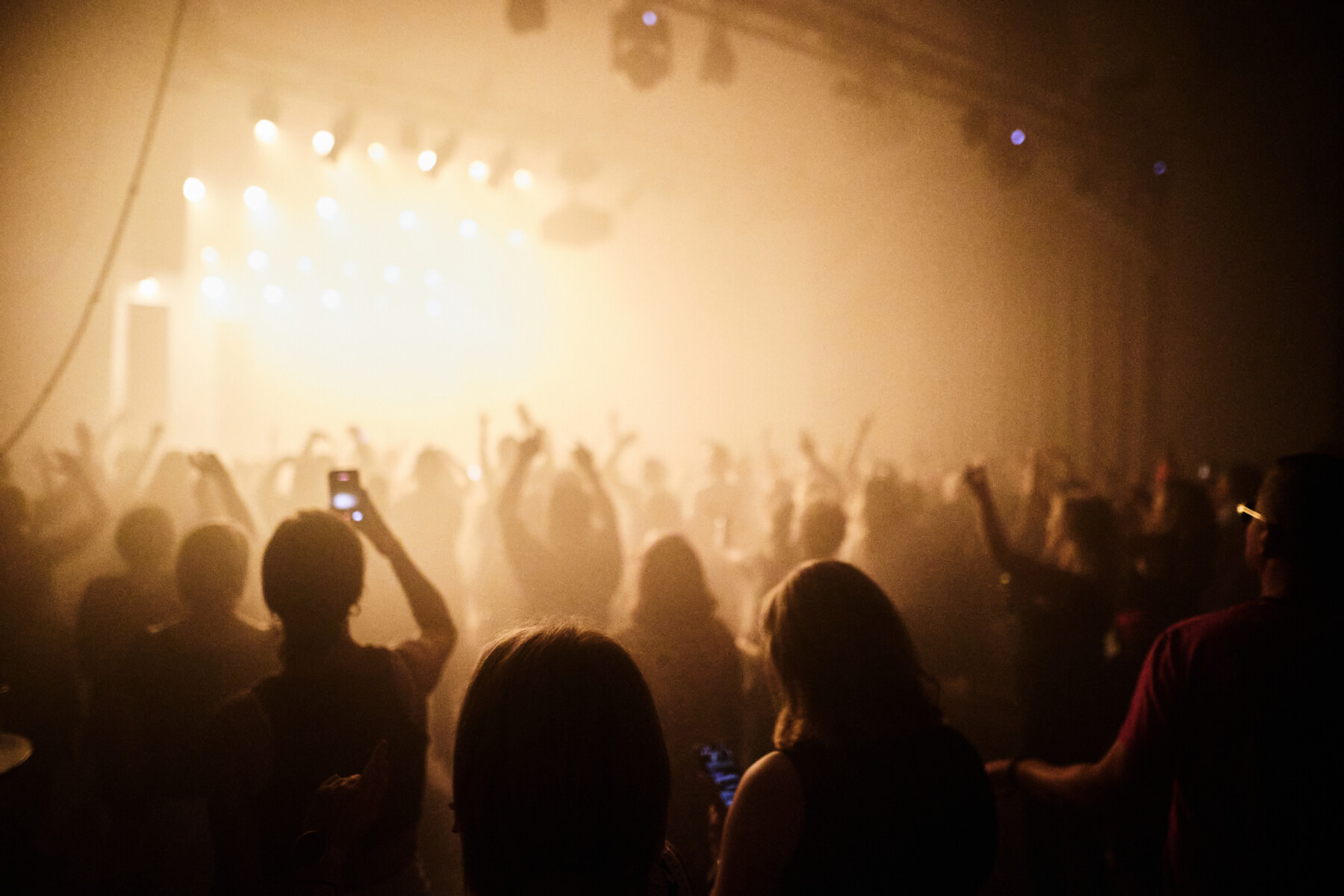
New events aimed at middle-aged ravers allow people to dance without staying out until the early hours.
It was at one of these house parties that Karinen met Raila Sulasalmi, 44. The two now enjoy exploring the many forms of electronic music together, united by their love of a good bassline. Karinen is a fan of trance, where long tracks can feel like journeys with distinct phases: at times soaring into the clouds, at others coming back down to earth and allowing the mood to unfold.
“When you listen to trance – its melodies, a good beat and the lyrics – you can experience some very powerful emotions,” he says. “You can feel euphoric. The harder forms of techno, meanwhile, are like a shot of adrenaline.”
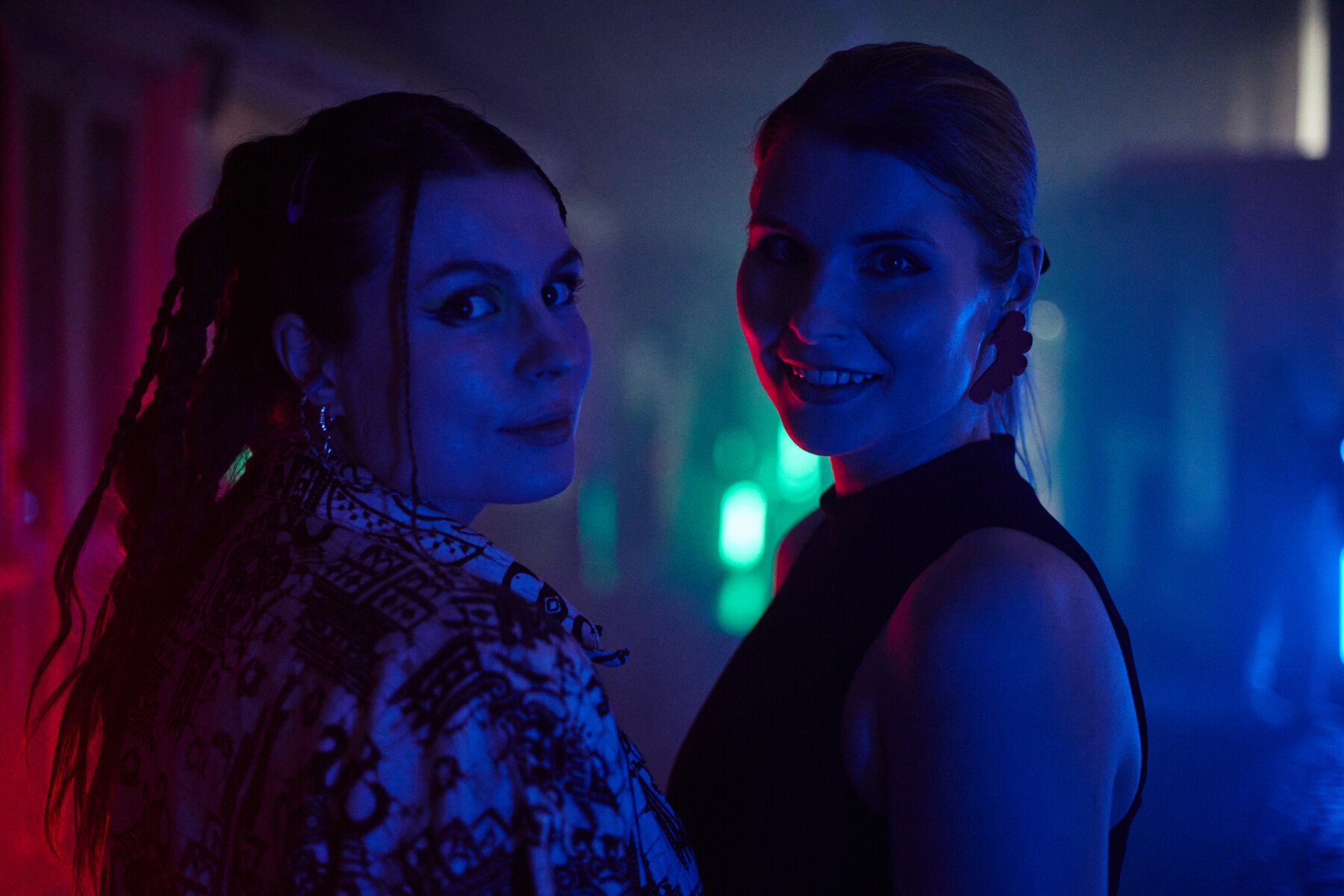
Sanni Törmänen (left) and Taina Törmänen at an electronic music event. They enjoy visiting a space where people can dance, dress and enjoy the music as they please.
The hard techno subgenre has a beat that seems to reverberate through your entire body. For some, the relentless pounding rhythm is simply too intense, but Sulasalmi enjoys aggressive music. One example is the style of rising DJ star Holy Priest. A glance at Holy Priest’s website makes it clear that his sets are anything but subdued: fists fly towards the sky as the crowd jumps up and down to the fast-paced beat.
“I find peace of mind in electronic music,” Sulasalmi says. “If I’m having a bad day at work, I can put on some Holy Priest in my headphones and let the music help me work through my frustration.”
Sulasalmi finds another kind of peace – and even a sense of safety – at electronic music events. For her and Karinen, they are places where no one looks down on you if you are not dressed according to the latest trends, or, for that matter, if you have made an effort to dress up.
Then there is the freedom to dance. “Raila and I have just started taking salsa lessons,” Karinen says. “You can dance salsa badly, but you can’t dance to electronic music badly.”
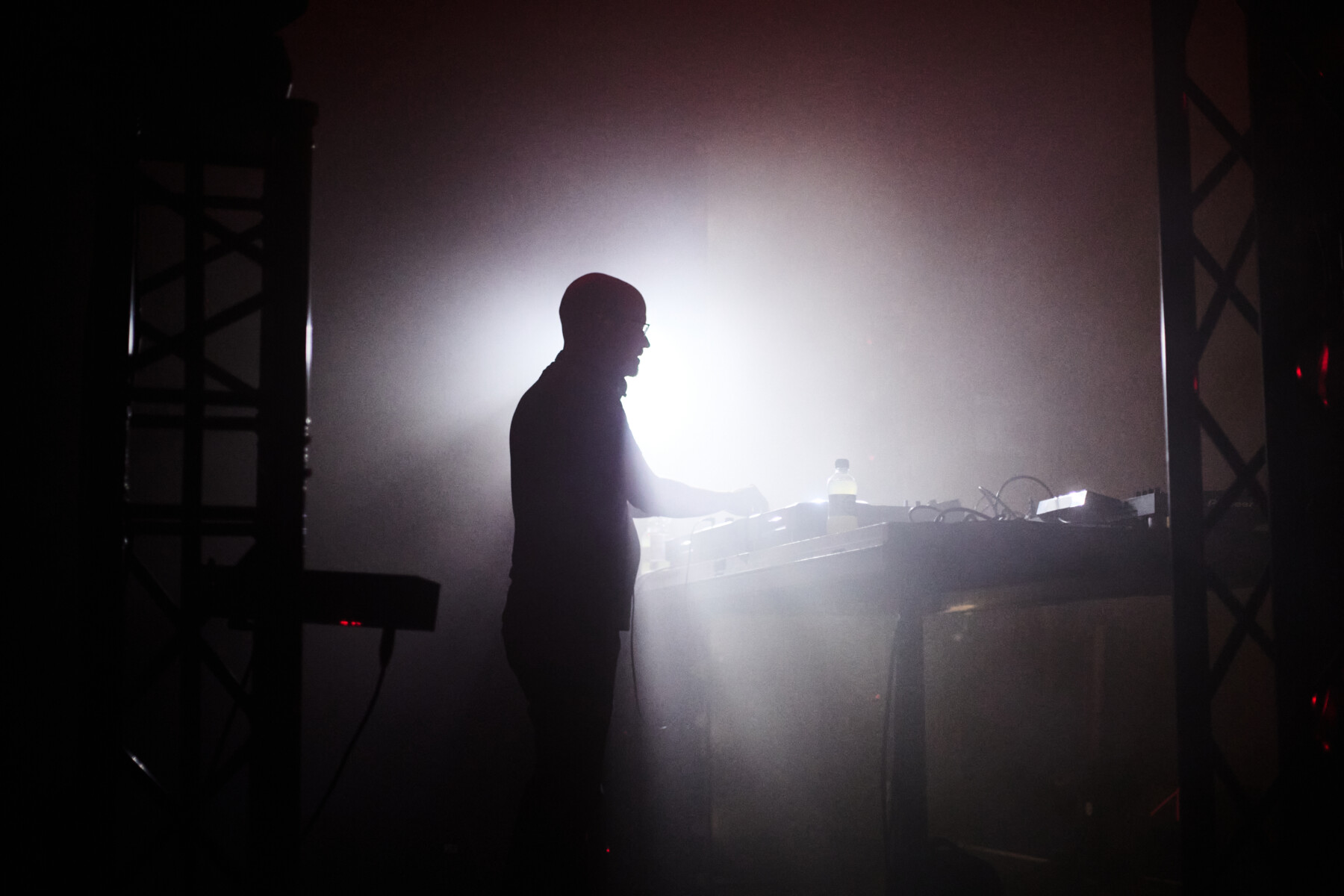
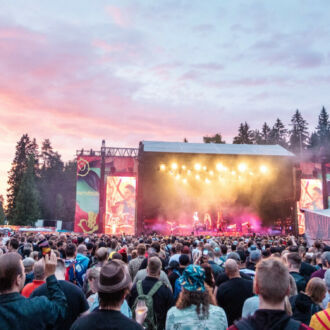
A DJ performs through a haze of stage light. Electronic music offers a way to switch off from the demands of everyday life.
At electronic music events, other dancers are less concerned with what those around them are doing – and in this case, that is a good thing. The crowd faces the DJ rather than each other. Everyone responds in their own way to whatever the DJ is playing.
At its best, the music carries you away: you surrender to it, drift along for a while, free from worries and obligations. Because the music is an inward journey of its own, you can even go to an electronic music event alone without anyone thinking it strange.
Both Sulasalmi and Karinen came of age around the turn of the millennium, when they remember falling in love with electronic music. Karinen went to raves in his hometown of Lahti, in southern Finland, and was impressed by the performances of DJ Proteus, a pioneer of Finland’s dark electronic music scene. Sulasalmi, meanwhile, travelled as far as Ibiza to dance into the early hours of the morning.
Then studies, careers and children took the place of dance parties – the classic hamster wheel of the busiest years of family life, as Karinen puts it. Going to electronic music events fell by the wayside for a couple of decades, even though the love of electronic music never went away.
“At some point, you start thinking that raves are just something you grow out of when you’re young, but they’re not,” Karinen says.
Now, the most hectic years of everyday life have eased. Karinen’s daughter is 15, while Sulasalmi has children ages 18 and 20. Karinen’s daughter is quite happy that her dad has plans of his own some evenings.
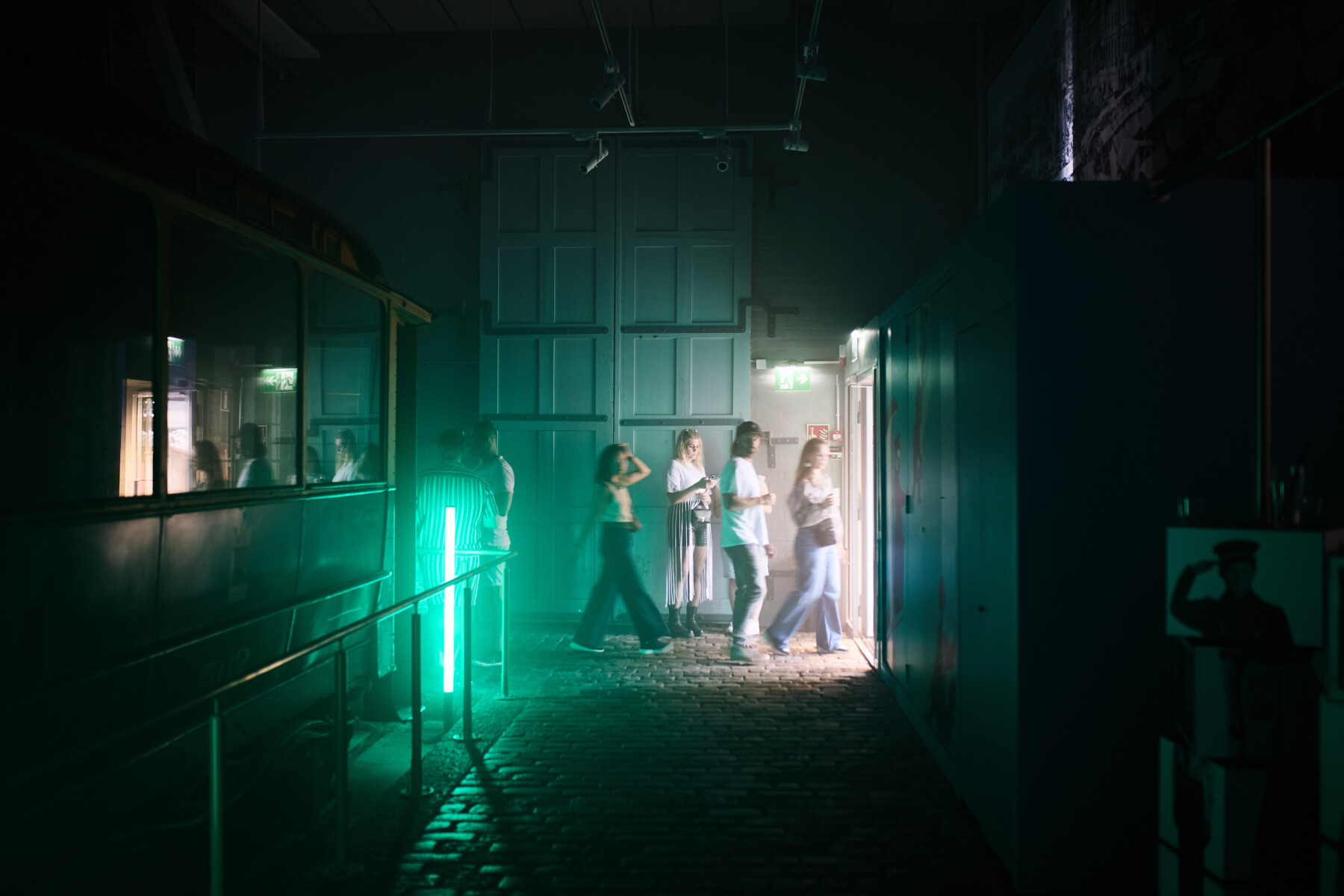
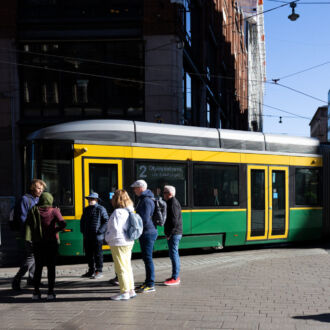
One event was held in the cavernous hall of Helsinki’s Tram Museum, a distinctive setting for electronic music, with stately historic trams beside the dance floor.
Middle age has brought with it a little more space in the daily routine, allowing Karinen and Sulasalmi to go dancing at least once a month – and even more often in the summer. There is one downside to getting older, though: even if your feet can still keep up with the beat, you can no longer stay up all night quite like you could in your 20s. That is why there are electronic music events specifically for middle-aged ravers, such as K40 raves, which finish before midnight.
“Going to these events can be exhausting, but there are benefits, too,” Sulasalmi says. “The last time I was dancing, my heart-rate monitor clocked up 30,000 steps.”
“It’s pretty cool to see that you’ve burned 3,000 calories in one night,” Karinen adds. “It’s a kind of middle-aged endurance sport.”
But don’t younger people make fun of these vintage ravers who regard parties that finish at 11 pm as the greatest invention in the world?
Neither Karinen nor Sulasalmi has ever felt that they were being seen as odd, they insist. Not even at Weekend Festival, Finland’s best-known electronic dance music festival.
“Where does this mindset come from, that you’re supposed to give up electronic music as you get older?” Karinen says. “In the Netherlands, even grandmas and granddads rave. Hopefully that will catch on in Finland, too.”
Fancy dancing to the beat?
- Follow k40rave on Instagram. They organise a handful of events each year.
- The Helsinki Electronic Music Scene group on Facebook is active and a good source of information about various events.
- In Tampere, Häppeninki organises events focusing on hard techno (Instagram: @happeninki).
- SoundVault organises club nights and large festivals.
- Ääniwalli is a Helsinki club that hosts electronic music events.
By Anitra Rönkkö, November 2026
Photos by Sami Heiskanen