The smell of the sea arrives before the island itself.
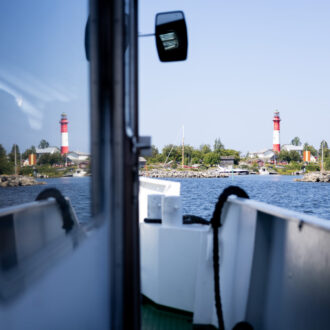
As the ferry pulls away from the mainland, the waters of the Gulf of Bothnia begin to rock gently beneath us. Gulls wheel overhead, their cries carried on the wind. Hair tangles in the salt air.
We are bound for Hailuoto, the largest island in the Bay of Bothnia, just off the coast of Oulu in northern Finland. Known for its sweeping sandy beaches, windswept pine forests and lively cultural scene, the island has long felt slightly apart from the rest of Finland.
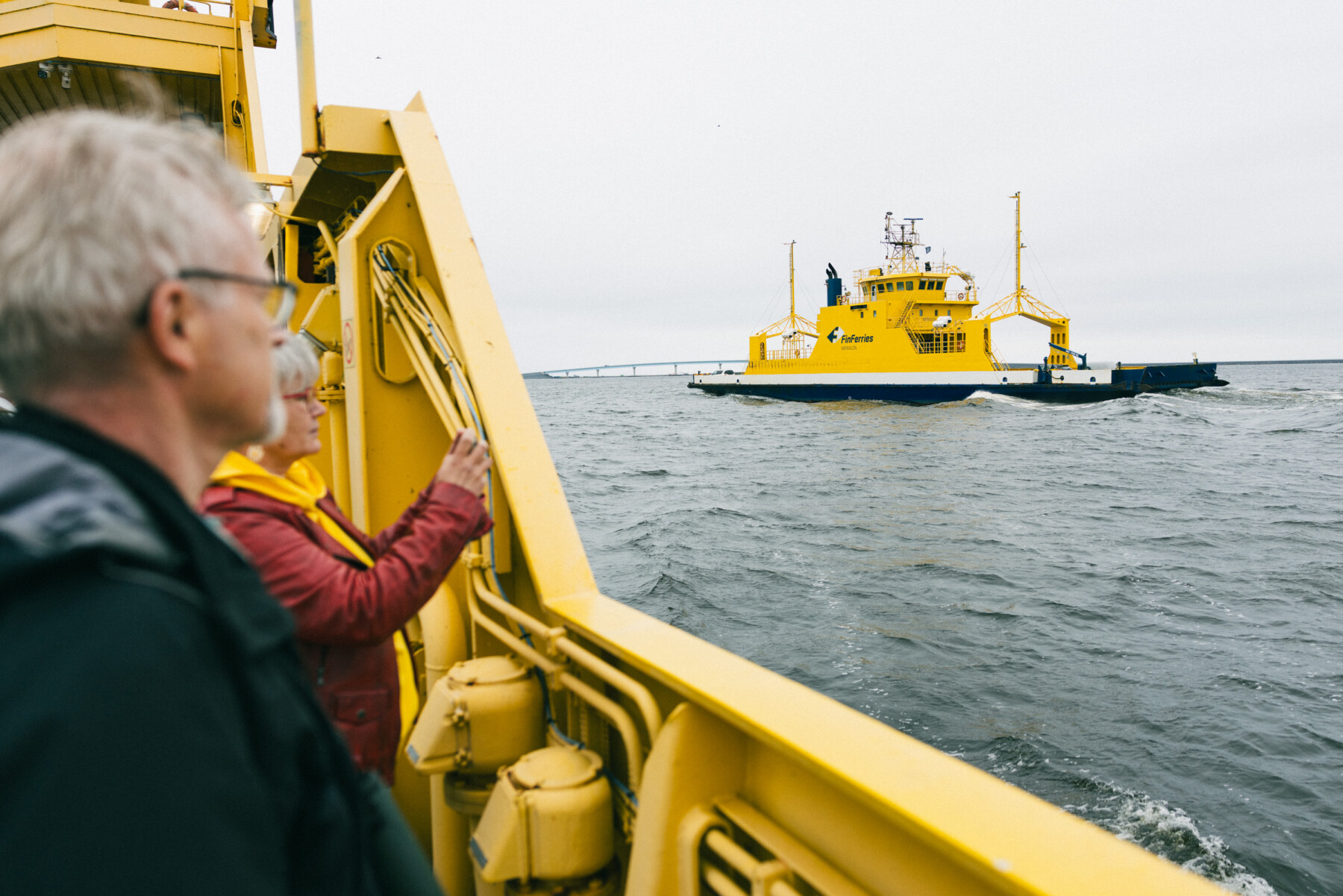
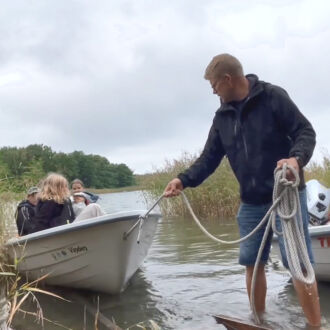
Oulu resident Juha Ristola (left) visits Hailuoto throughout the year to watch birds. In June, he made what was likely his final trip to the island by ferry.
For centuries, reaching Hailuoto has required a boat. In winter, locals have crossed on an ice road stretching across the frozen sea. But change is arriving. In June 2026, shortly after our visit, an 8.4 kilometre (5.2 mile) bridge will open between the island and the mainland, ending ferry crossings and transforming how people arrive here.
The question lingering across Hailuoto is simple: what happens when an island becomes easier to reach?
An island still apart
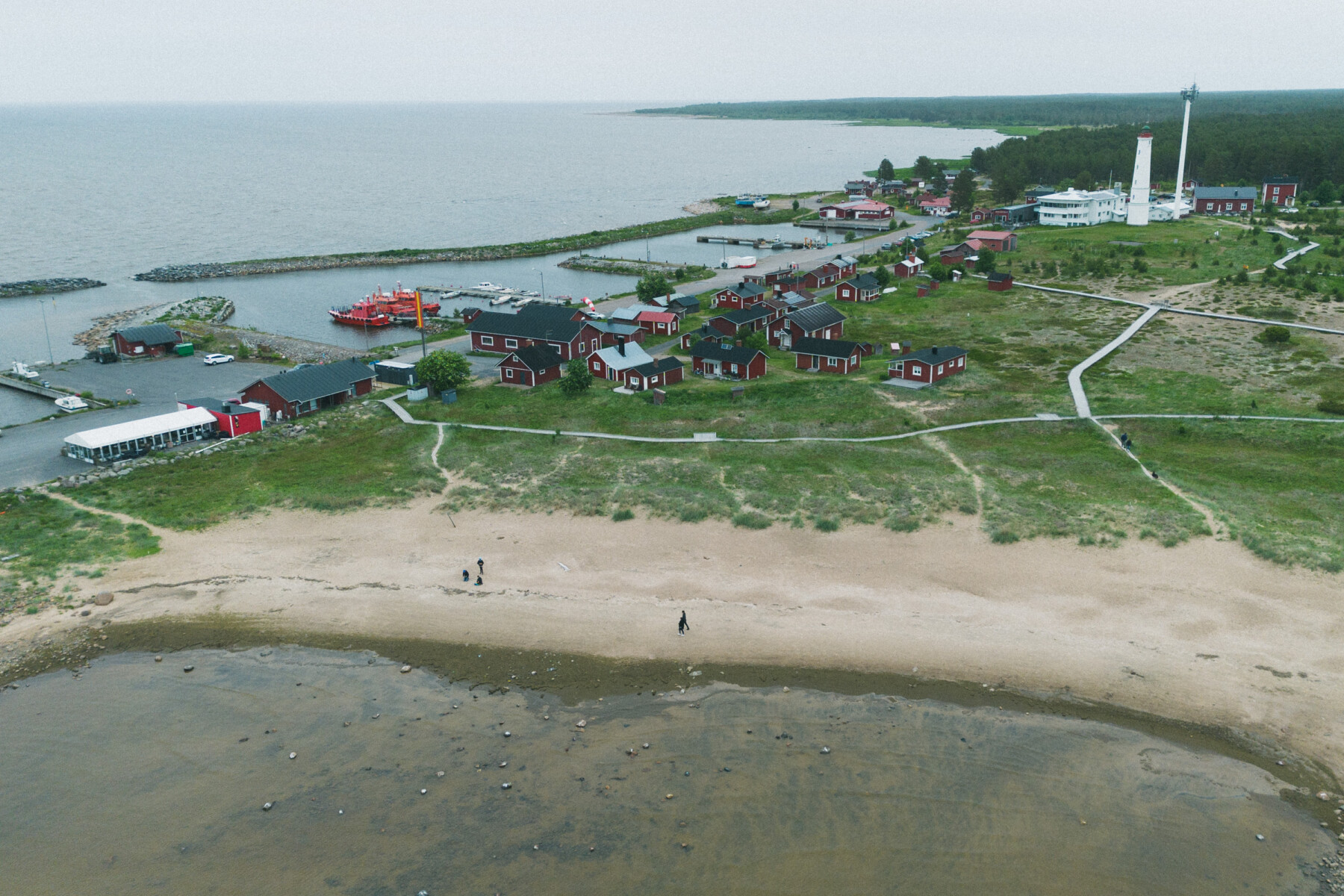
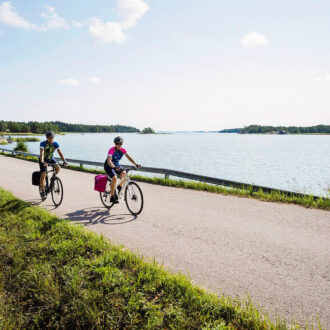
The Hailuoto bridge will open in summer 2026. The new connection consists of two long bridges linked by a causeway, stretching a total of 8.4 kilometres (5.2 miles).
On a long sandy beach, sisters Sanna and Johanna are walking with Sanna’s daughter, Iida.
“Nature is right at your fingertips here,” says Sanna Varanka.
“That’s what makes this place special. You don’t find this kind of peace everywhere.”
Many visitors come for precisely that reason.
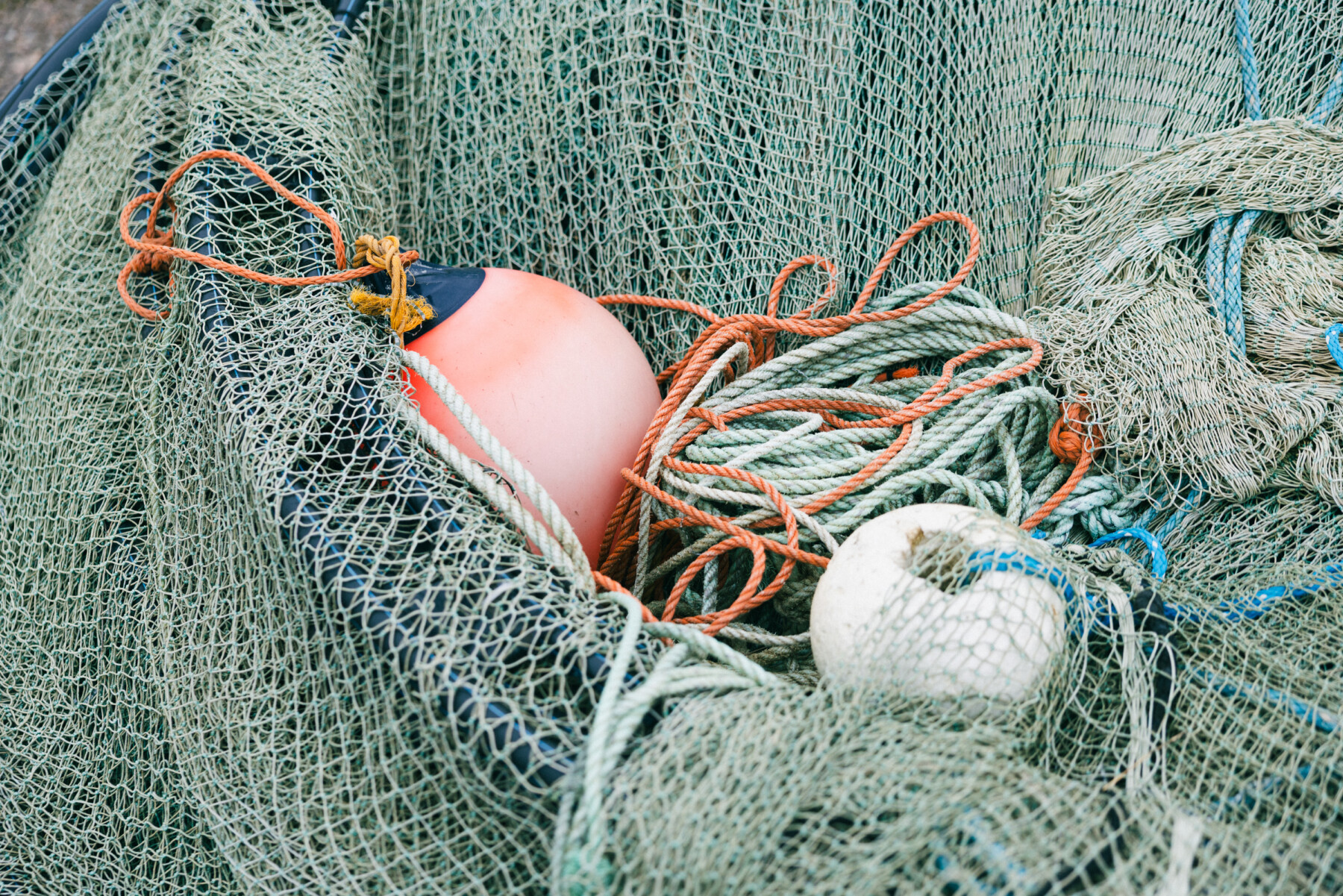
Fishing has long been one of Hailuoto’s most important livelihoods.
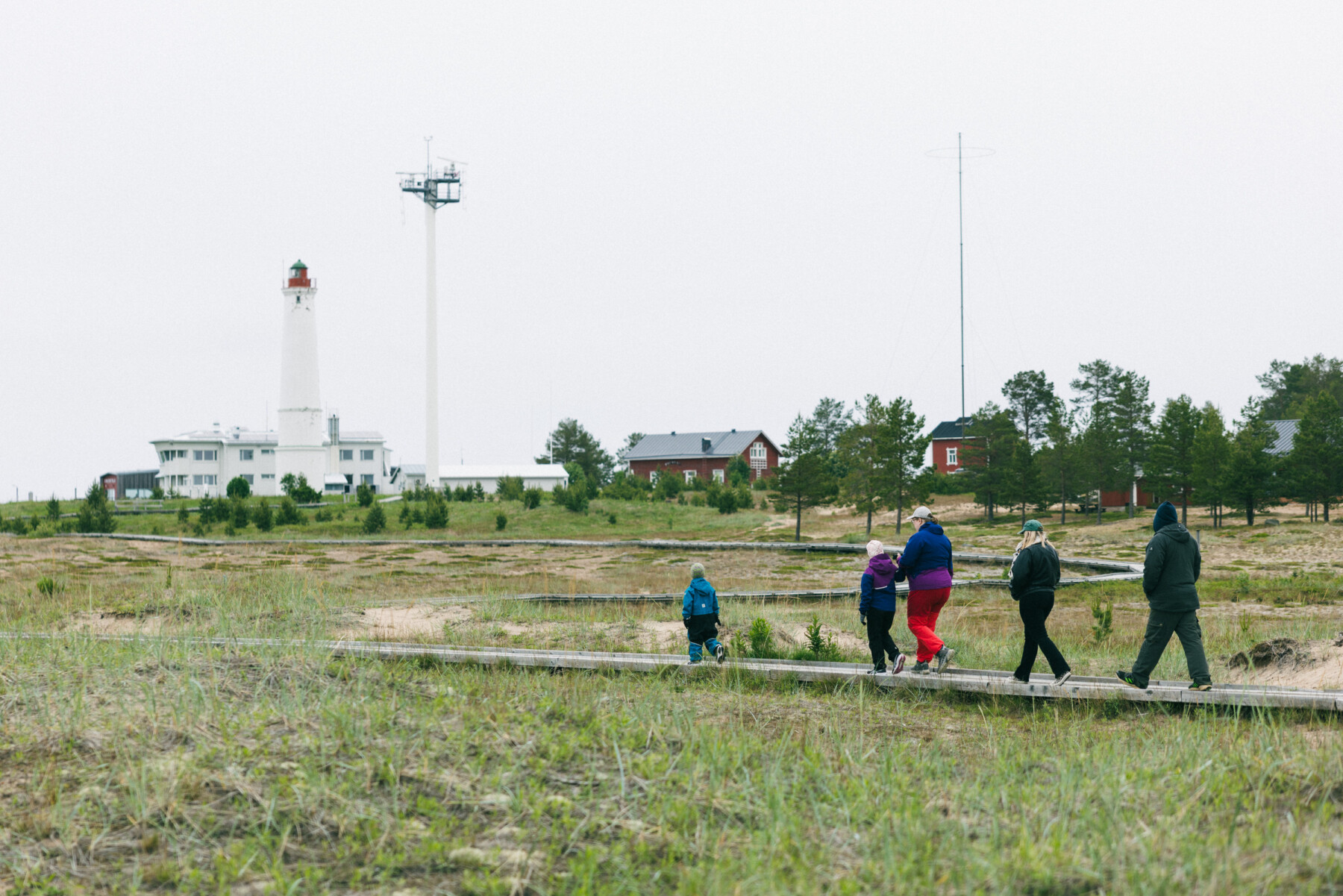
Marjaniemi is home to several walking trails, including routes that are accessible to visitors with reduced mobility.
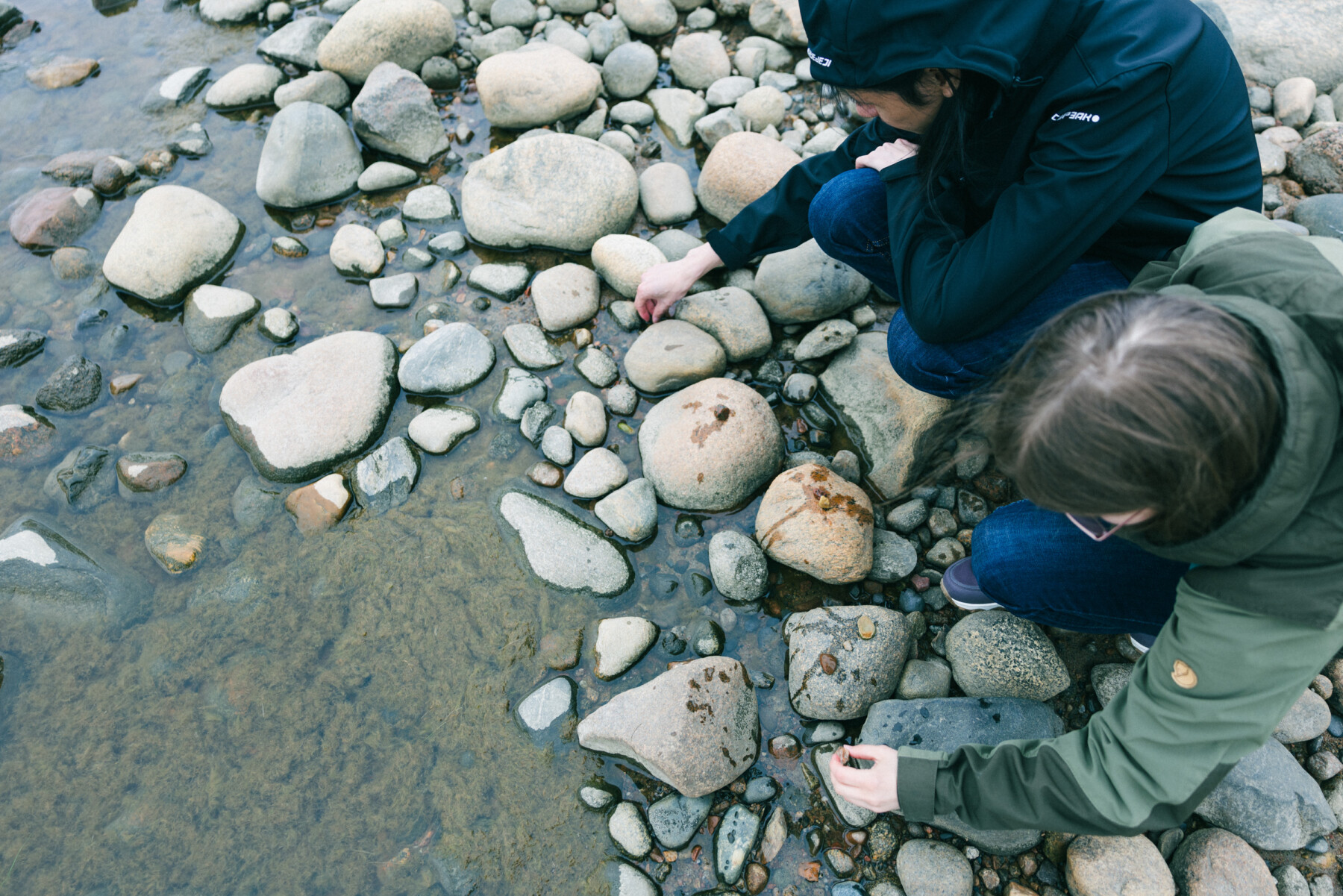
The sea is full of small treasures. Which stone will be today’s most beautiful find?
Hailuoto is a young island, still rising from the sea as the land continues to rebound after the last Ice Age. Each year it grows slightly larger. Given enough time, it will eventually become connected to the mainland.
The landscape is vast: pine forests shaped by coastal winds, shifting dunes and wide beaches opening onto the horizon. Even on a chilly June day, walkers, birdwatchers and treasure hunters roam the shoreline.
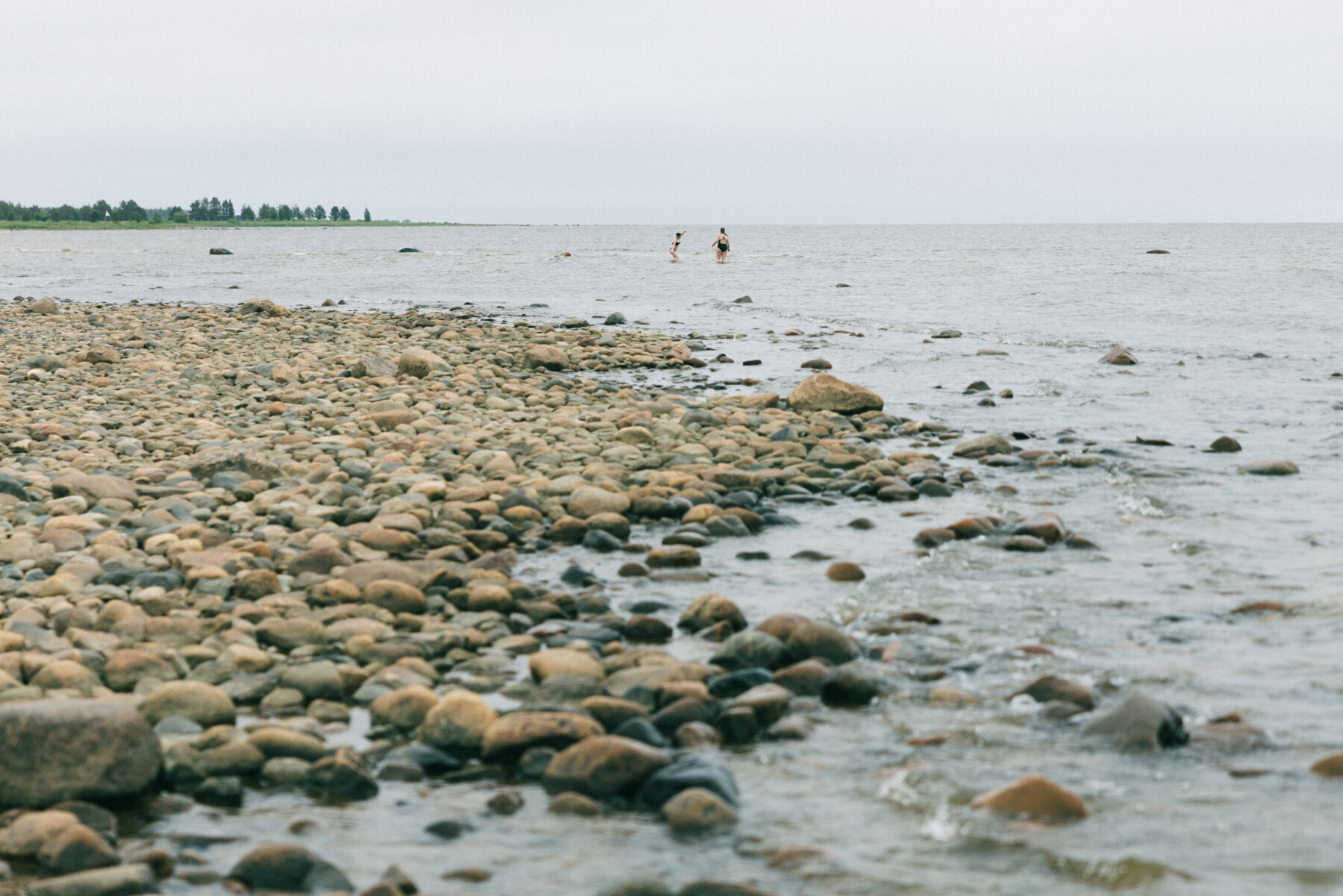
When Finns decide to go for a swim, the water is never too cold.
Hailuoto is also a paradise for birdlife. Located along major migratory routes, the island attracts birdwatchers throughout the year.
Life by the lighthouse
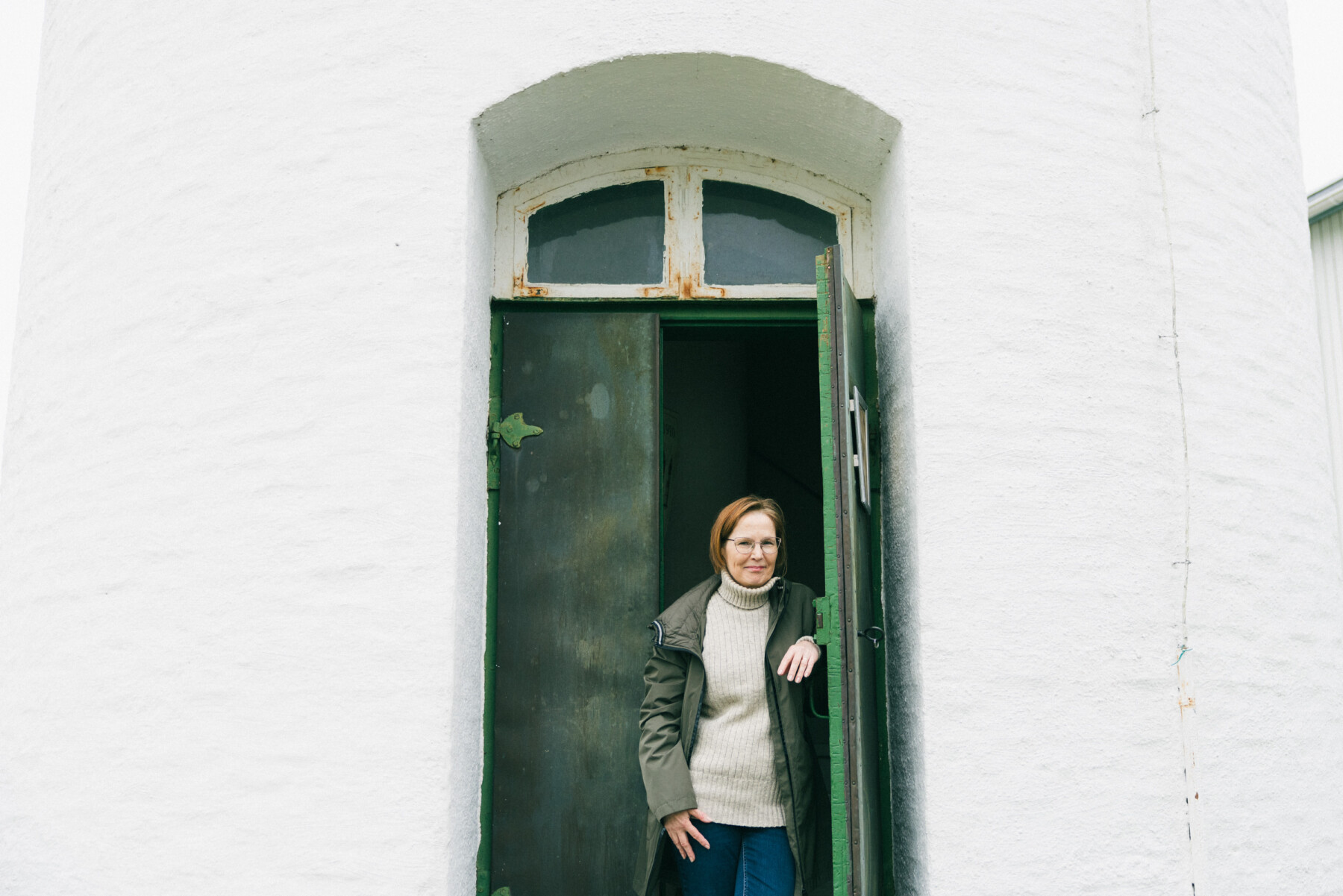
Auli Sipola is one of Hailuoto’s local guides and has lived on the island all her life.
Watching over the coast is Marjaniemi Lighthouse. The current tower has stood here in the village of Marjaniemi since 1871, guiding ships through the northern waters of the Baltic Sea.
Local guide Auli Sipola leads the way inside. There are 110 steps to the top, enough to justify a short pause halfway up.
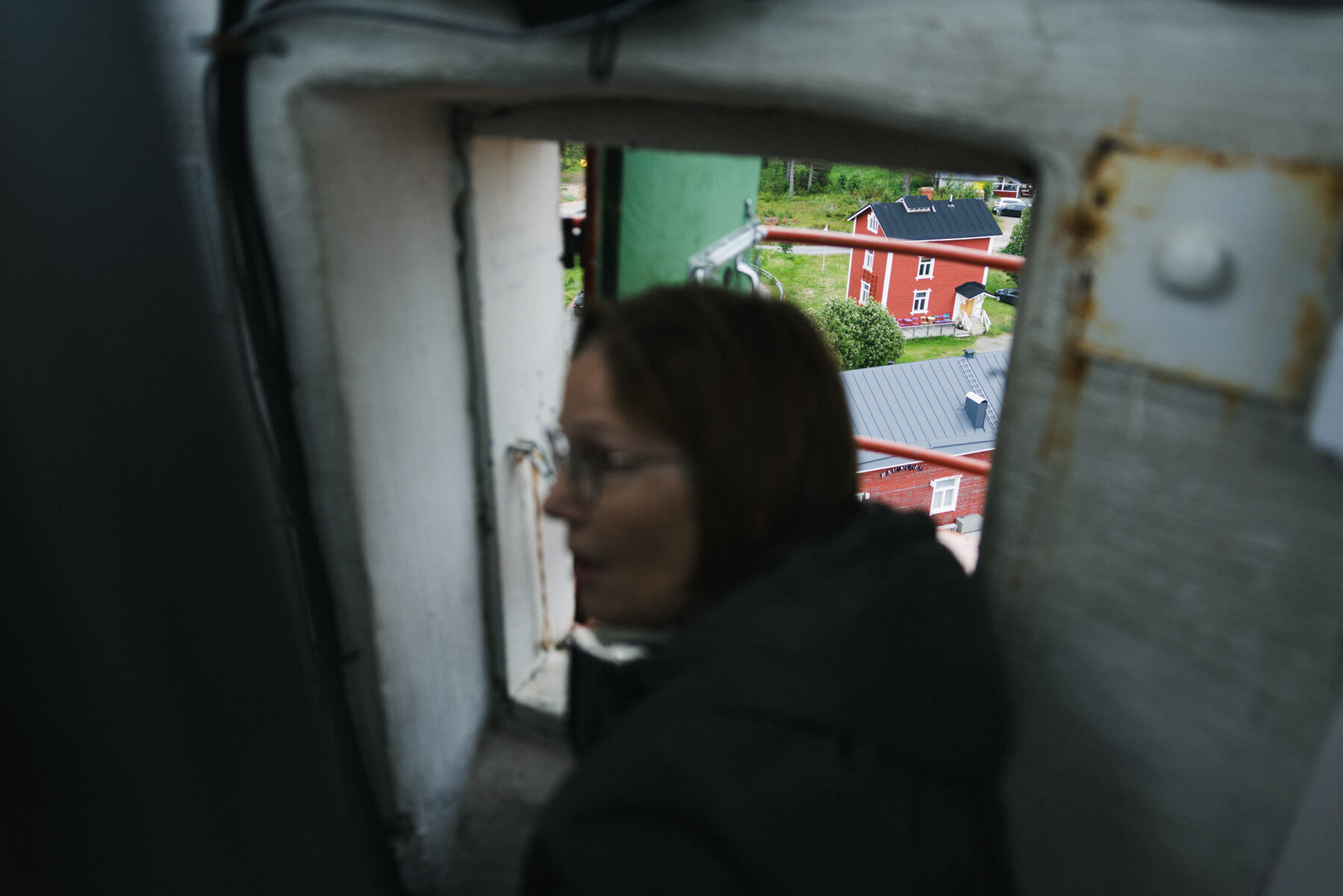
Through a small hatch in the lighthouse, visitors can spot the island’s historic pilot station.
Sipola has spent her entire life on Hailuoto. During her working years, she commuted to the city of Oulu.
“In winter I travelled across the ice road, and when the sea was open, by ferry,” she says.
Like many islanders, she wonders how the new bridge will change everyday life. Easier access will undoubtedly bring more visitors, but what will happen to the slower rhythm that has defined the island for generations?
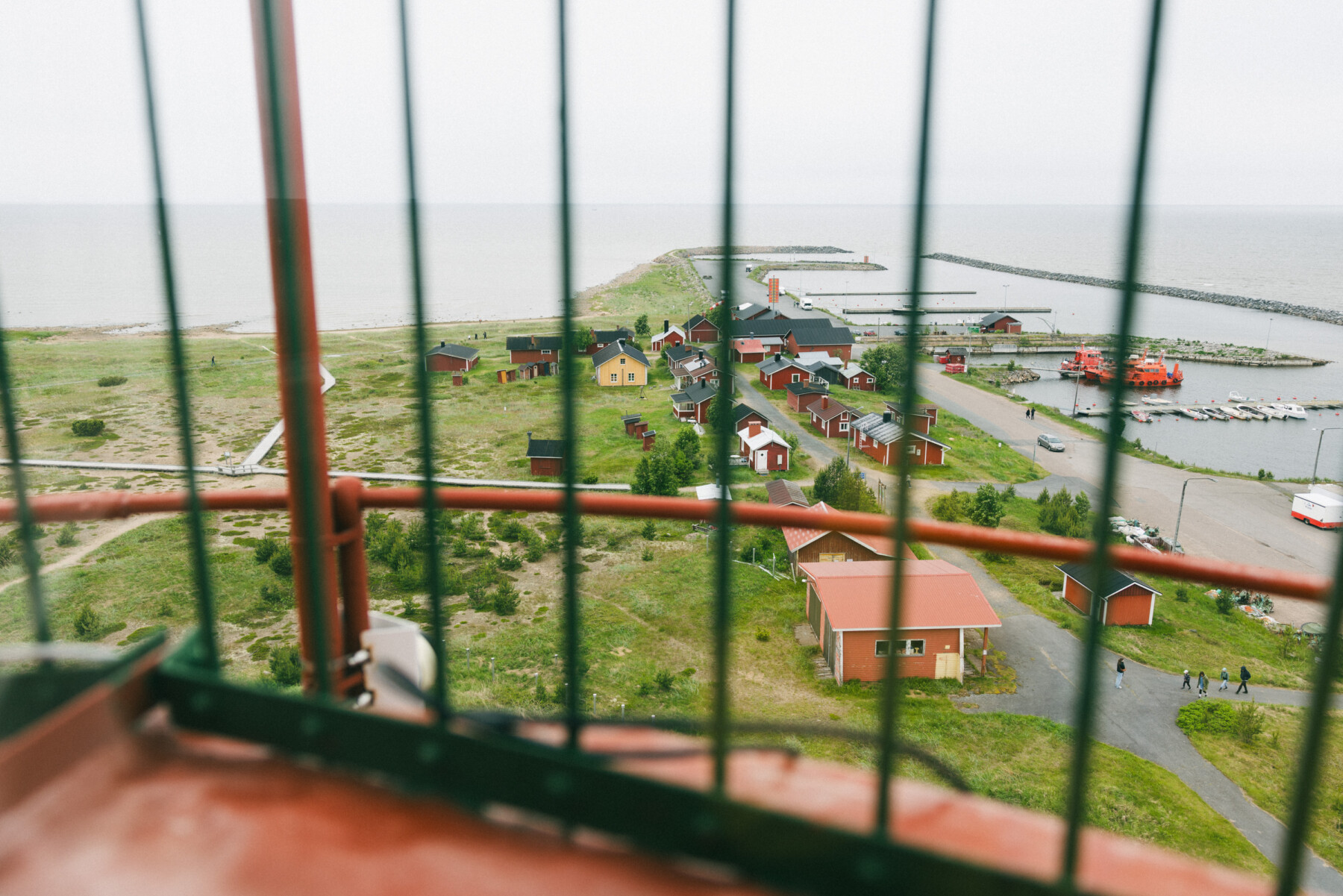
Sweden lies just over 100 kilometres (62 miles) west of Hailuoto, across the Gulf of Bothnia.
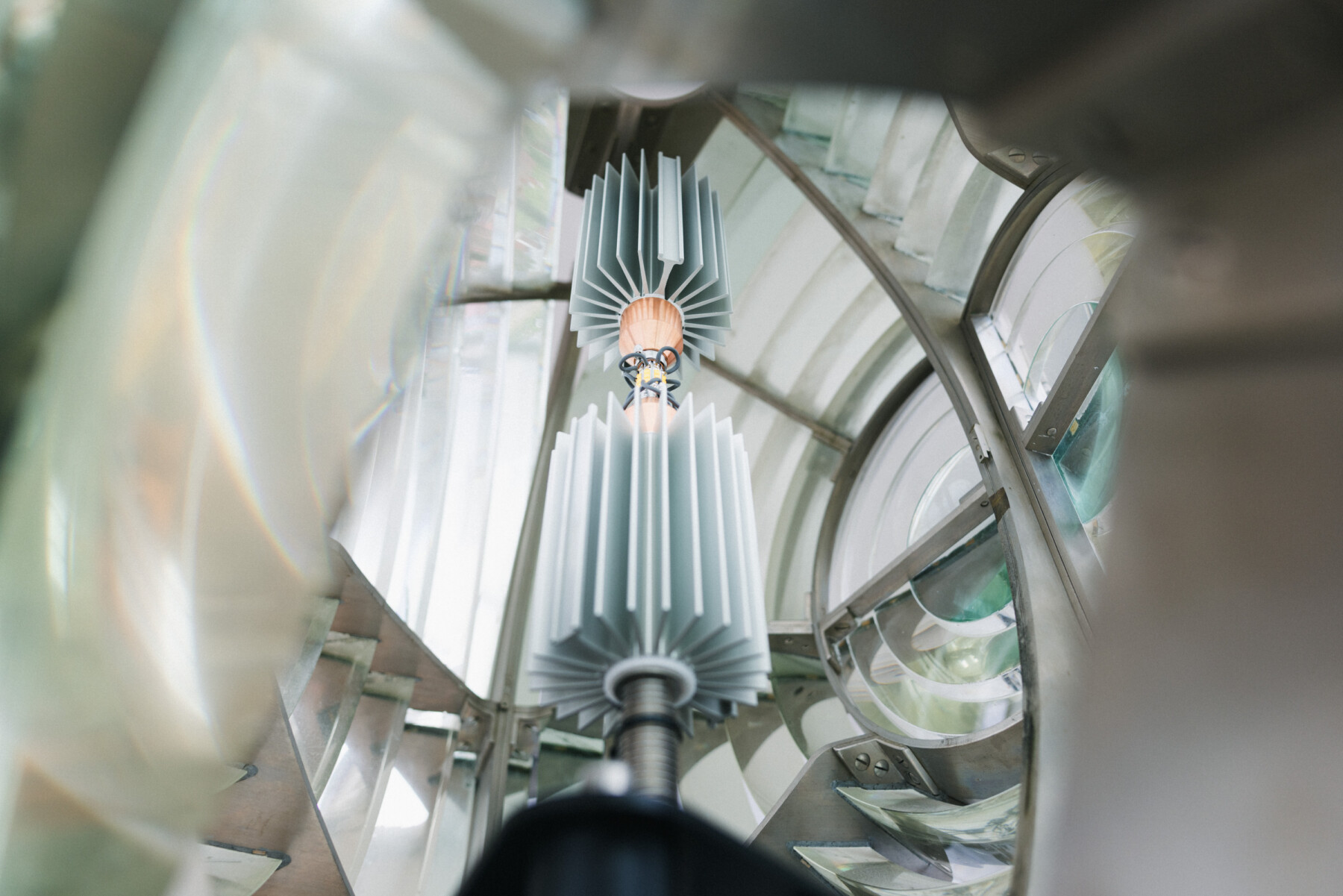
Marjaniemi Lighthouse was designed by architect Axel Hampus Dahlström in the late 19th century. The lighthouse has operated automatically since 1962.
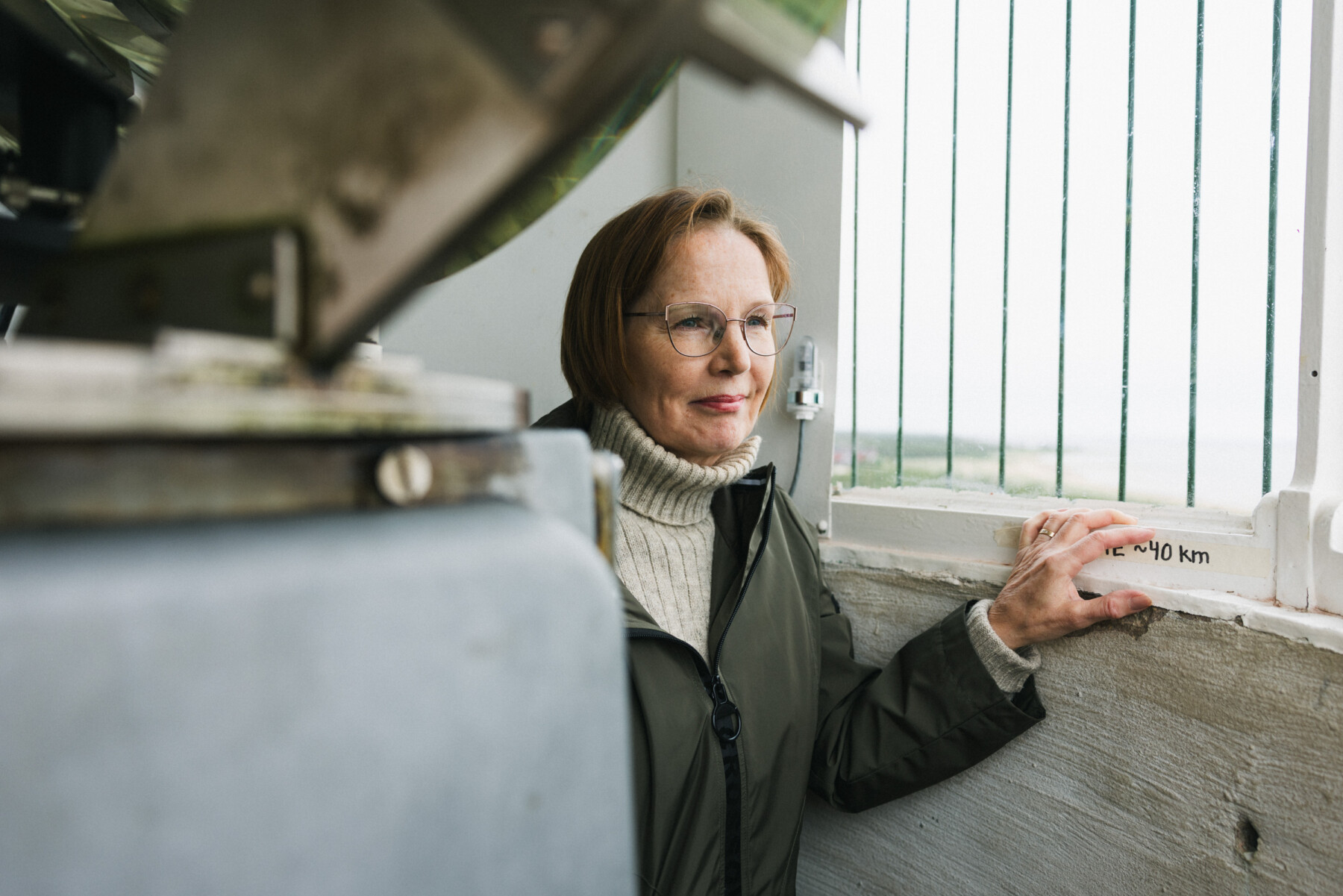
Auli Sipola guides visitors around Hailuoto’s attractions. The lighthouse remains one of the island’s most popular sights.
On a clear day, the view stretches as far as the coastal town of Raahe, some 40 kilometres (25 miles) to the south. Today, low clouds obscure the horizon.
Below the lighthouse lies the old fishing village of Marjaniemi. Rows of red wooden cottages line the shore. Many now serve as holiday homes, though the village also welcomes visitors with cafés, accommodation and restaurants.
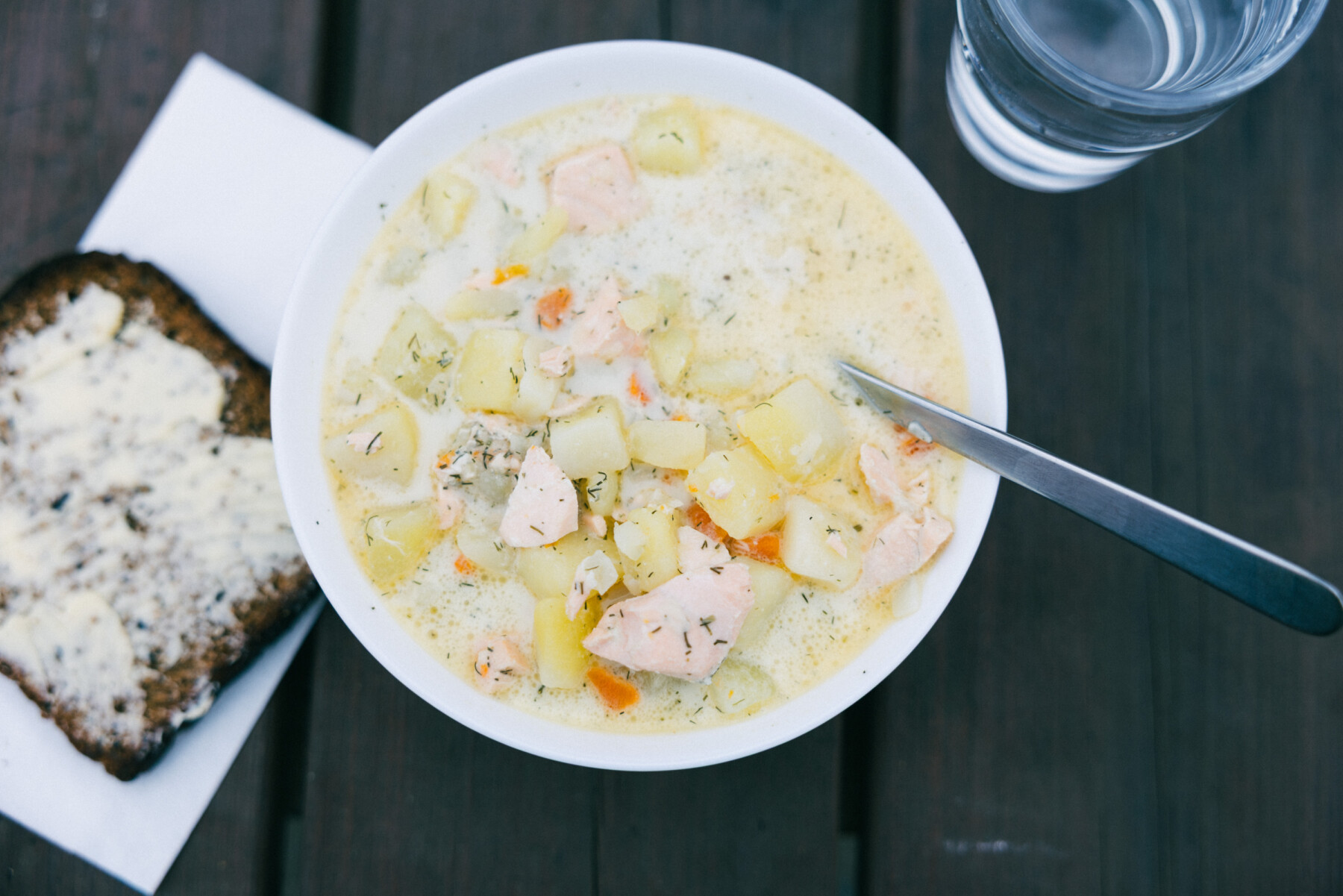
Salmon soup is considered almost a national dish in Finland. It is served throughout the country and rarely disappoints.
Just behind the lighthouse stands Hailuodon Halstari, a traditional smokehouse that boldly claims to serve the world’s best fish soup. Its creamy salmon soup makes a convincing case.
Before the bridge
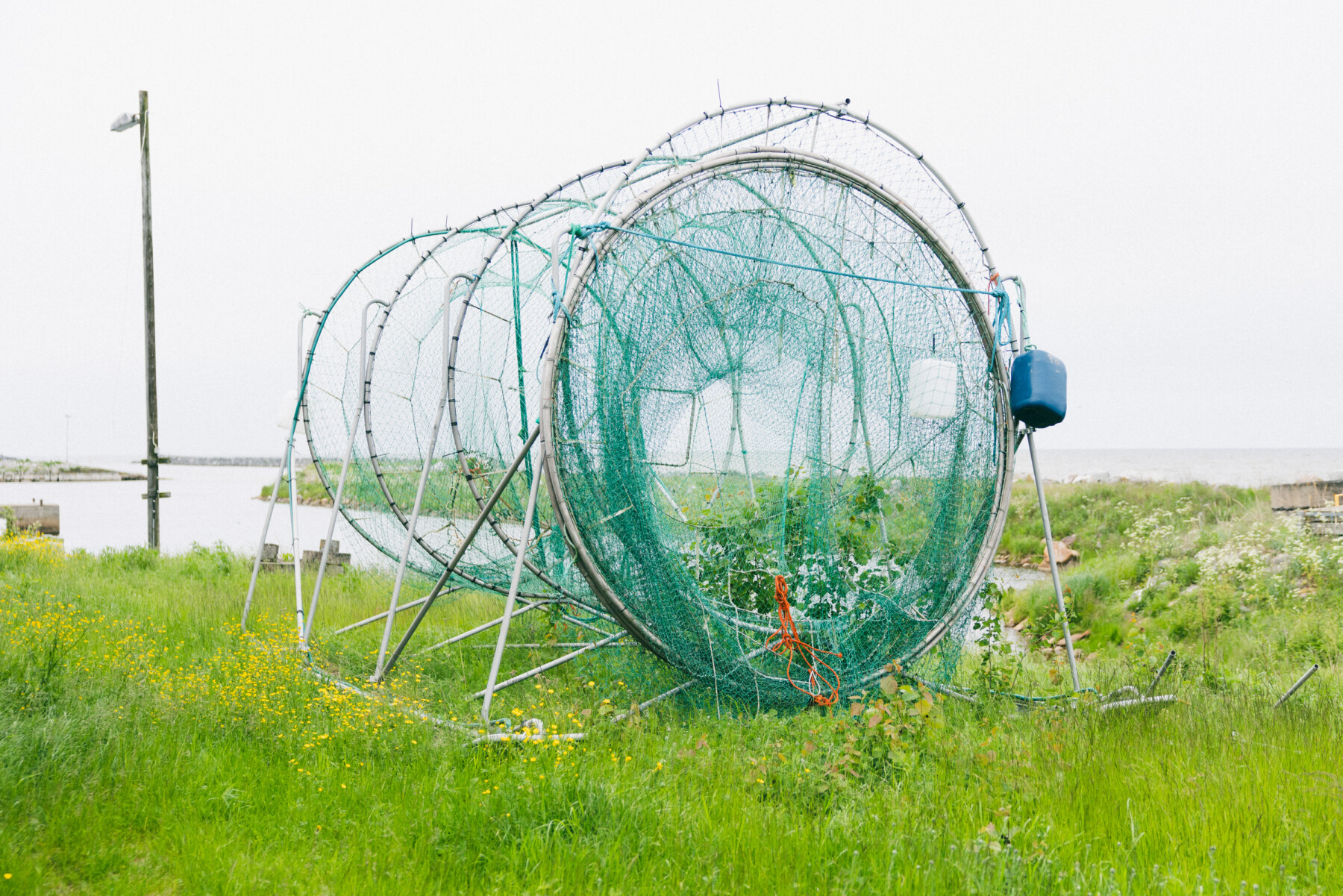
Fishing nets and boats are part of Hailuoto’s coastal charm.
Despite its population of fewer than 1,000 residents, Hailuoto has developed a cultural life that feels remarkably vibrant for its size.
Throughout the year the island hosts festivals, exhibitions and community events. In July, music lovers gather for Bättre Folk, an independent festival that attracts artists and audiences from across Finland. The environmental artworks of artist Anni Rapinoja can also be found across the island landscape, blurring the line between nature and culture.
At the centre of the island are its everyday essentials: a school, daycare centre, grocery store and church. Completed in 1972, Hailuoto Church is a striking example of Finnish modernist architecture, with its steep triangular roof and large glass façade.
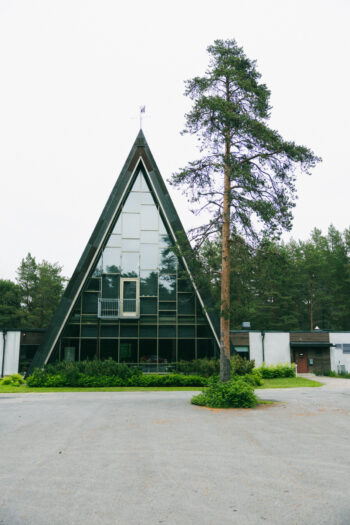
Hailuoto Church was completed and consecrated in 1972. It was designed by architects Irma and Matti Aaltonen.
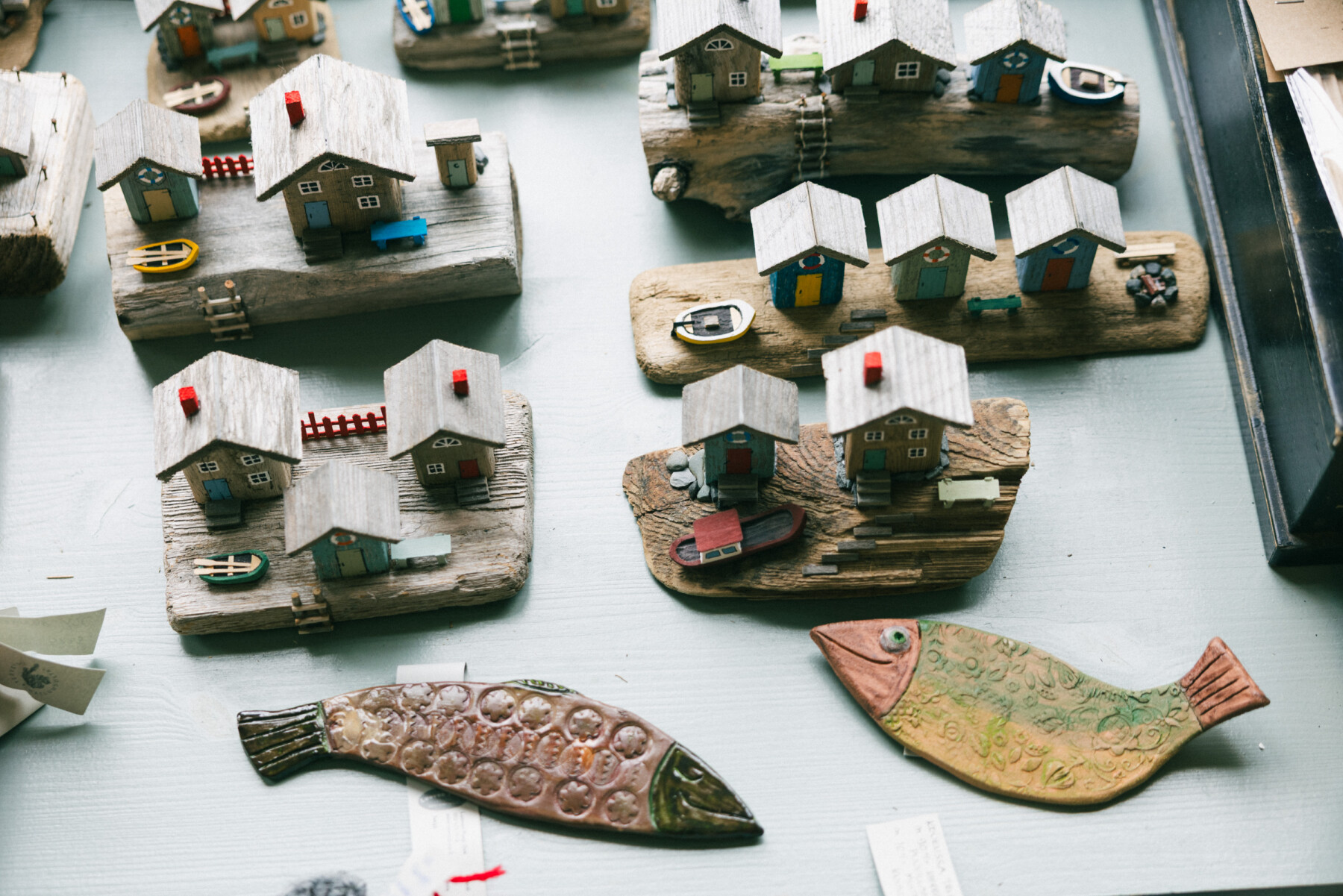
The island’s maritime heritage is reflected in many of the products sold in the shop. Most are handmade on Hailuoto.
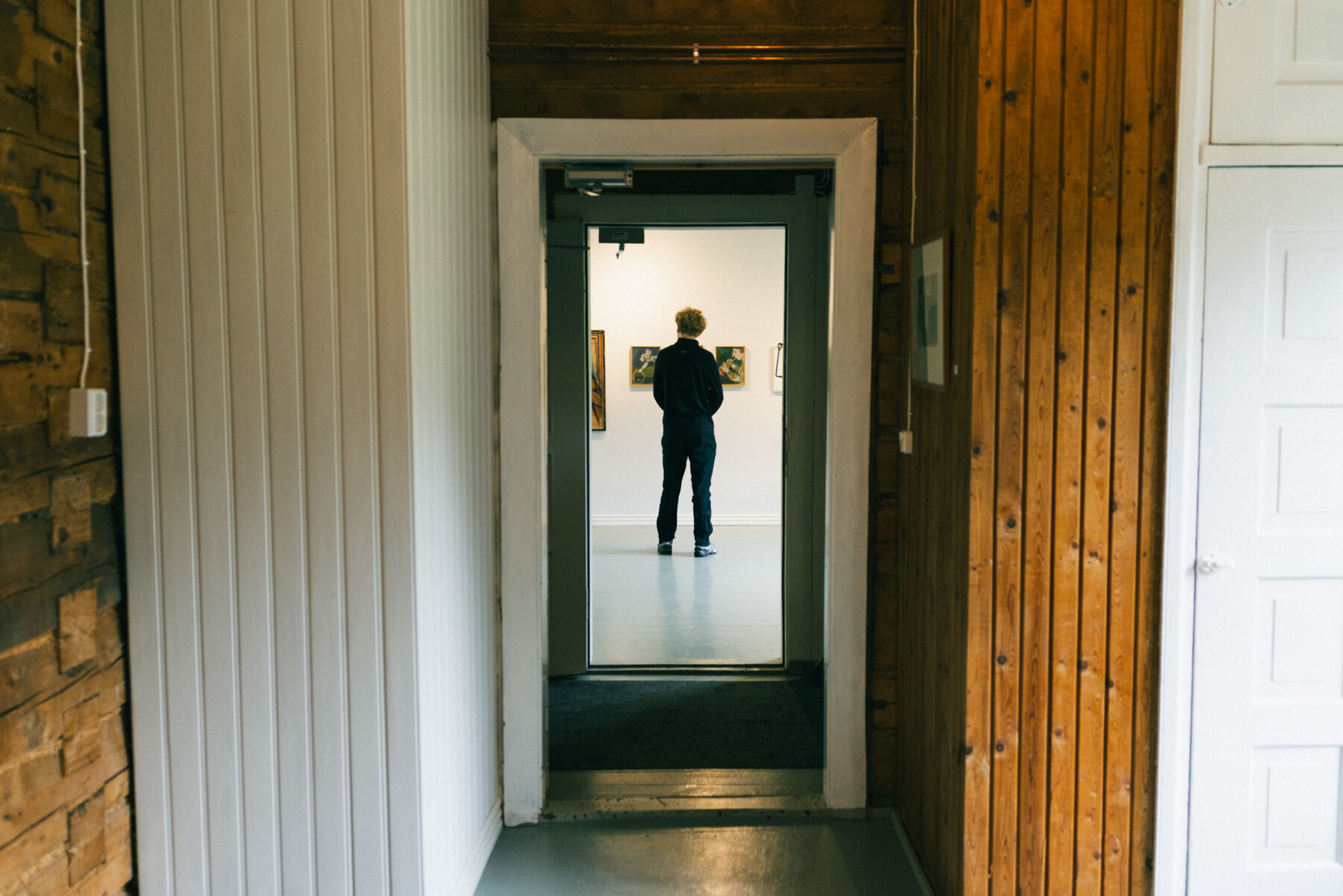
Galleria Luoto hosts a changing programme of contemporary art exhibitions throughout the year.
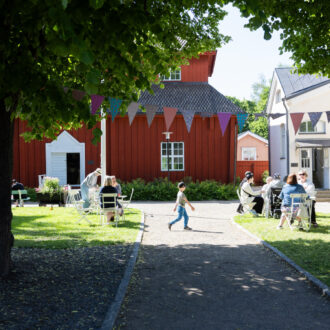
Nearby, the shop Luovon Puoji & Pariton Kuppi offers locally made crafts and souvenirs. In the same courtyard sits Hailuodon Panimo, Finland’s first organic brewery and a popular stop for visitors.
Kai Öystilä, who now lives in Espoo in southern Finland but grew up across the water in Oulunsalo, has just stopped by to pick up drinks for a sauna evening. His children, Valtteri and Emma, have visited the island many times.
“Hailuoto has a character all of its own,” he says.
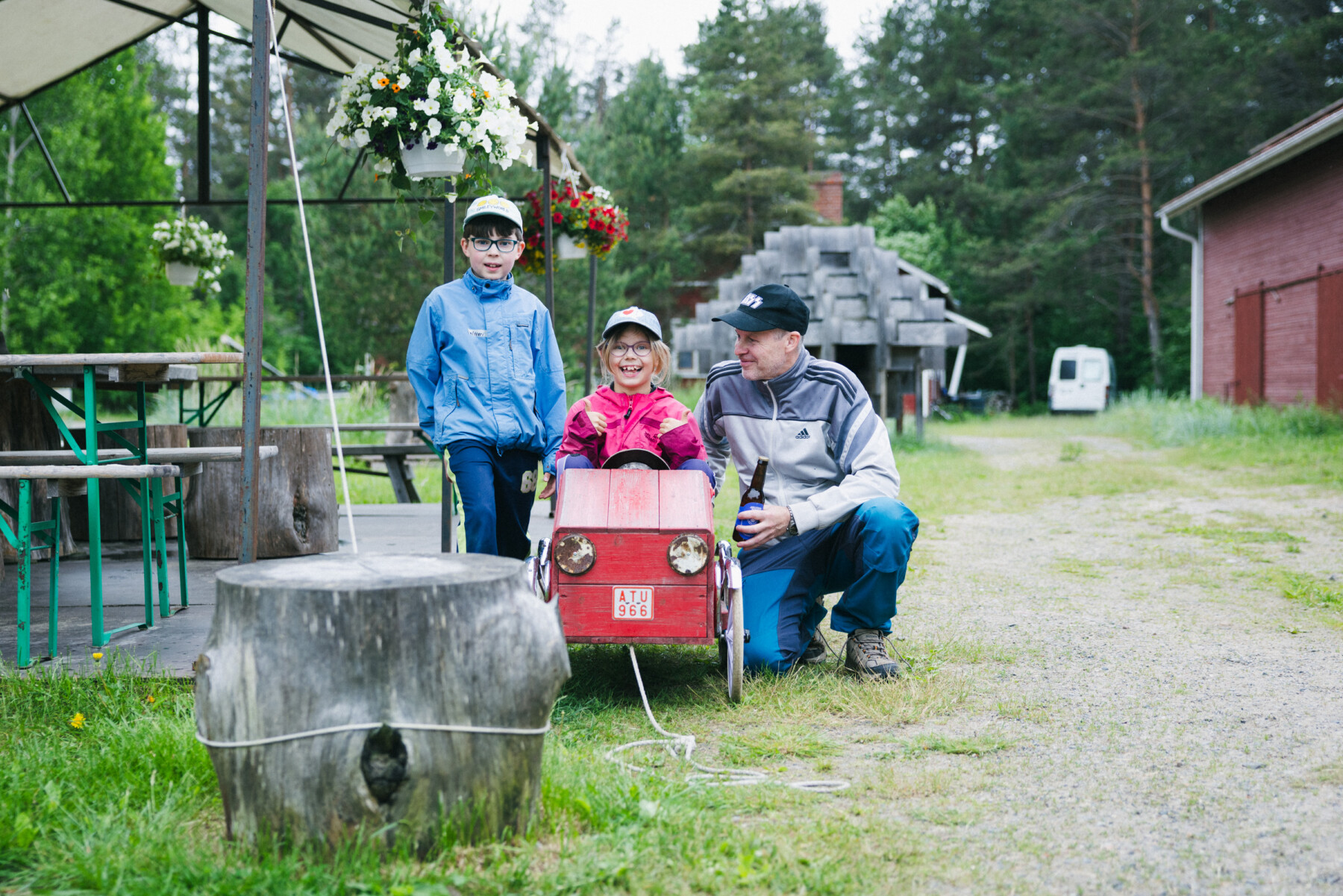
For the Öystilä family, Hailuoto is a familiar destination. The completion of the new bridge brings mixed feelings, as the island is bound to change.
Soon it is time to board the ferry back to the mainland.
For now, at least.
The crossing that has defined life on Hailuoto for centuries is entering its final chapter. The bridge will bring convenience, new opportunities and more visitors.
Yet many will miss the ferry. After all, crossing the sea has always been part of the adventure.
Text and photos by Emilia Kangasluoma, June 2026