Launching a new yacht is a cause for celebration on Finland’s west coast. A brass band plays, local business leaders gather, and even the mayor may attend. But above all, the spotlight is on the boatbuilders – often hundreds of them.
We’re in the small coastal town of Pietarsaari, known as Jakobstad in Swedish, which is one of Finland’s official languages and the predominant language in the area.
The entire community takes pride in the sailing yachts built by Baltic Yachts. Designed with highly specific requirements, these vessels occupy a niche market with only a few thousand potential buyers globally. And the expertise required to build them is found, for good reason, right here in the Ostrobothnia region.
If Silicon Valley is known for tech giants, Finland’s western coastline is known for boatbuilding. Along a stretch of less than 200 kilometres (125 miles) from Vaasa up to Kalajoki, dozens of boatyards and subcontractors form a dense industrial cluster.
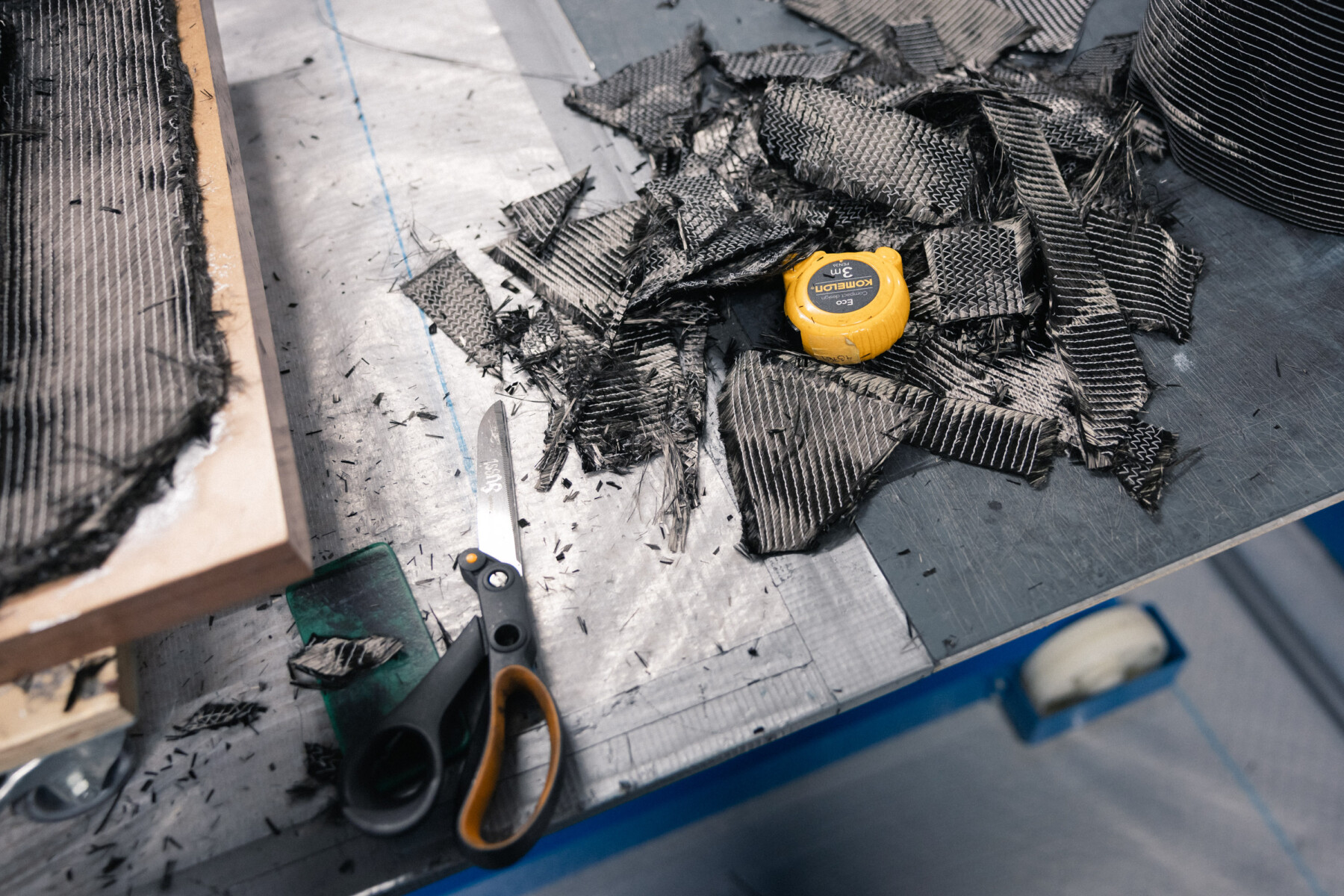
Boat building still requires a great deal of manual craftsmanship. Resin is used in boats as a bonding agent to secure fibreglass or carbon fibre panels together.
The roots run deep. As early as the 16th century, boatbuilding was an essential skill in the region. Communities settled along rivers, and the sea relied on shipbuilding and the tar trade for their livelihoods. The shallow, rocky coastline demanded both skilled seafarers and exceptionally durable boats. Local craftsmanship became so highly regarded that even the Swedish crown enlisted Ostrobothnian builders for its navy.
That tradition has endured, passed down through the generations. In the 1960s, the founding of the Nautor shipyard in Pietarsaari brought global recognition, with its Swan yachts becoming iconic. Skills spread as workers moved between companies, strengthening the entire regional ecosystem.
In 1973, five young professionals who had left Nautor founded their own company in the nearby village of Bosund. Their facilities were modest, and the village had just a single telephone line, but ambition was high. Their early models won awards, and the company became known as Baltic Yachts, with the slogan: “Lighter, stiffer, faster.”
Building boats to exact specifications
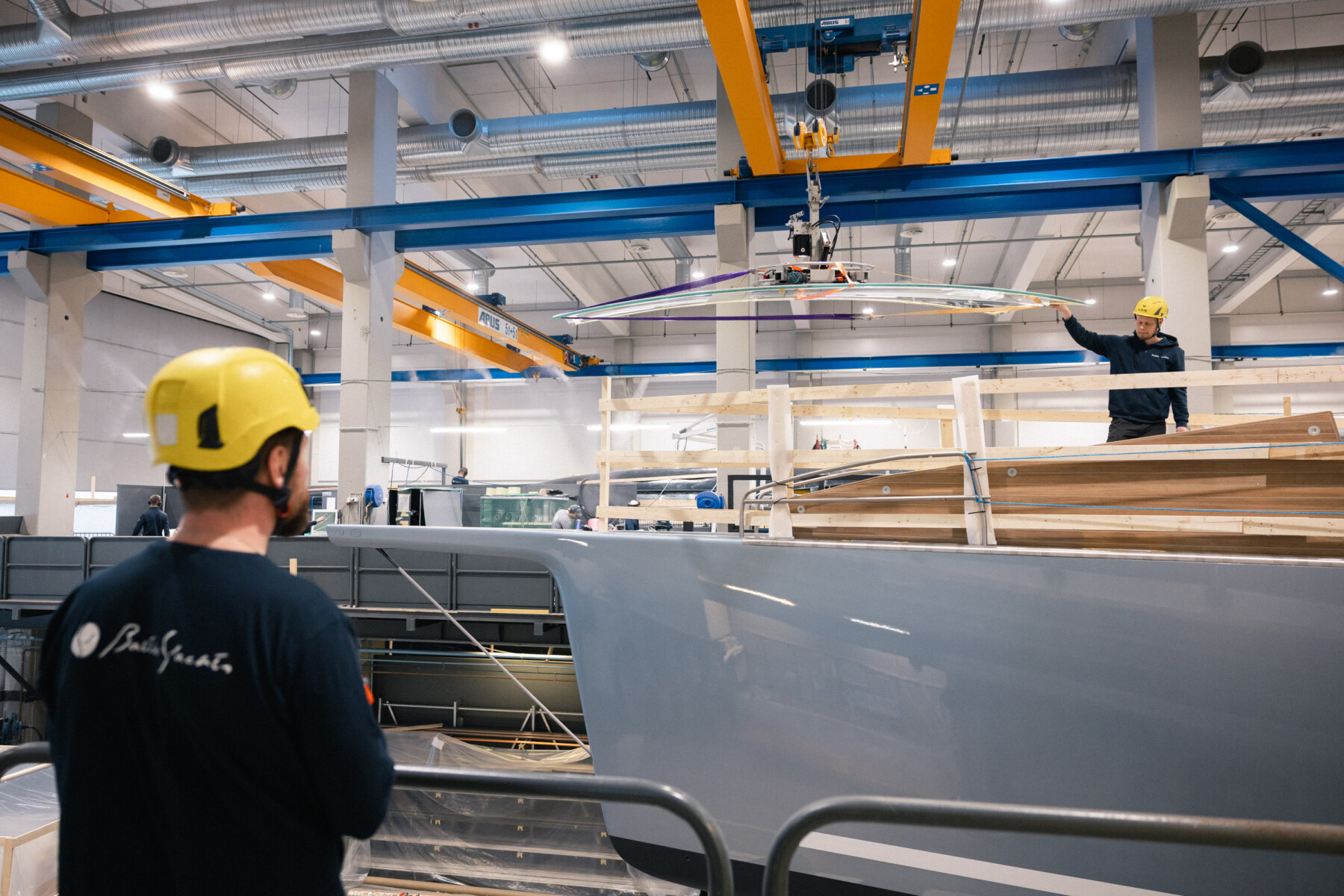
Boats by Baltic Yachts cost tens of millions of euros. There are only around a couple thousand potential customers worldwide.
Building a yacht worth tens of millions of euros requires absolute precision. Inside the shipyard, the air is humid, tools hum in the background, and teams carefully manoeuvre a 600-kilogram (1,300-pound) windscreen into place.
Each yacht is entirely bespoke, says CEO Tom von Bonsdorff.
“We start from scratch. If a client has the vision and the means, we make it happen.”
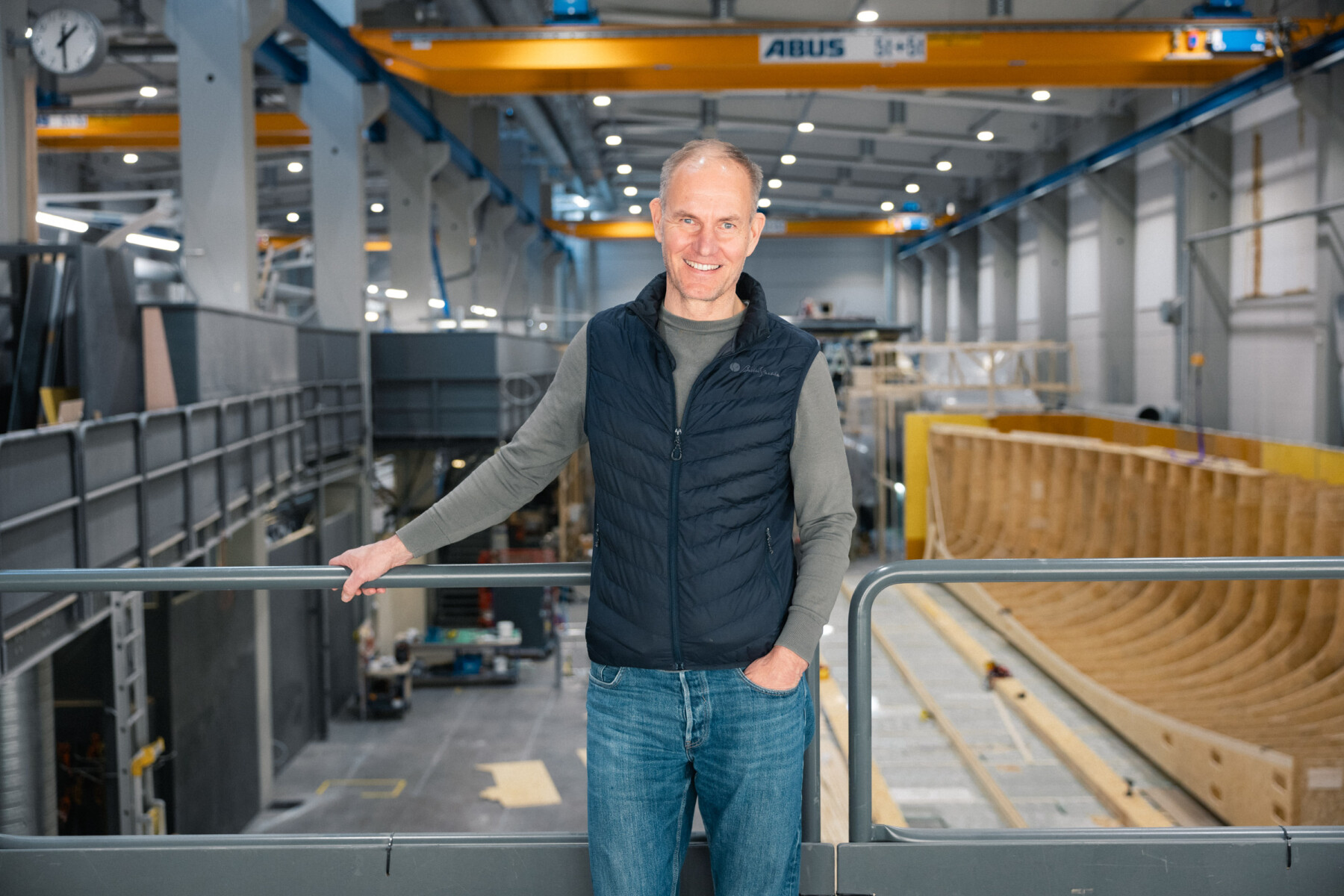
At Baltic Yachts, both the hull and much of the interior are made from carbon fibre – a material that is lightweight, rigid and exceptionally durable. The largest yacht the company has built to date measures 197 feet, says CEO Tom von Bonsdorff.
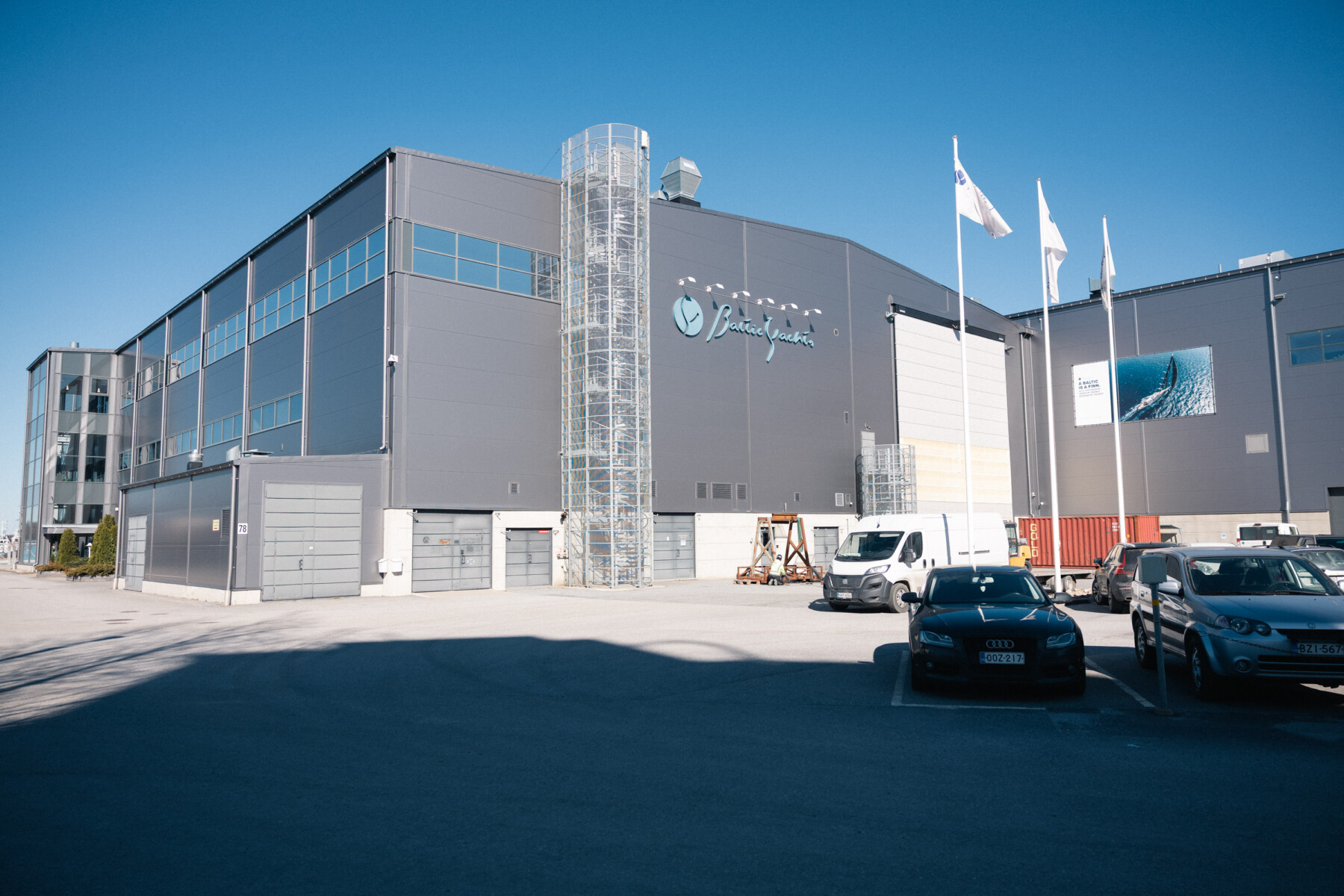
Baltic Yachts moved its production from Bosund to Pietarsaari in 2009.
Requests have included a pink sailing yachts, a rare grand piano installed in the saloon, bamboo-style bathrooms and vessels designed to look a century old while incorporating the latest technology. Every detail is crafted by hand, with a single yacht requiring between 100,000 and 300,000 hours of work. The vessel currently under construction has taken two years to complete.
Despite their luxury interiors, Baltic yachts are not just beautiful; they are built to perform. They regularly win regattas in the Caribbean and the Mediterranean.
From craftsmanship to comfort
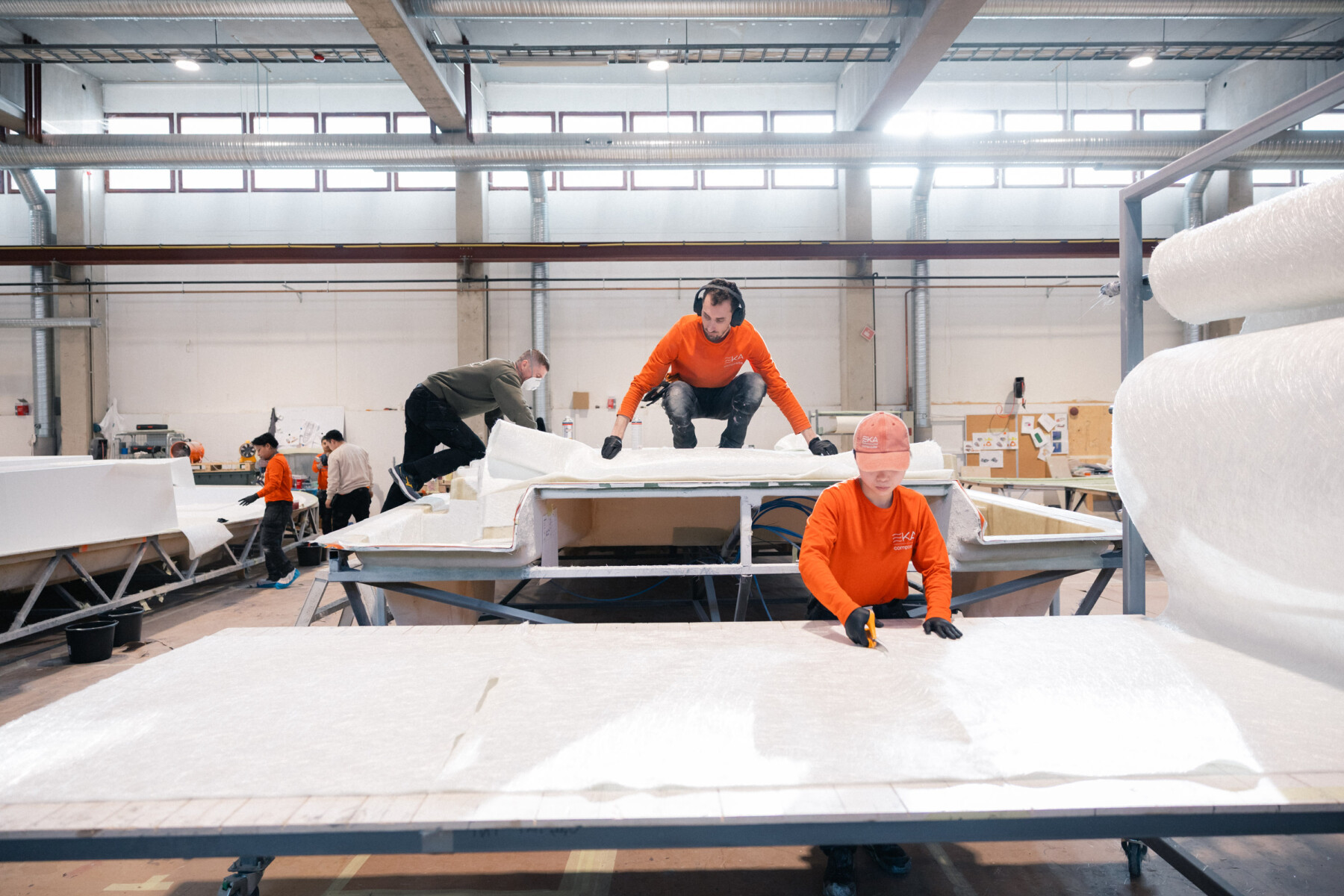
Eka Composite is a Finnish family-owned company. It has developed a specialised infusion technique in boatbuilding, reducing the weight of finished vessels by hundreds of kilograms.
Fifty kilometres (30 miles) south, in Oravainen, the bell rings for a coffee break at Eka Composite’s production facility. The scent of resin lingers in the air as workers laminate fibreglass hulls.
In another hall, systems and electronics are installed before decks are lifted into place.
Here, Quarken motorboats are built one by one. The 35-foot cabin cruiser currently on the floor – hull number 87 – is designed for comfort as much as performance. The covered helm features ventilation, a sound system, a sink and a fridge. Inside, there is sleeping space for several people and a bathroom with a shower.
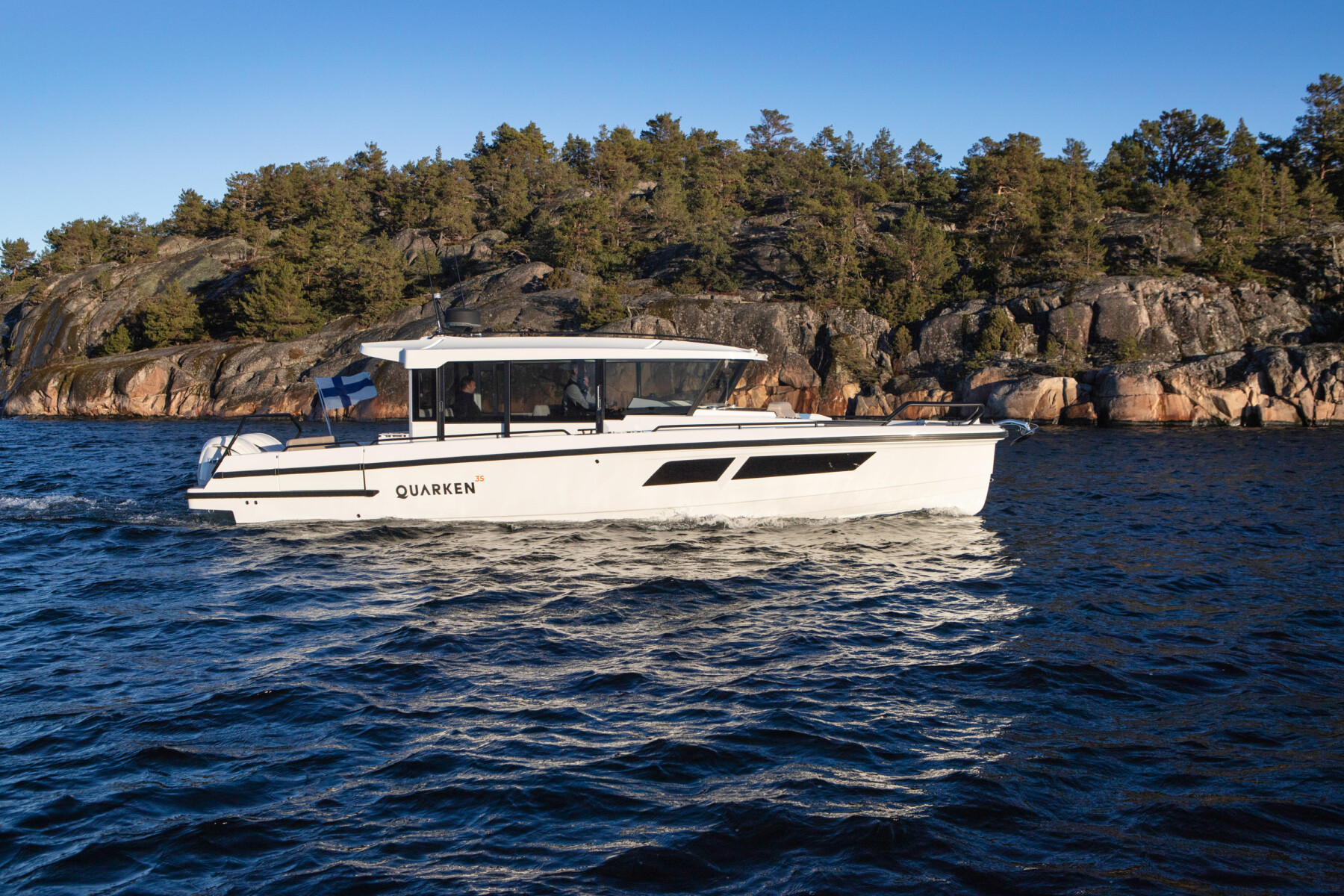
Quarken showcases its boats at international boat shows around the world. “The boat has to create that moment when the customer opens the door and just goes, ‘Wow,’” Roukala says.Photo: Quarken
“These boats are made for relaxed days at sea, and sometimes overnight trips,” says CEO Mikael Strand. This particular vessel will soon be shipped to Florida.
Behind Quarken is entrepreneur Osmo Roukala, who grew up around boats in Kalajoki. What began as childhood curiosity in his uncle’s workshop turned into a lifelong career. Roukala has founded several companies, including Finnmaster Boats, known across the Nordic countries.

For Quarken, maintaining a strong Finnish identity is essential. “Everything that can be sourced in Finland, is sourced in Finland,” says cofounder Osmo Roukala.
Today, his process still begins on graph paper before evolving into digital models, virtual reality simulations and finally seaworthy vessels. Quarken boats are designed with usability in mind: easy access, practical layouts and durable, high-quality materials.
“Ninety percent of our boats are exported,” Roukala says. “For many customers, this is not their first boat. They are looking for something smaller, easier to use – but without compromising on quality.”
A global industry from a small region
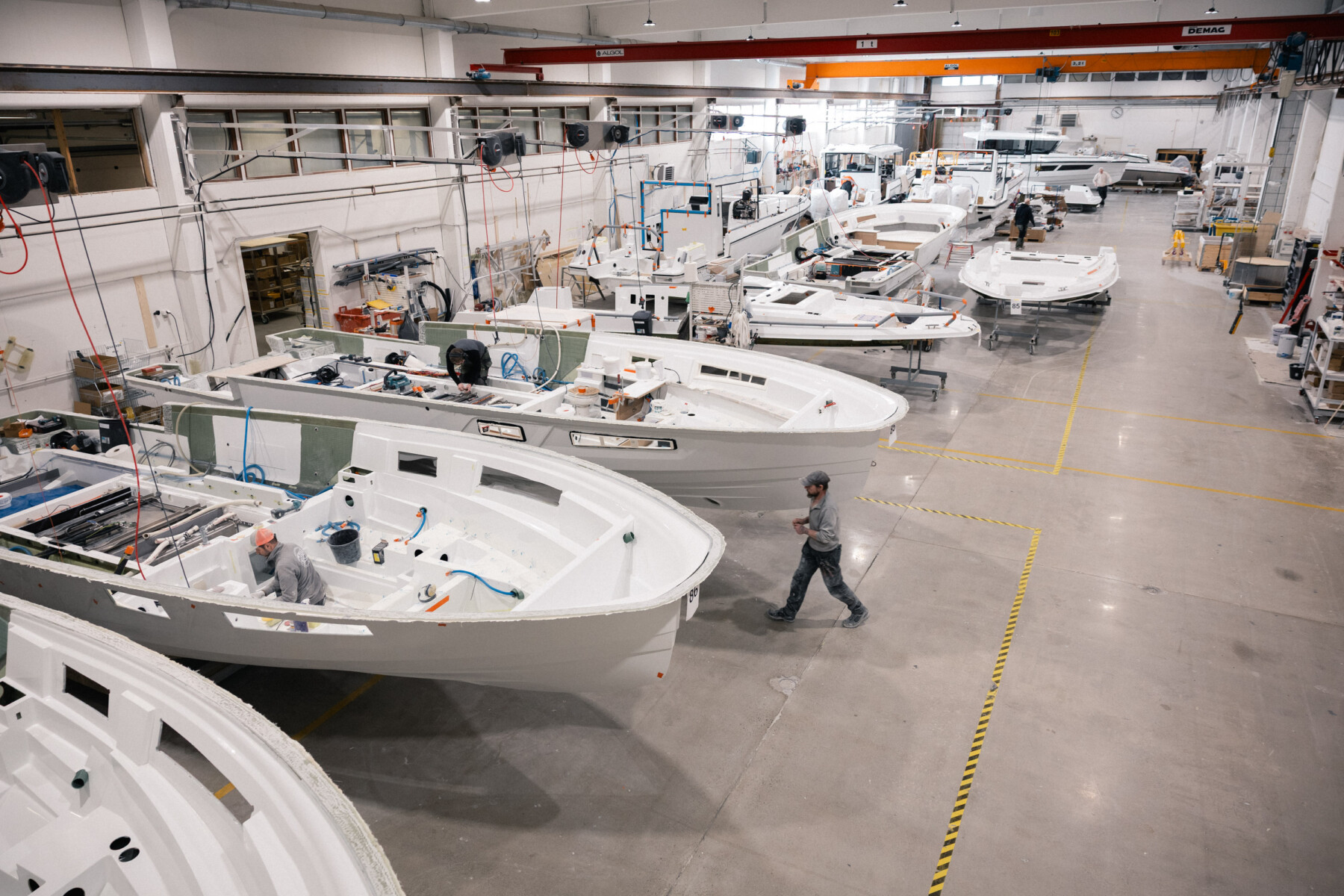
The interiors of Quarken boats are built using modular elements, making them easy to tailor to individual customer preferences.
Finland is a major player in boatbuilding. The Finnish Marine Industries Federation, Finnboat, says that around 60 percent of the country’s boat manufacturers are located in Ostrobothnia, accounting for more than 80 percent of the industry’s turnover.
Approximately 80 percent of Finnish-built boats are exported, reaching markets in over 50 countries, including the UK, the US, Sweden, Norway, Germany, Turkey and Greece.
With so many companies in one region, innovation has become essential. Finnish boatbuilders are known for technical experimentation and sustainable solutions, with the country considered a pioneer in areas such as recycling.
Built for demanding conditions
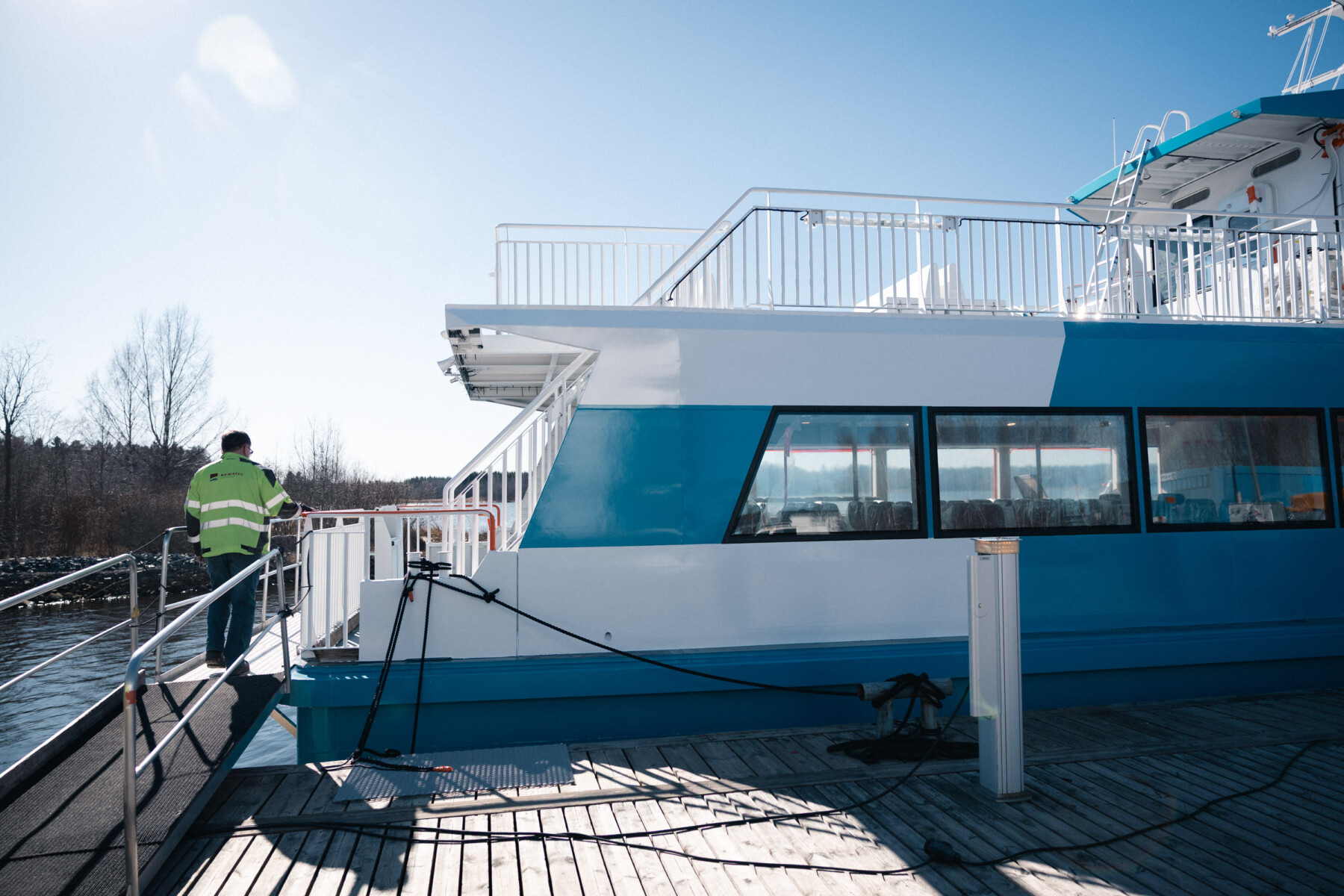
According to production manager Jouko Pesola, Kewatec builds ten to 30 boats each year. Boatbuilding requires extensive engineering and specialised manual work.
Not all seas are calm. When conditions turn extreme, vessels from Kewatec are called into action.
Based in Kokkola, Kewatec builds aluminium workboats for civil security, defence and infrastructure. Its portfolio includes floating hospitals and fully electric vessels. Each boat is custom designed for its purpose, requiring extensive engineering and precision.
Lightweight, durable and recyclable, many models are even self-righting.
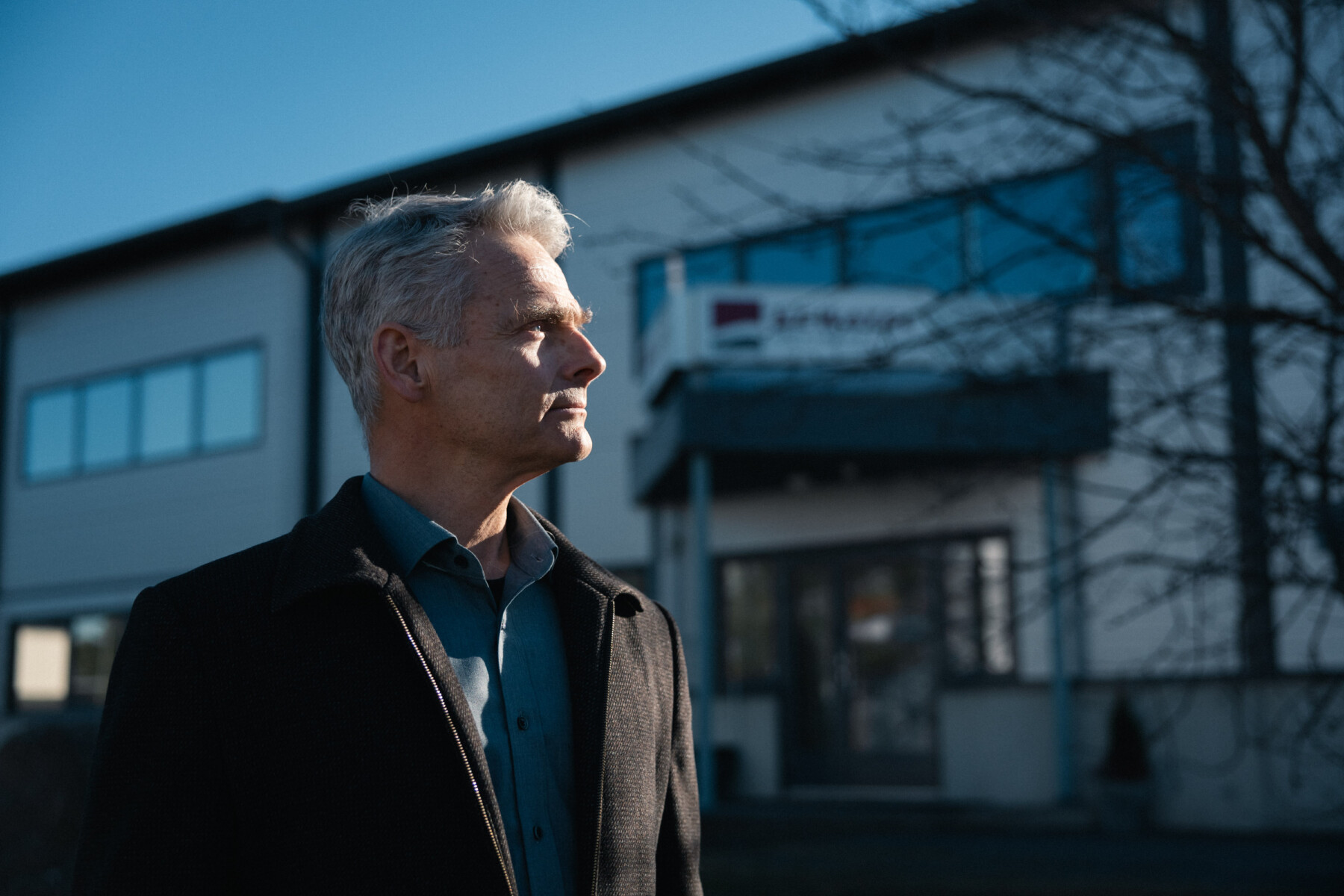
Being Finnish is an advantage for Kewatec: customers know they are getting a durable vessel made from high-quality materials, says CEO Kent Björklund.
“Finnish boats have always been highly functional, but design matters too,” says CEO Kent Björklund.
In Kewatec’s yard, a bright orange search and rescue vessel awaits delivery to Iceland, while a blue environmental vessel stands nearby, ready to clean coastal waters. The company’s clients include navies in countries such as Greece, Tunisia and Norway, but also several universities, research organisations and even police departments around Europe.
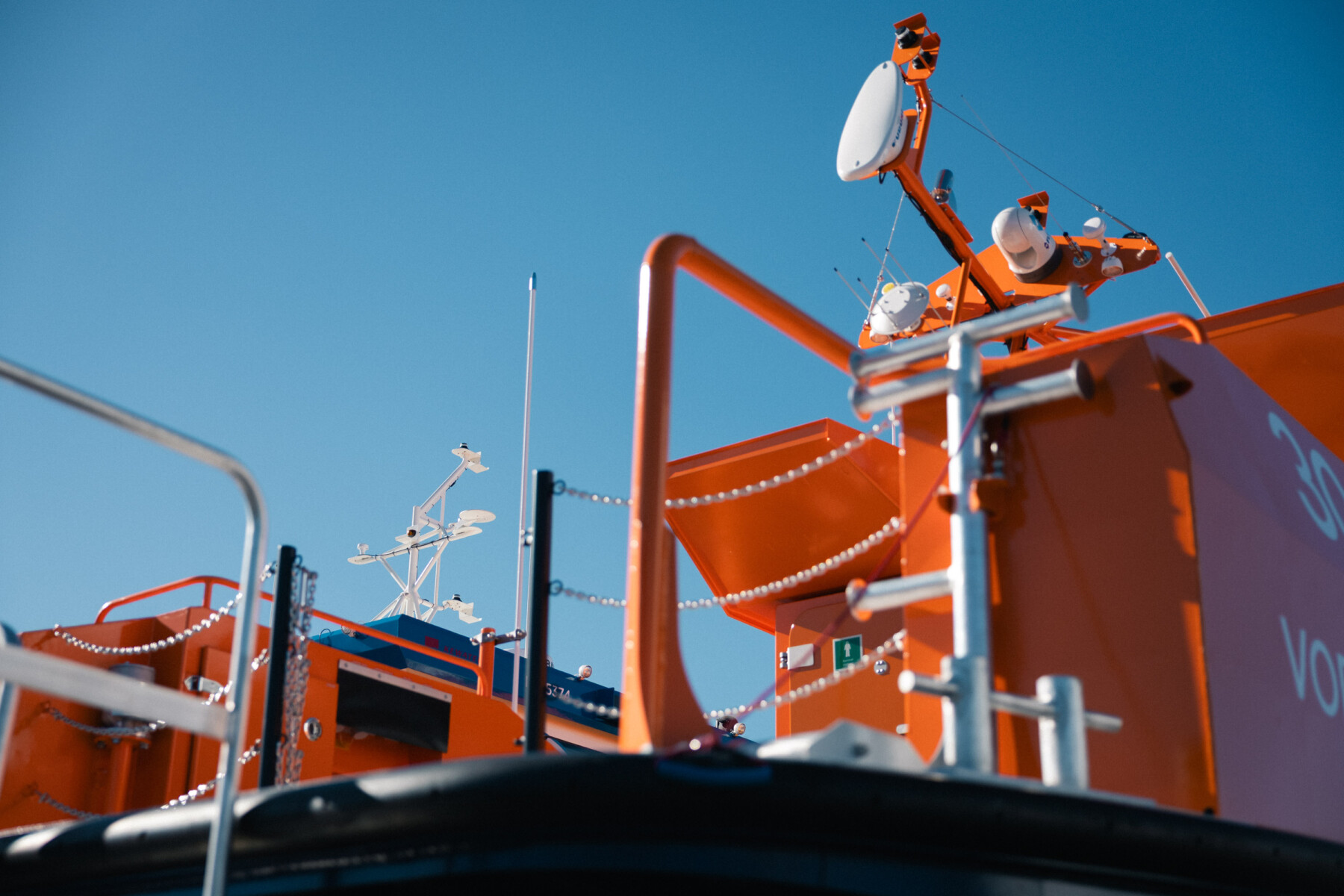
Kewatec was founded by entrepreneur Kalle Wargh in 1998, although its predecessor company dates back to the 1970s.
“Our reputation is everything,” Björklund says. “Being from Ostrobothnia – and from Finland – stands for reliability. We deliver what we promise.”
Text and photos by Emilia Kangasluoma, June 2026