As Yle celebrates its 100th anniversary, let’s list ten facts about the broadcaster and its changing role in Finnish society.
1. Yle is almost as old as the BBC
Britain’s BBC began broadcasting in 1922. Finland followed only four years later when Yle aired its first radio programme from central Helsinki in September 1926. (“Yle” is an abbreviation of the company’s Finnish name, Yleisradio.)
2. It was created to connect a young nation
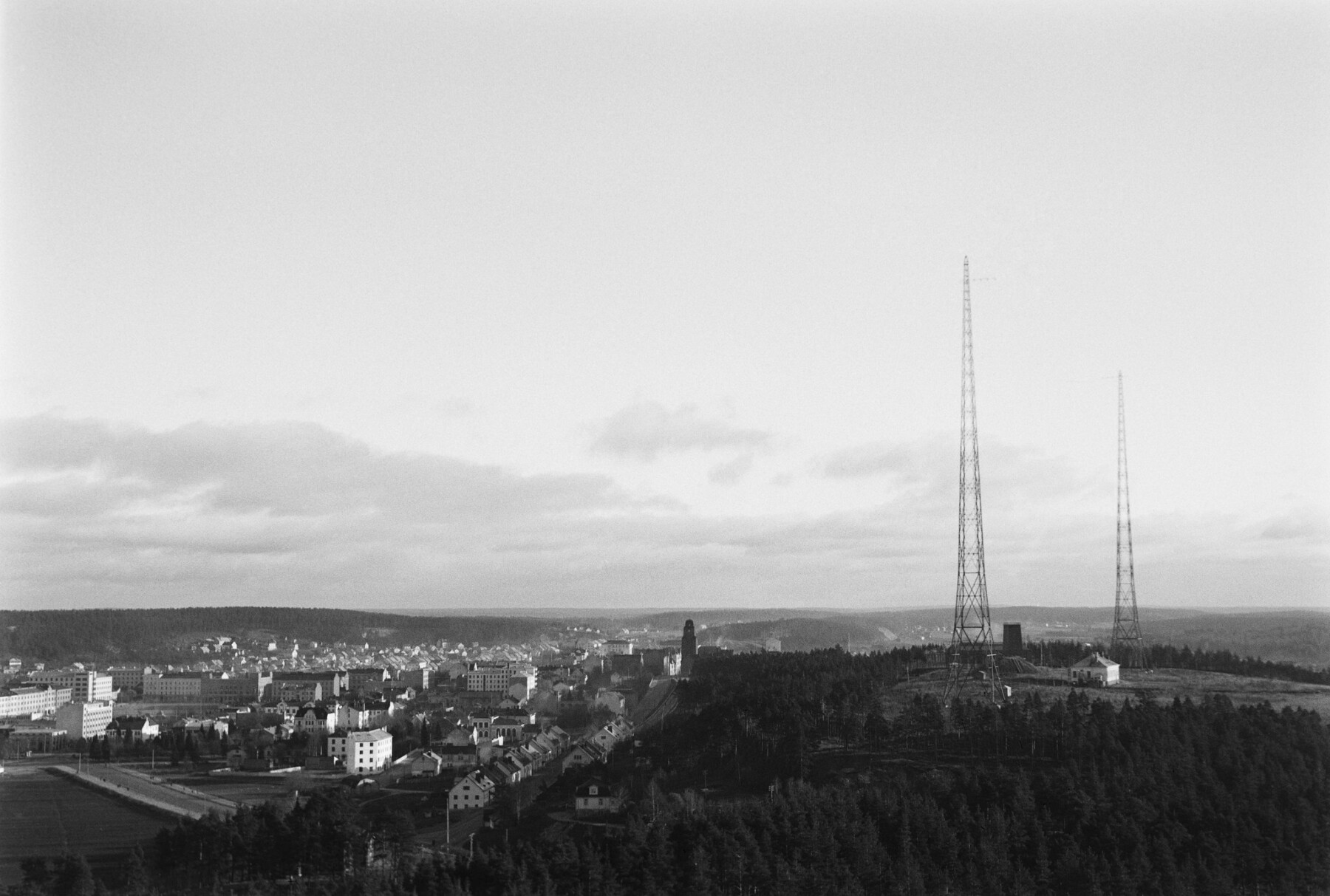
Radio coverage gradually expanded to reach the whole of Finland. By the 1930s, around 100,000 households were able to listen to Yle’s broadcasts. This photograph of the southern city of Lahti shows a radio station and its masts around 1935.Photo: Archives of the Finnish Broadcasting Company Yle
Finland had gained independence less than a decade earlier. Yle’s founders saw broadcasting as a way to bring together people living in distant towns and rural communities across a sparsely populated country.
3. Children’s programmes were part of it from the beginning
One of Yle’s earliest hits was Children’s Hour with Uncle Markus (Markus-sedän lastentunti). For three decades, the beloved radio host Markus Rautio taught children good manners and highlighted the virtues of porridge.
4. Yle helped connect Finns with education and culture
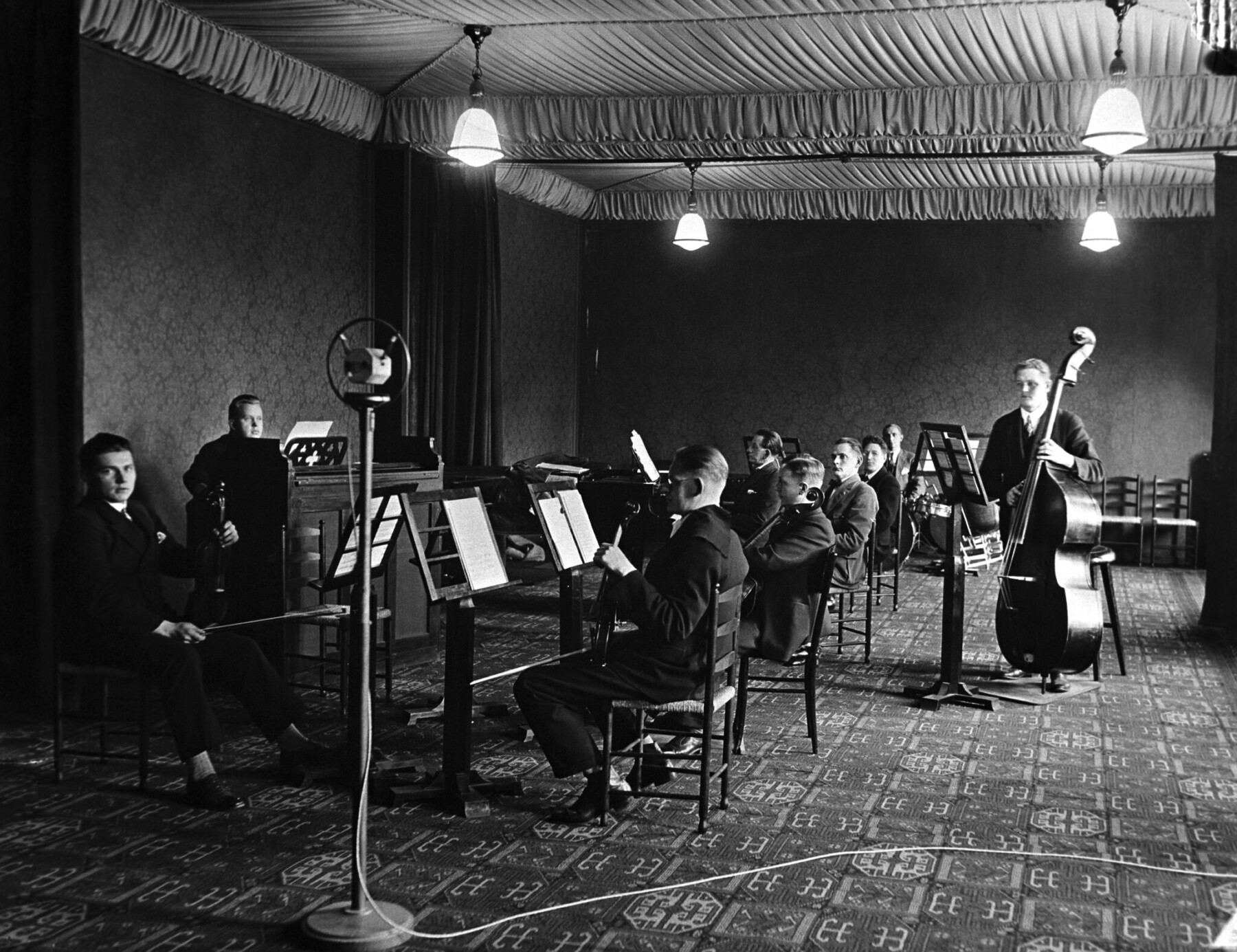
The Finnish Radio Symphony Orchestra was founded in 1927, just one year after the launch of radio broadcasting in Finland. It has an international reputation and has won numerous awards. This photo is from a 1927 performance in a studio in Helsinki.Photo: Archives of the Finnish Broadcasting Company Yle
From its first year, Yle broadcasted language lessons, parliamentary coverage and symphony concerts, bringing education, politics and culture into people’s homes.
5. Television arrived surprisingly late
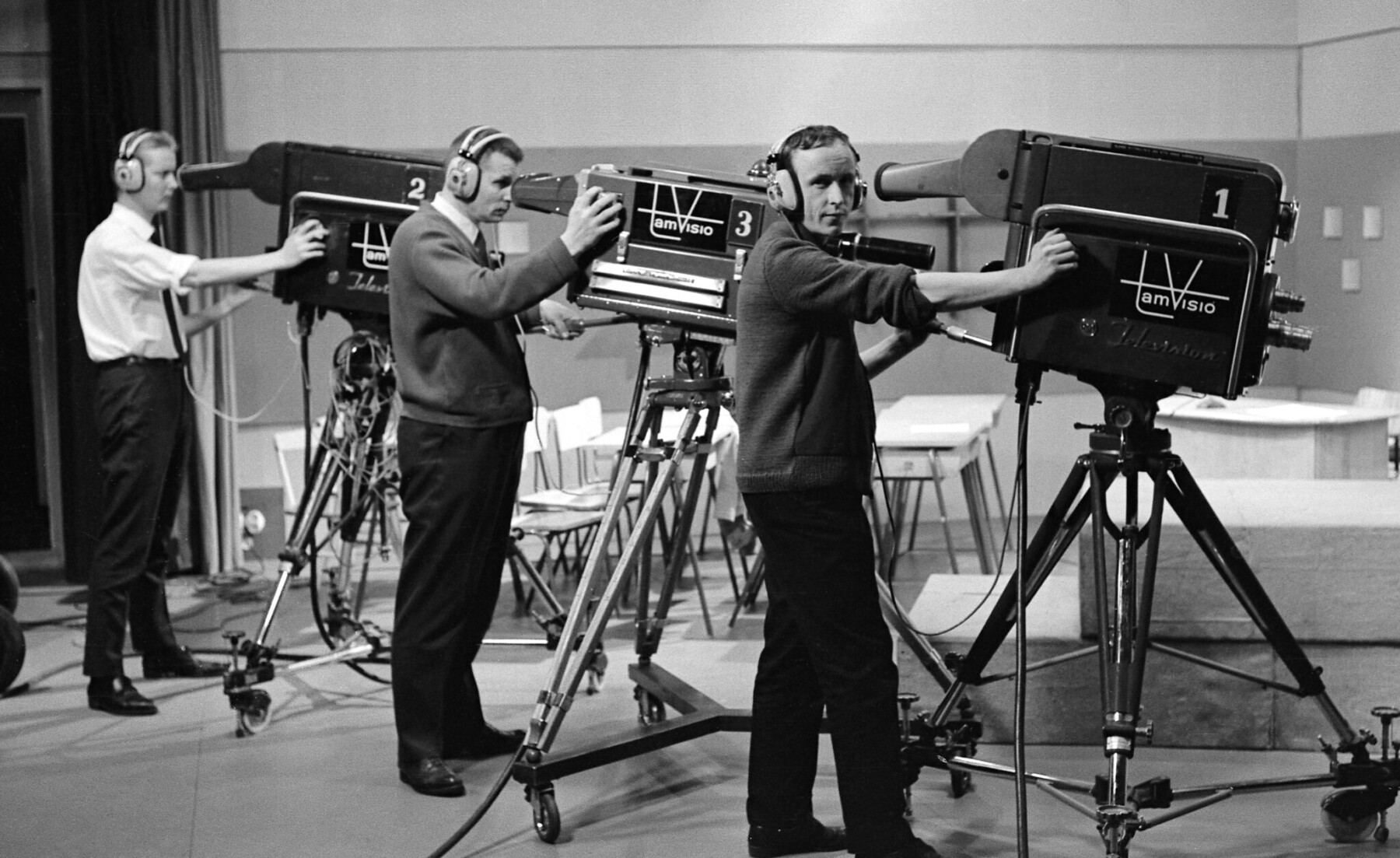
Camera operators pose with TV cameras in the southern central city of Tampere in 1965.Photo: Archives of the Finnish Broadcasting Company Yle
Regular television broadcasts began in 1958, and the first TV news bulletin followed a year later. At the time, many Finns had never even seen a television set.
6. Yle broadcasts Finland’s most-watched annual event
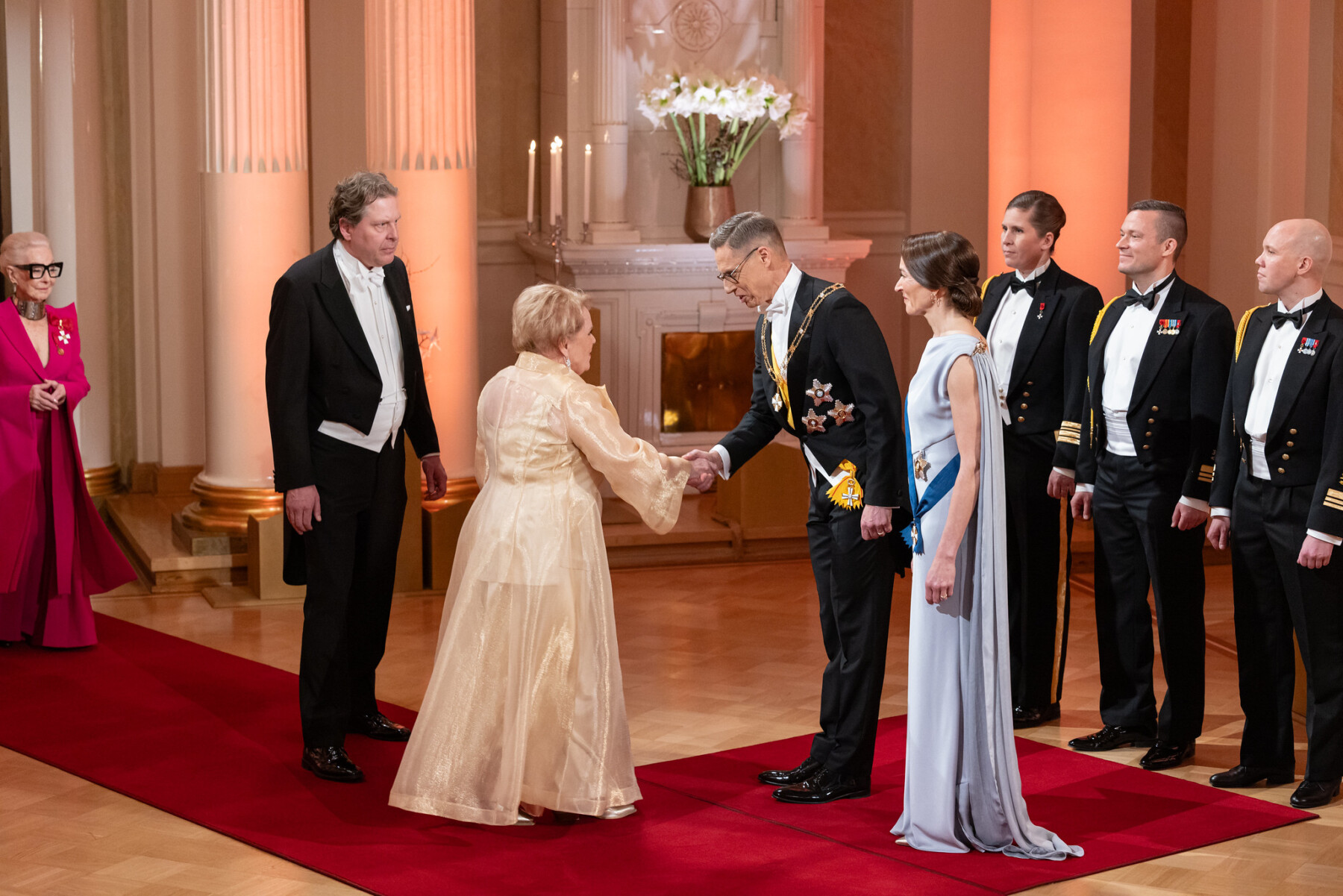
The Independence Day reception at the Presidential Palace is one of the most-watched television broadcasts of the year. In 2025, singer Katri Helena was the first guest to shake hands with President Alexander Stubb and his wife, Suzanne Innes-Stubb.Photo: Lauri Heikkinen / Office of the President of the Republic of Finland
Every December, millions of Finns tune in to watch the Independence Day Reception hosted by the President of Finland. Yle first broadcasted the event in 1949 for radio, and it remains one of the country’s biggest television traditions even today.
7. Yle was an early digital pioneer
Yle went online in 1995, long before streaming became commonplace. Its Yle Areena streaming service, launched in 2007, transformed how Finns watch TV and listen to the radio, while its Living Archive became a global pioneer in digital broadcasting archives.
8. Finns trust Yle
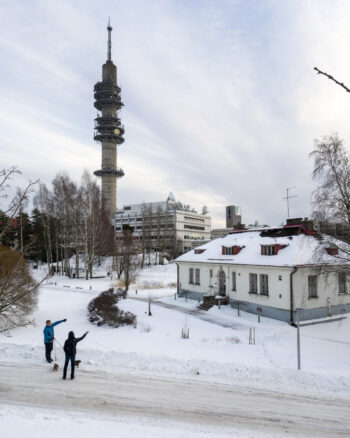
This transmission tower in the Pasila neighbourhood has been one of Helsinki’s landmarks for decades.Photo: Pekka Vyhtinen / Helsinki City Museum
Public trust is one reason Yle remains influential after a century. Surveys often rank Yle as Finland’s most trusted news organisation.
9. Yle operates in one of the world’s freest media environments
Finland regularly ranks near the top of international press freedom indices. Freedom of expression is protected by law, and independent journalism is a cornerstone of Finnish democracy.
10. Yle serves one of Europe’s most media-literate populations
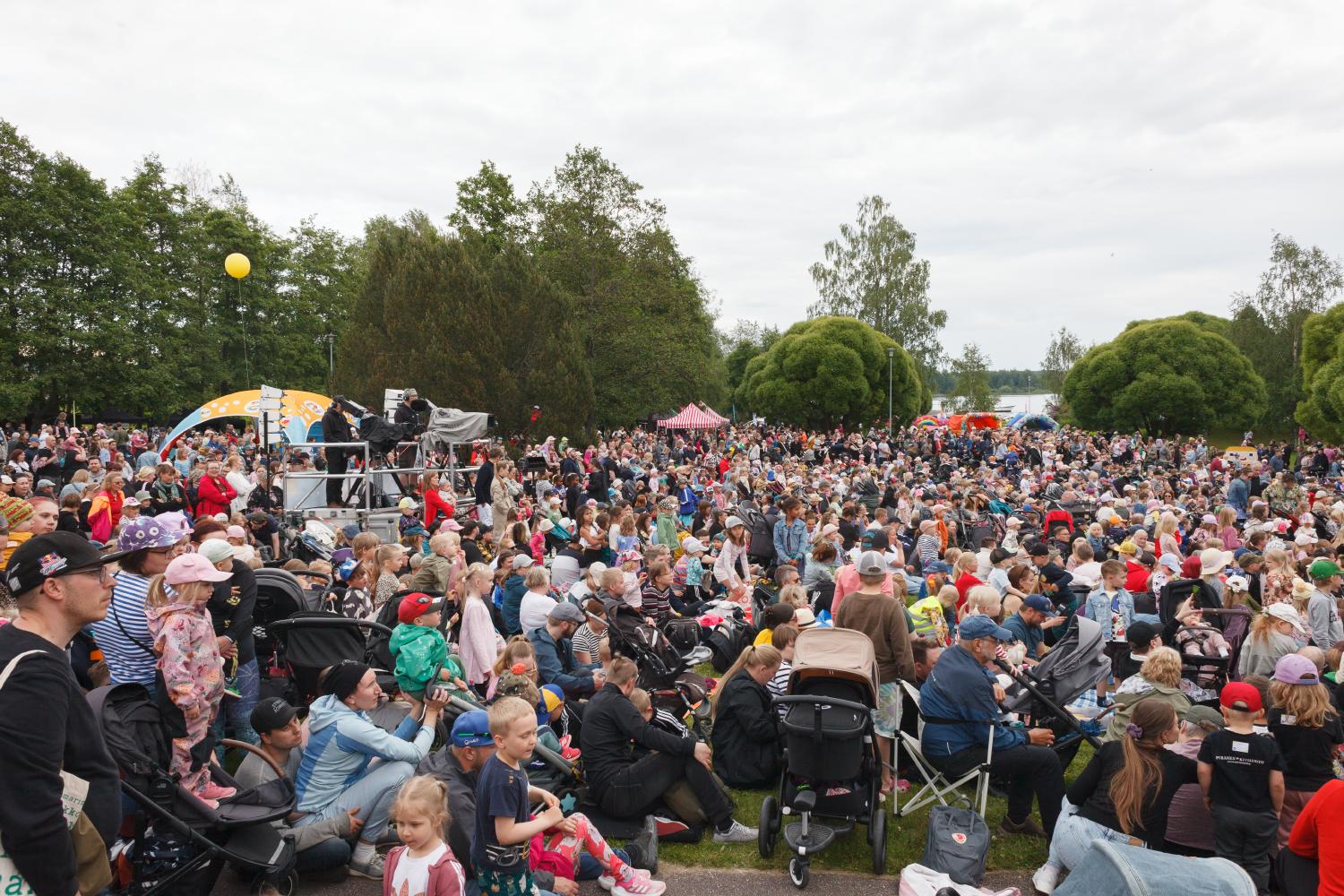
Yle’s Pikku Kakkonen children’s concerts, held in locations around Finland, are hugely popular. This one is in Laukaa, central Finland.Photo: Antti Makkonen / the Museum of Central Finland
Finland has topped the European Media Literacy Index since it was first published in 2017. From an early age, children learn to evaluate sources, recognise misinformation and understand how media shapes society. Libraries, schools and civic organisations all contribute to media literacy.
By Emilia Kangasluoma, September 2026