A cyclist whizzes past. Then another.
In Oulu, they’re everywhere – even in the depths of winter. When snow falls, the city clears and maintains its bike paths, and people still cycle to work and school as if it were the most natural thing in the world. With more than 950 kilometres (590 miles) of cycle routes, the largest city in northern Finland has earned an international reputation as one of the world’s great cycling cities.
Located around 540 kilometres (335 miles) north of Helsinki, Oulu sits at roughly the same latitude as Nuuk, Greenland and Fairbanks, Alaska. Yet while many visitors mainly associate the city with bicycles and its tech sector, there is another side to Oulu that has become impossible to ignore.
As European Capital of Culture 2026, the city is inviting visitors to discover a place where creativity has escaped the walls of museums and become part of everyday life.
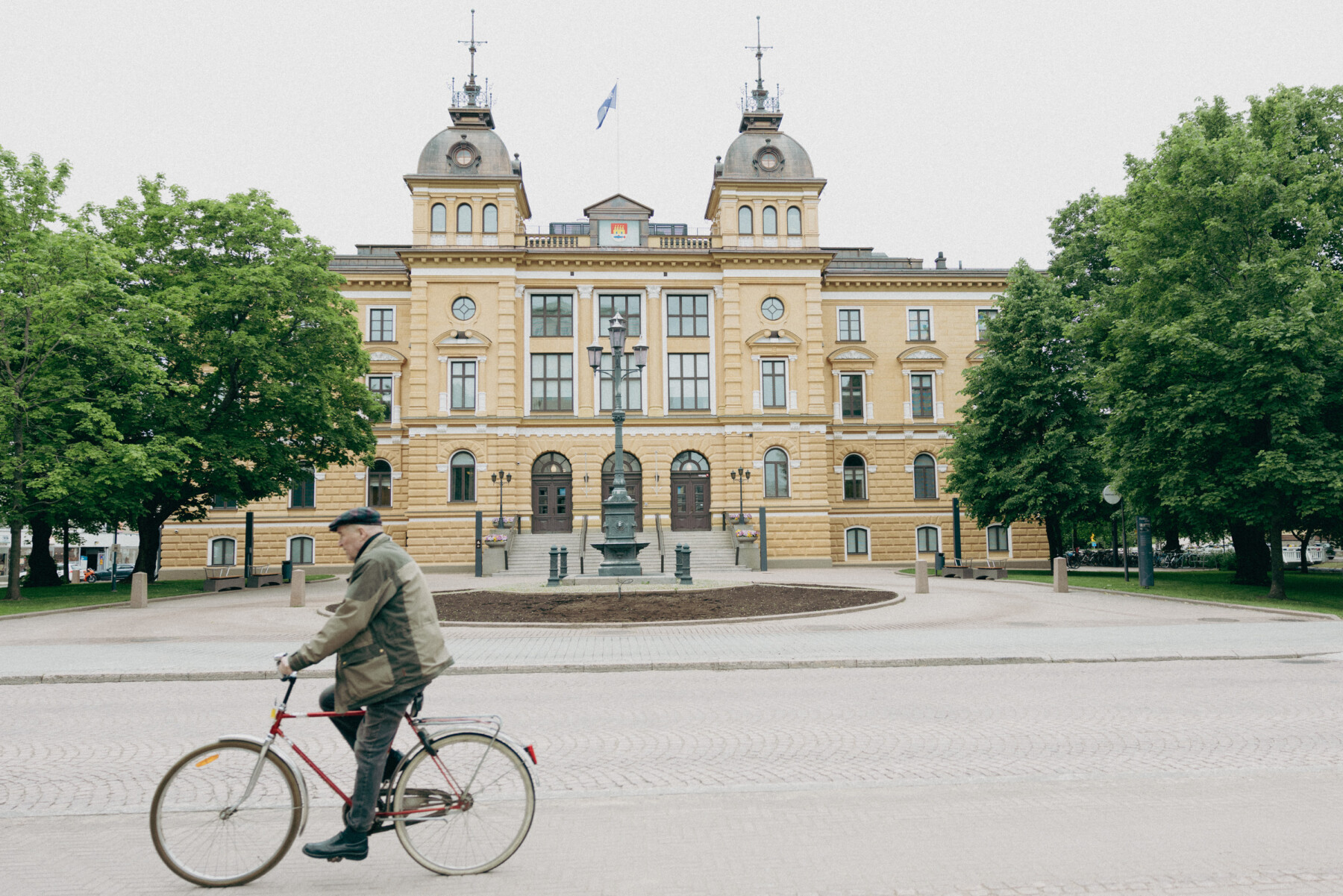
Oulu is best known as one of Finland’s leading technology hubs, but the city also has a thriving cultural scene.
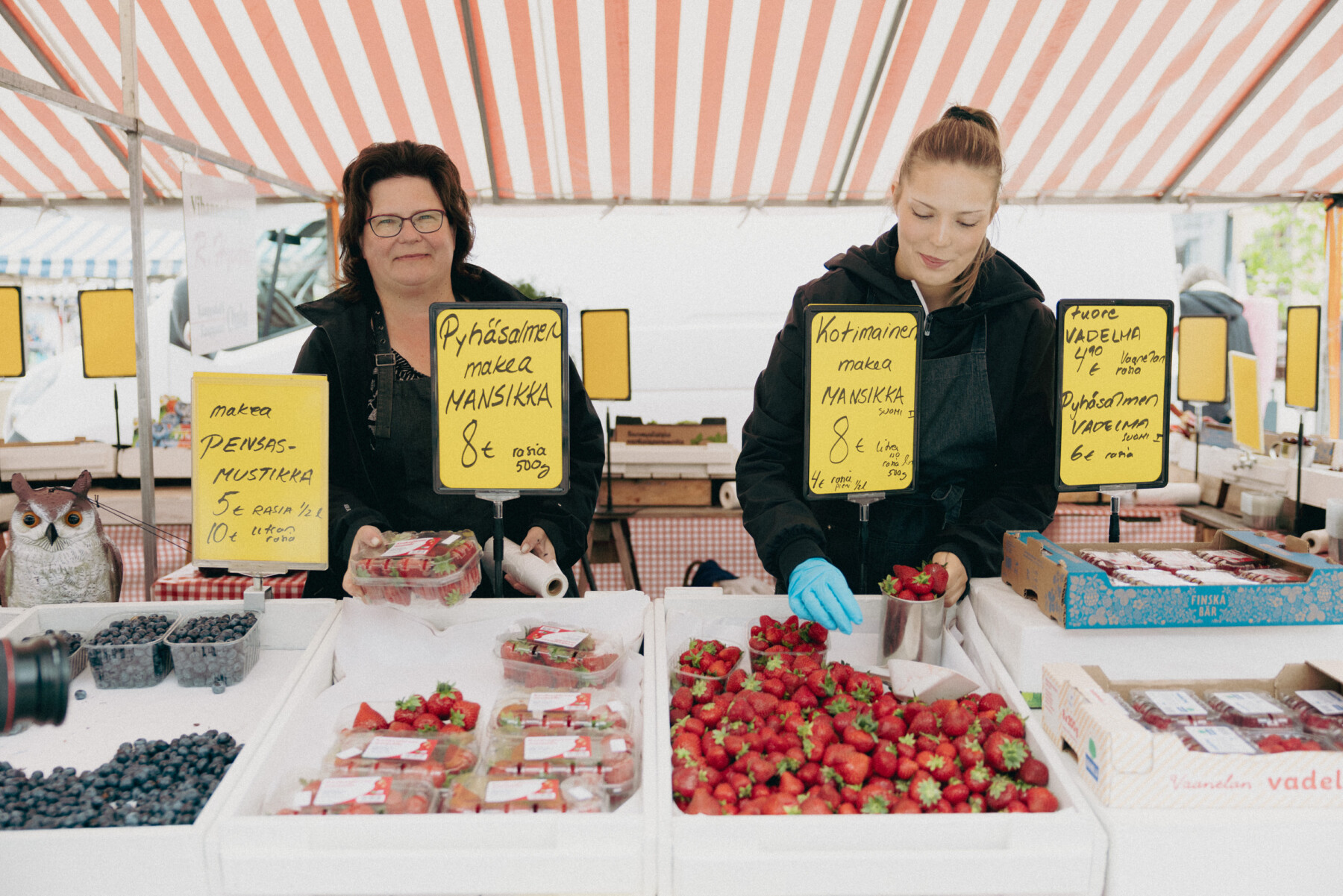
Riikka Isohätälä (left) and Eerika Jurmu sell fresh vegetables and berries on Oulu’s Market Square.
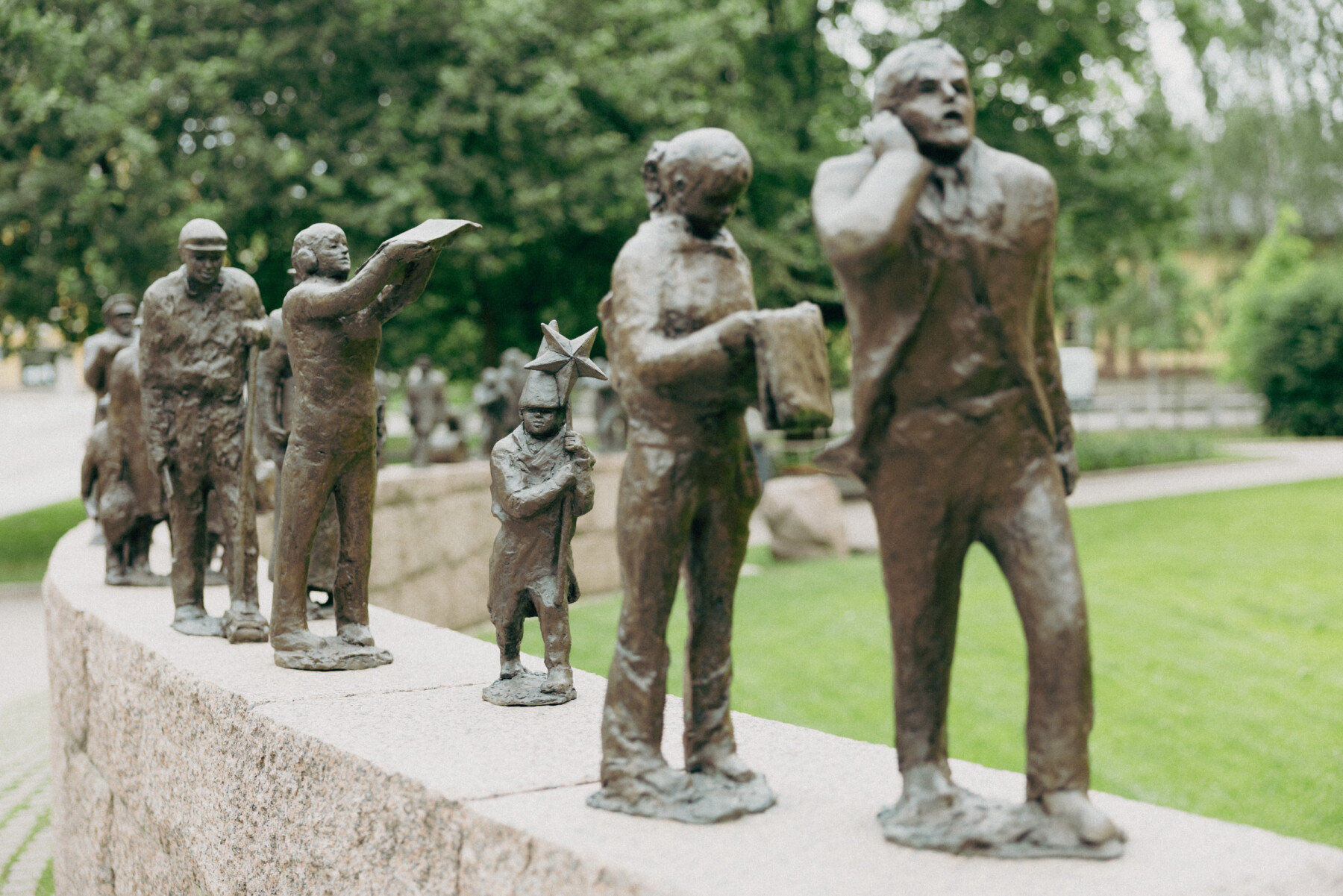
Artist Sanna Koivisto created the sculpture Passage of Time in 2005.
Our walk begins at one of Oulu’s best-known landmarks. Standing patiently on Market Square is the beloved statue Toripoliisi, or The Bobby at the Market Place. The sculpture pays tribute to the market police officers who kept order here in the early 20th century, when the waterfront bustled with merchants, sailors and cargo from across northern Europe.
Back then, Oulu looked very different. Founded in 1605, the city built its prosperity on tar. Essential for waterproofing wooden sailing ships, tar became one of northern Europe’s most valuable exports, and Oulu grew into one of the region’s busiest ports.
From tar to tech
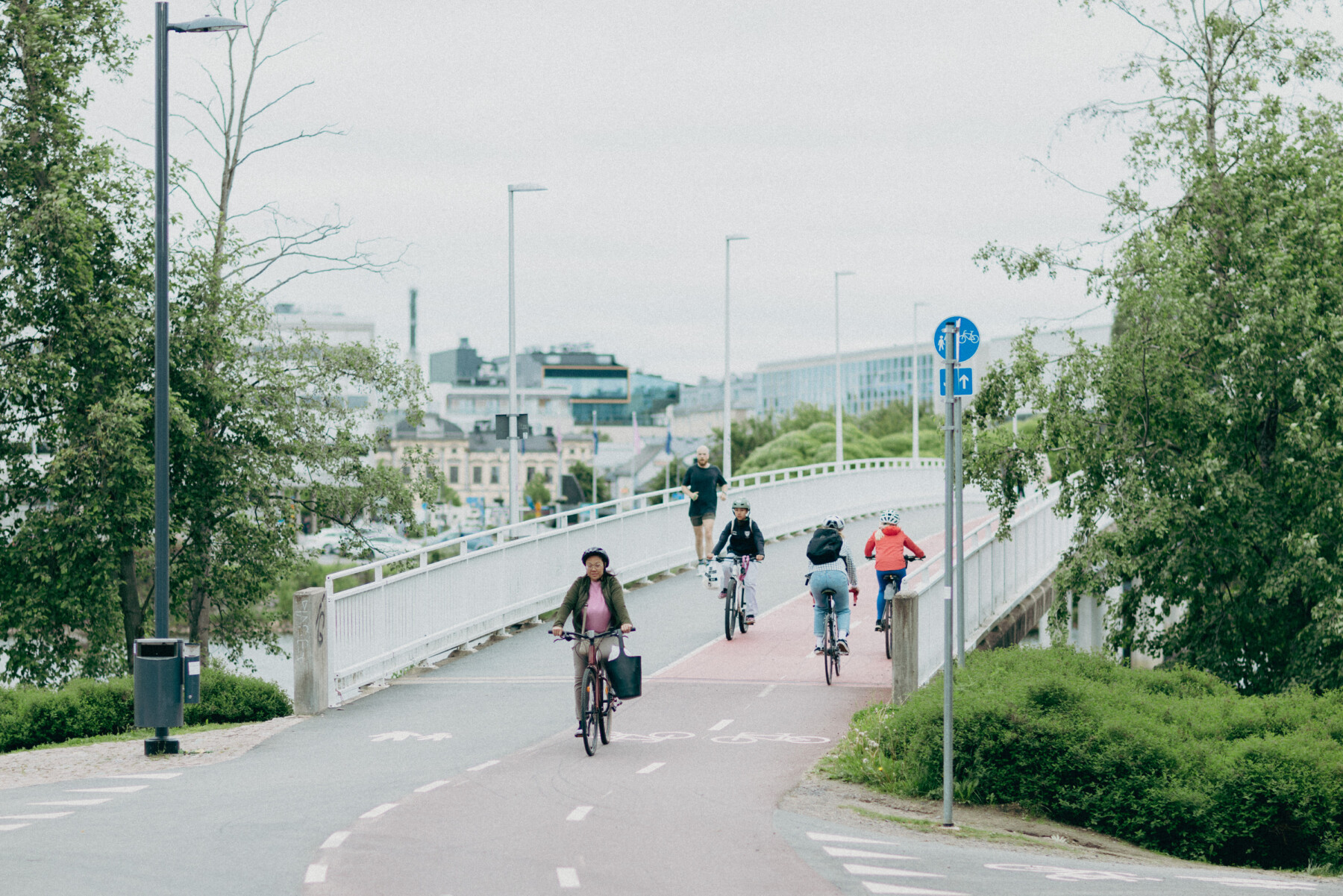
Oulu has more than 950 kilometres (590 miles) of cycle routes.
Across the river estuary, just a short walk from Market Square, lies the Pikisaari district. Tar was once produced here, and later ships were built along its shoreline. A century ago, the island echoed with industry. Today it hums with creativity.
Cyclists continue to glide past as we cross the bridge.
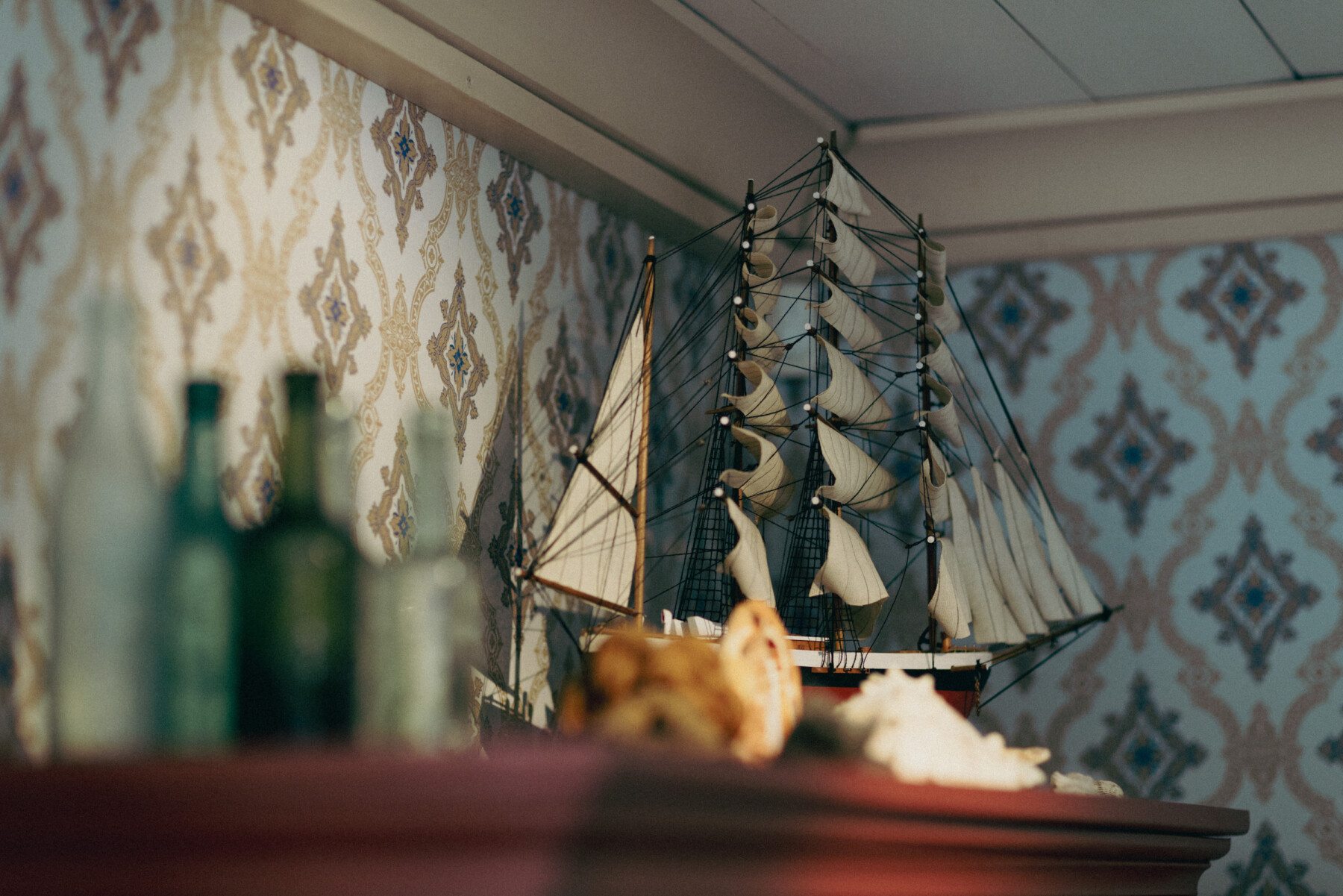
Oulu has a long maritime history. The Sailor’s Home Museum offers a glimpse into the lives of past generations.
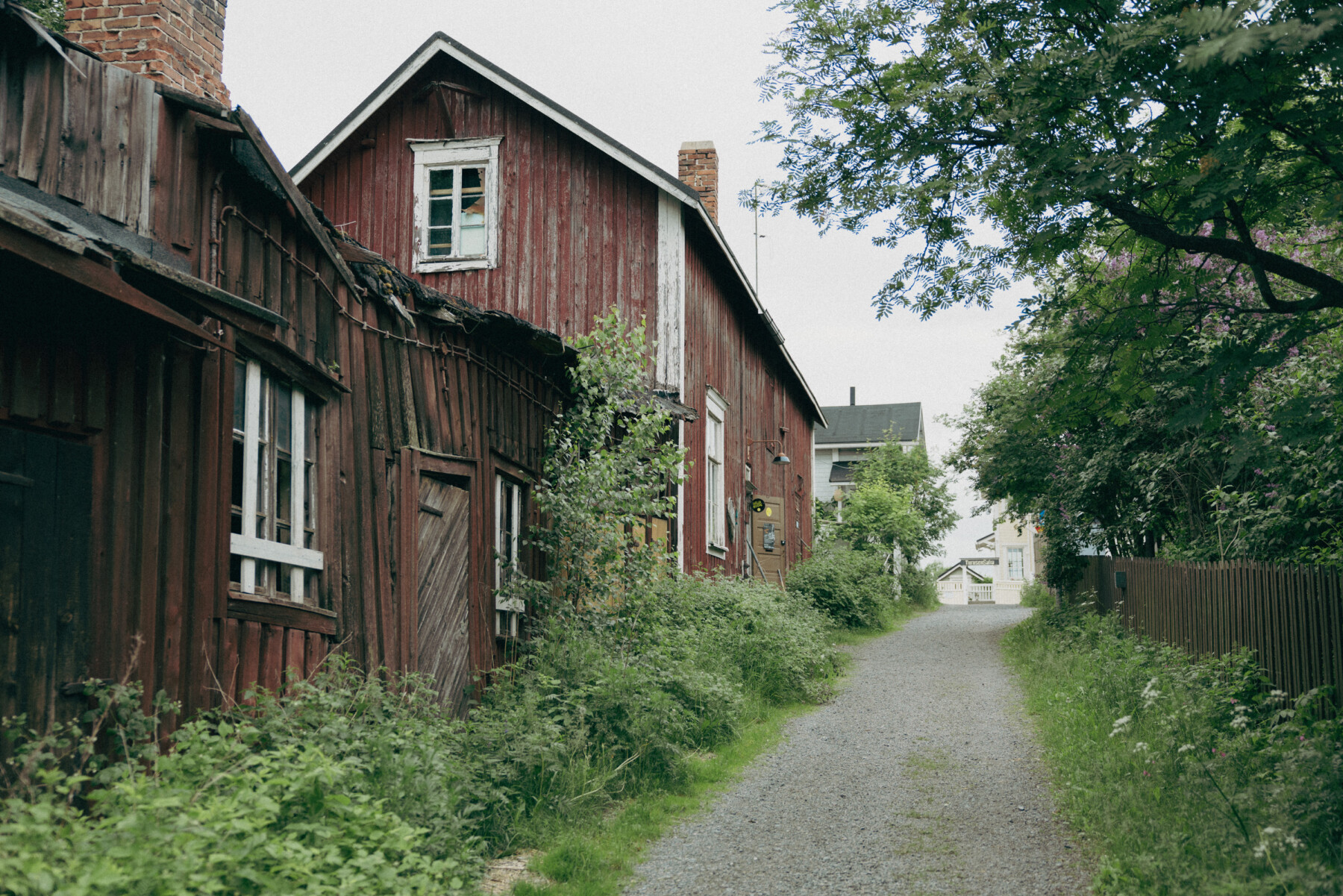
Pikisaari’s idyllic streets are lined with historic wooden buildings, some in better condition than others.
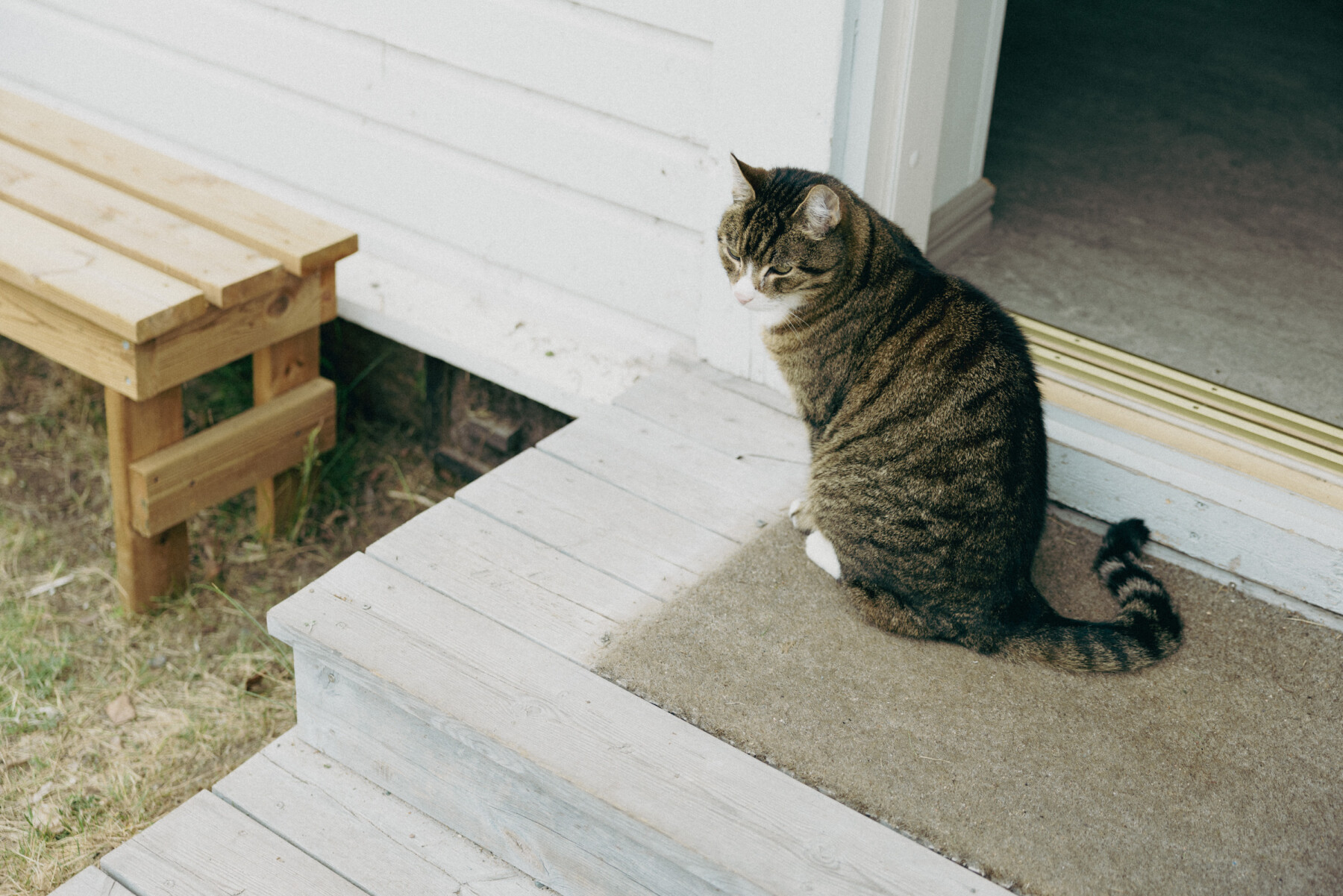
A tabby cat kept watch at the door of Art Hub Pikisaari.
Historic wooden houses now stand alongside reminders of the island’s industrial past. A gallery door is propped open, tools clatter against metal, and the faint scent of tar still lingers in the air.
Until autumn, the island’s waterfront is home to Pikinen Poloku, an environmental art trail that weaves through the old neighbourhood. At the Matila House, the Sailor’s Home Museum recreates the home of a sailor from the late 19th century, when seafaring shaped much of the city’s identity. Next door, Art Hub Pikisaari occupies the same area where shipbuilders and craftsmen once worked.
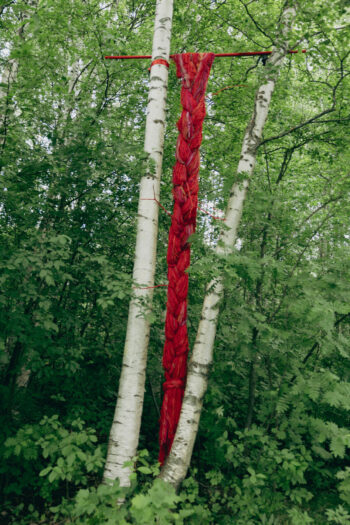
Artist Helena Kaikkonen’s work Plait stands out against the surrounding landscape.
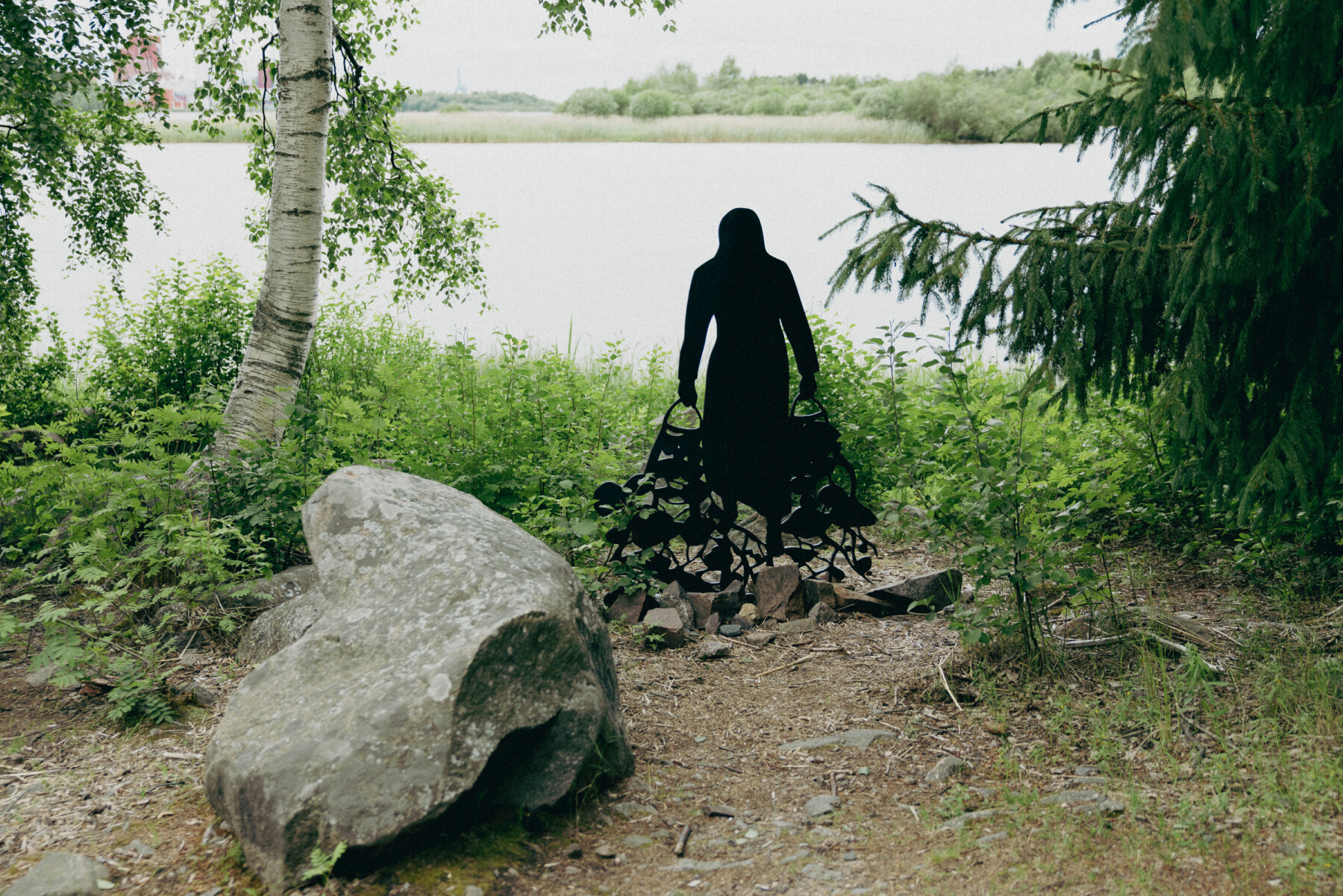
Estonian artist Jane Remm’s Hunch, Care and Thirst of Life comprises three sculptures placed in the landscape.
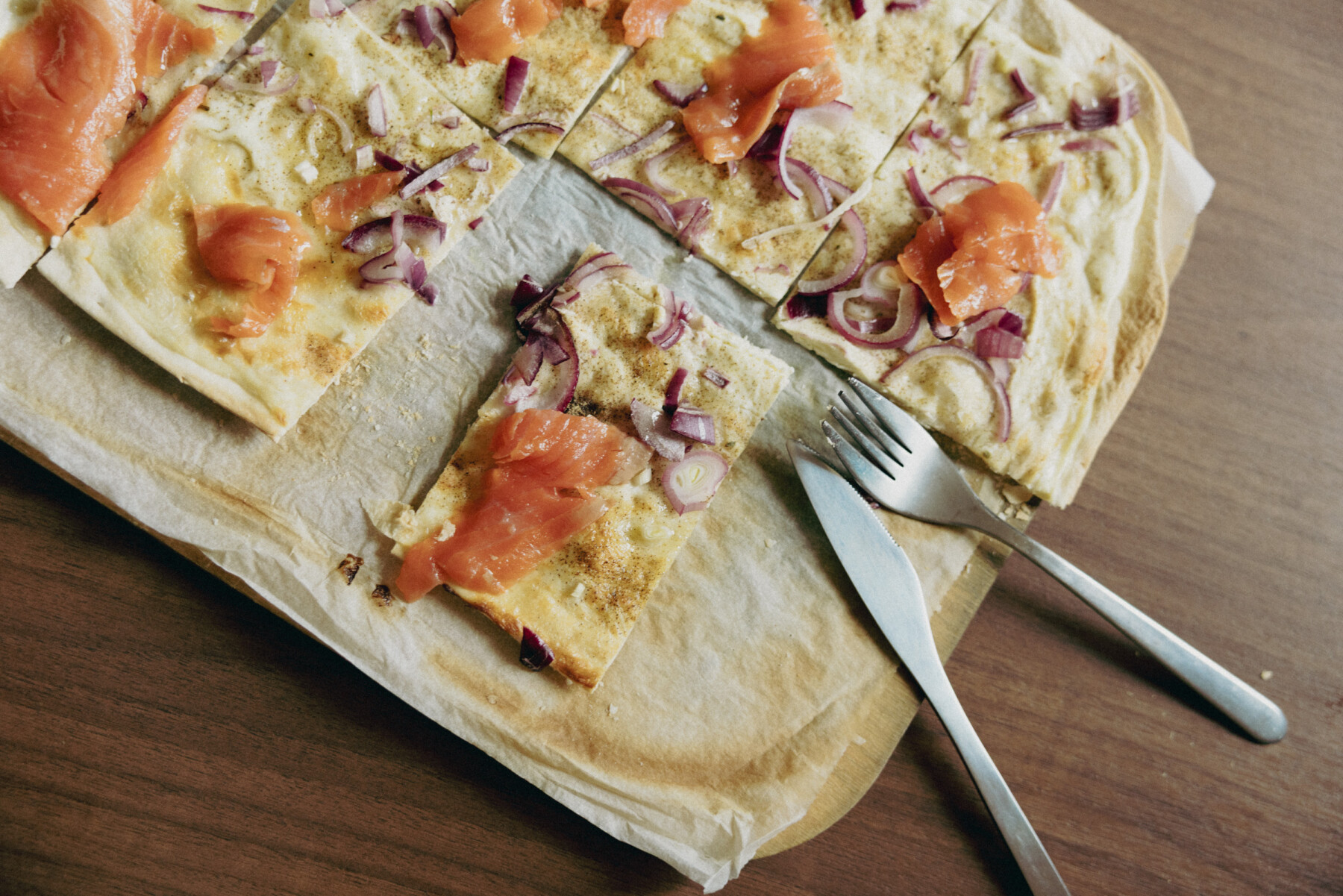
At Mallassauna, the menu includes a Finnish take on Flammkuchen, topped with smoked salmon.
The word “hub” appears elsewhere in Oulu, too.
Finnish telecommunications giant Nokia established its first Oulu site back in the 1970s, initially focusing on radio technology. The company recently opened a major research and development campus in the city. Nearby is the headquarters of defence communications specialist Bittium, alongside dozens of smaller technology firms.
Oulu’s concentration of engineering expertise has earned it the nickname “the Silicon Valley of the North.”
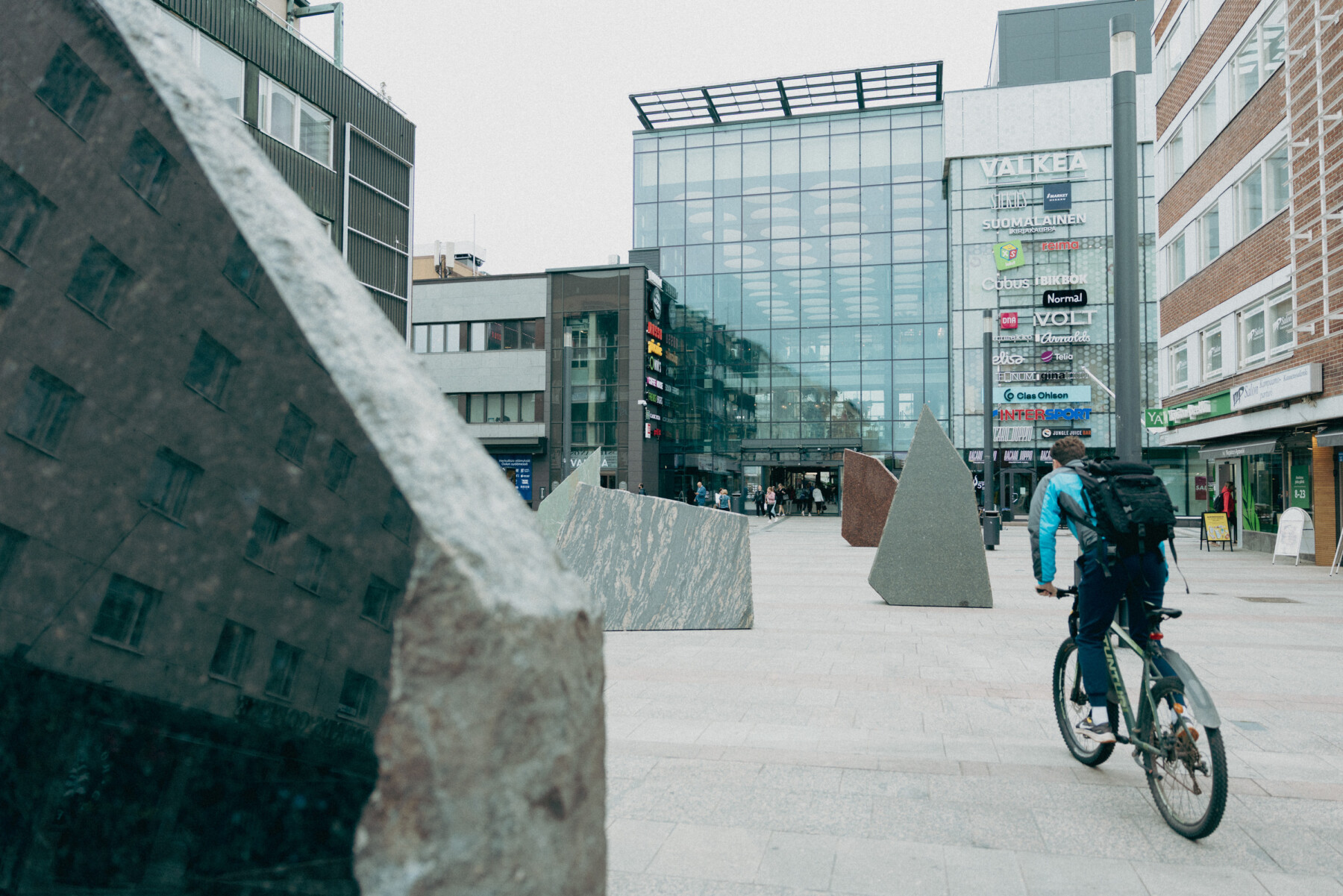
London-based artist Rana Begum created No. 1574 Stone as part of her Climate Clock series. The work is located in central Oulu. Its stone sculptures draw inspiration from Oulu’s subarctic light and the intricate shapes of the frozen sea, reflecting on the alarming rate at which both the Baltic Sea ice and Arctic glaciers are melting.
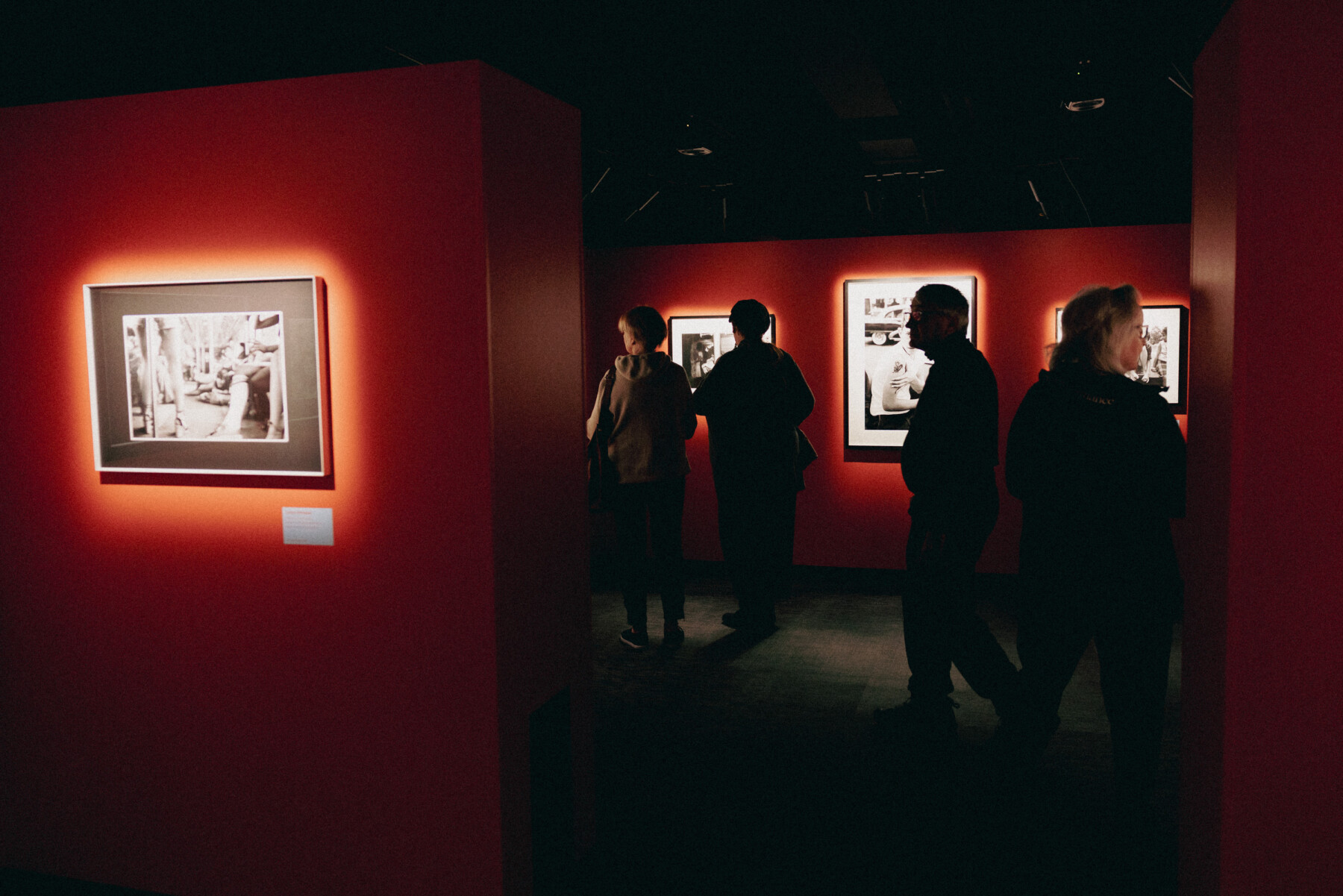
The PLAY photography exhibition from Fotografiska Tallinn is on display in central Oulu until the end of the year.
Culture outside the city
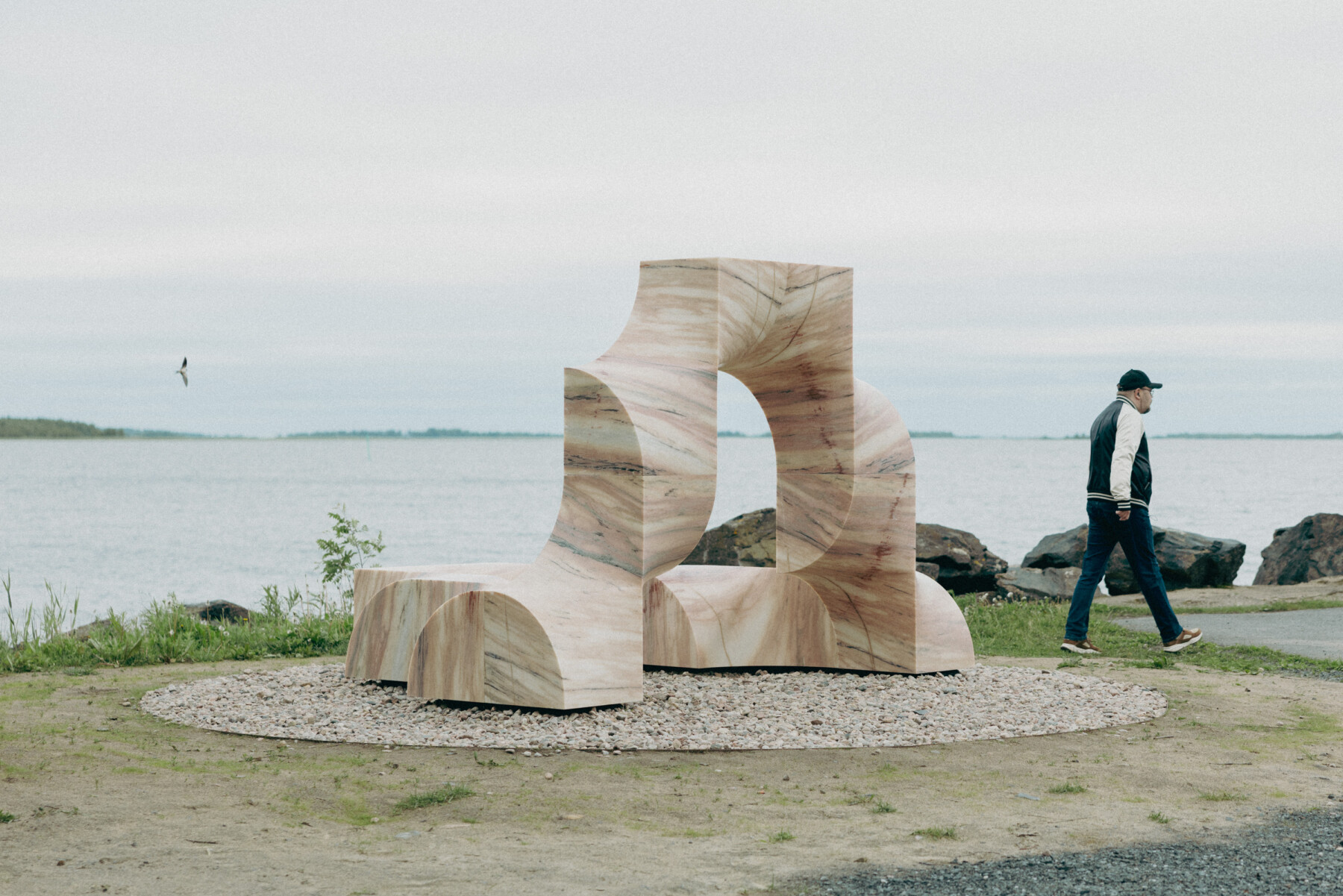
At the Kiviniemi fishing harbour in Haukipudas, the Danish artist collective Superflex created Super Kello, a clock-shaped stone sculpture.
Culture extends far beyond the city centre.
When Oulu and its surrounding region bid to become the European Capital of Culture, the application revolved around the idea of a “cultural climate change.” The aim was not simply to stage exhibitions and performances, but to make art part of everyday life – taking it beyond galleries and concert halls and into neighbourhoods, forests and public spaces.
Flagship productions such as the Sámi opera Ovllá and Oulu Symphony’s Beyond the Sky, combining composer Lauri Porra’s music with astrophotographer Jukka-Pekka Metsävainio’s extraordinary images of deep space, are among the year’s highlights. Yet some of the most memorable experiences lie outside traditional cultural venues.
The Oulu2026 programme stretches far beyond the city itself, involving 38 municipalities across northern Finland, from Kuusamo and Kajaani to Kuhmo.
To understand the idea behind the cultural capital year, it’s worth leaving the city behind.
Where the forest becomes the gallery
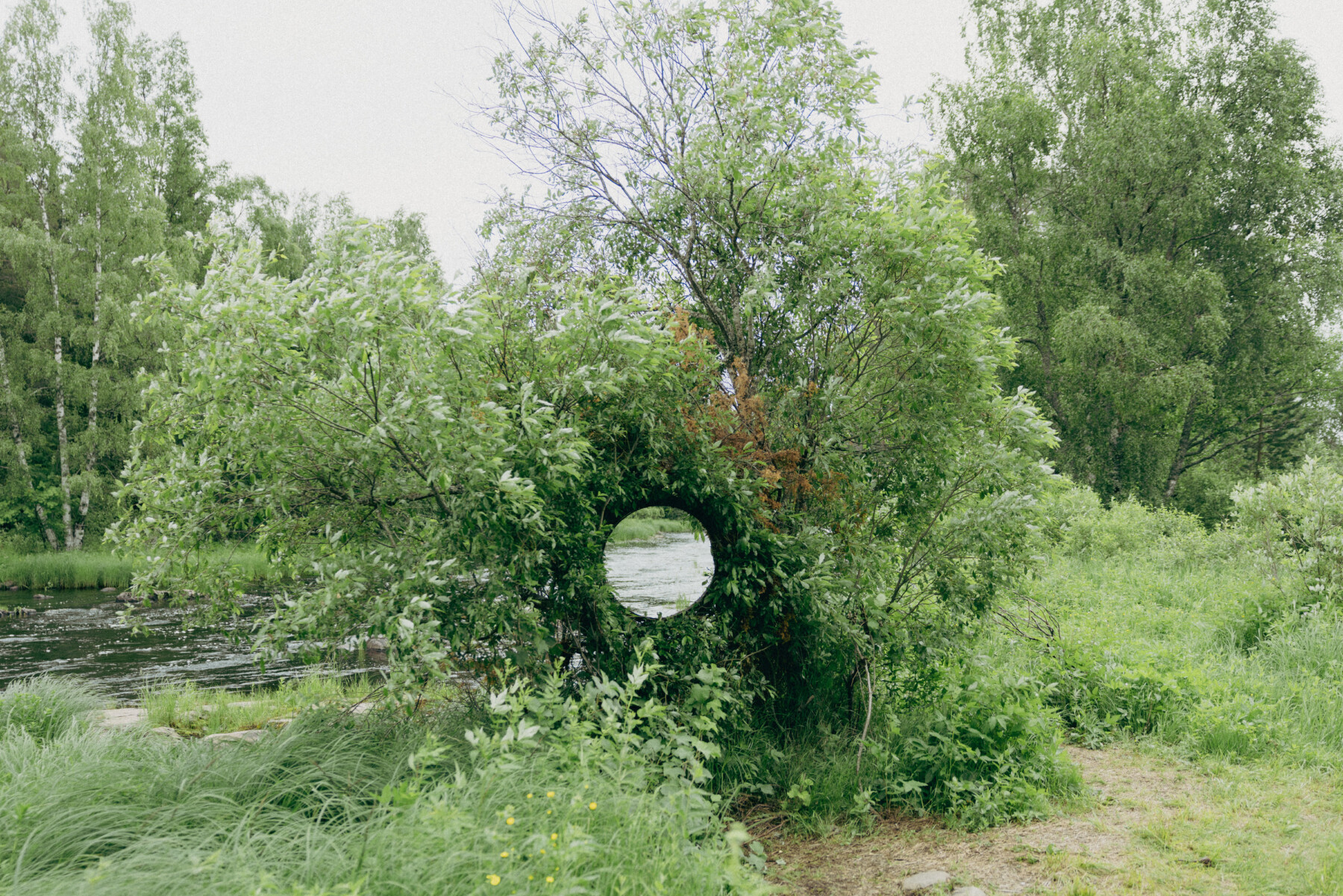
Artist Antti Laitinen’s You Are Here installations can be found around the Koitelinkoski rapids.
A half-hour drive northeast from the city centre brings us to Koitelinkoski, a stretch of whitewater rapids surrounded by lush forest. The roar of the Kiiminki River drowns out almost every other sound and wooden footbridges wind between small islands and viewing platforms.
Walking here is an experience. The rapids thunder beneath the boards, while spruce and pine trees frame the rushing water.
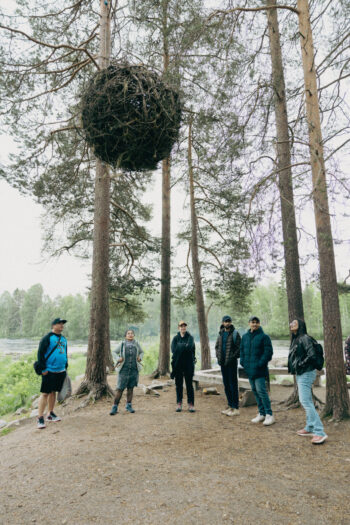
Laitinen’s You Are Here takes its title from the familiar map symbol that indicates the viewer’s location.
You Are Here, by Finnish artist Antti Laitinen, is hidden among the trees. The installations encourage visitors to pause and notice the landscape around them rather than simply pass through it.
Koitelinkoski is also one of the locations connected to Climate Clock, a public art series unveiled during the European Capital of Culture year across Kiiminki and five neighbouring municipalities. Unlike temporary festival installations, these works are intended to remain in the landscape long after 2026 has ended.
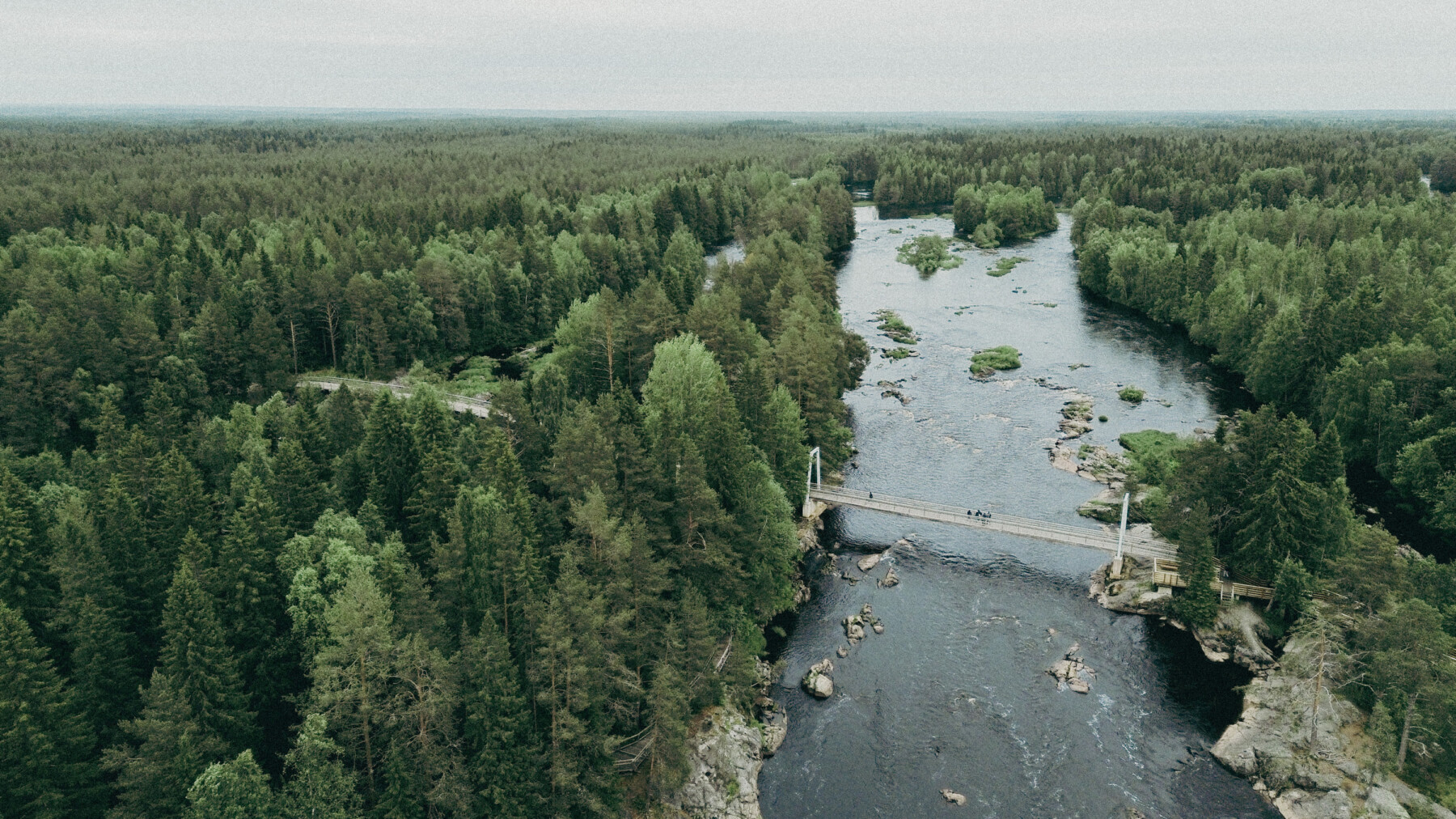
Koitelinkoski is a popular destination, attracting visitors with its spectacular natural scenery.
The choice of theme is no coincidence.
Northern Finland is warming at up to four times the global average, making climate change an everyday reality. Many of the artworks invite visitors to reflect on changing seasons, shifting landscapes and humanity’s relationship with the natural world.
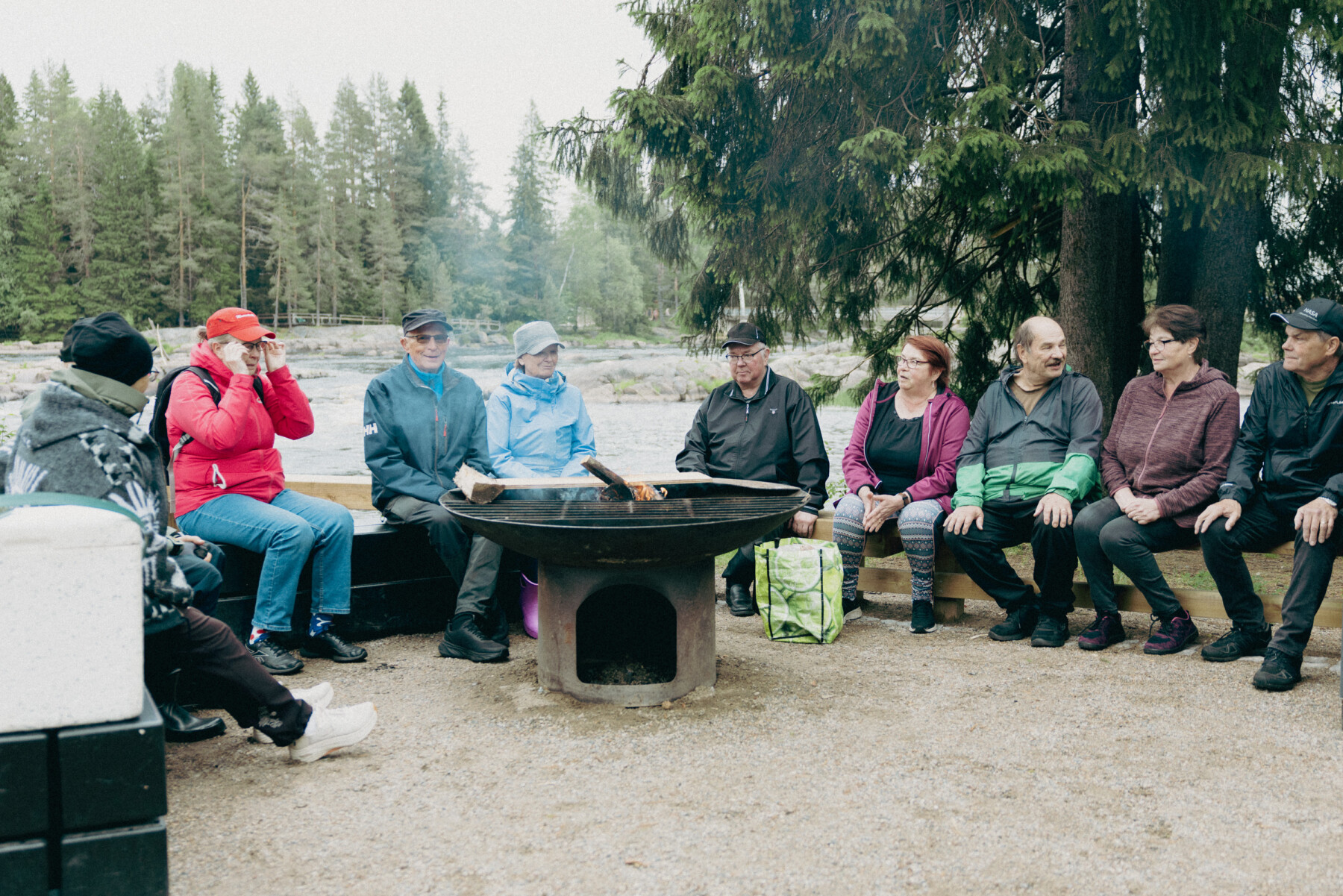
Visitors from Siikajoki, south of Oulu, on a day trip to Koitelinkoski.
Smoke rises from the riverbank.
Members of a local heritage association from nearby Siikajoki have gathered beside the rapids to grill sausages over an open fire and share coffee and pastries.
Art can be enjoyed this way, too.
Art where people live
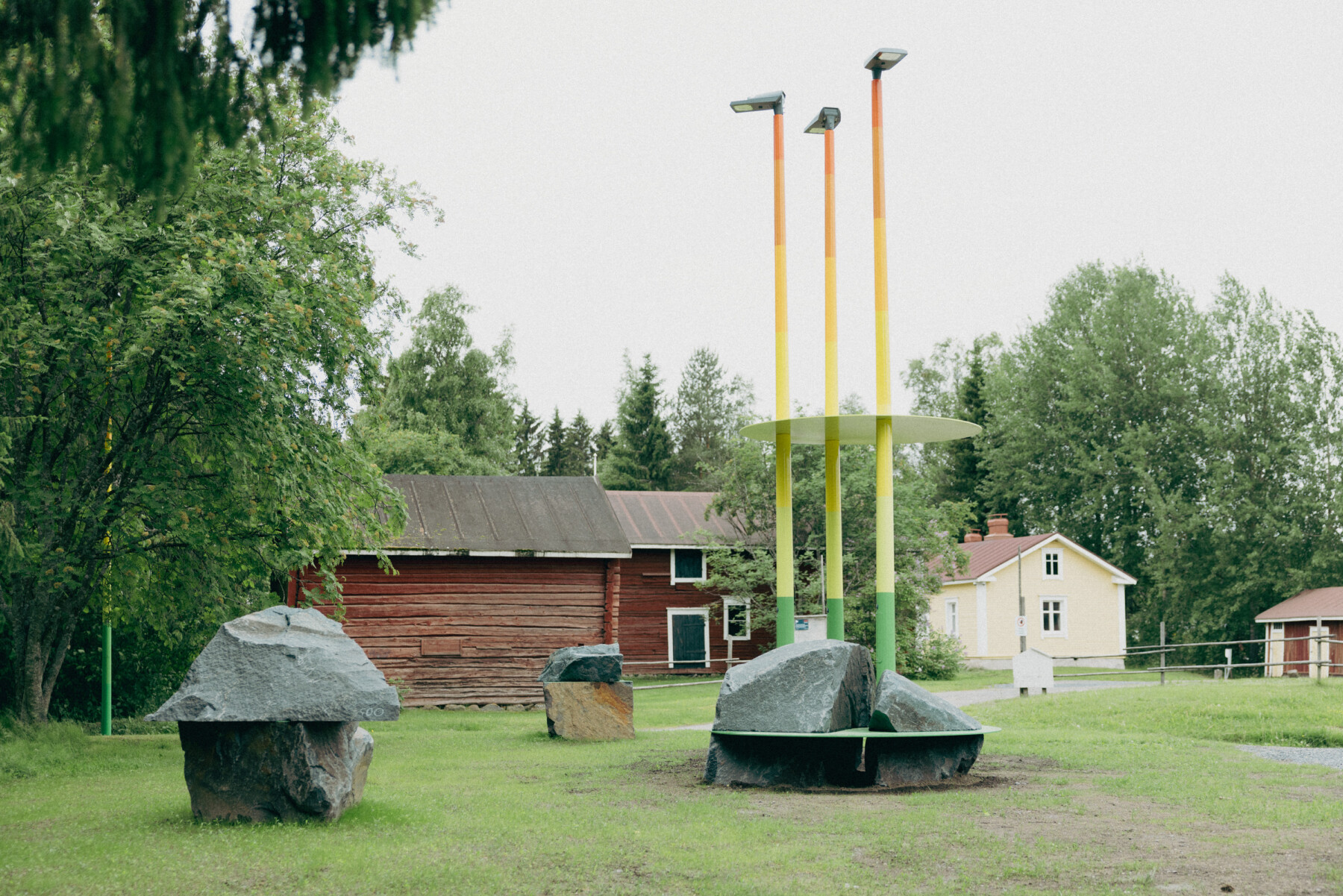
Gabriel Kuri’s Risk Assessing Risk Assessment uses the colours of the internationally recognised Risk Assessment Matrix.
Back in Oulu, another short drive leads to the quiet district of Oulunsalo.
Here, Mexican artist Gabriel Kuri’s public artwork Risk Assessing Risk Assessment transforms an ordinary residential street into something thought-provoking. Brightly coloured streetlights reach towards the sky, prompting passers-by to consider the risks of climate change in the middle of an otherwise familiar neighbourhood.
It is a striking example of the philosophy behind Oulu2026: Instead of asking people to visit art, the art comes to them.
Children cycle past on their way home.
Text and photos by Emilia Kangasluoma, August 2026