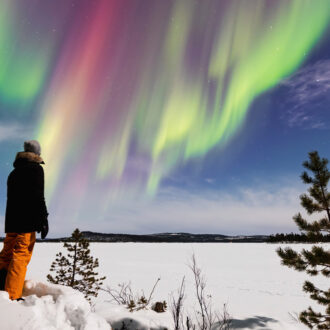
Finnish credentials for aurora-watching potential include access right across the country to places with relatively low or zero light pollution; the northerly location; a viewing season that starts as early as late August and extends to late April; and expert local guidance.
The Northern Lights are visible in southern Finland more often than people think, but aurora hunters know that the chances improve as they head further north. People head to Finnish Lapland (roughly the northernmost third of Finland) from across the globe in the hope of ticking off this item from their bucket lists. They don’t always understand that the phenomenon does not appear on demand and can be obscured by cloudy weather. But if they strike it lucky, they might be so enchanted by their aurora initiation that they decide to stay for good.
Paul Swallow from the UK and Aggie Olek from Poland, who run the Levi Foxfires luxury lodge near the Levi resort in northern Finland, are examples of how the aurora can have a life-changing influence. “Foxfires” is a translation of the Finnish name for the aurora, revontulet, referring to one of many colourful folklore legends about the phenomenon, namely that it is caused by sparks from a giant fox’s tail as it runs across the northern fells.
Olek recalls the couple’s 2014 aurora initiation: “It is difficult to describe it in words. The feeling is something we wish everyone can one day experience. This holiday left us with the strong desire in our hearts that we would love to see the Northern Lights again and again. But little did we know that in a few years’ time our dream of seeing them regularly would come true. We came to [the northern Finnish resort town of] Levi, and after a one-day holiday here, we were sure that Levi was where we wanted to live. And the Northern Lights were the cherry on the cake.”
For aurora addicts, the initial fix is unforgettable, but the awe of future viewings is undiminished. Olek and Swallow may be seasoned aurora watchers, but they also share the excitement of novices.
Emotional reactions
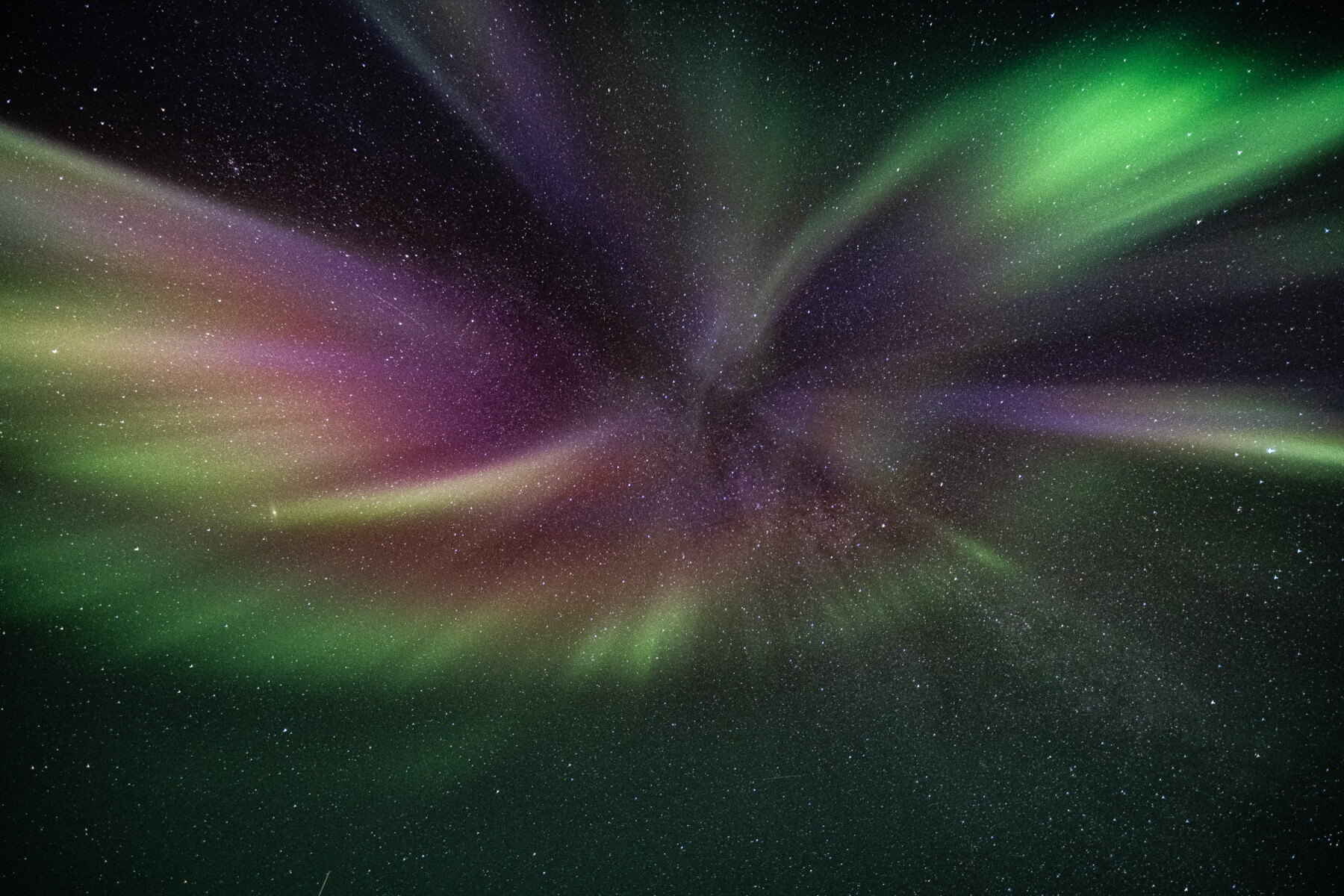
The shape and configuration of the Northern Lights fluctuate before your eyes.
When German photographer and aurora tour guide Thomas Kast arrived in Finnish Lapland as a student in 1998, everything was new and overwhelming. “When I first saw the Northern Lights, I was in disbelief,” he says. “I had not seen anything like it in the night sky. Neither had I heard much about this phenomenon or had any goal to see it.
“There were no digital cameras back then, no social media, no big news reports of sightings. I didn’t know what those ‘lights’ would mean to me in the future. But I’ve seen many emotional first reactions to the aurora from my guests over the years, and I’m so happy they appreciate what they are witnessing. For myself, I cannot imagine staying in a place where the aurora is extremely rare or never even visible. It would leave a big hole in my heart.”
French photographer Rayann Elzein is an Arctic tour operator who has made his home in the town of Utsjoki, on Finland’s northern border. He vividly recalls the thrill of his own first sighting and how it awoke an aurora appetite.
“It was in 2011 towards the end of the season, in late March,” he says. “I ended up in [the far-northern village of] Inari after a lot of research to find the best spot. Within a couple of hours of arriving at my accommodation, the sky lit up in all hues of greens and pinks and purples, and to date this was still one of the most beautiful shows that I have ever seen. Since then, I have been hooked!”
Impressive and unpredictable
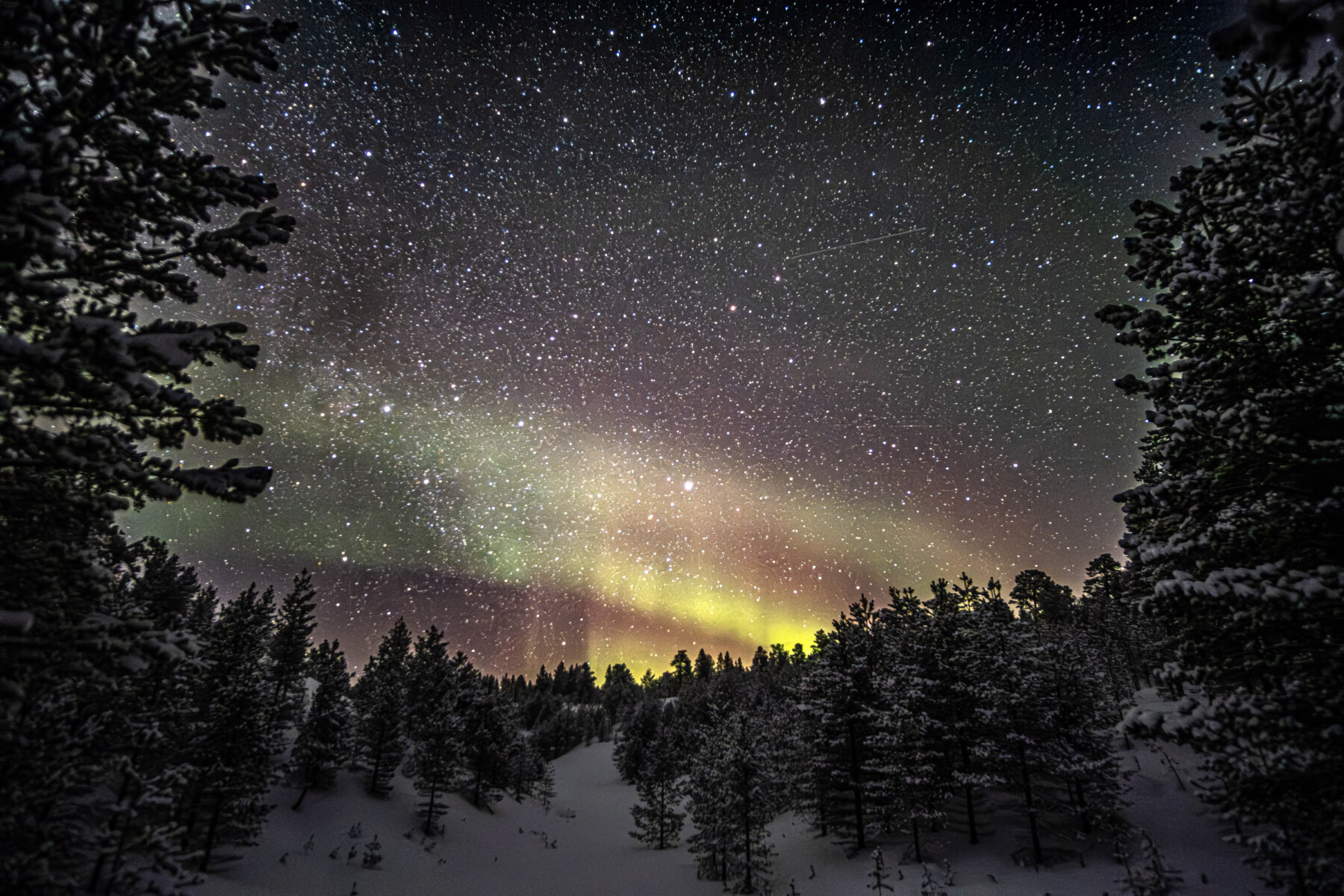
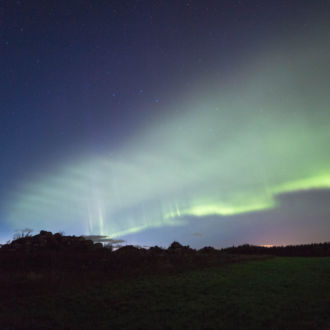
While it is possible to spot the Northern Lights in southern Finland (this photo is from the Helsinki suburb of Tapaninvainio), your chances improve if you head further north.
Elzein warns of a trend whereby companies claim to guarantee aurora sightings: “On our Instagram, we are educating our followers on many aspects about Lapland, and this is one of the things we mention again and again – the aurora cannot be guaranteed.”
The Northern Lights follow 11-year solar activity cycles, and 2026 is an especially active peak year. But like most natural phenomena, activity isn’t always easy to predict, and any year can deliver impressive displays.
“I remember one night during the so-called solar minimum,” says Kast. “On a cold February night, I photographed a wonderful, majestic aurora – a beautiful night. It was late, and I packed up my gear and started walking back to the car. Then someone seemingly switched on a light in the sky and one of the craziest corona displays I’ve ever experienced started. I fell on my knees and a huge wave of emotions swept over me. The aurora was so strong, I could see tree shadows on the snow. A minute or so later, it was over. Thinking back, I still get goosebumps.”
Tips for Northern Lights photography
- Get as far away as you can from urban light pollution, which can dilute or obscure your view of the Northern Lights.
- Use a “proper” camera fixed to a tripod, rather than a phone or other device, to be able to focus and make other settings manually and get better quality photos.
- Use the flashlight on your phone or a headlight to be able to check your settings in the dark. Make sure your battery is fully charged before you set out and take a spare fully charged battery.
- Check out potential locations in daylight, and think about a foreground to make your photos more interesting. You might be able to find a lakeside location, for example, to get aurora reflections in your shot.
- Especially if this is your first experience of the aurora, don’t get too obsessed with your photo shots: remember to enjoy and submit to the experience!
What causes the Northern Lights?
The aurora borealis (and its southern equivalent the aurora australis), occurs when electrically charged particles are carried from the sun in a solar wind. The magnetic fields at the earth’s poles draw the solar winds towards them. The collision of those particles with atmospheric gases such as oxygen and nitrogen is what sparks the aurora.
Text and photos by Tim Bird, September 2026