Ever since 2018, Finland has topped the World Happiness Report’s list of the happiest countries in the world. As the 2026 edition puts it, “Finland is still in a group of one at the top.”
The UN Sustainable Development Solutions Network publishes the report to coincide with the International Day of Happiness, which happens annually on March 20.
How do we explain Finnish happiness? What is behind Finland’s repeated recognition as the happiest country in the world?
The short answer is that Finland has fostered an “infrastructure of happiness” (see box below), constructing and maintaining the culture and the social institutions that form the basis and framework for individuals and communities to build their happiness. That includes trust, good governance, education, connection with nature, work-life balance, equality and several more components.
The World Happiness Report’s main listing, “Country rankings by life evaluations,” compares the answers to one of the more than 100 questions in the Gallup World Poll. The question is: On a scale of zero to ten, where do you place your own life (with zero being the worst possible life and ten being the best possible life)?
These “life evaluations” put the focus on people’s contentedness with life. The report uses an average of the three most recent years to arrive at its list of the happiest countries. The figure for Finland in the 2026 edition is 7.764 out of ten.
People called Happiness
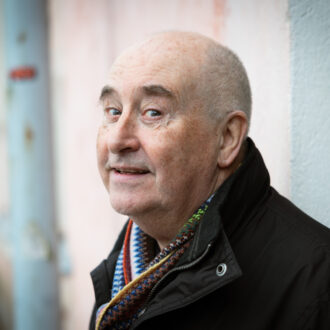
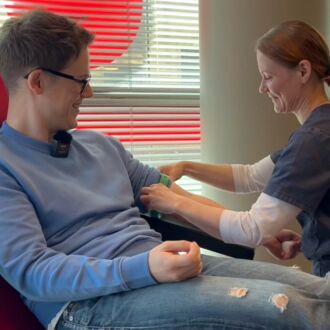
Watch as several people named Onni (Happiness) talk about the meaning of happiness.Video: Aarni Holappa/ThisisFINLAND
It just so happens that onni, a Finnish word that means “happiness,” is the first name of more than 10,000 people in Finland. It has been in use as a given name since the early 1800s.
We set out to find out what people named Onni think about Finnish happiness. We asked them several questions:
- What makes you happy?
- Why do you think Finland is considered the happiest country in the world?
- What does happiness mean?
Their answers are both simple and profound. One Onni is happy when he “can make someone else happy.” Another Onni is happy while spending time with his friends swimming or working out.
A third Onni names trust as an important factor in happiness. “In this country, we can trust each other.” Onni number two names “good healthcare, good education and free school meals.”
One of them says that treating people kindly and respectfully “has a big impact on whether you are happy or not.”
Helping happiness happen
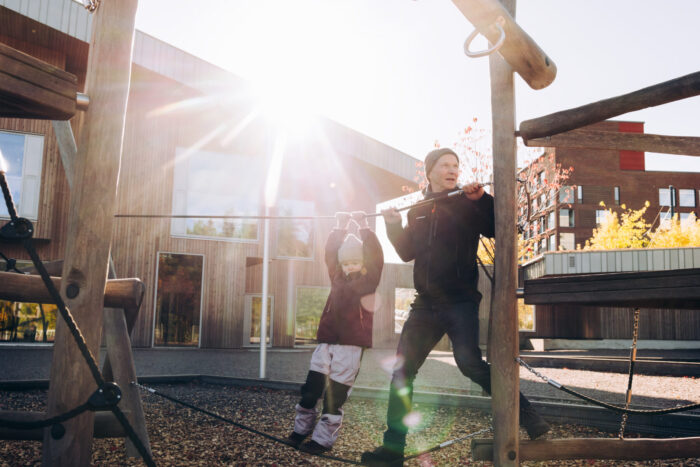
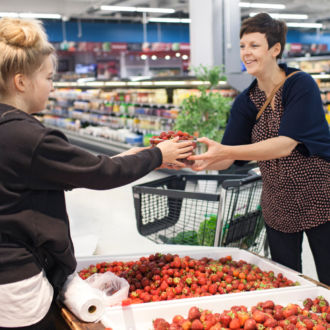
Social support (having someone to count on) is a factor that contributes to happiness.Photo: Aleksi Poutanen/Finland Image Bank
Each year, in addition to the rankings table, the World Happiness Report includes articles and data on additional facets of happiness. In 2026, the focus is on the relationship between social media and happiness, especially in young people.
The article titles provide a good indication of the messages within: “International evidence on happiness and social media,” for instance, and “Problematic social media use and adolescent wellbeing.”
Young people whose social media use is less than one hour a day have the highest level of wellbeing – however, teenagers are on it for an average of 2.5 hours each day. The effects of social media depend on the type of social media, the amount of use, and demographic factors.
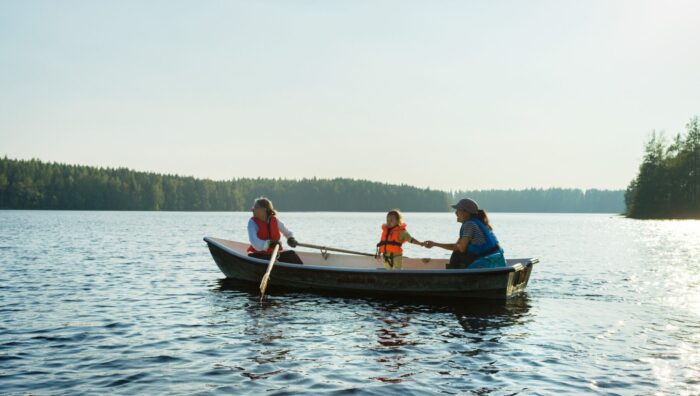
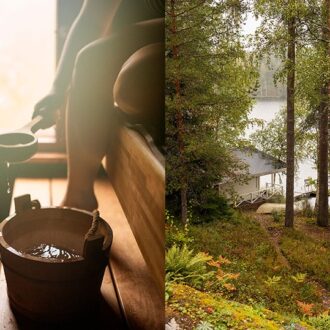
For people in Finland, nature is part of the heart of happiness – a source of wellbeing, calmness and contentment.Photo: Carl Bergman/Finland Image Bank
As for the rankings table itself, the report’s authors seek to explain the countries’ life evaluations by comparing data on six key variables: GDP per capita, healthy life expectancy, social support (having someone to count on), freedom to make life choices, generosity, and perceptions of corruption.
Research shows life satisfaction correlates with a well-functioning society that provides healthcare, social security and labour market access. Countries can encourage happiness – with its infrastructure of happiness, Finland is helping happiness happen.
Finland and its infrastructure of happiness |
|
|
|
|
|
|
|
|
|
|
By ThisisFINLAND staff, March 2026