In Finland, swimming is considered a civic skill that supports safety, wellbeing and equality. Knowing how to swim is essential in a country with thousands of lakes and a long coastline. Swimming is taught in schools as a basic life skill, helping children gain confidence and stay safe around water. Municipalities offer swimming lessons and public pools to ensure everyone has the chance to learn.
Every person’s rights (jokaisenoikeudet in Finnish) allow both residents and visitors to enjoy nature freely and responsibly – and that includes swimming! You may swim in lakes, rivers and the sea, even on privately owned land, as long as you don’t disturb others or damage the environment. Avoid swimming near private docks, yards or cottages without permission. Every person’s rights are about freedom, but also about responsibility. Always leave nature as you found it.
Martti Laajus, founder of Kaitalampi Open Water swimming group in Espoo.
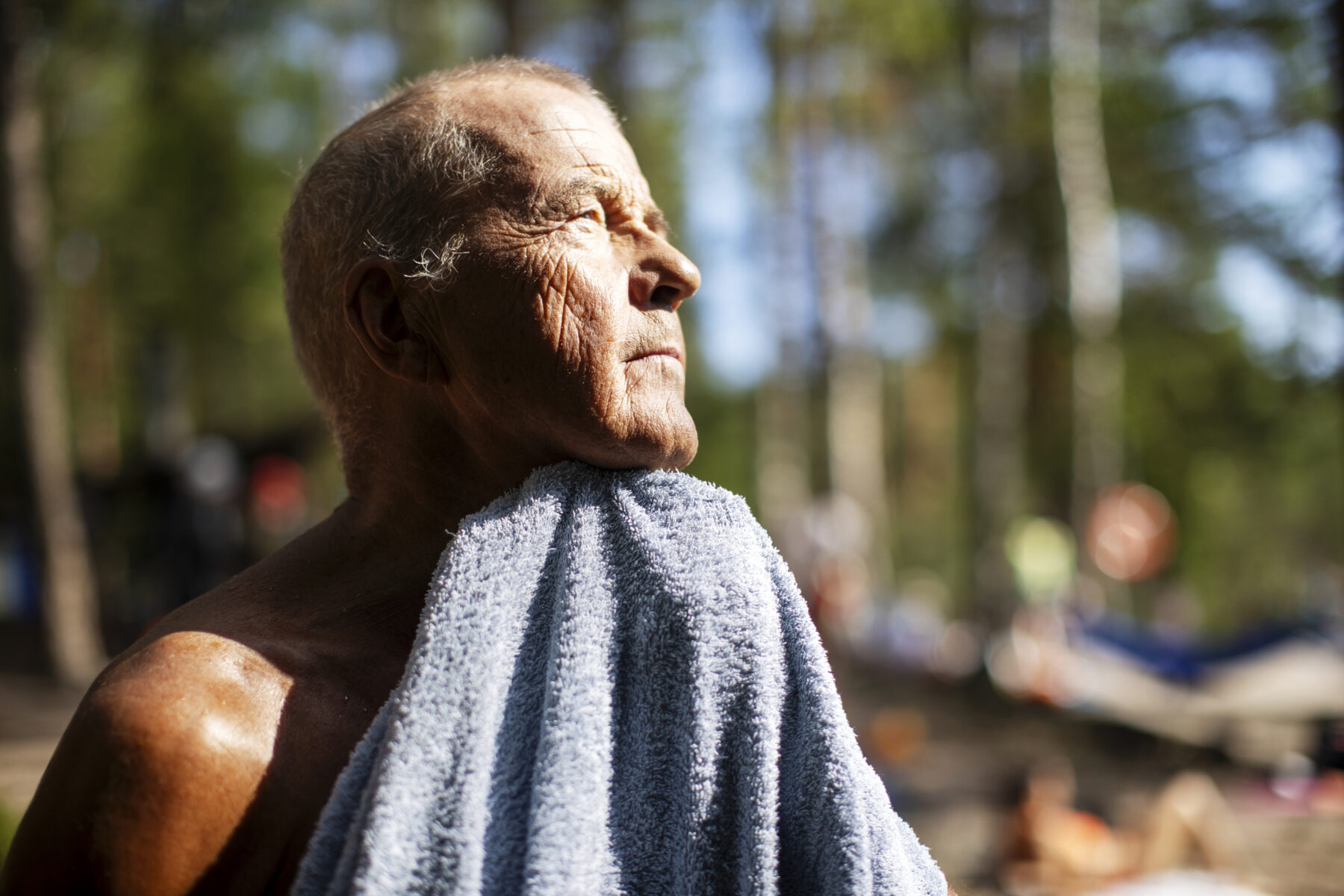
“Open water swimming suits all ages, especially elderly people as it’s very joint-friendly. It’s a great way to stay fit and have fun outdoors. It works as cardiovascular and respiratory training for the whole body.
I used to compete in swimming at the national level, winning Finnish championships. In the 2010’s I spent some winter seasons in Canary Islands, Spain and soon got into open water swimming, which is very popular there. We’d been swimming with some friends already in the 1980s in Kaitalampi, a pond in Espoo.
The idea came to mind that we could get something similar going, even if the season is much shorter here. I set up the Kaitalampi Open Water Facebook group for people to find swimming buddies. I can’t take all the credit for myself, but since then we’ve seen a revival of open water swimming all over Finland.
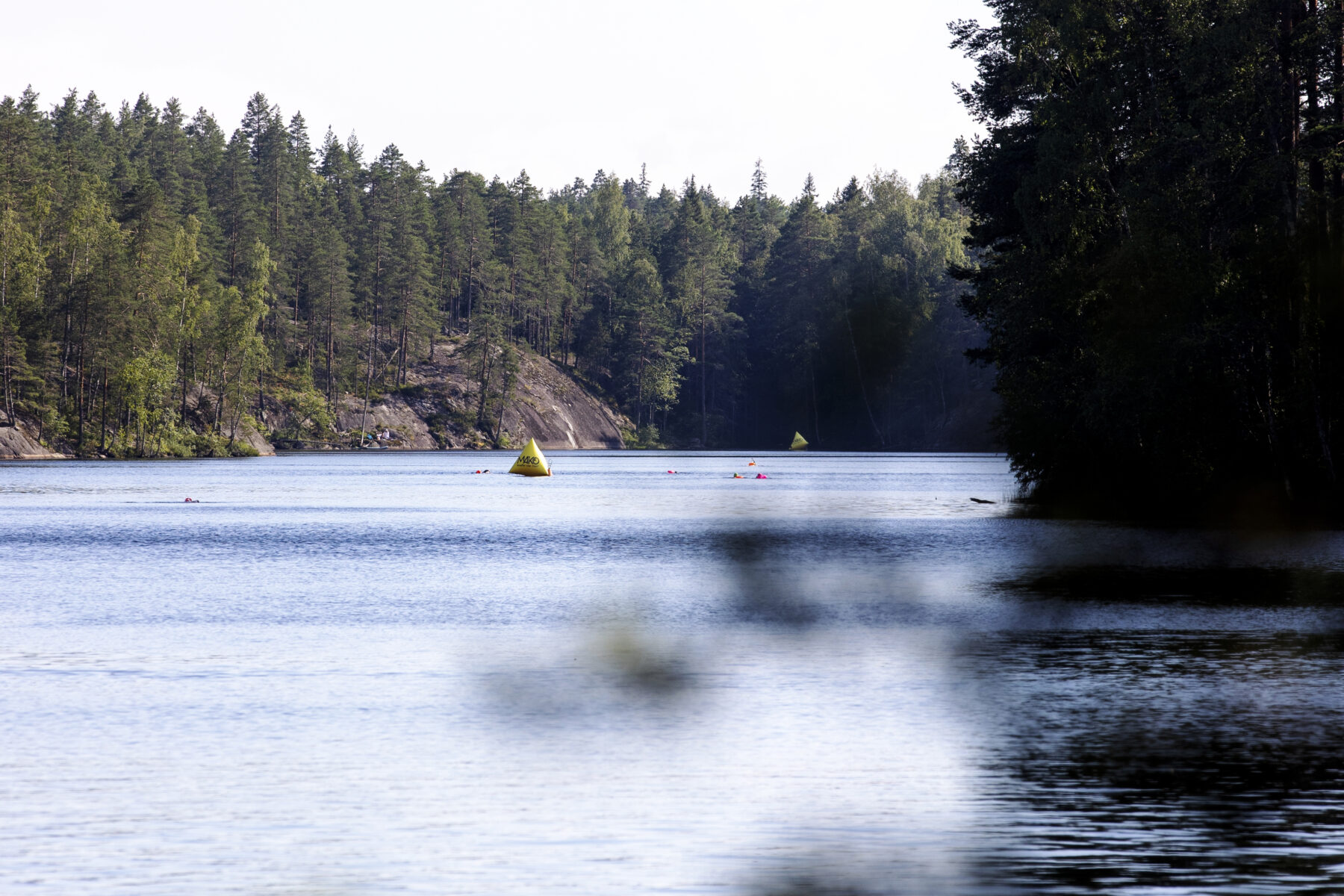
I swim in Kaitalampi around three times a week. Recently my seasons got shorter as I stopped wearing a wetsuit. Swimming is so much sweeter when I can feel the soft lake water on my skin. Wild swimming is not about rigorous training, but enjoying yourself.
Years ago, I realised that whenever I had a tough decision to make at work, I went for a swim and would immediately find a solution. There’s some research behind why that might be: The brain’s blood flow becomes better when you’re in a horizontal position. In the water you’re separated from the sensory overload that surrounds us all day. Spending time in the forest is good for your mental health, and open water works the same way. It’s no wonder people always come out of the lake smiling.”
Tero Savolainen, specialist at Finnish Swimming Teaching and Lifesaving Federation, has worked as a swimming instructor for 25 years.
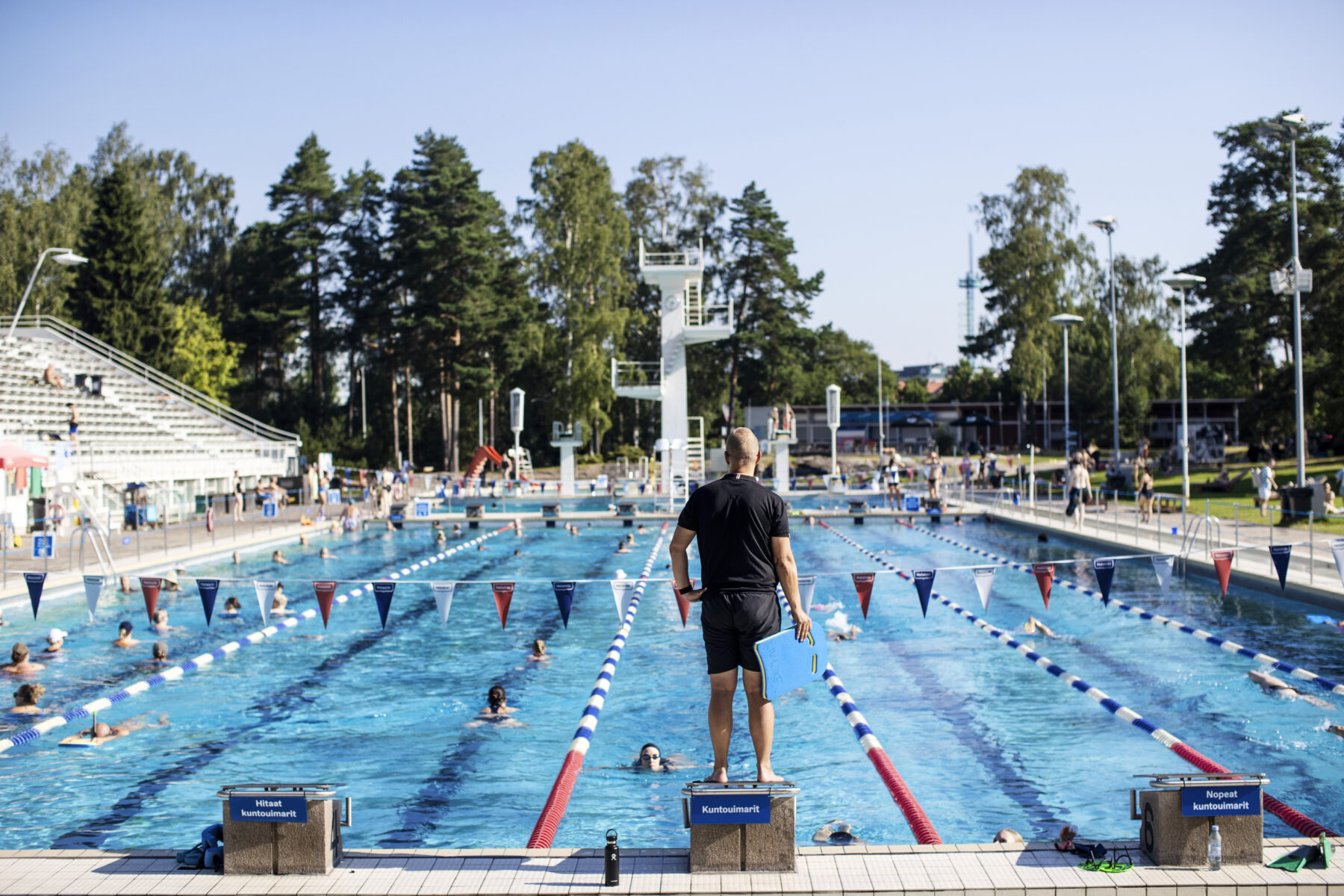
“Water is a very different training environment from dry land, and learning to swim differs from learning any other sport. The learner needs to take the final step on their own, and that moment never fails to amaze me: They summon their courage, lift up their feet and start swimming.
At Finnish schools swimming is the only sport that is mandatory to learn. It is a life-saving skill.
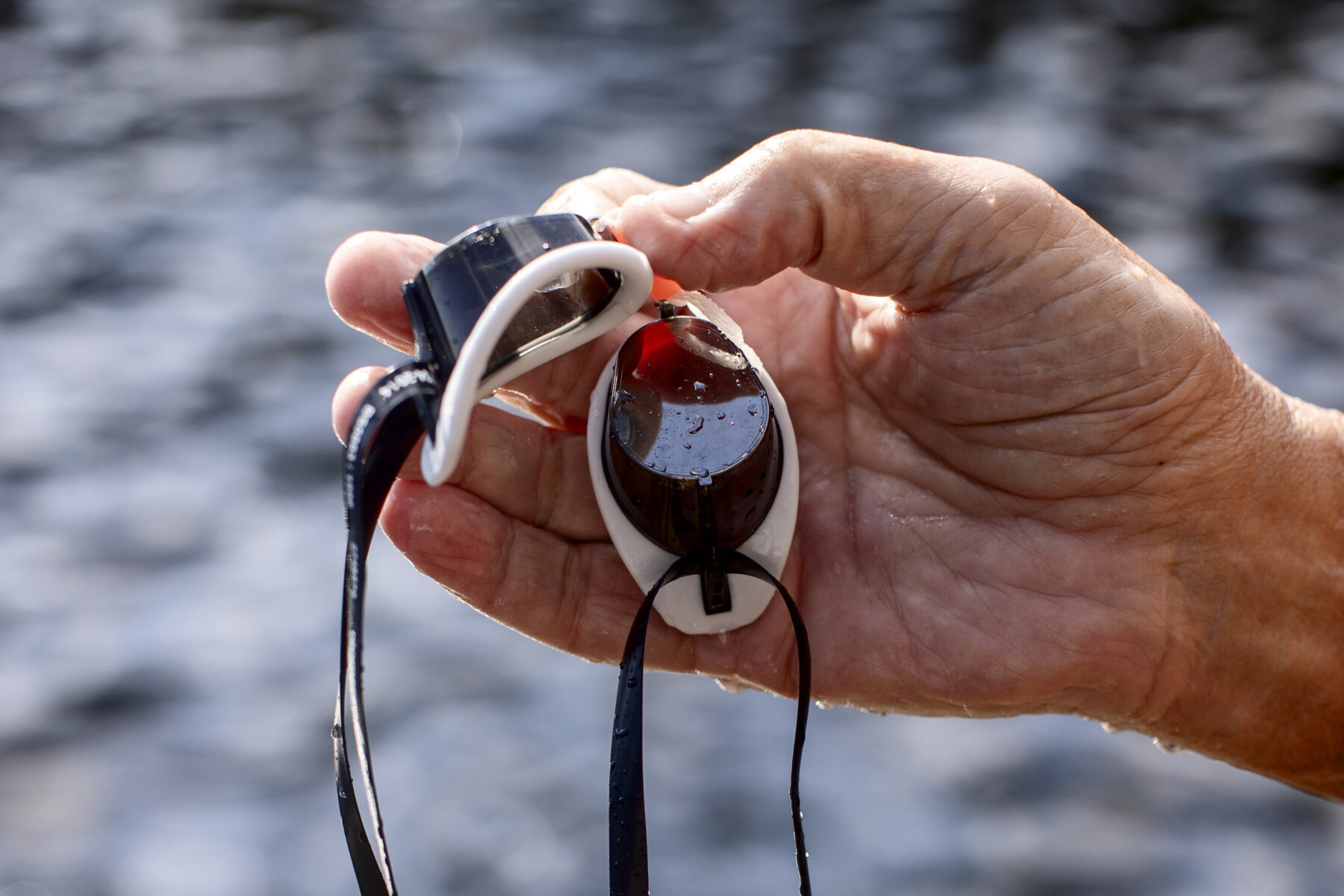
Teaching swimming is about teaching self-confidence. Many people fear water or have insecurities related to it. We need to transfer those feelings into confidence and skills. With children all this happens naturally through play, but adults need the same amount of repetition and the same understanding. The process of building water-confidence is the same.
With swimming, failing might be very uncomfortable. For example, getting water in your nose feels unpleasant. This might make you nervous and scared of water, so when this happens, we need to build back the skills and confidence as soon as possible. Doubts, tension and setbacks tend to accumulate, so we strive to maintain a positive cycle. Sometimes you get water in your nose, but we’ll move on together.”
Saara Kotiranta, recreational swimmer.
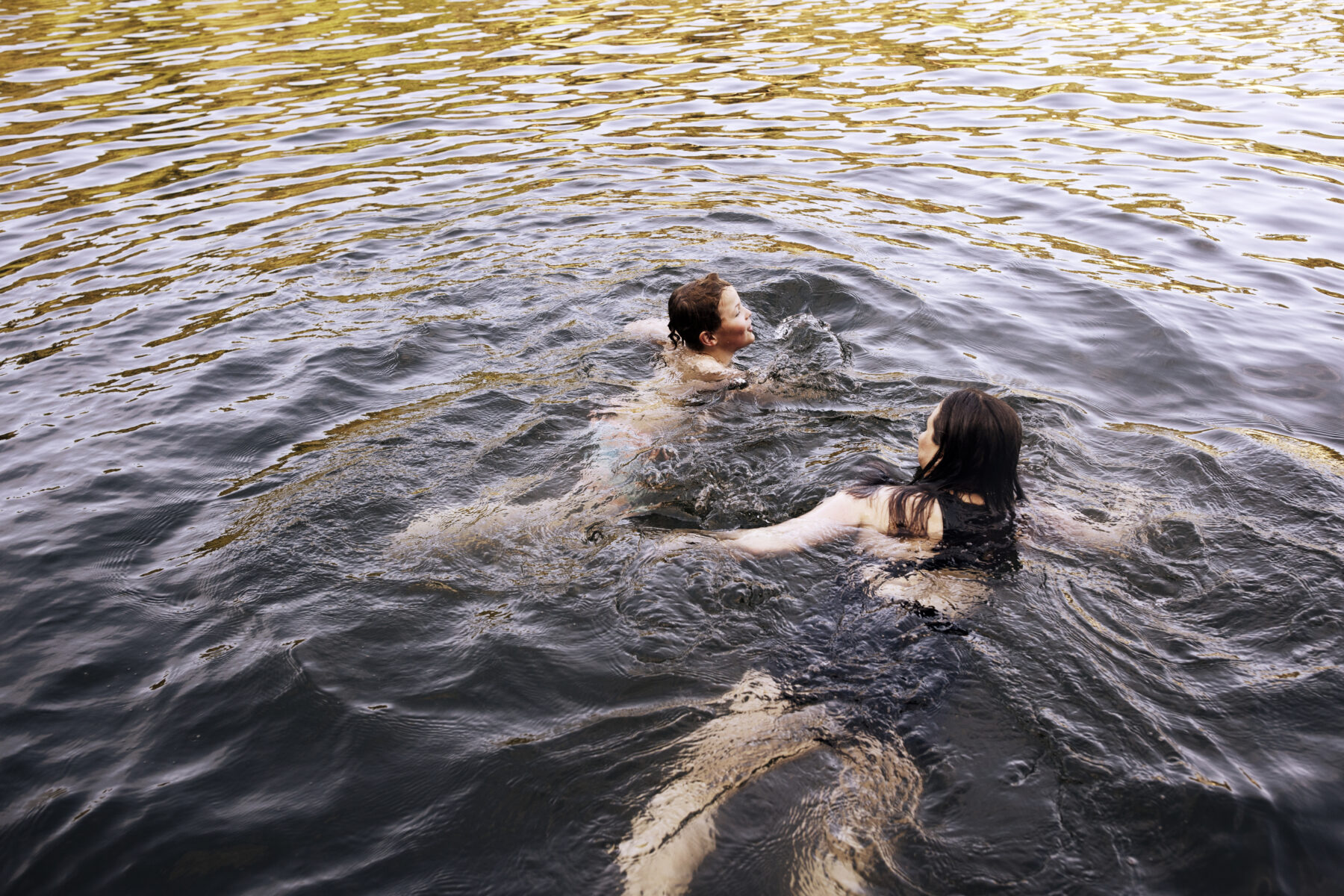
“For me, swimming is not a sport, but something I do for enjoyment. I’m not very technical or fit, but I love spending time in clear lake water. I swim in Lake Ahvenisto near Hämeenlinna with my youngest child and his friends or by myself. In the winter, we usually book the sauna with a bunch of friends. I swim here a few times a week in the summer and perhaps two to four times per month during the winter.
Ahvenisto has clear water, and the beach is big enough so it never gets crowded. The springs at the bottom of the lake keep the water cool all summer. There are no big waves on a small lake like this, so I can just float around and relax.
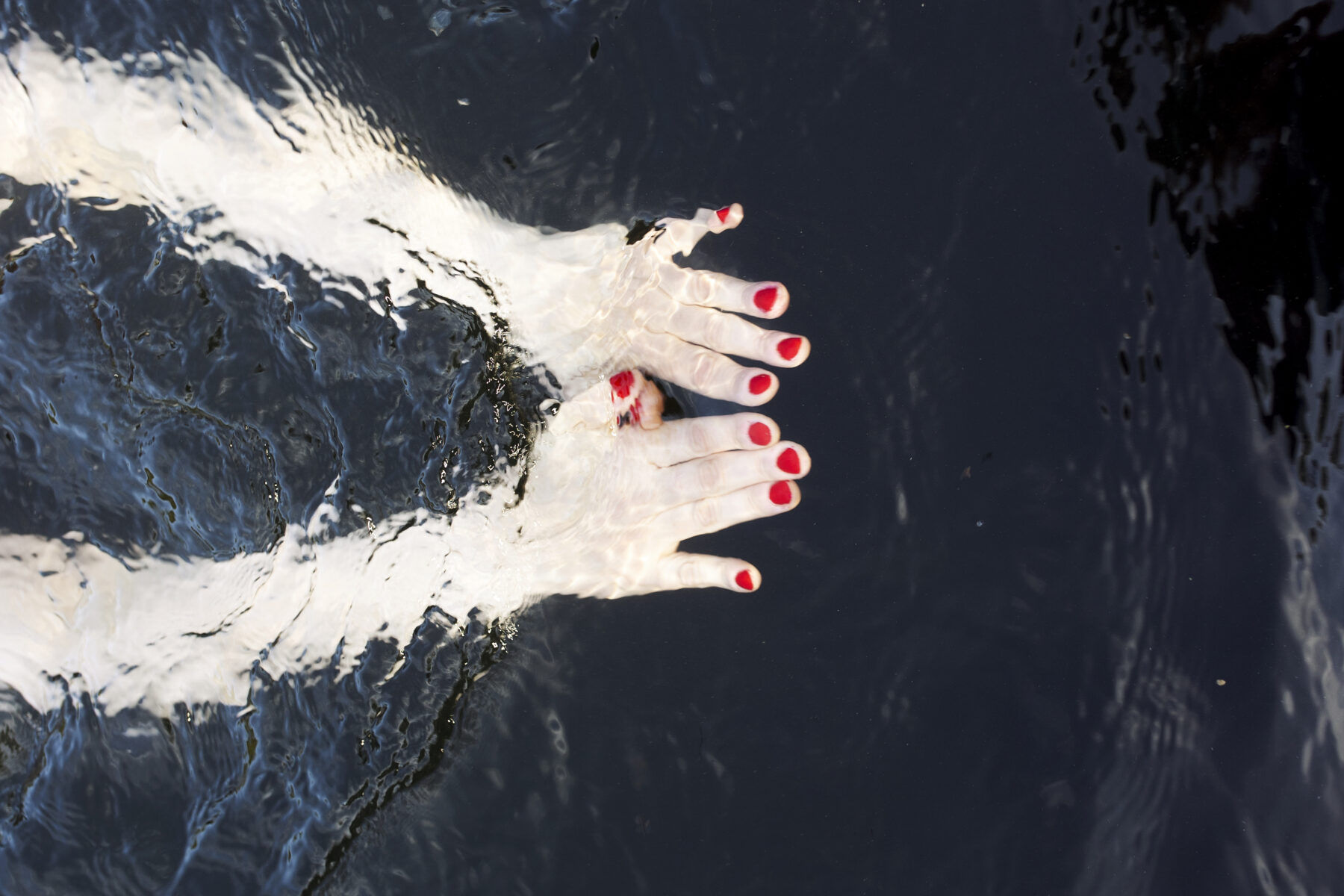
I discovered winter swimming about three years ago. I can now stay in the ice hole for a few minutes, but usually just go in for a dip. The cold water helps me to unwind as it really is impossible to think about anything else in there.
I have three boys, 10, 15 and 17 years old. I wanted them to learn to swim from an early age. When they were about four, we took them to a swimming club once a week. We live near several lakes, so they’ve had a lot of practice since then. They are very confident now and love diving. Knowing my kids can swim makes me feel much more secure.”
Aisha Siddiqi, recreational swimmer.
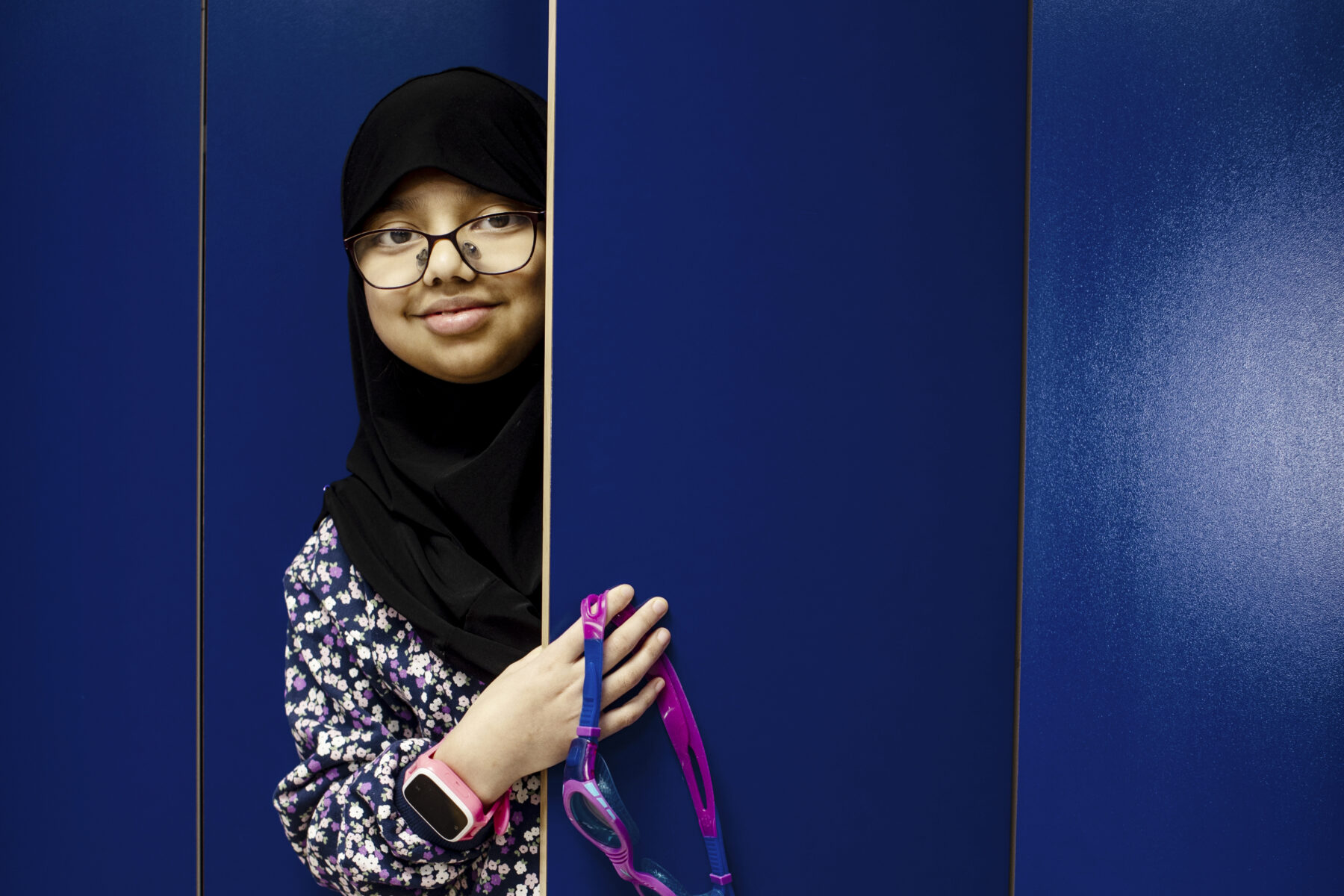
“About four years ago, when I was seven, I learned to swim. At first, being in the water felt scary, but I really wanted to learn. I started with safety floats, and my parents encouraged me. I practiced by holding on to the edge of the pool until I was brave enough to let go. My dad stood a little farther away, and I tried to swim to him without the floats. I kept trying again and again, and eventually I learned. I think my dad is the best swimming teacher.
I know different swimming styles, but I usually swim on my stomach. We go to the swimming hall once a week with my family, and sometimes a friend comes along. We often visit the Vuosaari swimming hall in Helsinki. For me, the water slide and jumping from the diving tower are the most fun things there.
Swimming is important for safety: if I fall into the water, I know how to swim back to safety, and if someone else falls in, I can help them. All children should learn to swim because it’s really important and fun.”
Text: Ninni Lehtniemi, ThisisFINLAND Magazine
Photography: Heidi Piiroinen