Many kids are afraid of the dark, but not Juhani Karila. As a child, he was afraid of light.
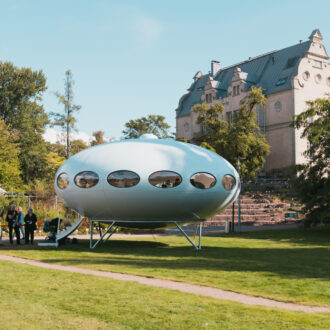
Back then, he lived in the “very back of the back of a tiny village” up north in eastern Lapland, the northernmost region of Finland. Seeing a glimpse of light in the pitch-black darkness of winter, he thought it must be aliens.
“I’d been reading about alien kidnappings in a Reader’s Digest book, and I was convinced they’d be coming for me to rob me of a kidney,” he recalls now, at 41. “Every time I saw a light appear, I thought it must be an alien spaceship. Really, it was probably just a neighbour on their snowmobile.”
On the outskirts of a sparsely populated village, the vast yet empty landscape left plenty of room for a young boy’s imagination to run wild. Karila points out that Lapland isn’t like a tropical jungle where a lot is going on at any one time, so he had to make use of his own mind to keep himself entertained.
“Behind my bedroom window, there was just a still, dark forest. I was able to fill it with whatever creatures I wanted.”
Wringing out words like dishcloths
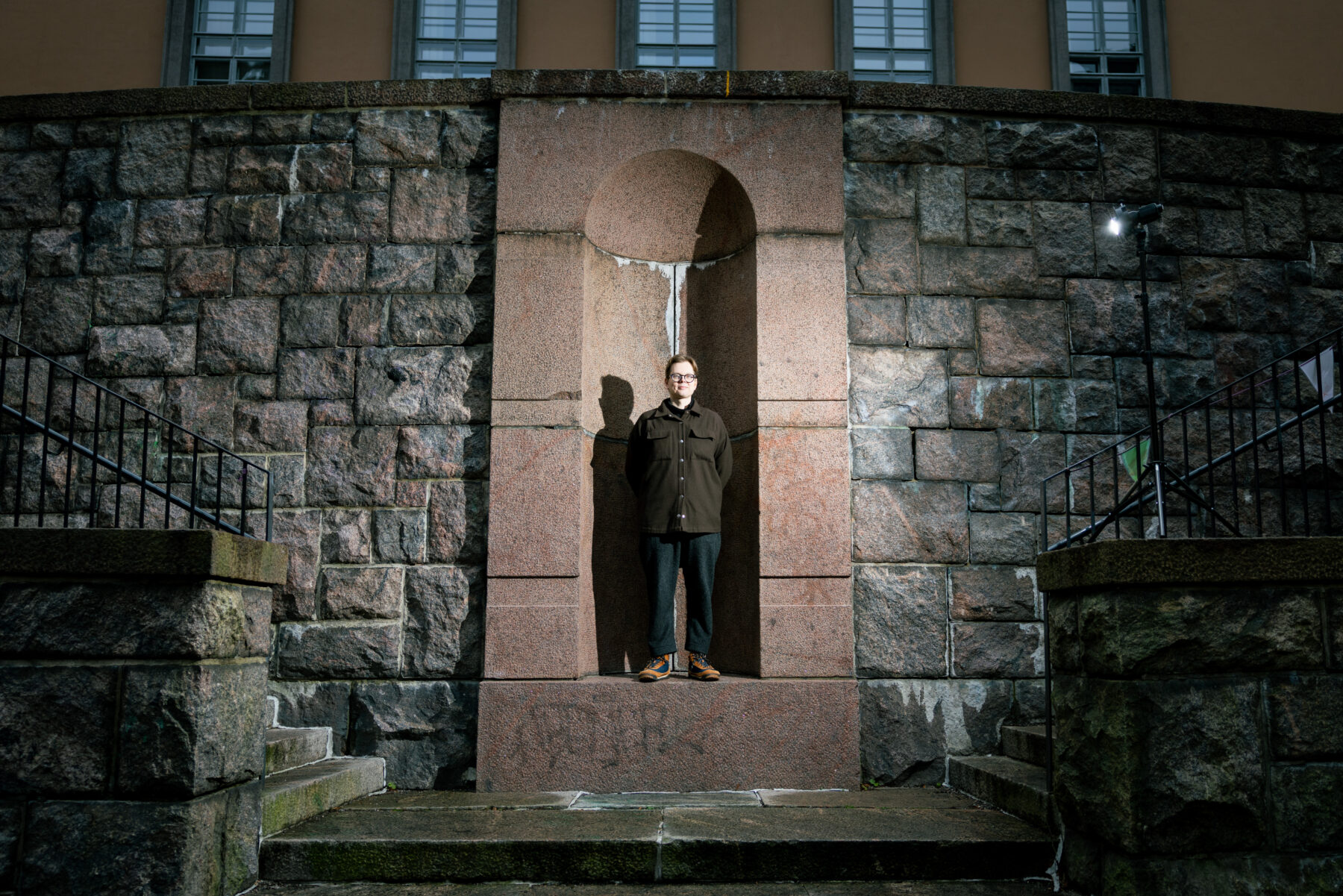
Juhani Karila’s aim wasn’t to write a tourism advert for Lapland. Despite its magical elements, Fishing for the Little Pike (US title; published in the UK as Summer Fishing in Lapland) stems from an authentic Lapland experience.
On top of vivid imagination, Karila also had a knack for writing from a very young age. He started writing stories and ambitious war novels under the age of ten and always said he wanted to become an author; but when the time came to choose a profession, his mother insisted he get an actual education.
Studying journalism in Tampere and writing for newspapers, Karila’s passion for fiction never faded. One of his short stories won a major literature prize, and he had two collections of short stories published. He developed a style of his own, weaving together the rich world of magic realism and the matter-of-fact Finnish mindset, resulting in dense and concise yet expressive language.
“If a sentence is a wet dishcloth, I wring out the water, meaning all excessive words,” he says, recalling how another author described his texts as huh-proosa (whoa prose). “In Gorilla [his first collection], I took that to the extreme. It’s still there, but since then my texts have had a bit more room to breathe.”
From fishing to success
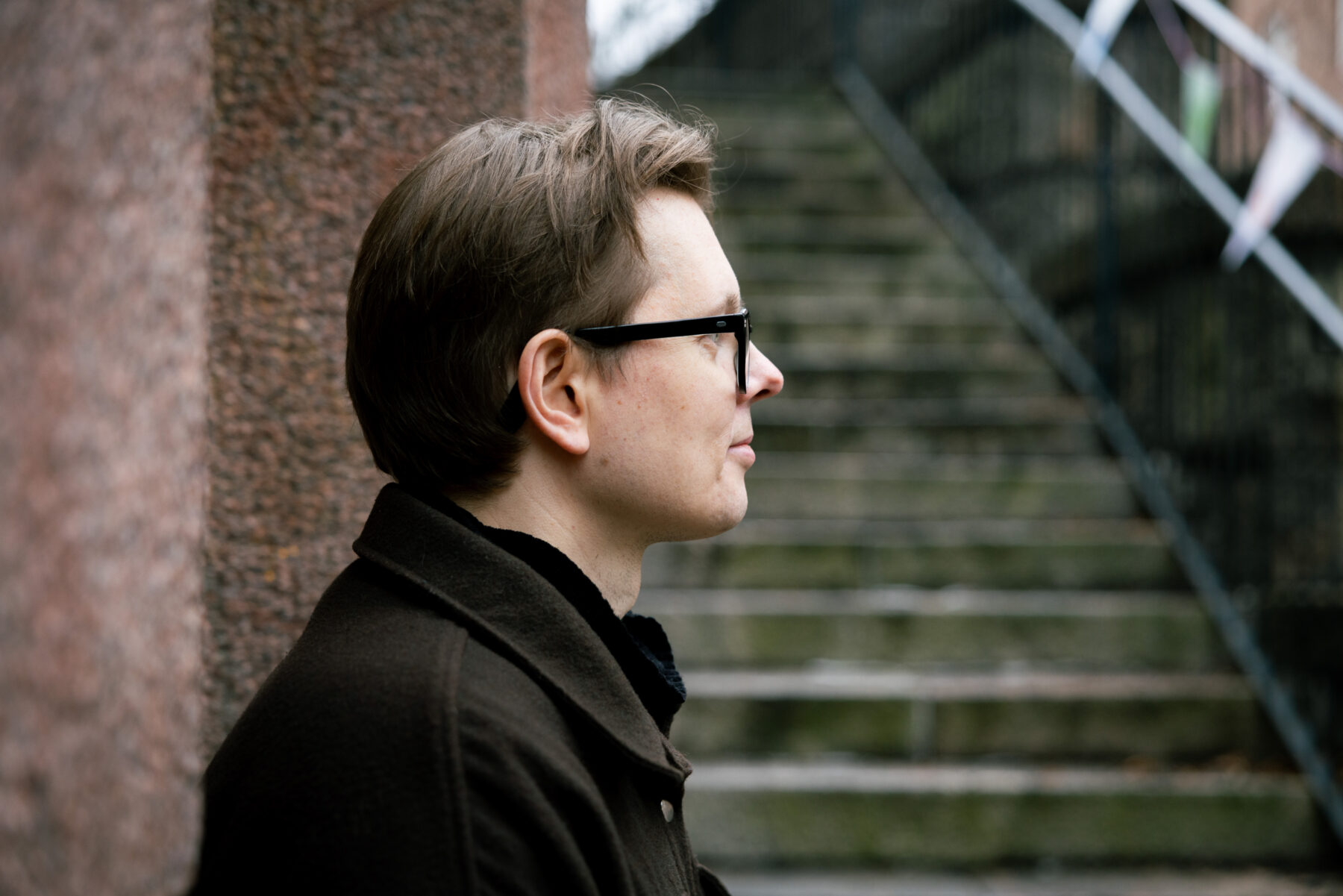
Juhani Karila chose journalism as his first profession simply because it would allow him to write.
Despite all the praise, after two collections Karila felt he was out of ideas. Having moved to the capital, he didn’t feel quite at home, which made him think about his childhood, fishing with his father in the wilderness of Lapland.
He decided it was time to write in long-form; he was brewing up a story where a certain pike must be caught in the beginning of summer every year. The reasoning behind the compulsory fishing exercise still unknown, Karila started writing, trusting the process would guide him.
And it did. Karila’s first novel, Fishing for the Little Pike (US title; published in the UK as Summer Fishing in Lapland), crowded with real-life descriptions of Lapland nature but also with creatures from his own imagination, was published in Finnish in 2019.
It turned into a huge success: it’s been translated into more than 20 languages, won several prizes and been turned into plays, and there’s a movie in the making.
None of it came as a shock to Karila. While he was writing, he already knew the text was good.
He confidently took the first 100 or so pages to his partner, expecting unconditional praise. Instead, she posed a question: Why is the main character a man? Why were the ones battling against forces of nature always men?
Karila responded that changing the character’s gender would mean changing everything.
“She looked at me with pity in her eyes and said that all I need to do is change the name,” he says. “I thought to myself that she has absolutely no clue as to how novels are written, and passive-aggressively I went back to my computer and started switching names.”
To his surprise, it worked. He soon ran back to tell her she was a genius.
“It turned into a story from a woman’s perspective but without the male gaze. It’s sad to say this, but it was fresh.”
More in the making
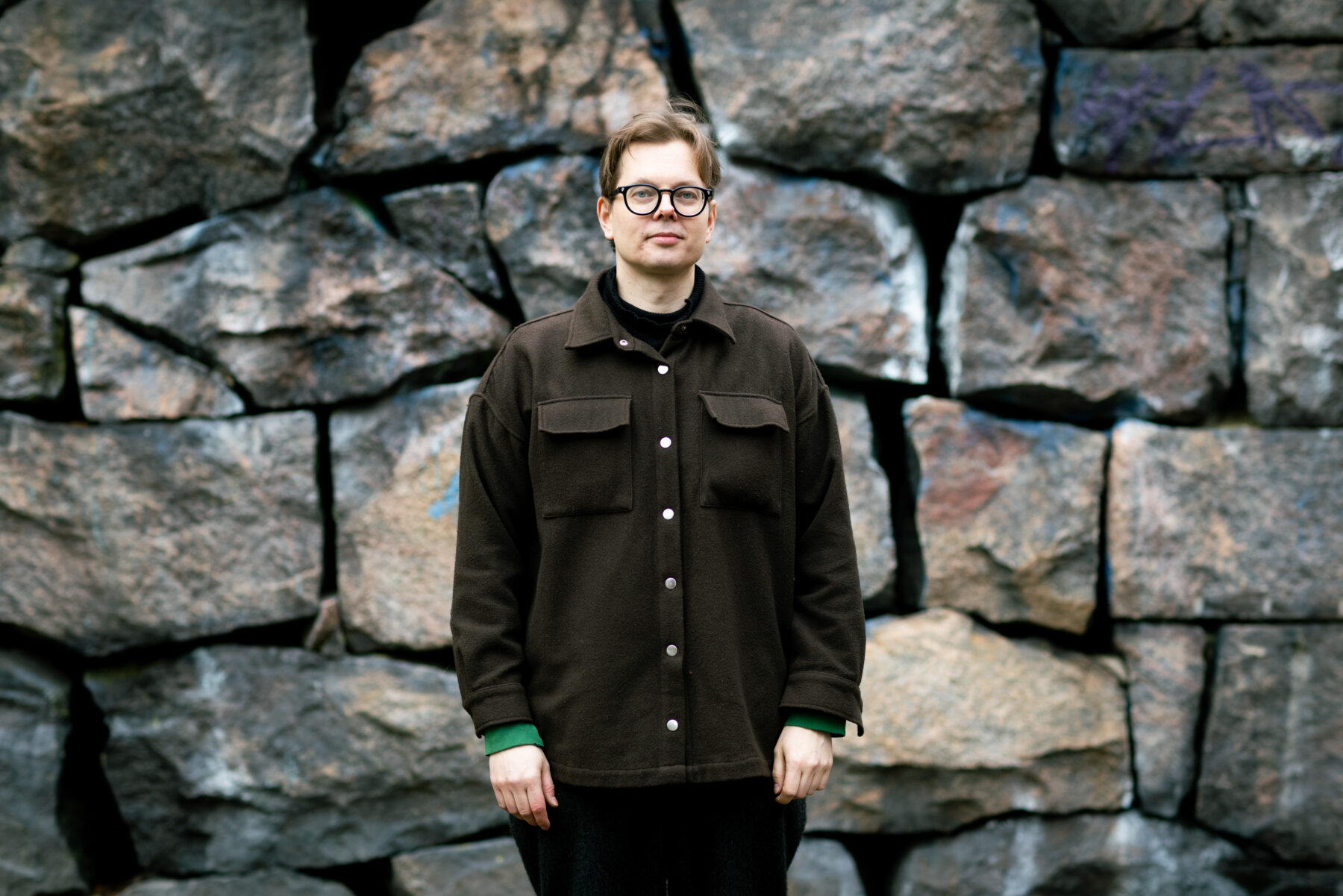
Juhani Karila’s first novel, Fishing for the Little Pike (US title; published in the UK as Summer Fishing in Lapland), was translated into more than 20 languages. It won several prizes and has been adapted into plays, too.
In the process of writing Fishing for the Little Pike, Karila visited his childhood home several times, just to get a reminder of what walking through a swamp felt like. He also called his parents so often that they were wondering why their son was suddenly so keen to keep in touch.
“I never wanted to put the phone down,” he says. “I asked them about the dialect, and I asked them about the words they used. I was soaking up their expressions.”
As the novel has been translated into multiple languages, Karila has had to revisit his linguistic choices various times. Coming up with names for previously unknown creatures is one thing, but finding equivalents to Lapland expressions in other languages is a whole new ball game.
“Particularly one of the translators was a thorn in my side, but in a good way,” Karila says. “They noticed every single logical error. I started to fear their emails.”
But the translators won’t be having a walk in the park with what Karila’s cooking up now, either. He can’t say much yet, but novel number two will be out next autumn in Finnish – and it will be yet another piece of whoa prose.
By Anne Salomäki, March 2026; photos by Emilia Kangasluoma