Dozens of meters below the ground, in a combined parking space and a fallout shelter, something extraordinary will take place. In the northern city of Oulu, Danish artist Jakob Kudsk Steensen will create an underground world where real pieces of nature interact with digital environments. The simulated virtual world will focus on Oulu’s subarctic setting – one of the fastest-changing environments in the world.
Underground Clash (working title) is one of many installations during Oulu’s year as the European Capital of Culture in 2026. Mixing art and technology comes naturally in a city with strong underground cultures, a hub for 6G development and a home of global tech companies like smart ring company Oura.
According to programme manager Henri Turunen, bold and curious approaches to technology can make it visible in a new way.
“When you use the latest technology to create something deeply immersive, the experience can feel almost magical,” he says. “There’s a kind of mystique or enchantment that emerges when art and technology meet.”
Embracing the peculiar
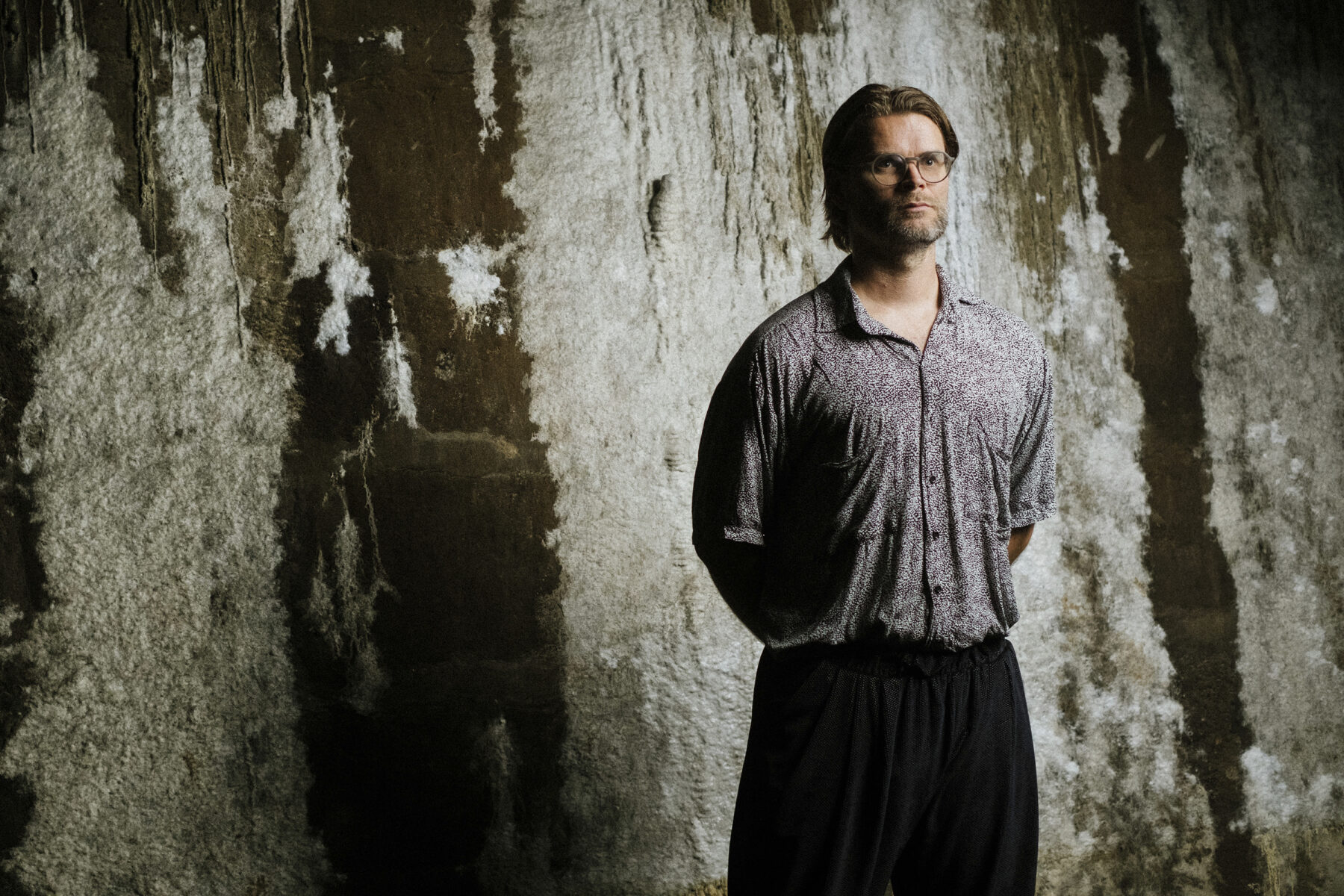
Artist Jakob Kudsk Steensen is crafting an immersive installation set within an underground car park.
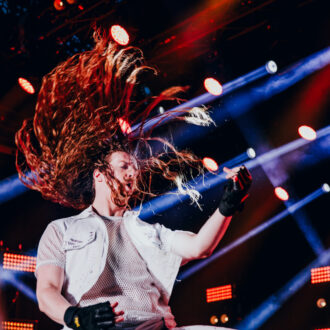
For past decades, Oulu has been known for cultural events and local quirks residents affectionately call oddities. These include the annual Air Guitar World Championships, the techno festival Frozen People (held on the frozen sea), mayonnaise pizza and Screaming Men’s Choir Huutajat who scream and shout instead of singing. The musical subcultures range from harsh noise to electronic music.
Turunen recognises and appreciates these peculiarities. It’s easy to bring together unexpected elements in a community with no fear of experimentation.
“When we work across silos, it becomes easier to try new things and cross different boundaries,” Turunen says. “There’s a certain DIY mindset here, too. If you need a piece of equipment but it’s 600 kilometres away, you have to figure things out together.”
An example of this spirit is Villit – The Wild Ones, an immersive dance performance that can be seen as part of the Oulu 2026 programme during the summer. Created by a large international team, local dancers and community members, the piece invites audiences on a journey across urban space with multiple entry points and a shared final celebration where all paths come together.
“A person who listens is willing to change”
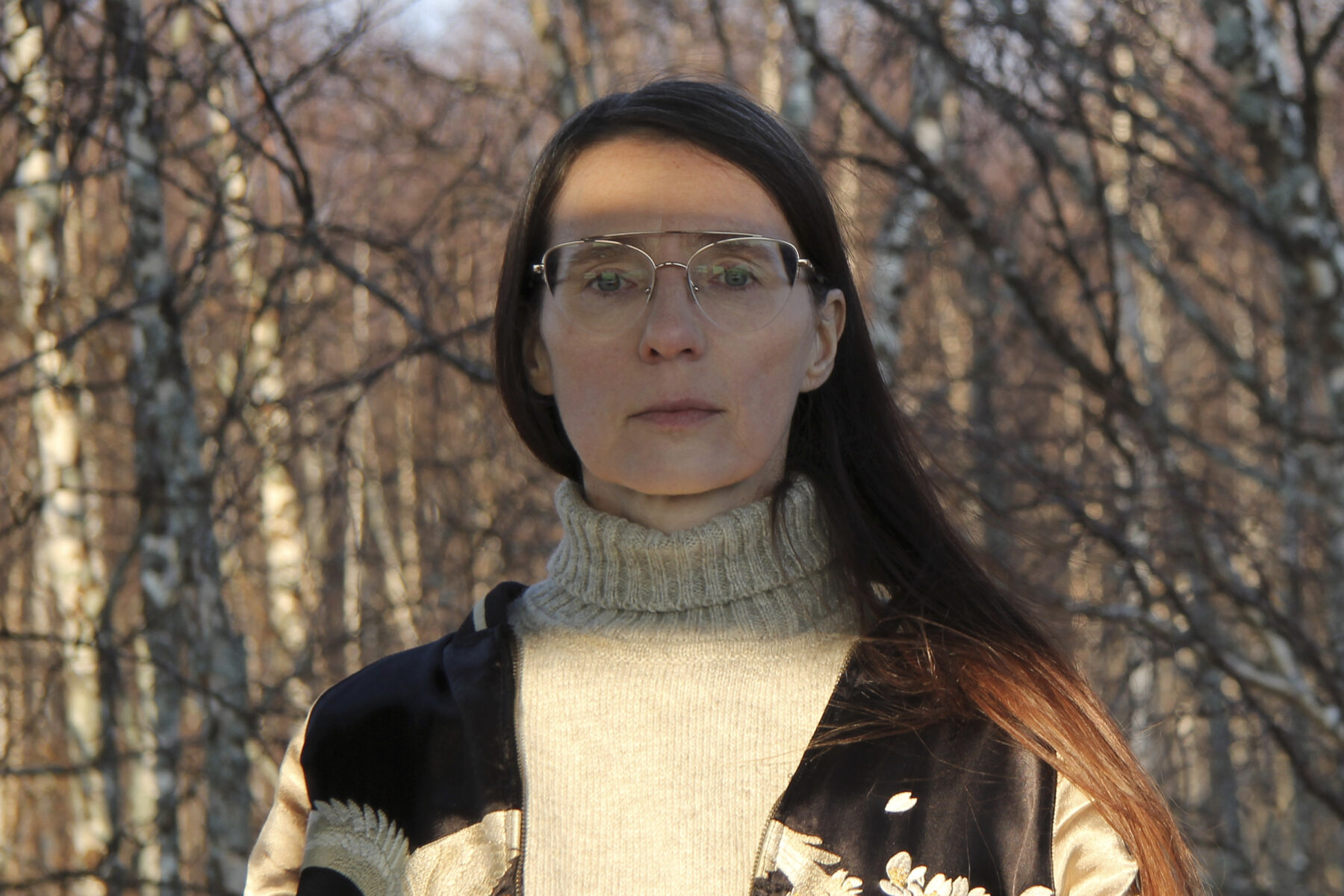
Antye Greie-Ripatti founded the Hai Art organisation, which focuses on artistic intervention.
The final months of 2026 in Oulu will celebrate contrasts: light and dark, technology and art, local and global. It is in this very space where multidisciplinary artist Antye Greie-Ripatti, also known as AGF, has found her niche.
From electronic music and composing to collaborative sound art in political spaces, Antye Greie-Ripatti is known for her unfiltered approach to technology as a medium for creative expression.
Together with her partner Sasu Ripatti, she curates the TAR Festival in November, part of the Capital of Culture programme – a three-day experience of genre-bending art, communality and the northern hospitality.
“We want to highlight the art that makes Oulu the city it is,” Greie-Ripatti says. Oulu is not a large city, but “in a smaller city, offering another layer to the existing reality becomes more tangible, more concrete. You can actually see the impact.”
Liberation through technology
Now based in the municipality Hailuoto, some 50 kilometres from Oulu, Greie-Ripatti balances quiet island life with artistic work. This is in stark contrast to her upbringing in East Germany, where she came of age in the late 1980s.
With the fall of the Berlin Wall in 1989, she was exposed to personal technology for the first time in her life: computers, the internet and portable devices were music production tools never before available.
“I am a first-generation bedroom producer, meaning I got my start before commercial platforms and streaming services,” she explains.
For the young Antye Greie, with unrestricted use of technology came artistic independence and liberation. The lack of commercialisation allowed her to explore and experiment, eventually finding her own creative nook.
She describes herself as a sound sculptor, turning sounds into pieces of abstract art. Her work considers technology as something inherent to humans – using one’s voice, singing and listening are technologies just as digital software and production tools.
All of her work boils down to a fundamental question: When it comes to art, what do you use technology for? It is not simple or easy to determine but: “Do you want to use technology to create or destroy?”
Bouncing sound waves
Greie-Ripatti sees TAR as a chance to bring people together around the idea of creating hope through listening. Since 2020, she has been investigating listening in her work. For example, she has asked children to listen to field recordings of bats, wind and leaves, and re-make these sounds with their own voices. Then they examined and edited the audio waveforms.
“Listening requires openness,” she says. “A person who listens is willing to change.”
Through deep listening she can still find the freedom she felt when she first began making music. Listening opens you up to new, unexpected things. Greie-Ripatti compares this unpredictability to sound itself.
“Sound waves bounce off walls and make new waves; they have a mind of their own. You don’t know what’s going to happen. Isn’t that like life itself?”
By Kristiina Ella Markkanen, ThisisFINLAND Magazine
Photos: Vera Lakovaara, Malthe Ivarrson