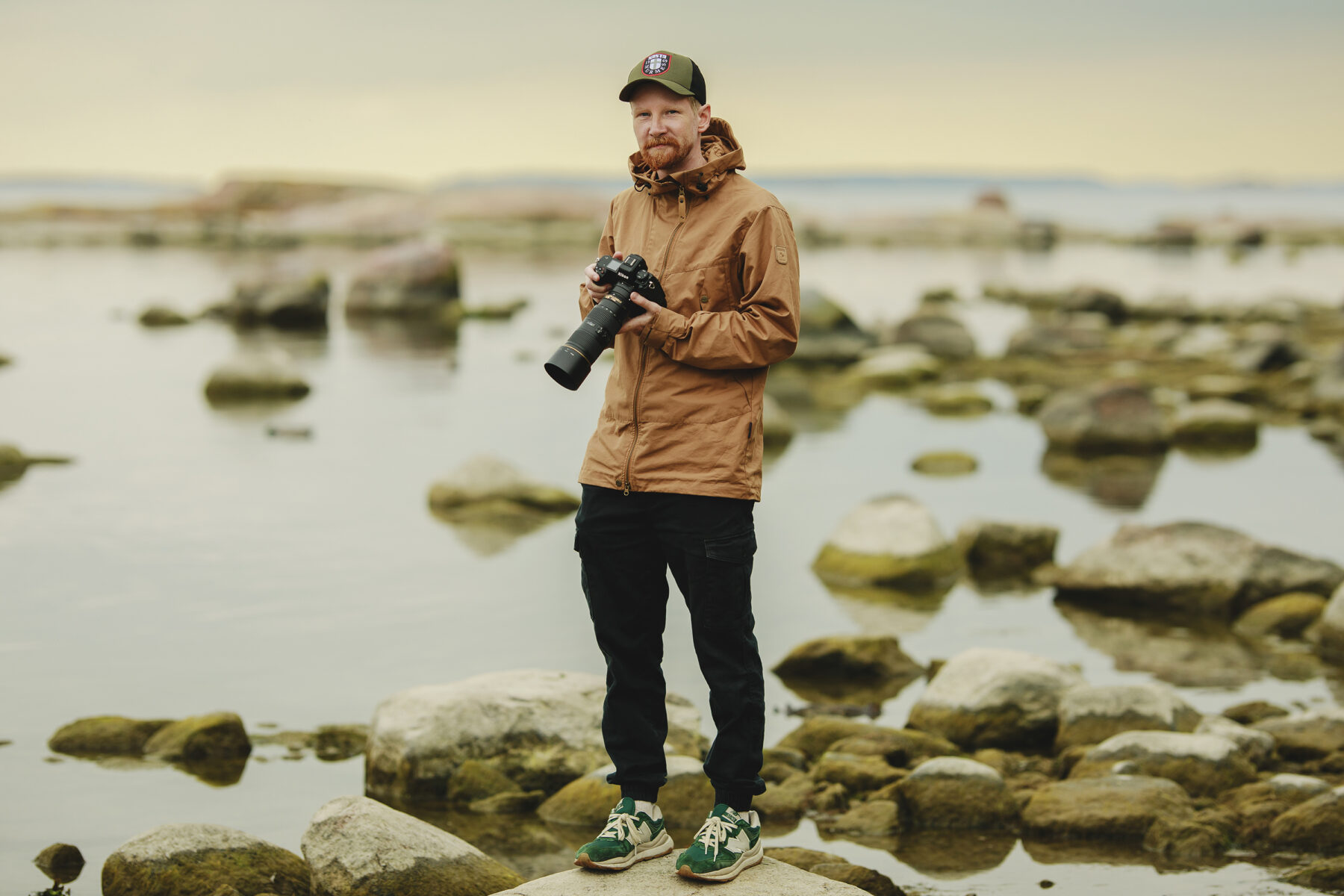
Konsta Punkka uploaded his first image to Instagram in 2012. The very first animal he featured was a cute red squirrel, and since then, many more have appeared on his feed. Unlike some nature photographers, Punkka rarely ventures into the wilderness for his shots. Instead, he prefers to seek out wildlife in the urban environment surrounding his home in Helsinki.
Punkka never planned to make money from his photographs, nor did he set out to gain a global following. Yet today, he is a full-time, self-taught photographer with a following of over one million people worldwide. He has taken pictures of different species of animals around the world, and his work has appeared in international media like TIME magazine and National Geographic.
“I was simply dedicated to improving my ability to capture wildlife images,” he says. “In the beginning, I honed my camera skills by spending time at bird feeders, where I could photograph the squirrels and birds that came to eat.”
From scissors to foxes
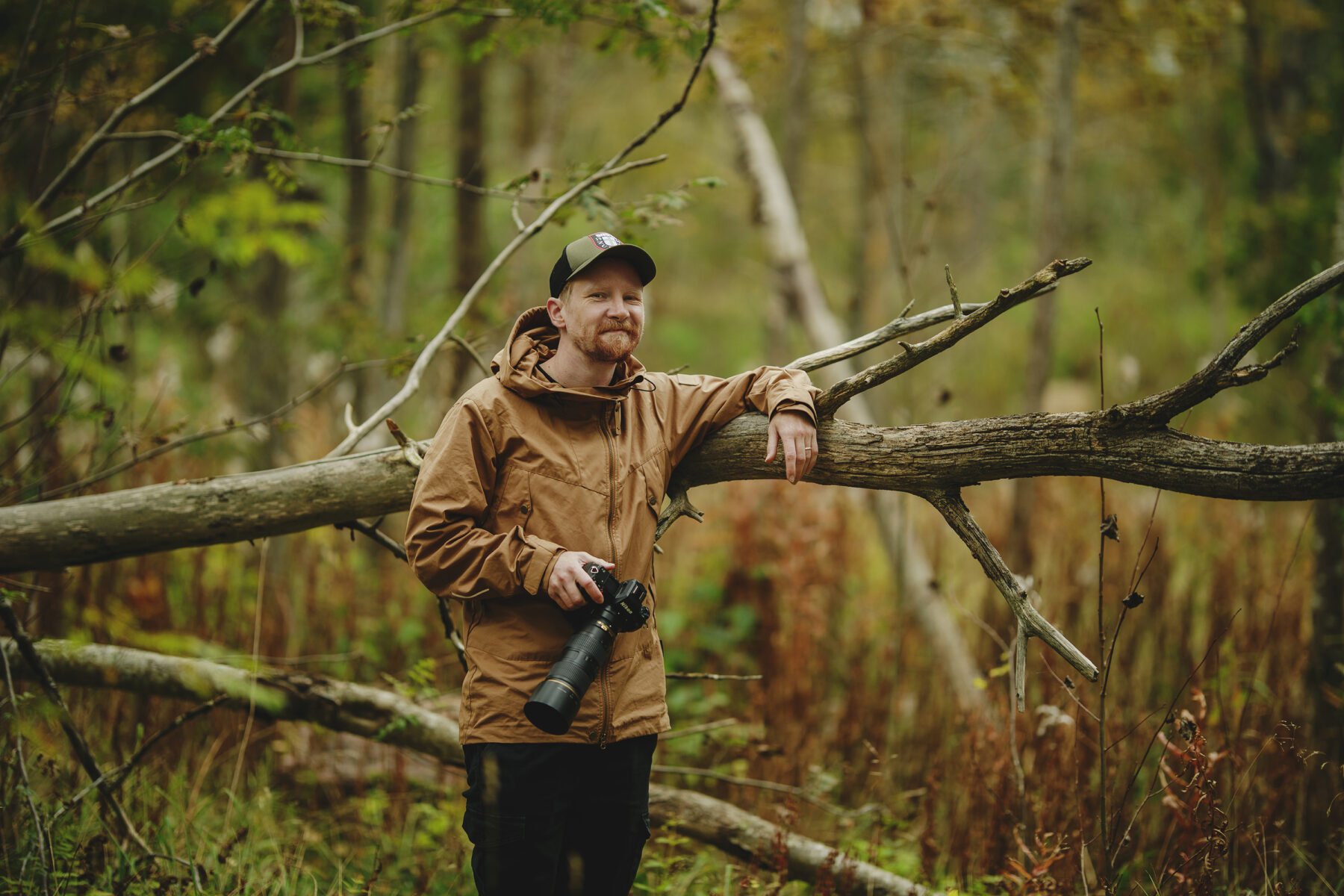
Punkka’s journey into nature photography started in the afterhours of his summer job at the Museum of Technology in Helsinki, when he was 18. During the day, he photographed old Nokia phones and Fiskars scissors for the museum’s archives. His employer allowed him to borrow the camera outside of work, and he made the most of it, pursuing a newfound passion for urban and street photography.
It was the early days of Instagram, and Punkka started seeing stunning nature images in his feed. They inspired him to try creating his own. He had everything he needed: a bike, a camera, and the surrounding urban nature.
“I began biking to the nearby forests with a camera in hand, especially early in the morning and late in the evening, in search of something worth capturing. Before long, I was spending all my free time there.”
Ethics first
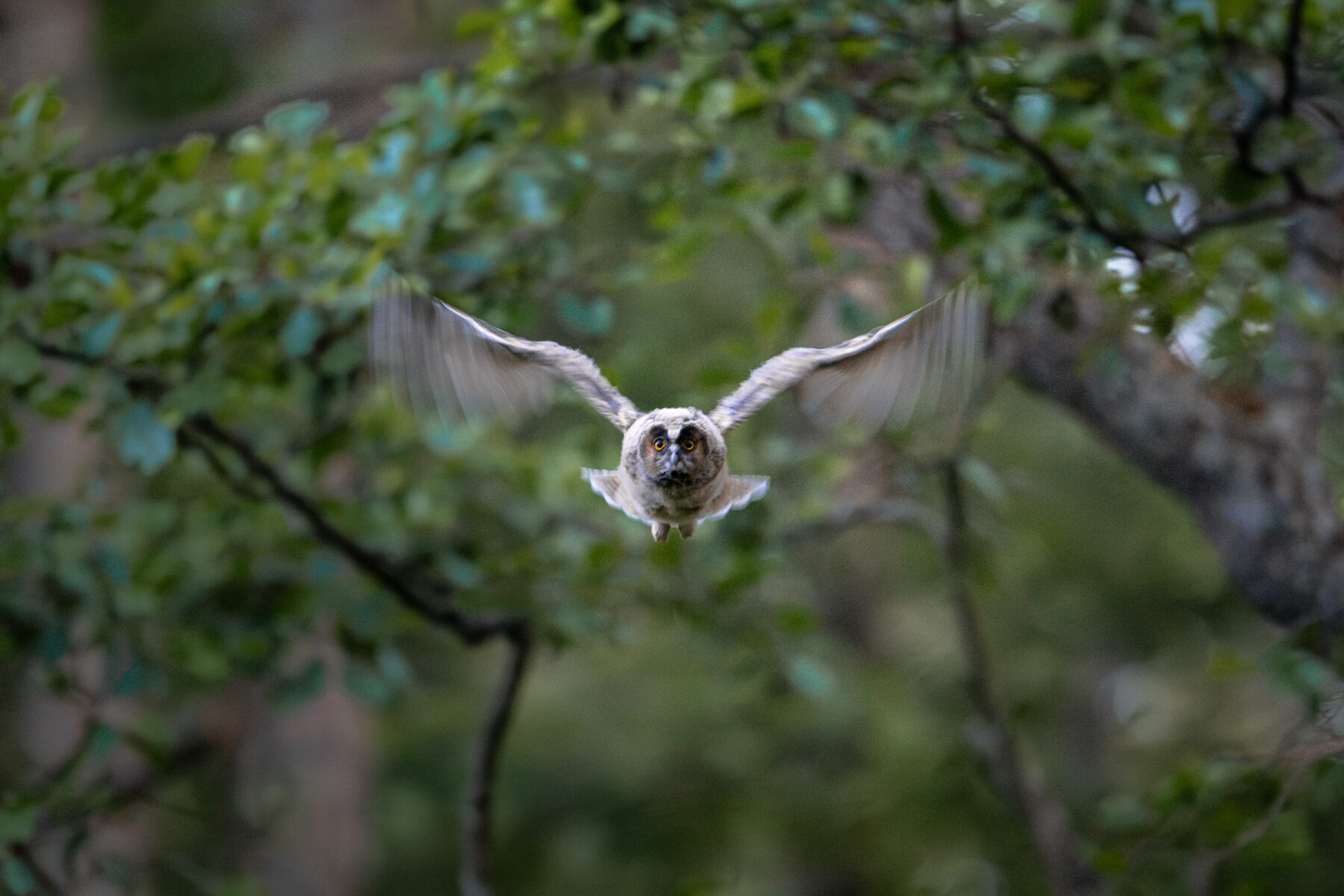
For Punkka, the most important aspect of taking photos of animals is doing it in a way that doesn’t disturb or harm them. He never feeds or touches the animals and always strives to blend into his surroundings as seamlessly as possible.
Punkka remembers the thrill of photographing his first fox cubs, which gave him an overwhelming sense of accomplishment.
“You can learn a lot from YouTube or books, but the real school of nature photography is spending time in the field,” he says. “The more you understand the species and individual animals – their rhythms and behaviours – the more likely you are to capture great shots. That said, you can’t always rely on nature delivering what you want, and I’ve spent days without capturing a single shot.”
Early summer is the busiest time for Punkka – that’s when animal babies are born. He knows the locations of certain nests and habitats and gets up before the sunrise to get to his destination on time before the wildlife starts stirring.
To get perfect shots of these creatures, Punkka often sits still for hours, waiting for them to appear.
“Many of my most memorable moments happen listening to the sounds of the surrounding nature,” he says. “It’s almost a meditative experience – a welcome contrast to the fast-paced world we live in today.”
Konsta Punkka’s top spots for urban wildlife photography in Finland
Seurasaari, Helsinki
“I always find something when visiting Seurasaari, year-round. The island is home to a variety of wildlife, including squirrels, owls and foxes. On summer nights, I’ve heard owl chicks calling for their mother and witnessed squirrels playing on the forest floor.”
Haltiala Forest, Helsinki
“Located in the north of Helsinki, these woods are home to deer, foxes and other mammals, with plenty of open fields to explore. I’ve spent hours in ditches, waiting to photograph foxes hunting mice, or deer surviving in the fields during the harsh winter months.”
Lauttasaari, Helsinki
“Every time the temperature drops below -20 degrees Celsius and the sky is clear, I head to the shore of Lauttasaari. Normally, the sea doesn’t freeze close to the shore, which allows wintering birds to bathe in the open water. The sea is also warmer than the air, creating stunning fog above the surface.”
Katariinanlaakso Nature Reserve, Turku
“When I visit the Turku region, I make sure to stop here. It’s a little walk through old-growth forests, offering stunning views of the sea, and a lovely spot to see mice and squirrels enjoying their breakfast near the bird feeder stations.”
Puijo, Kuopio
“Puijo Peak offers stunning lakeside views, perfect for getting started with landscape photography. I’ve also captured some great shots of squirrels, deer and foxes while visiting the area.”
By Laura Iisalo, ThisisFINLAND Magazine
Photography: Sabrina Bqain, Konsta Punkka