1. Santa Claus really does live in Finland!
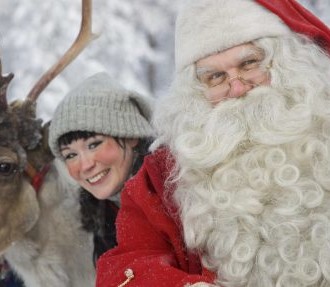
According to Finnish tradition, Santa’s original home is on Korvatunturi, a remote peak in Finnish Lapland, tucked away north of the Arctic Circle. Surrounded by forests, rivers and swamps, it’s so secluded that the only way to get there is by hiking or hopping on a reindeer sleigh.
Don’t be surprised if you spot Santa somewhere else in the Arctic, though! He considers all of Lapland, and indeed the whole Arctic region, his home. And if you’re eager to meet him, you can visit the Santa Claus Office in the northern Finnish city of Rovaniemi all year round.
2. He used to dress up as a goat
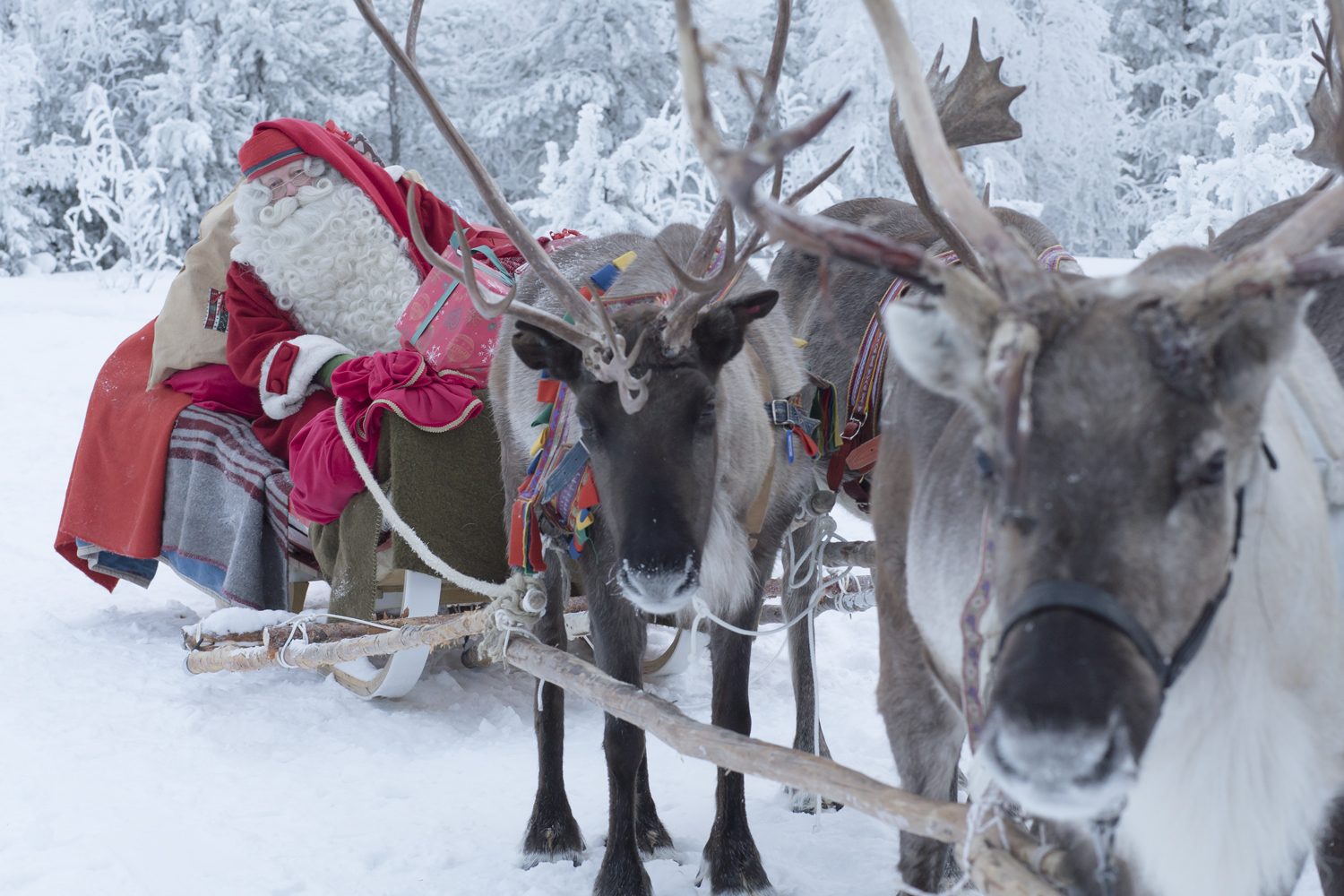
Santa travels in style, on a sleigh pulled by reindeer. Leading the way, of course, is Rudolph.Photo: Santa Claus Office
The Finnish word for Santa Claus, joulupukki, means “Christmas goat” and has its roots in old pagan traditions, including the nuuttipukki, a horned figure dressed in furs who visited homes after Christmas asking for leftover food and drink. Today’s Santa is much friendlier, but he’s definitely been around for a long time.
According to Santa’s archive elves at the Santa Claus Office, there’s only one official document that reveals his exact age: his reindeer driving license. Under date of birth, it simply says: “A very long time ago.”
3. Santa’s look has changed over time
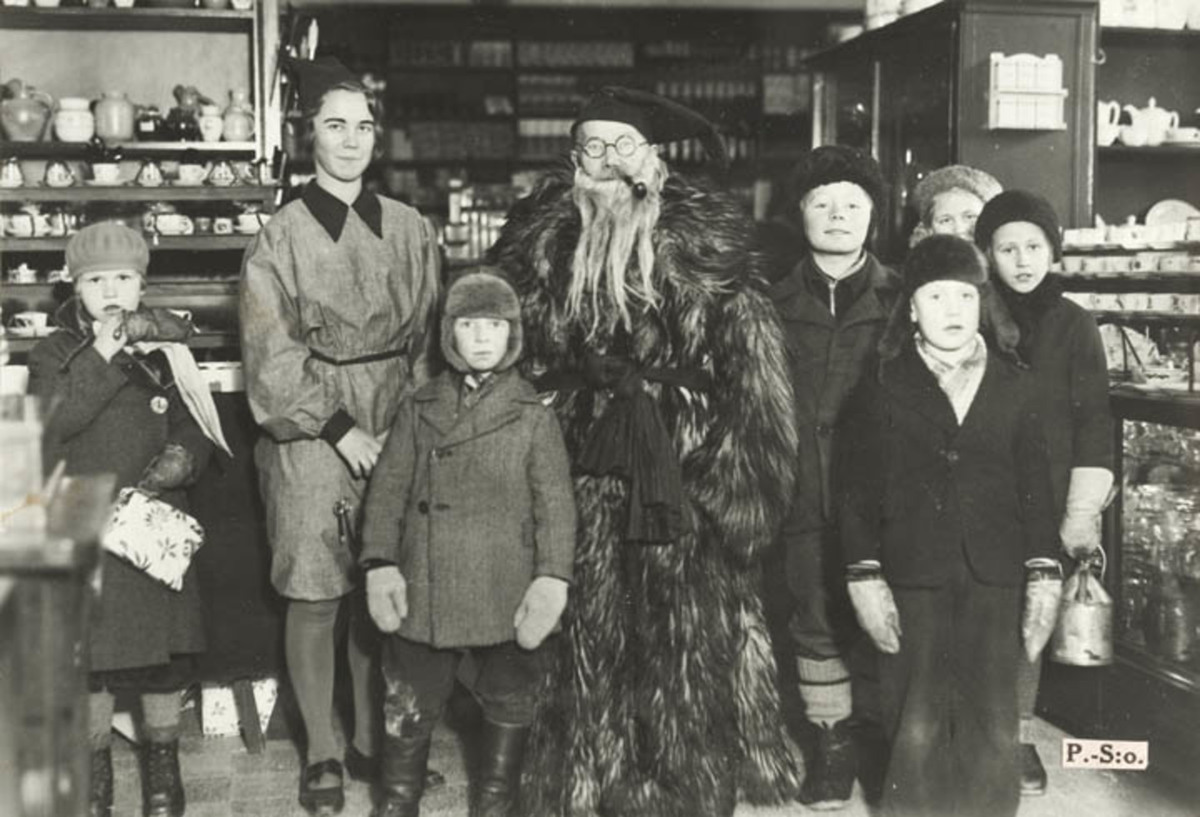
A visit by Father Christmas and his elf was captured on film back in 1937 in a Finnish shop.Photo: Kuopio Cultural History Museum
In the old days, Santa wore dark robes and looked a bit scary. It wasn’t until the early 1900s that he became the cheerful, red-suited man we know today.
For Santa, the colour red represents warmth and kindness. He also wears red to cheer up his good friend Rudolph, a reindeer whose red nose matches the outfit perfectly! (Santa remembers going through a grey and green phase in the past. He admits to being a little old-fashioned but says he’s open to a wardrobe update when the right century comes along.)
4. Joulumuori and the elves keep things running smoothly
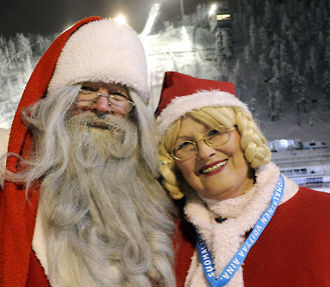
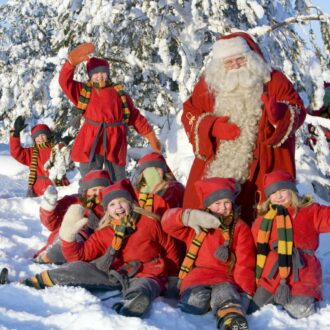
Santa’s lifelong companion, called joulumuori (“Mother Christmas”) in Finnish, is a wise, kind woman who helps organise Christmas. She and Santa and their team of hardworking elves in Lapland read wish lists, build toys, and make sure children all over the world stay on their best behaviour.
5. Finnish Christmas traditions are warm and cosy
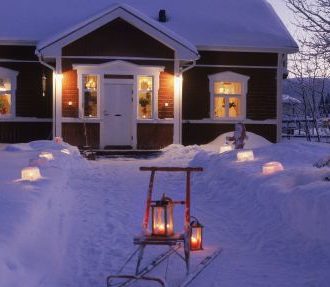
In Finland, Christmas is all about warmth and being together – traditions that capture the same spirit Santa spreads worldwide. Before dinner, many families enjoy a relaxing Christmas sauna. The festive table is filled with traditional foods like casseroles, smoked fish, rice porridge, and homemade treats. Homes are decorated with candles, straw ornaments, stars, and of course, a beautifully lit Christmas tree.
6. In Finland, Santa delivers gifts in person – on Christmas Eve!
Unlike in many countries where presents appear overnight, in Finland Santa often knocks on the door on Christmas Eve and asks, “Are there any well-behaved children here?” Families sing songs with him, chat, and share a laugh before he hands out the gifts. Finnish children cherish this tradition.
7. One night, millions of homes. How?
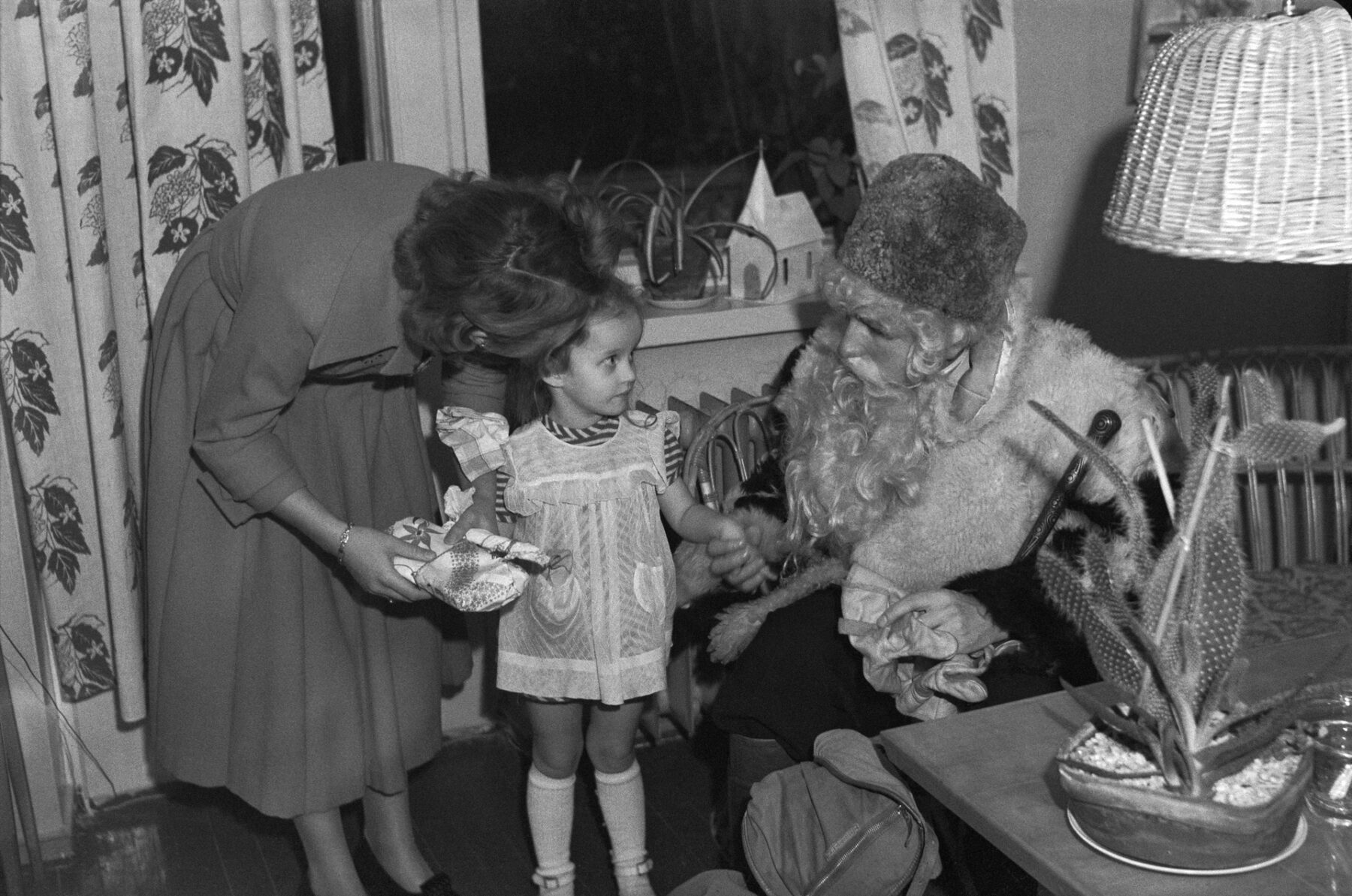
Father Christmas dropped by a Finnish home in the 1950s. The child couldn’t help thinking he looked a bit familiar…Photo: Constantin Grünberg/Helsinki City Museum
To visit every child in one night, Santa would need to reach hundreds or thousands of homes per second. With midwinter darkness lasting nearly 24 hours above the Arctic Circle, Santa has plenty of time.
It’s simple, really. Anyone could pull it off. All you need is some flying reindeer, a few centuries of practice and a dash of Christmas magic.
8. A Lapland reindeer fact: Santa’s team is mostly female
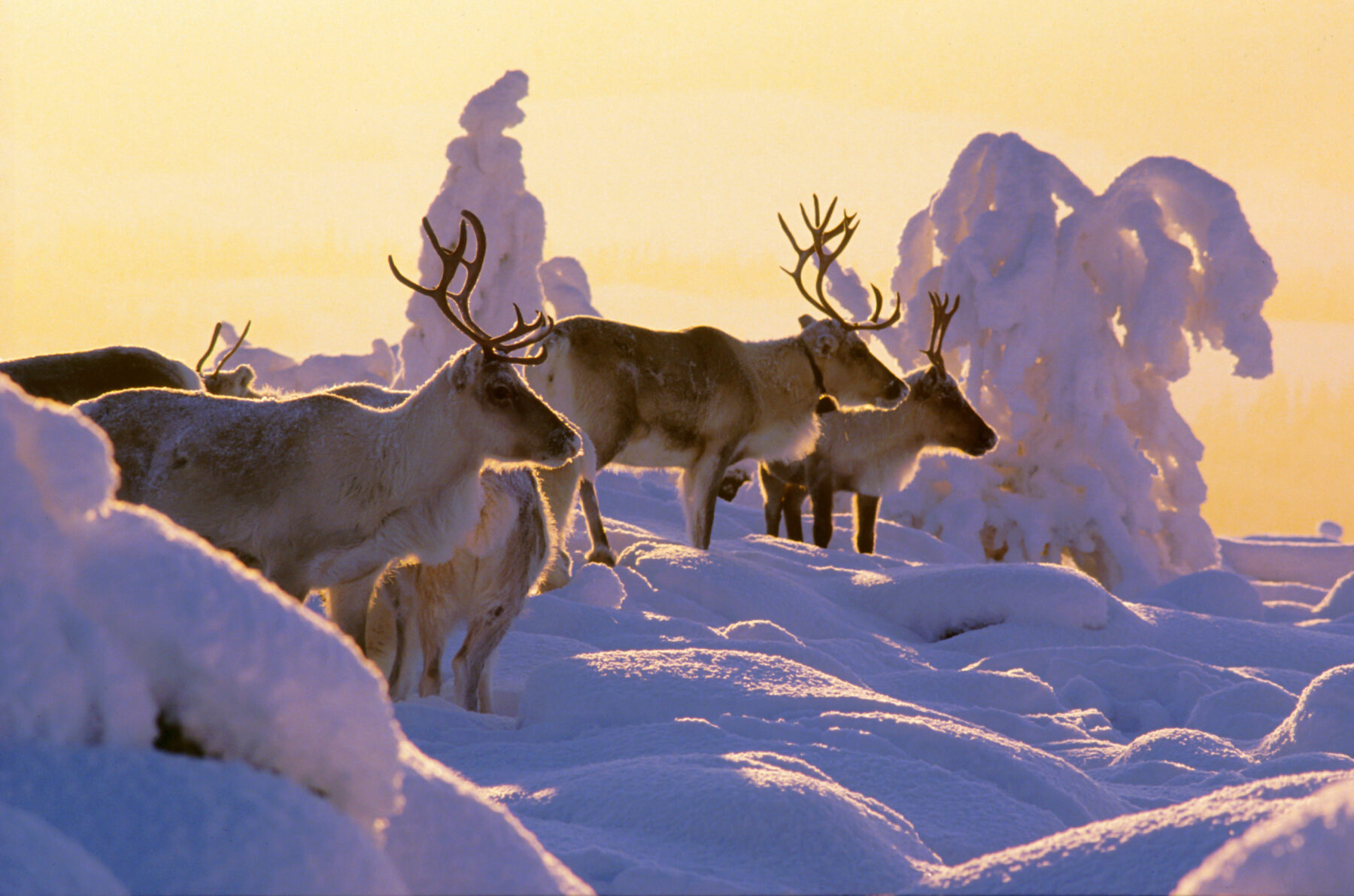
Lapland and the Arctic are the natural homeland of the reindeer. Photo: Arto Komulainen/Lapland Media Bank
Of course, Rudolph (known as Petteri in Finnish) and his friends pull Santa’s sleigh through snowy landscapes. But here’s a fun twist: If you see antlers on Santa’s reindeer at Christmas, they’re probably female! Male reindeer shed their antlers in early winter, while females keep theirs through spring.
As children all over the world know, Santa’s reindeer love carrots. Regular reindeer, however, prefer lichen, a slow-growing arctic plant that takes years to mature. Perhaps that’s what makes it such a special treat.
9. In Finnish, December is even named after Christmas
In Finland, the old word for December, talvikuu (“winter month”), later became joulukuu – literally “Christmas month.”
Santa Claus himself is known by multiple monikers – Father Christmas, Père Noël, Sinterklaas, and more. As the Finnish saying goes: Rakkaalla lapsella on monta nimeä (“A beloved child has many names”). Santa is proud of his global nicknames.
10. You can send Santa a letter!
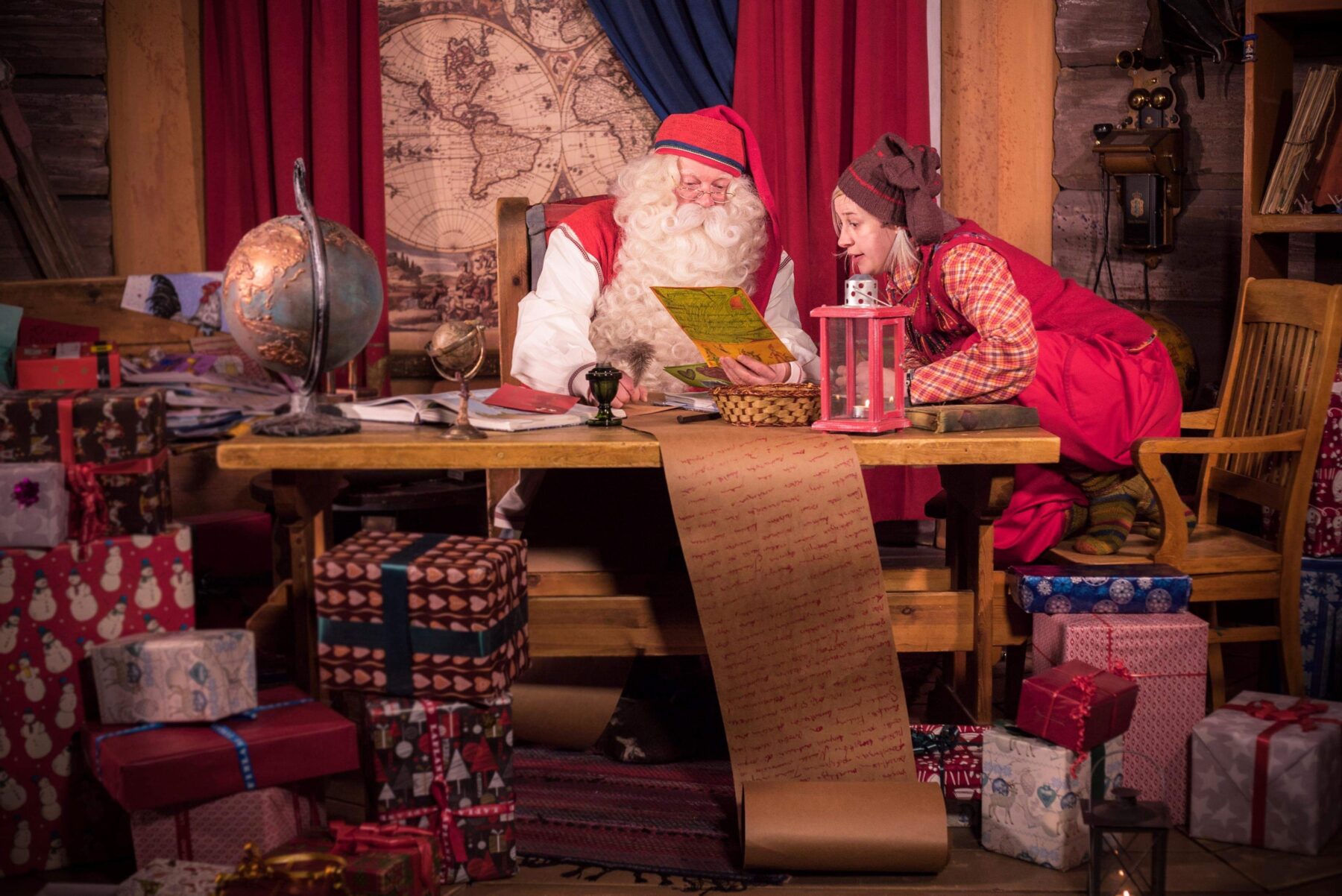
It’s quite the job, reading every single letter sent to Santa!Photo: Santa Claus Office
Santa’s main post office in Rovaniemi receives hundreds of thousands of letters from more than 190 countries every year. Children from all over the world can write to Santa at:
Santa Claus
Tähtikuja 1
96930 Arctic Circle
Finland
Bonus: Why does Santa exist?
Santa is one of the best-known, most beloved figures in the world. For centuries, he has brought joy to children and adults alike, right in the middle of the darkest and coldest season. His most important mission? To remind people of all ages that there is a world of fairytales and dreams where everyone is always welcome.