Few architects have shaped Finland’s built environment as profoundly as Alvar Aalto.
Widely regarded as the country’s most influential architect and designer, Aalto helped define a distinctly Nordic vision of modernism. From public buildings and churches to housing developments, furniture and glassware, his work can be found throughout Finland and far beyond.
Today, a collection of 13 sites connected to his legacy is seeking recognition as a Unesco World Heritage Site under the name Aalto Works.
Architecture designed for people
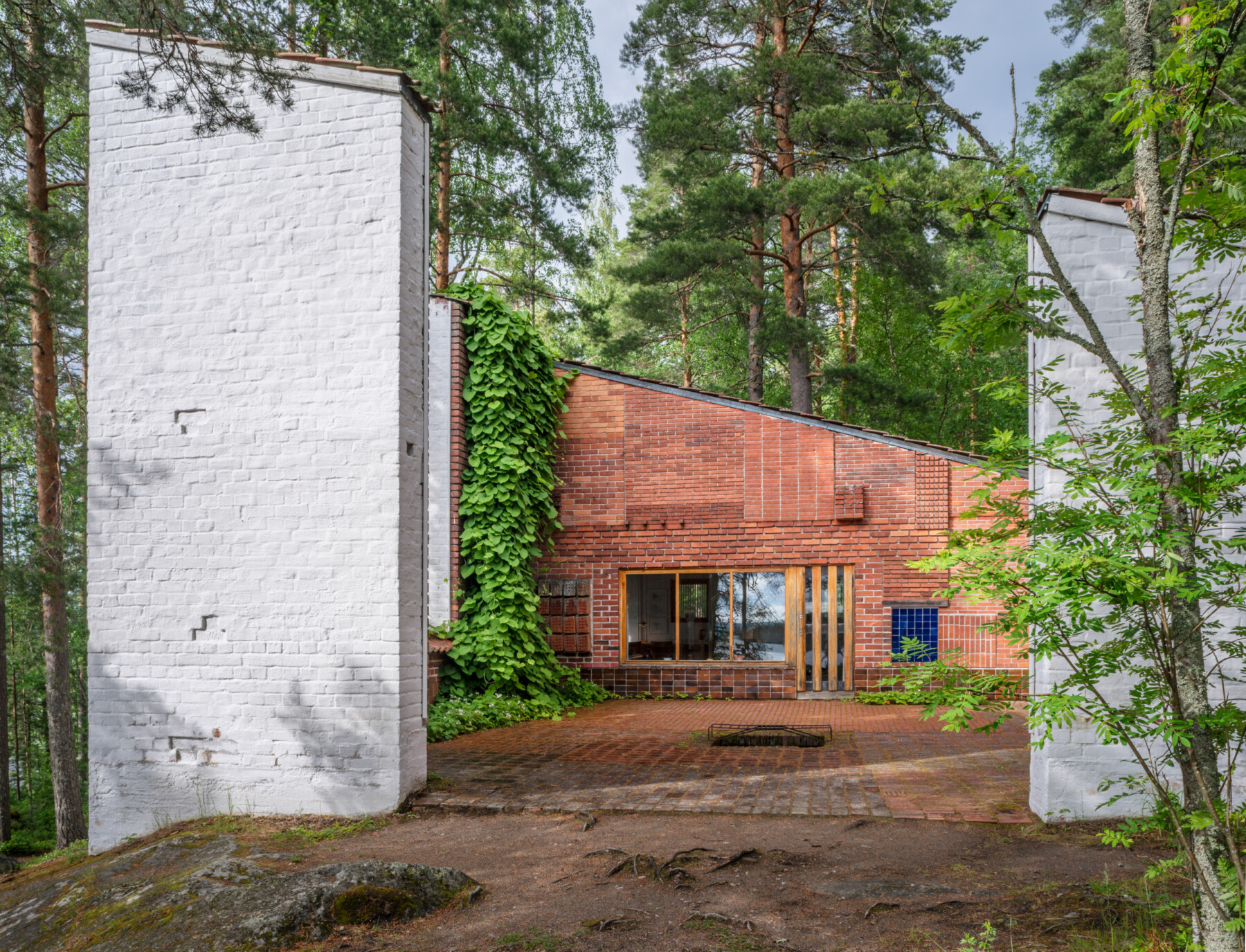
Muuratsalo Experimental House (1952–54) is a studio and summer residence designed by Alvar and Elissa Aalto for themselves. At Muuratsalo, the Aaltos had the opportunity to experiment with materials, forms and construction techniques.Photo: Maija Holma / Alvar Aalto Foundation
Hugo Alvar Henrik Aalto (1898–1976) was born in Kuortane, western Finland and studied architecture at the Helsinki University of Technology, now part of Aalto University. During the 20th century, he emerged as one of the leading figures of modernism, developing a style that combined functionality with warmth, natural materials and close attention to human needs.
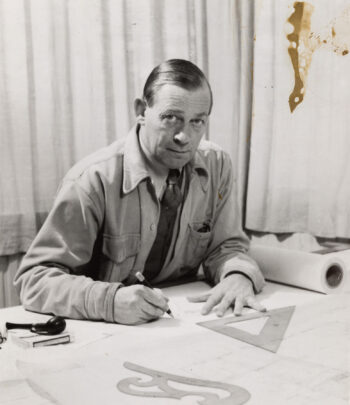
Architect Alvar Aalto, photographed here in the 1940s, designed buildings in Finland, across Europe and in the United States. Photo: Finnish Heritage Agency
Rather than viewing buildings as isolated structures, Aalto designed complete environments. Together with his first wife, architect and designer Aino Aalto, and later with his second wife, architect Elissa Aalto, he created projects in which architecture, interiors, furniture and lighting formed a unified whole.
Natural light, surrounding landscapes and carefully chosen materials such as brick and wood became hallmarks of his work. Organic forms softened the geometric language of modernism, creating buildings that felt both functional and inviting.
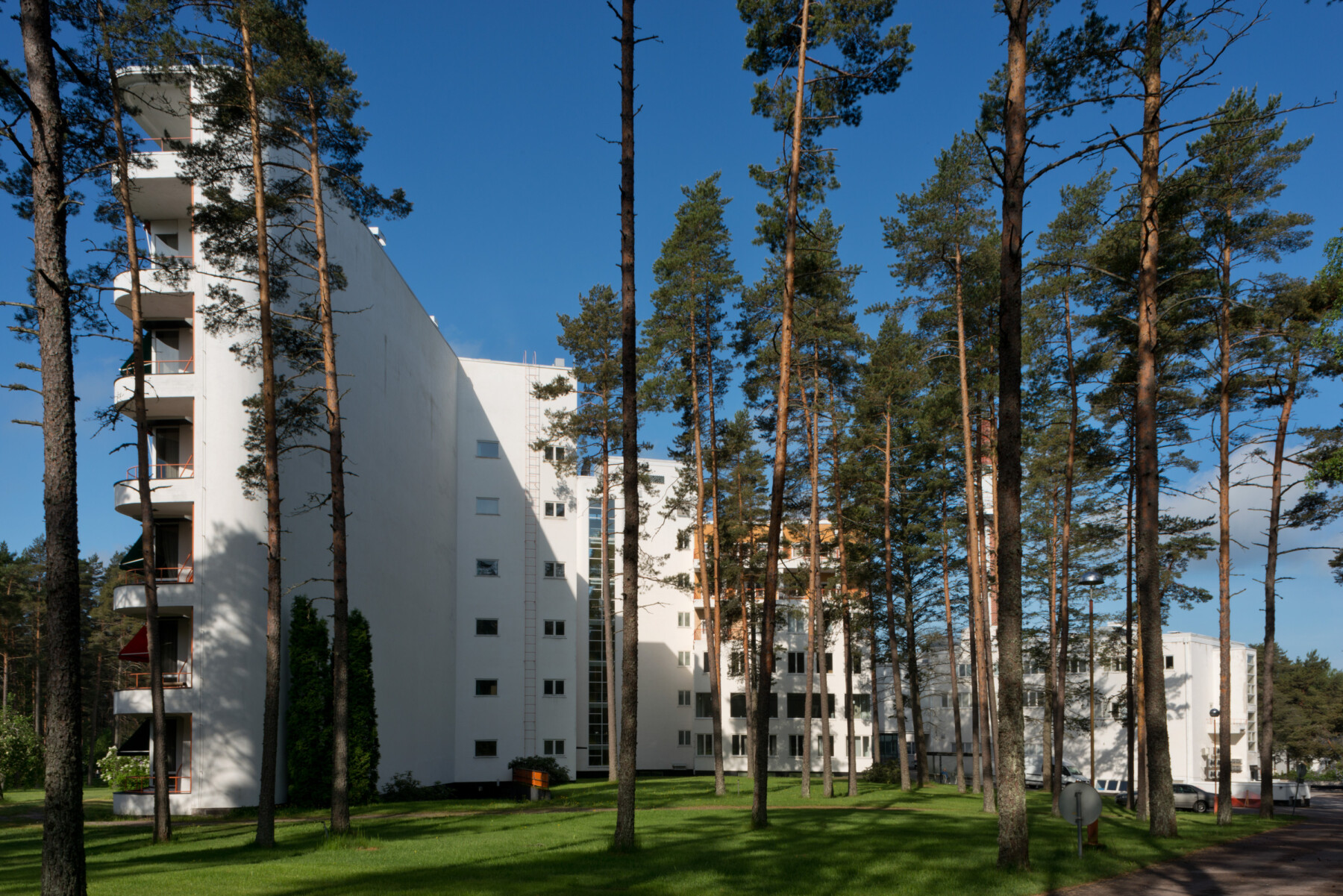
Completed in 1933 as a tuberculosis sanatorium, Paimio Sanatorium played a key role in launching the international careers of architects Alvar and Aino Aalto.Photo: Maija Holma / Alvar Aalto Foundation
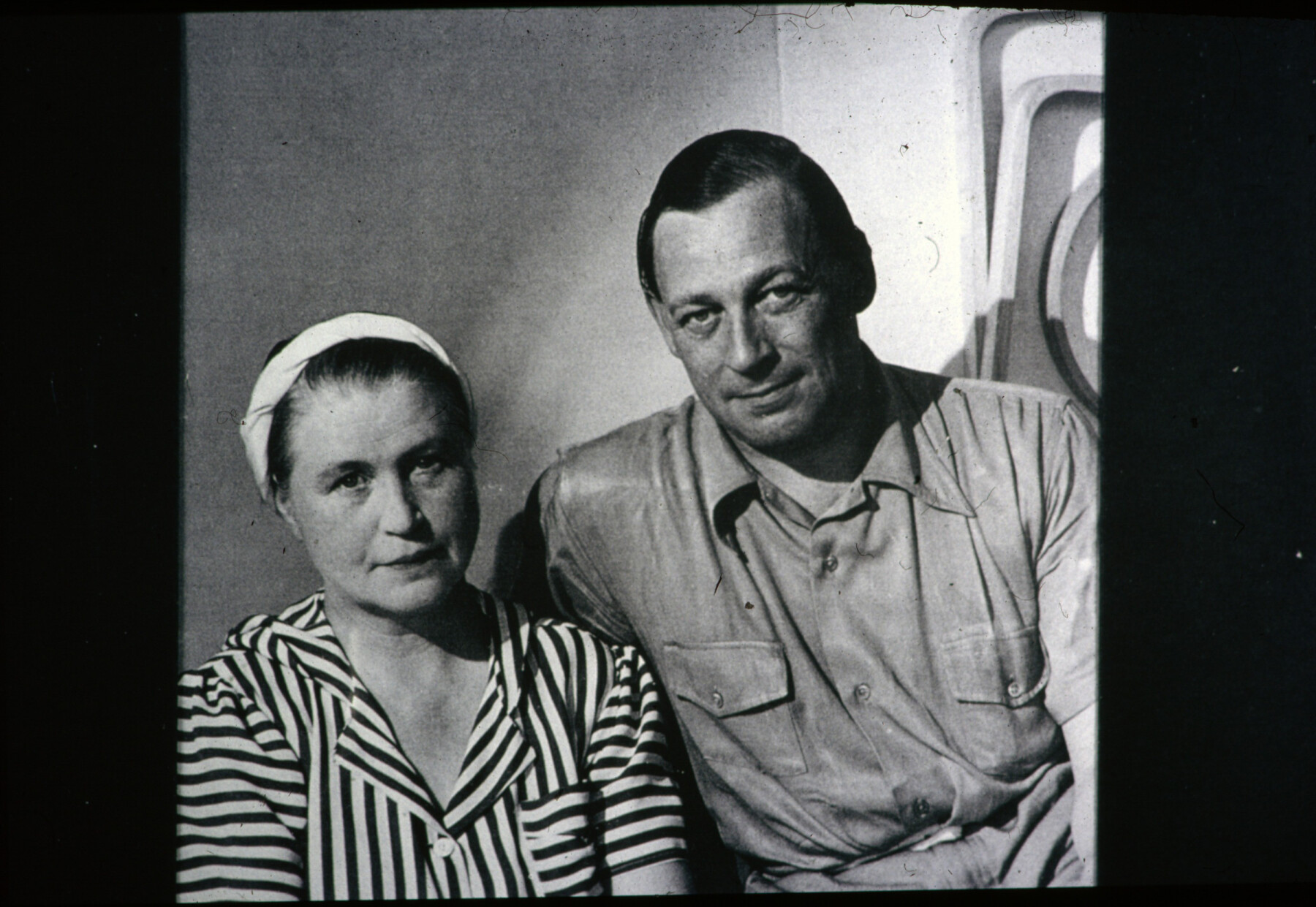
Aino and Alvar Aalto married in 1924. They had two children together: Johanna and Hamilkar.Photo: Helsinki University of Technology
One of the best examples is Paimio Sanatorium, completed in 1933. Designed as a tuberculosis hospital, it was planned around the wellbeing of its patients, from room layouts and colour schemes to furniture and lighting.
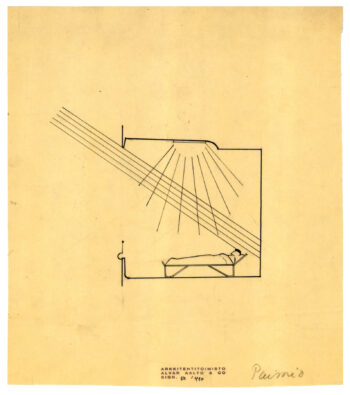
Drawing of the patient room window in Paimio Sanatorium.Picture: Alvar Aalto Foundation
At the Paimio Sanatorium, Aalto paid attention to even the smallest details. Yellow floors in the lobby and stairwells were intended to lift patients’ spirits, while rubber flooring reduced noise by muffling footsteps. Patient rooms were carefully positioned to provide open views of the surrounding pine forest, reinforcing the healing connection between architecture and nature.
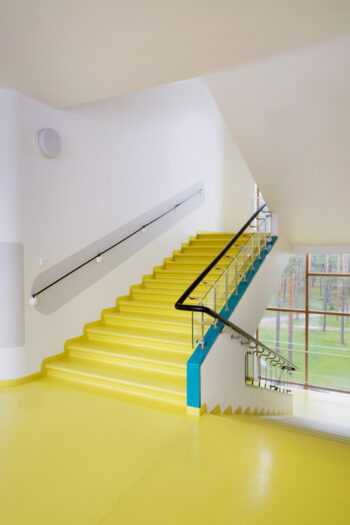
A yellow staircase in Paimio Sanatorium. Paimio Sanatorium served as a hospital and rehabilitation centre until 2014.Photo: Maija Holma / Alvar Aalto Foundation
Aalto’s influence extended beyond architecture. In 1935, Alvar and Aino Aalto co-founded Artek with Maire Gullichsen and Nils-Gustav Hahl, creating a company that remains a leading name in Nordic design. He also designed the iconic Savoy Vase, one of Finland’s most recognisable design objects.
Five landmarks of Aalto’s architecture
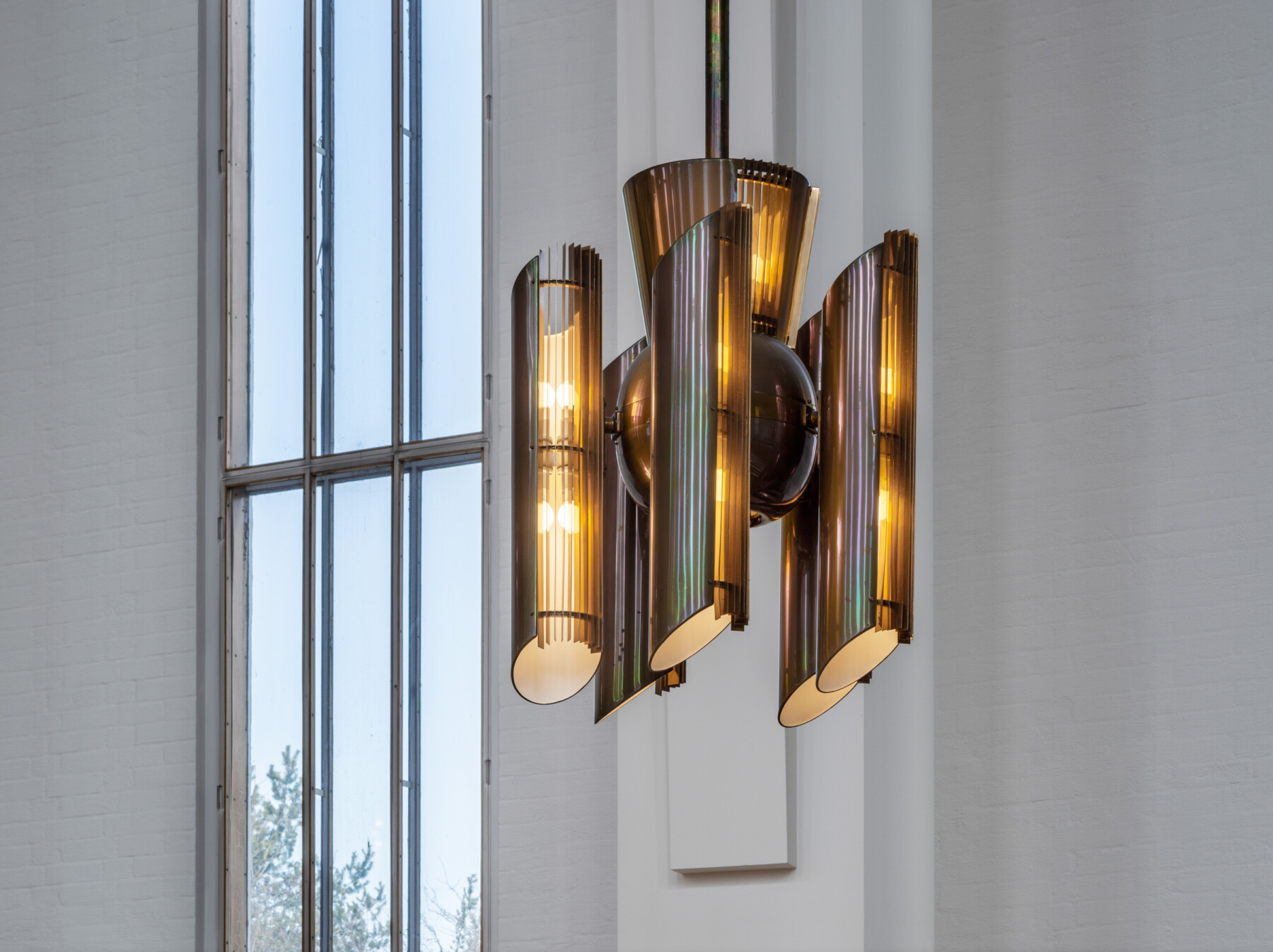
Alvar Aalto believed in designing every aspect of a space as a unified whole. He often complemented his buildings with furniture and lighting designed to suit their proportions. Lakeuden Risti Church in Seinäjoki was completed in 1960.Photo: Maija Holma / Alvar Aalto Foundation
Many of Aalto’s most celebrated works can still be visited across Finland.
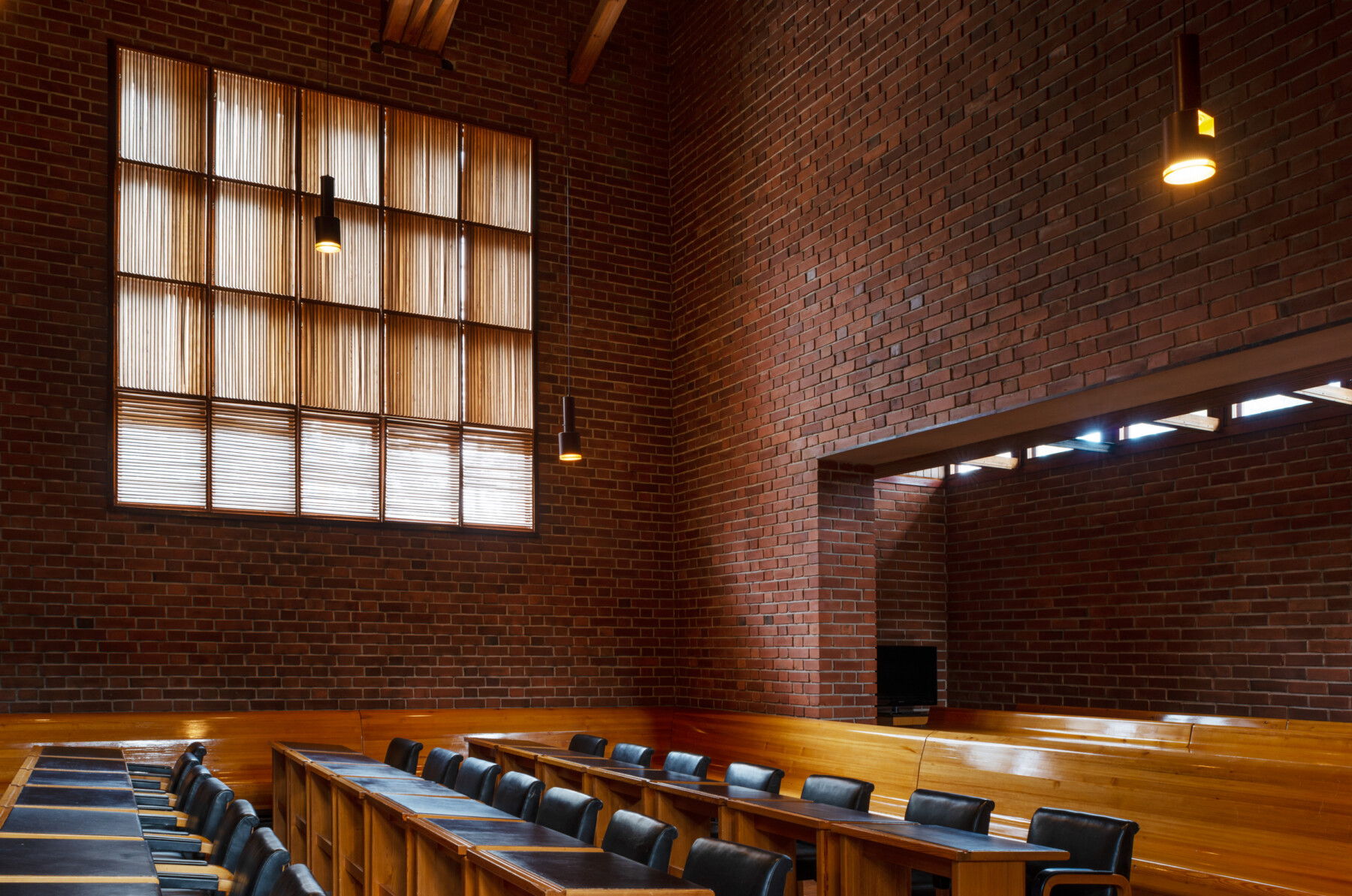
The council chamber at Säynätsalo Town Hall is filled with natural light. Red brick serves as the main material throughout both the exterior and the public interiors. The Town Hall was completed in 1952.Photo: Maija Holma / Alvar Aalto Foundation
Säynätsalo Town Hall in Jyväskylä, central Finland, is regarded as a masterpiece of civic architecture and democratic design.
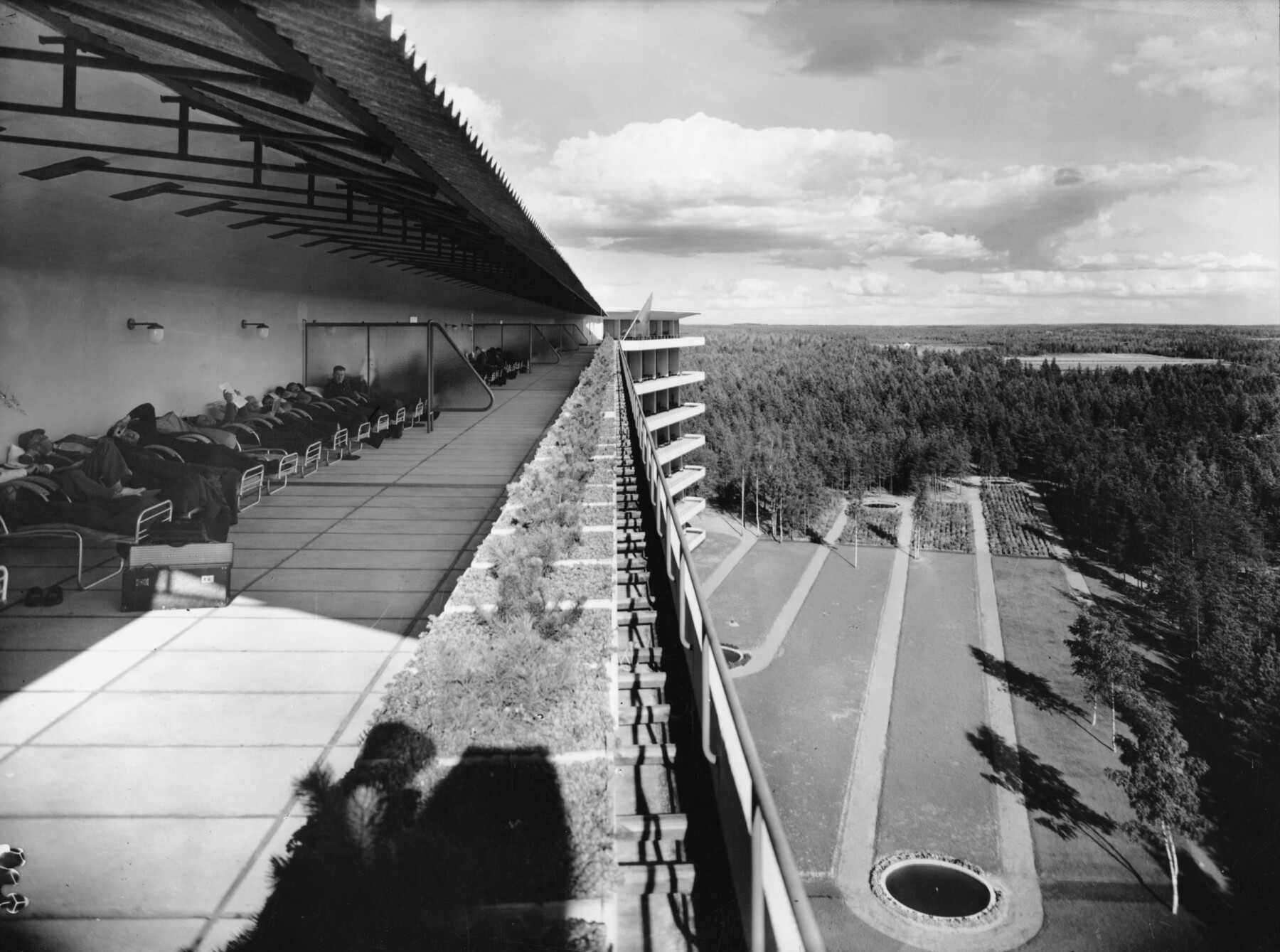
Patients enjoying the view at the roof terrace of the Sanatorium in 1934.Photo: Gustaf Welin / Alvar Aalto Foundation
Paimio Sanatorium is internationally recognised as a landmark of healthcare architecture.
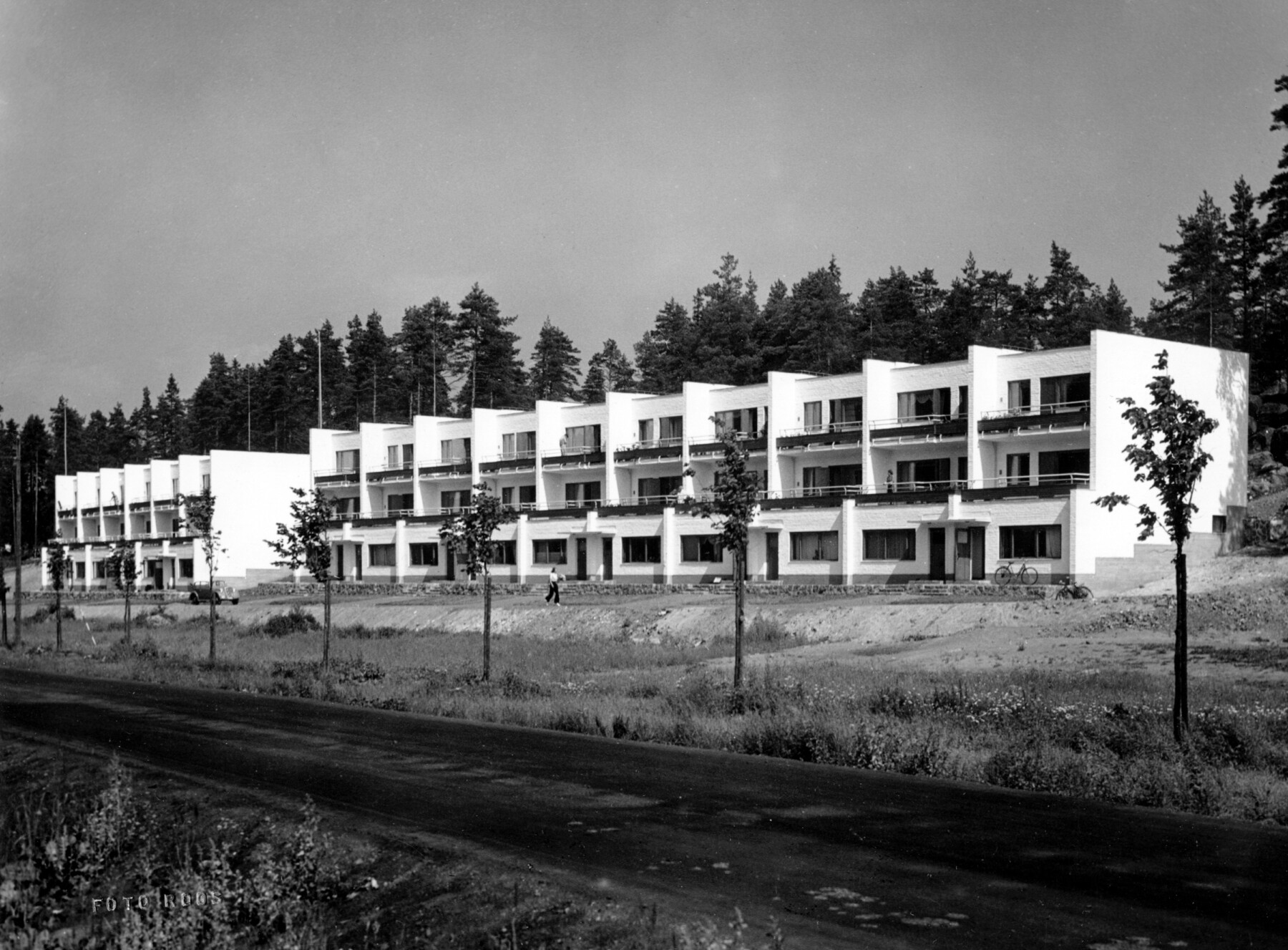
Between 1936 and 1939, Alvar Aalto designed the Sunila pulp mill and its residential community. Today, Sunila is a protected forest suburb and the largest completed architectural ensemble created by Aalto.Photo: Foto Roos / Alvar Aalto Foundation
The Sunila Housing Area in the southeastern port city of Kotka demonstrates how industry, housing and nature can form a cohesive community.
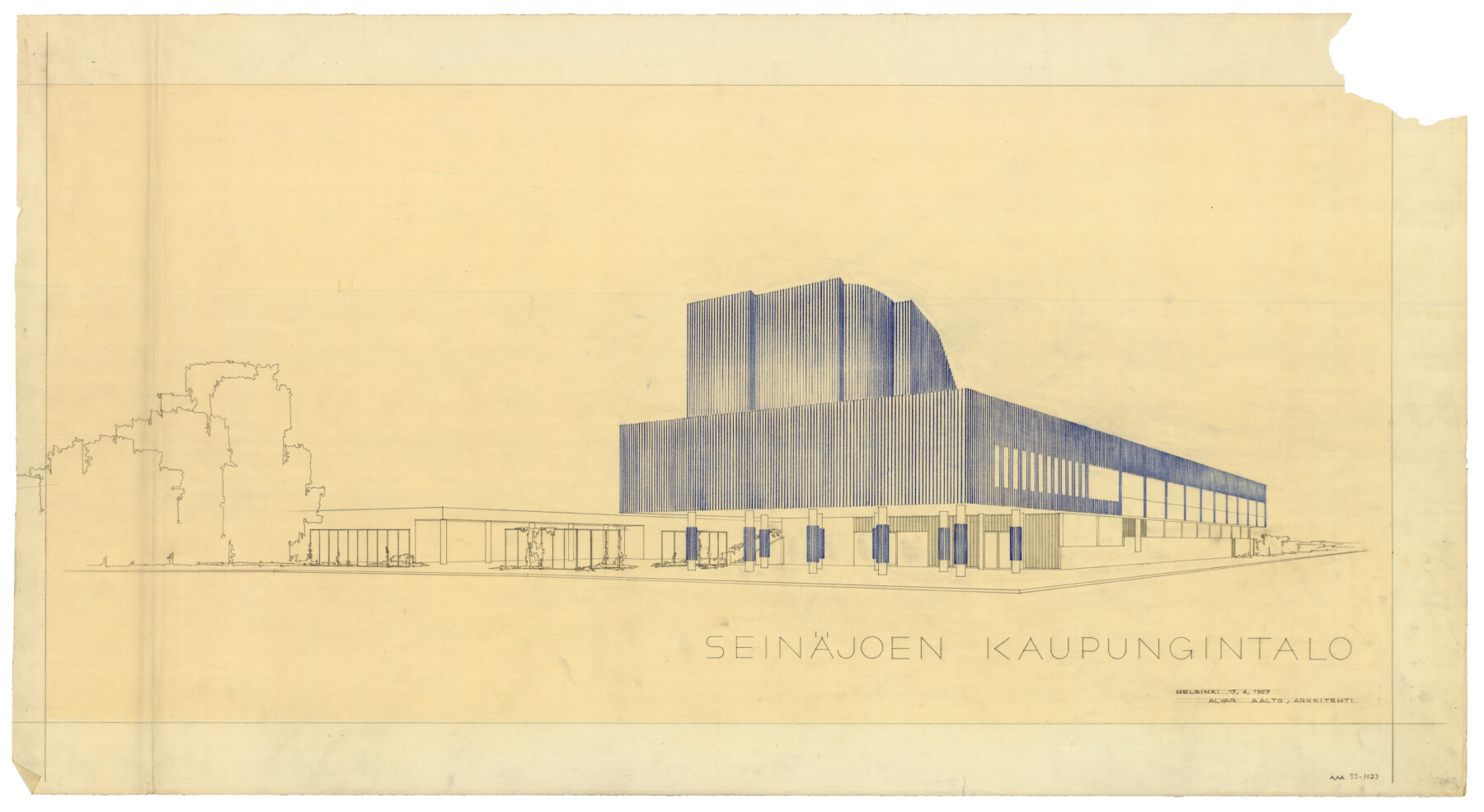
After winning two separate architectural competitions, Alvar Aalto was given the opportunity to design Seinäjoki’s civic centre in the 1960s. The ensemble comprises a church, the Town Hall (pictured), a library, a parish centre and a state office building commissioned by the Finnish government.Drawing: Alvar Aalto Foundation
The Seinäjoki Civic and Cultural Centre in western Finland creates a unified urban ensemble of administrative, religious and cultural buildings.
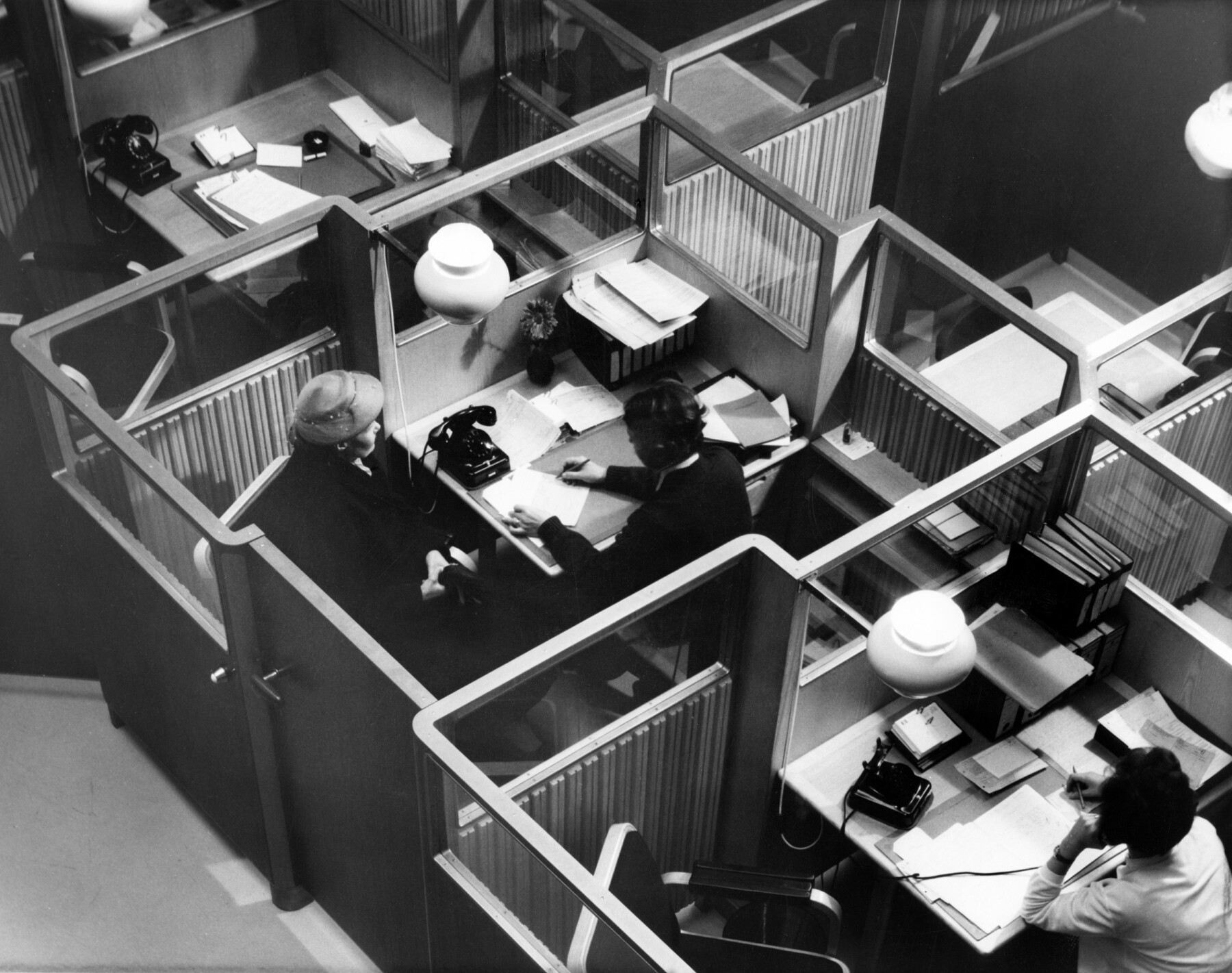
Customer service facilities of the central hall at the National Pensions Institute (KELA), 1953–57.Photo: Heikki Havas / Alvar Aalto Foundation
The Social Insurance Institution Headquarters in Helsinki shows how public architecture can combine functionality and accessibility.
Aalto Works and the Unesco nomination
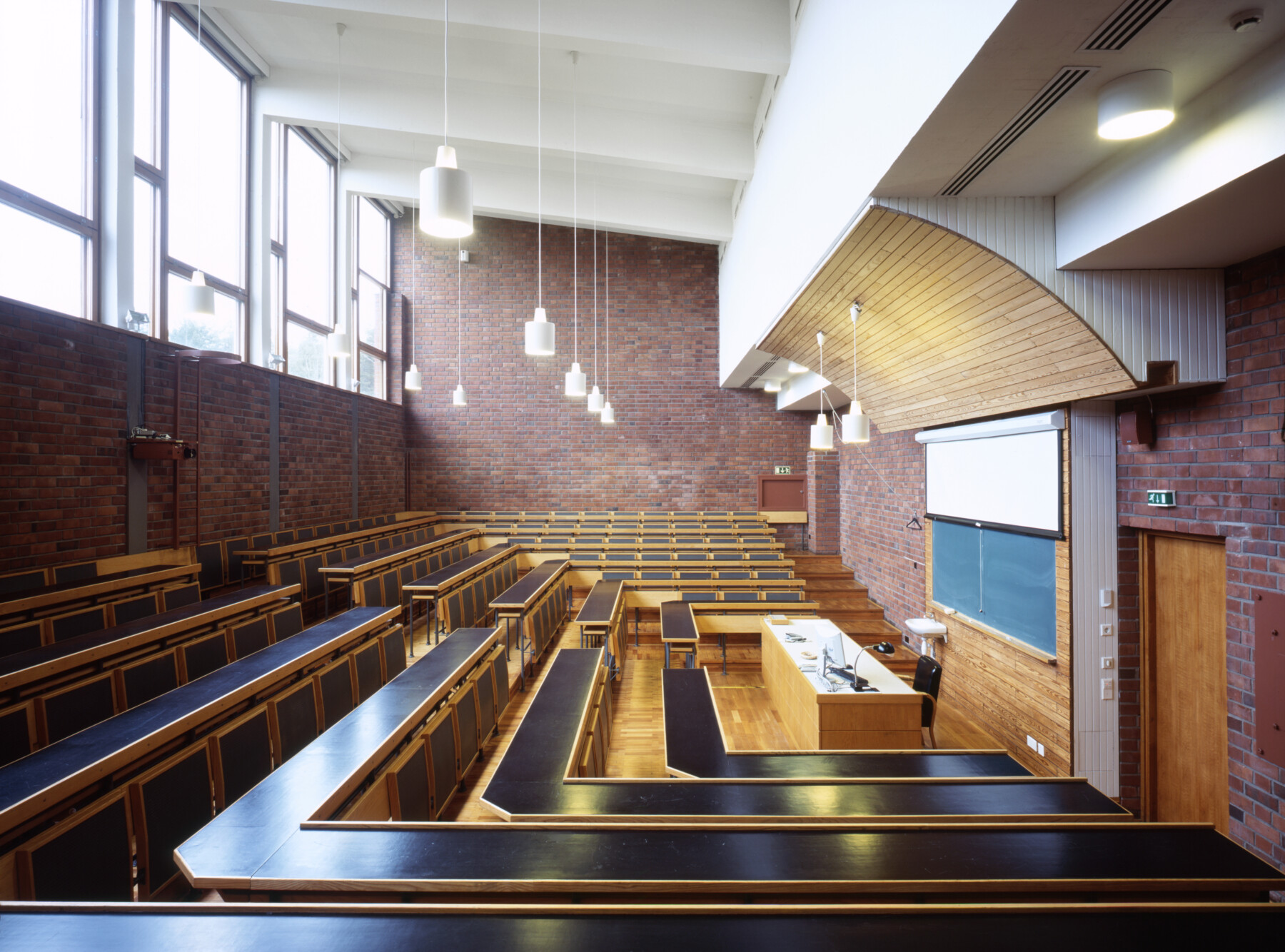
The University of Jyväskylä campus, designed in the 1950s, is based on the American campus concept. It comprises numerous buildings arranged around a central sports field.Photo: Maija Holma / Alvar Aalto Foundation
Aalto’s architectural legacy is now the focus of an international heritage initiative. The Aalto Works nomination brings together 13 sites that collectively illustrate the development of his human-centred modernism.
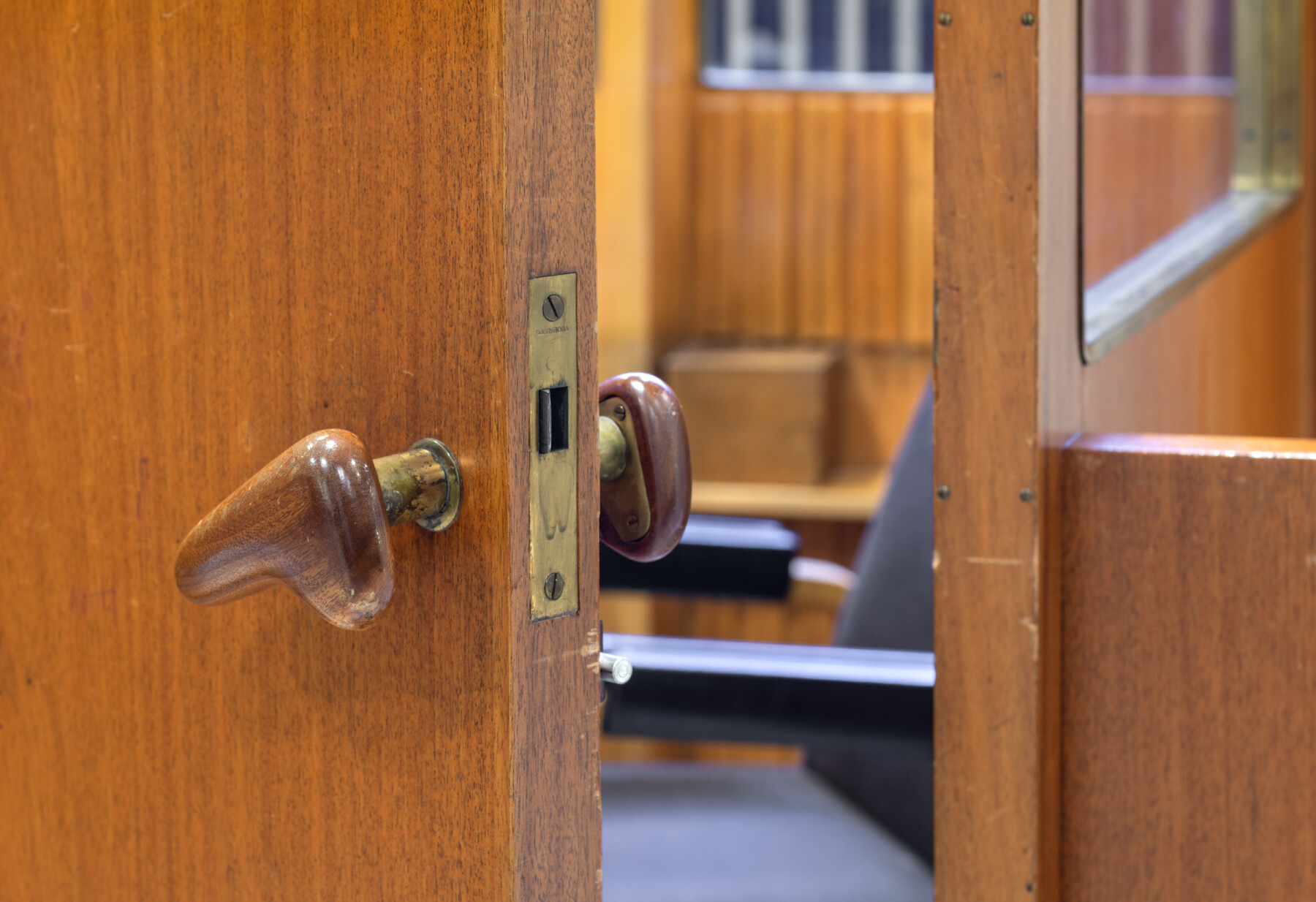
Detail of the former customer service counter in the National Pensions Institute.Photo: Maija Holma / Alvar Aalto Foundation
The proposed serial World Heritage site includes Paimio Sanatorium, Säynätsalo Town Hall, the Sunila Housing Area, Finlandia Hall, the Aalto House and Studio Aalto in Helsinki, the Muuratsalo Experimental House, the Church of the Three Crosses in Imatra, Villa Mairea and several other key works. The nomination also recognises the contributions of Aino and Elissa Aalto, whose work helped shape many of these projects.
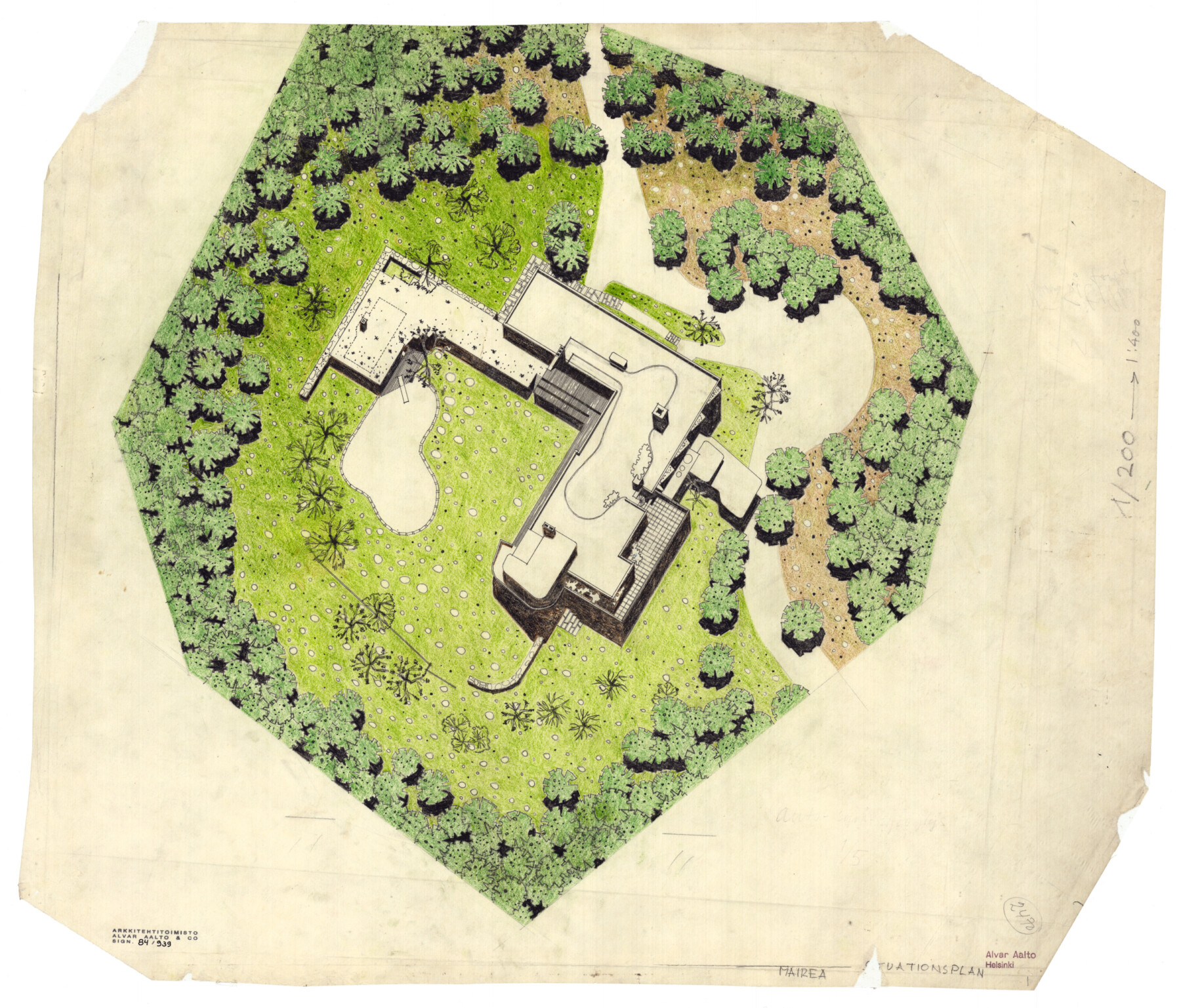
Alvar Aalto designed Villa Mairea (1939) as a home for his friends in Noormarkku, southwestern Finland. The house features a rich palette of materials, including wood and slate.Site plan: Alvar Aalto Foundation
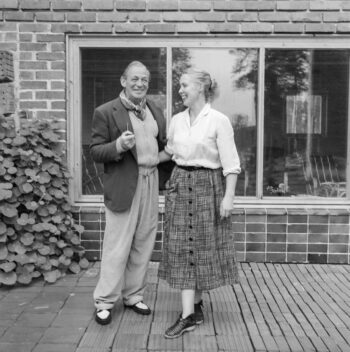
Alvar Aalto and his second wife Elissa Aalto outside their summer house in Muuratsalo.Photo: Göran Schildt
If inscribed on Unesco’s World Heritage List, Aalto Works would join Finland’s existing World Heritage Sites, including Suomenlinna Sea Fortress, Old Rauma, the Struve Geodetic Arc and several others.
Architect Alvar Aalto died in Helsinki in May 1976 at the age of 78. More than fifty years after his death, Aalto’s work is still impactful, functional and simply beautiful.
Text by Emilia Kangasluoma, June 2026